
One carbonized scroll from Herculaneum was charred when Mount Vesuvius erupted in AD 79, and it then sat for centuries under hard volcanic material. On November 24, 2026, the Vesuvius Challenge announced that readers had found letters inside both of its halves. These slides follow the scroll from the eruption to the scans, the first words and what may still lie underground.
Read next on Morning Overview: Hidden card skimmers on gas pumps and ATMs can be exposed with one quick shake
Scroll PHerc. 846: The Scroll Read From Both Halves
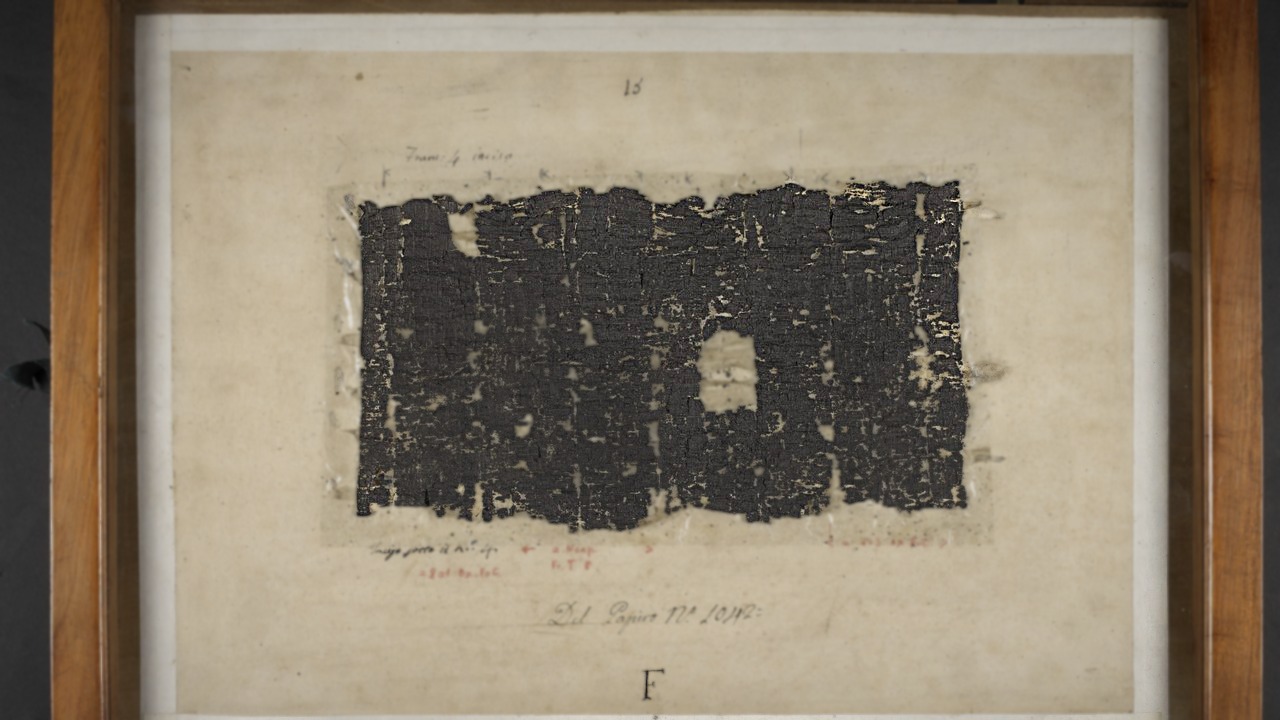
On Nov. 24, 2026, the Vesuvius Challenge announced that contestants had read first letters inside both parts of PHerc. 846, an entire carbonized scroll about 6 cm across and 22 cm tall. According to the prize announcement, the scroll now survives in two separate pieces, which broke apart either during the eruption or sometime before or during the excavations that brought the library back to light.
The two pieces are kept at the National Library in Naples. The newly revealed text and the orientation of the script show that 846A is the lower section and 846B the upper one, and their matching shapes and shared inventory number point to a single original scroll.
Ancient papyrus: Greek Words Surface
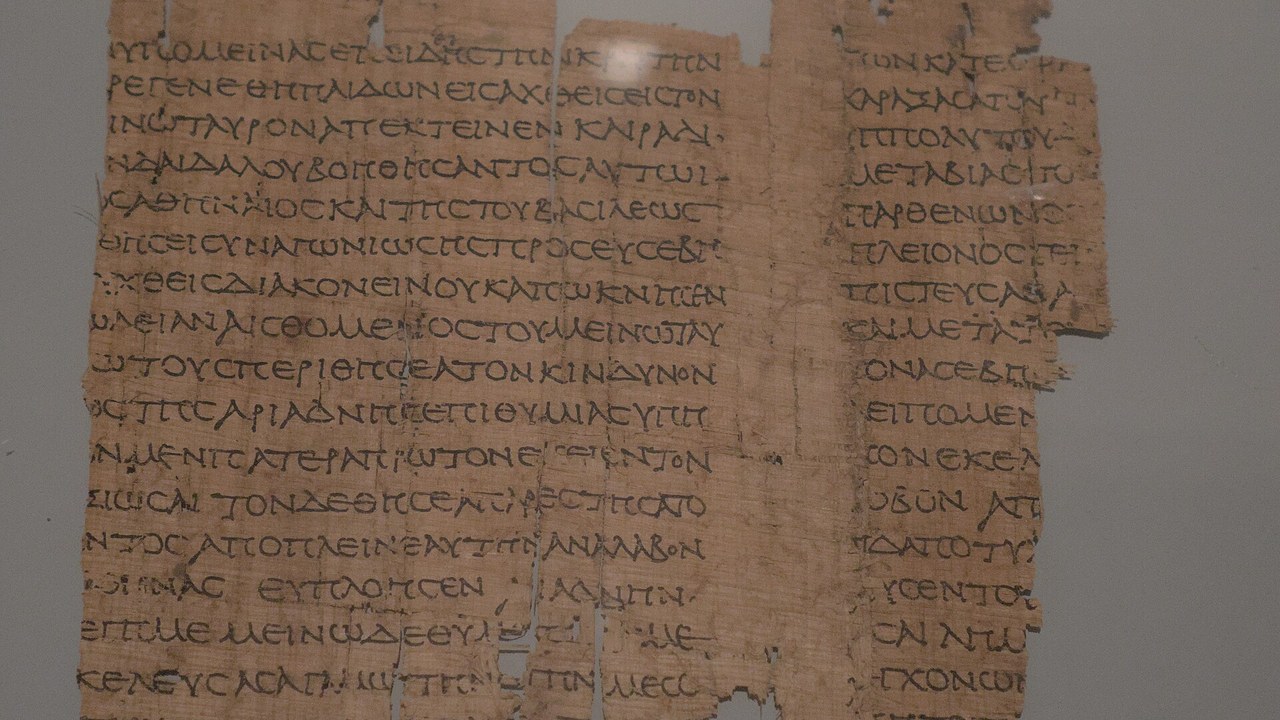
The first readable words came from submissions to the same prize. One contestant revealed the noun for “citizen”, which the Vesuvius Challenge team says can be clearly read, while a lower-half image gave the sequence for “of this man”. Two $50,000 First Letters Prizes were awarded on Nov. 24, 2026, to Brian Koenders and to Jeff Chen and David Chen.
Other fragments are less certain. Brian Koenders’s image reached 15 certainly readable characters in the upper half, and the papyrology team suggested a reading of “all things together” while noting that other readings cannot be ruled out without more context. A faint trace may also spell “expectation”.
Villa of the Papyri: Where The Library Came From
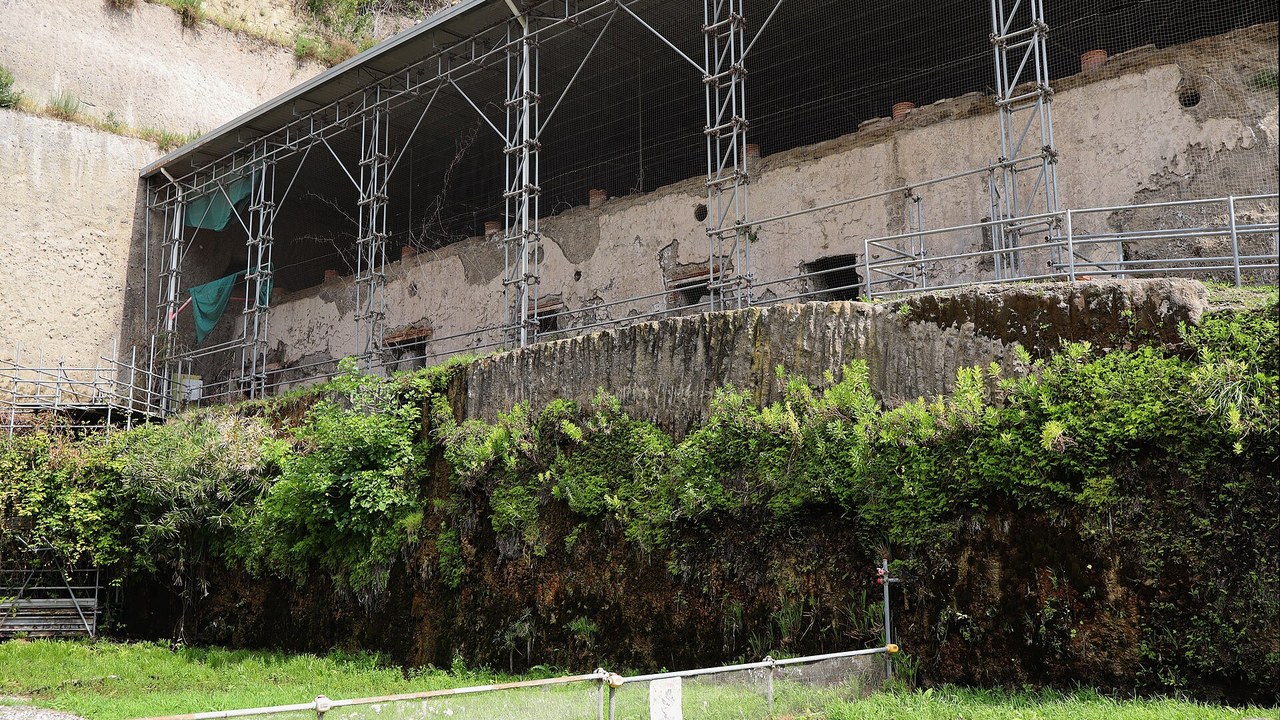
The Villa of the Papyri was discovered in 1750 by farmers digging a well, according to the villa’s reference entry. It takes its name from the unique library of papyrus scrolls found there, and those scrolls are the reason the villa is remembered today.
The villa stood at Herculaneum, and the scrolls recovered from it are the source of the Herculaneum papyri that researchers are still trying to read today. Most of the villa is still underground, so what has been excavated is only part of the whole building.
Herculaneum: A Town Under Thirty Metres
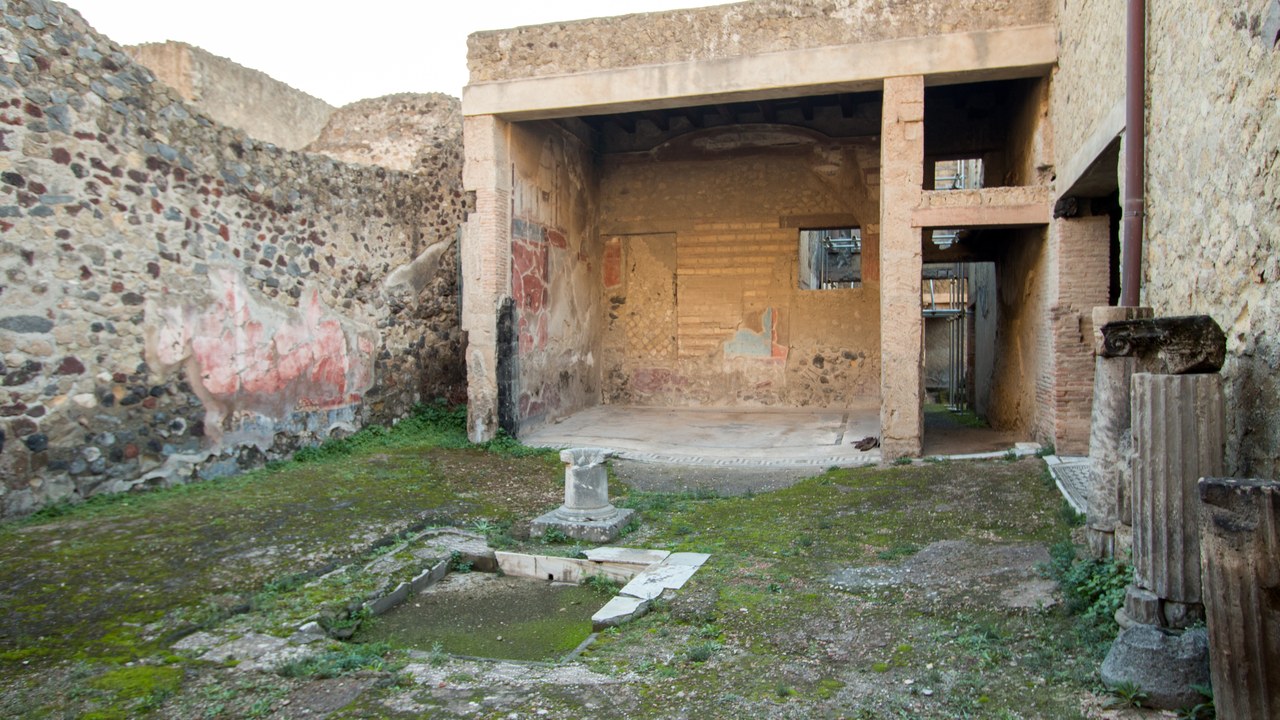
In AD 79, the eruption of Vesuvius covered all of Herculaneum with up to 30 metres of volcanic material from pyroclastic flows, as the Villa of the Papyri article records. The Roman town lay under that cover until excavators reached it.
Herculaneum was first excavated between 1750 and 1765 by Karl Weber, who worked by means of tunnels. The Villa of the Papyri, which held the library, was found in the same year that digging began, 1750, when farmers sank a well. The tunnels led excavators toward the buried town and its villa.
Mount Vesuvius: The Eruption That Charred Them
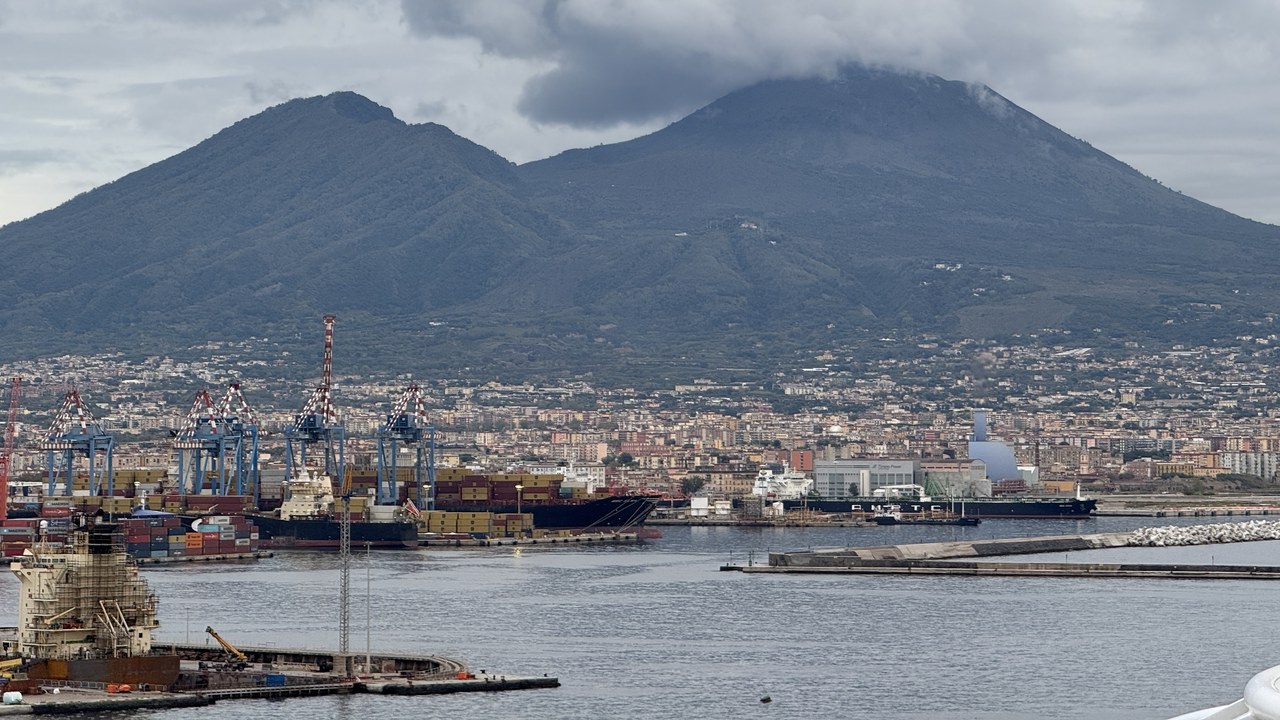
During the eruption of Mount Vesuvius in AD 79, bundles of scrolls were carbonized by the intense heat of the pyroclastic flows, according to the Herculaneum papyri entry. The papyri survived as blackened, brittle rolls instead of burning away entirely.
The eruption is dated to AD 79, and the library lay under about 20 metres of hard volcanic material until the eighteenth-century digging. Their condition caused problems after they were found. At first the papyri were mistaken for carbonized tree branches, and some were perhaps even thrown away or burnt to make heat, according to scholars Antonio de Simone and Richard Janko.
Getty Villa: A Replica In Malibu
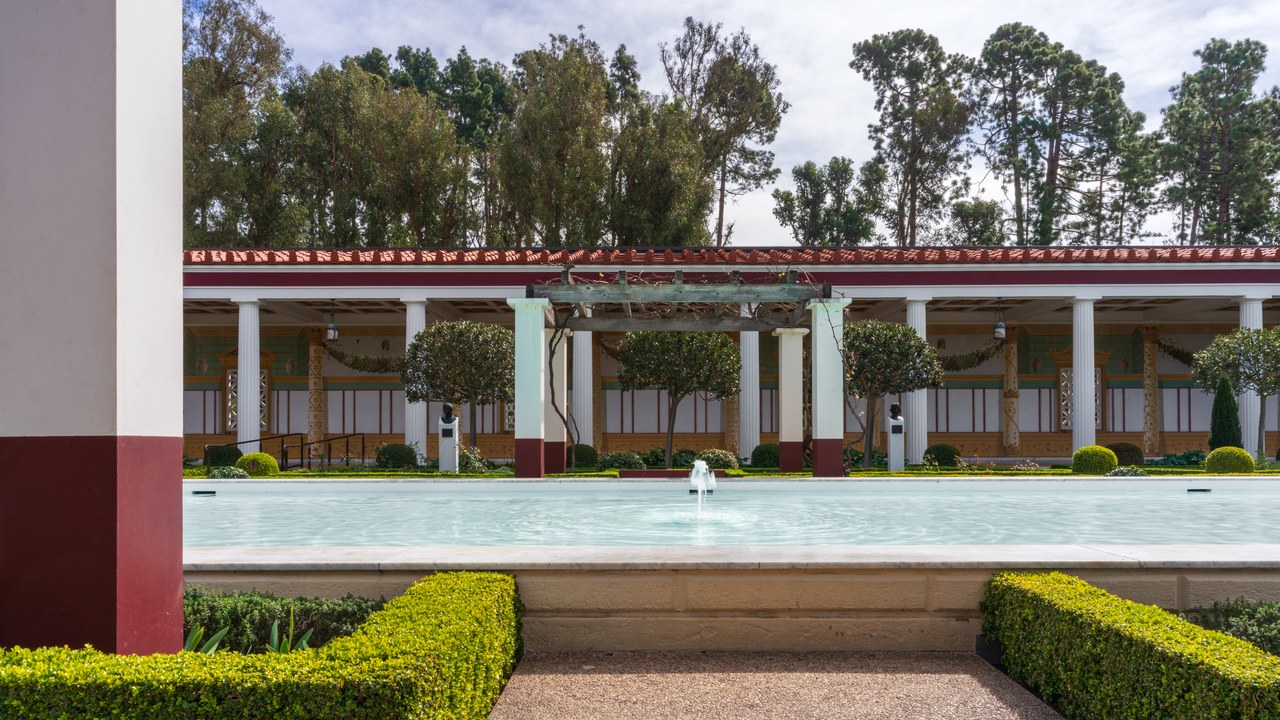
The Getty Villa museum in Malibu, California, is a reproduction of the Villa of the Papyri, as the villa’s article notes. In 1970, oil billionaire J. Paul Getty engaged the architectural firm of Langdon and Wilson to create a replica of the Villa dei Papiri.
The aim was to give a museum where Getty could display his collection of antiquities. The original villa, whose library supplied the scrolls now being read, remains largely underground at Herculaneum, the Roman town buried by the AD 79 eruption. The museum in California therefore stands in for a place that visitors cannot see in full.
X-ray CT scanning: Seeing Ink Without Opening
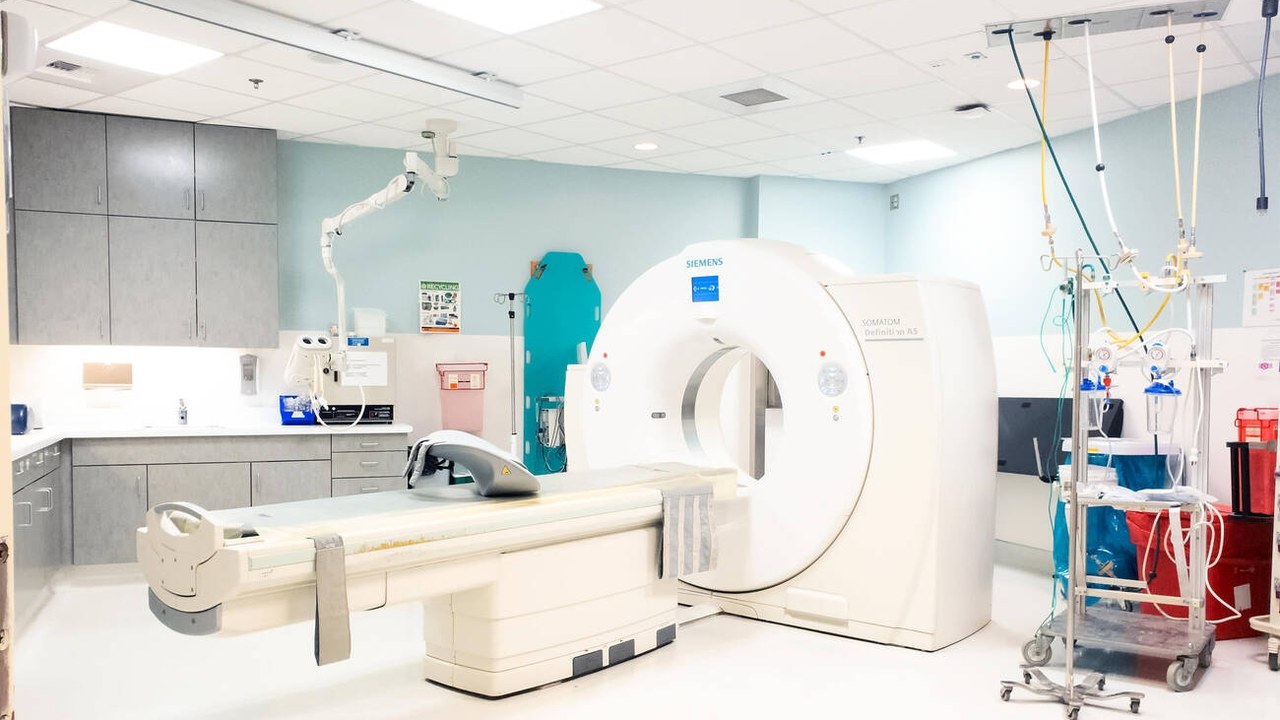
Carbon-based ink is not visible on carbonized papyrus, so X-ray micro-computed tomography shows no ink directly. Researchers instead use software to reveal the ink within X-ray CT scans of the scroll, a method described in a University of Kentucky report on the 2024 Vesuvius Challenge grand prize.
The University of Kentucky’s Brent Seales developed the Volume Cartographer virtual unwrapping software used in the contest. The 2026 PHerc. 846 prizes rest on the same approach: the scroll announcement shows cross-sections from micro-CT scans of both halves and marks where the prize-winning text was found.
Pyroclastic flow deposits: Buried Beneath Hard Rock
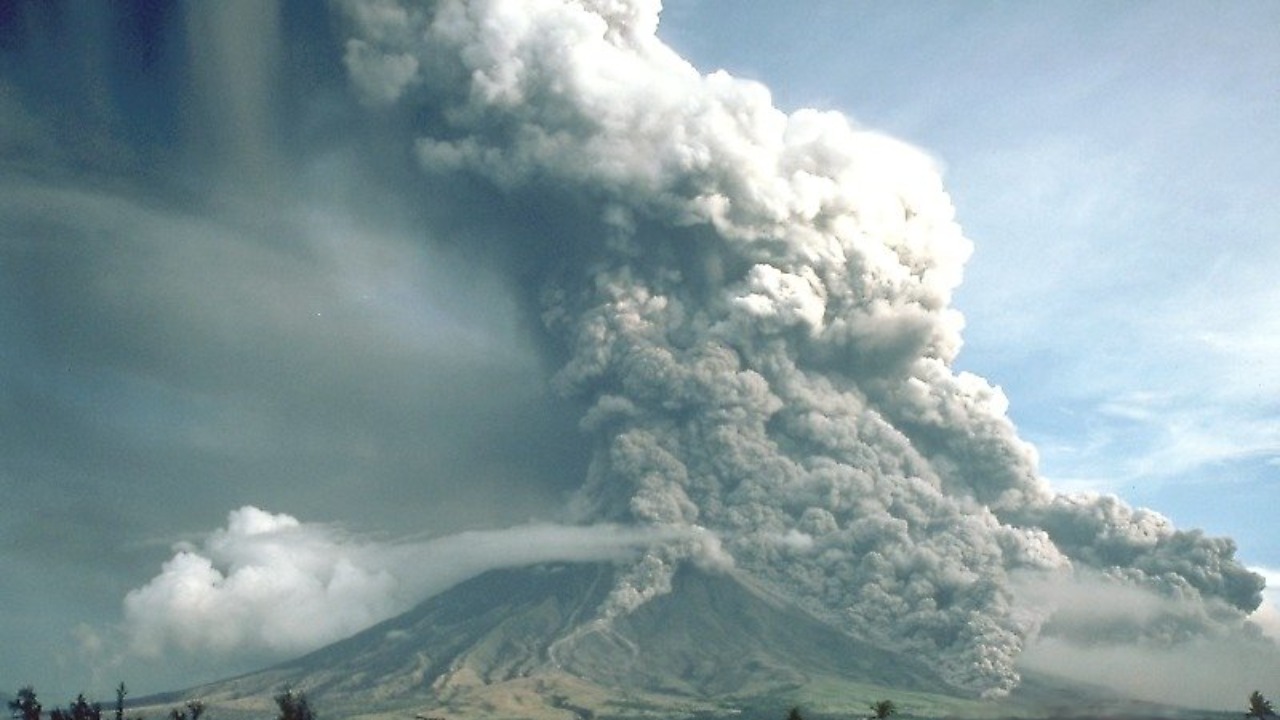
PHerc. 846 lay beneath approximately 20 metres of hard volcanic material before the library was brought back to light, according to the Vesuvius Challenge announcement.
The same announcement says the scroll broke into two parts either during the eruption or at some point before or during the excavations. PHerc. 846 is an entire scroll, about 6 cm in diameter and 22 cm in height, even though it survives only in parts. Those pieces were later scanned separately and labelled A and B, simply to tell the two datasets apart, without knowing which section of the original roll each one matched.
Epicurean philosophy: What The Library Argued
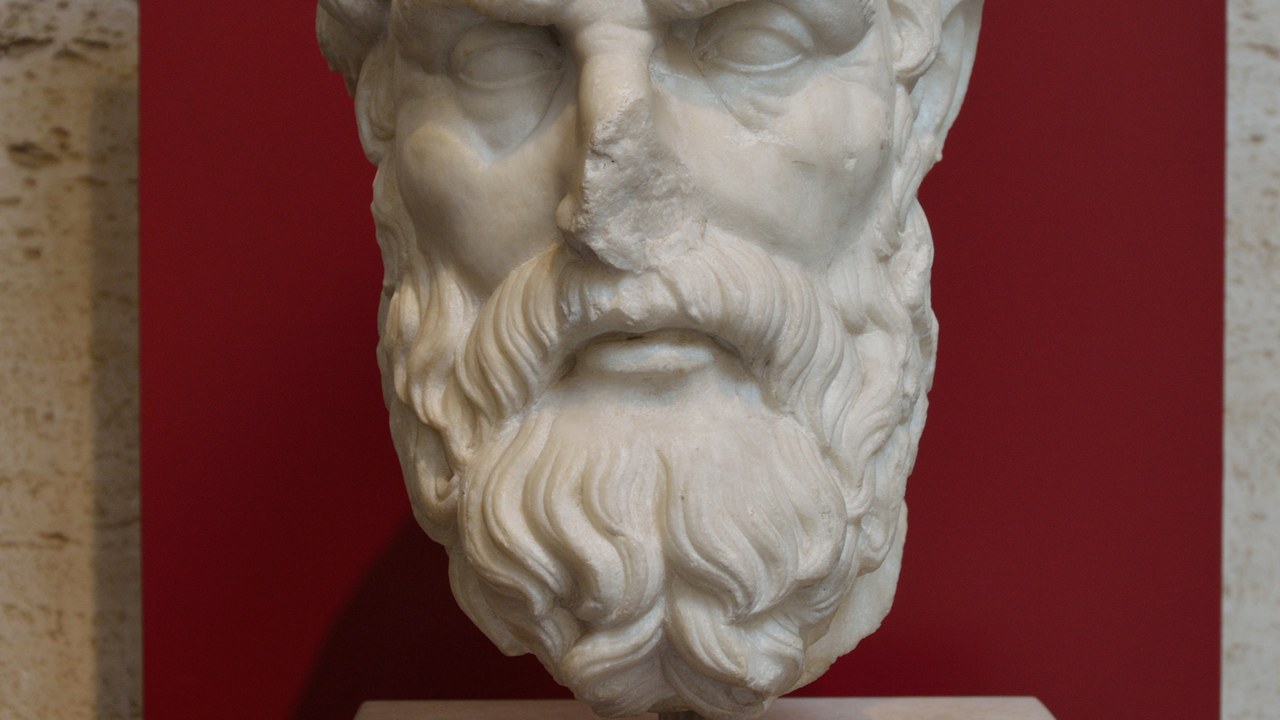
The scroll library’s texts include Epicurean discussions of pleasure and pain. In February 2024, University of Kentucky researchers reported that the hidden text revealed in another scroll, PHerc.Paris4, contains a discussion of how abundance and scarcity can affect pleasure.
Papyrologist Federica Nicolardi said the text asks whether things that are scarce provide more pleasure than those that are abundant. The report adds that the two unopened Institut de France scrolls are among hundreds unearthed in the 1750s from a buried villa that held an extravagant library of Epicurean philosophical texts.
Unexcavated Herculaneum: More Scrolls May Wait
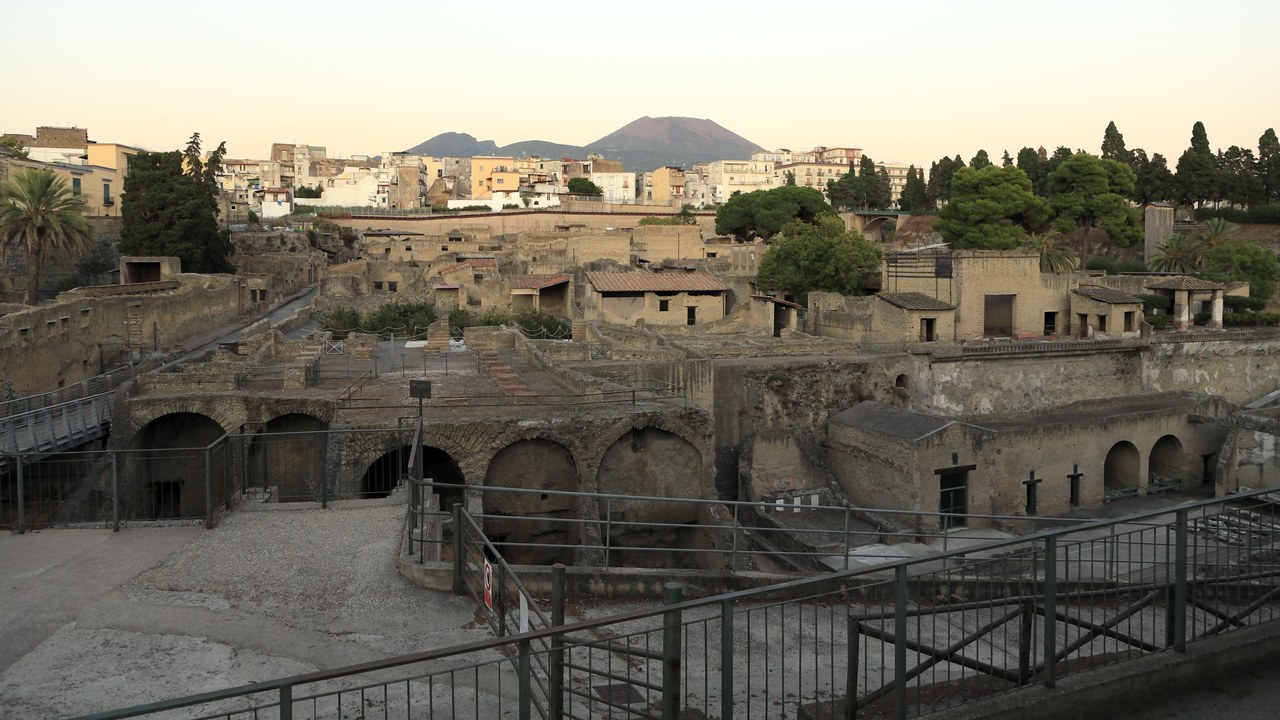
Most of the Villa of the Papyri is still underground, according to the villa’s reference page, so more scrolls may wait in the unexcavated parts of Herculaneum. What the site may still hold remains unknown, because no one has dug there.
For now, work continues on the scrolls already recovered. The Vesuvius Challenge says it still receives many submissions for the remaining five First Letters Prizes, that 17 scrolls are still eligible, and that focus will then turn to the harder Grand Prize of making nearly an entire scroll readable.
More from Morning Overview
- The Honda Pilot has quietly overtaken every model in blown-engine complaints
- Three atmospheric rivers are lining up to drench the Pacific Northwest this week
- Thousands of bottles of a combination blood pressure pill are recalled nationwide
- GM’s big V8 trucks keep blowing engines after the recall fix, and NHTSA is digging deeper
