
Few design choices on an aircraft carrier draw as much argument as how it throws a jet into the air. The Navy’s newest carriers use electromagnetic catapults, and in August 2026 President Donald Trump ordered a return to steam, as reported by Maritime Executive. This gallery follows the dispute from the first ship of the class to the hearing room, using the reporting and test figures cited along the way.
Read next on Morning Overview: A dead key fob doesn’t have to strand you, because most push-button cars hide a backup
USS Gerald R. Ford: Where the Fight Began
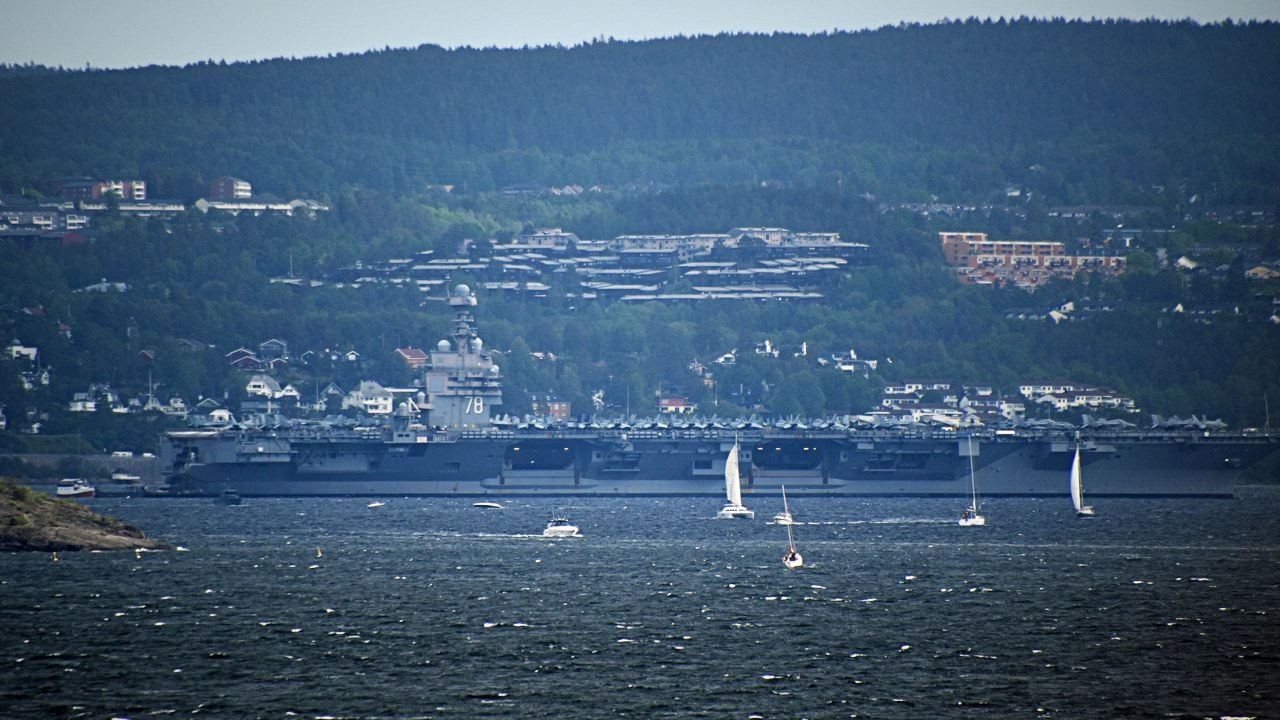
The dispute starts with the first ship of the class. According to Maritime Executive reporting from August 2026, USS Gerald R. Ford was commissioned in 2017 in partially functioning form, and persistent reliability problems with her electromagnetic systems, including the launch catapults, set back her first full-scale deployment until 2023. The outlet reported that President Donald Trump has voiced his preference for steam catapults since 2017, when the technology was in its troubled early years.
In August 2026, the outlet reported, Trump ordered the Navy to remove the electromagnetic launch system from the carriers that follow and go back to steam. The Wall Street Journal, as cited by Maritime Executive, reported that the change would add billions of dollars in up-front cost and tens of millions in annual operating costs.
EMALS catapult: The Reliability Numbers
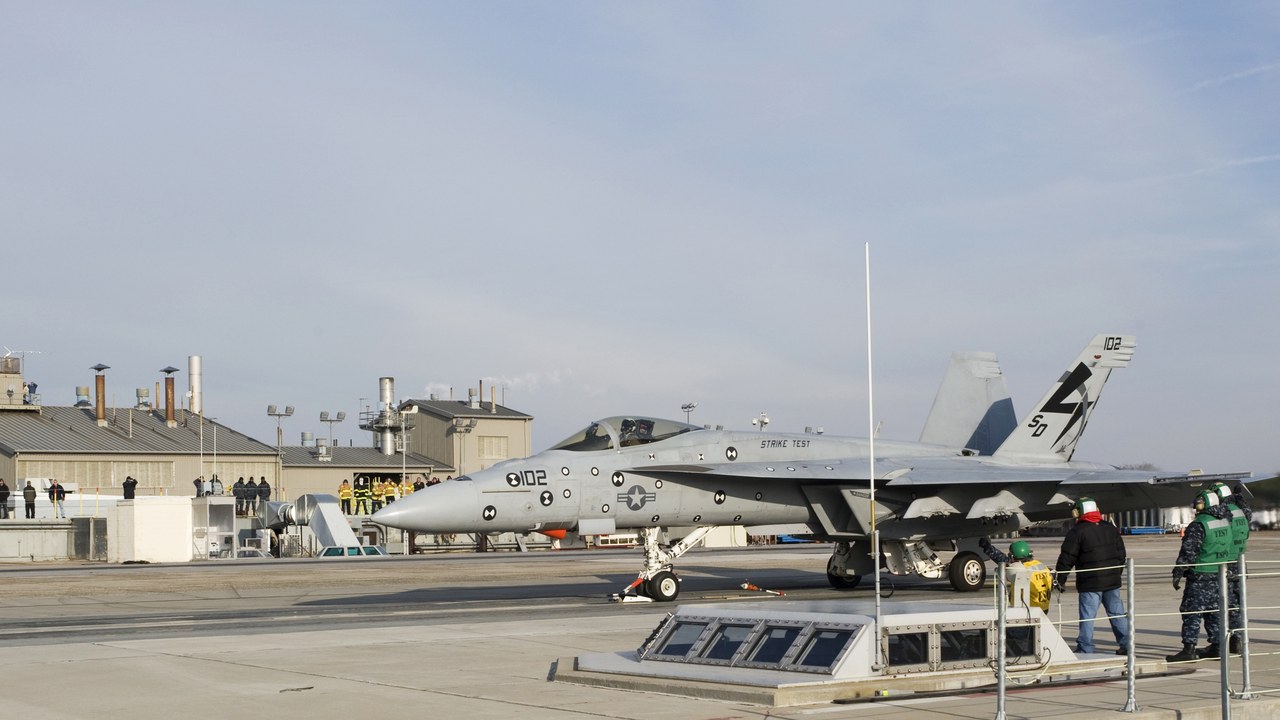
The Electromagnetic Aircraft Launch System, known as EMALS, was designed as an ultra-reliable replacement for the steam catapult. Yet a Maritime Executive report on the Pentagon’s testing office said Ford’s catapults managed about 600 cycles between failures in March to June 2022 testing, a fraction of the design goal of more than 4,000. The agency reported even lower numbers in a later round of tests that September.
Maritime Executive’s August 2026 article adds that the same testing office put the failure tendency at roughly 450 to 600 launches as of its fiscal 2023 report. It said the fiscal 2025 review found little had changed and that EMALS depends on off-ship technical support, which is a challenge for long deployments. The Navy, the outlet noted, has given the system generally positive marks in public in recent years.
Advanced Arresting Gear: Wires That Wear Out
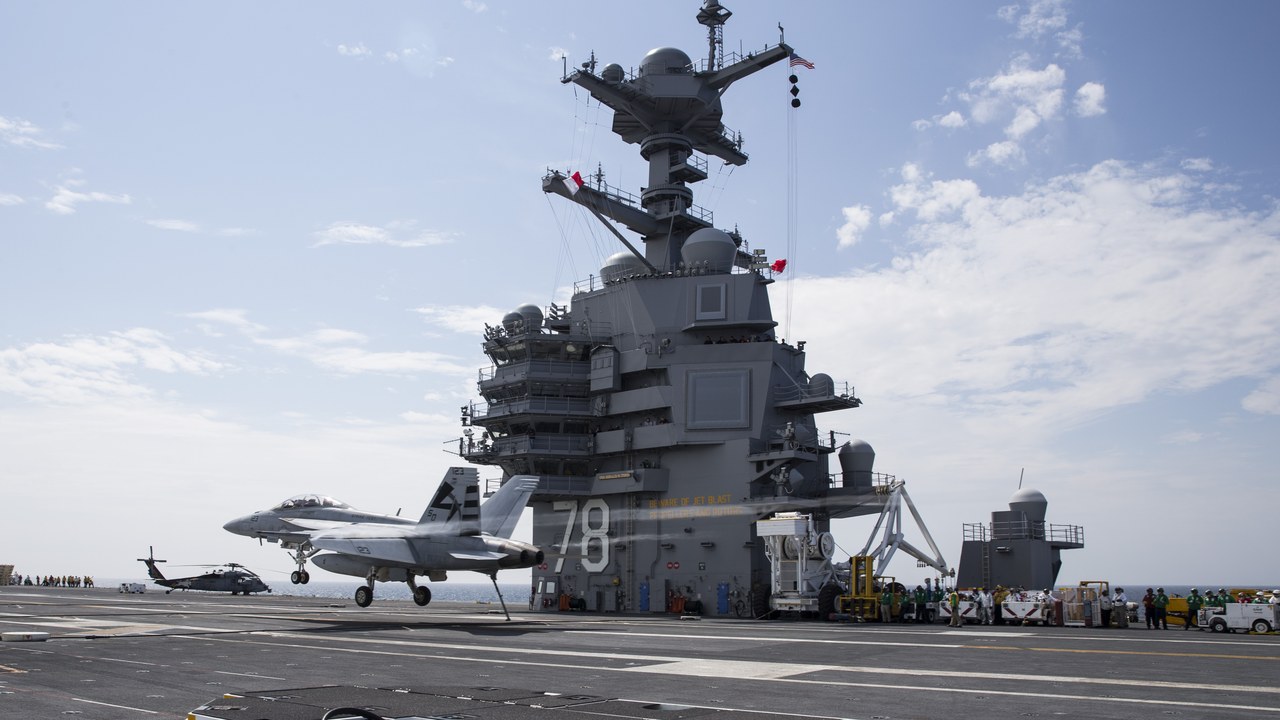
The catapult is only half of the electromagnetic launch and recovery package. The carrier’s Advanced Arresting Gear, the wires that catch landing jets, is supposed to cycle 16,500 times between failures, but testing reported in early 2023 found it broke down after roughly 450 cycles. The Pentagon’s testing office called the reliability of the catapults, arresting gear and jet blast deflectors an adverse effect on sortie generation and flight operations efficiency.
The same report described these subsystems as the primary risk to completing the ship’s initial operational testing and evaluation. The Navy had promised longer maintenance intervals and higher sortie rates from the new designs, according to Maritime Executive, and those gains had proven elusive at the time. The report predates the 2026 steam order by more than three years.
Jet blast deflectors: Panels That Failed Together
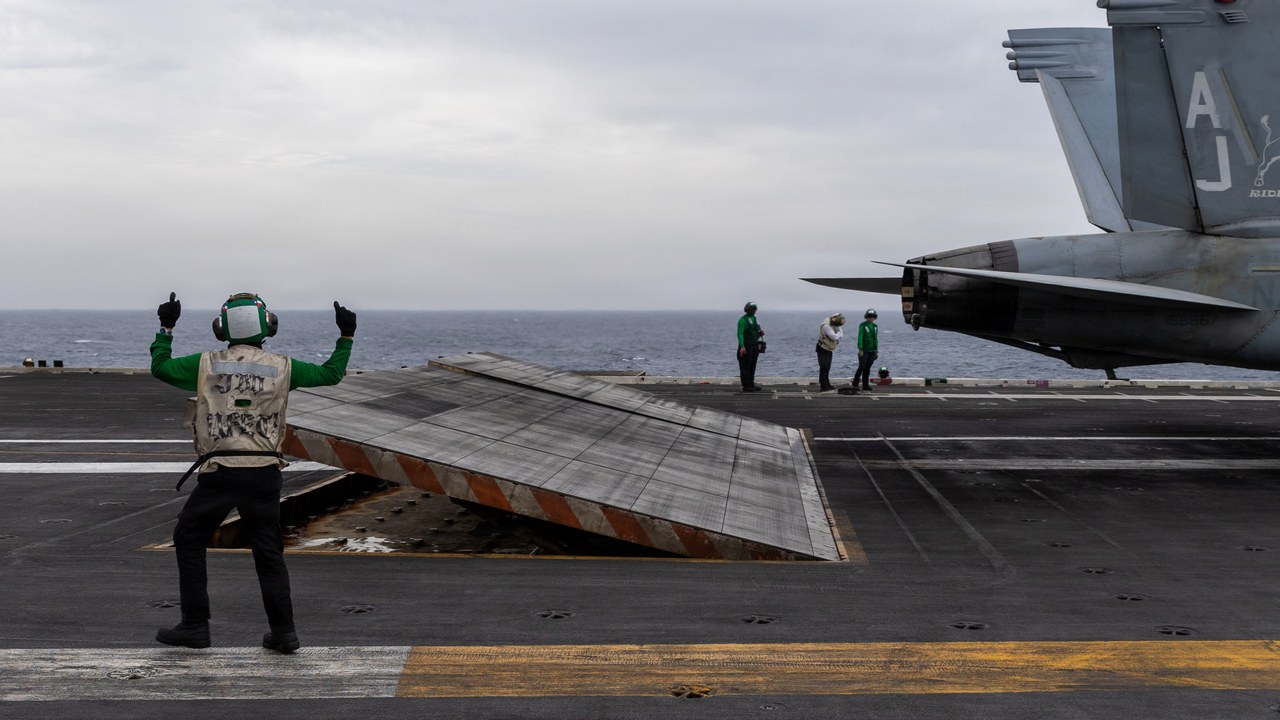
The jet blast deflectors are the deck panels raised behind a launching jet to protect other aircraft. On Ford they are electromechanically actuated, and the Pentagon testing report said their actuators had repeatedly broken down in service. During a carrier qualification trial in August, all four failed, forcing the ship to return to port for repairs.
The testing office attributed the failures to corroded fasteners and said the problem was being addressed. The deflectors are one of three launch-and-recovery systems the office singled out as reliability concerns, alongside the catapults and arresting gear. The report dates from early 2023, so it does not describe the ship’s current condition.
Weapons elevators: The Elevator Problem
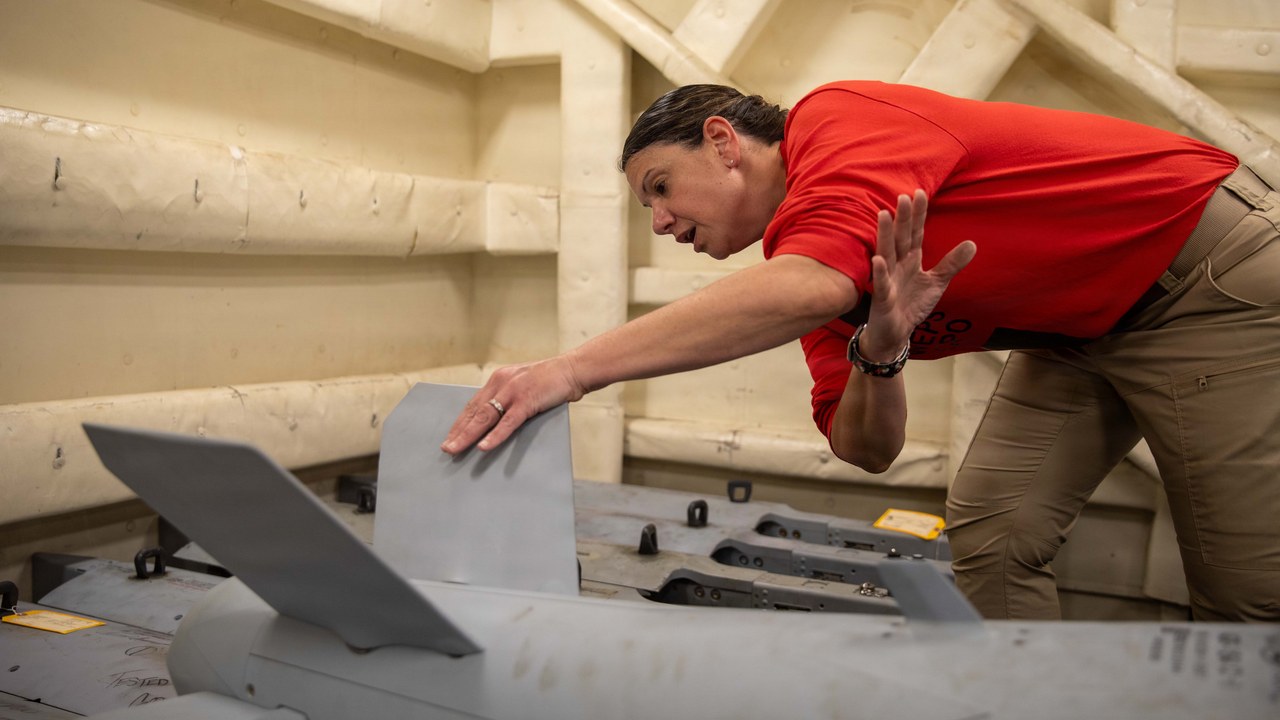
Below the flight deck, Ford’s Advanced Weapons Elevators move ordnance from magazines to aircraft. During a September weapons onload described in a Maritime Executive report, the lower-stage elevators performed faster than those on a Nimitz-class carrier, according to the Pentagon’s testing office. The same test logged 109 elevator failures in about 20,000 dispatches.
The testing office said the system’s reliability would be critical as the Navy develops standard procedures for moving ordnance to the flight deck. Maritime Executive’s later article describes the elevators as the element of the class that has given the Navy the most trouble. The August 2026 order would also require the Navy to drop the electromagnetic elevators on future hulls and return to hydraulically actuated technology.
USS John F. Kennedy: The Second Ship Feels It Too
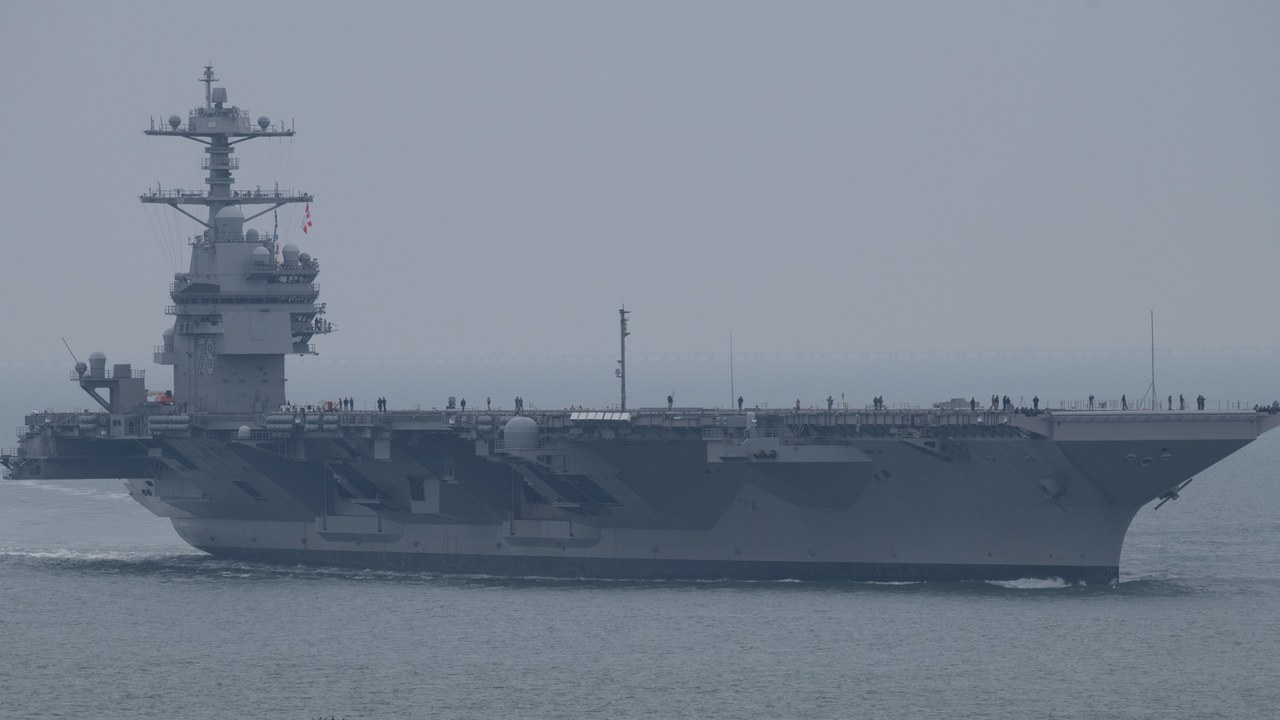
The elevator troubles are not limited to Ford. Maritime Executive reported in August 2026 that problems with the same system are contributing to delays in commissioning second-in-class USS John F. Kennedy. Faulty weapons elevators, the outlet said, had delayed Ford for years.
The outlet said the steam order would almost certainly affect delivery of USS Doris Miller, already years behind schedule. It reported that module construction was under way and keel laying was scheduled for later in 2026, and that later design revisions could mean rework of modules already built. Because of yard constraints and the Kennedy delays, Miller was set to deliver in 2034 before the added time that the new White House memo would require.
Steam catapult launch: What Steam Does Differently
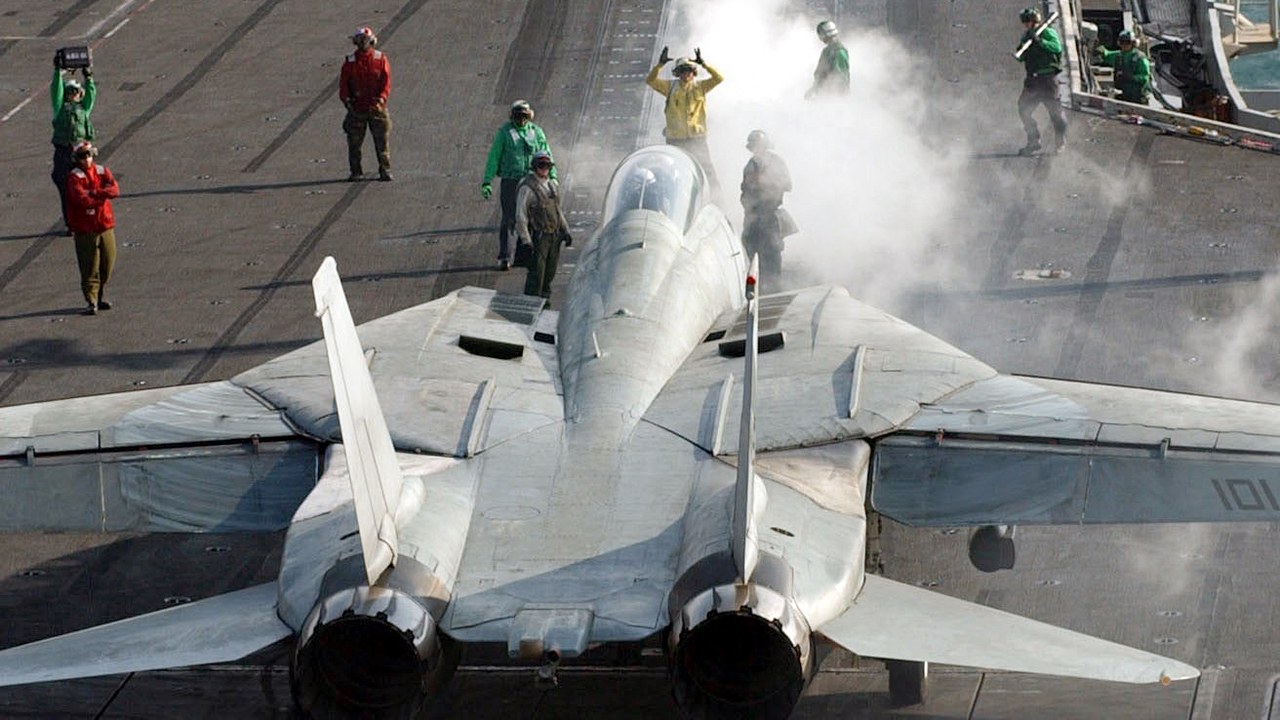
Steam catapults have launched aircraft from Nimitz-class carriers for decades, and An earlier Maritime Executive report called steam the Navy’s proven system. The August 2026 article lists what EMALS offers instead: it is more compact, mechanically simpler and less manpower-intensive. It can also vary the force applied to an aircraft during launch to minimize stress on the airframe, unlike steam launches, which exert sudden and constant pressure.
Going back to steam carries its own costs, the outlet said. The electromagnetic design was built for lighter manning, saving millions in crewing costs each year, and steam would materially increase crew size. More sailors would require more berthing, galleys, laundry rooms and sewage treatment, and interior volume would have to be set aside for steam pipe runs, all requiring thousands of hours of engineering.
Fujian: The Rival With Electromagnetic Launch

The debate has a foreign dimension. According to Maritime Executive, China is the only other nation with a working EMALS-type carrier, the newly built Fujian, which commissioned in November 2025. The outlet added that China’s navy has installed a variant of the system aboard a drone-carrier amphibious ship, the Sichuan, which was still in testing as of early August 2026.
General Atomics, which designed EMALS, told the Wall Street Journal that the president’s decision merits careful reconsideration, per Maritime Executive. The company said it was 50 percent through the EMALS work for USS Doris Miller and that canceling now would signal instability in the defense industrial base and create opportunities for adversaries to close the capability gap. Those are the company’s statements, not findings by the Navy.
Capitol Hill pushback: Congress Pushes Back

The proposal has met resistance on Capitol Hill. At a hearing for Navy secretary nominee Hung Cao, Breaking Defense reported, senior Republicans and Democrats made clear their opposition to a return to steam-powered launch systems, adding another wrinkle to an already difficult confirmation process.
The outlet’s weekly program also covered a separate hearing in which Navy undersecretary nominee William Toti suggested a new plan for building US warships. Breaking Defense separately reported that a White House list sent to Capitol Hill asks for about $22 billion more for Virginia-class and Columbia-class submarines and Ford-class carriers if a December stopgap passes, plus $400 million for CVN-81 redesign activities, which the outlet called a likely reference to the steam plan. The current stopgap expires Dec. 11.
More from Morning Overview
- Up to 5 feet of snow is burying Donner Pass, and forecasters warn against Sierra travel
- Southern California cities built towering sand berms to fend off Thanksgiving tides
- Google is shutting down the Nest app, and unmigrated accounts risk deletion
- Florida’s St. Johns River just topped its worst flood on record near Cocoa
