
Thirteen American warships from the Second World War survive as museums, moored from Manhattan to Pearl Harbor. Visitors can climb aboard carriers, battleships, destroyers and submarines that fought across the Atlantic and Pacific. Here are thirteen World War II warships you can still walk aboard.
Read next on Morning Overview: Apple quietly pushed security fixes to nearly every iPhone, even ones stuck on iOS 18
1. USS Intrepid, New York: The Carrier on the Hudson
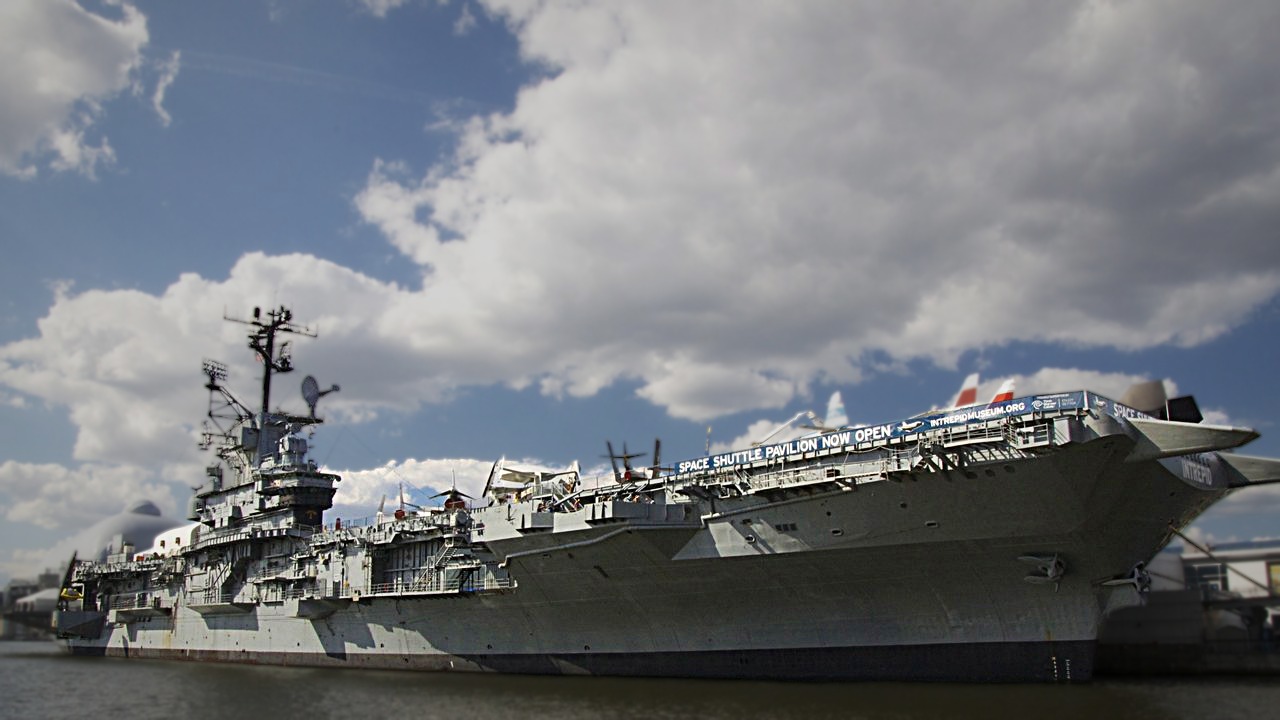
The Intrepid began her career in 1943, when she was sent to capture the Marshall Islands, according to a SlashGear roundup of carriers open to visitors. She went on to take part in island-hopping raids until a torpedo hit crippled her rudder, and her crew rigged an improvised sail on the way back to California.
She later supported the liberation of the Philippines and operations off Japan, and she endured kamikaze hits. The Navy set her aside in 1974, and community effort spared her from the scrapyard. Today she sits at Pier 86 in Manhattan, where the museum includes a submarine and aircraft.
2. USS Yorktown, South Carolina: Flagship of the Museum Fleet
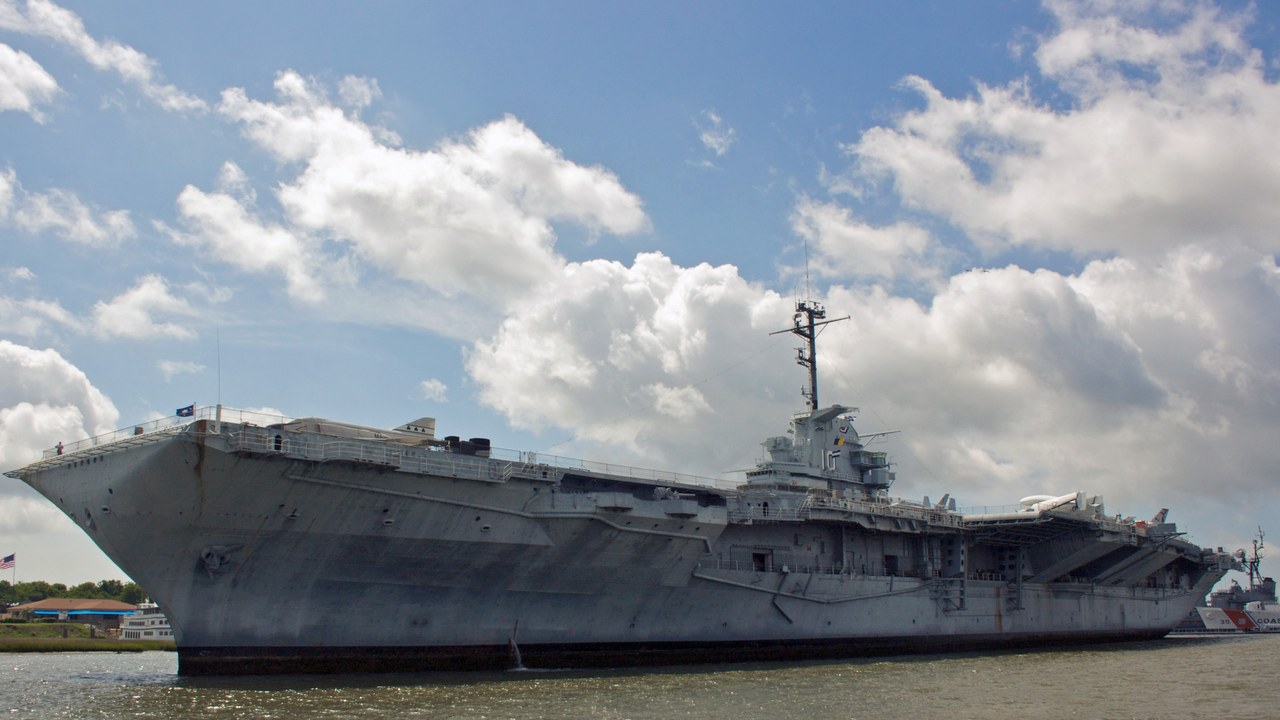
The Yorktown is described by the Historic Naval Ships Association as the flagship of the museum fleet. The carrier received the Presidential Unit Citation and 11 battle stars for her service in World War II, and she now serves as a floating museum at Mount Pleasant, South Carolina.
Her hangar deck holds a dozen famous carrier aircraft, including Wildcat, Hellcat and Corsair fighters, two TBM Avenger torpedo bombers and a rare SBD Dauntless dive bomber. Compartments also preserve artifacts from sister carriers such as Enterprise and Saratoga, and a memorial names more than 8,000 carrier personnel lost in combat.
3. USS Hornet, California: Pacific Veteran at Alameda
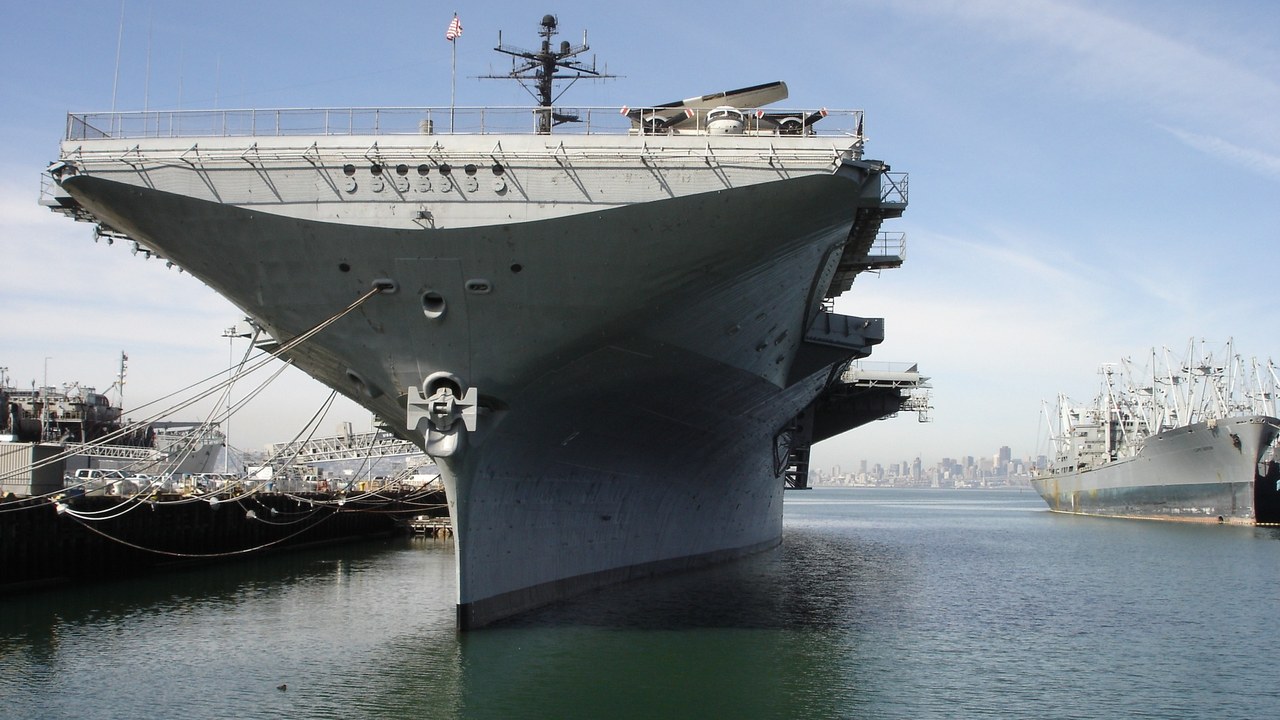
Naval history enthusiasts can visit the surviving CV-12, constructed in 1943, as a SlashGear guide to museum carriers explains. She did not reach the war zone until 1944, but she took part in air raids and amphibious assaults from New Guinea and Guam to the Philippine Sea and Okinawa.
The Historic Naval Ships Association adds that her pilots destroyed 1,410 enemy aircraft and that her planes helped sink the Japanese battleship Yamato. She helped the Vietnam War effort in 1967, was decommissioned in 1970 and became a museum ship in 1989. The earlier CV-8 was a different ship.
4. USS Lexington, Texas: The Blue Ghost
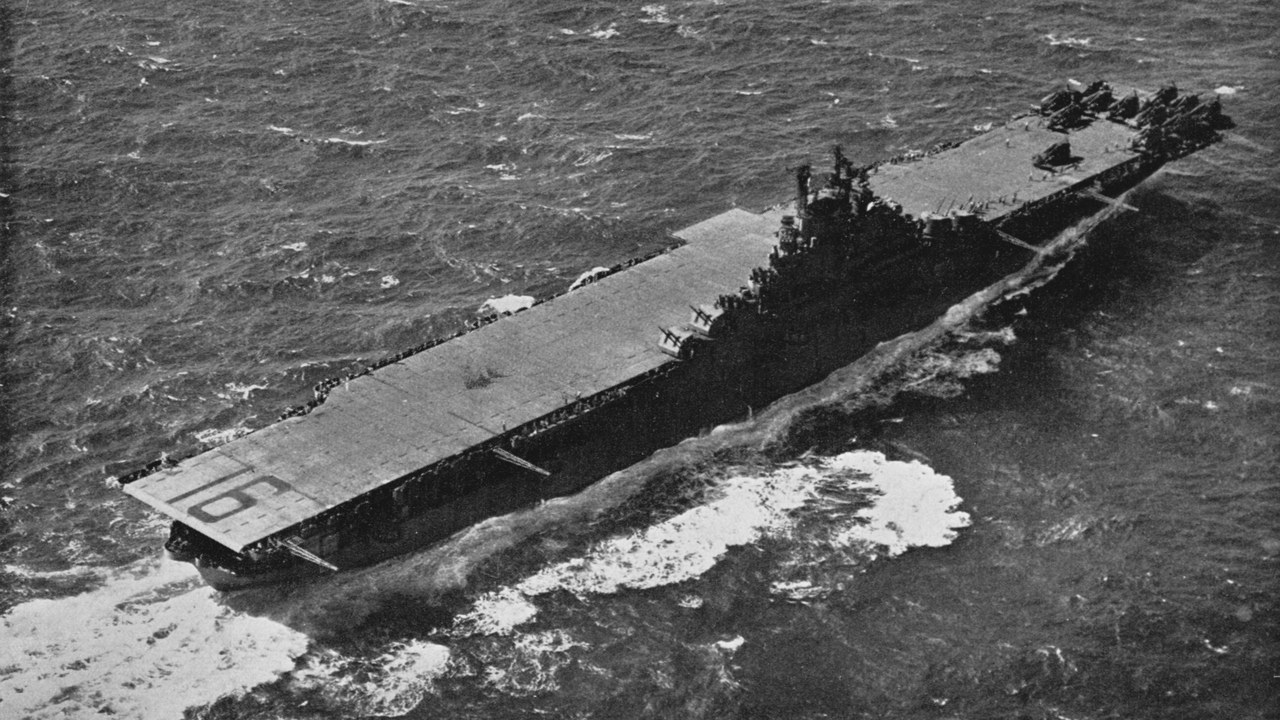
The Lexington is docked at Corpus Christi, Texas, and the SlashGear carrier list notes that she played the USS Hornet in the film Pearl Harbor. She was christened Cabot during construction, then renamed after the original Lexington was sunk. Japanese forces nicknamed her the Blue Ghost after repeatedly believing they had destroyed her.
Her service ended in 1991, and her museum career began the next year. The museum survives thanks to local community support and takes no money from the government. Visitors find a theater, flight simulators and model collections aboard a ship that later served as an antisubmarine carrier and training platform.
5. USS The Sullivans, New York: Five Brothers, One Destroyer
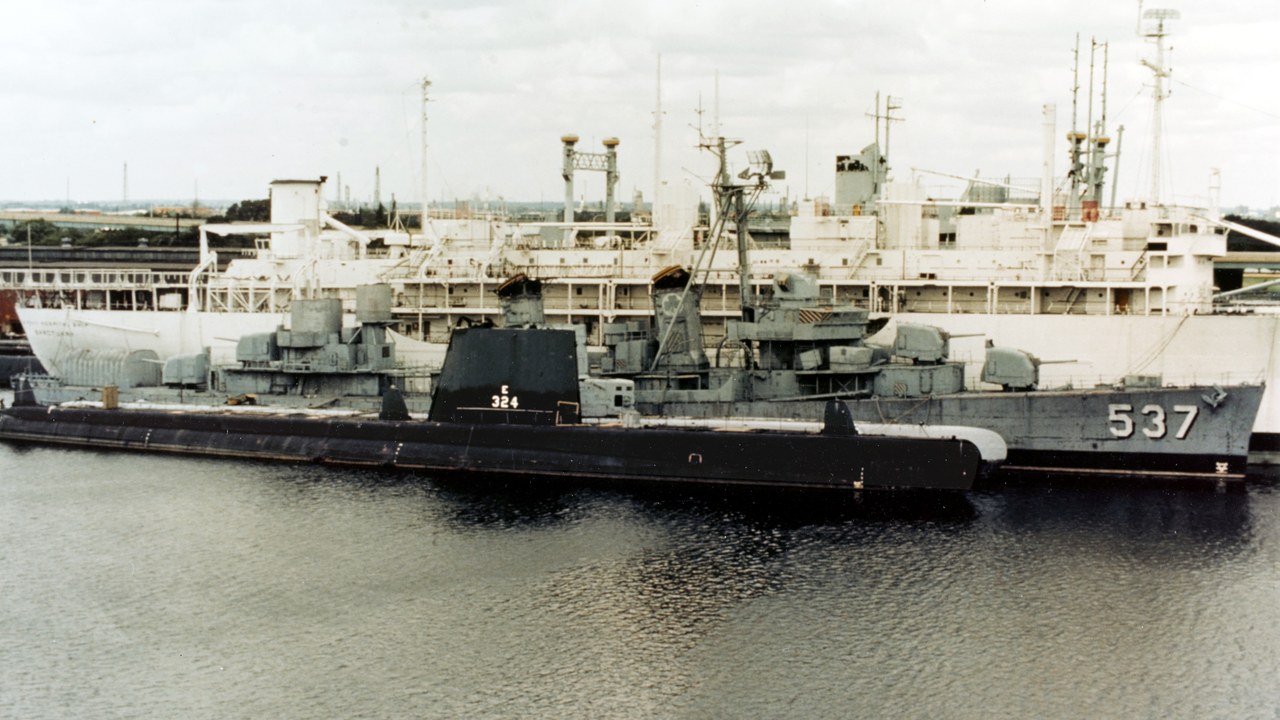
The Sullivans carries the name of the five Sullivan brothers who died when the cruiser Juneau was sunk near Guadalcanal on 13 November 1942, according to Historic Naval Ships Association. In 1943 President Roosevelt ordered that a Fletcher-class destroyer then in production be named for them, and the unfinished Putnam became The Sullivans.
The brothers’ parents sponsored and launched the ship. The destroyer earned nine battle stars in the Pacific and two more in the Korean War. A Buffalo judge won her transfer from Philadelphia in 1977 to honor western New Yorkers who had served in the armed forces.
6. USS Laffey, South Carolina: The Ship That Wouldn’t Die
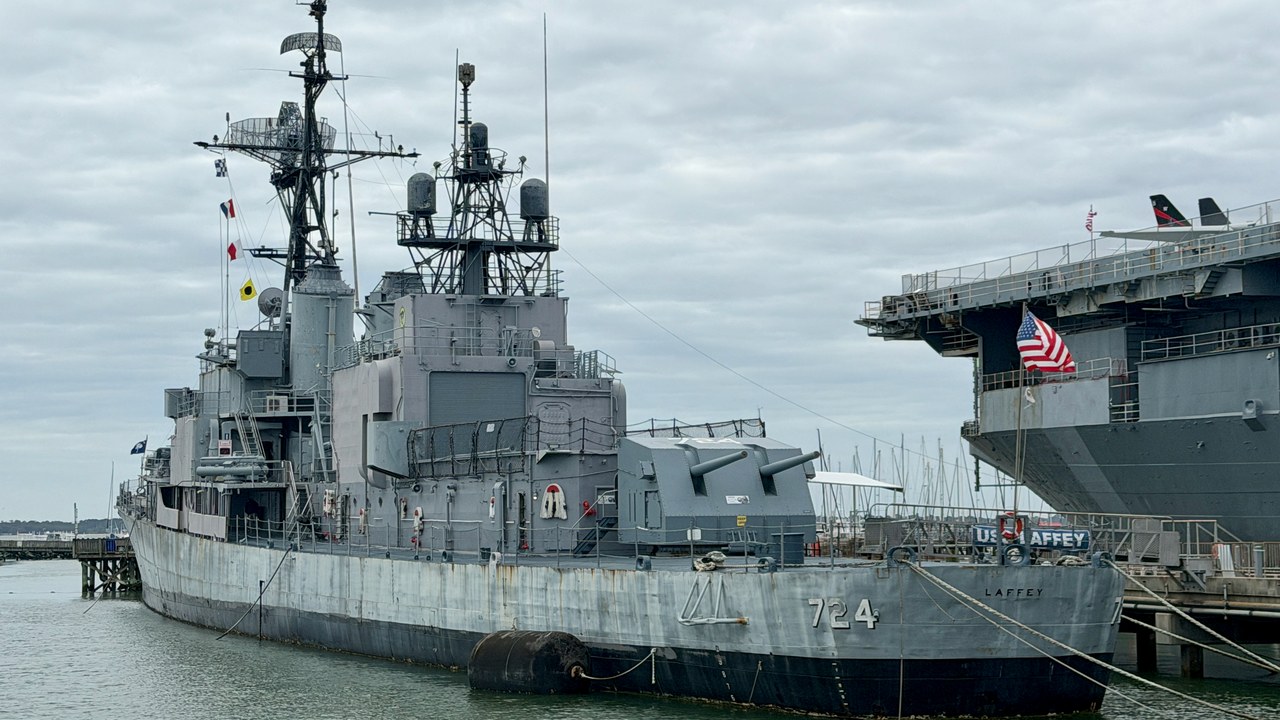
Rear Admiral Frederick Julian Becton titled his book about the destroyer The Ship that Wouldn’t Die, recalling the ferocious kamikaze attack that brought her momentary fame, as the Historic Naval Ships Association recounts. Becton supervised her construction at Bath Iron Works, and she was commissioned in 1944.
Two World War II destroyers carried the name Laffey, honoring Civil War Medal of Honor recipient Bartlett Laffey. The first, DD-459, was lost in action off Guadalcanal in November 1942. The second Laffey lived a long life and now serves as a museum ship in South Carolina, after facing the peril of old age.
7. USS Slater, New York: The Greek Navy’s Aetos
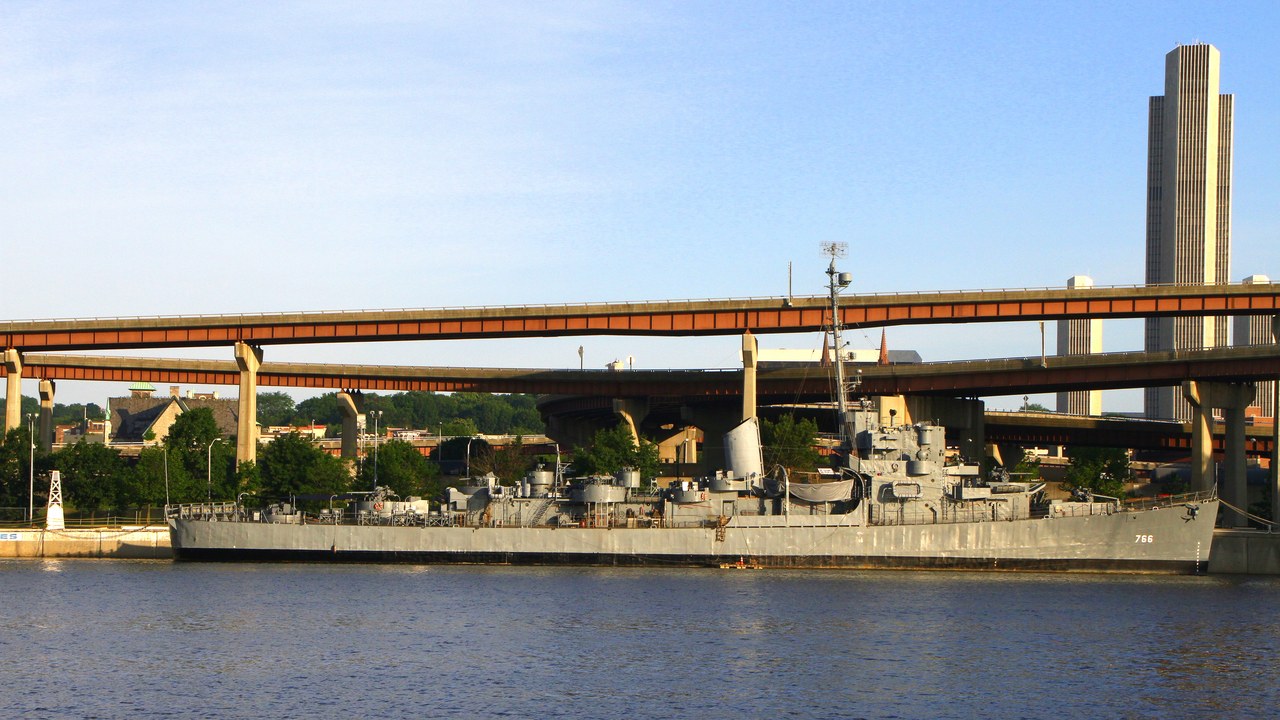
The Slater is a destroyer escort commissioned in May 1944, and the Historic Naval Ships Association calls her the only surviving Cannon-class vessel still afloat in her World War II configuration. She served as a target and sonar school ship before Atlantic convoy duty, then escorted convoys in the Pacific until she was deactivated in April 1946.
In 1951 she was transferred to the Hellenic Navy, renamed the Aetos, and sailed in Greek service until 1991. Sailors’ association members raised $290,000 in 1993 to bring her home, and she reached Albany in 1997. Restorers returned her to 1945 condition.
8. USS Pampanito, California: Rescuer of Prisoners of War
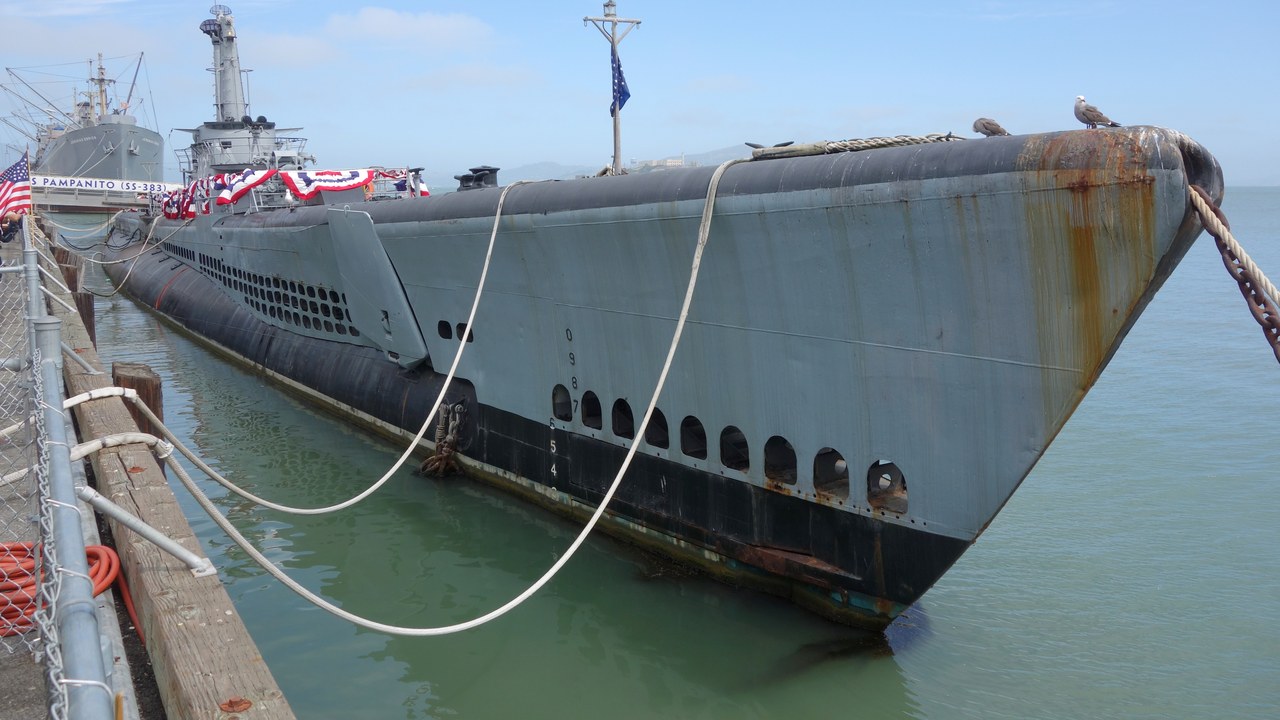
The Pampanito is a World War II fleet submarine that earned six battle stars in the Pacific, sinking five vessels totalling 27,332 tons, according to the Historic Naval Ships Association. She now serves as a museum ship in California.
Her biggest day came on 12 September 1944, when she and two other submarines surprised an 11-ship convoy and sank seven vessels. Some of those transports carried Allied prisoners of war, and the Pampanito later rescued 73 of them. The boat shows visitors the cramped living spaces in which submarine crews fought the Pacific war.
9. USS Drum, Alabama: A Sub With a Dog
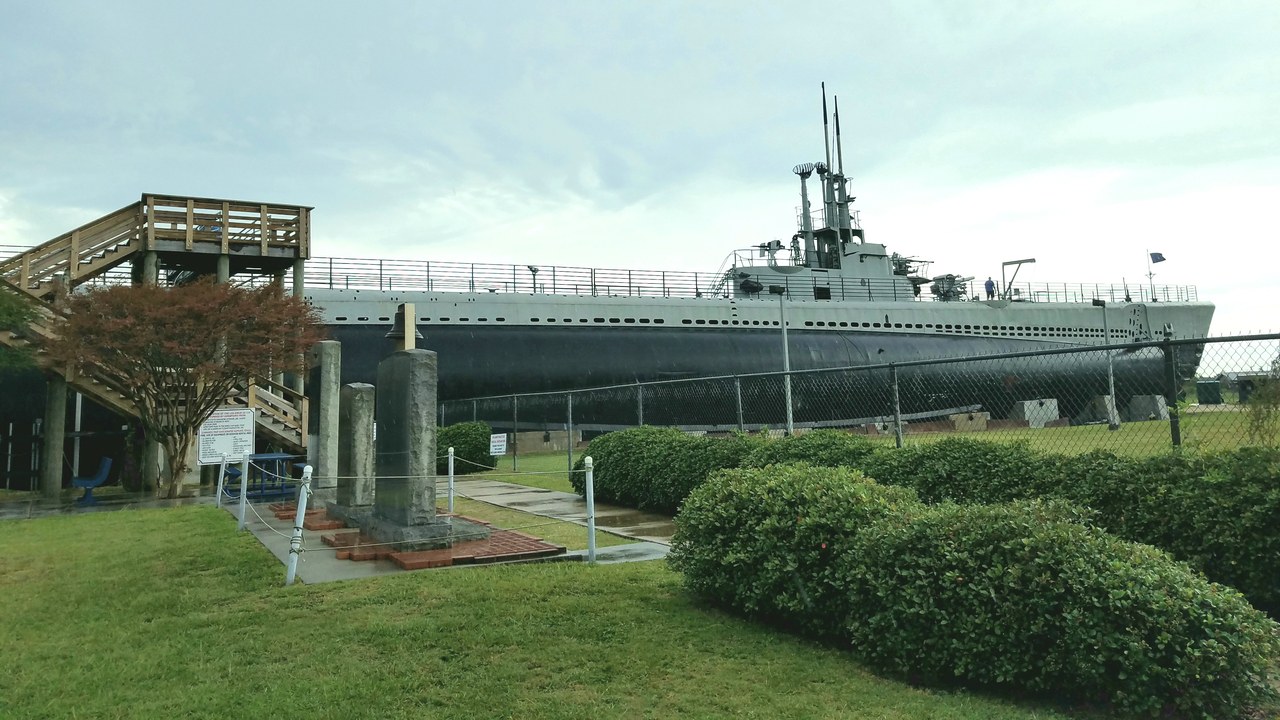
The USS Drum sits in Mobile at Alabama Battleship Memorial Park, alongside the battleship Alabama. Described by The Saturday Evening Post as the oldest American military submarine on public display, she is a World War II boat that visitors can walk through.
The same account notes that it is hard to believe the cramped interior once supported 72 crew members and a dog. The park around her also holds tanks, artillery and memorials to prisoners of war, fallen Coast Guard members and service dogs.
10. USS Alabama, Alabama: Fifteen Thousand Miles on One Tank
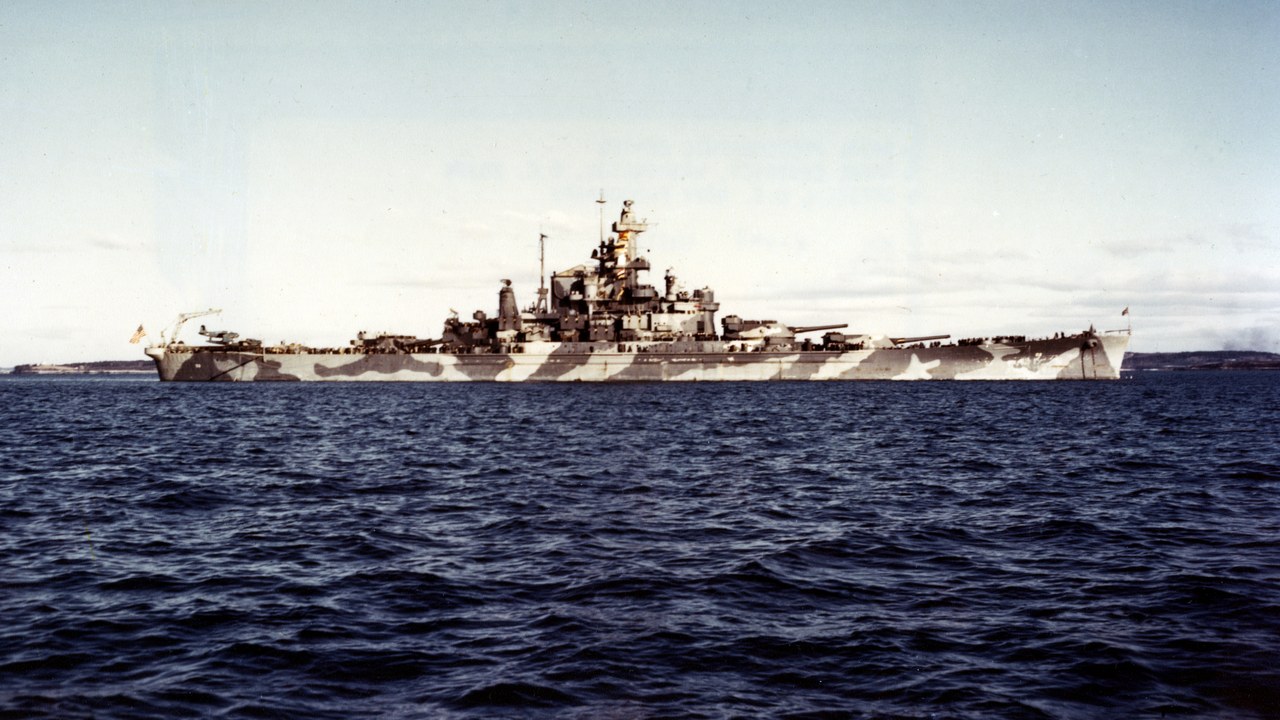
Commissioned in 1942, the Alabama began service guarding against possible German raids in the Atlantic, as a Jalopnik feature on battleship museums recounts. In the summer of 1943 she moved to the Pacific and helped capture the Gilbert Islands, then fought at the Philippine Sea and Leyte Gulf.
The ship earned nine battle stars in the Pacific, and The Saturday Evening Post noted that she ran 15,000 miles on a single tank of fuel. Decommissioned in 1947, she became the center of a memorial on the Mobile waterfront, where a Living History crew stages reenactments.
11. USS Missouri, Hawaii: Where Japan Surrendered
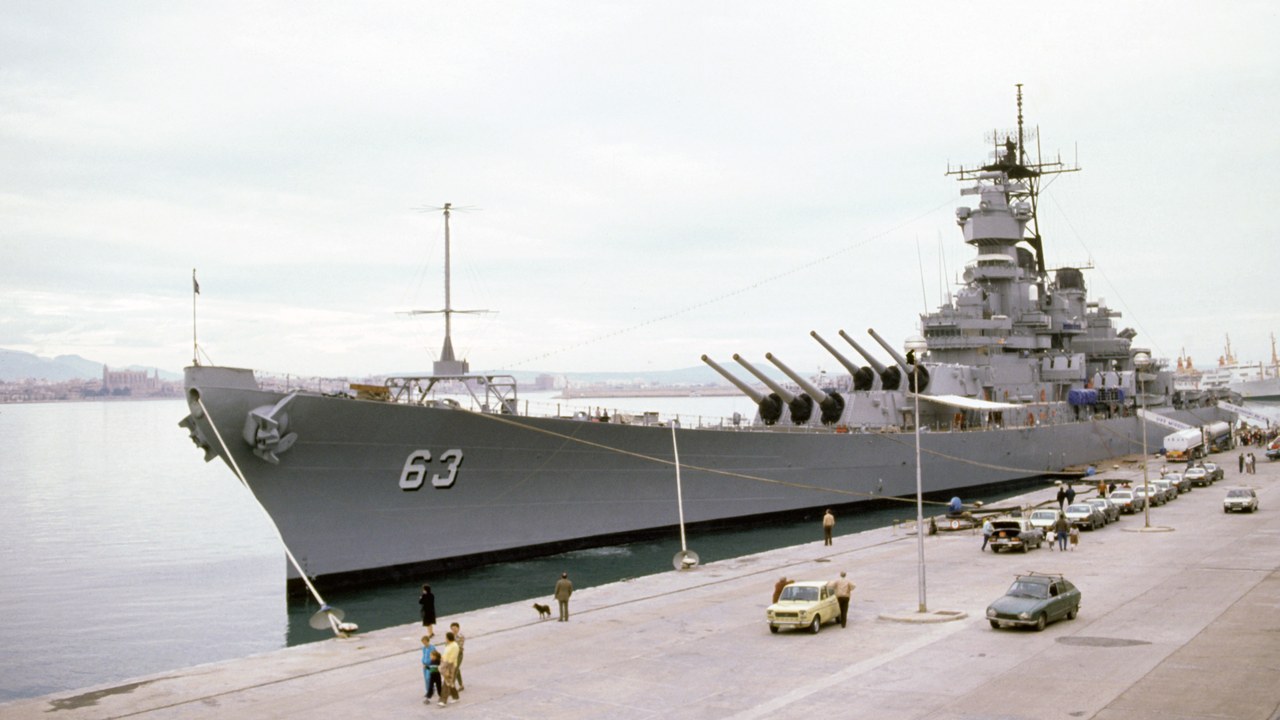
The Missouri, known as the Mighty Mo, was the site of Japan’s formal surrender, as a Jalopnik overview of museum battleships explains. On 2 September 1945, Foreign Minister Mamoru Shigemitsu and General Yoshijiro Umezu boarded her, and officials from the United States and eight allied nations signed the surrender document in a brief ceremony.
Launched in 1944, the 887-foot ship saw action at Iwo Jima, Okinawa and Tokyo and was hit by kamikaze aircraft. She later bombarded shores in the Korean War and took part in Desert Storm. Today she rests at Pearl Harbor in Hawaii, with four permanent exhibits.
12. USS North Carolina, North Carolina: Saved by a State Campaign
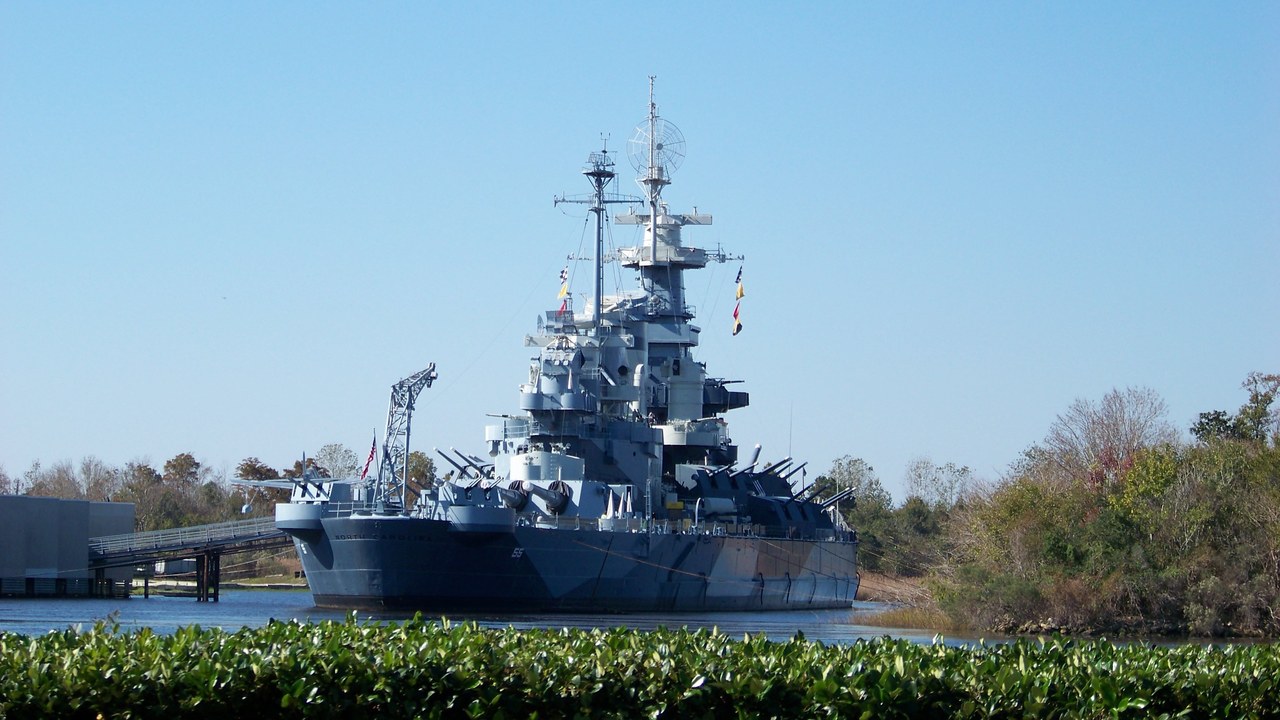
The North Carolina earned 15 battle stars in the Pacific, according to a Jalopnik rundown of surviving World War II battleships. Her keel was laid at the New York Navy Yard in 1937, she was commissioned in April 1941, and she reached Pearl Harbor in 1942 before fighting in every major campaign of the Pacific War.
Decommissioned in 1947, she was slated for scrapping until the people of North Carolina campaigned to save her. She arrived at Wilmington on the Cape Fear River in 1961. Visitors tour living quarters, gun turrets and early computers, and admission funds pay for repairs.
13. USS New Jersey, New Jersey: Most Decorated Battleship
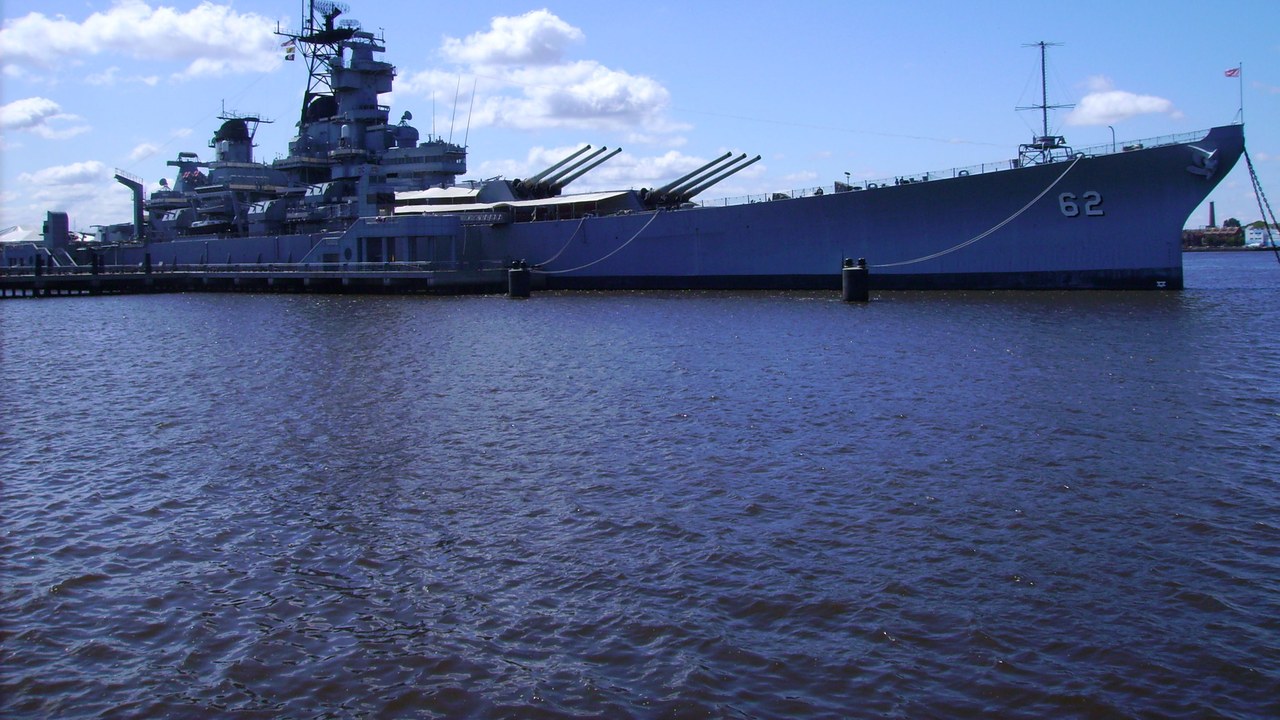
The New Jersey launched on 7 December 1942, one year to the day after Pearl Harbor, and a Jalopnik list calls her the most decorated battleship in U.S. Navy history. In the Pacific she fought at the Philippine Sea and Leyte Gulf and joined every major amphibious operation from the Marshall Islands to Okinawa.
She also served in Korea, Vietnam and the Middle East and was decommissioned in 1991. Restored at the Philadelphia yard where she was built, she now rests at Camden, New Jersey. Visitors tour from bridge to gun turrets and can join evening engine room tours.
More from Morning Overview
- Jeep’s new Recon sold just 19 units in 45 days, the fewest of any model on CarEdge’s worst-sellers list
- Washington is forcing coal plants from Colorado to Washington state to keep running
- New York picked its finalists to build a big new nuclear plant upstate
- Florida’s St. Johns River just topped its worst flood on record near Cocoa
