
Beneath the Antarctic ice sheet lies a landscape that radar has only begun to reveal. Researchers have described a mountain range said to rival the Alps, cut by deep valleys and buried under more than a mile of ice. This story follows that discovery from the Alpine comparison down to the sealed lake and the distant moons it is compared with.
Read next on Morning Overview: Google is shutting down the Nest app, and unmigrated accounts risk deletion
European Alps: The Comparison Scientists Reached For
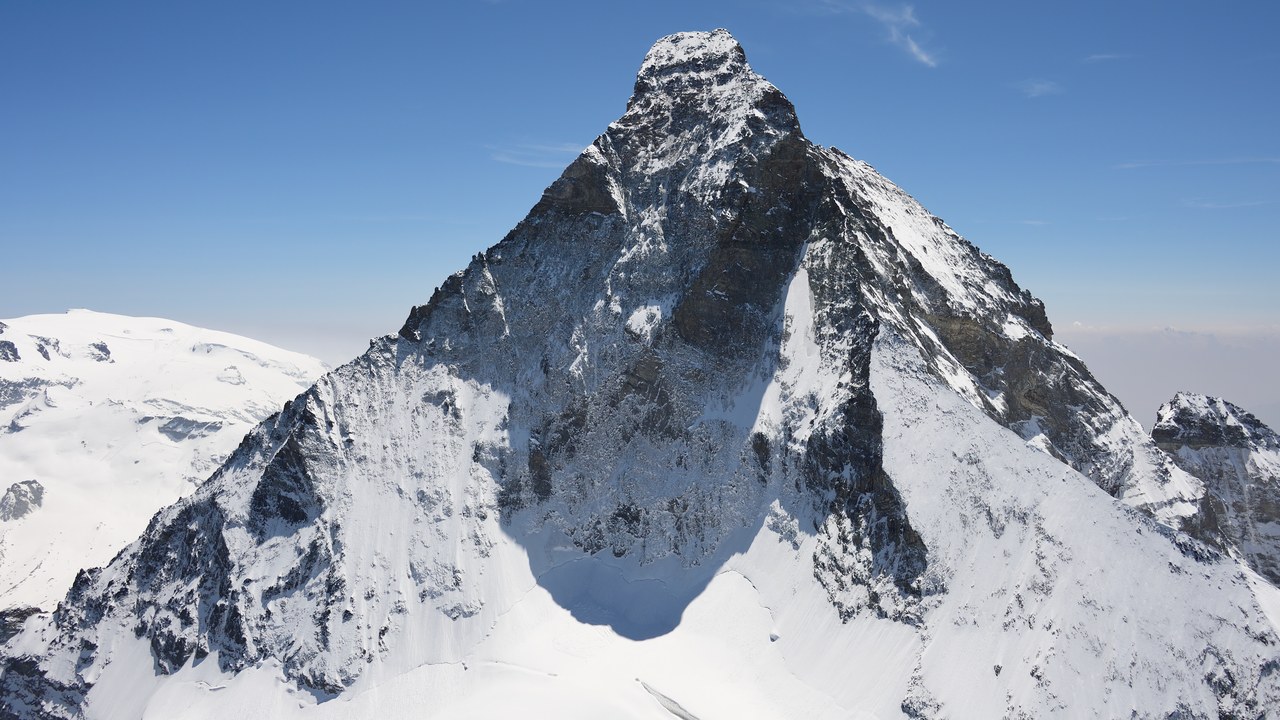
A radar study published in Nature on 3 June 2009 gave researchers new insight into the hidden Gamburtsev Mountains and the ice that entombs them. The research team’s radar readings reveal mountains not so different from the European Alps, with steep peaks and deep valleys.
The Gamburtsev range covers an area about the size of New York State, yet exactly how it was formed remains a mystery. Live Science described it as a vast mountain range that rivals the Alps in majesty, buried underneath the ice of Antarctica. The study was led by a team from the Polar Research Institute of China. The photograph shows the Matterhorn, one of the best-known peaks of the Alps and the kind of terrain the comparison points to.
Antarctic ice sheet: A Mile of Ice on Top
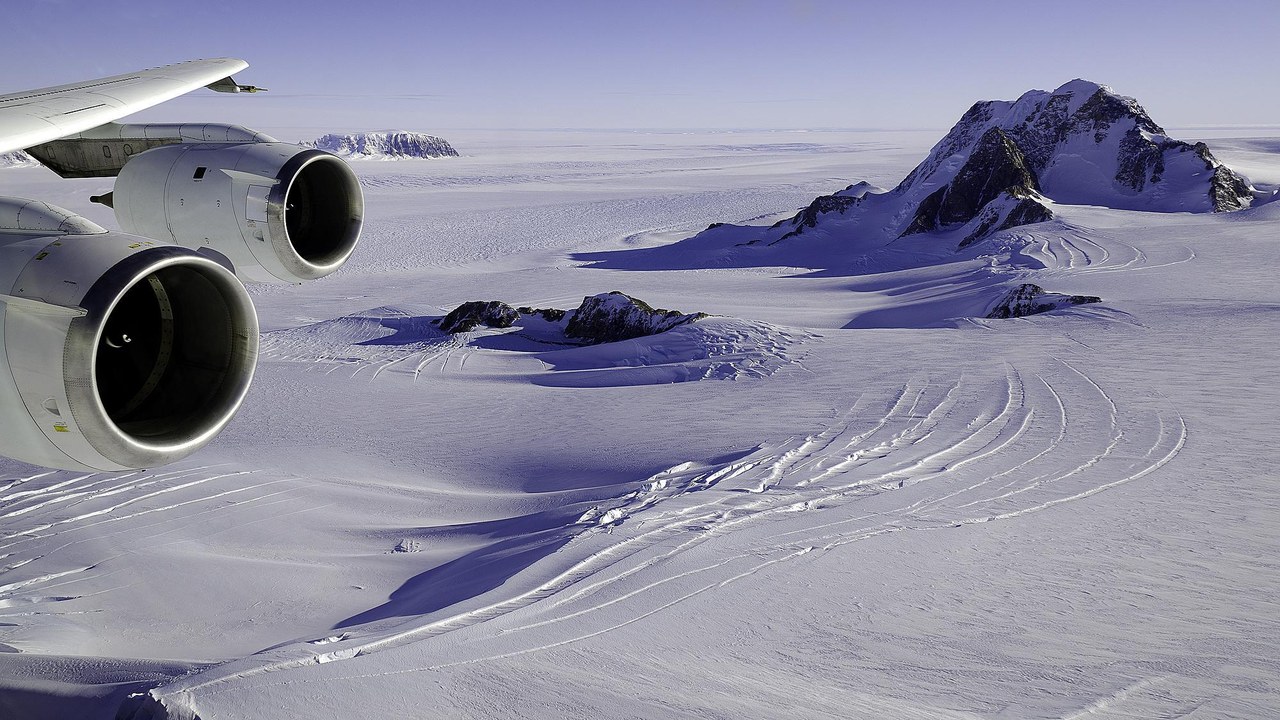
The mountains lie buried beneath solid ice more than a mile (1.6 kilometers) thick, according to Live Science. Bedrock topography mapped from airborne geophysical data showed a surprisingly rugged mountain range, with deeply incised valleys, under the ice sheet.
Scientific American reported that the ice can be as thick as 10,285 feet (3,135 meters) today. It likely began to appear about 43 million years ago as a result of global climate change, starting on top of a high peak in the Gamburtsev range, and has encased the continent for the last 14 million years. Later periods of glaciation and melting may have carved some of the 1,400-foot (425-meter) deep valleys.
Peter Kropotkin: The Idea Before the Radar

Long before radar maps, the Russian scientist Peter Kropotkin proposed at the end of the 19th century that fresh water under Antarctic ice sheets could exist. He theorized that the tremendous pressure of thousands of vertical meters of ice could lower the melting point at the lowest portions of the ice sheet until it became liquid water.
Russian glaciologist Igor Zotikov developed the theory further and wrote his doctoral thesis on the subject in 1967. The existence of Lake Vostok, the largest of Antarctica’s 675 known subglacial lakes, was finally confirmed in 1993. The lake measures about 250 kilometers long by 50 kilometers wide at its widest point, and its surface lies roughly 4,000 meters under the ice.
Vostok Station: The Coldest Place on Record
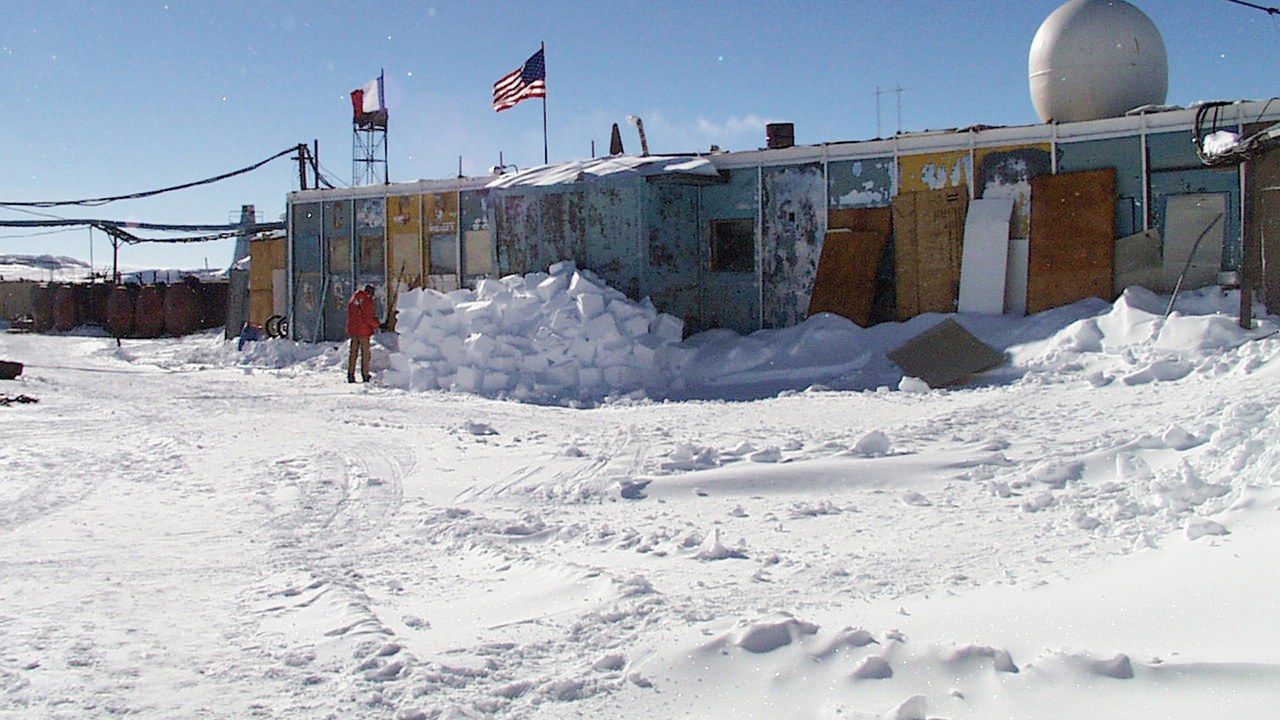
Lake Vostok lies beneath Russia’s Vostok Station, under the surface of the central East Antarctic Ice Sheet, which stands at 3,488 meters (11,444 feet) above mean sea level. The coldest naturally occurring temperature ever observed on Earth, -89 degrees Celsius (-128 degrees Fahrenheit), was recorded at the station on 21 July 1983.
The station takes its name from the Vostok, the 900-ton sloop-of-war sailed by Russian explorer Admiral Fabian von Bellingshausen, one of the discoverers of Antarctica. The word means East in Russian, and the lake carries the same name. Its water is estimated to have been sealed off under the thick ice sheet about 15 million years ago.
Ice cores: Reading the Ice From Above
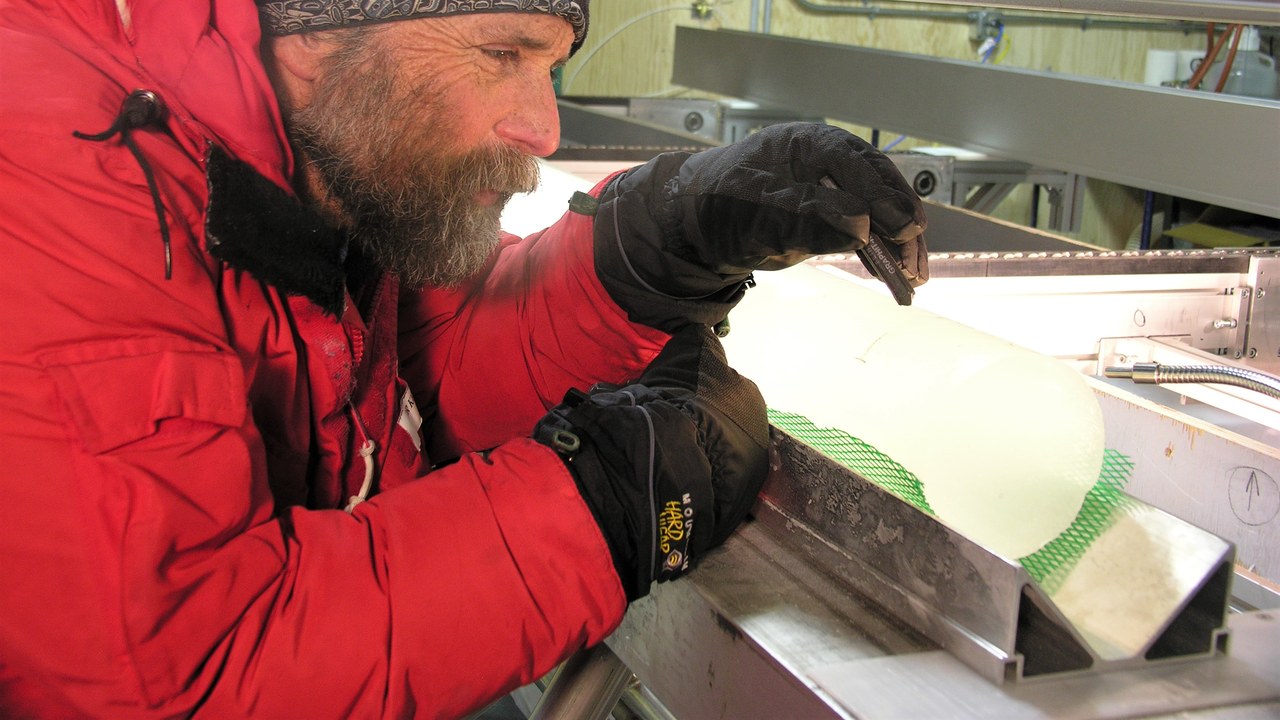
Ice drilled at Vostok Station has become a scientific archive in its own right. Researchers working there produced one of the world’s longest ice cores in 1998, a joint Russian, French and United States effort that yielded a core 3,623 meters (11,886 feet) long.
Ice samples from cores drilled close to the top of the lake have been assessed to be as old as 420,000 years. On 5 February 2012, a team of Russian scientists completed an even longer core of 3,768 meters (12,400 feet) and pierced the ice shield to the surface of the lake. The first core of freshly frozen lake ice followed on 10 January 2013, at a depth of 3,406 meters (11,175 feet).
Mars: Better Mapped Than Antarctica
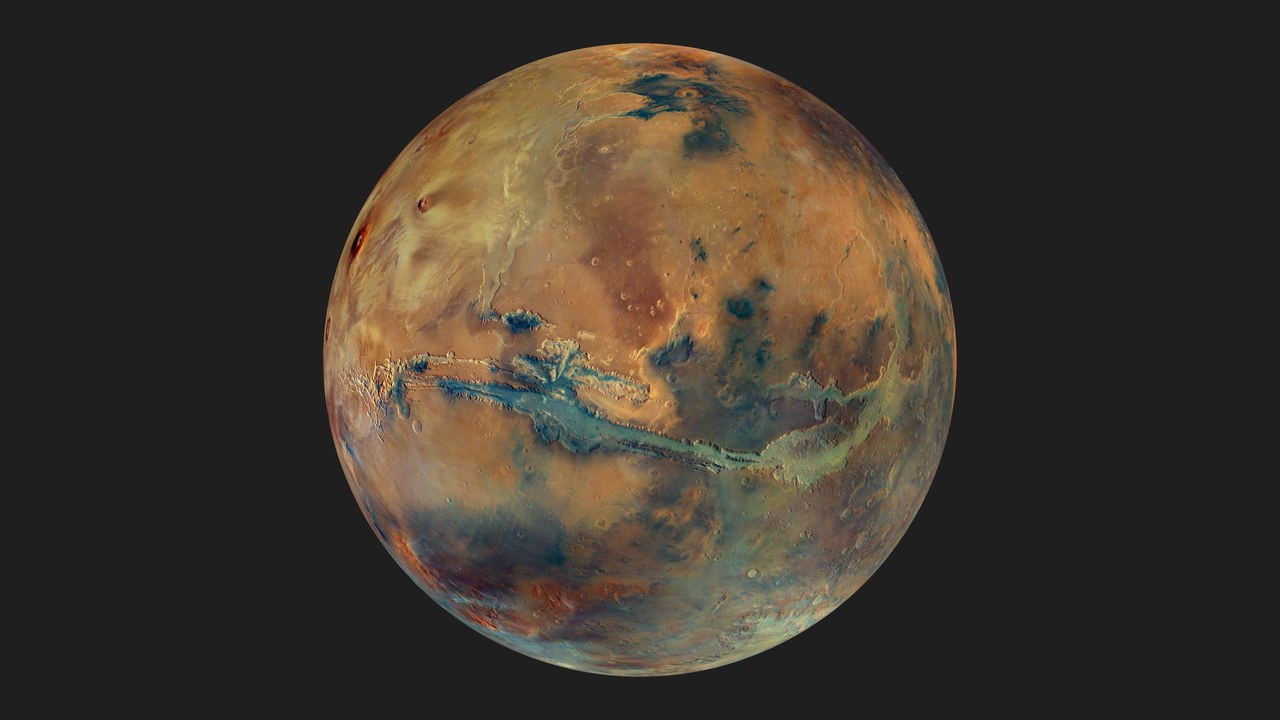
Researchers used simple radar to peer through the ice, and the results exposed how little was known about the continent. Martin Siegert, head of the geosciences department at the University of Edinburgh, who worked with the Chinese team, told Scientific American in 2009, “We have a much better appreciation for the surface of Mars than we do for Antarctica.”
Without information about how and where the massive sheets of ice formed, not to mention the land they rest on, Siegert explained, there is no way to make accurate computer climate models for the future. He predicted it would be another five to 10 years before scientists had a complete map of the continent’s topography. Mars, by contrast, was already open to armchair travelers through Google Mars 3-D.
Europa: A Possible Cousin
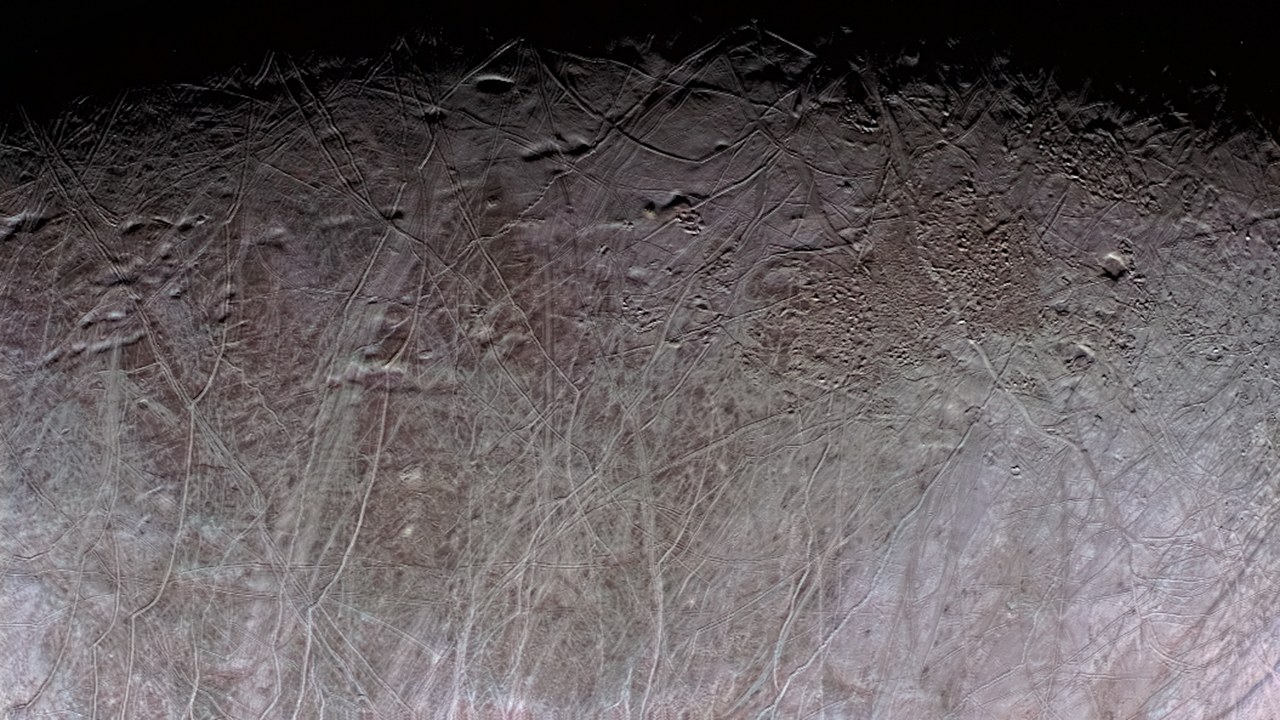
Lake Vostok may contain an environment sealed off below the ice for millions of years, and its conditions could resemble those of the ice-covered oceans hypothesized to exist on Jupiter’s moon Europa. The lake water itself may have been isolated for 15 to 25 million years.
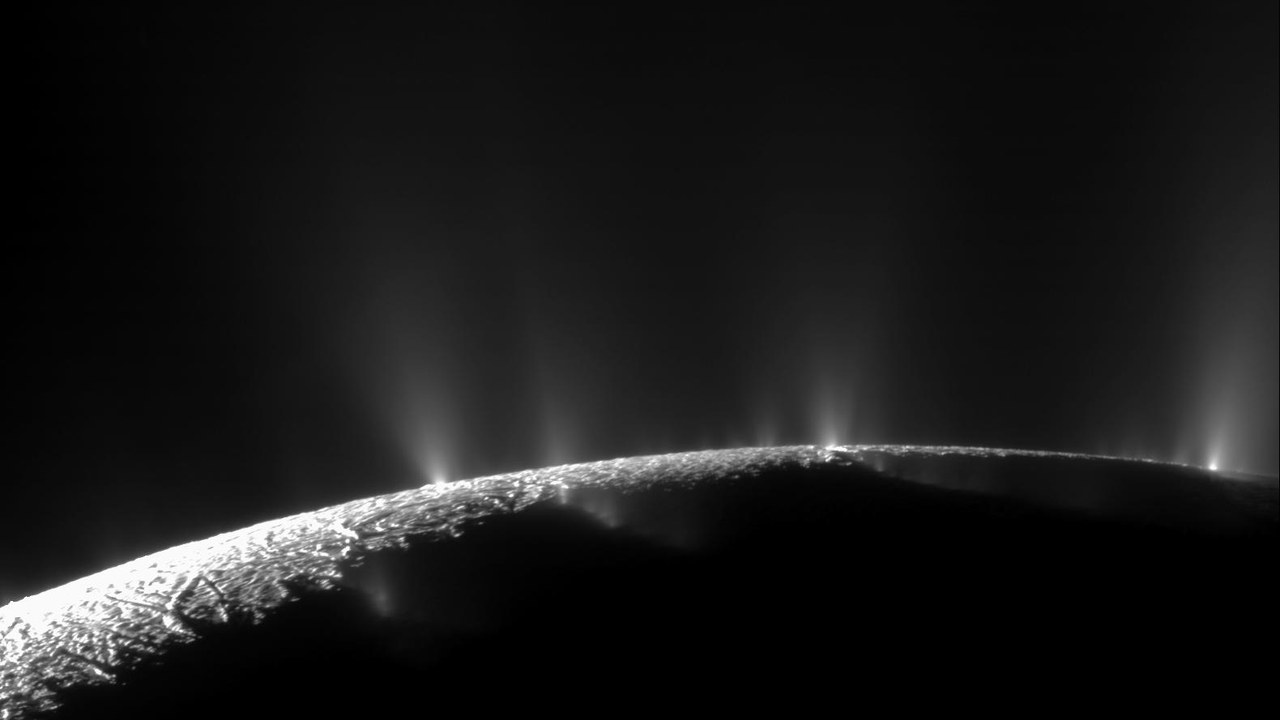
The same comparison is made with Saturn’s moon Enceladus. Because Lake Vostok is cut off from the surface, it has drawn interest as a stand-in for such worlds. When Russian drillers pierced the ice in 2012, water from the lake gushed up the borehole and mixed with the Freon and kerosene used to keep the borehole from freezing. Some environmental groups and scientists had opposed the drilling project.
Enceladus: Microbes in the Dark
From an ice core drilled at Vostok, specifically from ice thought to have formed when lake water froze onto the base of the ice sheet, extremophile microbes were found, suggesting that the lake water supports life. Scientists first reported evidence of microbes in the accretion ice in 1999.
The finding remains contested. Microbiologist David Pearce of the University of Northumbria in Newcastle, UK, stated that the DNA could simply be contamination from the drilling process, because the old ice cores were drilled in the 1990s to look for evidence of past climates rather than life, and the equipment was not sterilized. Enceladus, the Saturn moon with plumes of water ice shown here, is among the worlds that make such a sealed lake interesting.
More from Morning Overview
- A 2,000-year-old nomad tomb in Mongolia held a glass cup that may have traveled from Rome
- Jeep’s new Recon sold just 19 units in 45 days, the fewest of any model on CarEdge’s worst-sellers list
- Up to 5 feet of snow is burying Donner Pass, and forecasters warn against Sierra travel
- Southern California cities built towering sand berms to fend off Thanksgiving tides
