
The current El Niño is closing in on the strongest on record, and its biggest effects on winter weather may still be ahead. Floods in South America, fires in the Amazon and a quiet Atlantic hurricane season all bear its fingerprints. Here is where things stand.
Read next on Morning Overview: Shaq spent $1.3 million on three Rolls-Royce Phantoms to prove a point to a salesman
Equatorial Pacific: A Near-Record Reading
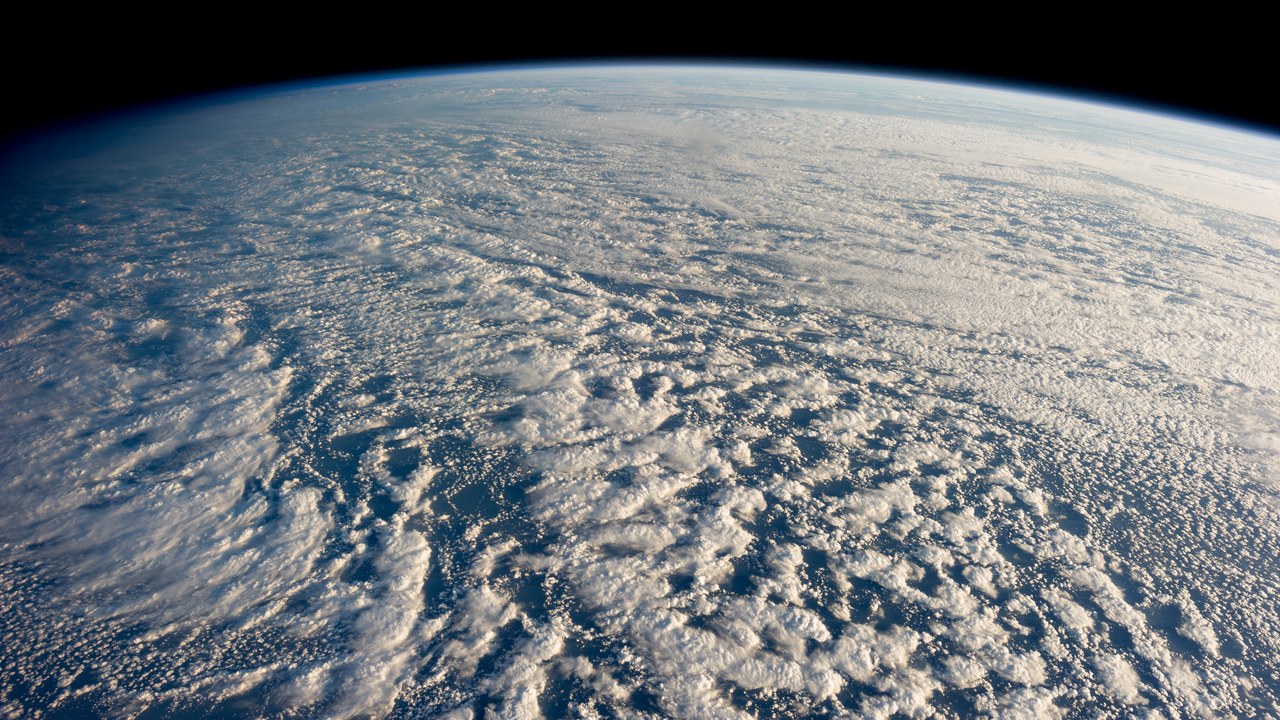
NOAA’s official El Niño index reached plus 2.0 degrees Celsius for August through October 2026, the second-highest for that period since 1950, according to The Watchers’ report on the forecast. Only the 1997-98 event was higher at the same point, by a tenth of a degree.
El Niño is a warming of surface waters in the central and eastern equatorial Pacific that shifts weather patterns around the globe. A reading that high puts this event among the strongest ever measured. Its effects tend to peak in the Northern Hemisphere winter, so the coming months will reveal how much it reshapes weather across North America.
Record odds: Odds of a New Record

NOAA forecasters put the chance that this El Niño surpasses every event since 1950 by the end of the year at 83%, according to The Watchers.
Records for El Niño strength are measured with an index that compares ocean temperatures to normal. Beating the 1997-98 event would make this the strongest El Niño in modern records, a milestone that would draw attention from scientists studying how a warming climate interacts with natural cycles. Forecasters will update the odds each month as new ocean data arrives. Whatever the final ranking, the event is already strong enough to shape weather patterns on several continents this winter, from rainfall in the southern United States to drought risk in parts of Asia and Australia.
Guayaquil: Deadly Floods in Ecuador
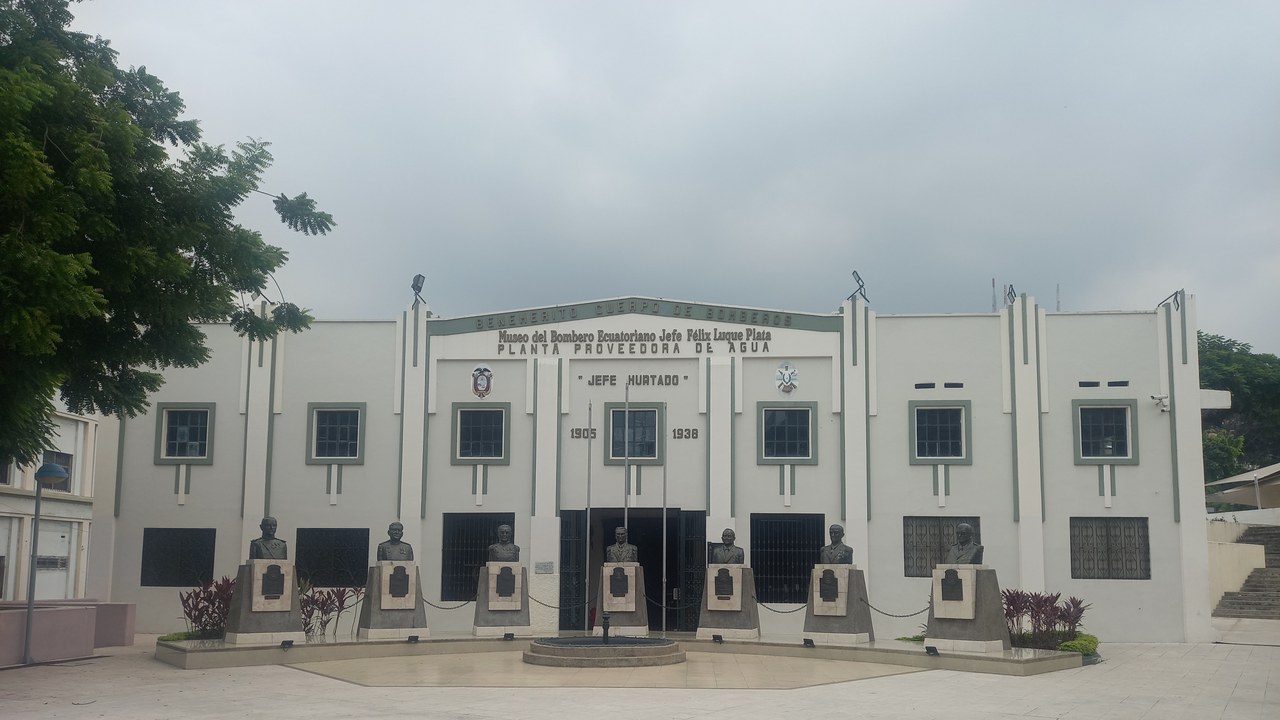
El Niño rain deaths in Ecuador rose to 14 after floods hit Guayaquil and Milagro, according to The Watchers’ report from Ecuador.
Ecuador’s coast is among the first places to feel El Niño, as warm water offshore fuels heavy rain over land. Guayaquil, the country’s largest city, has suffered repeated flooding during strong events, including the powerful El Niños of 1982-83 and 1997-98. Low-lying neighborhoods and nearby farm towns such as Milagro are especially exposed when rivers overflow, and further rain in the months ahead could raise the toll. Ecuador’s government has declared emergencies in past El Niño years. Recovery may take months.
Paraná River: Evacuations Along the Paraná
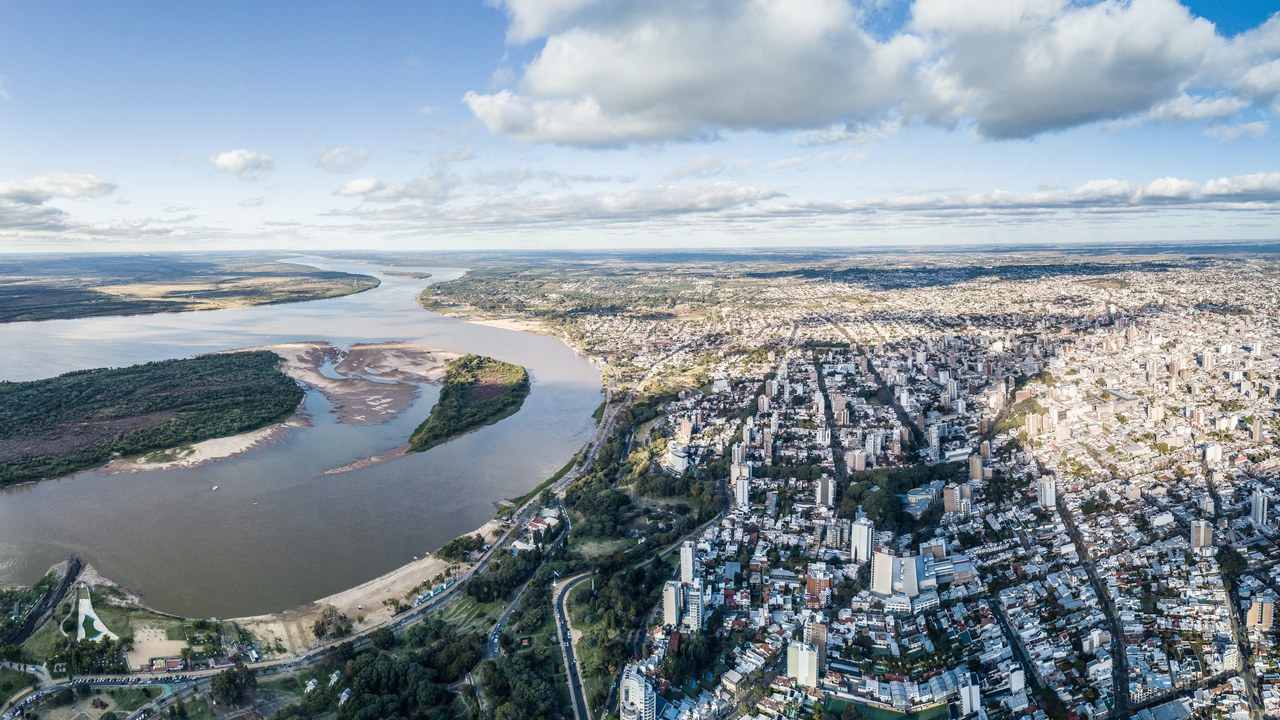
In Argentina, 4,547 people were evacuated or left their homes on their own as the Paraná River rose, according to The Watchers.
El Niño typically brings heavy rain to southeastern South America, swelling major rivers such as the Paraná. Flooding along the river affects farms, towns and shipping routes that carry grain to export ports. More rain could keep water levels high for weeks. Argentina is one of the world’s largest grain exporters, so prolonged flooding along its river system can ripple into global food markets. Communities in Santa Fe, Corrientes and Chaco provinces lie along the affected stretch. Water levels are being watched.
Amazon rainforest: Fires in a Drying Amazon
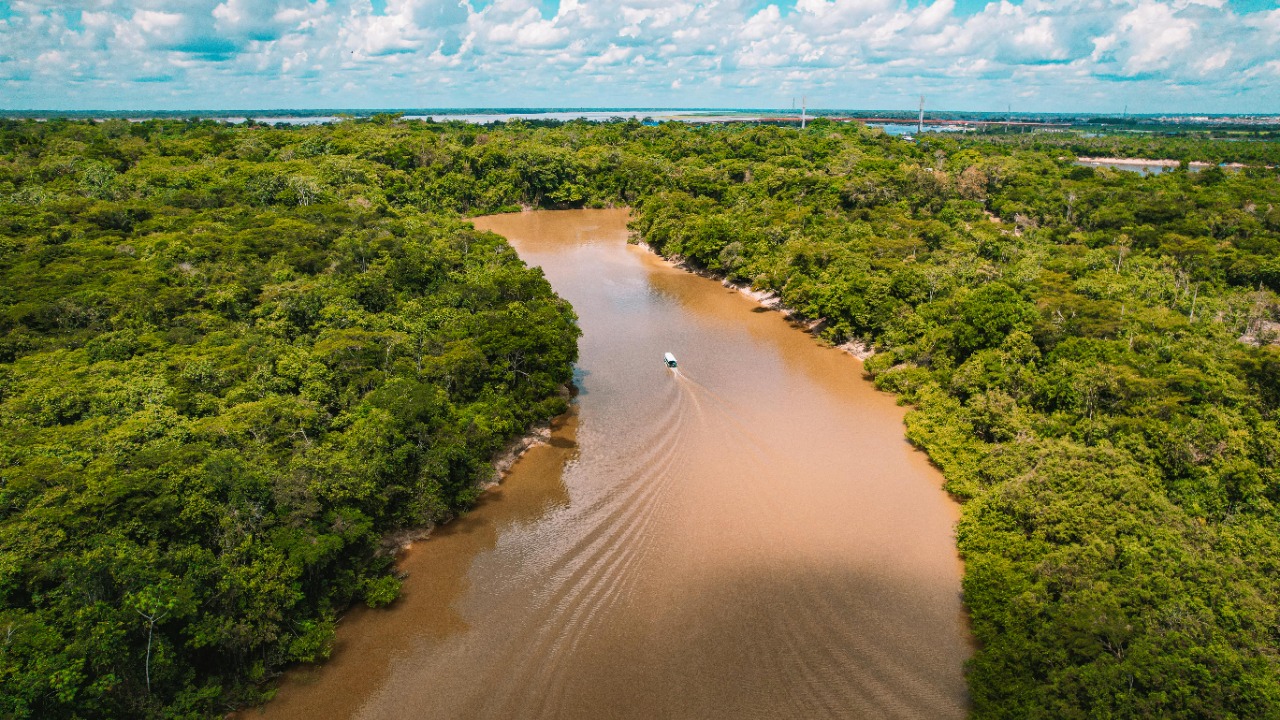
Fire hotspots in the Amazon rose 82.6% in October as El Niño dried the basin, according to The Watchers’ report on Amazon fires.
While El Niño floods some regions, it brings drought to others, including much of the Amazon. Dry forests burn more easily, and fires release large amounts of carbon dioxide and smoke that can affect the health of people across the region. Smoke from Amazon fires can drift across several countries, worsening air quality in cities far from the flames. Scientists also worry that repeated droughts could push parts of the rainforest toward a tipping point where it can no longer recover.
Atlantic hurricanes: A Quiet Atlantic
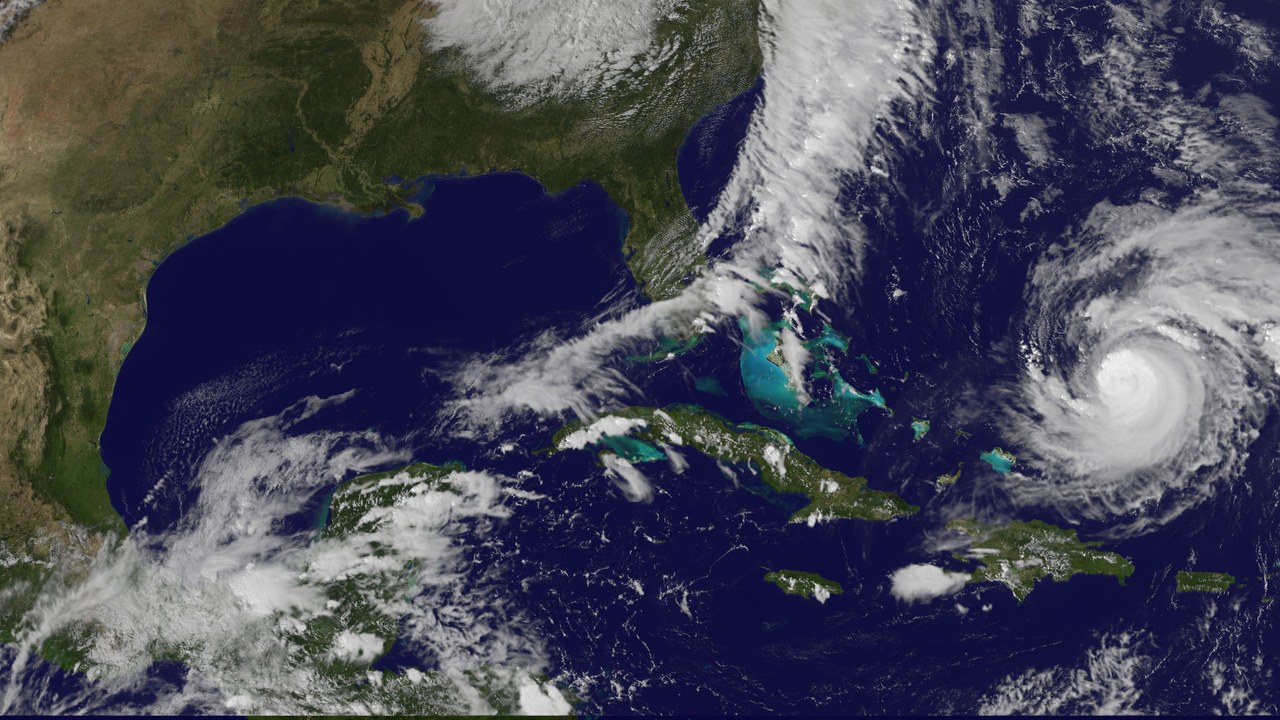
The Atlantic has produced just one hurricane in 2026, as El Niño made it harder for storms to strengthen, according to The Watchers.
El Niño increases wind shear over the Atlantic, which tears apart developing storms before they can grow. That effect helps explain one of the quietest hurricane seasons in a century, a welcome break for coastal communities still recovering from recent storms. Forecasters caution that a quiet season can still produce a single destructive storm, as Isaias showed when it struck Florida. The season officially ends on November 30, and El Niño is expected to persist into early next year.
More from Morning Overview
- New FCC rules on how people can stop robocalls and texts take effect Nov. 25
- Neanderthals in Spain carved a wooden object that matches nothing archaeologists have ever found
- The FAA wants $2.39 million from a flight school it says flew a Cessna about 280 times with an unapproved part
- A $1 billion gas plant planned for Superior, Wisconsin, has been abandoned
