
A single earthquake can redraw coastlines, topple cities and reshape how entire countries build. Some of the strongest and deadliest quakes of the past century also changed how scientists study the Earth and how governments prepare for disaster. Here are twelve earthquakes that shook the modern world.
Read next on Morning Overview: Zero Motorcycles unveiled an electric motorcycle targeted at under $8K and a street-legal dirt bike at EICMA
1. 1964 Alaska earthquake: The Strongest in North America
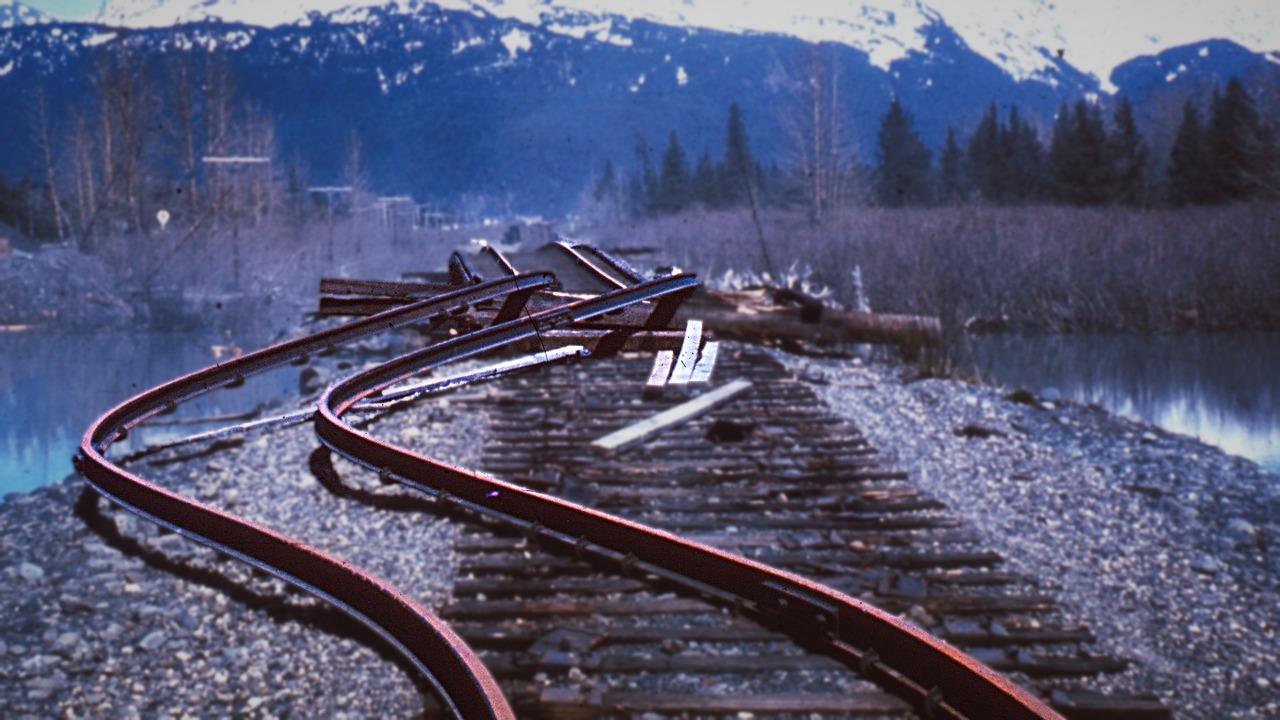
The March 28, 1964, Southern Alaska earthquake measured magnitude 9.2, the second-largest ever recorded, according to the USGS list of the world’s largest earthquakes.
The Good Friday quake lifted some coastlines by more than 30 feet and dropped others, and tsunami waves caused deaths as far away as California. Its study helped confirm the theory of plate tectonics. Anchorage suffered heavy damage, with whole neighborhoods sliding toward the sea. It lasted minutes.
2. 2004 Indian Ocean earthquake: A Quake That Spawned a Global Tsunami

The December 26, 2004, earthquake off northern Sumatra measured magnitude 9.1, according to the USGS list of the largest earthquakes.
The tsunami it triggered killed more than 200,000 people in countries around the Indian Ocean, from Indonesia to Sri Lanka and East Africa. The disaster led to a tsunami warning system for the region, which had none at the time. The rupture was more than 1,000 kilometers long, one of the longest ever observed.
3. 2011 Tohoku earthquake: Japan’s Triple Disaster
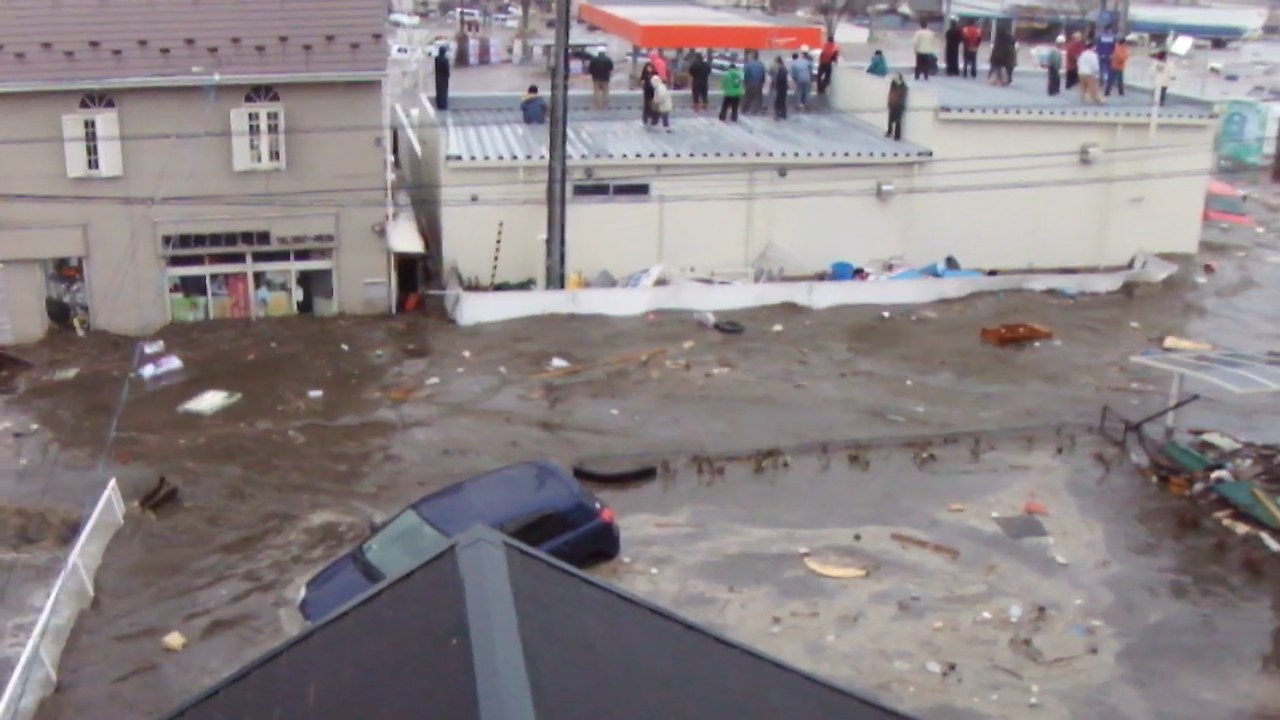
The March 11, 2011, earthquake near the east coast of Honshu, Japan, measured magnitude 9.1, according to the USGS list of major quakes.
The tsunami that followed swept away whole towns and caused meltdowns at the Fukushima Daiichi nuclear plant. Japan is one of the best-prepared countries for earthquakes, yet the scale of the disaster exceeded what planners had expected. Its total cost made it the most expensive natural disaster in history.
4. 2010 Chile earthquake: A Powerful Chilean Quake
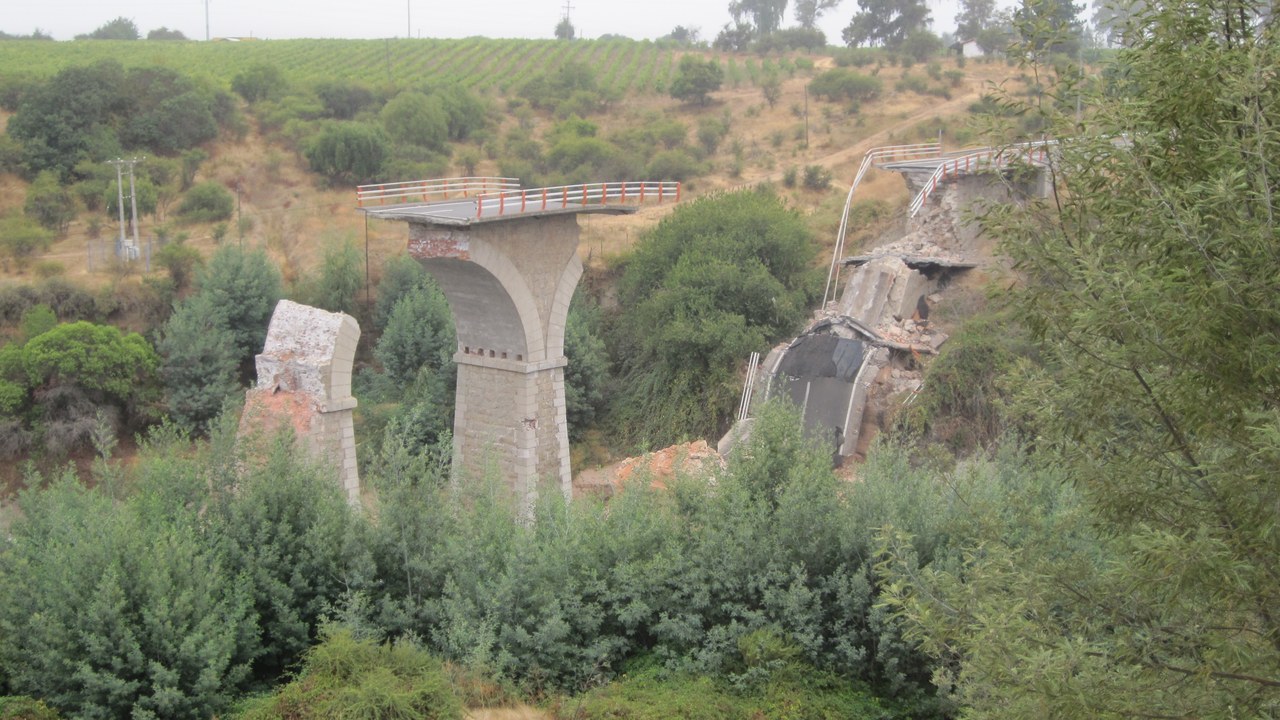
The February 27, 2010, earthquake offshore of Bio-Bio, Chile, measured magnitude 8.8, according to the USGS ranking of the largest earthquakes.
Strict building codes helped limit the death toll compared with weaker quakes elsewhere, but the tsunami still devastated coastal towns. The quake was so strong it slightly shifted Earth’s axis and shortened the length of the day. Hundreds of people died, many of them in the tsunami that followed minutes later.
5. 1960 Valdivia earthquake: The Largest Earthquake Ever Recorded
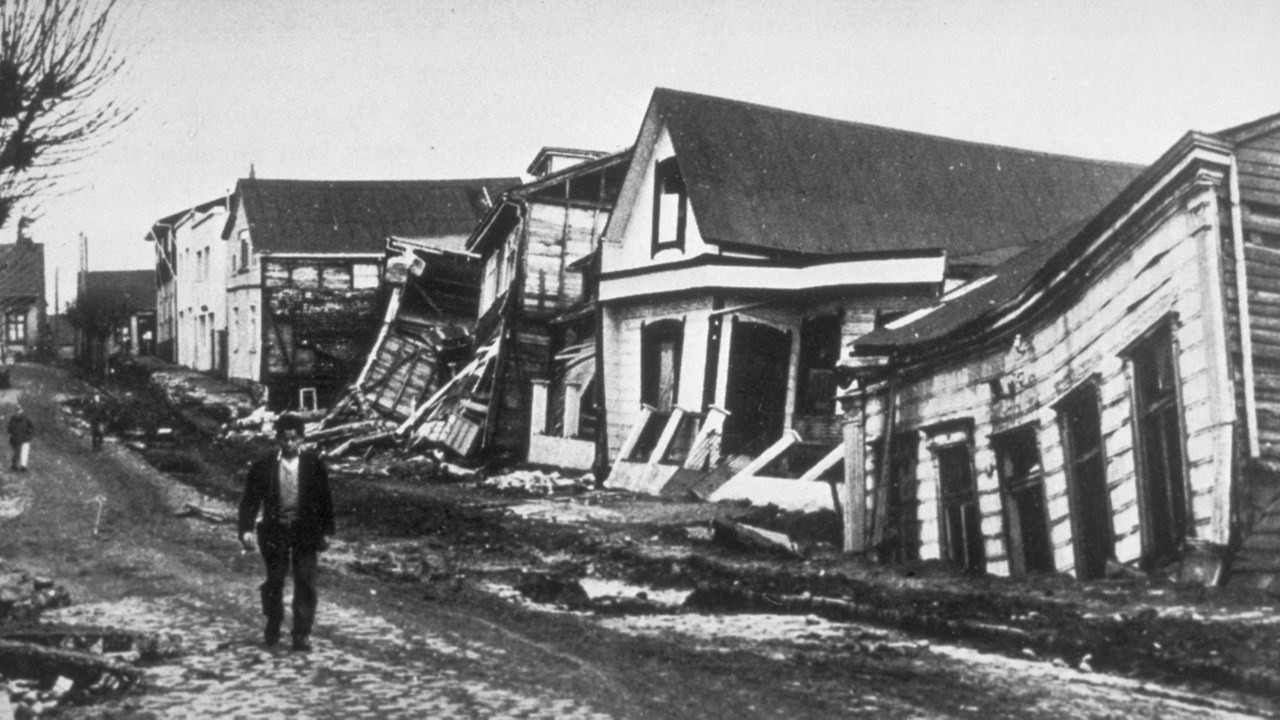
The May 22, 1960, earthquake near Valdivia, Chile, measured magnitude 9.5, the largest ever recorded, according to the USGS list of the world’s largest earthquakes.
The quake and its tsunami killed more than 1,000 people in Chile, and the waves crossed the Pacific to strike Hawaii and Japan many hours later. Its scale remains the benchmark against which every great earthquake is measured. Valdivia itself was badly damaged, and parts of the city sank permanently.
6. 1906 San Francisco earthquake: A City Destroyed by Fire
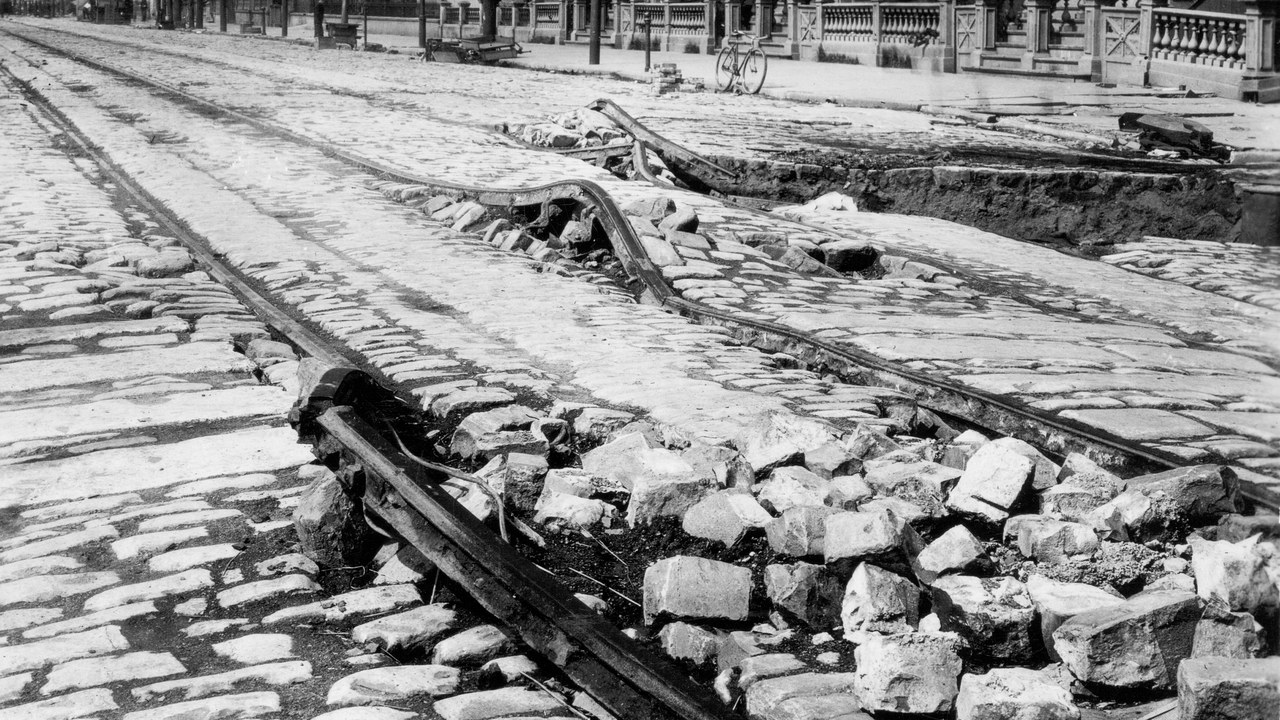
The April 18, 1906, magnitude 7.9 San Francisco earthquake and the fires that followed destroyed more than 80 percent of the city, and more than 3,000 people died, according to the entry on the 1906 earthquake.
Broken water mains left firefighters unable to stop the blaze, which burned for days. The disaster led to new science on fault lines, including the theory of elastic rebound that explains how earthquakes happen.
7. 1989 Loma Prieta earthquake: A World Series Interrupted
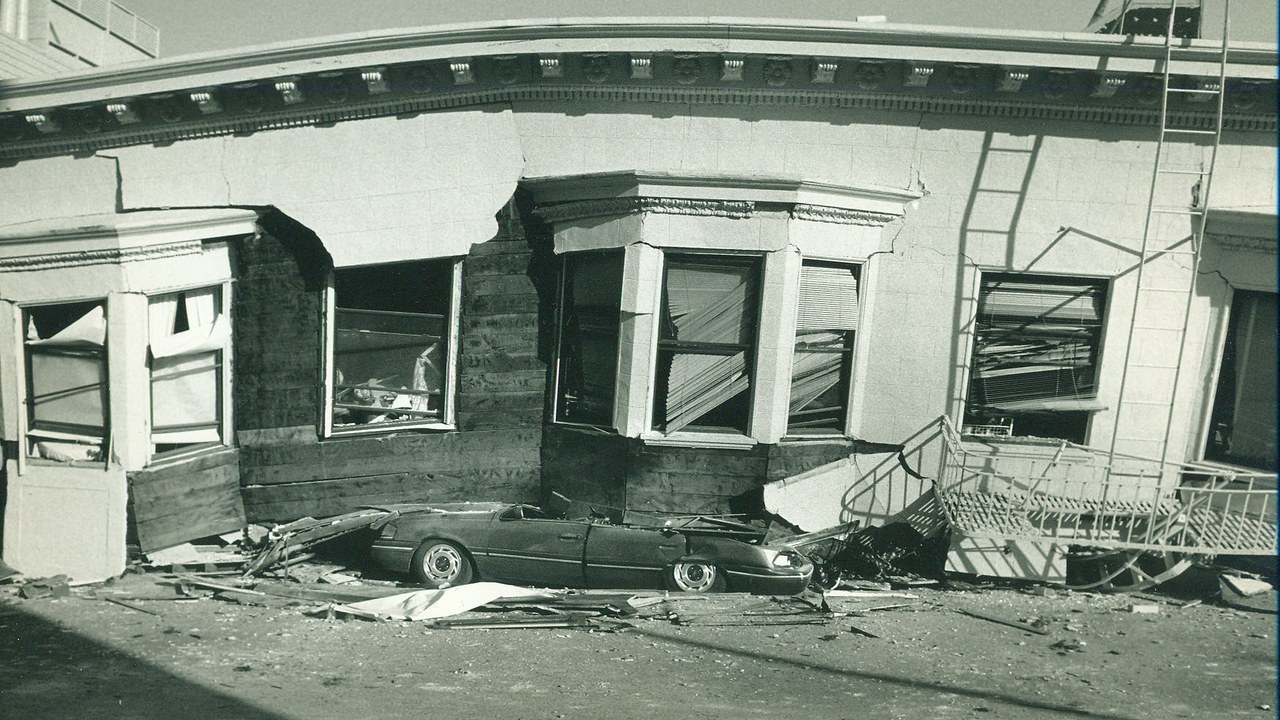
The magnitude 6.9 Loma Prieta earthquake struck as Game 3 of the 1989 World Series was about to begin in San Francisco, and the collapse of the Cypress Street Viaduct killed 42 people, according to the entry on the Loma Prieta quake.
Millions of television viewers watched the broadcast cut out as the stadium shook. The quake led California to spend billions strengthening bridges and freeways. Part of the San Francisco-Oakland Bay Bridge also collapsed during the shaking.
8. 1994 Northridge earthquake: One of America’s Costliest Disasters
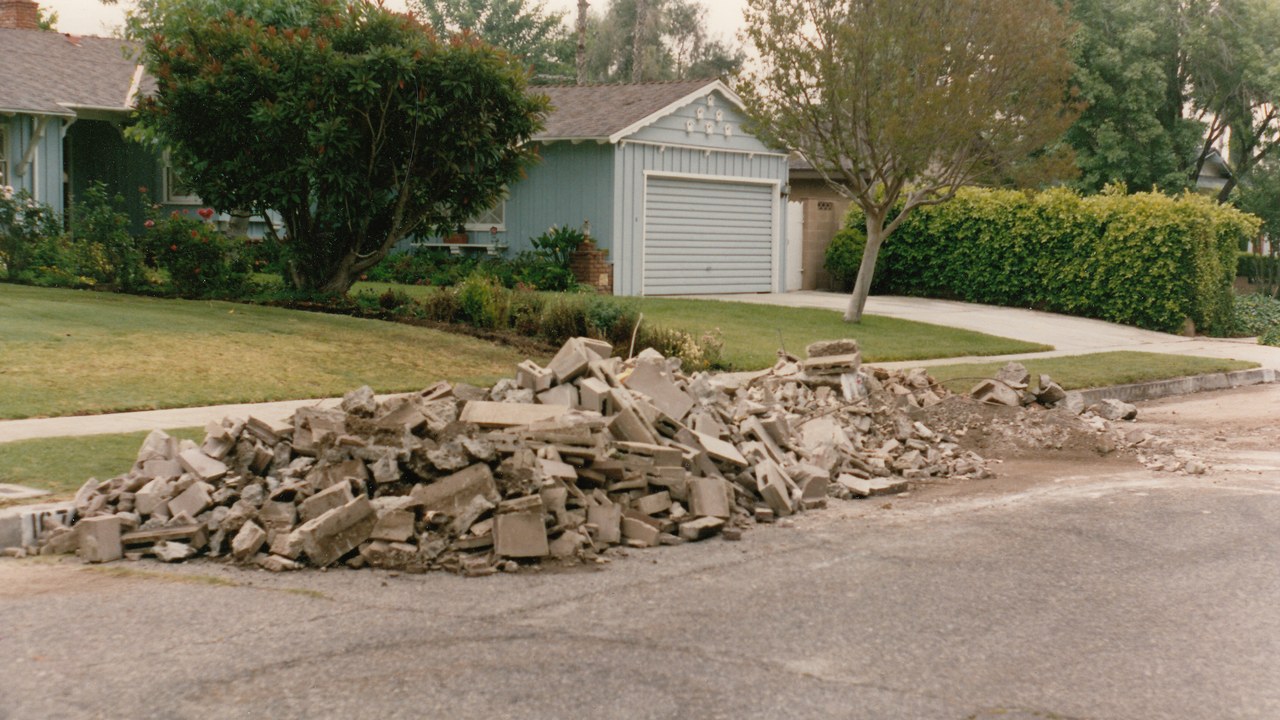
The January 17, 1994, Northridge earthquake measured magnitude 6.7 and caused $13 billion to $50 billion in damage, among the costliest natural disasters in U.S. history, according to the entry on the Northridge earthquake.
It struck under a densely built part of Los Angeles, collapsing freeways and apartment buildings. Its damage to steel-frame buildings surprised engineers and led to changes in how they are designed. About 57 people died, and thousands more were injured.
9. 1995 Kobe earthquake: A Freeway Toppled in Japan

The January 17, 1995, earthquake in Kobe, Japan, killed at least 5,000 people and toppled ten spans of the city’s elevated expressway, according to the entry on the Great Hanshin earthquake.
The images of the overturned highway shocked a country that believed its infrastructure was earthquake-proof. The disaster also inspired a wave of volunteer relief work in Japan. Japan rewrote its building standards for bridges and highways afterward, and the city rebuilt its port.
10. 2008 Sichuan earthquake: Schools That Collapsed
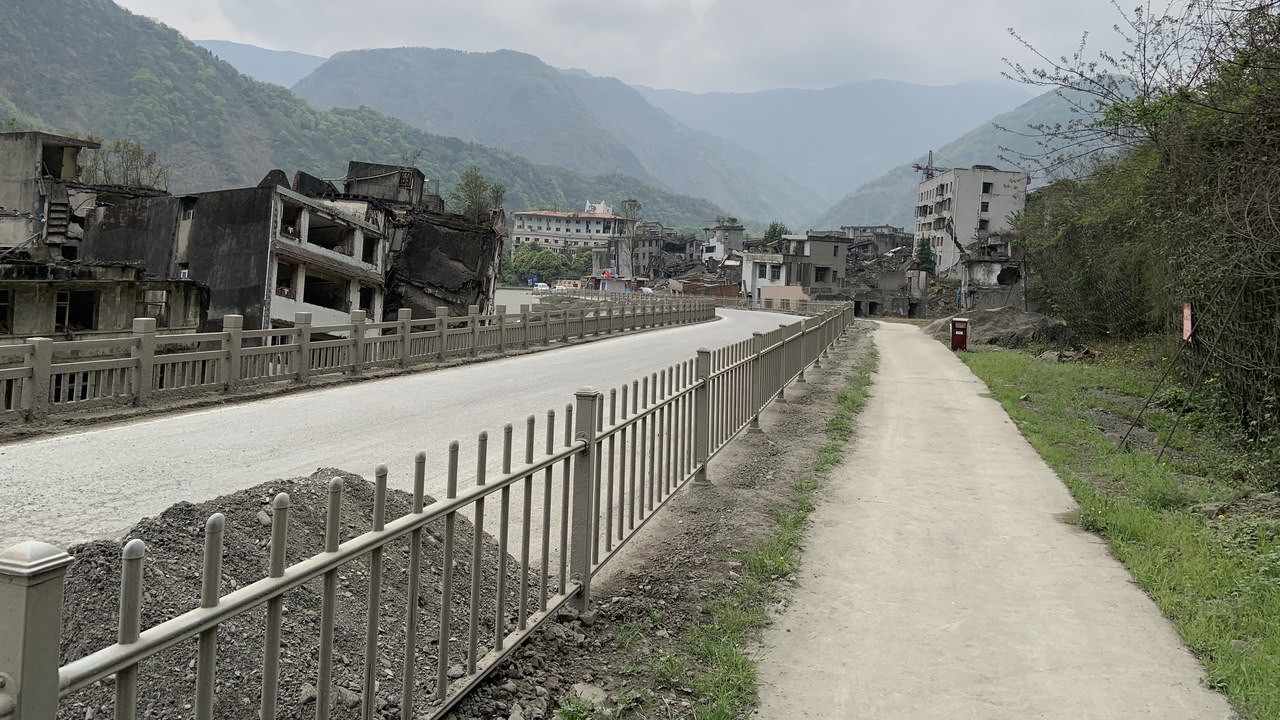
The May 12, 2008, Sichuan earthquake in China left 69,196 known dead and 18,379 missing, and at least 7,000 school buildings collapsed, according to the entry on the 2008 Sichuan earthquake.
The number of children killed in schools sparked public anger over poor construction. The town of Beichuan was so badly damaged that it was abandoned and preserved as a memorial. China later strengthened its rules for school construction in response to the deaths.
11. 2010 Haiti earthquake: A Catastrophe in Haiti
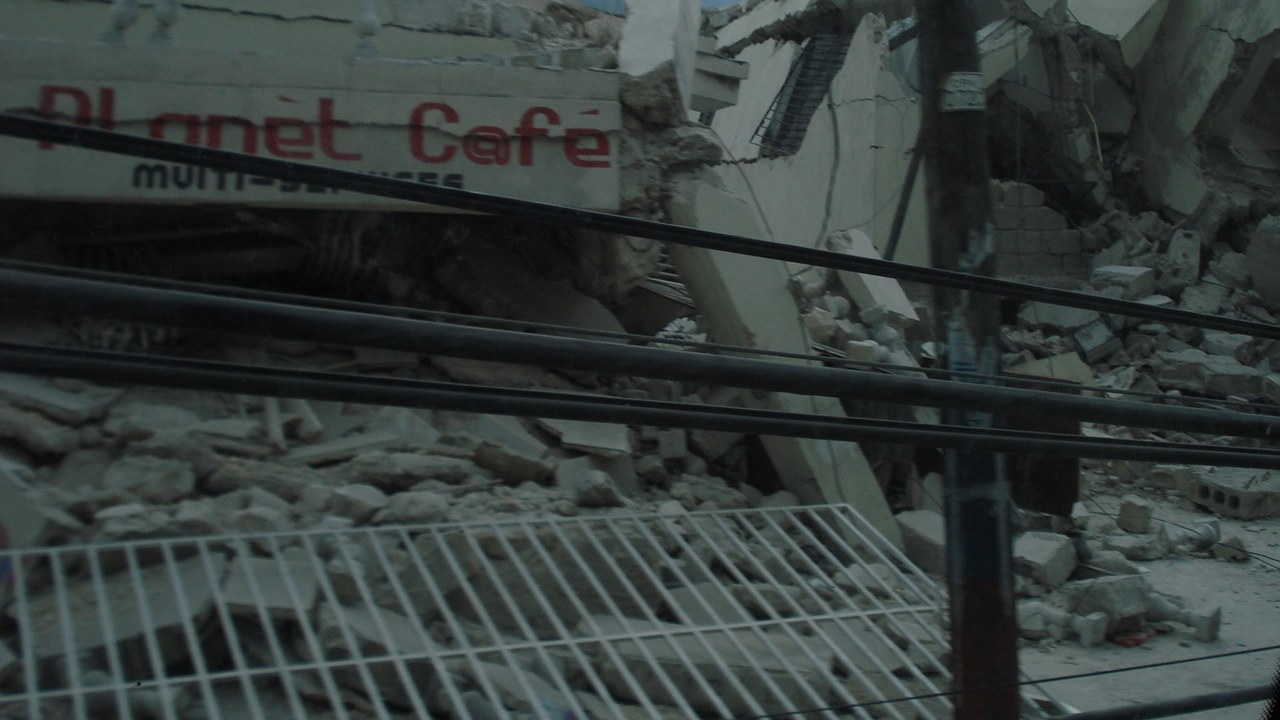
The January 12, 2010, magnitude 7.0 earthquake in Haiti killed an estimated 100,000 to 160,000 people and affected about 3 million, according to the entry on the 2010 Haiti earthquake.
The quake struck close to the capital, Port-au-Prince, where many buildings were not designed to withstand shaking. Recovery was slow, and the disaster remains one of the deadliest of the century. International aid poured in, but many families lived in tents for years afterward.
12. 2015 Nepal earthquake: Tragedy From Kathmandu to Everest
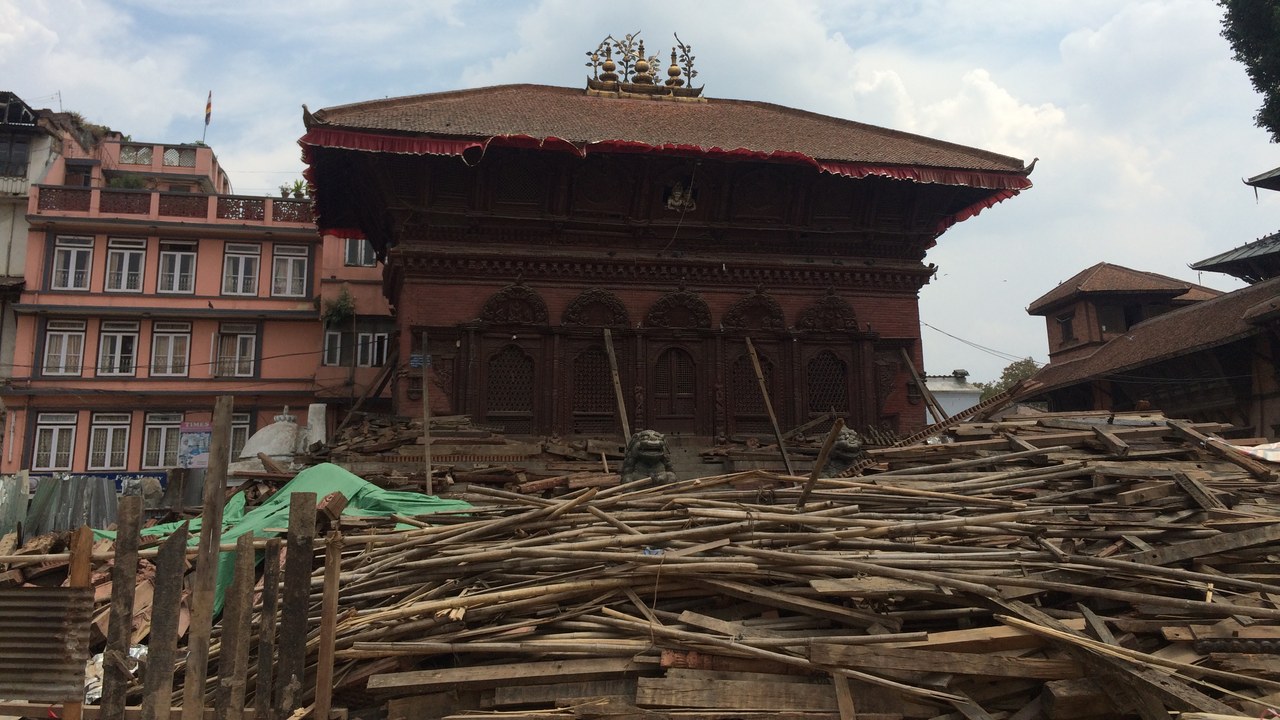
The April 25, 2015, earthquake in Nepal killed nearly 9,000 people, triggered a deadly avalanche on Mount Everest and toppled the historic Dharahara tower, according to the entry on the 2015 Nepal earthquake.
Many centuries-old temples in Kathmandu’s historic squares were also badly damaged. Reconstruction has taken years, and some landmarks have been rebuilt using traditional methods. Climbers and guides were among those killed on Everest that day. Aid arrived slowly.
More from Morning Overview
- Melting permafrost is setting off a newly identified kind of catastrophic landslide, scientists say
- Cadillac cut the price of its cheapest EV, which goes up to 317 miles on a charge
- Winter weather advisories cover I-80, I-70 and the Bighorns with up to 15 inches of snow
- Arizona’s governor declared a statewide emergency after Flagstaff logged its wettest Nov. 1 on record
