
A sprawling storm system swept across the country in early November, bringing record river crests to Georgia and Tennessee and flooding as far away as Florida and the Southwest. Hundreds of people had to be rescued. Here is how the storm hit, region by region.
Read next on Morning Overview: Melting permafrost is setting off a newly identified kind of catastrophic landslide, scientists say
Toccoa River: A Record Crest
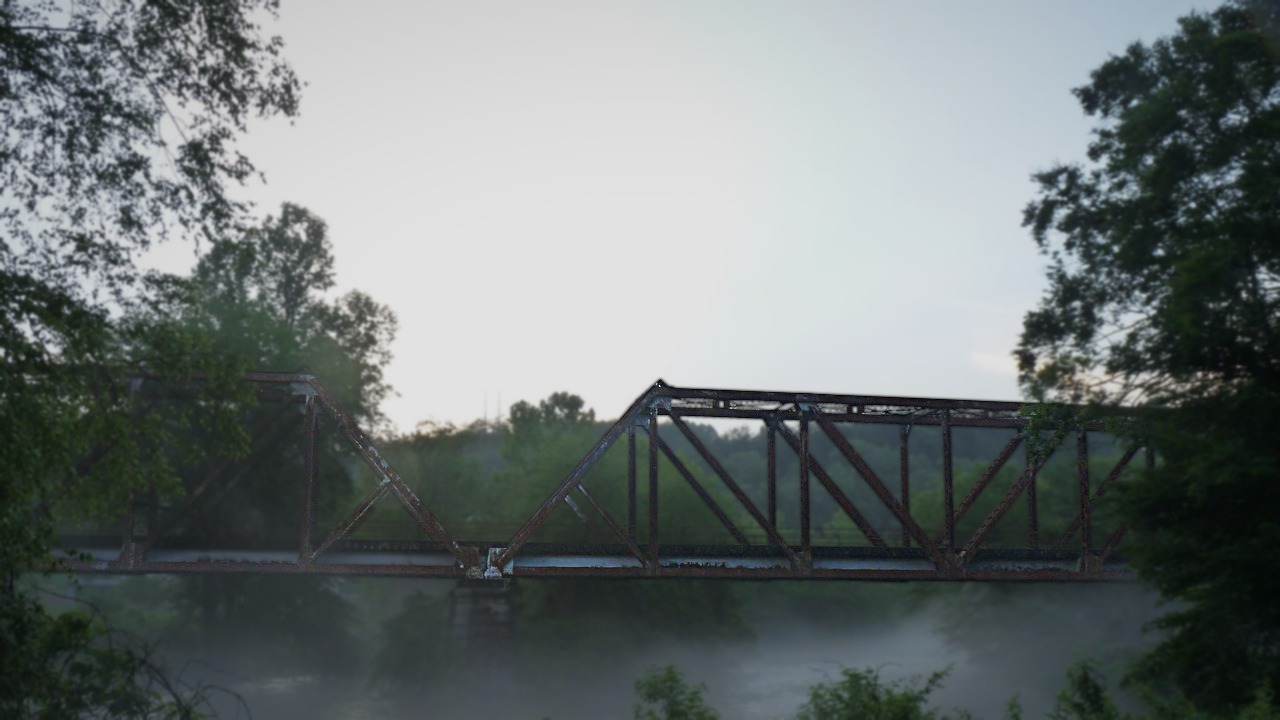
The Toccoa River in Georgia crested at a new record of more than 18 feet, as did the Ocoee River in Tennessee, according to Fox Weather’s coverage of the storm.
The Toccoa winds through the mountains of north Georgia before crossing into Tennessee, where it becomes the Ocoee. Heavy rain falling on steep terrain sent water rushing into the river valleys, flooding towns and campgrounds along the banks. Record crests mean the water rose higher than at any time in the river’s measured history, catching some residents by surprise. Downstream communities kept a close watch as the water moved toward Tennessee.
Fannin County rescues: Dozens Rescued in Georgia
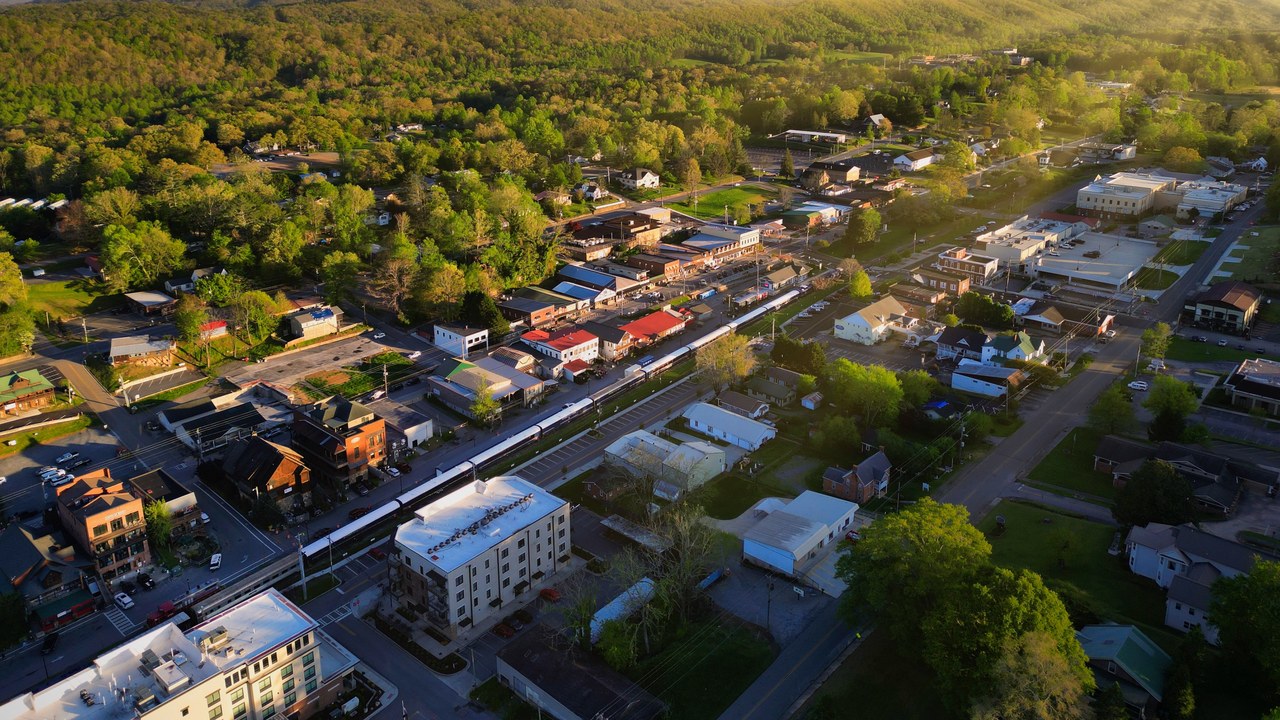
At least 80 people were rescued in Fannin County, Georgia, according to Fox Weather, and 68 more were rescued in Polk County, Tennessee.
Fannin County includes the town of Blue Ridge, a popular mountain getaway with many rental cabins near the river. Rescue crews used boats and high-water vehicles to reach people trapped by rising water. Officials urged residents not to drive through flooded roads, the leading cause of flood deaths. Many of those rescued were visitors staying in cabins and campgrounds near the water, which can rise with little warning in narrow mountain valleys. Swift water can sweep a car off a road in just a foot or two of depth.
San Juan River: Record Rivers in the Southwest
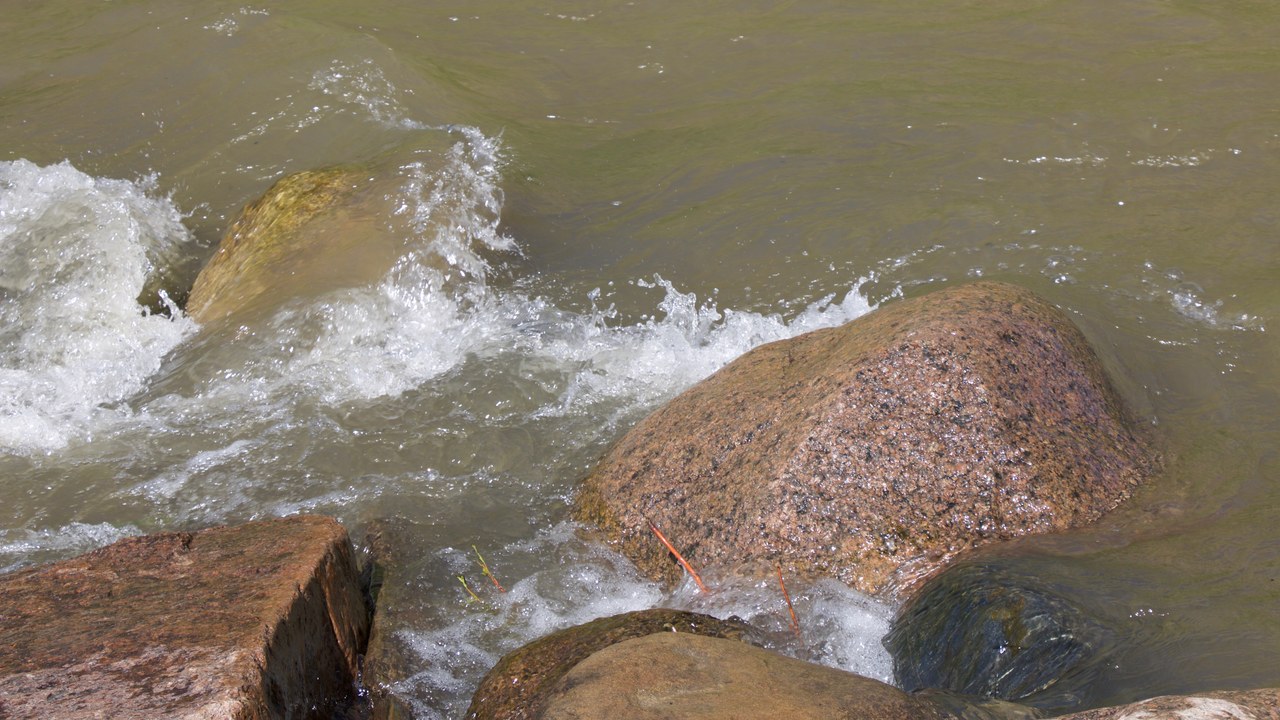
Some rivers in Arizona, New Mexico and Colorado reached record-high levels as the storm moved across the country, according to Fox Weather’s report on the cross-country storm. The system affected about 120 million people in more than 35 states.
Flooding in the desert Southwest can be especially dangerous because dry ground absorbs little water, sending runoff into normally shallow rivers and washes. The San Juan River, which flows through the Four Corners region, is one of several that rose sharply. Emergency managers in the region warned residents to stay away from washes and arroyos, where flash floods can arrive with little warning even under clear skies.
Bossier Parish tornado: A Tornado in Louisiana
A confirmed tornado touched down in Bossier Parish, Louisiana, on November 3, according to Fox Weather.
Late-season tornadoes are not unusual in the South, where warm, humid air can linger into November. The storm system that spawned the tornado also brought heavy rain and gusty winds across the region, adding to the damage from flooding elsewhere along its path. The National Weather Service surveys tornado damage after each event to estimate wind speeds and assign a rating on the Enhanced Fujita scale. Residents in the area cleaned up downed trees and damaged roofs in the days that followed, and power crews worked to restore service to affected neighborhoods.
Malabar, Florida: Two Feet of Rain in Florida
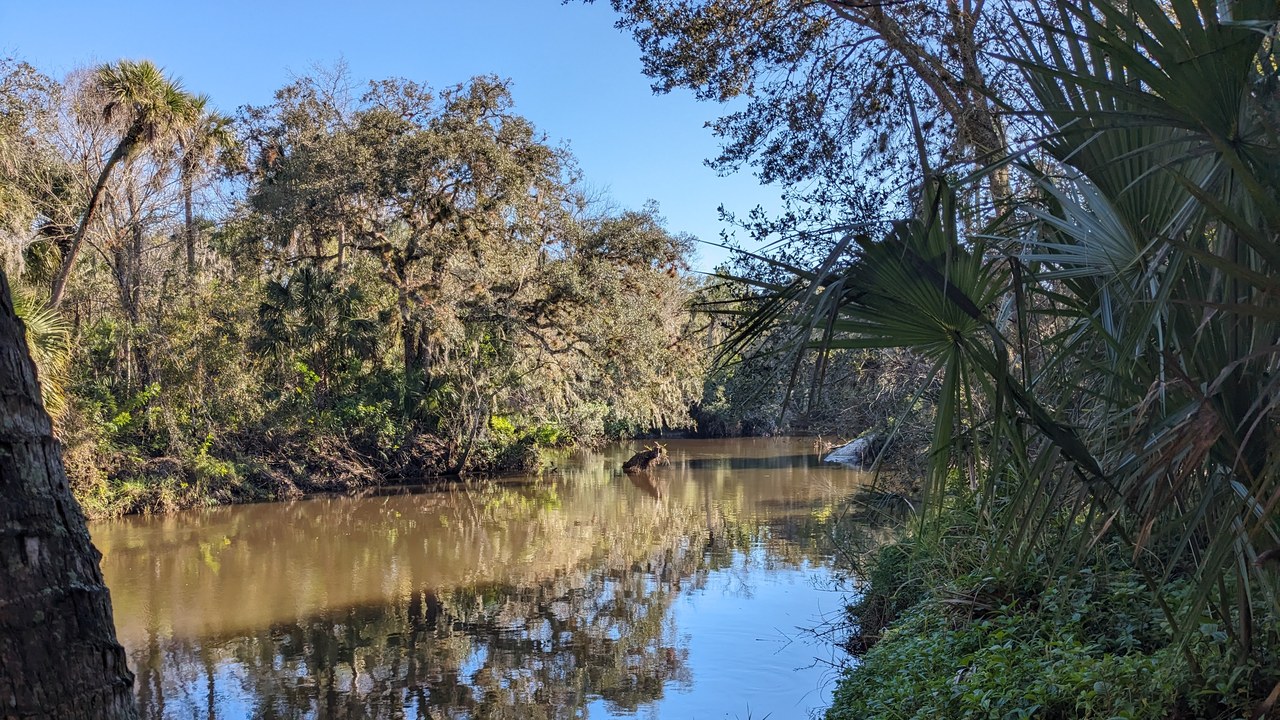
Rainfall totals reached 24.10 inches near Malabar, Florida, according to The Watchers’ report on the Brevard County flooding. Florida declared an emergency after catastrophic flooding in southern Brevard County.
That much rain in a short period is far more than drainage systems are designed to handle. Neighborhoods along the Indian River Lagoon and inland communities saw streets turn into rivers, and residents were urged to stay home while water receded. The emergency declaration allows the state to move resources and request federal help more quickly. Southern Brevard County includes several fast-growing suburbs. Cleanup has begun in many neighborhoods. Drying out will take time.
Palm Bay rescues: Rescues in Palm Bay
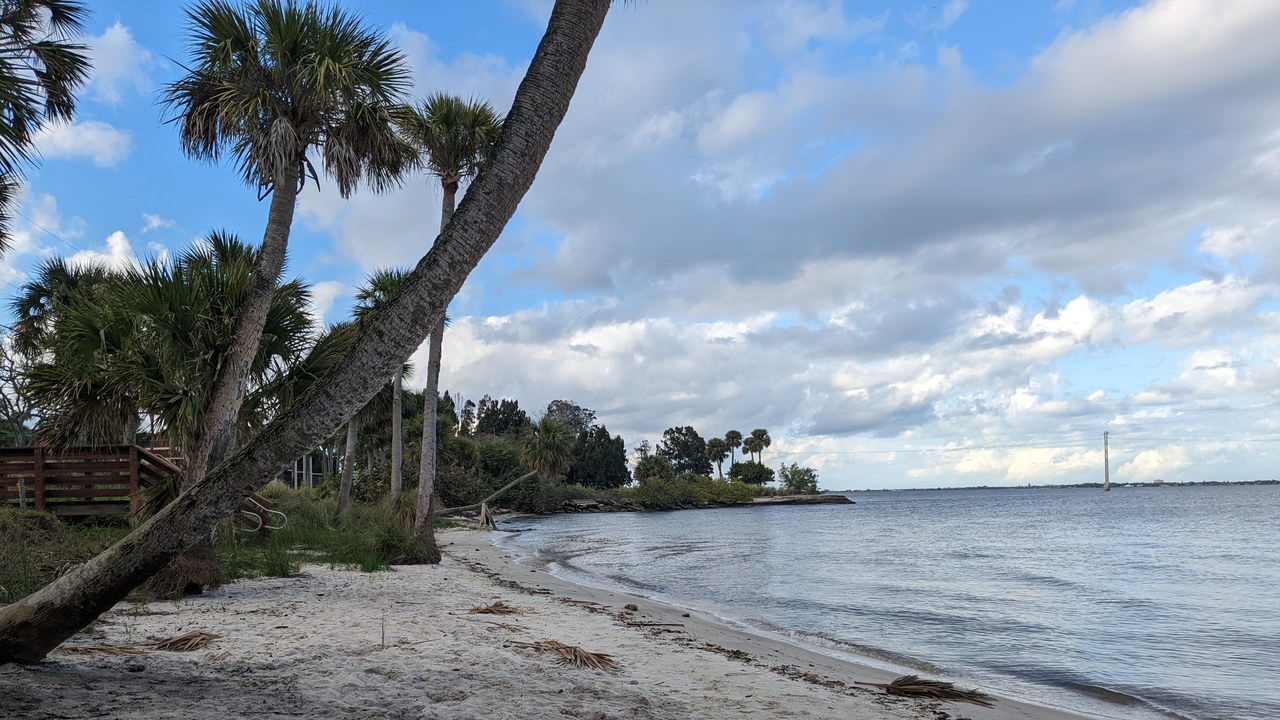
The Florida Fish and Wildlife Conservation Commission completed more than 60 rescues in Brevard County, according to The Watchers.
Palm Bay, the county’s largest city, was among the hardest-hit areas. Wildlife officers often help in floods because they have boats and training for swift water. Recovery will take weeks as residents clean up damaged homes and officials assess the cost. Residents returning home are urged to photograph damage for insurance claims and to avoid floodwater, which can carry sewage and hidden debris. Federal disaster aid may follow once damage assessments are complete. Officials will tally the full cost in the weeks ahead.
More from Morning Overview
- Over 20 trillion gallons of rain fell on the Four Corners states and Nevada in two weeks
- 11 engines built to run well past 200,000 miles
- Two Kentucky residents died when a small plane crashed at Missouri’s Lake of the Ozarks, and the NTSB is investigating
- A handful of car transmissions are so tough that mechanics say they almost never die
