
Kīlauea, the restless volcano on Hawaii’s Big Island, is swelling again after its latest burst of towering lava fountains. Scientists at the Hawaiian Volcano Observatory expect the next episode within the coming days. Here is what the volcano has been doing and what to expect next.
Read next on Morning Overview: Neanderthals in Spain carved a wooden object that matches nothing archaeologists have ever found
Halemaʻumaʻu crater: Lava Confined to the Crater
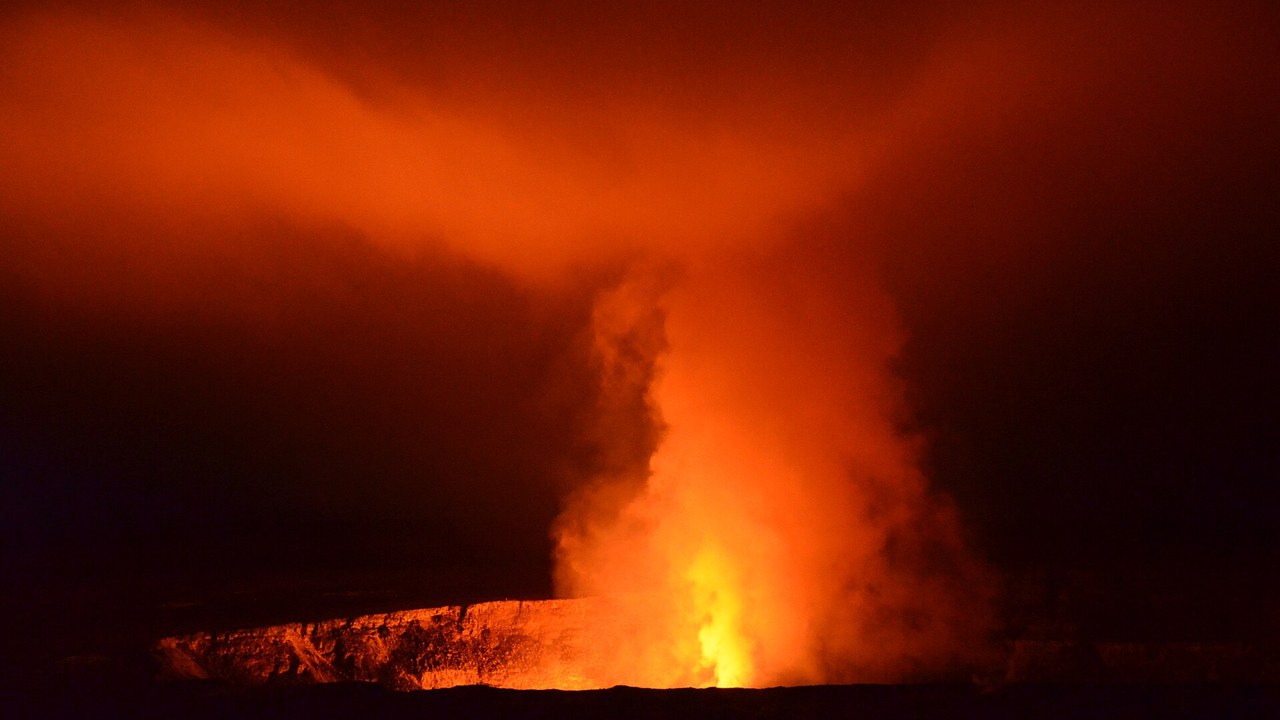
All of the lava from Kīlauea’s current eruption remains confined to Halemaʻumaʻu crater at the volcano’s summit, according to The Watchers’ report on the reinflation. That keeps homes and roads outside the summit area out of the lava’s path.
Halemaʻumaʻu sits inside Hawaiʻi Volcanoes National Park, and the eruption has drawn crowds of visitors hoping to see the glow at night. Because the lava stays within the crater, the main hazards are volcanic gas and falling volcanic glass rather than flowing lava. Park officials adjust viewing areas based on wind and gas levels. The current eruption began in late 2024.
Episode 56 ends: An Abrupt End After Six Hours
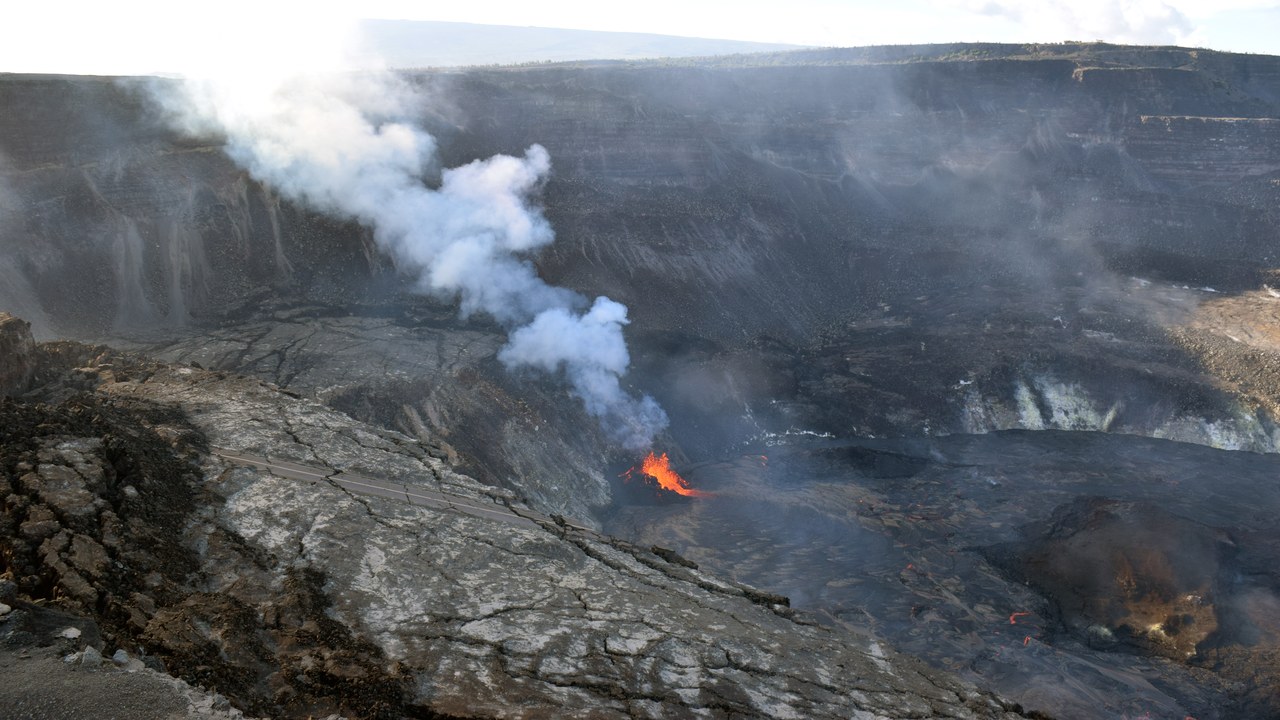
Episode 56 of the eruption’s lava fountaining ended abruptly after nearly six hours, according to The Watchers’ report on the episode. The north vent threw lava about 660 feet high at its peak, based on the observatory’s real-time estimate.
The eruption has unfolded as a series of episodes, with short bursts of fountaining separated by quiet periods while magma builds up again beneath the summit. Each episode can look dramatic in photos and video, but the pattern has become familiar to scientists who track the volcano around the clock. The abrupt stop is typical of this eruption, with fountains shutting off quickly once pressure drops.
Eruption plume: A Plume Thousands of Feet High
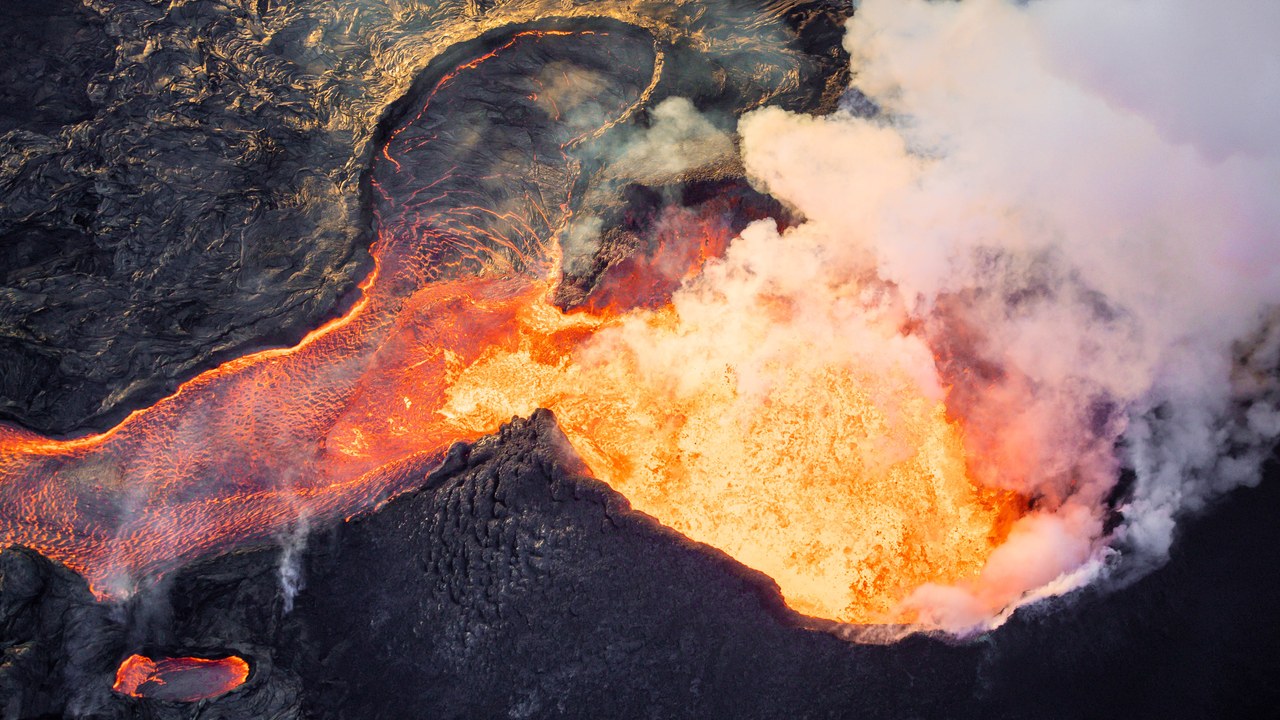
Episode 56 sent a volcanic plume to about 18,000 feet above sea level, according to The Watchers.
Plumes that high can carry ash and volcanic gas downwind, which can affect air quality across the island and occasionally lead to warnings for aircraft. Vog, a volcanic haze, can irritate the lungs and eyes, so residents with breathing problems are urged to limit time outdoors when it is heavy. Wind direction decides which communities are affected each day. Air quality forecasts are posted online for island residents, and schools and outdoor events sometimes adjust plans when vog levels rise sharply. Updates come often.
USGS chronology: A Photo and Video Record
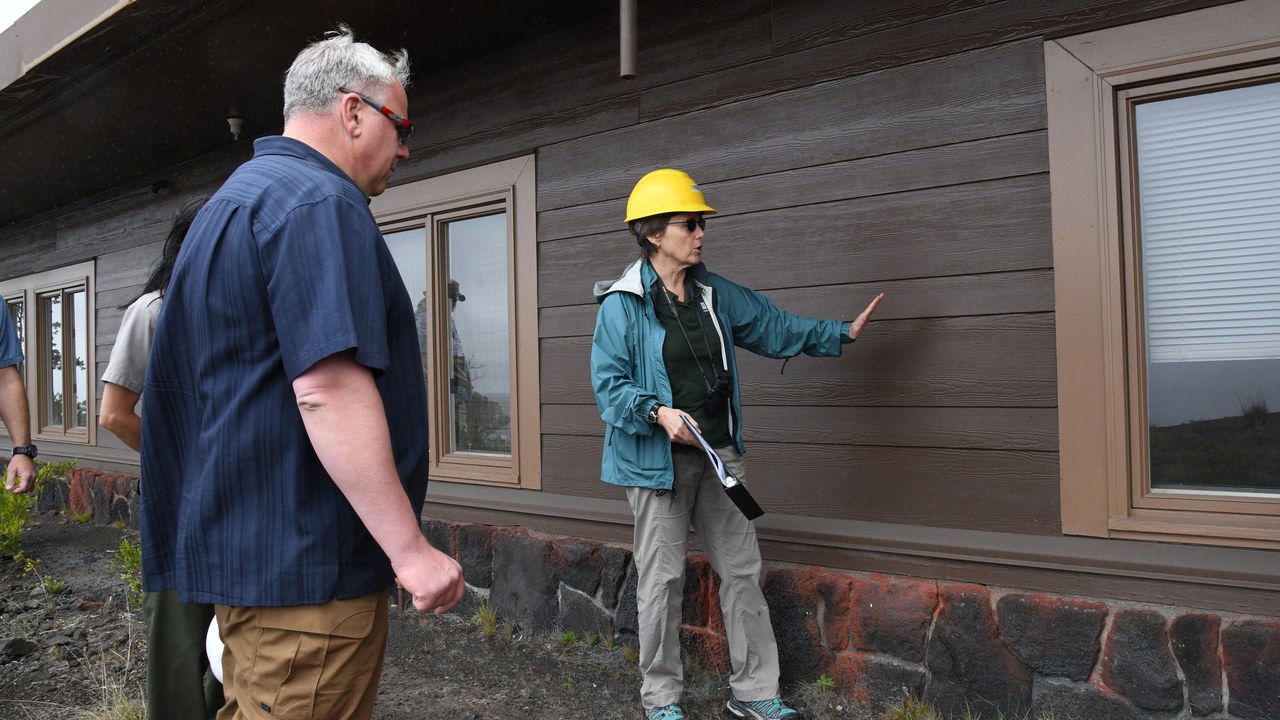
The U.S. Geological Survey’s Hawaiian Volcano Observatory published a photo and video chronology of episode 56’s lava fountaining at Kīlauea’s summit.
The observatory uses webcams, thermal cameras, tiltmeters and gas sensors to monitor the volcano. Its public chronologies let people follow each episode closely and help scientists compare how the eruption is changing over time. The images also help emergency managers plan for future episodes. Its scientists also share daily updates on the volcano’s activity, and the observatory has watched Kīlauea since 1912, making it one of the longest-running volcano monitoring programs in the world. The new chronology adds to that long record.
Episode 57 window: The Next Episode Is Coming

The Hawaiian Volcano Observatory forecasts the next fountaining episode, number 57, between November 17 and 22, according to The Watchers. The summit is reinflating as magma refills the system beneath it.
Forecasts are based on how quickly the ground is swelling, which scientists measure with tiltmeters. Visitors planning a trip to Hawaiʻi Volcanoes National Park this week may get a chance to see the next episode, but they should check park alerts and follow rangers’ instructions about closed areas. Kīlauea is one of the most active volcanoes on Earth, and episodes like these are expected to continue for some time.
More from Morning Overview
- Winter weather advisories cover I-80, I-70 and the Bighorns with up to 15 inches of snow
- Arizona’s governor declared a statewide emergency after Flagstaff logged its wettest Nov. 1 on record
- Zero Motorcycles unveiled an electric motorcycle targeted at under $8K and a street-legal dirt bike at EICMA
- New FCC rules on how people can stop robocalls and texts take effect Nov. 25
