
The 2026 Atlantic hurricane season has produced plenty of named storms but only a single hurricane, something that has not happened in a completed season since 1925. A strong El Niño in the Pacific is a big reason why. Here is how the unusually quiet season unfolded.
Read next on Morning Overview: 11 engines built to run well past 200,000 miles
Ten named storms: Ten Storms, One Hurricane
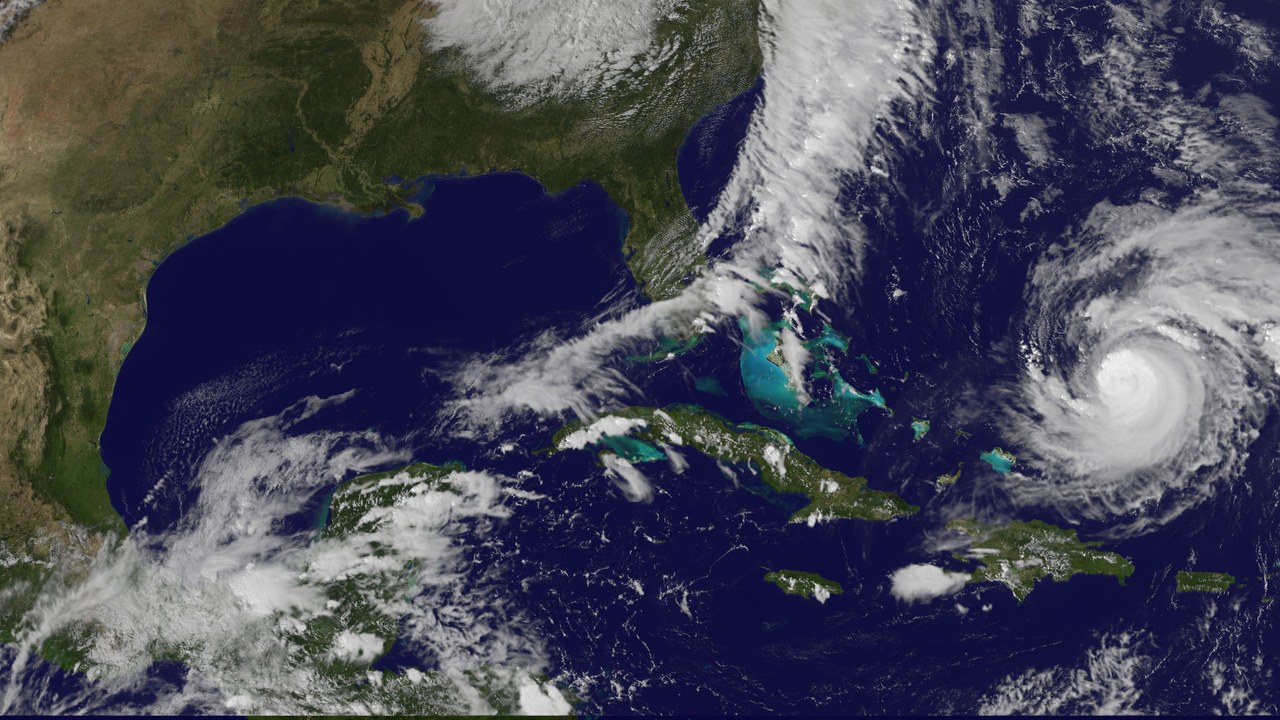
The Atlantic produced 10 named storms by November 15, 2026, but only one hurricane, according to The Watchers’ analysis of the season. The historical database lists 1925 as the most recent completed season with only one hurricane.
Named storms reach tropical storm strength, with winds of at least 39 mph, but most of this year’s systems never strengthened further. The National Hurricane Center’s running measure of storm energy has been far below normal, a sign of how weak the season has been overall. The season officially ends on November 30, leaving little time for that record to change. Few forecasters expected it.
Hurricane Isaias: Isaias Hits the Panhandle
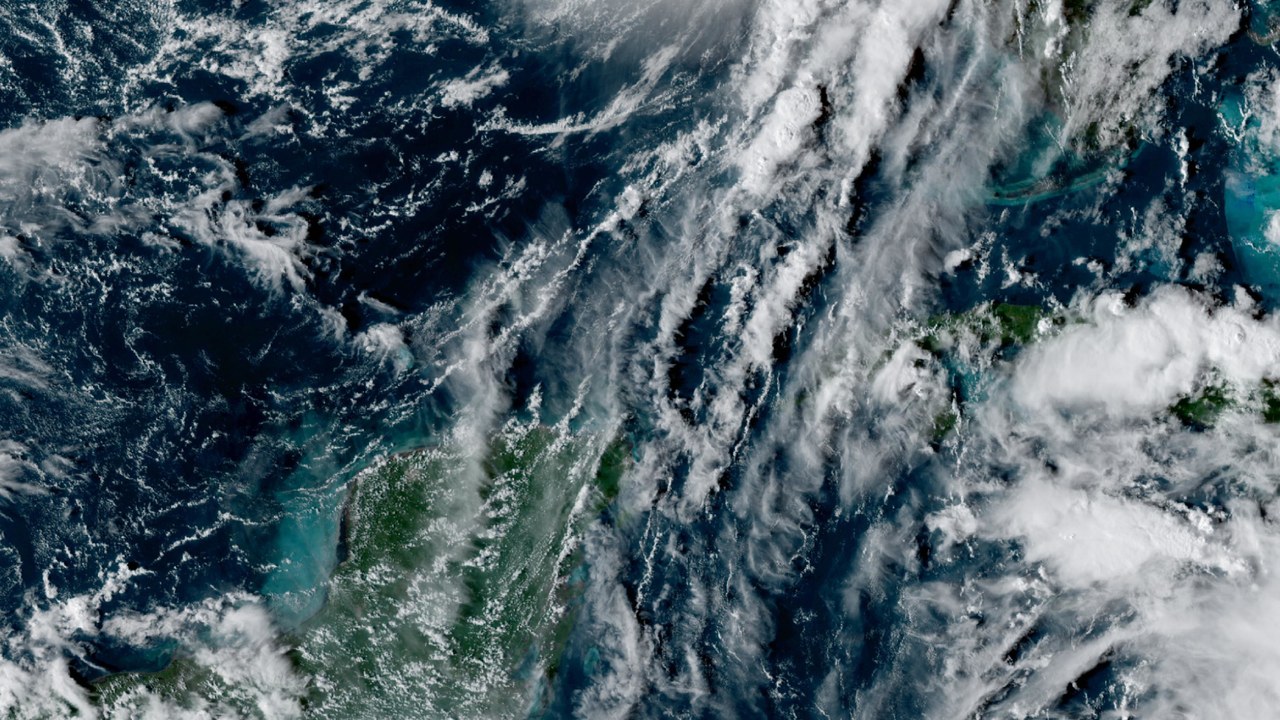
Isaias, the season’s only hurricane, made landfall near Destin, Florida, as a Category 2 storm on October 9, according to The Watchers.
A Category 2 hurricane carries sustained winds of 96 to 110 mph, strong enough to damage roofs, topple trees and knock out power for days. The storm struck the Florida Panhandle, a region still rebuilding from earlier hurricanes. It was a reminder that a quiet season can still deliver one damaging storm to the communities in its path. Emergency officials urged residents along the coast to evacuate low-lying areas before landfall, as is standard practice for storms of that strength. Destin and nearby beach towns depend heavily on tourism, so even a brief disruption carries economic costs.
Gulf energy shut-ins: A Threat to Gulf Energy
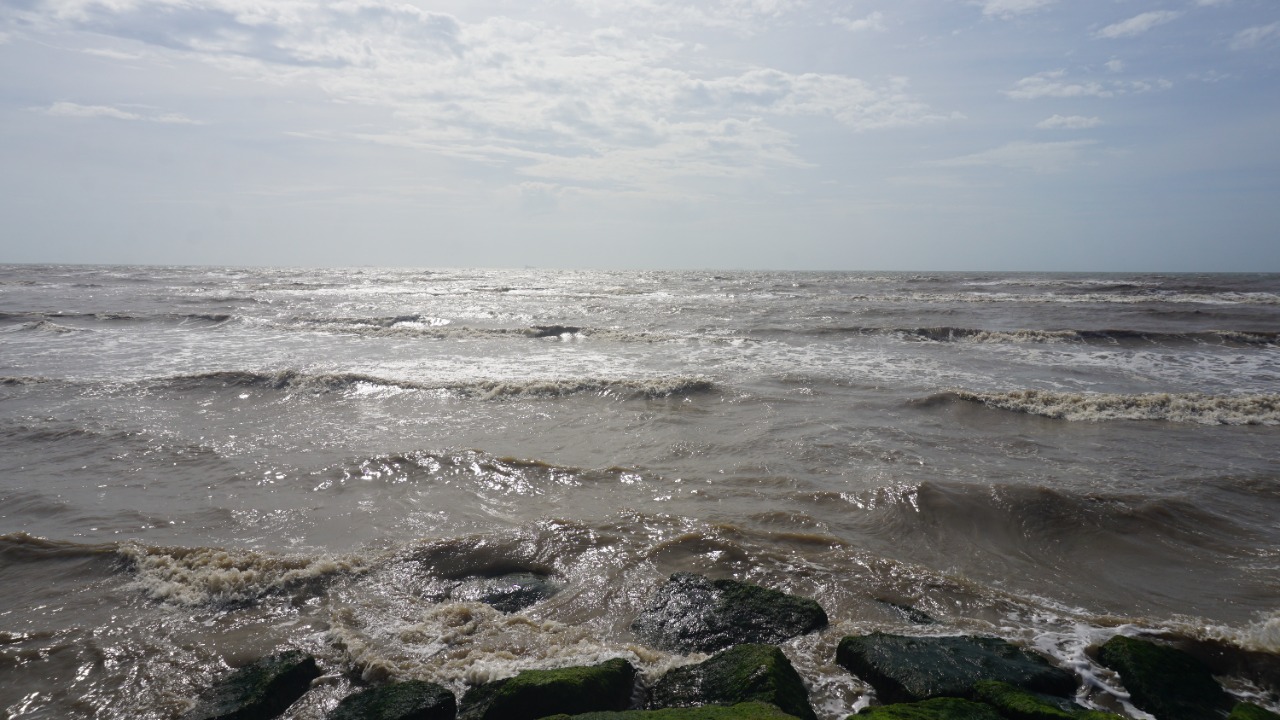
The U.S. Energy Information Administration said Isaias was the first hurricane of 2026 and threatened Gulf of Mexico energy infrastructure, according to the EIA’s analysis.
The Gulf is home to a large share of U.S. oil and natural gas production and refining. Companies often shut in offshore platforms and evacuate workers ahead of storms, which can briefly reduce supply. Even a short disruption can move fuel prices, which is why energy markets watch the Gulf closely every hurricane season. Gasoline prices along the Gulf Coast are especially sensitive to such disruptions, since many of the nation’s largest refineries sit within reach of the storms.
Largest since Helene: The Largest Since Helene
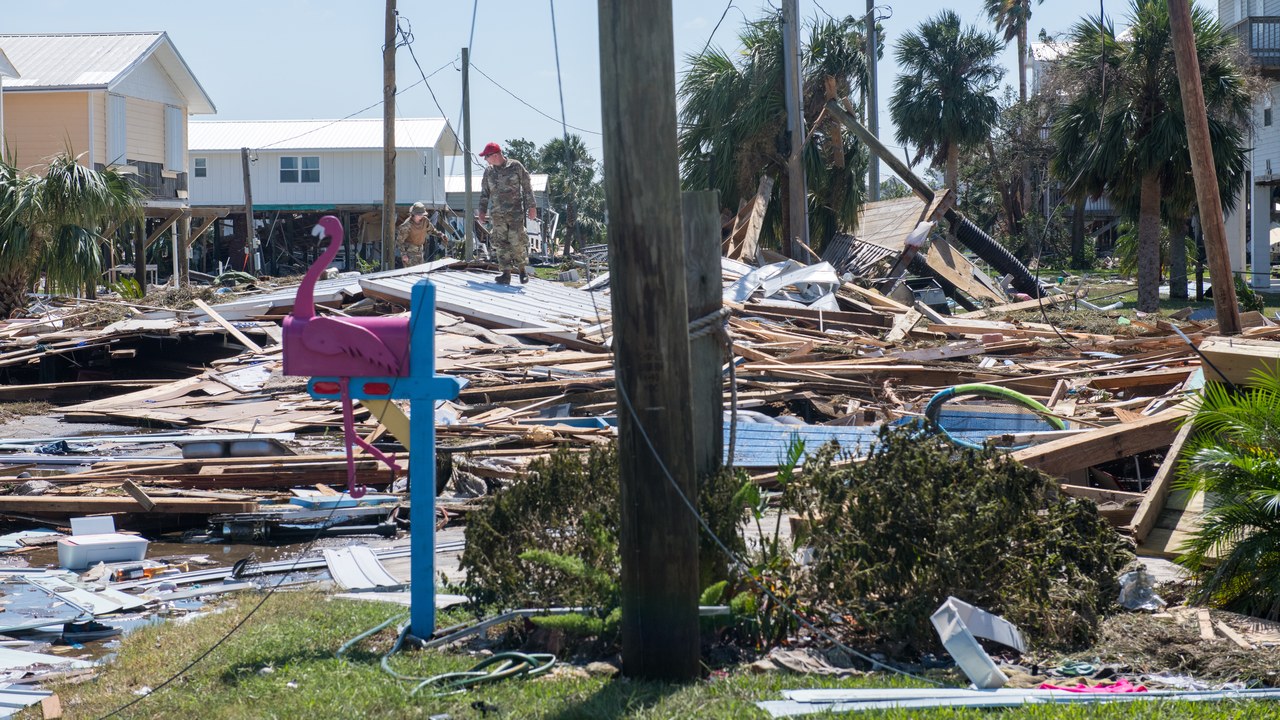
The EIA called Isaias the largest storm to hit the region since Hurricane Helene in September 2024, according to the agency’s report.
Helene was a devastating storm that caused deadly flooding far inland, from Florida’s Big Bend to western North Carolina. Comparing Isaias to Helene underscores how much attention the Gulf Coast pays to every landfall, even in a season with only one hurricane. Recovery from Helene is still under way in many communities. The comparison also highlights how quickly coastal residents can shift from relief to concern when a storm forms. Insurers and emergency managers use such comparisons to plan their response.
El Niño: El Niño Keeps a Lid on Storms
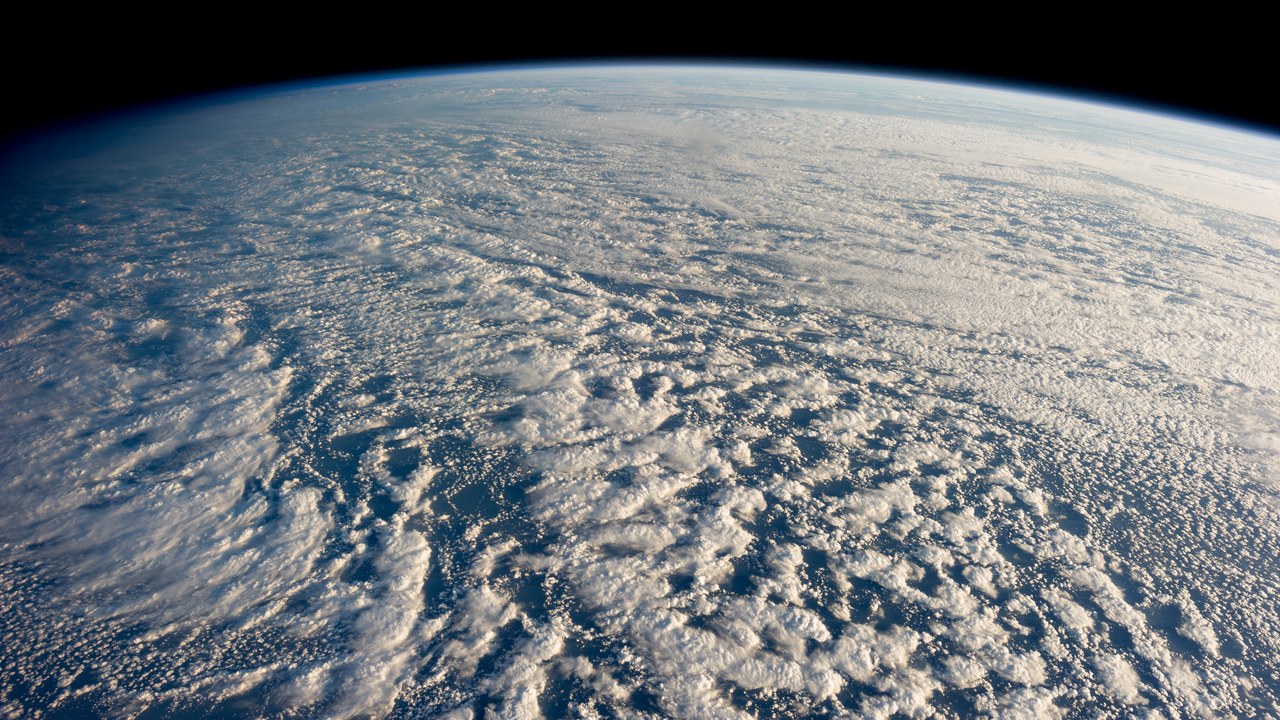
The Climate Prediction Center expects a strong to very strong El Niño to last through January to March 2027, according to The Watchers’ El Niño report.
El Niño increases wind shear over the Atlantic, which disrupts storms before they can organize and strengthen. That is the main reason the 2026 season has been so quiet. Forecasters will be watching to see whether El Niño fades in time for the 2027 season, since a switch to neutral or La Niña conditions can lead to busier years. For now, coastal residents can enjoy a rare break, but forecasters urge them to stay prepared.
More from Morning Overview
- A $1 billion gas plant planned for Superior, Wisconsin, has been abandoned
- Shaq spent $1.3 million on three Rolls-Royce Phantoms to prove a point to a salesman
- The Justice Department asked courts to undo approvals for three offshore wind farms, one already making power
- Over 20 trillion gallons of rain fell on the Four Corners states and Nevada in two weeks
