
The Takata air bag recalls began in 2008 and grew into the largest automotive recalls in American history. Most of the dangerous inflators have been replaced, but federal regulators still tell owners of certain older models to park them until a dealer makes a free repair. These are 18 of the vehicles on that list.
Read next on Morning Overview: Winter weather advisories cover I-80, I-70 and the Bighorns with up to 15 inches of snow
1. Honda Accord (2001-2002): The Oldest, Most Dangerous Inflators
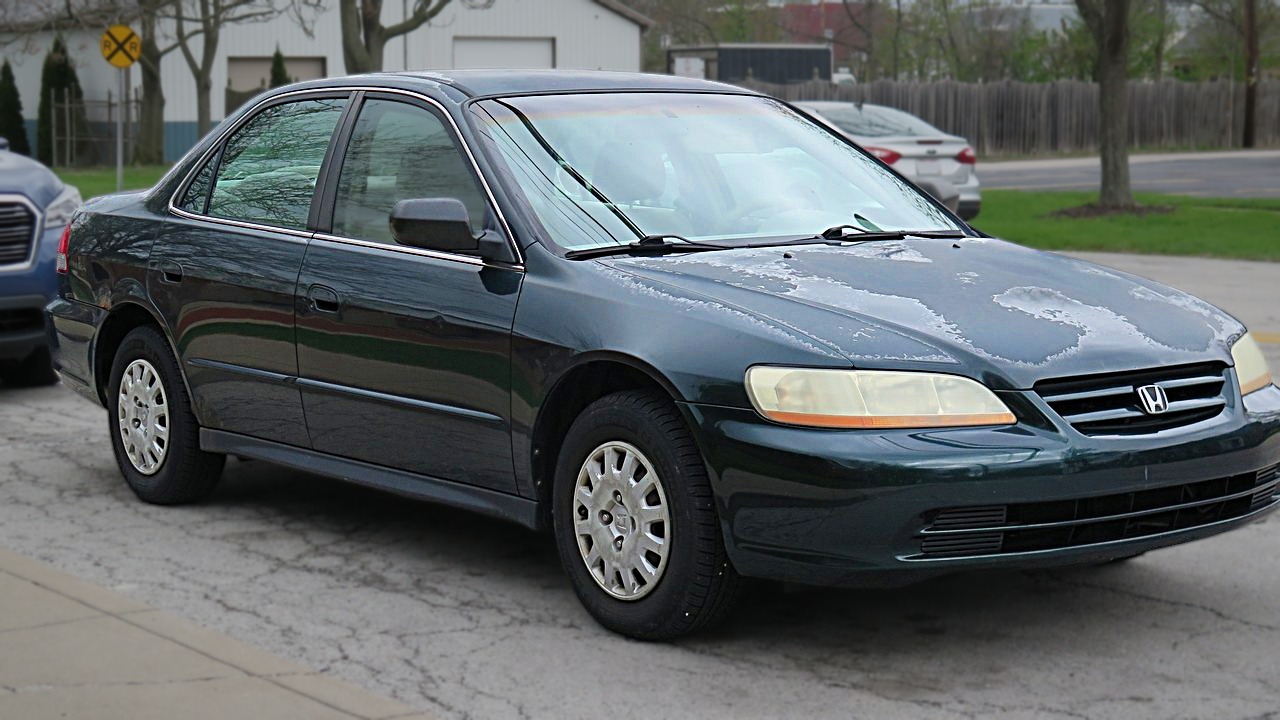
The 2001 and 2002 Accord carries Takata Alpha driver-side inflators, which NHTSA says are among the oldest under recall and have a 50% failure rate.
In February 2023, Honda upgraded the Alpha recall to a do-not-drive warning for these cars. NHTSA urged anyone with an open Takata recall not to drive the car until the urgent, lifesaving repair is completed. Owners can check their vehicle identification number with NHTSA’s recall lookup tool, and Honda offers the repair free.
2. Honda Civic (2001-2002): Half Could Rupture
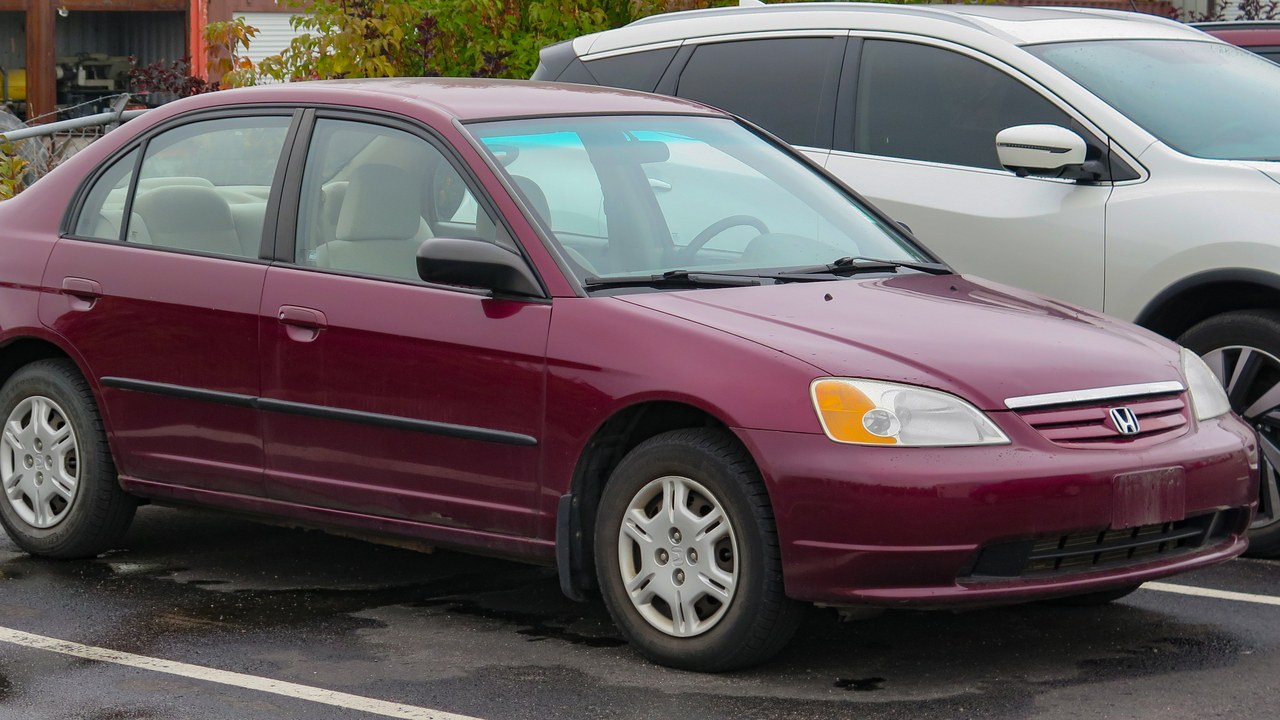
NHTSA’s then-acting administrator Ann Carlson warned that the Alpha inflators in cars such as the 2001 and 2002 Civic pose a 50% chance of rupturing in even a minor crash.
A ruptured inflator can kill or leave people with devastating, life-altering injuries, the agency said. When it announced the upgraded warning in 2023, NHTSA estimated that about 8,200 Honda and Acura vehicles with the most dangerous air bags were still being driven. Owners were told not to drive them until the free repair is done.
3. Honda CR-V (2002): A Compact SUV on the List
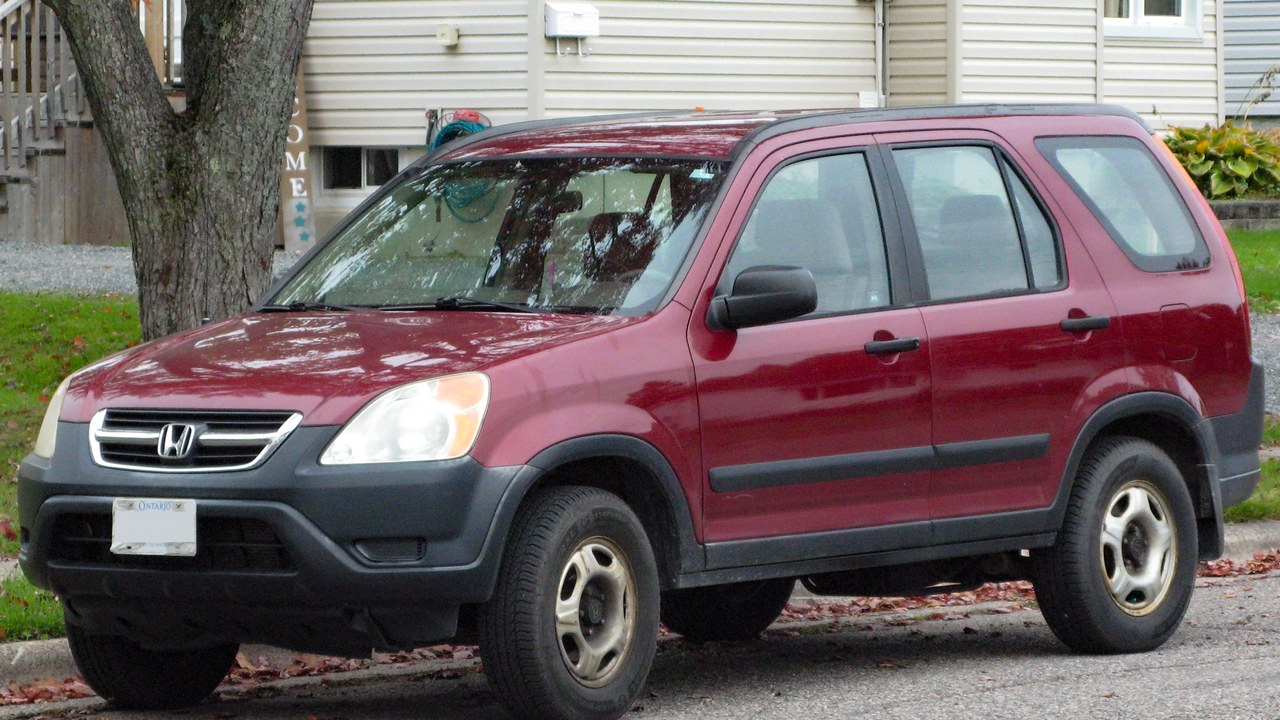
The 2002 CR-V is one of the Honda and Acura models with Takata Alpha inflators that NHTSA says owners should not drive until the recall has been completed.
Honda says it has replaced or accounted for more than 99% of the Alpha inflators, but the remaining vehicles carry the most dangerous air bags in the recall. To make the fix easier, owners can get free towing or mobile repair, plus a free loaner or rental car, by contacting a dealer or Honda customer service.
4. Honda Odyssey (2002): The Family Minivan
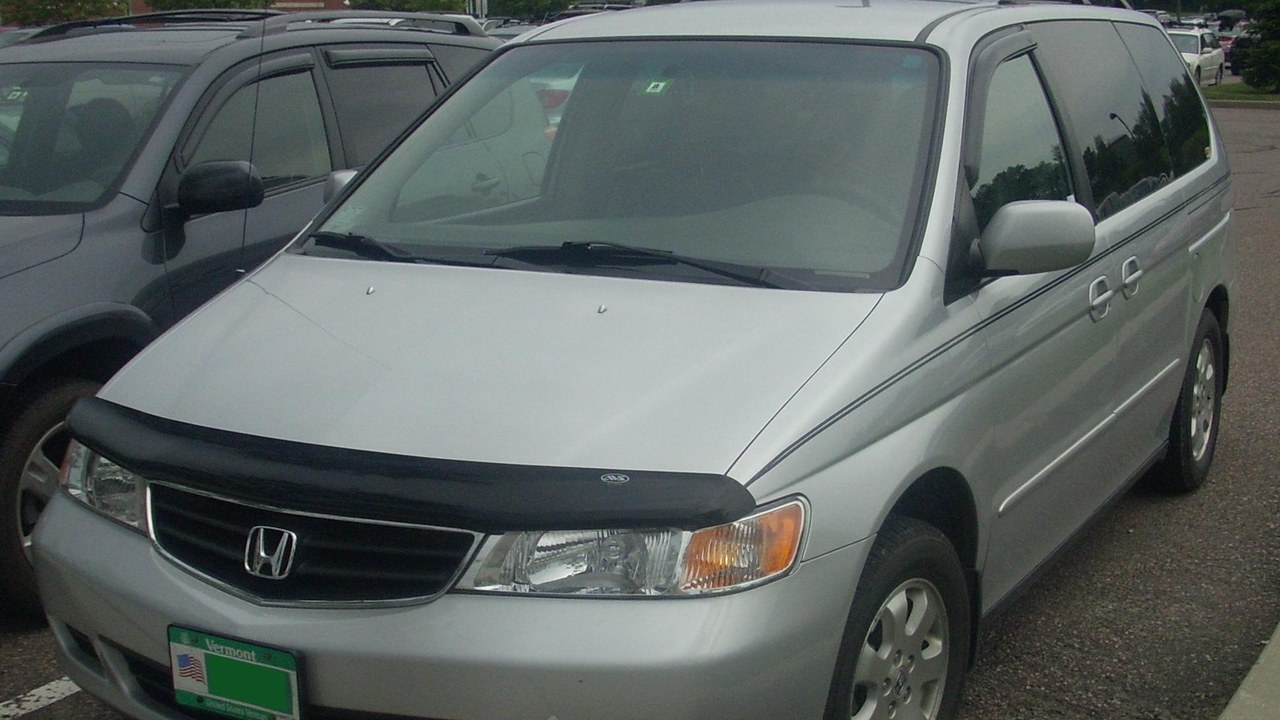
The 2002 Odyssey minivan is also under the Alpha do-not-drive warning, which targets the oldest and most dangerous Takata air bags still on the road, according to NHTSA.
The agency’s advice is simple: look up the van’s vehicle identification number with NHTSA’s recall tool, and if a Takata recall is open, do not drive it until the repair is made. Honda performs the work at no cost, and it offers free towing or mobile repair so owners do not have to drive an unrepaired van to the dealer.
5. Honda Pilot (2003): Lab Tests Showed the Risk
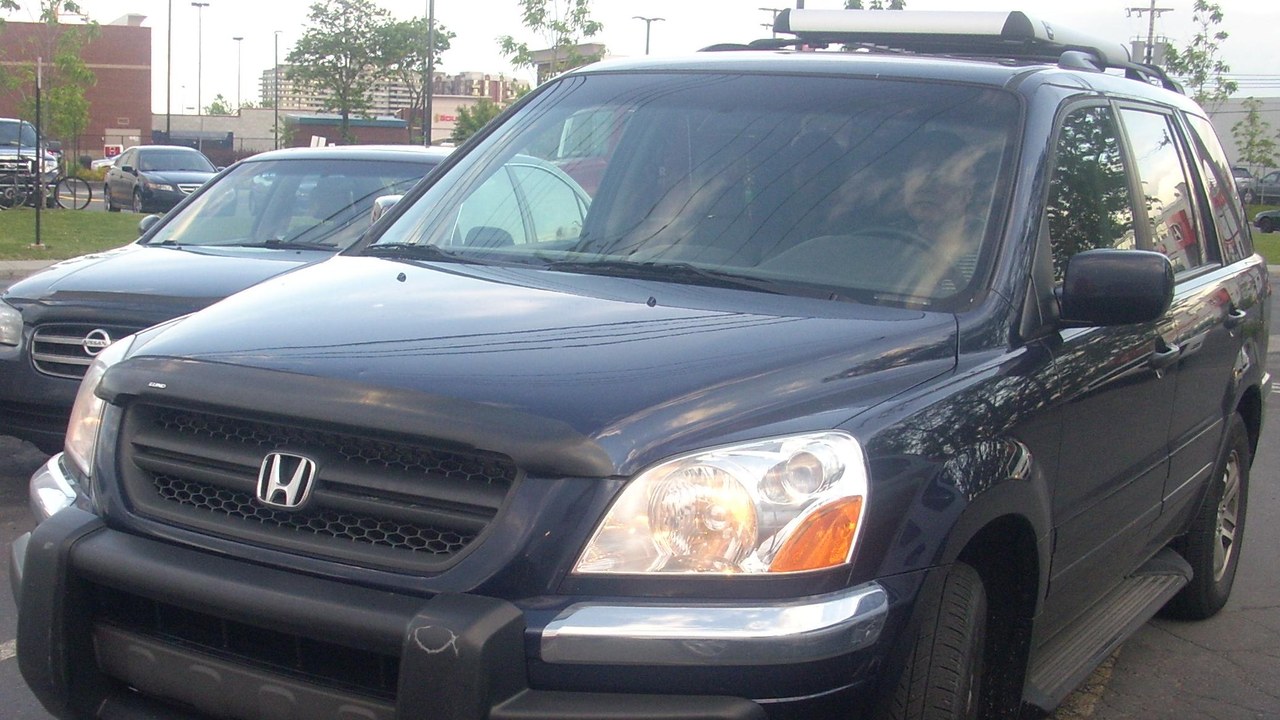
The 2003 Pilot is among the Honda Alpha vehicles that regulators singled out because lab testing found that their air bag inflators could have up to a 50 percent chance of rupturing.
Independent testing has linked rupture risk to long-term temperature swings and moisture, which is why older vehicles and those in humid parts of the country were given priority for repairs. Most owners of recalled Takata vehicles were told they could keep driving while they waited for parts, but owners of do-not-drive vehicles like this Pilot were told to stop.
6. Acura 3.2 TL (2002-2003): Acura’s Alpha Sedan
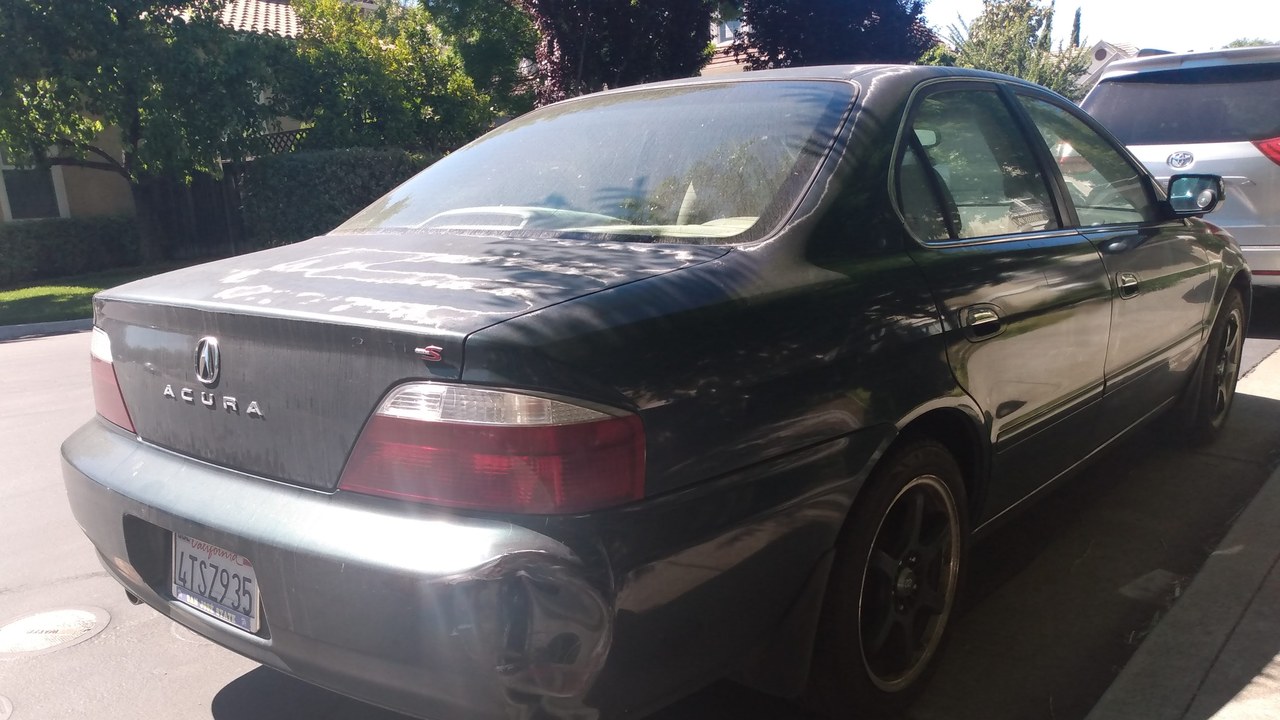
Honda’s luxury brand is part of the same warning: the 2002 and 2003 Acura 3.2 TL and the 2003 3.2 CL carry the Alpha inflators that NHTSA says have a 50% failure rate.
NHTSA has told owners of these cars not to drive them until the recall repair is done. Owners can call Acura or Honda customer service or a dealership to schedule the free fix, and the company will arrange free towing or a mobile repair along with a free loaner or rental car while the work is completed.
7. Ford Mustang (2005-2014): A Decade of Pony Cars
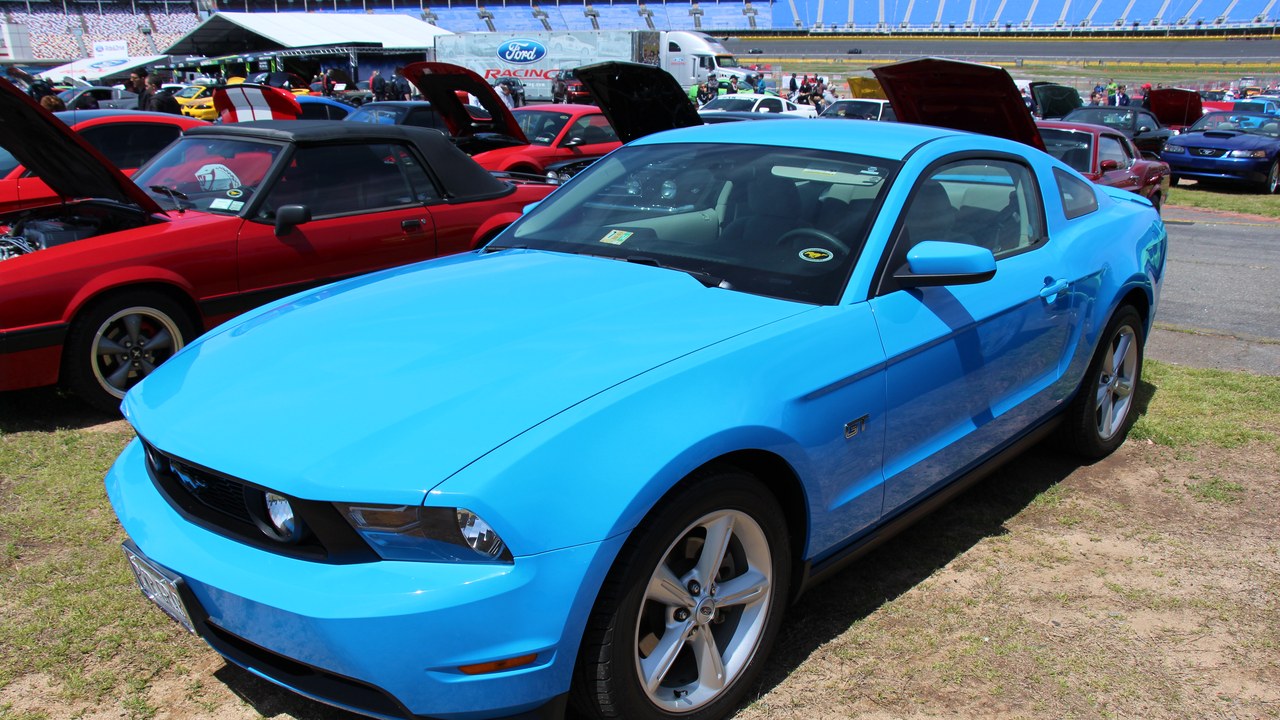
NHTSA’s do-not-drive list includes the 2005 through 2014 Ford Mustang. The agency says test data on the Takata inflators in these vehicles show a far higher risk of ruptures during air bag deployment than in other recalled Takata air bags.
That covers almost a full decade of Mustang production. NHTSA urges owners to search its recalls lookup tool with their vehicle identification number, and if the recall is still open, to call a dealer immediately to schedule the free repair. Replacement parts are available, the agency says.
8. Ford Fusion (2006-2012): And Its Lincoln and Mercury Twins
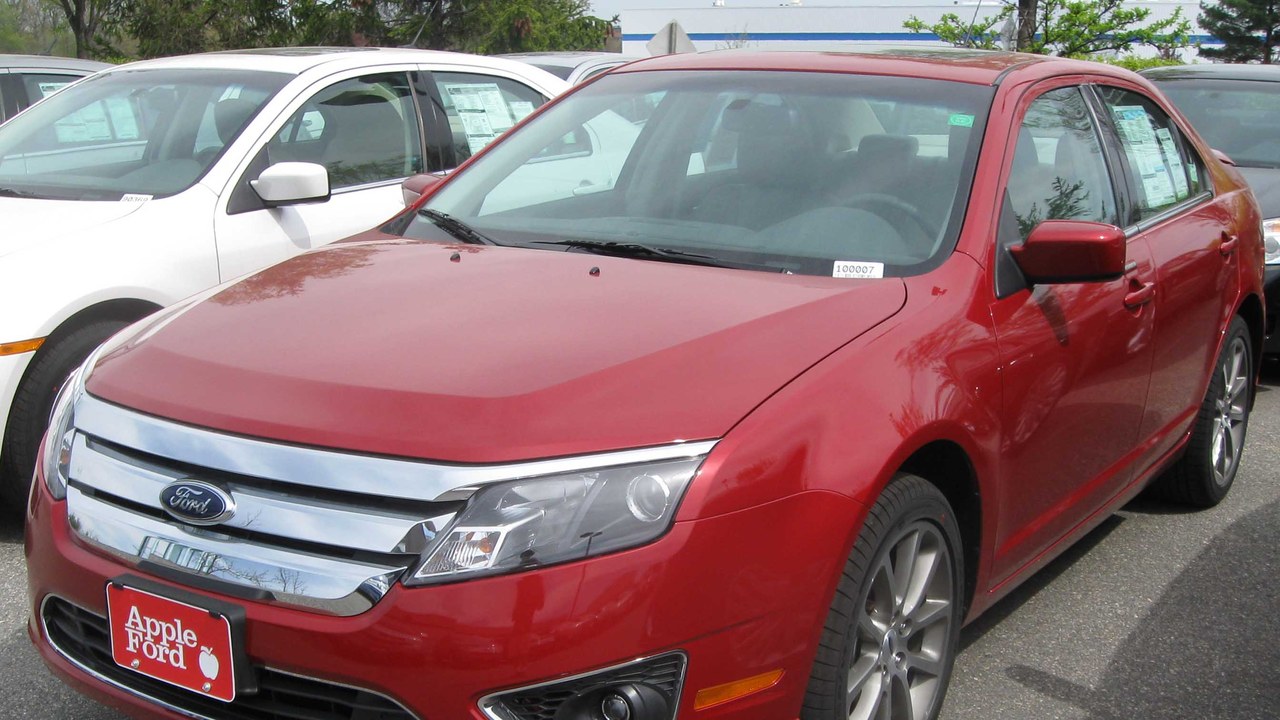
The 2006 through 2012 Ford Fusion is on NHTSA’s do-not-drive list, along with its close relatives from the same years, the Lincoln MKZ and Zephyr and the Mercury Milan.
All of them are covered by NHTSA’s warning that the Takata inflators in these models carry a far higher risk of rupturing than other recalled air bags. The agency’s message to owners is not to drive the cars until they are repaired. The fix is free at dealers, and replacement parts are available.
9. Ford Edge (2007-2010): The First-Generation Crossover
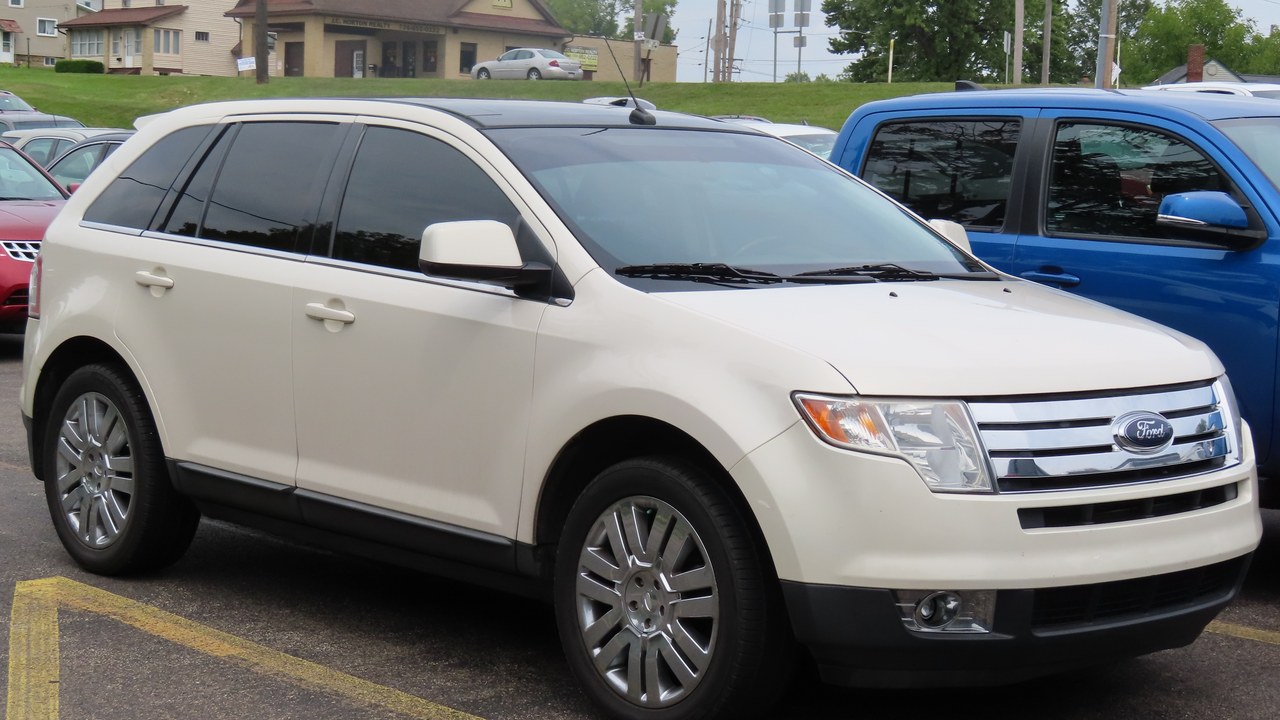
Early versions of Ford’s midsize crossover are on the federal list: NHTSA tells owners of the 2007 through 2010 Ford Edge and its twin, the 2007 through 2010 Lincoln MKX, not to drive them until they are repaired.
NHTSA says test data on the defective inflators in these vehicles show a far higher risk of ruptures than other recalled Takata air bags. Owners can confirm whether a vehicle has an unrepaired recall by entering its vehicle identification number in NHTSA’s recalls lookup, then calling a dealer to schedule the free repair.
10. Mazda6 (2003-2013): Mazda’s Midsize Sedan
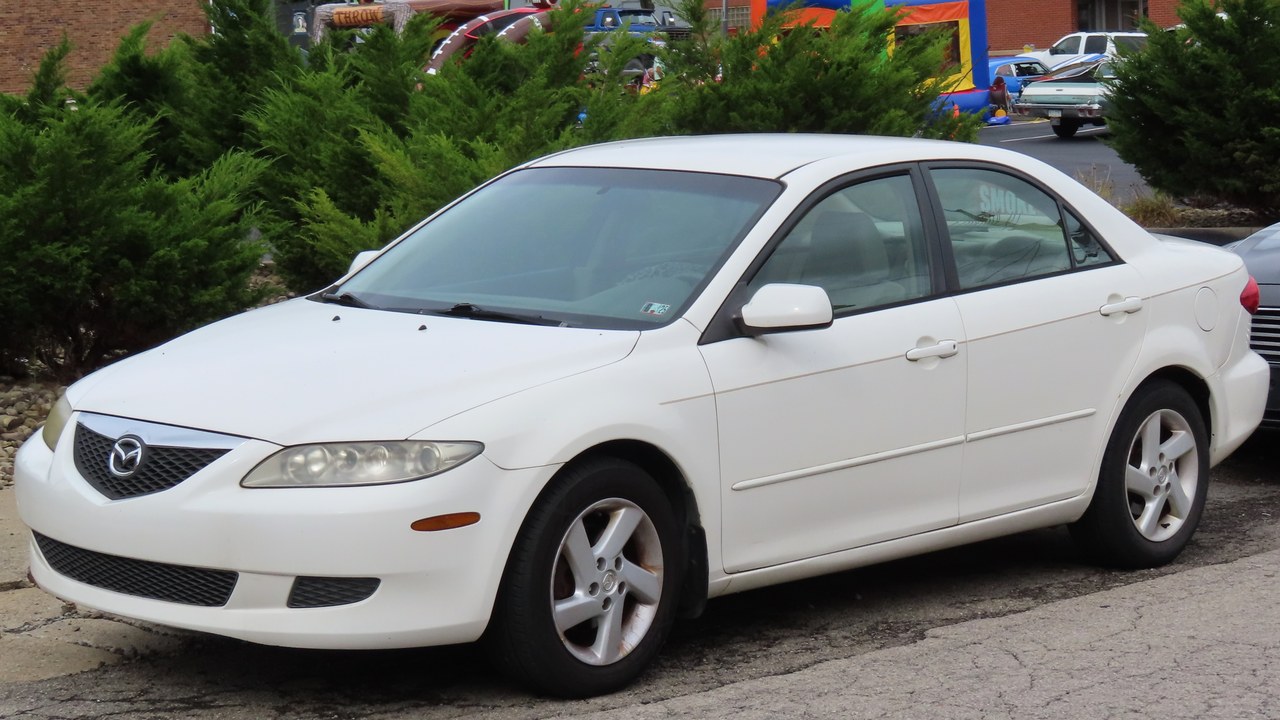
Mazda has several models on NHTSA’s do-not-drive list, and the longest-running is the 2003 through 2013 Mazda6. The performance-oriented 2006 and 2007 MazdaSpeed6 is covered as well.
Other Mazdas on the list include the 2004 through 2011 RX-8, the 2004 through 2006 MPV minivan and the 2007 through 2012 CX-7. For all of them, NHTSA urges owners to check for an open recall using the vehicle identification number and to call a dealer immediately for a free repair.
11. Mazda CX-9 (2007-2015): A Three-Row SUV
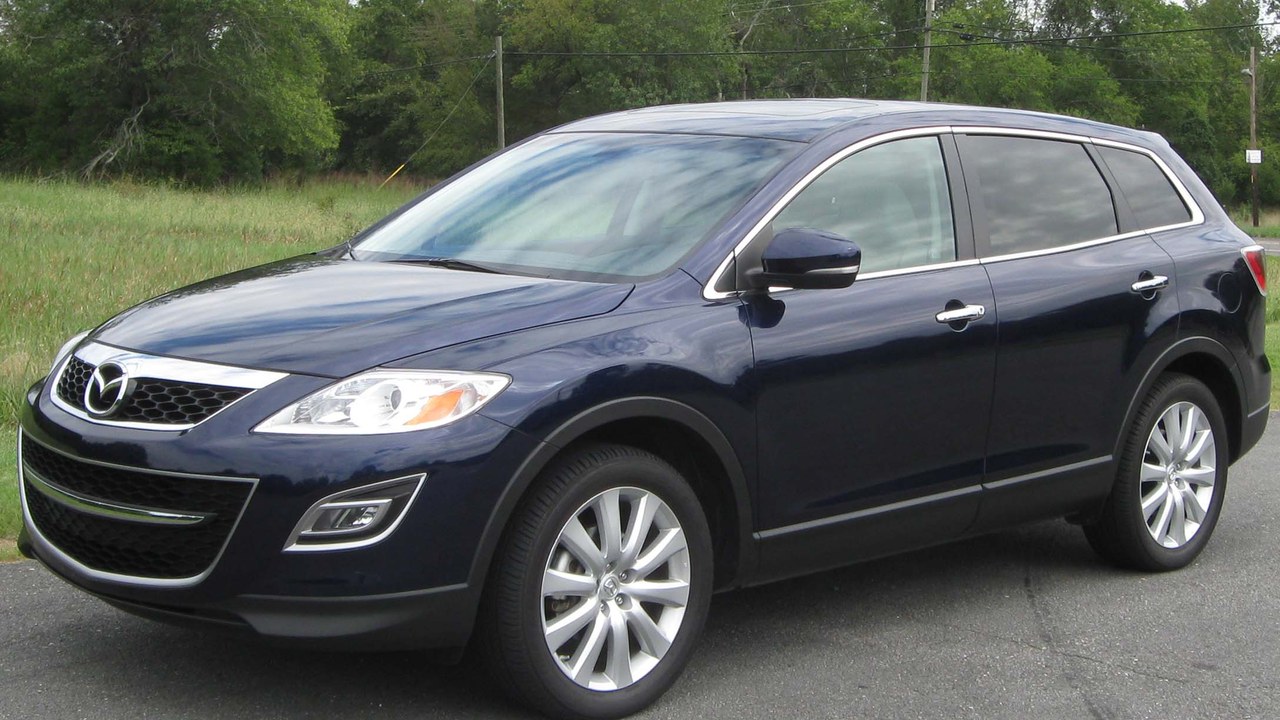
Mazda’s largest SUV is covered too: NHTSA lists the 2007 through 2015 Mazda CX-9 among the vehicles whose Takata inflators show a far higher risk of rupture than other recalled air bags.
That makes it one of the newest vehicles on the do-not-drive list, which reaches across 13 brands, from Acura and BMW to Pontiac and Toyota. NHTSA’s guidance is to look up the SUV’s vehicle identification number, and if the recall is open, to stop driving it and call a dealer, where the repair is free and parts are available.
12. Chrysler 300 (2005-2015): Part of the 2026 Stellantis Warning
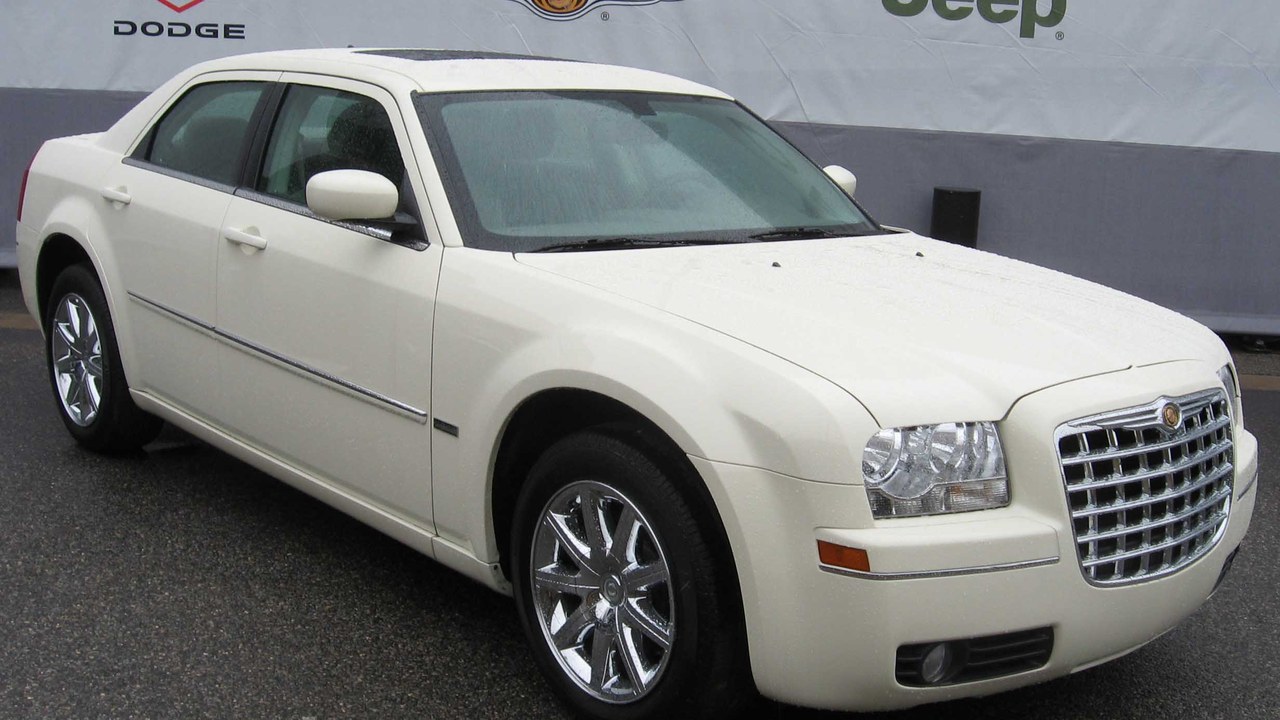
In February 2026, Stellantis told owners of about 225,000 older Chrysler, Ram, Jeep and Dodge vehicles not to drive them until the air bags have been replaced, and the 2005 through 2015 Chrysler 300 is on that list.
The Takata inflators can degrade over time, especially in hot, humid climates, and explode, sending shards of metal toward the people inside. A do-not-drive warning means owners should have the car towed to a dealer because it is too risky to drive. The repair is free, Michigan Public reported.
13. Dodge Charger (2006-2015): The Danger Is Not Over
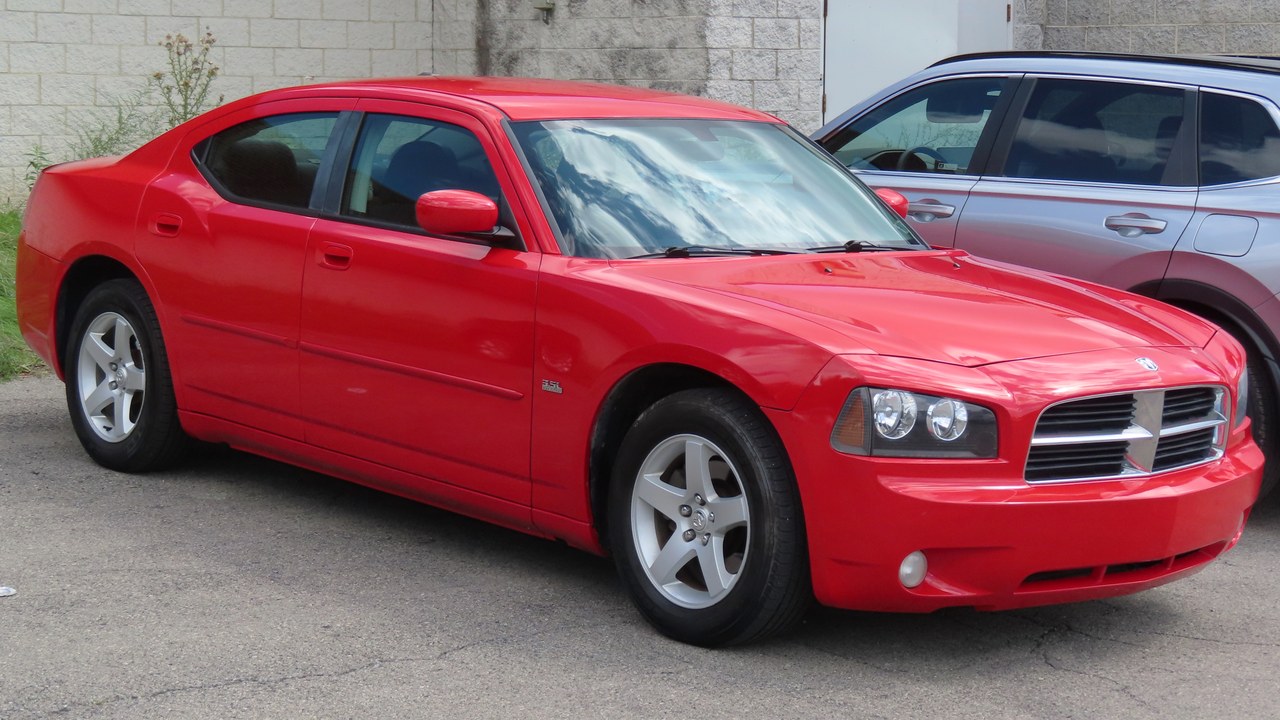
The 2006 through 2015 Dodge Charger is part of the 2026 Stellantis warning, which Michigan Public said makes clear Takata air bags are still a danger years after the first recalls.
The recalls began in 2008 and eventually involved 17 carmakers and about 67 million cars. At least 28 people in the U.S. have been killed by exploding Takata air bags, and more than 400 have been injured. Owners can check a car’s vehicle identification number at NHTSA’s recall site.
14. Dodge Challenger (2008-2014): Modern Muscle, Old Air Bags
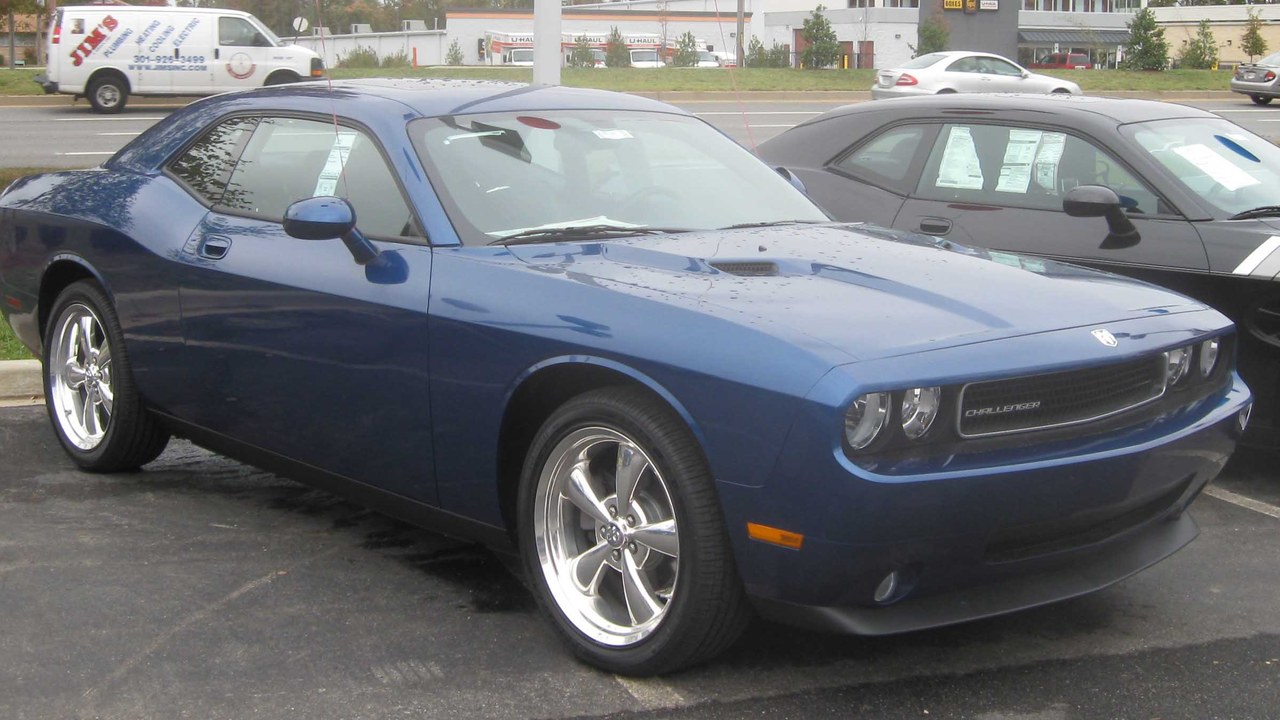
Stellantis’s 2026 do-not-drive warning covers the 2008 through 2014 Dodge Challenger, along with the Chrysler 300 and Dodge Charger sedans.
NHTSA says about 98% of vehicles with Takata air bags have been repaired, but that still leaves thousands of unrepaired cars on the road. Because these inflators can rupture and spray metal fragments, owners are told to have the cars towed to a dealer rather than drive them in. Dealers replace the air bags for free.
15. Dodge Durango (2004-2009): An SUV Under Warning
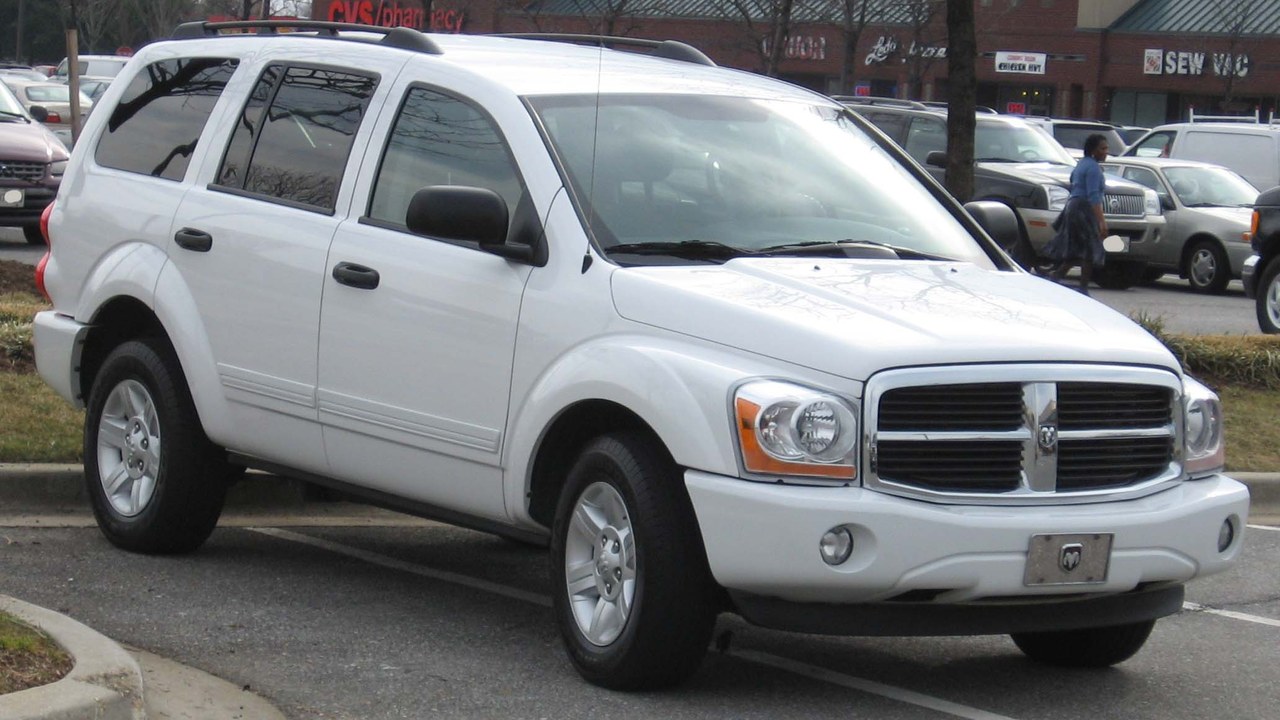
The 2004 through 2009 Dodge Durango is one of the Stellantis vehicles owners were told not to drive in February 2026, alongside its Chrysler cousin, the 2007 through 2009 Aspen.
Michigan Public reported that the warning covered about 225,000 vehicles in all. The Takata inflators in these SUVs can break down with age, particularly in heat and humidity, and then explode when the air bag deploys. Owners can look up their vehicle identification number at NHTSA’s site to see whether a repair is still open.
16. Dodge Dakota (2005-2012): The Midsize Pickup
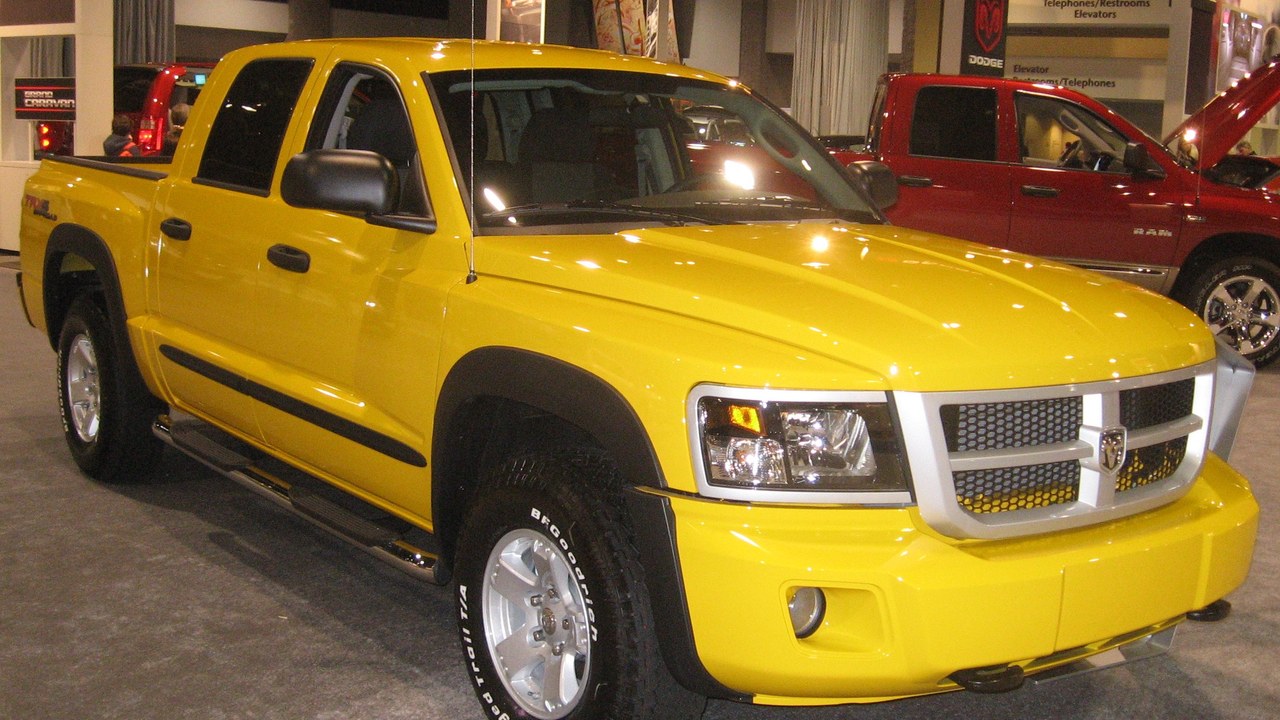
Stellantis also told owners of the 2005 through 2012 Dodge Dakota midsize pickup not to drive it until its Takata air bags are replaced, according to Michigan Public.
The same warning covers 2003 through 2016 Ram pickups and Sprinter vans and the 2005 through 2008 Dodge Magnum. A do-not-drive notice means the truck should be towed to a dealer, since the inflator could rupture and send metal shards toward the occupants in a crash. The fix is free of charge.
17. Jeep Wrangler (2007-2016): The Only Jeep on the List
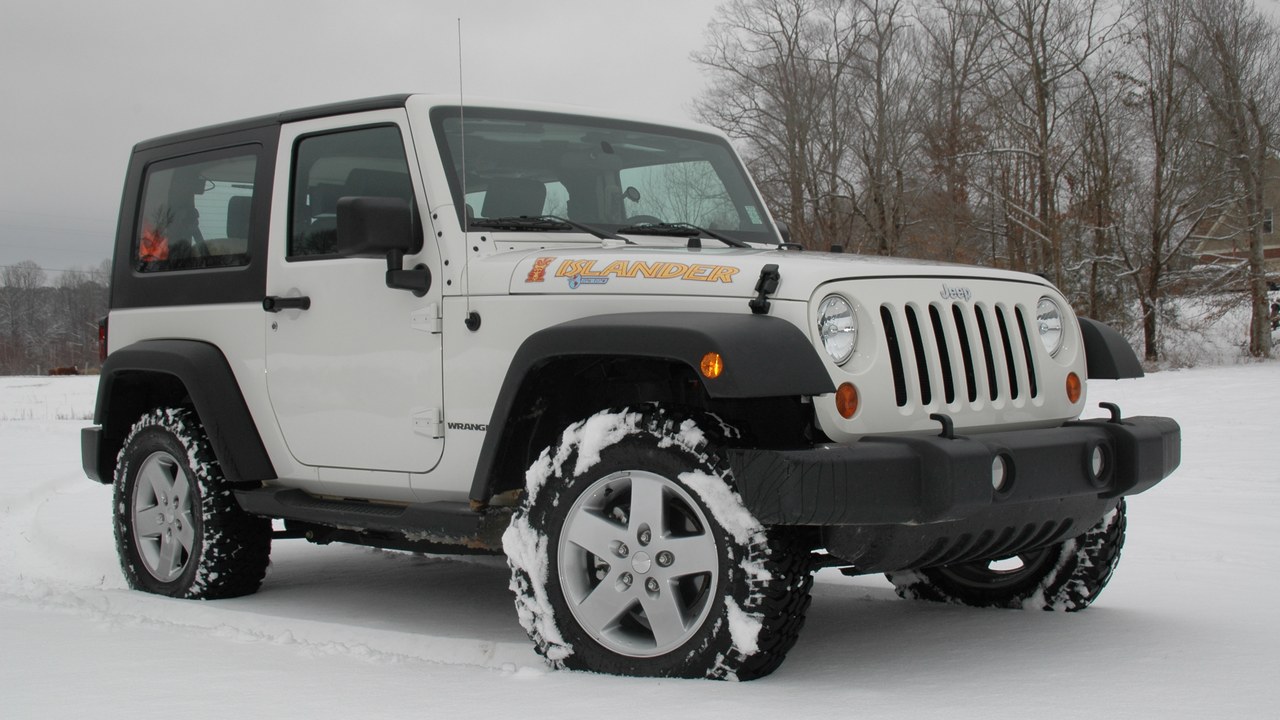
The Jeep brand’s entry in the 2026 Stellantis warning is the 2007 through 2016 Jeep Wrangler, which makes Jeep one of four Stellantis brands named in the notice.
The Takata recalls are the largest automotive recalls in U.S. history, and Michigan Public reported that they are not over. With about 98% of affected vehicles repaired, the remaining unrepaired ones are the focus now. Owners can check their vehicle identification number at nhtsa.gov/recalls, and dealers make the repairs for free.
18. Ford Ranger (2006): Two Deaths, Same Production Day
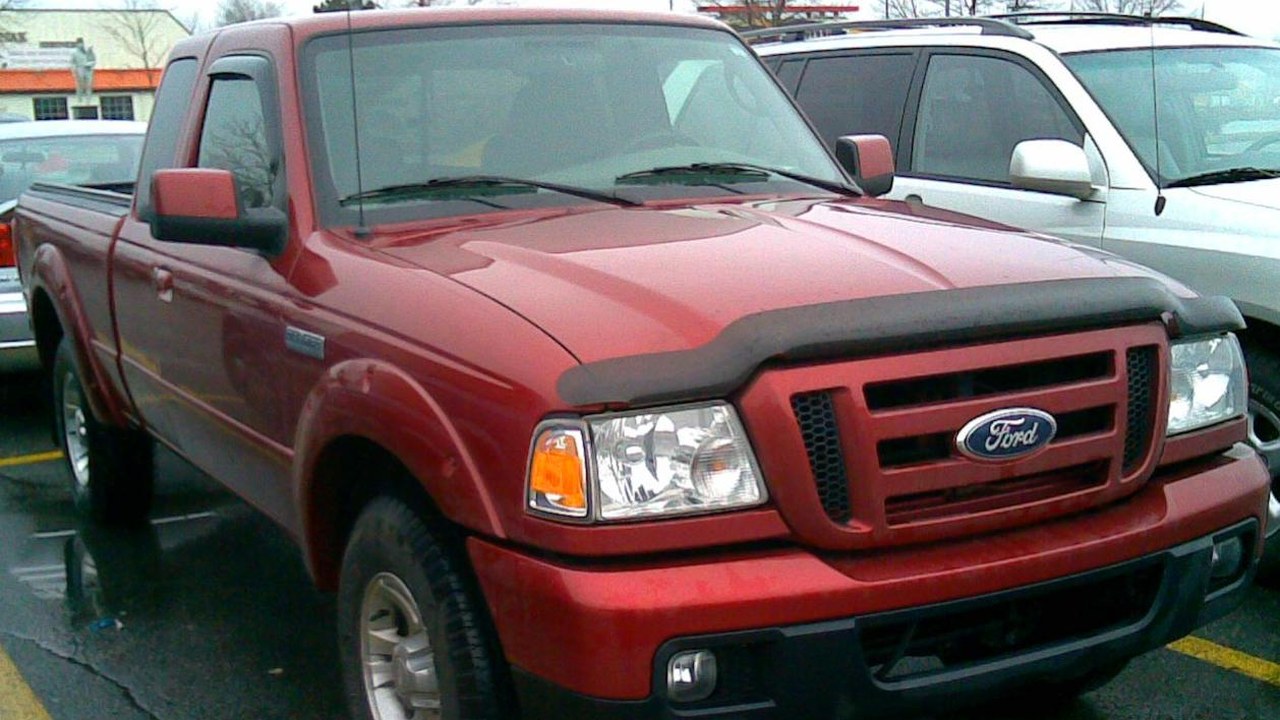
NHTSA put 33,320 Ford Rangers and 2,205 Mazda B-Series pickups from the 2006 model year on its do-not-drive list after two people in 2006 Rangers were killed by Takata inflators made on the same day.
Based on figures from the automakers, only about half of those trucks had been fixed when NHTSA urged owners to get them repaired. Every vehicle must be accounted for now, NHTSA deputy administrator Heidi King said. Ford and Mazda offer free towing to a repair site, and the repair itself is free.
More from Morning Overview
- Two Kentucky residents died when a small plane crashed at Missouri’s Lake of the Ozarks, and the NTSB is investigating
- A handful of car transmissions are so tough that mechanics say they almost never die
- Melting permafrost is setting off a newly identified kind of catastrophic landslide, scientists say
- Cadillac cut the price of its cheapest EV, which goes up to 317 miles on a charge
