
Some cars are remembered for speed or style, and others for the headlines they made. Fires, recalls, lawsuits and a few unforgettable designs turned these models into cautionary tales. Here are the cars that became famous for all the wrong reasons, and what actually went wrong with each one.
Read next on Morning Overview: A $1 billion gas plant planned for Superior, Wisconsin, has been abandoned
1. Chevrolet Corvair: Unsafe at Any Speed
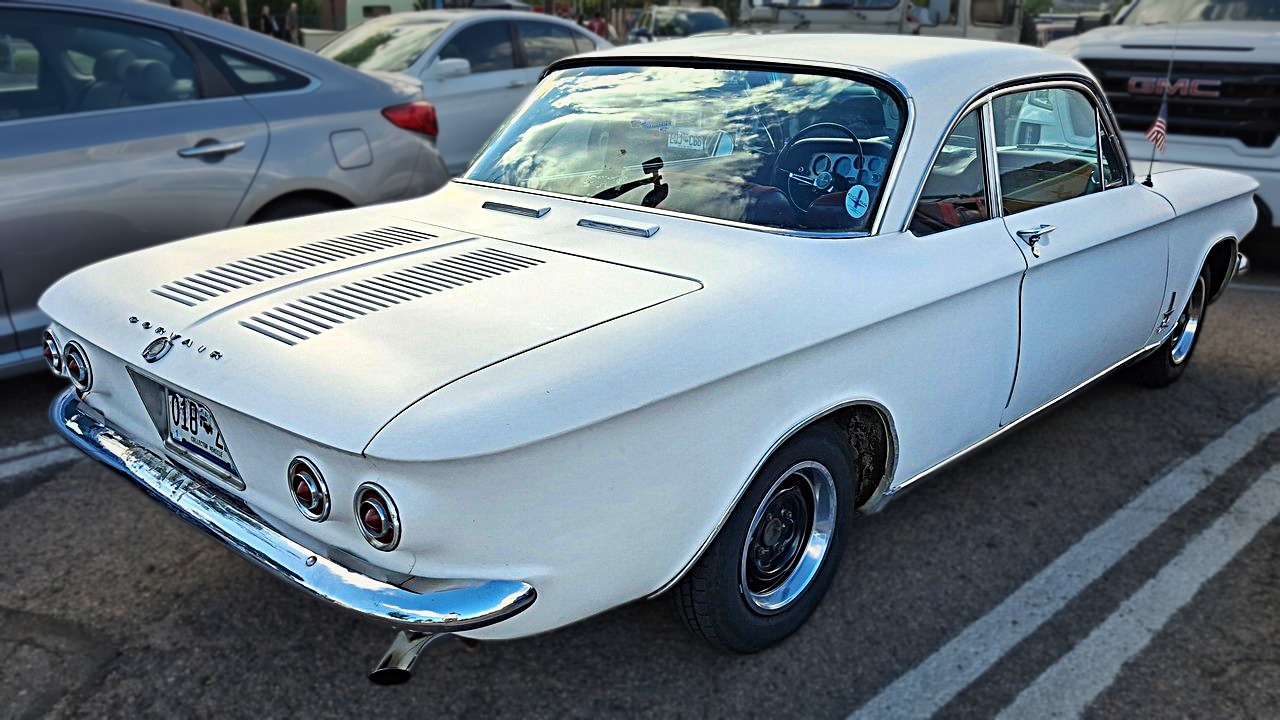
When lawyer Ralph Nader published Unsafe at Any Speed on Nov. 30, 1965, he railed in particular against the Chevy Corvair, a sporty car with a swing axle and a rear-mounted engine that Chevrolet had introduced in 1959.
Nader argued its swing axle made the back end unstable, so it could tuck under in turns and skid or roll over. A 1972 government study later found the Corvair just as safe as other cars, a study Nader called rigged, but the damage was done. The last Corvair rolled off the line in 1969, and the book helped bring about the National Traffic and Motor Vehicle Safety Act of 1966.
2. Ford Pinto: The Gas Tank Scandal
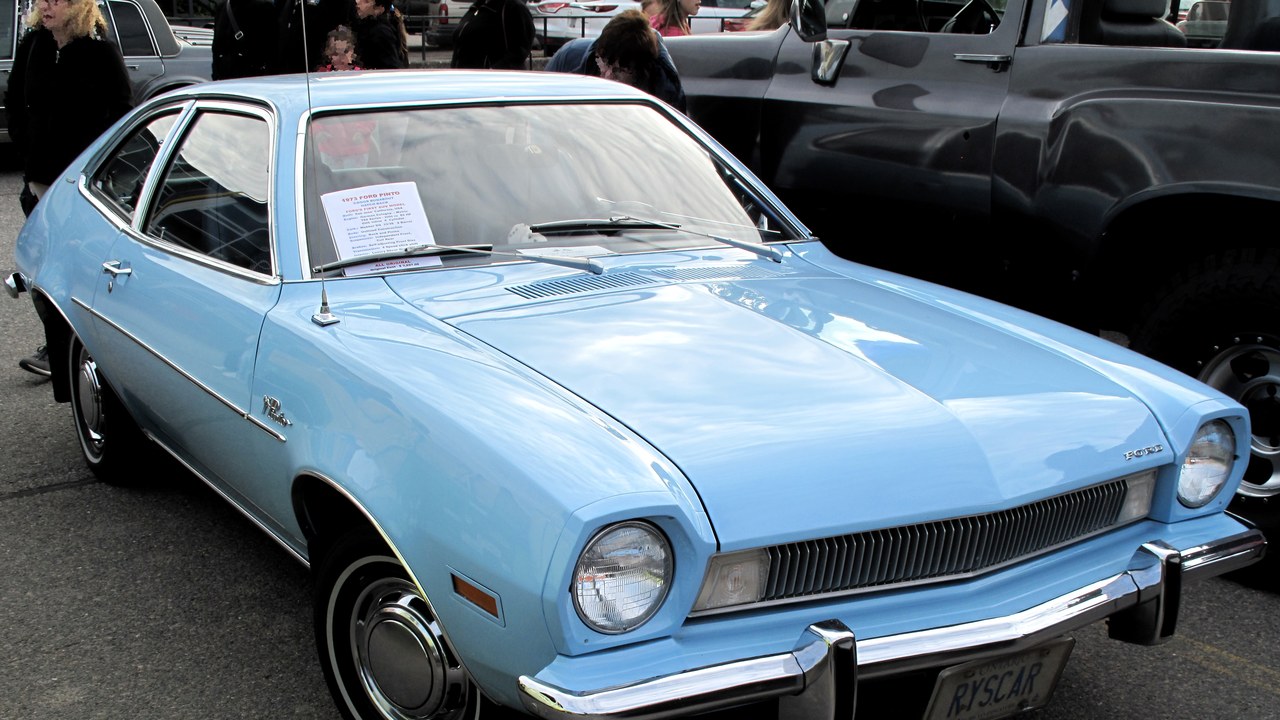
The Pinto debuted in 1970 as Ford’s first domestically built subcompact, an answer to the Volkswagen Beetle and Toyota Corolla. By 1974, rumors were spreading about its tendency to catch fire in rear-end collisions.
A lawsuit revealed that the gas tank sat behind the rear axle and that Ford had known about the weakness since the car went on sale. A California jury awarded $128 million to burn victim Richard Grimshaw in February 1978, and that June Ford recalled all 1.9 million 1971 to 1976 Pintos and 1975 to 1976 Mercury Bobcats. Two months later, three teenage girls died when their 1973 Pinto burst into flames after a crash in Indiana.
3. Chevrolet Vega: From Car of the Year to Cautionary Tale
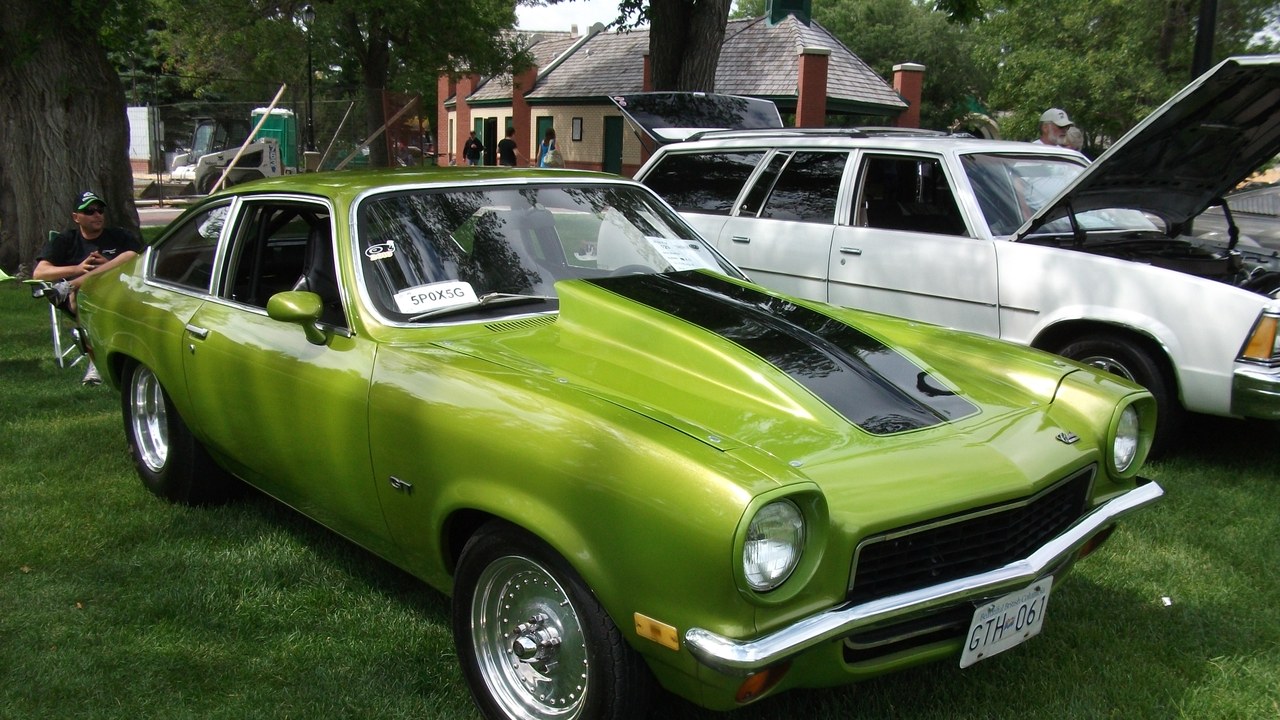
The Vega went on sale on Sept. 10, 1970, with a lightweight aluminum engine block and won the 1971 Motor Trend Car of the Year award. It then became widely known for a range of problems with engineering, reliability, safety, rust and engine durability.
By May 1972, six out of every seven Vegas built had been the subject of a recall, including one covering 500,000 cars to fix defective axles, balky throttles and problems that caused fires. The aluminum engine became notorious for buckling and leaking, and overheating could distort the block. Despite repeated fixes and upgrades, the Vega’s troubles tarnished General Motors’ reputation, and production ended with the 1977 model year.
4. AMC Gremlin: Chopped With a Cleaver
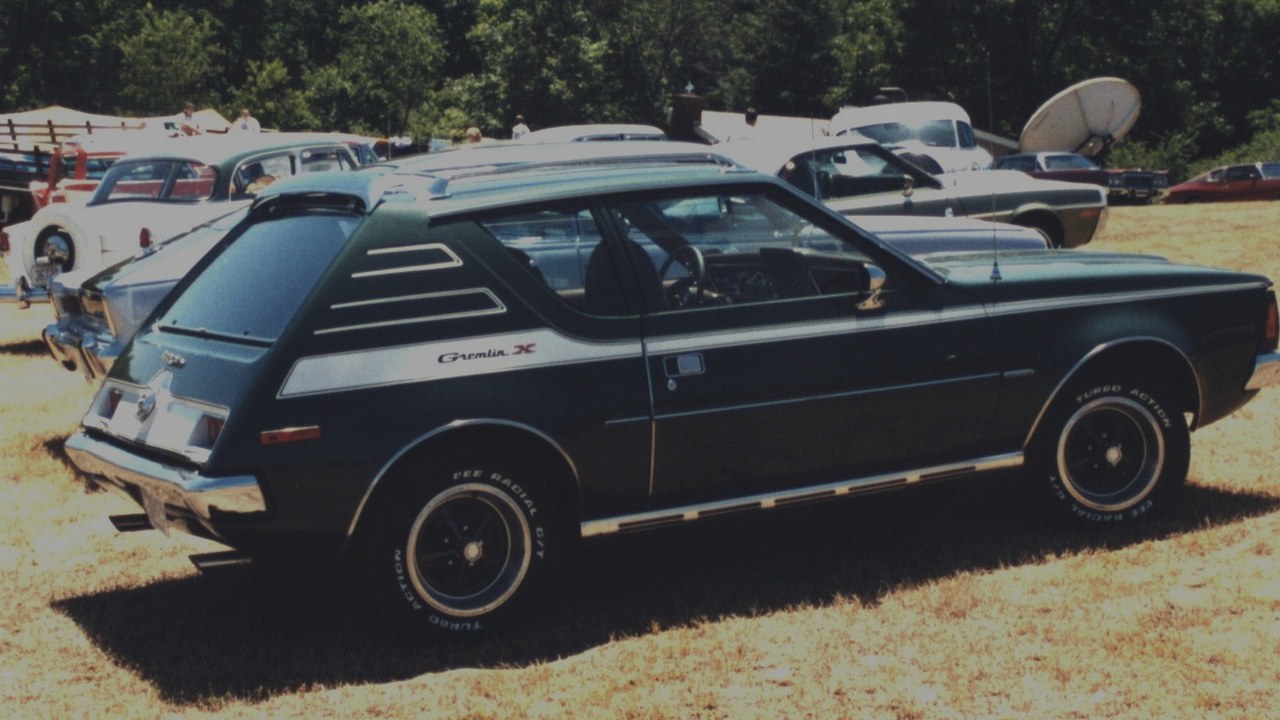
American Motors introduced the Gremlin in 1970 as a shortened AMC Hornet aimed at the new subcompact market, but its odd styling and out-of-date technology earned it lasting derision.
Time named it one of the 50 worst cars of all time, with critic Dan Neil writing that the design team basically whacked off the rear of the Hornet with a cleaver. He called it cheap and deprived, with vacuum-operated windshield wipers, a heavy six-cylinder engine and choppy handling caused by lost rear suspension travel. The Gremlin also placed fourth in Car Talk’s Worst Car of the Millennium poll, and CNBC included it among the 10 ugliest cars ever built.
5. AMC Pacer: The Fishbowl on Wheels
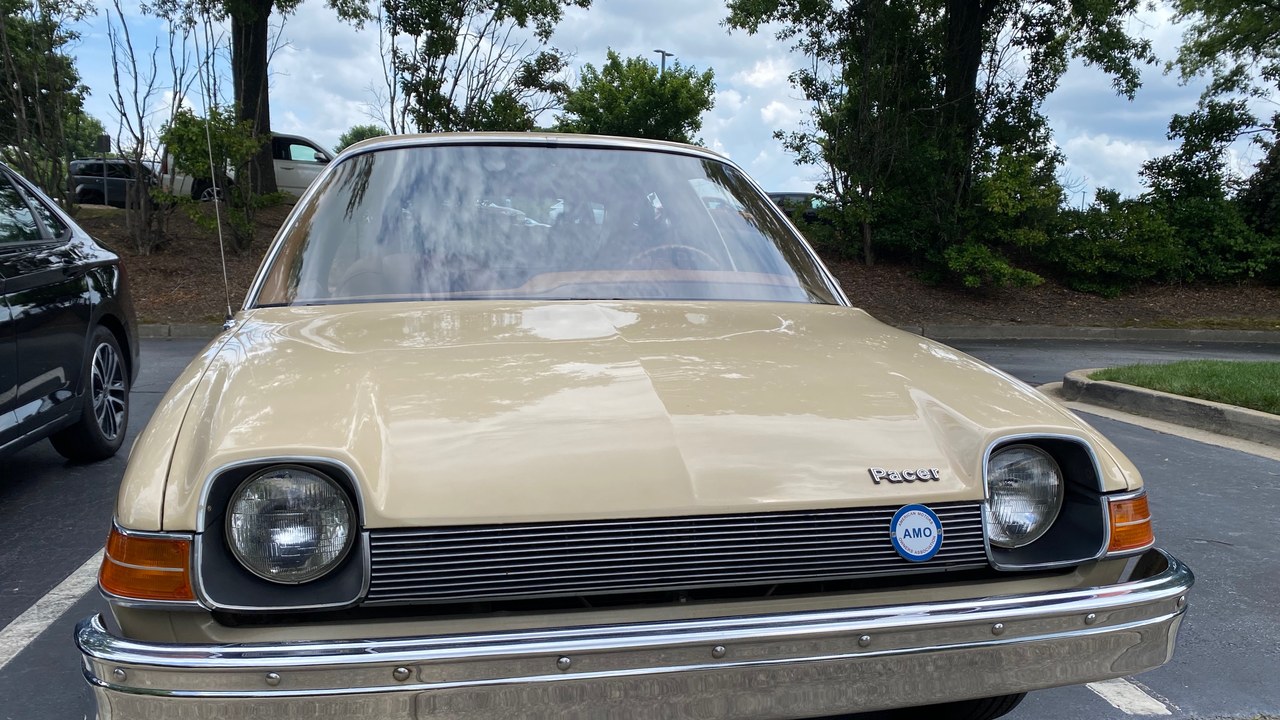
The Pacer was meant to be radically new, the first car to use cab-forward design, built from the inside out for passenger space. Instead, a 2007 survey by the Hagerty Insurance Agency named it the worst car design of all time.
Time put it on its list of the 50 worst cars, where Dan Neil called it a glassine bolus of dorkiness and said summer driving felt like being an ant under a mean kid’s magnifying glass. CNN listed it among the 10 most questionable cars of all time, calling it the ultimate example of the nerdy car someone’s parents drove, and added that its starring role in Wayne’s World did not help.
6. 1981 Cadillac V8-6-4: The Engine That Shut Off Cylinders
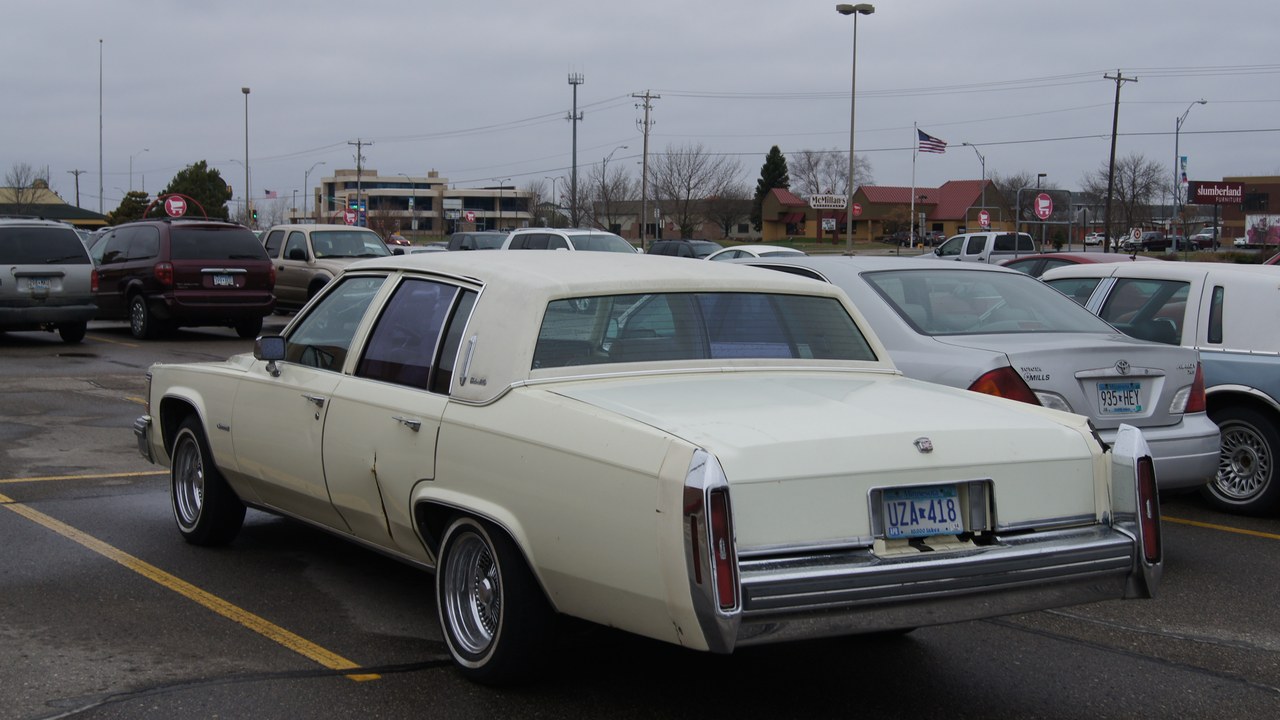
For 1981, Cadillac gave its 368-cubic-inch V-8 a modulated displacement system that let it run on eight, six or four cylinders, and the company called it a prime example of American innovation in action.
In the real world, changes between modes often brought hesitation and surges, and the uneven firing in six-cylinder mode created a roughness owners mistook for an unbalanced wheel. GM eventually faced class-action suits over the engine in more than a dozen states. Cadillac dropped the V8-6-4 after one year except on the Fleetwood limousine, but Curbside Classic argues the real reason was looming gas guzzler taxes and an EPA waiver that covered only 1981.
7. Pontiac Aztek: The Angry Kitchen Appliance
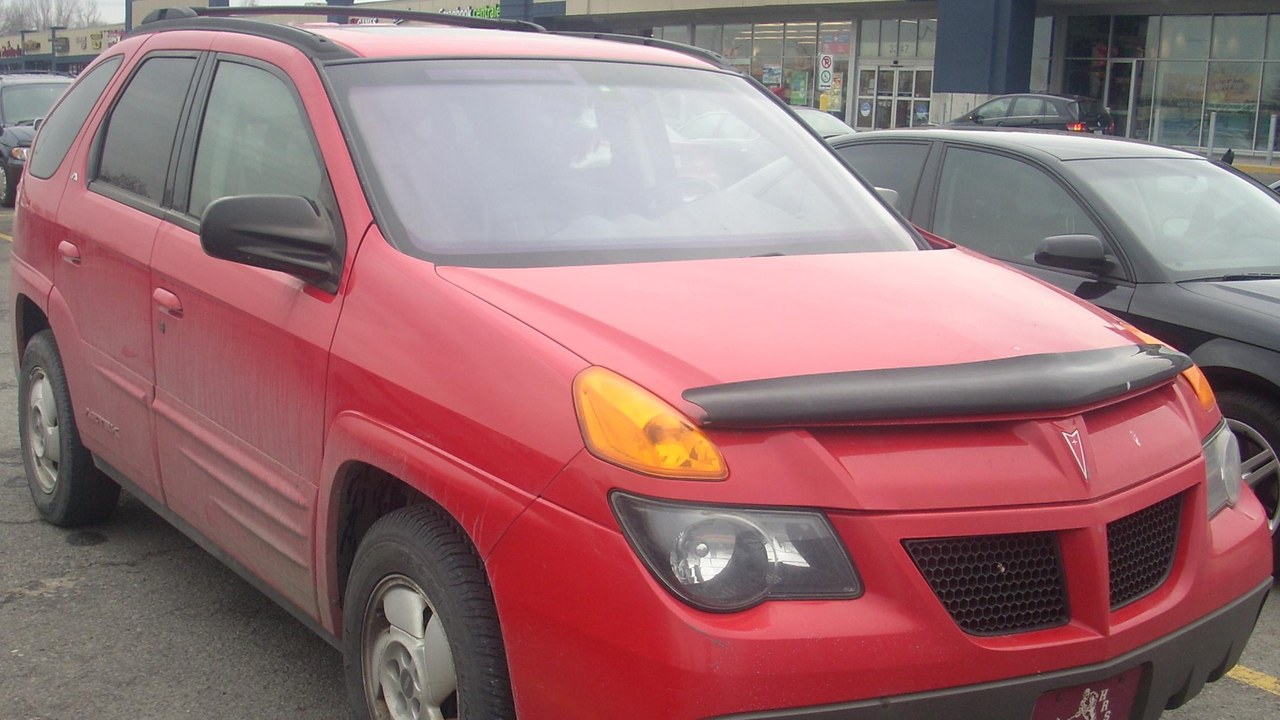
From the moment it was unveiled in 2000, the Aztek met a strongly negative reception, mostly for its styling, which former GM executive Bob Lutz described as resembling an angry kitchen appliance.
Autoblog ranked it second among the 20 dumbest cars of all time. Dan Neil wrote in Time that he heard the audience gasp when GM revealed it at the Detroit auto show, and the Los Angeles Times named it the Worst Car Ever Sold in America. Popular Mechanics listed the Aztek among 10 cars that damaged GM’s reputation, because its styling hampered GM’s attempt to get a head start in an emerging market.
8. Chevrolet Cobalt: The Ignition Switch Recall
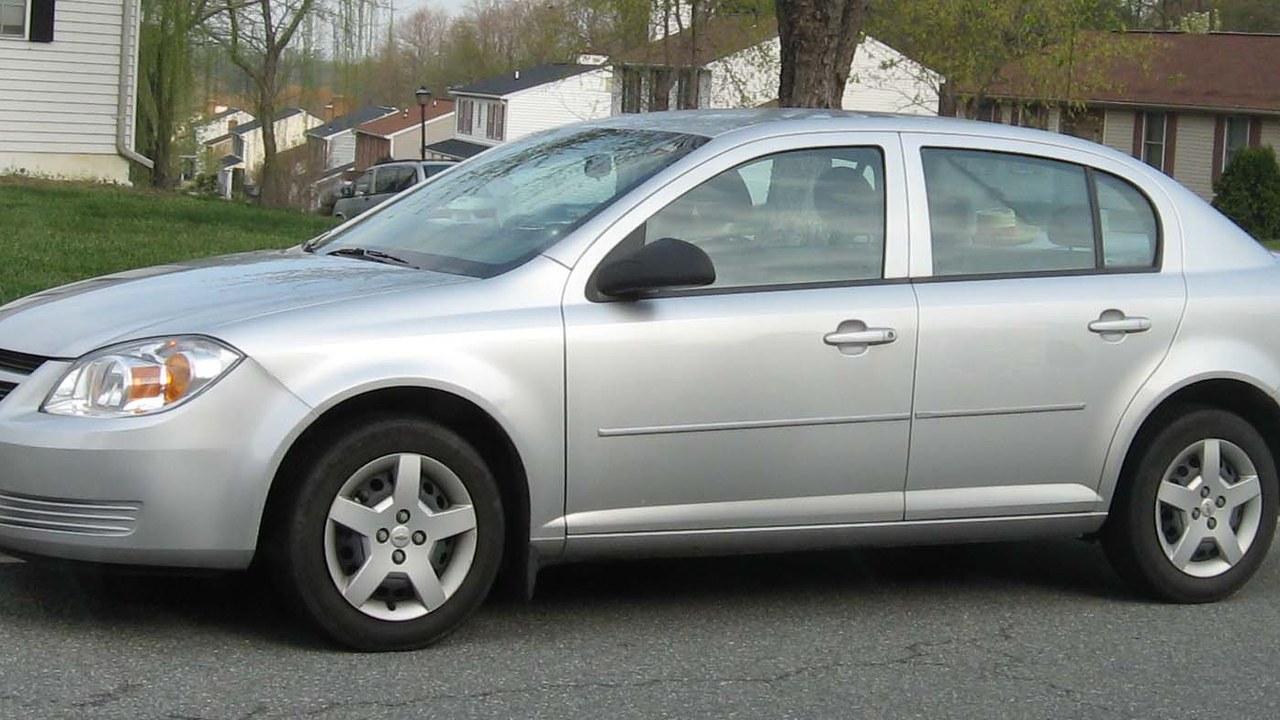
On Feb. 7, 2014, General Motors announced a recall of about 800,000 Chevrolet Cobalts and Pontiac G5s because faulty ignition switches could shut off the engine while the car was moving, which could prevent the airbags from inflating.
The recalls kept growing over the following months until nearly 30 million GM cars had been called back worldwide. GM paid compensation for 124 deaths, and most of the victims were under age 25. The fault had been known to the company for at least a decade before the first recall, and as part of a deferred prosecution agreement, GM forfeited $900 million to the United States government.
9. Ford Explorer (with Firestone tires): Tread Separations and Rollovers
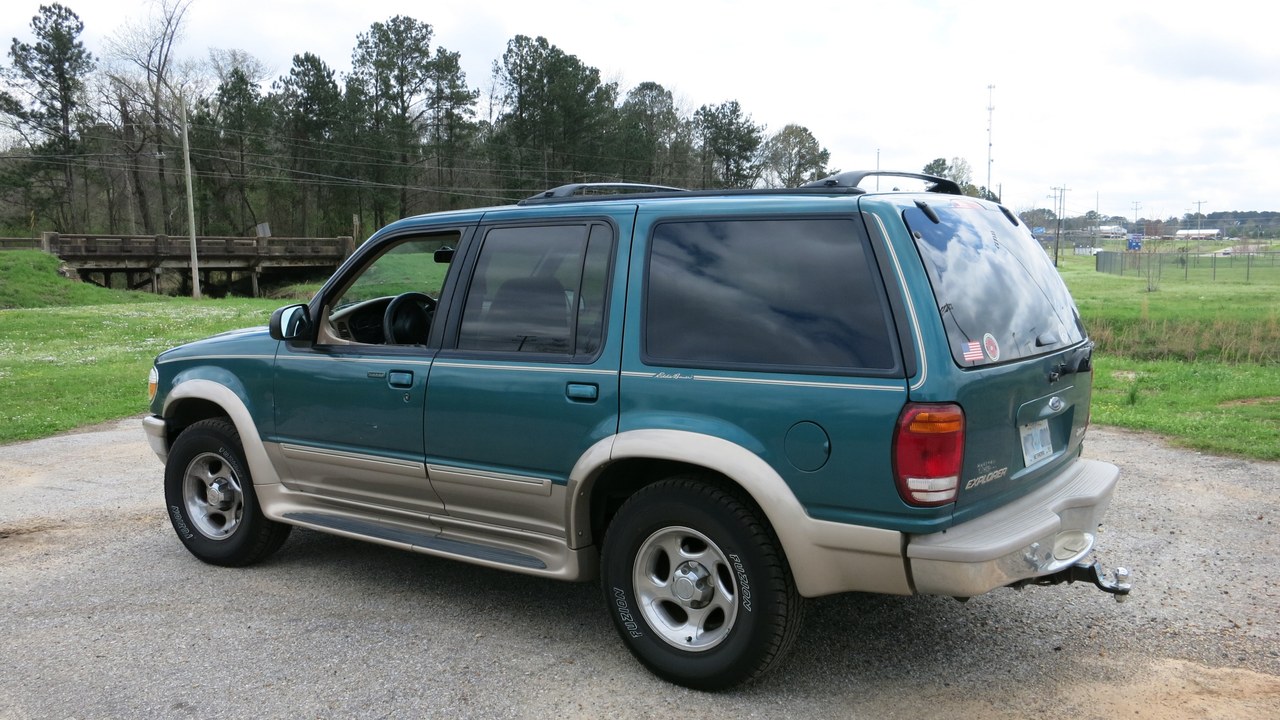
In the 1990s, unusually high failure rates of certain Firestone tires on first- and second-generation Ford Explorers caused crashes that killed 238 people and injured around 500 others in the United States alone.
After an Explorer rolled over in Ford’s pre-production tests, the company lowered the suspension and set tire pressure at 26 psi, compared with 35 psi for the same tires on the Ranger, a change that raised tire temperatures. The scandal halved the market value of Firestone’s parent Bridgestone, closed the Decatur, Illinois, plant that made the tires and ended a nearly 100-year relationship between the two companies. Congress responded with the TREAD Act in October 2000.
10. Ford Focus (PowerShift transmission): The Dual-Clutch Lawsuits
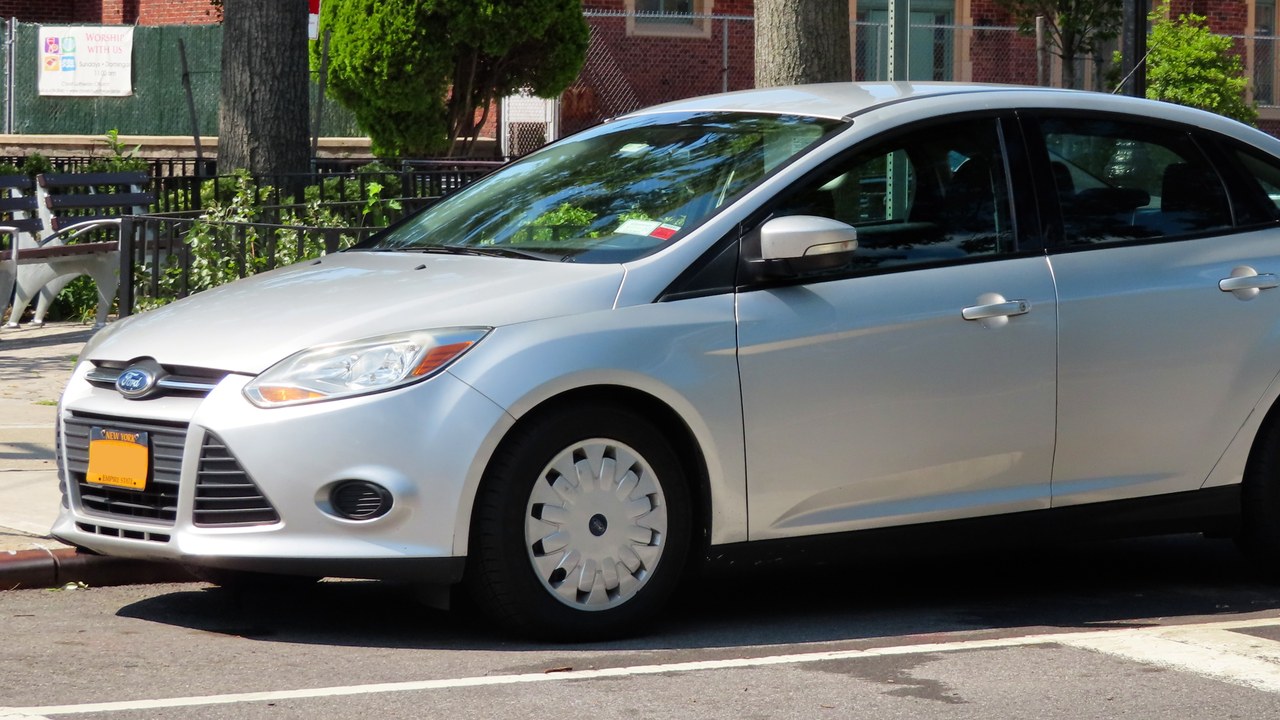
By 2019, lawsuits against Ford were piling up over the dual-clutch transmissions in 2012 to 2016 Focus compacts and 2011 to 2016 Fiestas, Michigan Public reported.
Jason Levine of the Center for Auto Safety said Ford knew it had a problem right away but tried to ignore it, and that the transmissions drew thousands of complaints for shuddering, slipping and other performance problems. Australia fined Ford $10 million, and Thai courts awarded damages to owners. In the United States, a proposed $35 million class-action settlement went before a federal appeals court, where Public Citizen called it a raw deal that would compensate only a tiny fraction of owners.
More from Morning Overview
- Zero Motorcycles unveiled an electric motorcycle targeted at under $8K and a street-legal dirt bike at EICMA
- New FCC rules on how people can stop robocalls and texts take effect Nov. 25
- Neanderthals in Spain carved a wooden object that matches nothing archaeologists have ever found
- The FAA wants $2.39 million from a flight school it says flew a Cessna about 280 times with an unapproved part
