
Kīlauea’s summit erupted lava fountains for six hours on November 5, 2026, the fifty-sixth episode of an eruption that began in December 2024. The fallout reached a highway, a neighboring volcano and a national park. This gallery follows the plume outward, then back through the explosions, lava flows and lost towns that shaped the island.
Read next on Morning Overview: Washington is forcing coal plants from Colorado to Washington state to keep running
Kīlauea: The Fountain That Ran Six Hours
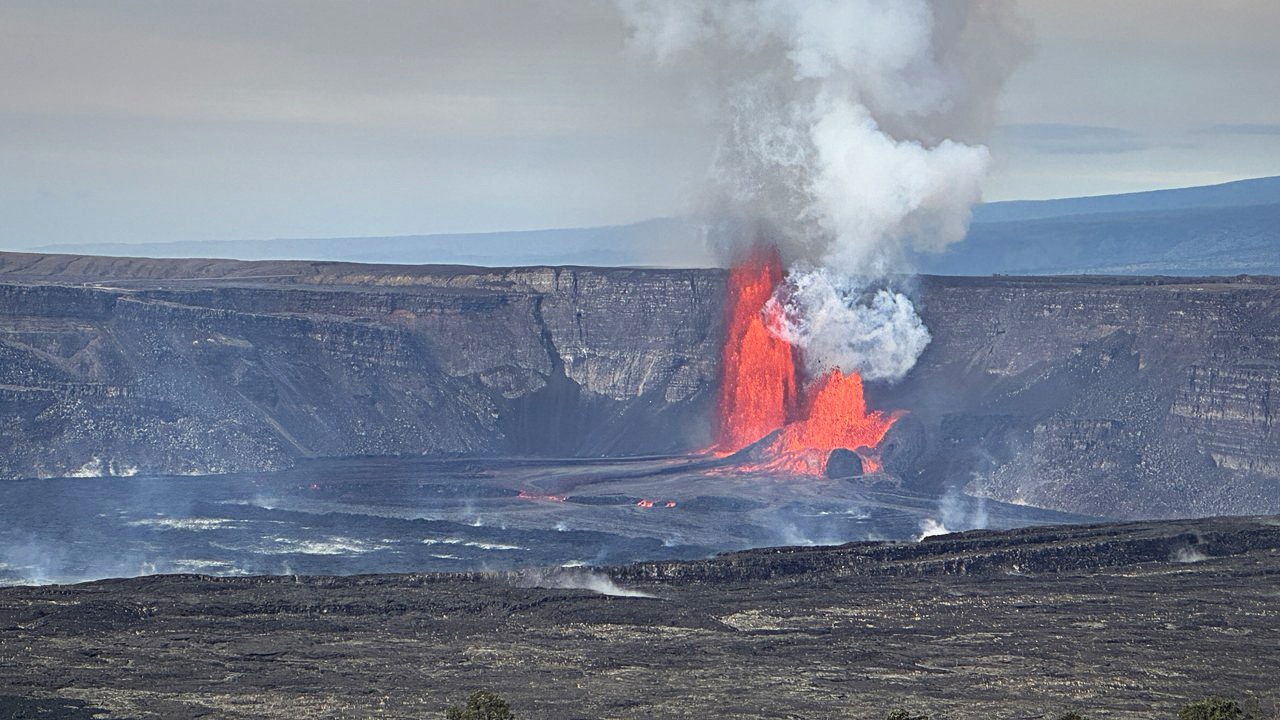
On November 5, 2026, the summit of Kīlauea erupted lava fountains for six hours, from 12:10 p.m. to 6:01 p.m. HST. The U.S. Geological Survey’s Hawaiian Volcano Observatory logged it as the fifty-sixth episode of the eruption that began on December 23, 2024.
A fountain from the north vent reached up to 660 feet (200 meters) above the ground. Observatory crews photographed the vents from the air the day before, then recorded the event from overlooks and webcams. The episodic pattern has now repeated more than fifty times in under two years.
Hawaii Route 11: Pele’s Hair on the Highway
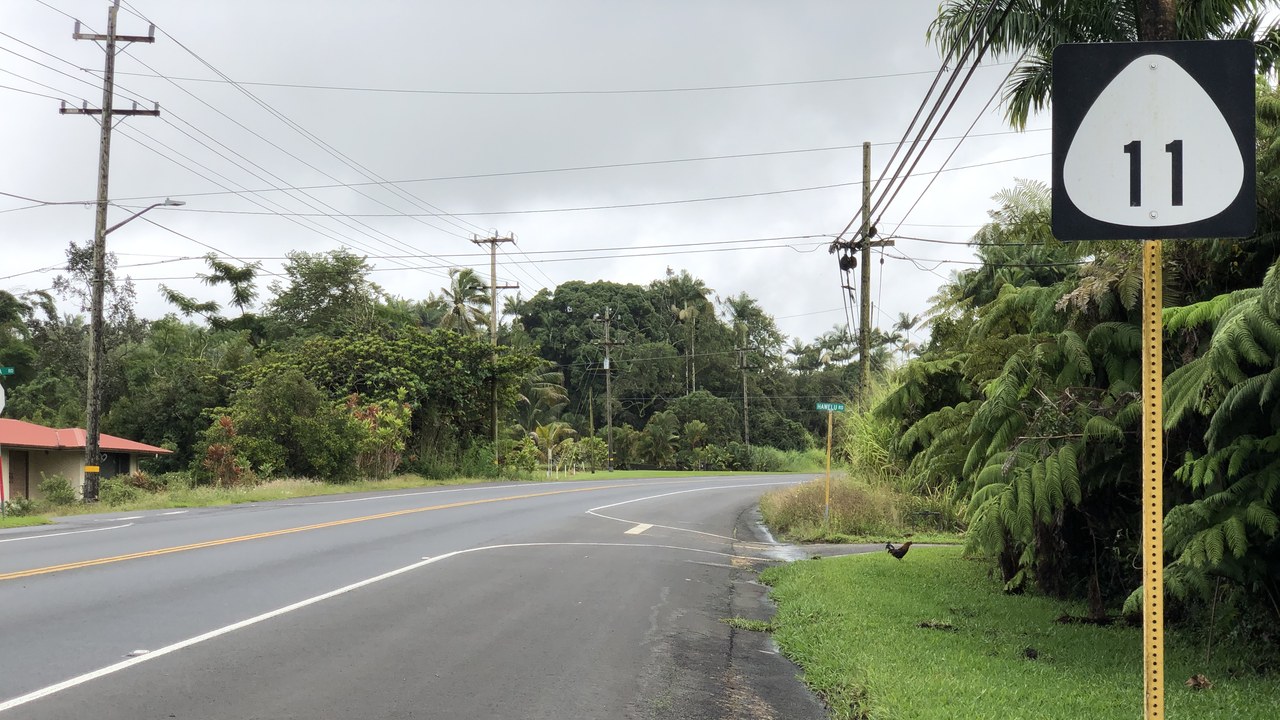
The fountaining did not stay inside the crater. Fine ash and Pele’s hair, thin strands of volcanic glass, were carried downwind and fell along a portion of Highway 11 west of the summit, according to the Hawaiian Volcano Observatory’s chronology of the November 5, 2026 episode.
Highway 11, the main road around the island’s southern flank, passes within reach of the summit’s fallout when winds blow that way. The observatory documented the deposit with photographs taken from the Footprints Trailhead, about 5.5 miles (9 kilometers) southwest of the vent, where the plume was seen heading northwest.
Mauna Loa: The Plume Heads for the Neighbor
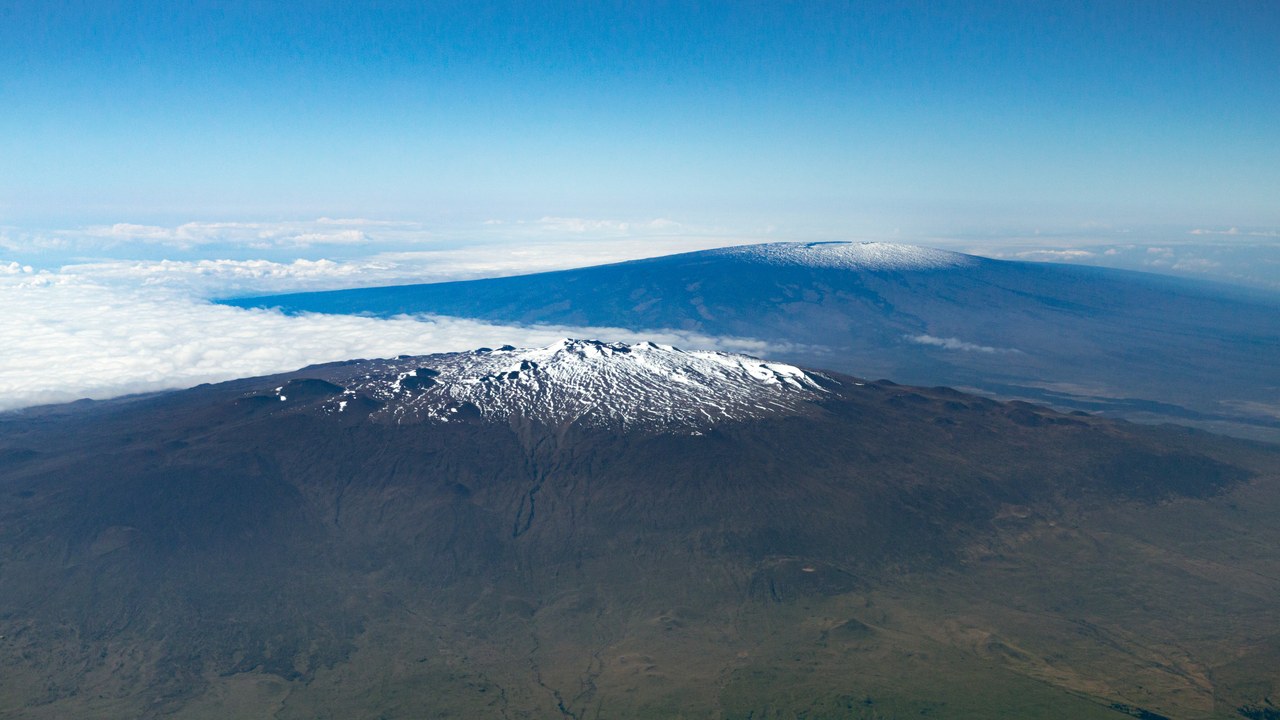
Episode 56 sent up an eruption plume of volcanic gases that reached 18,000 feet (5,500 meters) above sea level. Upper-level winds from the east and southeast carried it northwest toward Mauna Loa, the neighboring volcano that rises beside Kīlauea.
A webcam on the north rim of Mokuʻāweoweo, Mauna Loa’s summit caldera, captured the plume arriving there on November 5, 2026. The observatory’s footage shows vog drifting across the caldera and obscuring views, a reminder that Kīlauea’s output travels well beyond the crater that produces it.
Hawaiʻi Volcanoes National Park: Fallout in a Closed Zone
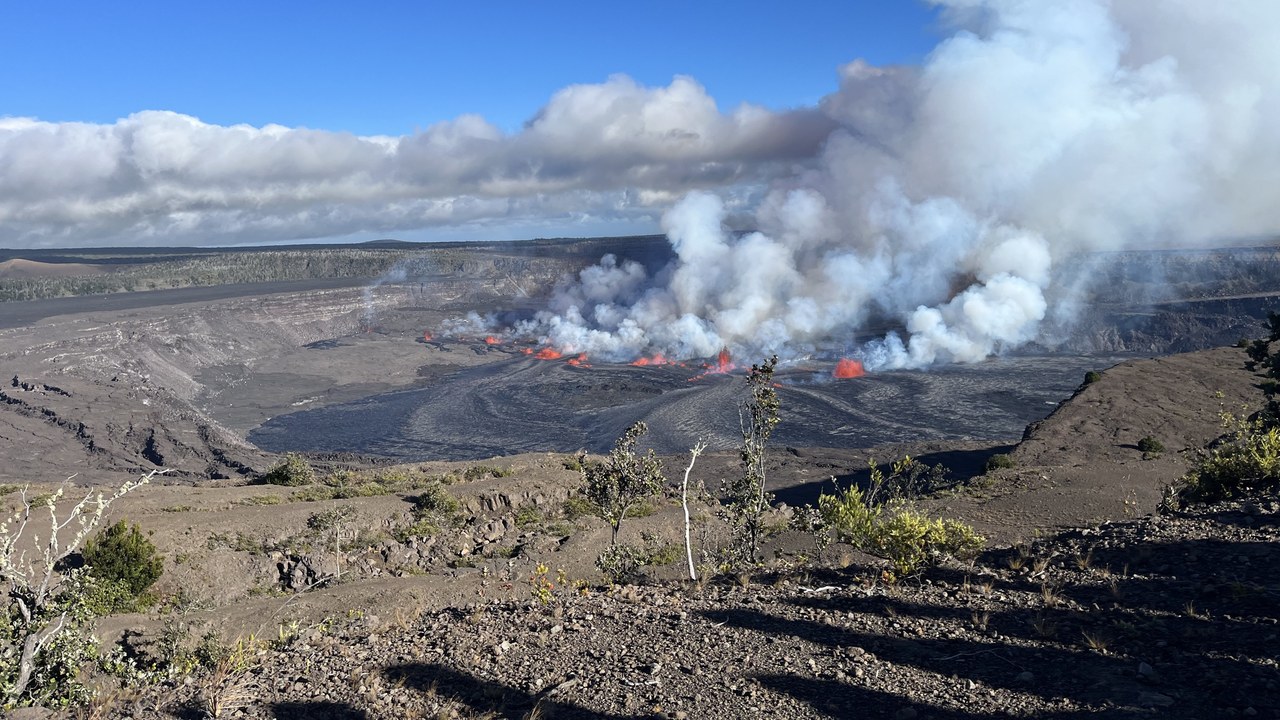
Most of the debris from the fountain landed inside the park. The observatory reports that tephra, the rock fragments thrown out by the eruption, was deposited downwind primarily to the southwest, in a closed area of Hawaiʻi Volcanoes National Park.
Crowds still gathered on November 5, 2026, at Uēkahuna overlook to watch the fountain, while crews collected samples for laboratory analysis. One frothy clast gathered after the episode was more than 50 centimeters (about 20 inches) long. Keeping the fallout area closed lets scientists work where the material lands.
Halemaʻumaʻu: The Crater That Exploded in 1924
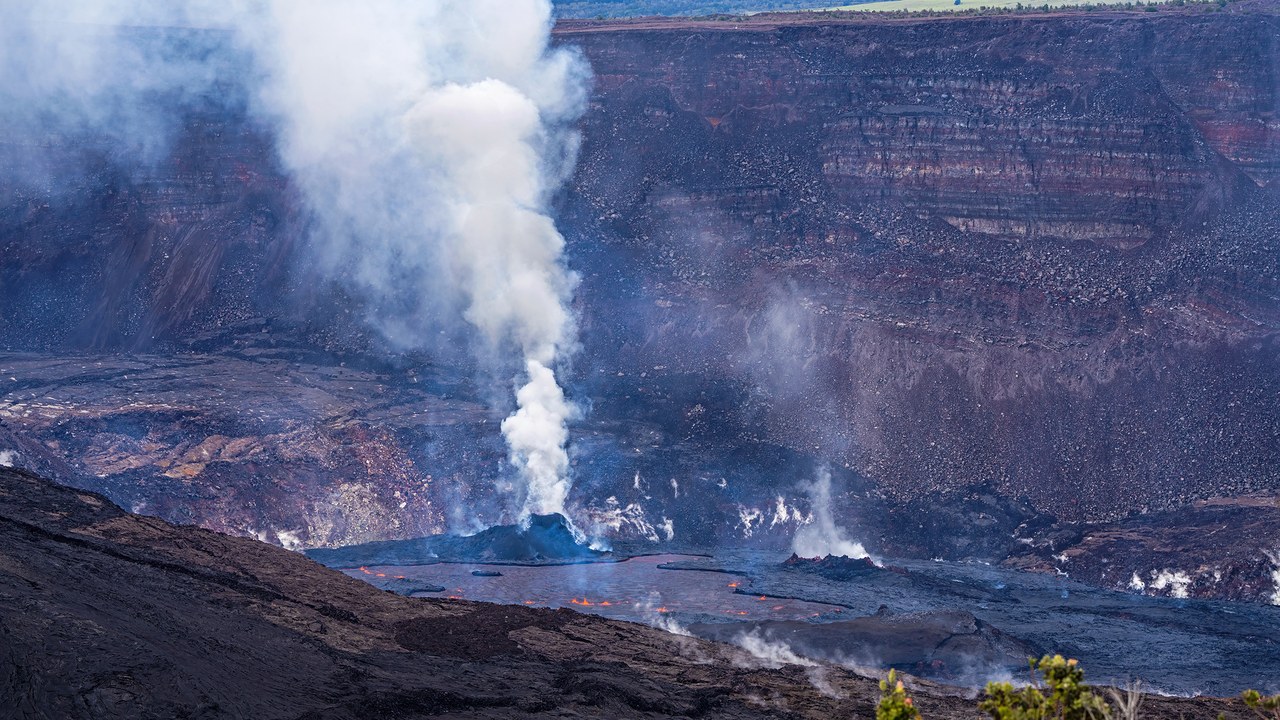
Halemaʻumaʻu has erupted violently before. The first explosive eruption at Kīlauea since the early 19th century took place there in 1924, days after the crater’s active lava lake drained away, and the U.S. Geological Survey’s history of Kīlauea describes what followed.
For 17 days, rocks, ash and dust rose from the crater in dramatic clouds. Rocks weighing many tons were hurled as far as a kilometer (0.6 mile). Within two months lava reappeared in the crater. The 2026 fountains build on a floor that has repeatedly been emptied, flooded and rebuilt.
Jaggar Museum: Where the Deadliest Eruption Struck
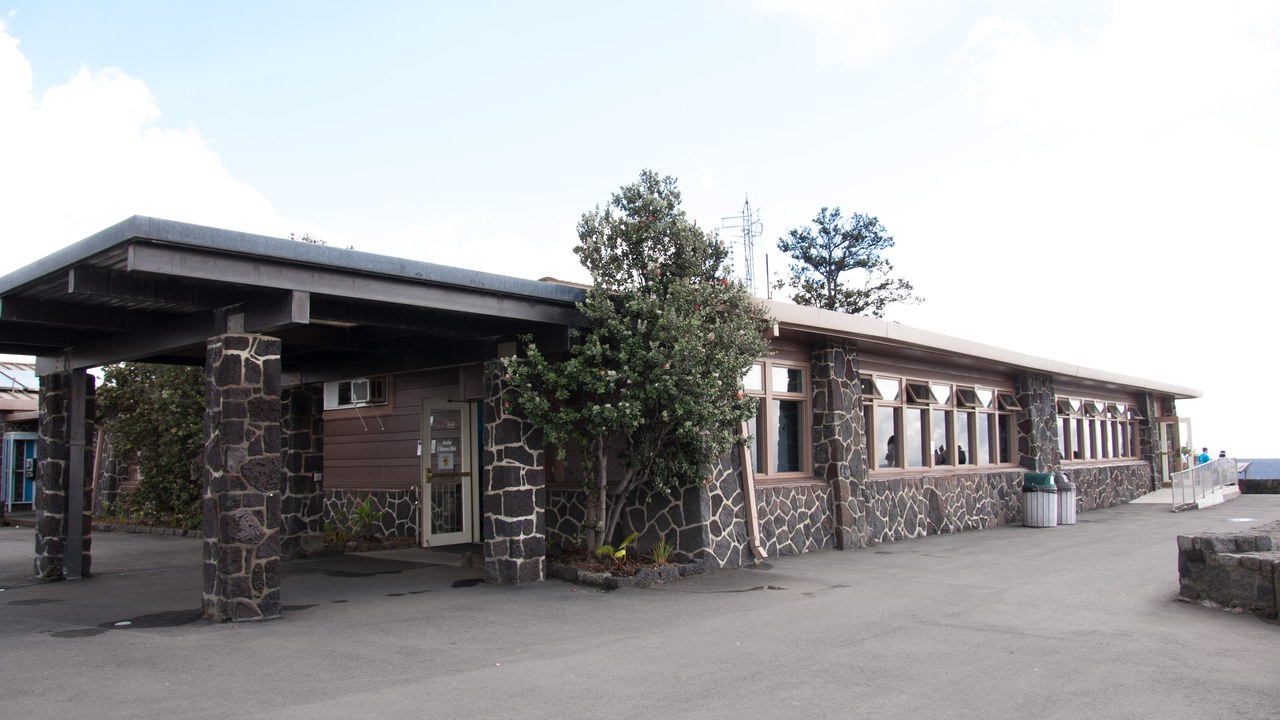
The ground near the observatory carries a grim history. In 1790, a series of explosive eruptions sent searing pyroclastic surges down the west side of the summit area, killing several hundred people, and possibly more, near where the observatory and the Jaggar Museum now stand.
The U.S. Geological Survey calls it the deadliest eruption known from a U.S. volcano, although the Hawaiian Kingdom was independent at the time. The victims died when a hot, ash-rich surge suffocated and burned them. Footprints left in wet ash by a group of travelers that year still record the event.
Keanakākoʻi Crater: Three Centuries of Explosions
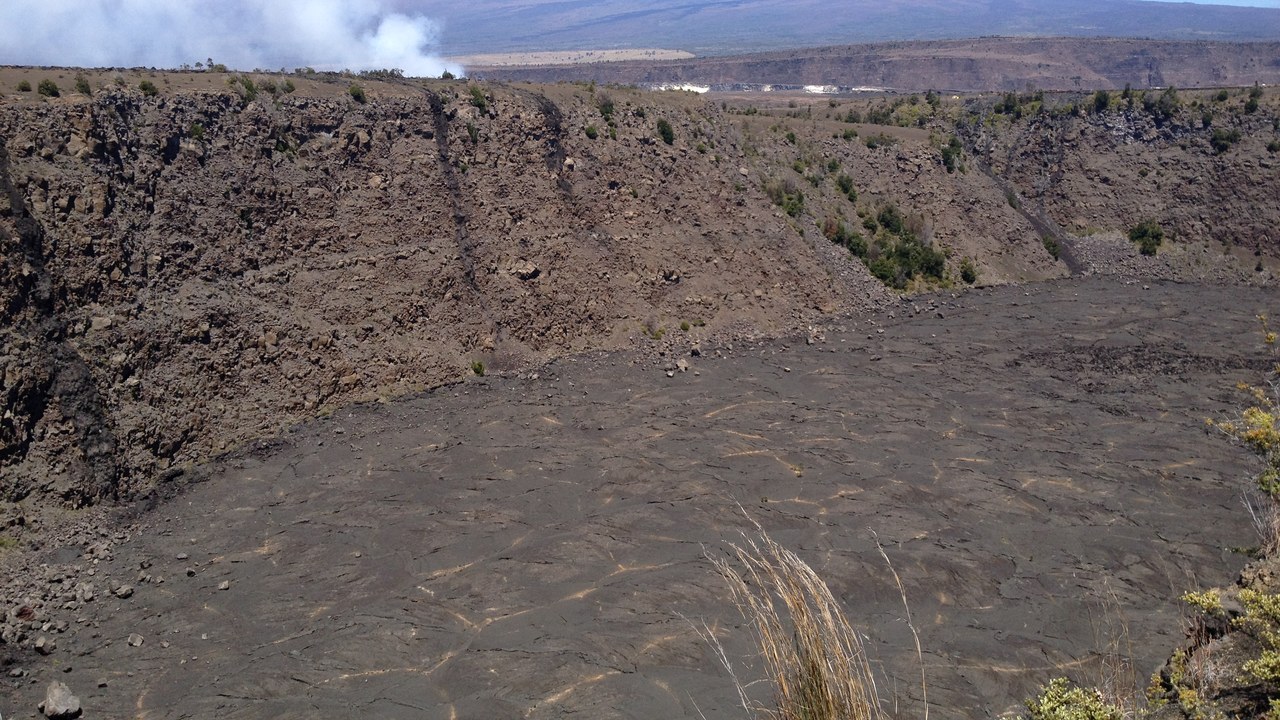
Before the modern lava lakes, Kīlauea spent about 300 years in a far more explosive mode. Beginning around 1510 CE, strong eruptions sent tephra high into the jet stream, and the period laid down the Keanakākoʻi tephra, a deposit up to 11 meters (35 feet) thick across the summit area.
The explosive era ended in the early 19th century, with the deadly 1790 surges near its close. Geologists read the layers as a record of how violently the volcano can behave. By comparison, the current fountaining, though dramatic, builds hills of tephra rather than blanketing the summit.
Hilina Pali: The Oldest Lava Above the Sea
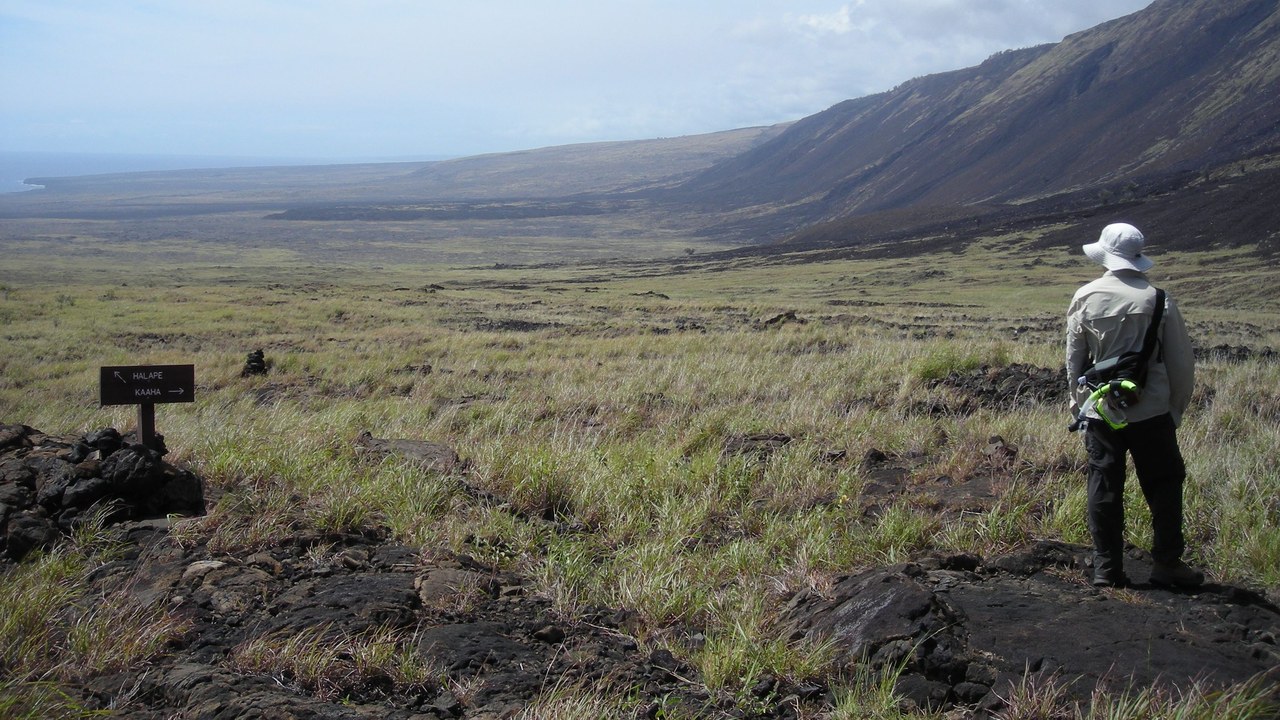
Kīlauea looks young because most of it is. Only about 10 percent of its surface is rock older than 1,000 years, and the oldest lava flows found above sea level are in the Hilina Basalt, exposed in the fault scarps on the volcano’s central south flank.
Those flows erupted around 50,000 to 70,000 years ago. The scarcity of old rock makes it hard for geologists to piece together a complete eruption history, since about 90 percent of the surface is covered by flows younger than 1,000 years. Each new episode adds another thin layer to that record.
Puʻu ʻŌʻō: The Eruption That Lasted 35 Years
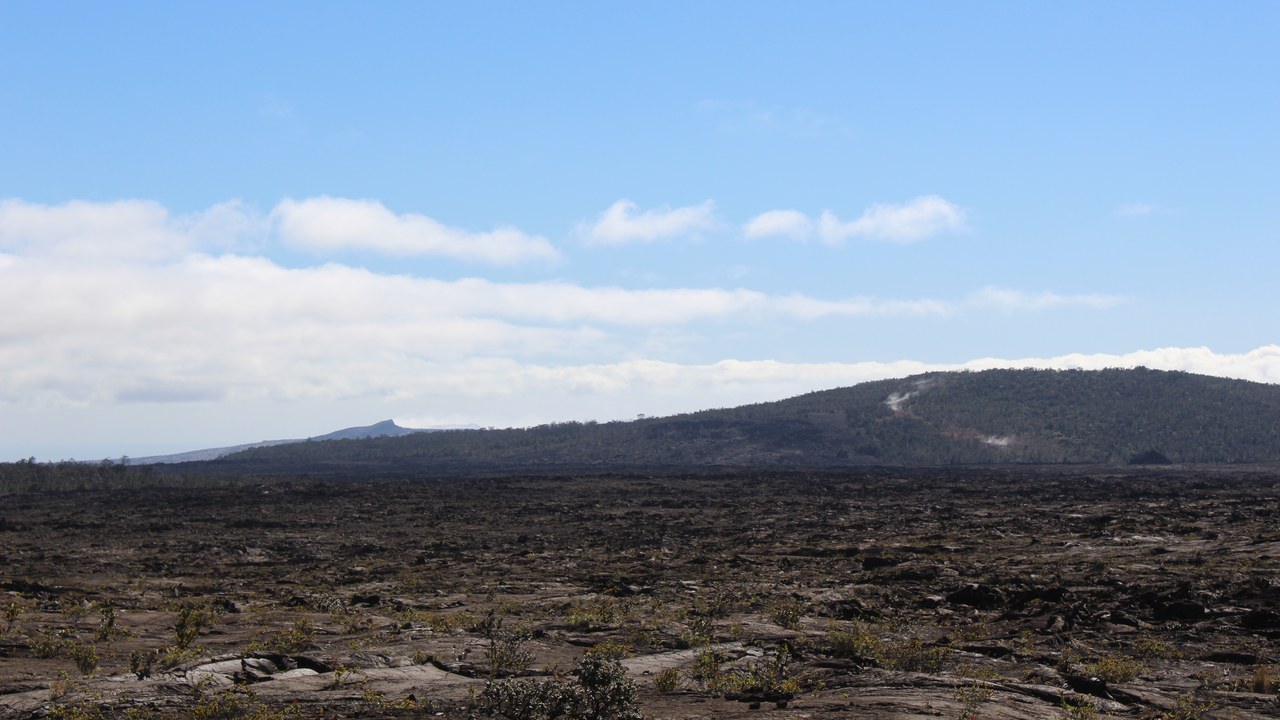
Kīlauea’s previous long-running eruption centered on a cone in the east rift zone. According to the Kīlauea entry, the volcano erupted nearly continuously from vents at Puʻu ʻŌʻō between January 1983 and April 2018, causing major property damage.
The eruption began with lava fountains that quickly built the Puʻu ʻŌʻō cone. In 1986 activity moved down the rift to the Kūpaʻianahā vent, where it turned more effusive and sent lava through tubes toward the sea. The cone’s crater floor collapsed on April 30, 2018, which preceded the next phase of destruction.
Leilani Estates: Fissures in the Subdivision
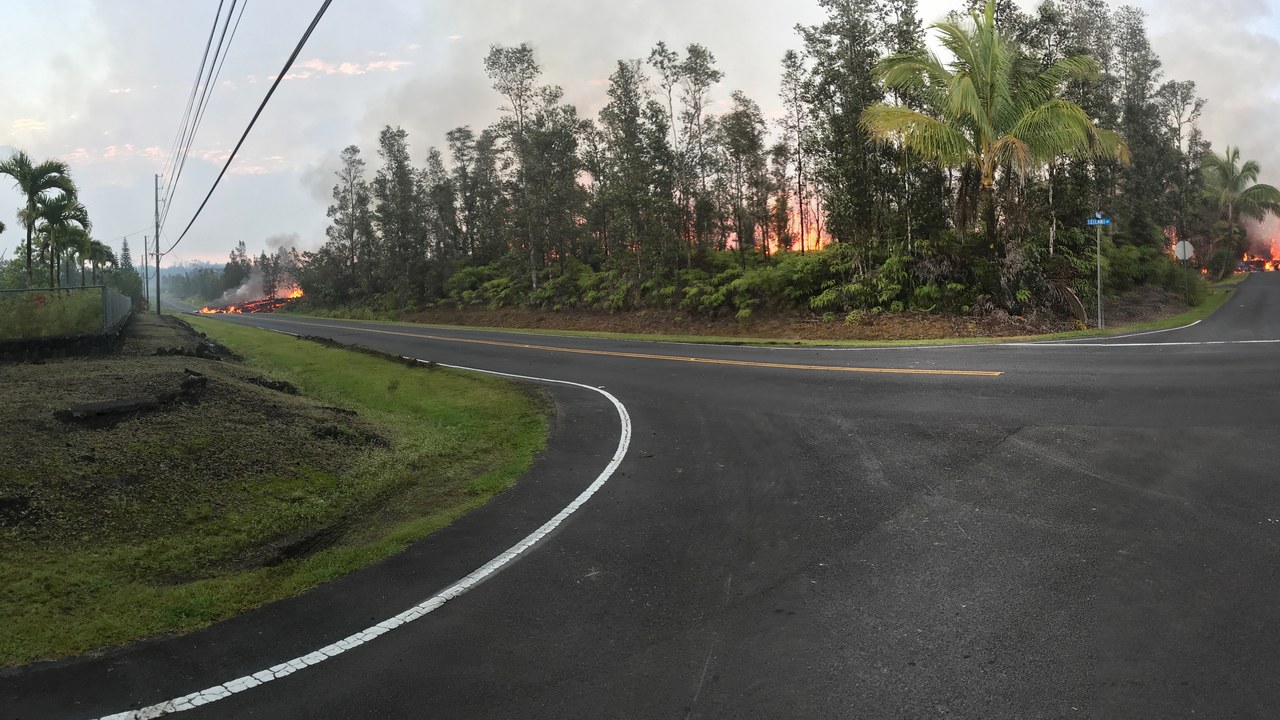
On May 3, 2018, new fissures opened in the lower Puna district after a magnitude 5.0 earthquake, forcing evacuations of the Leilani Estates and Lanipuna Gardens subdivisions. Lava covered substantial portions of Leilani Estates and sent rivers of lava into the ocean over the following weeks.
By May 9, 27 houses had been destroyed in Leilani Estates, and by May 31 the toll in the area had reached 87. The County of Hawaii ultimately reported that 716 dwellings were destroyed in the 2018 eruption. Today’s summit fountains are far from those neighborhoods, but the lower Puna episode shows how quickly the volcano can shift.
Kapoho, Hawaii: A Town Crossed by Lava in 2018
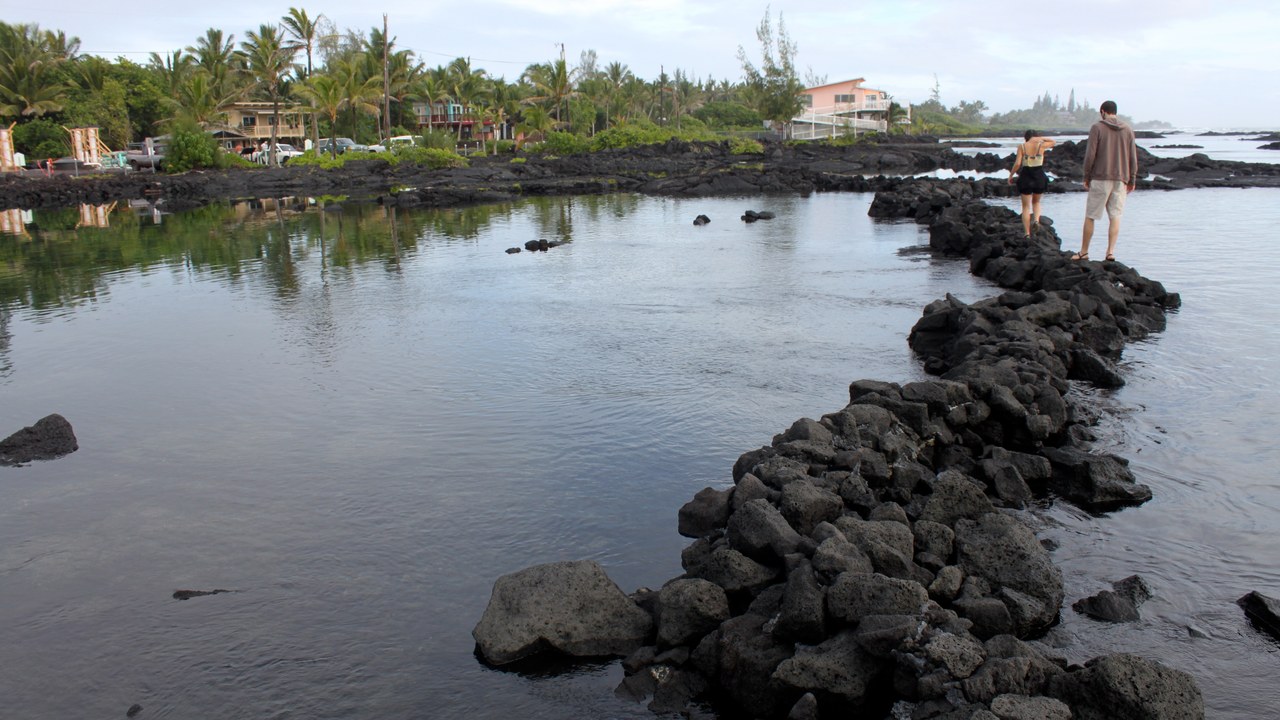
Kapoho was among the communities erased in 2018. Evacuation orders reached the town by May 31, and by June 4 lava had crossed through Kapoho and entered the ocean, according to the account of the lower Puna eruption.
The lava also destroyed Vacationland Hawaii, most of the Kapoho Beach Lots and Hawaii’s largest natural freshwater lake. The number of houses lost climbed from 159 to 533 within two weeks and ultimately reached 657. The loss of an entire coastal community in a few days sits behind how seriously summit activity is now watched.
Kalapana: The Village Buried in 1990
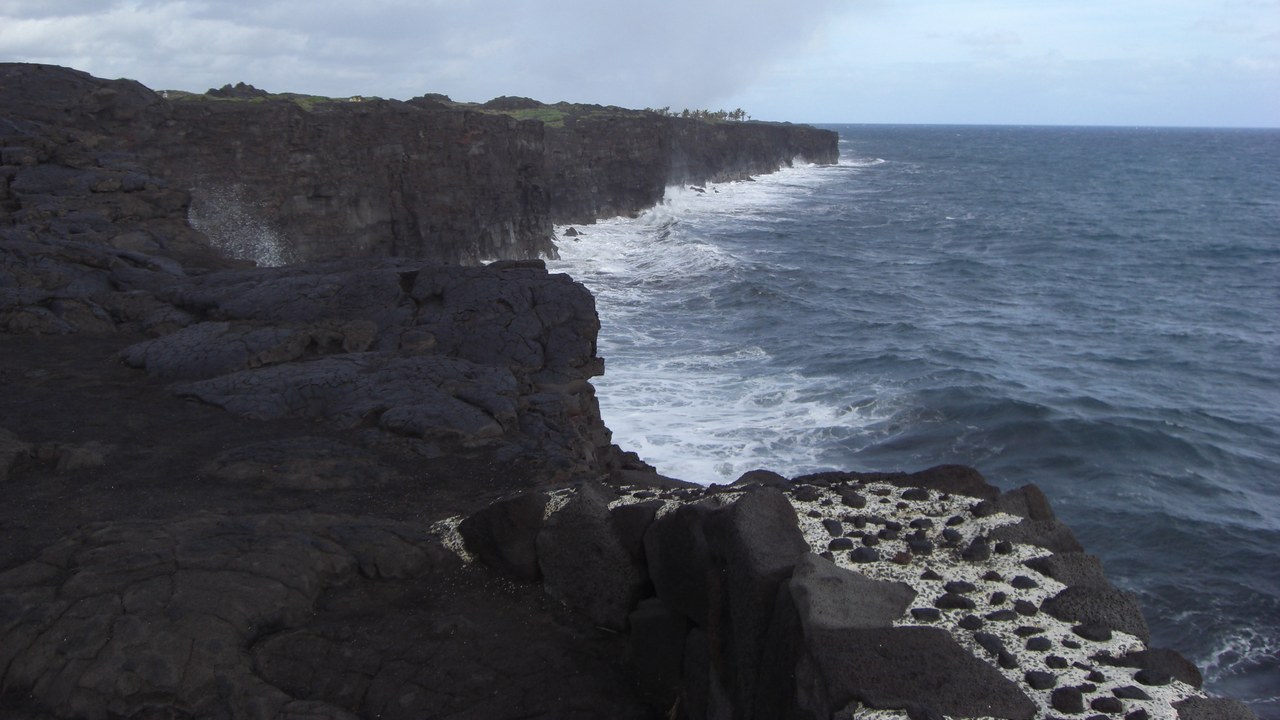
Earlier flows from the Puʻu ʻŌʻō eruption destroyed the village of Kalapana. Between 1986 and 1991 the connection between Chain of Craters Road and Hawaii Route 130 was cut, and Kapaʻahu, Kalapana, Kālapana Gardens and Royal Gardens were lost to the lava.
In 1990 the towns of Kalapana and Kaimū were destroyed, along with the community’s renowned black sand beach, which was engulfed. A photograph taken in 2009 shows ʻōhiʻa trees growing on the barren lava field from 1986 that was formerly the village, a slow regrowth on ground the lava claimed.
Kīlauea Iki: The Template for Today’s Fountains
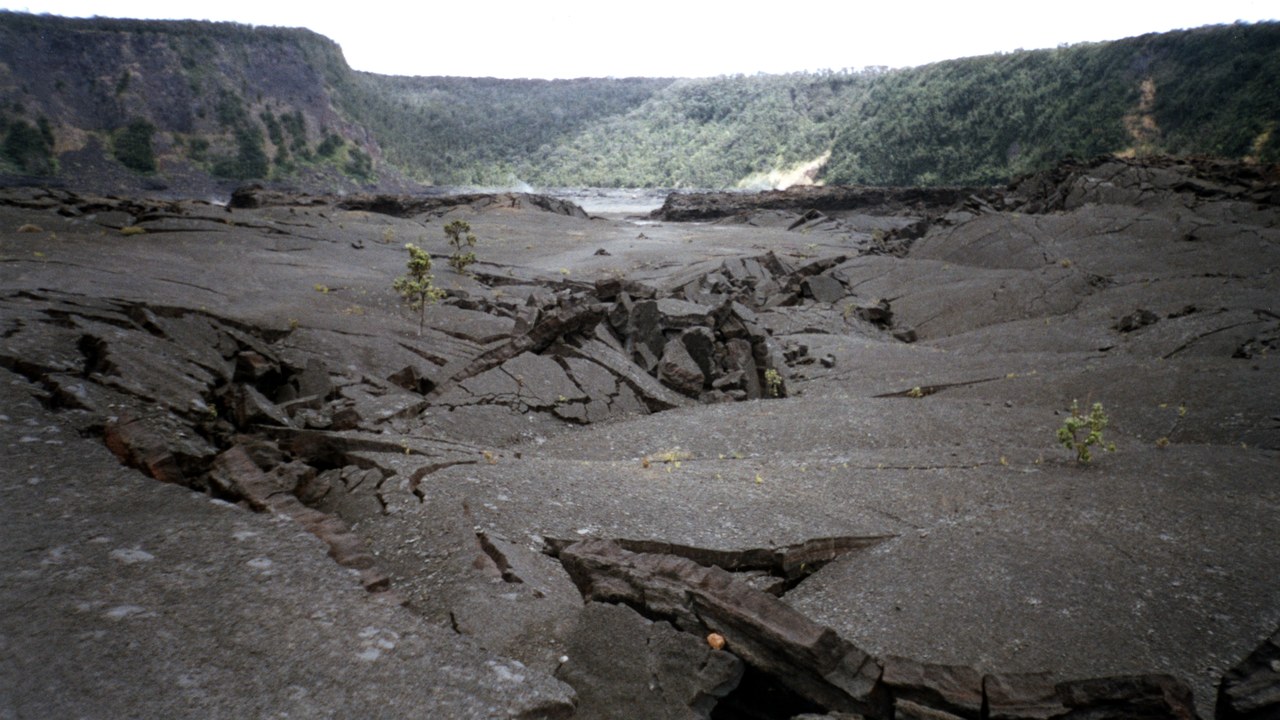
The 2024–2026 fountaining has precedent. Descriptions of Kīlauea’s recent paroxysms say they are very similar to the fountaining episodes in Kīlauea Iki in 1959, Mauna Ulu in 1969, and Puʻu ʻŌʻō in 1983–1986, a style termed violent strombolian.
They are also quite similar to Mount Etna’s paroxysms, in which lava fountains are shot thousands of meters into the sky alongside ash plumes. The Mauna Ulu eruption of 1969 generated a lava fountain about 300 meters (1,000 feet) high. The next episode will add to a pattern now running since December 2024.
More from Morning Overview
- A Cirrus SR22 declared an emergency a minute after departure clearance, its parachute still bagged
- Lockheed says its Valkyrie laser shot down a cruise missile stand-in with no tracking aids
- A hunting-trip Piper spiraled down from the sky before a deadly crash in Iowa
- Jeep’s new Recon sold just 19 units in 45 days, the fewest of any model on CarEdge’s worst-sellers list
