
Meteorites are fragments of space rock that survived the fall, and a few have become landmarks of science and culture. Some settled in museums, some left giant craters, and some arrived with no crater at all. Here are eight meteorites, each linked to a measurement, a date or a discovery that taught researchers something.
Read next on Morning Overview: Cadillac cut the price of its cheapest EV, which goes up to 317 miles on a charge
1. Hoba meteorite: Largest Intact Meteorite
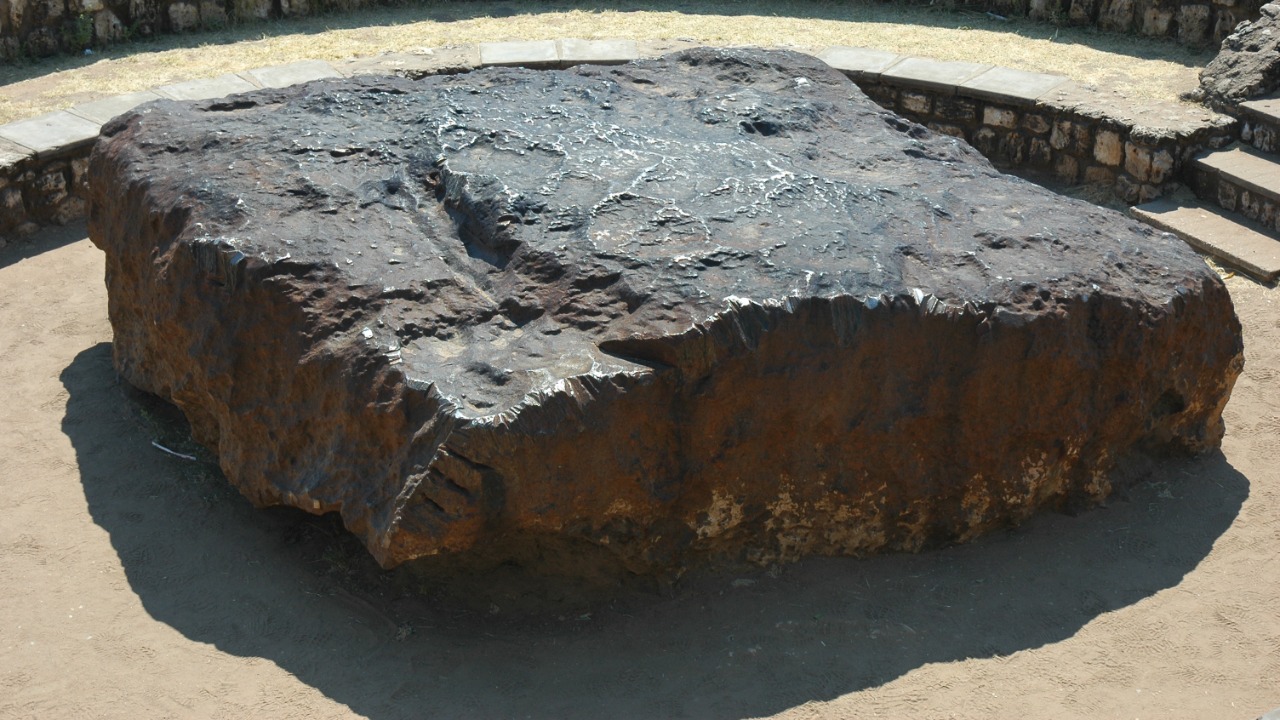
Found in Namibia in 1920, the Hoba meteorite weighs roughly 60 tons and is the largest intact meteorite ever found, according to the AMNH Hoba entry. Despite its large size, it did not make a crater where it fell.
Scientists are not sure why such a large mass left no crater, which leaves a basic question about its arrival open. That puzzle is the secret Hoba carries, alongside its record weight. The AMNH entry stays cautious on the cause, which is a reminder that even famous objects leave open questions. The weight comes from the museum’s rounded figure of roughly 60 tons.
2. Ahnighito (Cape York meteorite): Museum Heavyweight
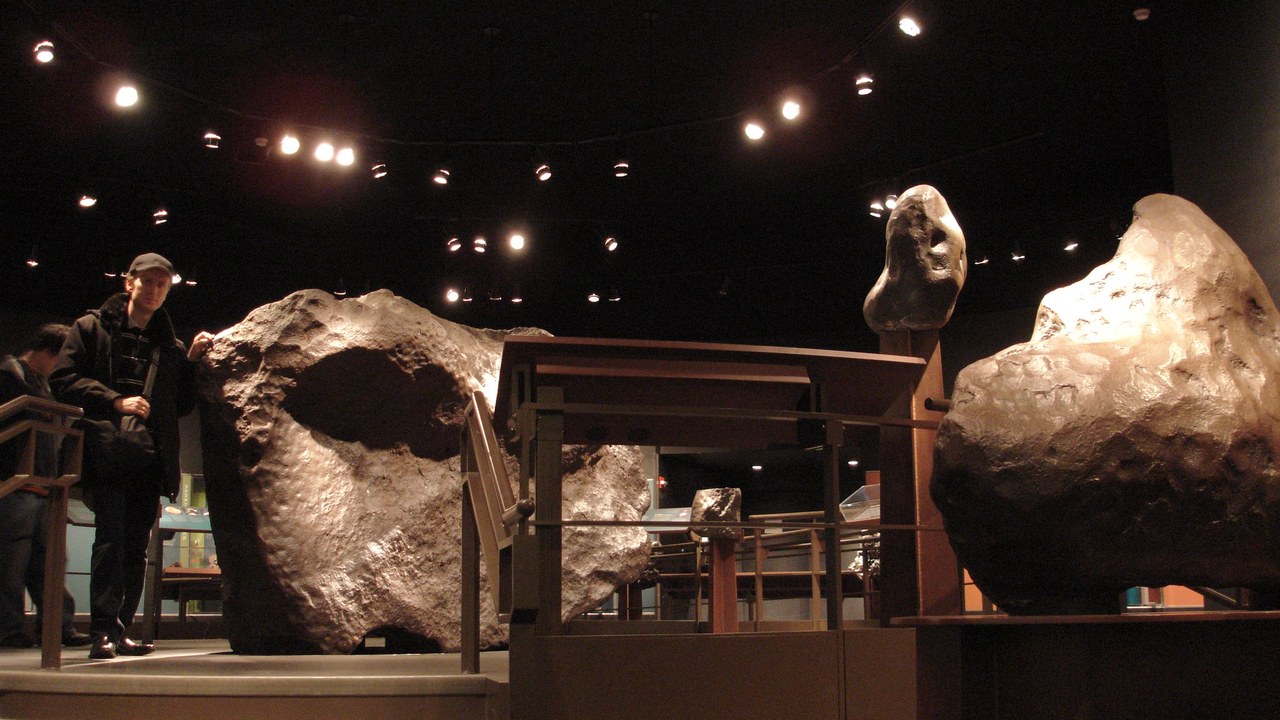
Discovered in Greenland in 1894, Ahnighito weighs 34 tons and is the largest meteorite on display in any museum, according to AMNH’s Ahnighito page. It is a piece of the Cape York meteorite.
The distinction is about display rather than discovery, since Hoba is heavier at roughly 60 tons. For visitors, it offers a close look at a metal mass that fell from space. The Cape York meteorite is a group of pieces, and Ahnighito is only one of them. Its 34 tons were moved from Greenland to a museum, where visitors can now see it.
3. Campo del Cielo (El Chaco): Found With a Metal Detector
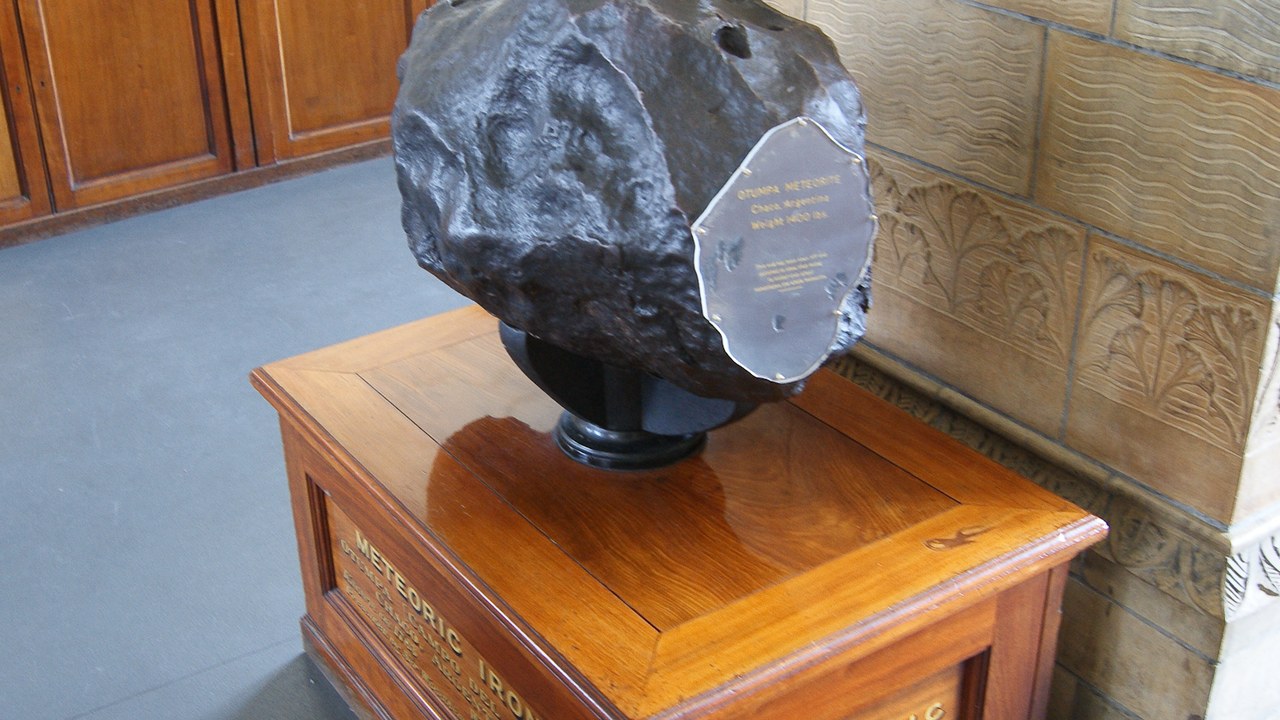
A 37-tonne fragment of Argentina’s Campo del Cielo field was located in 1969, five metres underground, using a metal detector, according to ScienceAlert’s biggest-meteorites list.
The find shows that a large meteorite can lie hidden below ground until detection tools reach it. The ScienceAlert article dates to 2017, and the entry describes one fragment of a larger field. A 37-tonne piece is heavy enough that it would be hard to find without instruments. The depth of five metres explains why the detector was the key to locating it after centuries of exposure of other pieces.
4. Allende meteorite: Oldest Material Known
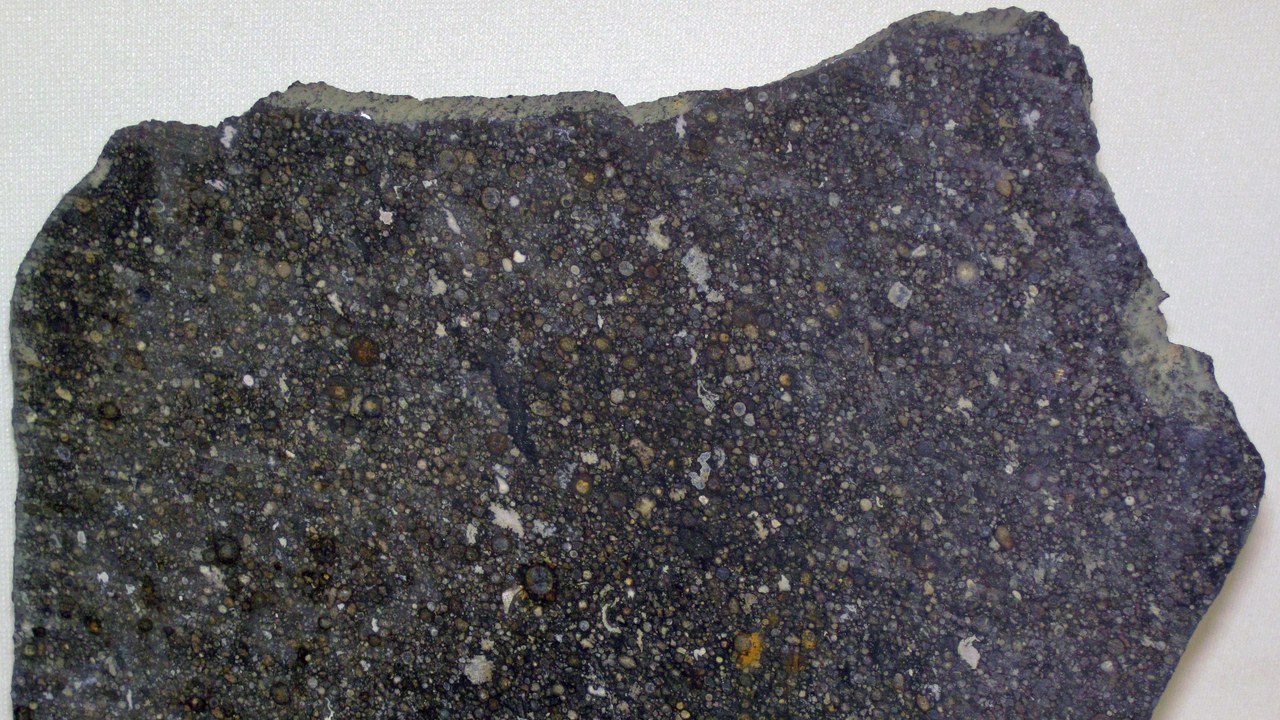
Exploding over northern Mexico on February 8, 1969, the Allende meteorite gave scientists about two tons of a once-rare type, according to AMNH’s solar system exhibit. Its material includes the oldest known material formed in the solar system.
That age makes it a reference sample for the early solar system, and the quantity recovered gave researchers plenty to study. The secret of Allende is its age rather than its size. The AMNH describes it as a once-rare type, and the large recovered mass made detailed study possible for many labs. The date, February 8, 1969, is fixed by the source and the fall was witnessed.
5. Meteor Crater: Proof in Shocked Quartz
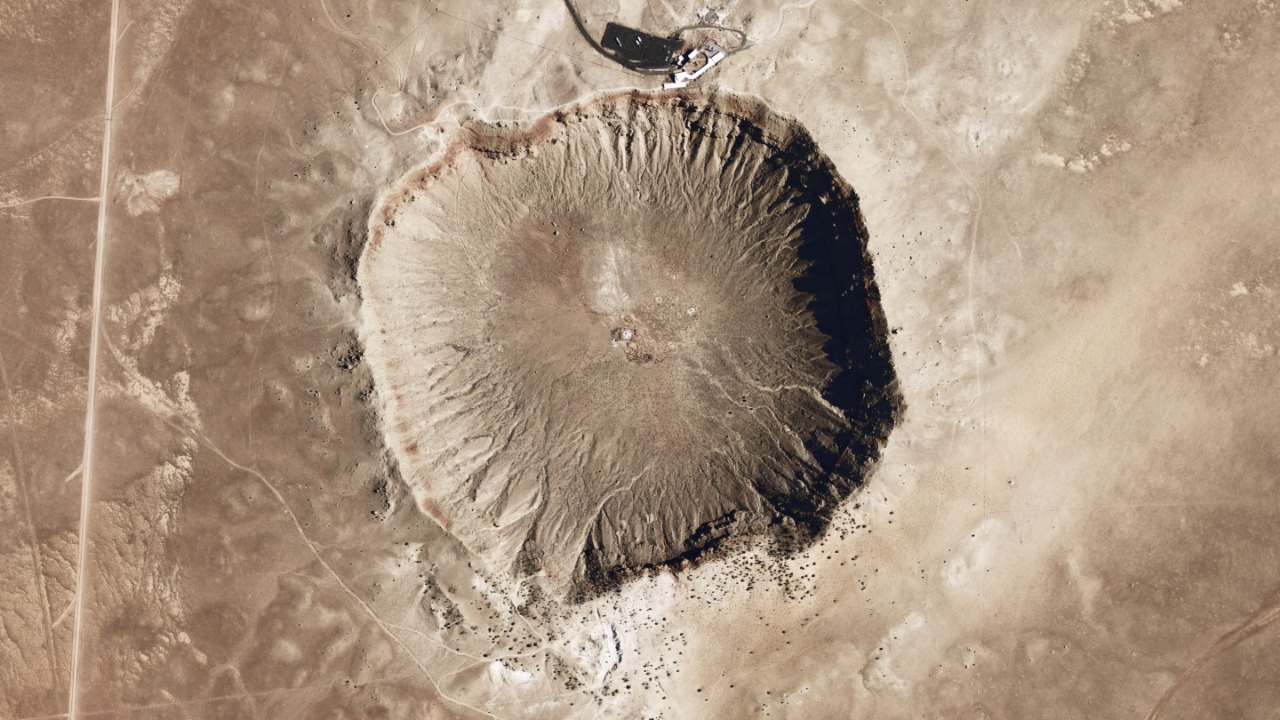
Daniel Barringer argued in 1906 that an impact made Arizona’s crater, and AMNH’s Meteor Crater page says the impact threw out about 175 million tons of rock. Shocked quartz and other shocked minerals later provided crucial evidence.
The crater keeps its secret in the rock itself, where shocked minerals record the force of an impact. Barringer’s idea came first and was confirmed later by physical evidence. The crater is a place where a debated hypothesis became accepted through measurable proof. The 175 million tons figure gives a sense of how violent the impact was, though the source gives it as a rounded estimate.
6. Chelyabinsk meteor: Fireball Over Russia
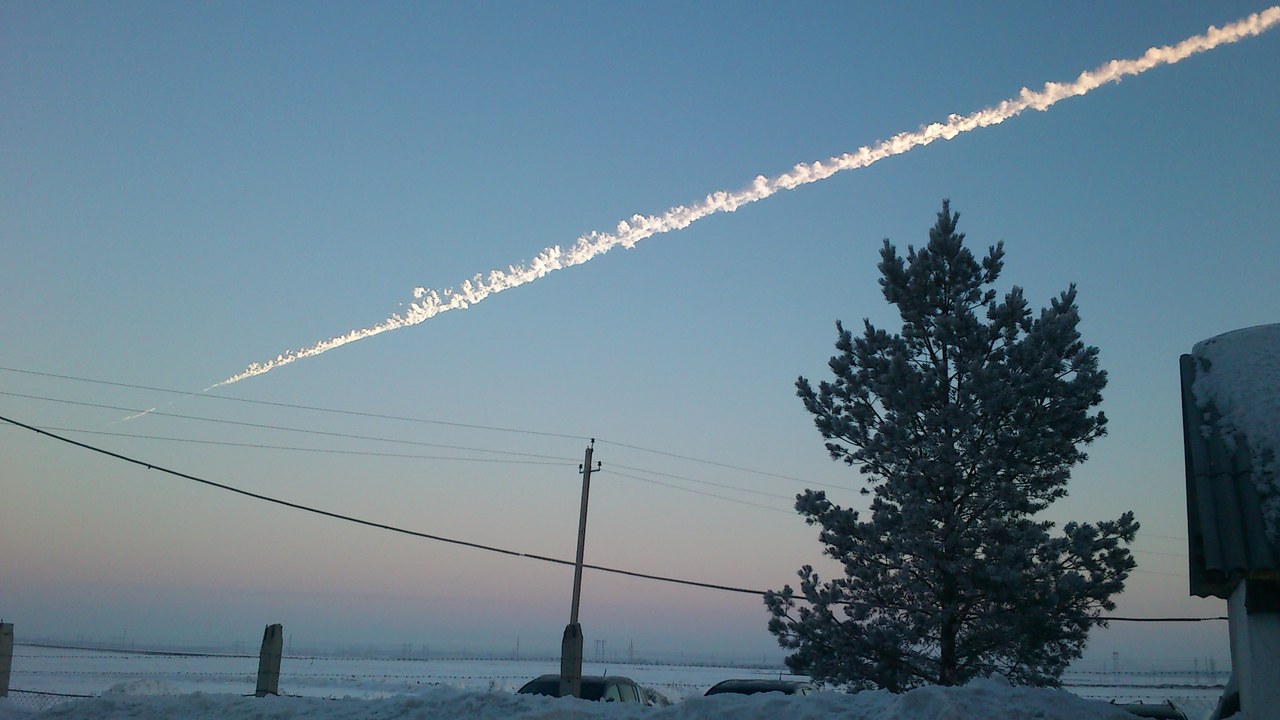
NASA JPL estimated that the February 15, 2013 fireball over Russia came from an asteroid roughly 17 to 20 meters across, in an update from JPL. The event released about 440 kilotons of TNT.
The numbers show that an object only a few tens of meters wide can release energy measured in hundreds of kilotons. The figures are JPL’s estimates from early analysis, not final measurements. The explosion at Chelyabinsk was seen over a wide area, which is why the analysis drew so much attention. The 440 kilotons figure is a useful comparison point for planning around small asteroid threats.
7. Mbozi meteorite: Sacred Stone of Tanzania
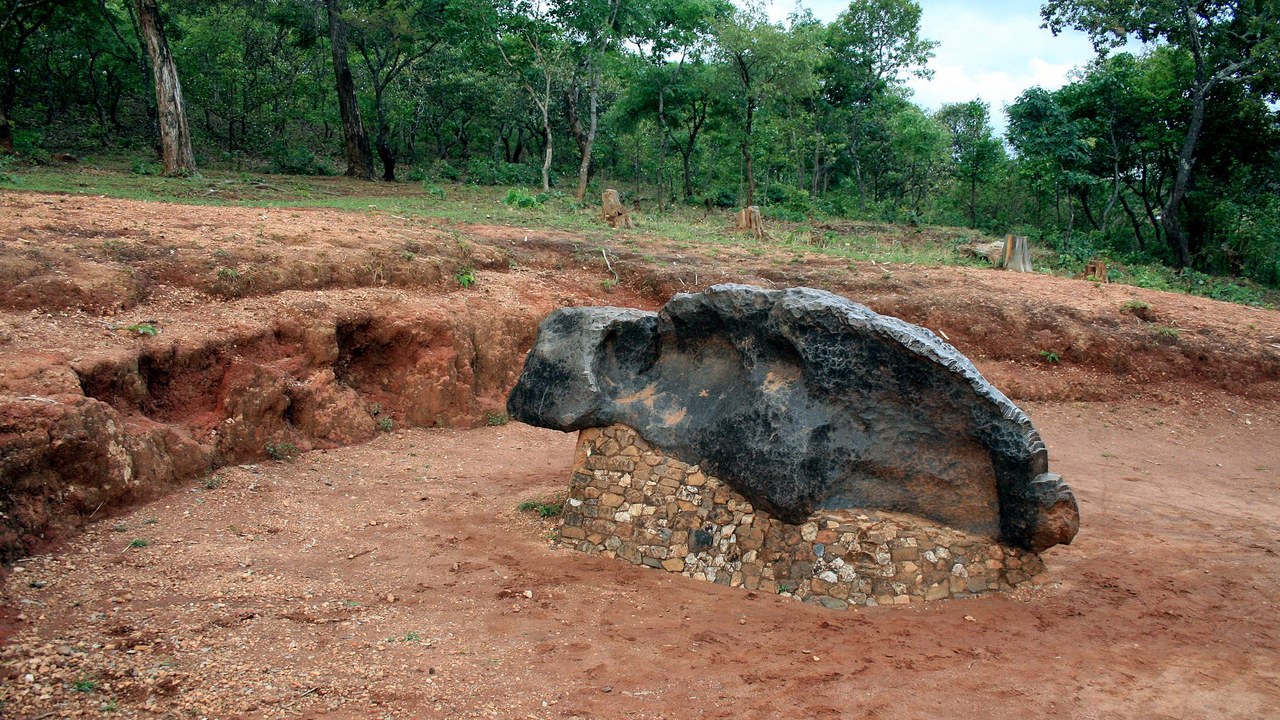
Once a sacred stone to the people of Tanzania, the roughly 25-tonne Mbozi meteorite left no crater and now sits on a soil pillar plinth, according to ScienceAlert’s overview.
Its role as a sacred stone shows that meteorites held meaning for communities beyond science. Like Hoba, it left no crater, which makes the pair a useful contrast with impact sites such as Arizona’s. The plinth detail shows that the stone is now displayed and protected as a landmark. The weight is given as roughly 25 tonnes, so the figure is rounded and may differ in other references.
8. Sikhote-Alin meteorite: Watched Falling in Siberia
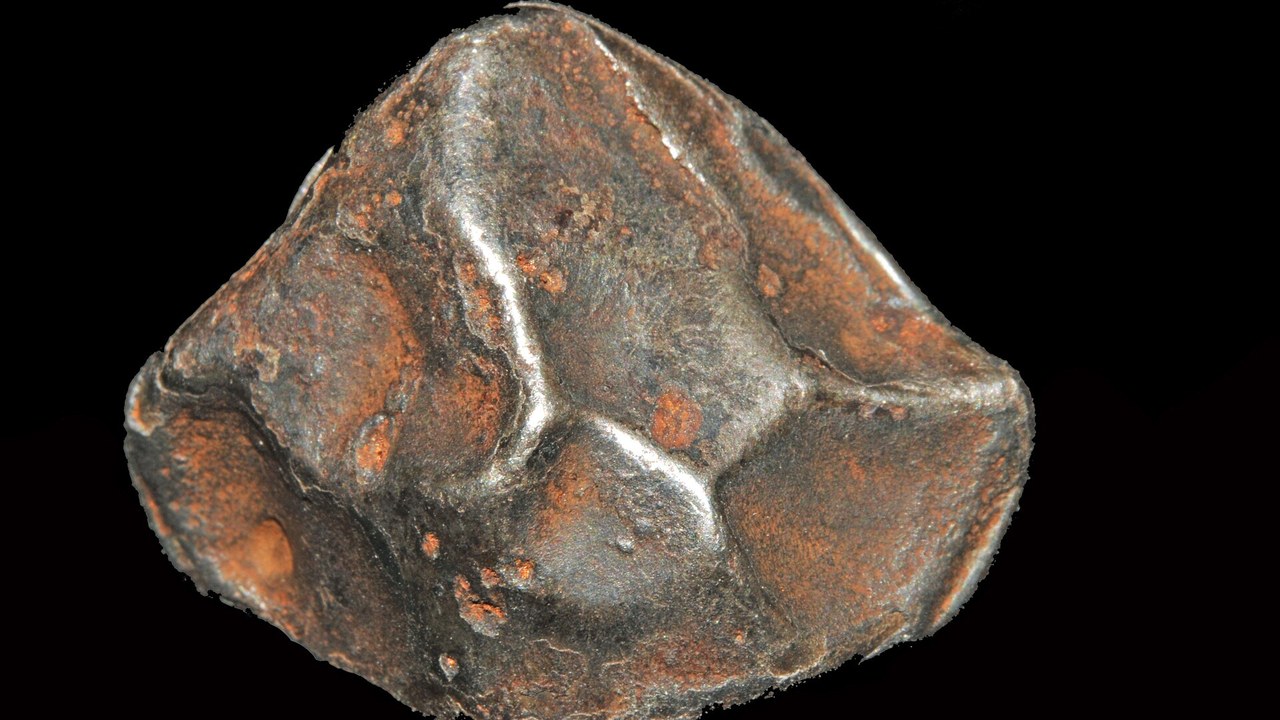
On the morning of February 12, 1947, the Sikhote-Alin iron was seen falling over Eastern Siberia, and the recovered pieces weigh an astonishing 23,000 kilograms in total, according to TCU’s Monnig Meteorite Gallery.
Because the fall was witnessed, the pieces could be tied to a known event and date. The total is a sum of recovered fragments rather than one single mass. Iron meteorites survive passage through the atmosphere better than stony ones, which is one reason many pieces were recovered. The TCU gallery gives the date and the weight, but not the number of individual fragments.
More from Morning Overview
- 11 engines built to run well past 200,000 miles
- Two Kentucky residents died when a small plane crashed at Missouri’s Lake of the Ozarks, and the NTSB is investigating
- A handful of car transmissions are so tough that mechanics say they almost never die
- Melting permafrost is setting off a newly identified kind of catastrophic landslide, scientists say
