
Searching for life beyond Earth no longer means looking only at Mars. NASA now lists a wide spread of places where it could plausibly be sought, from cloud layers above a scorched planet to oceans sealed under miles of ice. Here are ten worlds that scientists treat as possible homes for life.
Read next on Morning Overview: Arizona’s governor declared a statewide emergency after Flagstaff logged its wettest Nov. 1 on record
1. Venus: Clouds Above the Furnace
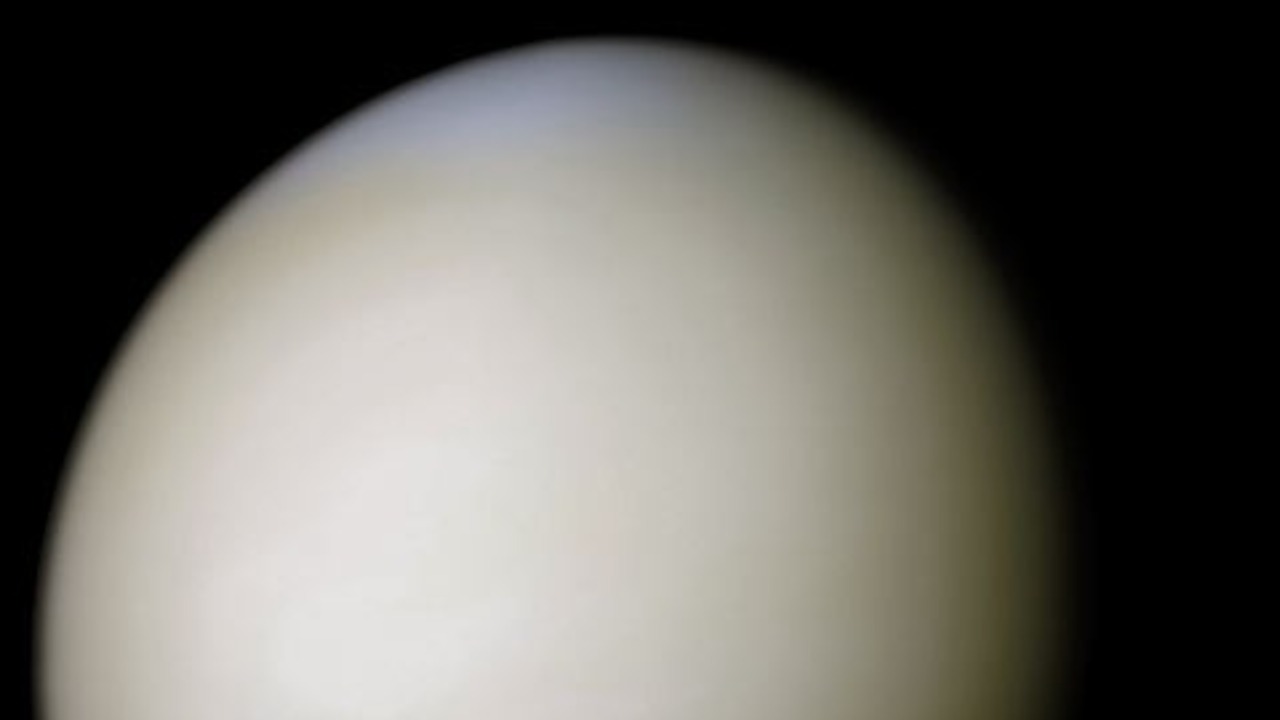
NASA’s overview of life in the solar system says the cooler high-altitude clouds of Venus remain a possibility for microbial life. The agency calls the long-running phosphine gas question unlikely but possible, so the planet stays on the candidate list.
The appeal is altitude rather than ground. Life, if it exists there, would have to float in the clouds, which makes Venus a very different kind of target from the ocean moons elsewhere on the list, and one where claims deserve careful scrutiny.
2. Mars: A Wetter Past
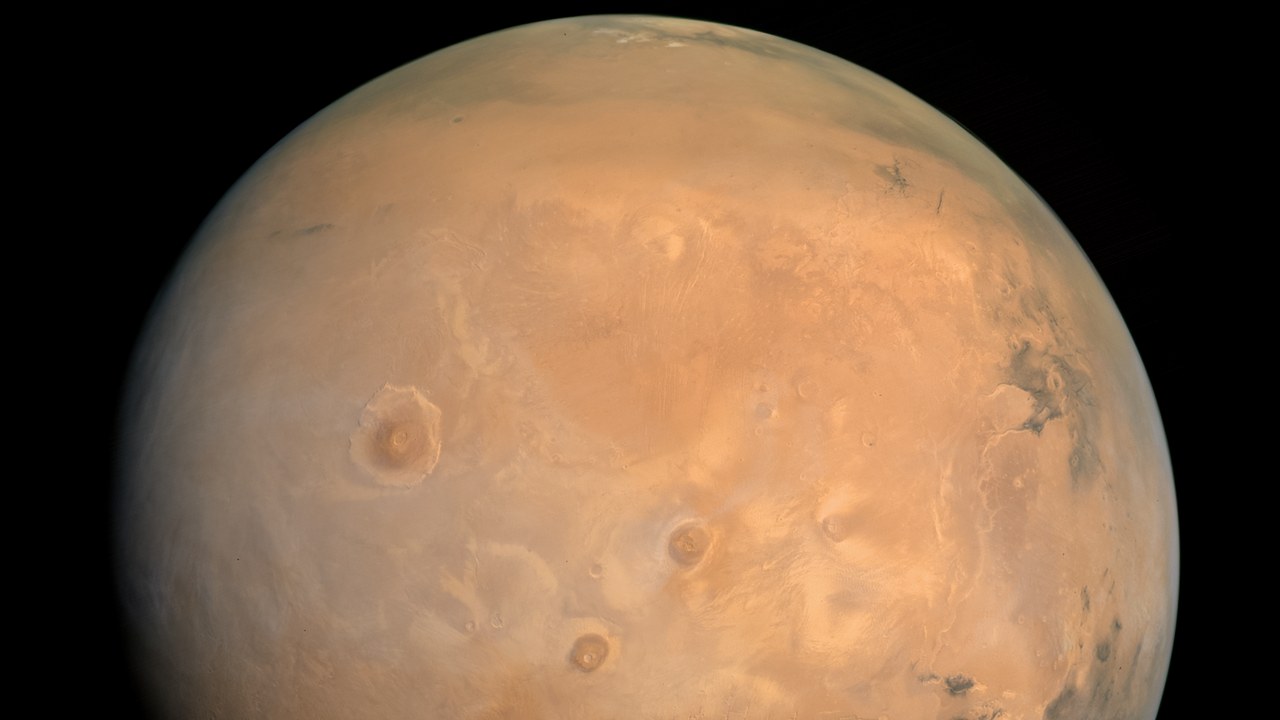
According to NASA’s neighbors guide, 3.5 billion years ago the climate on Mars was more similar to Earth’s. Methane in the Martian air may also point to microbes living below the surface, which keeps the planet in the search.
The case rests on two ideas, an ancient habitable climate and possible present-day subsurface life. Neither is settled, and the methane clue in particular is a hint that needs confirmation. Mars remains the nearest place where the question of past life can be studied.
3. Europa: Ice Over a Salty Sea
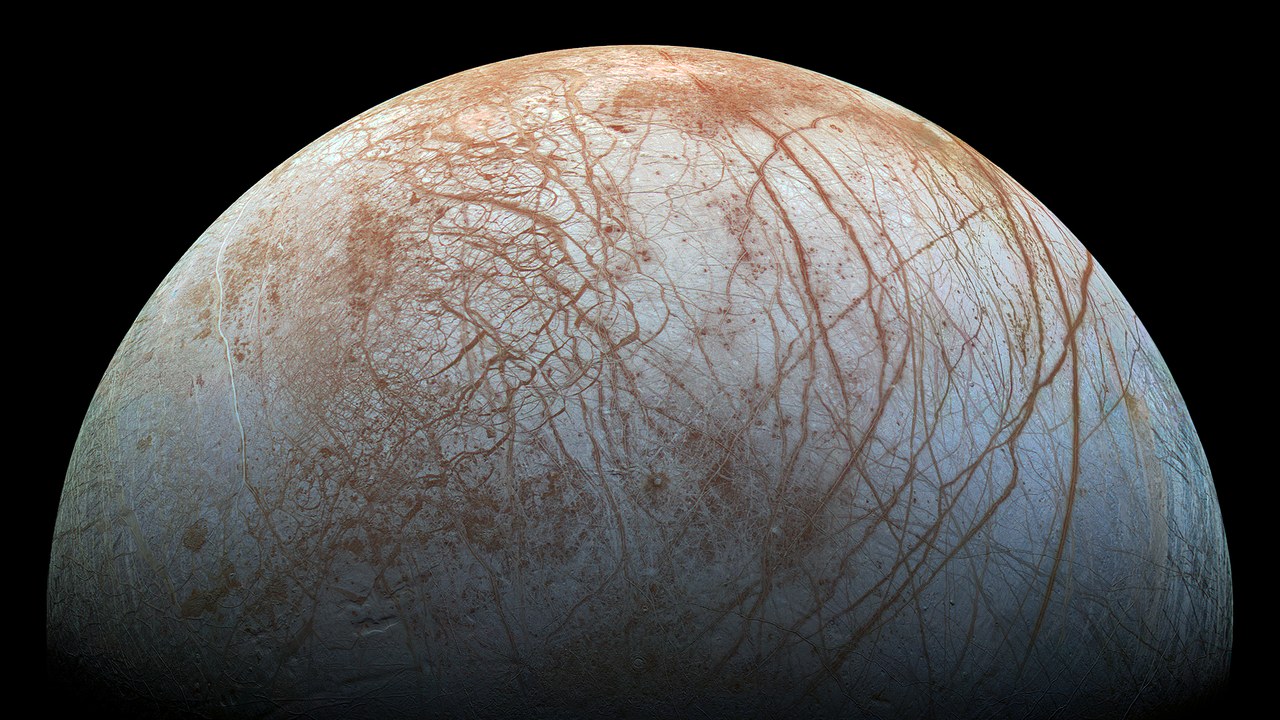
NASA describes Europa as a world of ice whose shell is probably 10 to 15 miles thick on average, or 15 to 25 kilometers. Beneath that shell sits a suspected salty ocean, and NASA’s Europa Clipper spacecraft is studying the moon.
The thickness matters because it governs how hard it is for anything from the ocean to reach the surface, or for a probe to reach the water. The ocean is described as suspected, so Europa remains a candidate rather than a confirmed habitat.
4. Enceladus: Jets From Below
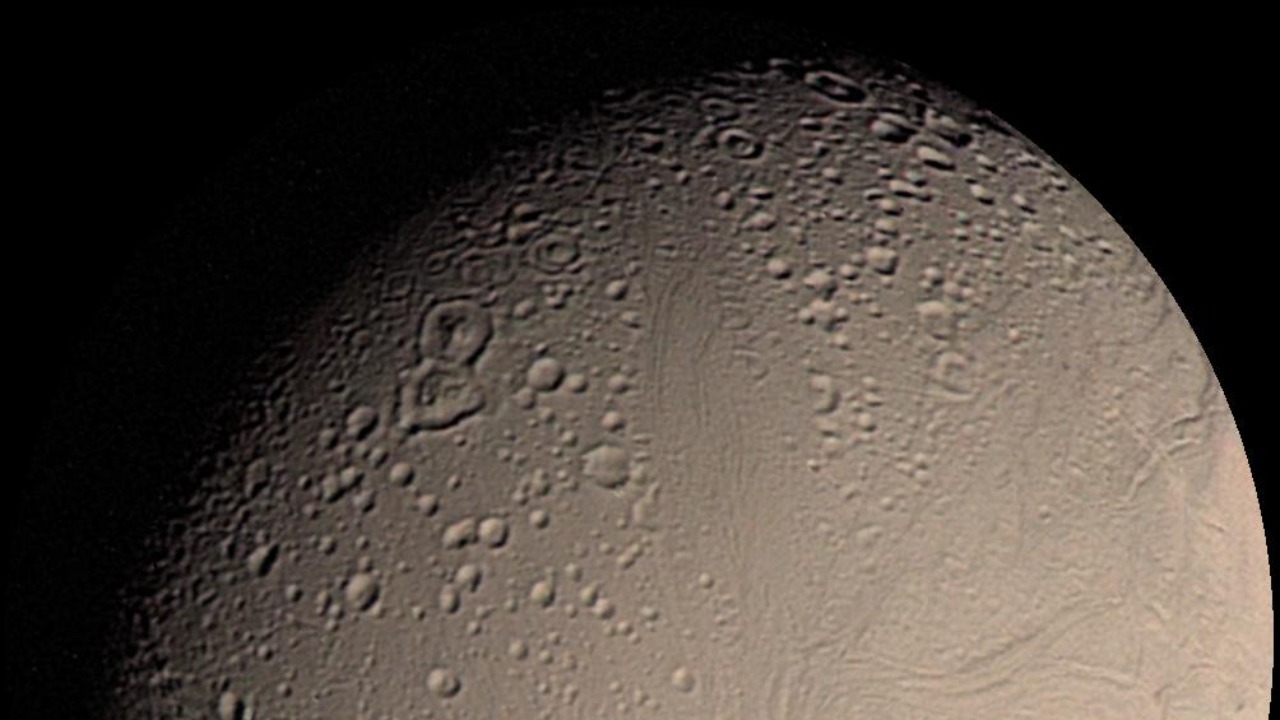
NASA calls Enceladus the only place in the solar system with guaranteed access to a subsurface ocean. That water jets into space, where the Cassini spacecraft found organics and salts, so a passing spacecraft can sample the ocean’s contents.
Organics and salts are ingredients, not evidence of life. Their presence makes Enceladus a strong candidate for future study, and it explains why this small moon of Saturn appears on a list otherwise filled with far larger worlds. For researchers, that combination of liquid water and detectable material is unusually rare among the candidates.
5. Titan: Methane Lakes, Hidden Water
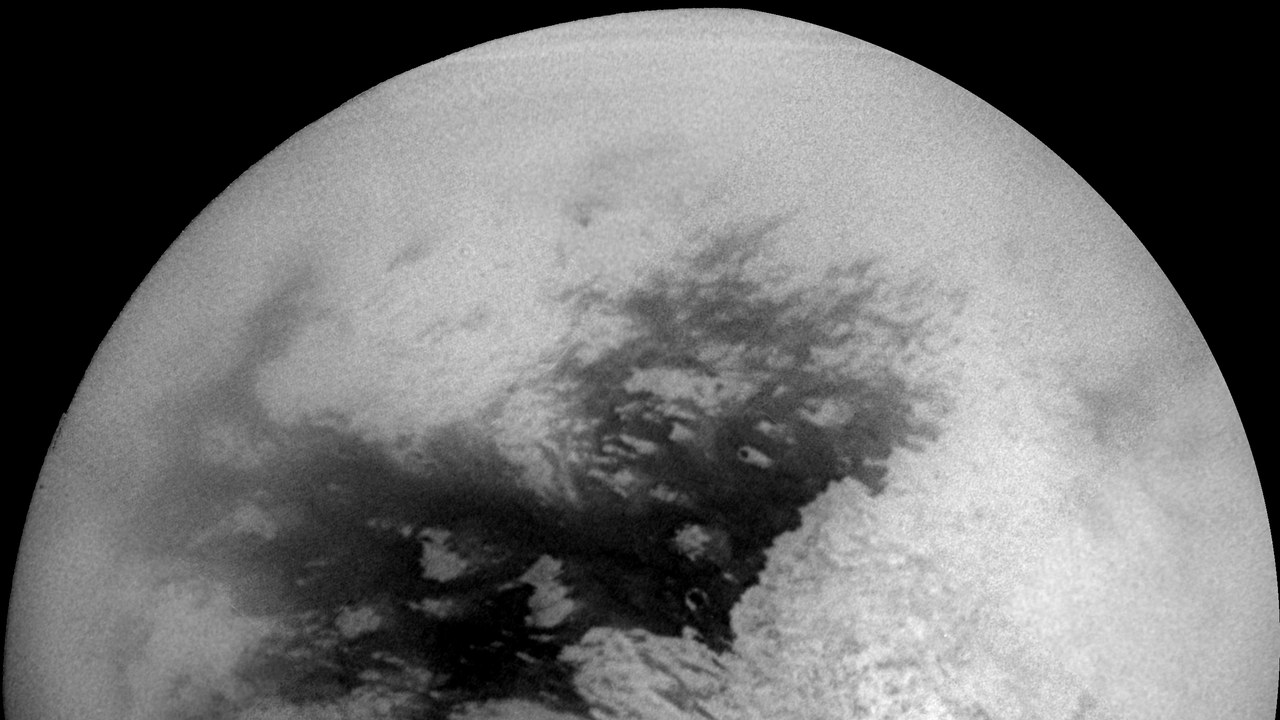
Saturn’s largest moon, Titan, has a nitrogen-rich atmosphere and lakes of methane and ethane on its surface. NASA’s list of neighbors adds that it also possesses a subsurface ocean of water, though deep down, which places it among the possible homes for life.
Two chemistries are in play here, liquid hydrocarbons at the surface and water far below. The ocean’s depth is the caveat, since it lies much farther down than the lakes. That separation is part of what makes Titan unlike any other world in the gallery.
6. Ganymede: The Largest Moon
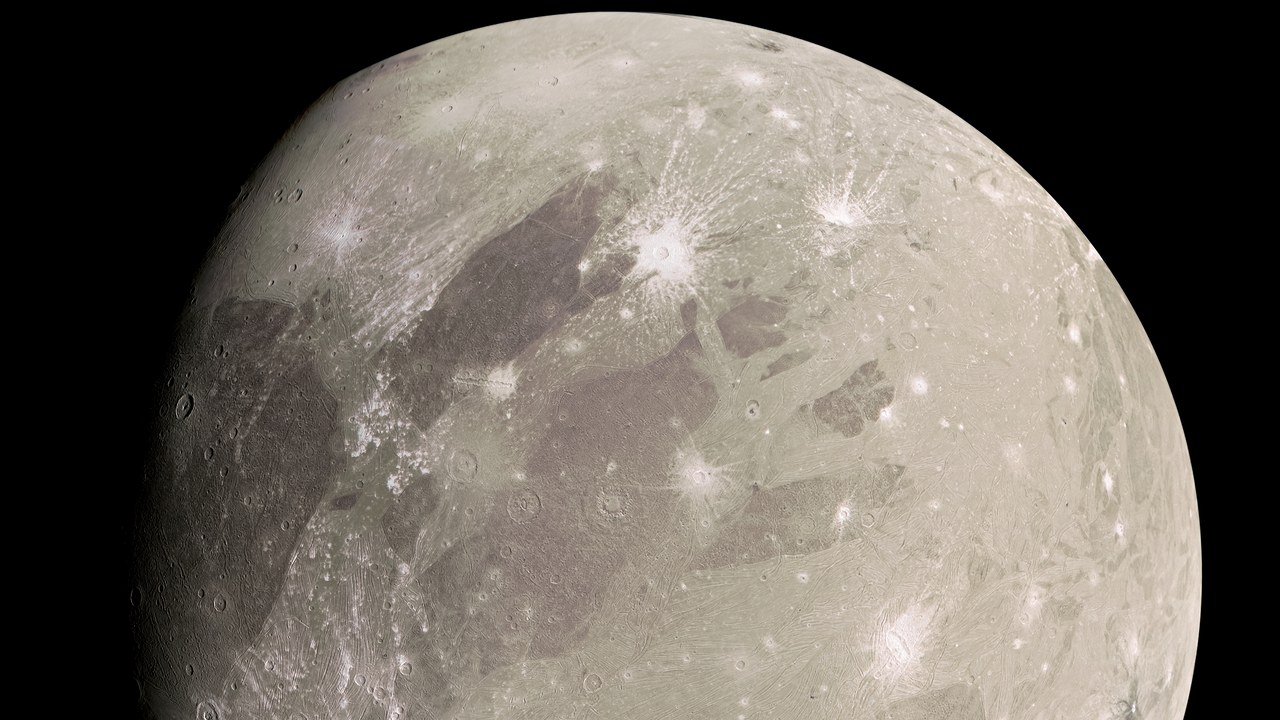
Ganymede, the largest moon in the solar system, likely has a subsurface ocean beneath an outer ice shell that NASA says is probably 100 miles, or 150 kilometers, thick. The figure appears on NASA’s Europa Clipper page, which also covers the moon.
That shell is far thicker than the one estimated for Europa, so any ocean would lie much deeper. The word likely signals an inference, not a measurement taken from within, and Ganymede stays a candidate on the strength of that inference.
7. Callisto: Deep Freeze, Deeper Ocean
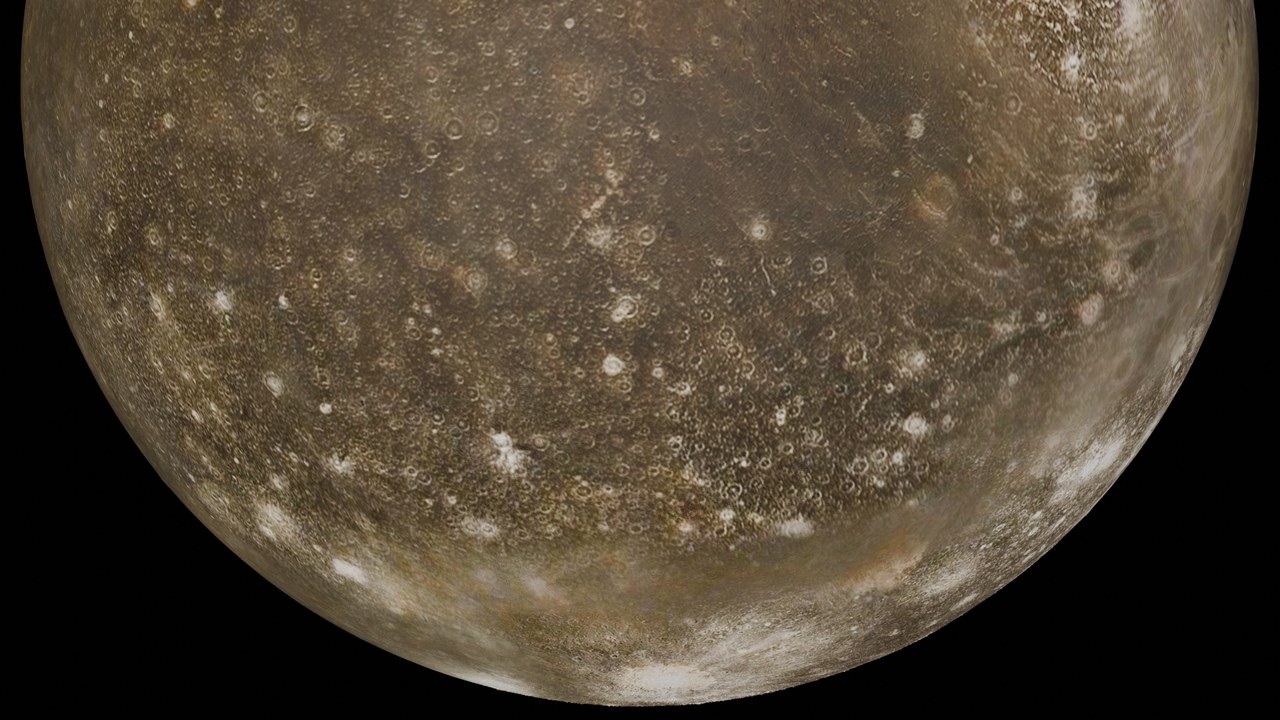
NASA’s ocean worlds guide estimates Callisto’s ice shell at about 60 miles, or 100 kilometers, thick. Beneath it, an ocean is thought to be at least 6 miles deep, making this heavily cratered moon of Jupiter another candidate.
The numbers are estimates, and the guide frames the ocean as something scientists think exists rather than something proven. Callisto’s place on the list shows how many icy moons may hide liquid water behind thick shells. For a reader weighing candidates, it is a useful reminder that being a candidate is not the same as being inhabited.
8. Ceres: Water in the Asteroid Belt
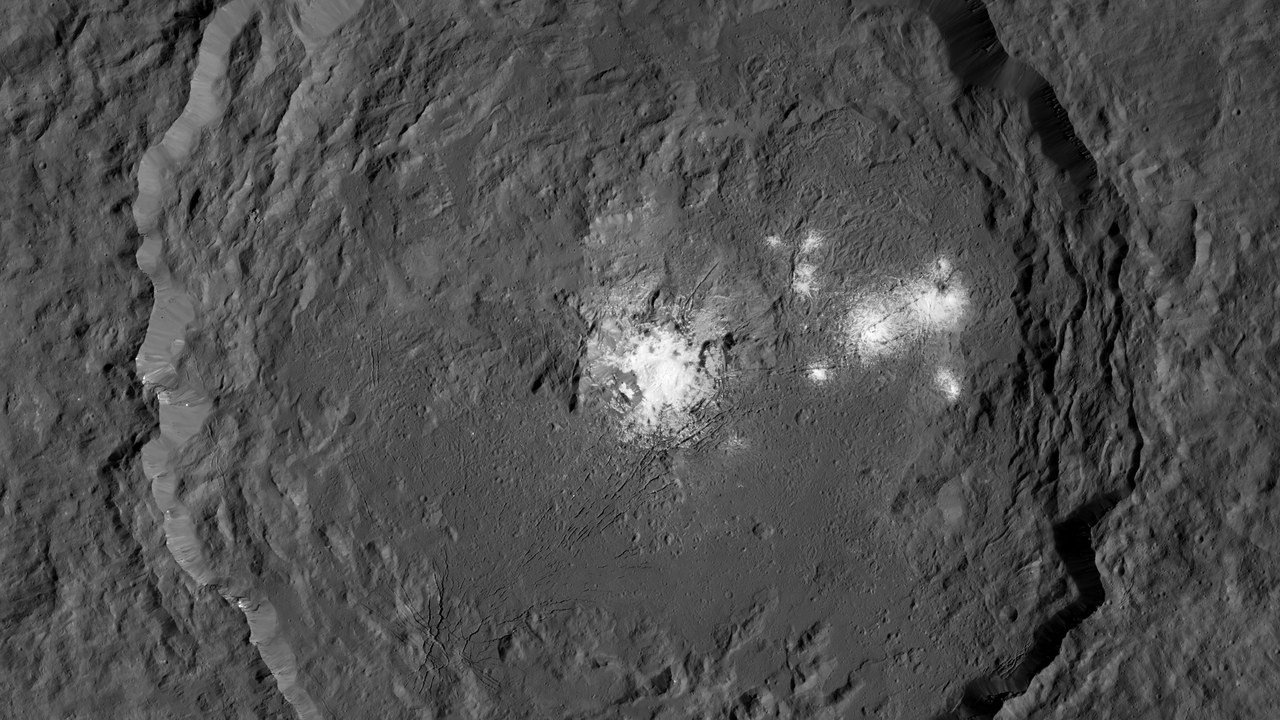
Scientists estimate that the dwarf planet Ceres consists of about 25 percent water, according to NASA’s ocean worlds infographic. A fraction of that water could be in a liquid state, which is the condition that keeps Ceres in the conversation.
Ceres is the one entry here from the asteroid belt between Mars and Jupiter, far from the giant-planet moons that dominate the list. The estimate leaves open how much of the water is liquid, so the case rests on possibility rather than demonstration.
9. Triton: Geysers at the Edge
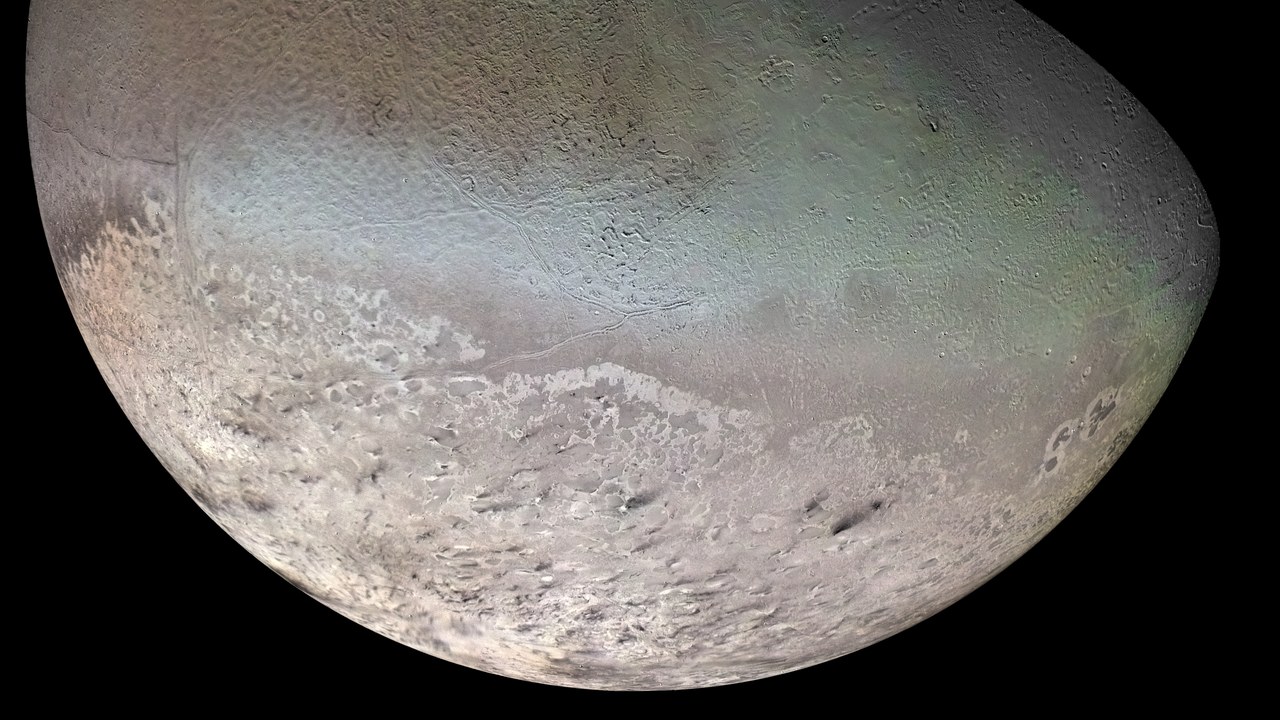
Neptune’s moon Triton has active geysers that spew nitrogen gas, a sign NASA lists among its ocean world candidates. Surface activity of this kind points to a world that is still changing rather than a frozen relic.
The geysers throw nitrogen, not water, so they do not by themselves show an ocean. Triton’s inclusion reflects how the search now reaches the outer solar system, well beyond the more familiar moons of Jupiter and Saturn. That makes Triton a useful test case for how scientists read surface clues on distant moons, and a reminder to keep claims modest.
10. Pluto: A Hidden Ocean, Perhaps
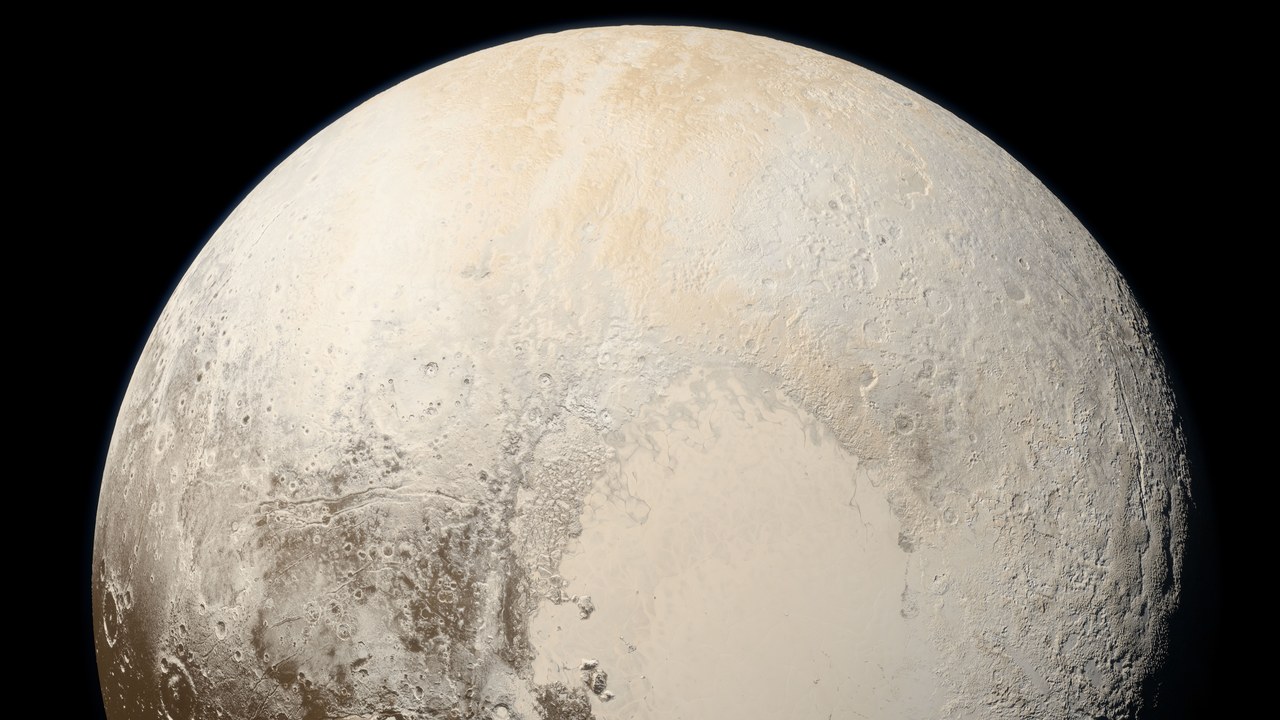
NASA’s ocean worlds guide says Pluto could have rings and perhaps a subsurface ocean. The wording is cautious on both points, and the possible ocean is what places the dwarf planet on a list of worlds that might hold life.
Pluto closes the list as its most tentative entry. With nothing stated beyond a hedged possibility, it works as a reminder that the candidate count grows as scientists revisit distant, cold worlds once assumed to be inert. Even so, the entry shows how far the question of habitability has spread across the solar system.
More from Morning Overview
- A handful of car transmissions are so tough that mechanics say they almost never die
- Melting permafrost is setting off a newly identified kind of catastrophic landslide, scientists say
- Cadillac cut the price of its cheapest EV, which goes up to 317 miles on a charge
- Winter weather advisories cover I-80, I-70 and the Bighorns with up to 15 inches of snow
