
A third-row seat that only fits children defeats the purpose of buying a three-row SUV in the first place. Automakers have started responding with genuinely longer wheelbases, boxier rooflines, and rear benches designed around adult hips and knees rather than car-seat brackets. Here are nine SUVs where grown passengers can actually sit in the back without complaint.
1. Kia Telluride: Room To Actually Sit
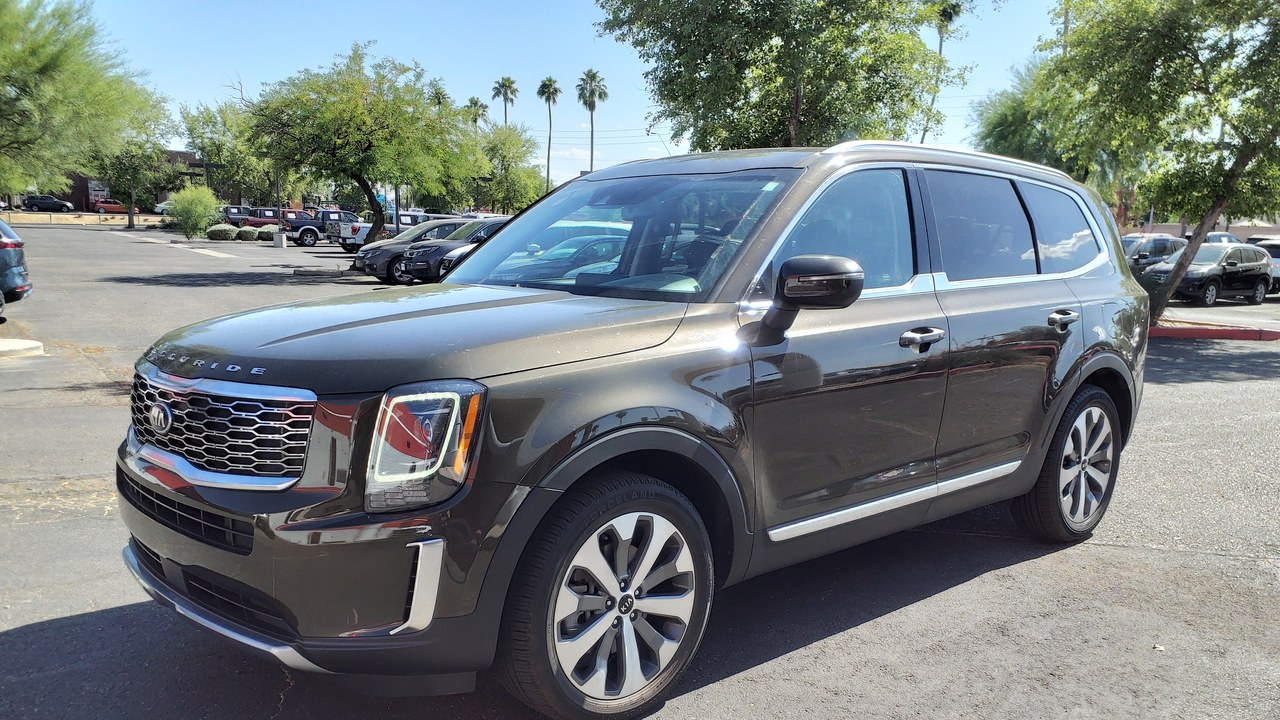
The Kia Telluride has built its reputation as a three-row family SUV around a rear bench that grown adults can use, not just squeeze into for short trips. Kia gave the rearmost row real headroom and legroom instead of treating it as an afterthought bolted onto a two-row platform.
The boxy body shape sacrifices aerodynamic styling for cabin volume, and that tradeoff shows up directly in third-row space. Reviewers and owners alike point to genuine adult-friendly seating as the single biggest reason the Telluride outsells sleeker, less roomy competitors in its class.
2. Hyundai Palisade: Rear Row Built For Adults
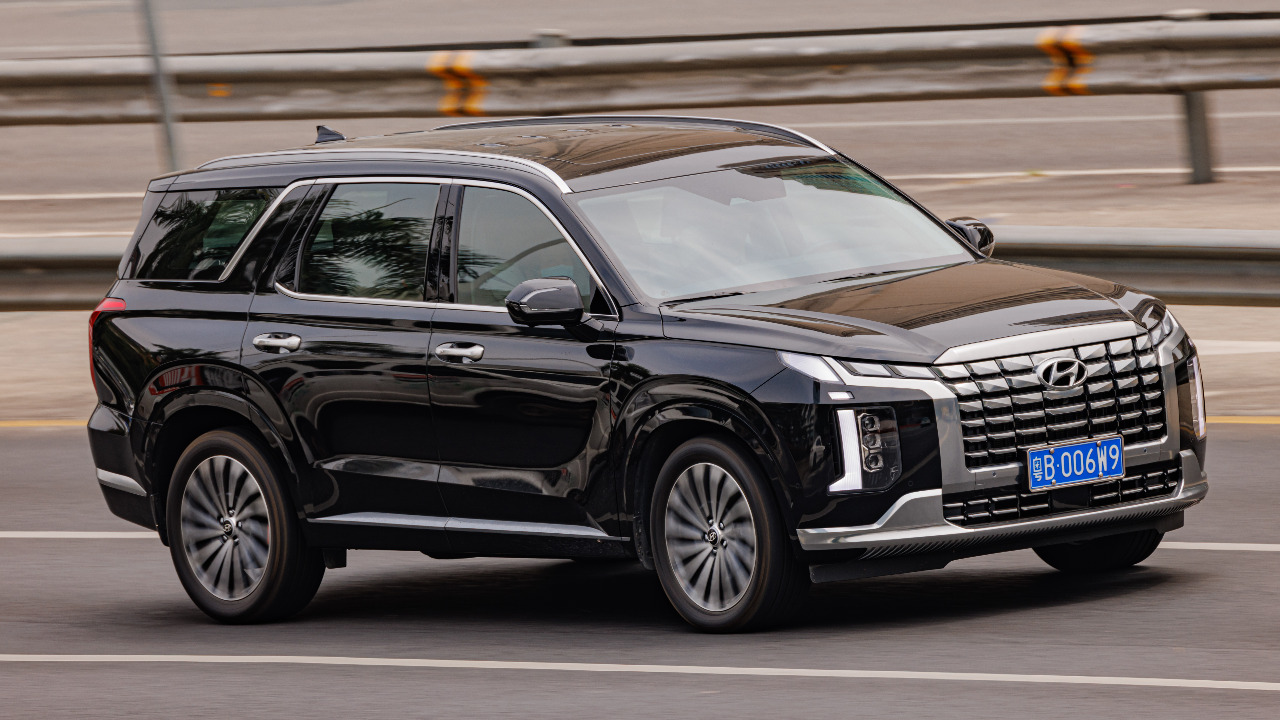
The Hyundai Palisade shares its platform with the Telluride but earns its own reputation through a top safety pick distinction alongside one of the roomiest third rows sold in its class. Hyundai engineered the rear seat track and cushion height so adults sit upright rather than knees-to-chest.
That combination of safety credentials and genuine rear-seat space has made the Palisade a favorite for larger families who refuse to compromise either factor. Its cabin proves a three-row SUV can protect occupants and still fit them comfortably.
3. Chevrolet Traverse: Car-Based, Not Cramped
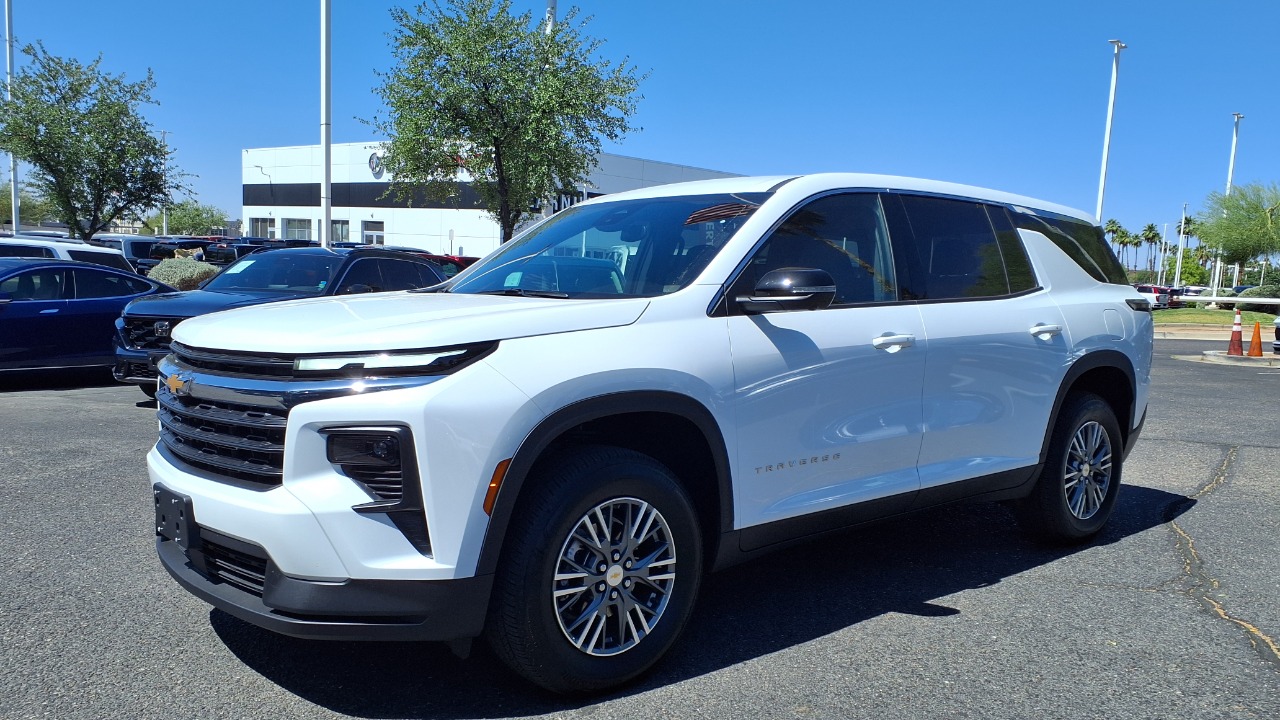
The Chevrolet Traverse is built on a car-based, front-wheel-drive platform rather than a truck frame, and that layout frees up unusually generous rear-seat space for a three-row crossover SUV. Chevrolet stretched the wheelbase specifically to keep the third row usable rather than symbolic.
Because the architecture avoids the intrusions of a body-on-frame drivetrain, floor height stays low enough for adults to sit with their knees bent naturally. That makes the Traverse a practical pick for families who regularly rotate adults through every row. Buyers cross-shopping minivans often land on the Traverse once they realize the back seat rivals what a sliding-door van offers.
4. Volkswagen Atlas: Sized For American Frames
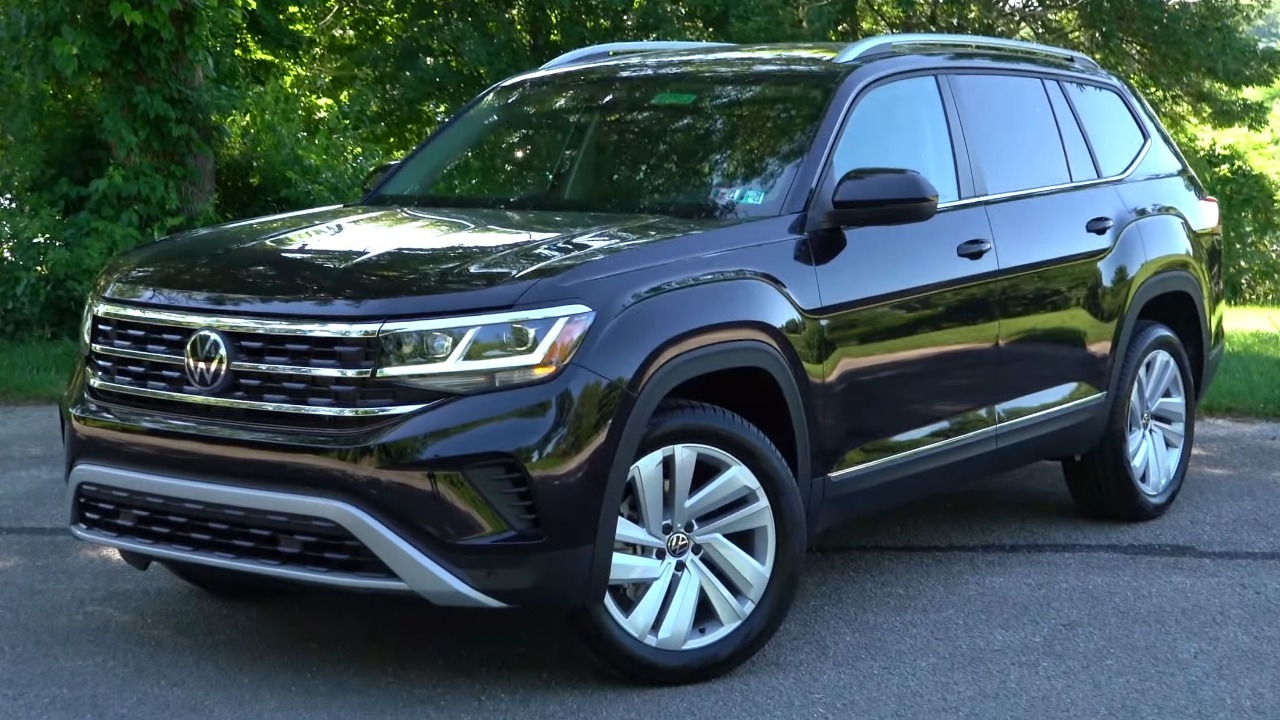
Volkswagen designed the Atlas specifically for the North American market, widening and lengthening the body well beyond its European counterparts to fit larger passengers in every row. The Volkswagen Atlas reserves meaningful legroom for the third bench instead of treating it as an afterthought.
That deliberate sizing decision sets the Atlas apart from Volkswagen’s smaller global SUVs, which were never built with a usable third row in mind. Families who need to seat adults in the back regularly point to the Atlas as one of the few imports that gets it right.
5. Toyota Grand Highlander: Built To Fix A Complaint
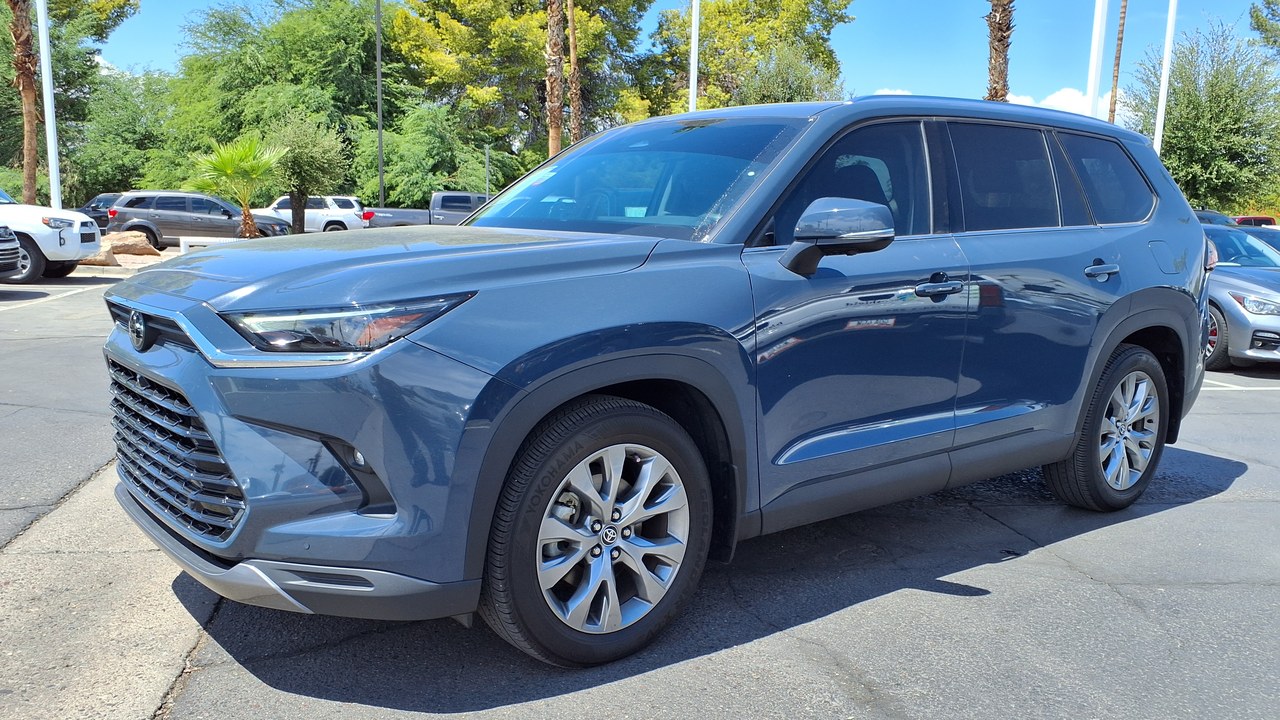
Toyota created the Grand Highlander as a direct answer to years of complaints that the standard Highlander’s third row was too cramped for anyone past childhood. The Toyota Grand Highlander stretches the body specifically to add legroom and shoulder room to that back bench.
Rather than reworking the existing Highlander incrementally, Toyota engineered an entirely larger model around the third-row problem. The result is a rare case of an automaker publicly acknowledging a shortcoming and building a dedicated vehicle to solve it. Owners who previously dismissed the standard Highlander for family duty now consider the Grand Highlander a genuine alternative.
6. Jeep Wagoneer: Limousine-Like Space In Back
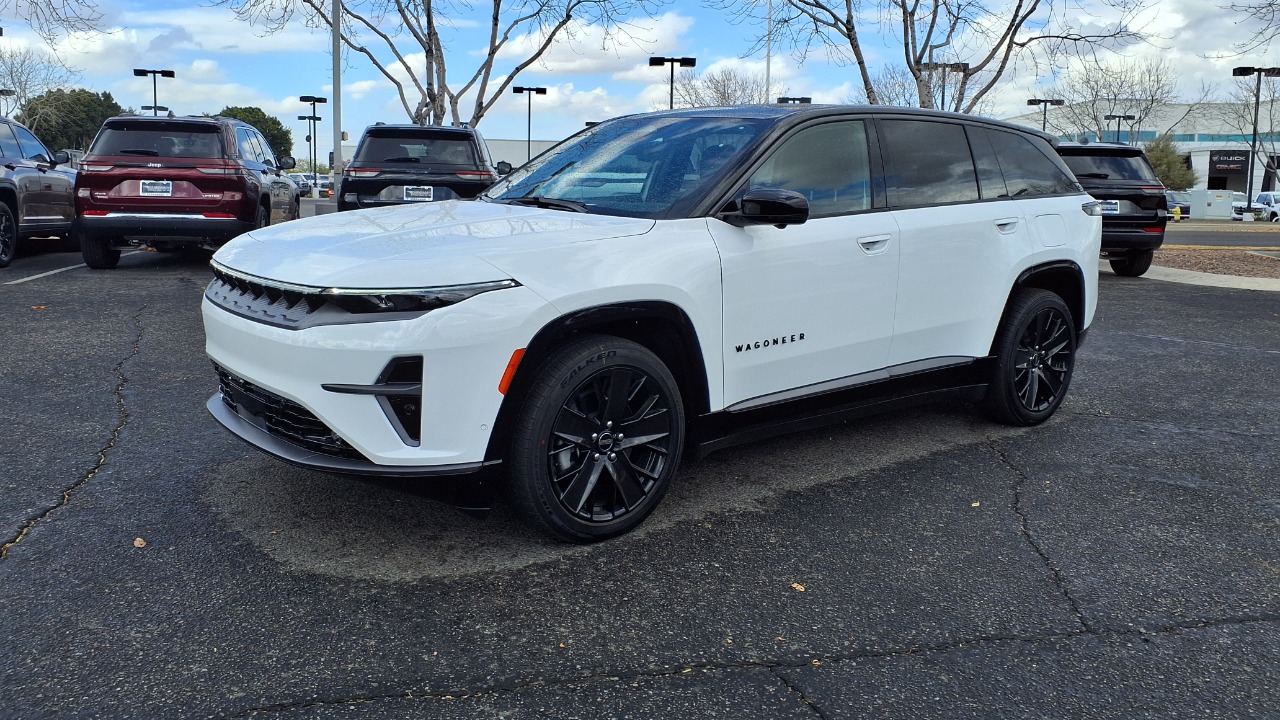
The Jeep Wagoneer returned to production as a full-size SUV with a wheelbase long enough to give the third row space closer to a limousine than a typical crossover. The Jeep Wagoneer uses body-on-frame construction to maximize interior length rather than efficiency.
That size comes with real tradeoffs in fuel economy and maneuverability, but it delivers rear-seat room that few competitors can match. For families who prioritize space above all else, the Wagoneer’s back row is built to prove it. Its interior finishes reinforce that upscale positioning, reflecting the Wagoneer’s price point well above mainstream three-row SUVs.
7. Chevrolet Tahoe: Frame-Built Room That Shows
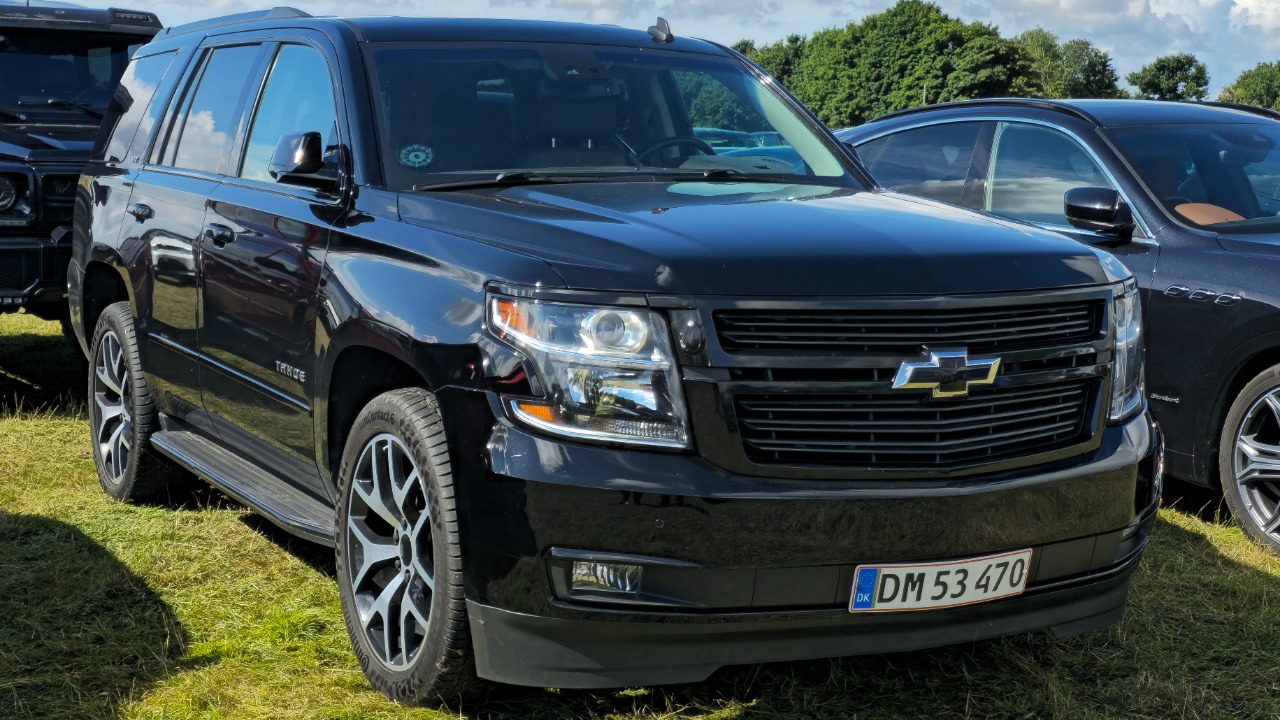
The Chevrolet Tahoe rides on a body-on-frame truck platform shared with Chevrolet’s full-size pickups, and that heavier-duty architecture translates into a third row with genuine hip and leg room for adults. The Chevrolet Tahoe was never designed around a compact footprint.
That size does mean a longer overall vehicle and a taller step-in height than most crossovers. Buyers who tow, haul, or regularly fill every seat tend to accept those tradeoffs in exchange for a back row adults can actually use. Its long production history as a workhorse SUV means dealers stock it widely, making that extra room easy to find.
8. Ford Expedition: Among The Largest Third Rows
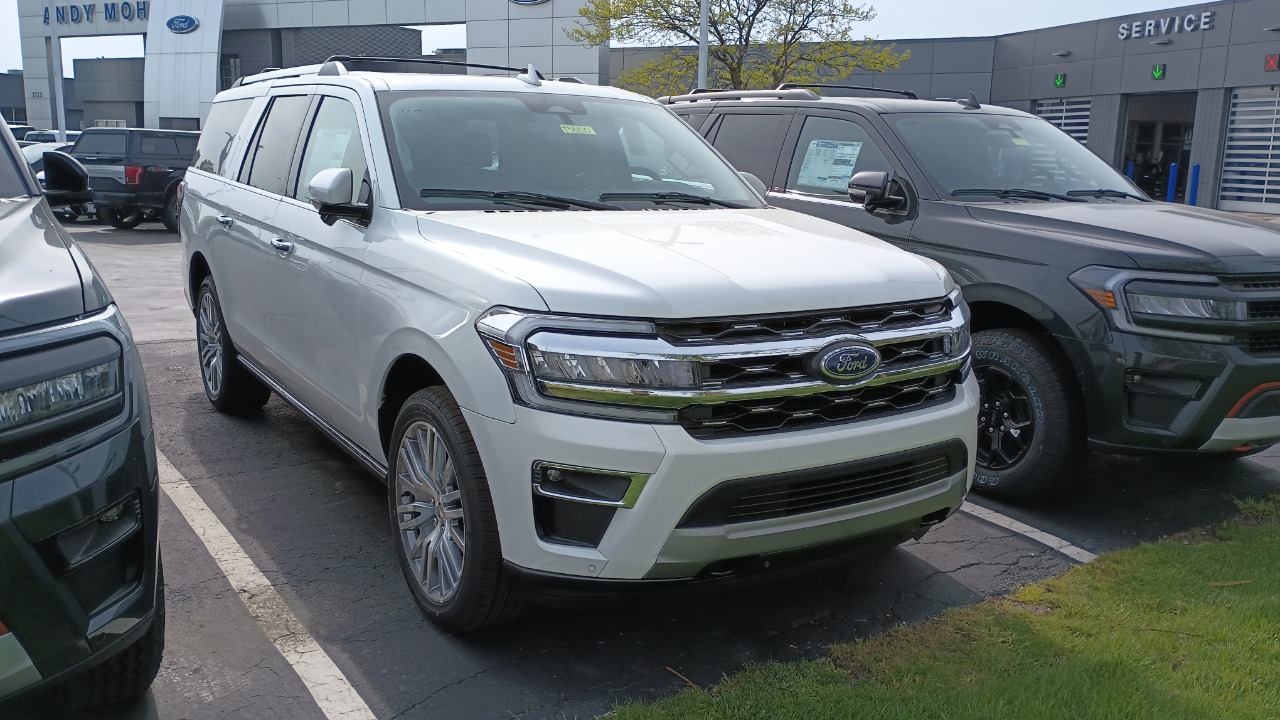
The Ford Expedition is built on the same full-size truck platform as the F-150, giving it one of the largest usable third rows sold on the market today. The Ford Expedition extends that frame further still in its Max long-wheelbase configuration.
That extra length benefits rear passengers directly, since the third-row bench sits further from the rear axle than in shorter SUVs. Large families cross-shopping the segment often narrow their choice to the Expedition specifically for that reason. Buyers who previously needed a van for group hauling increasingly cross-shop the Expedition instead.
9. Honda Pilot: Boxy Shape, Bigger Payoff
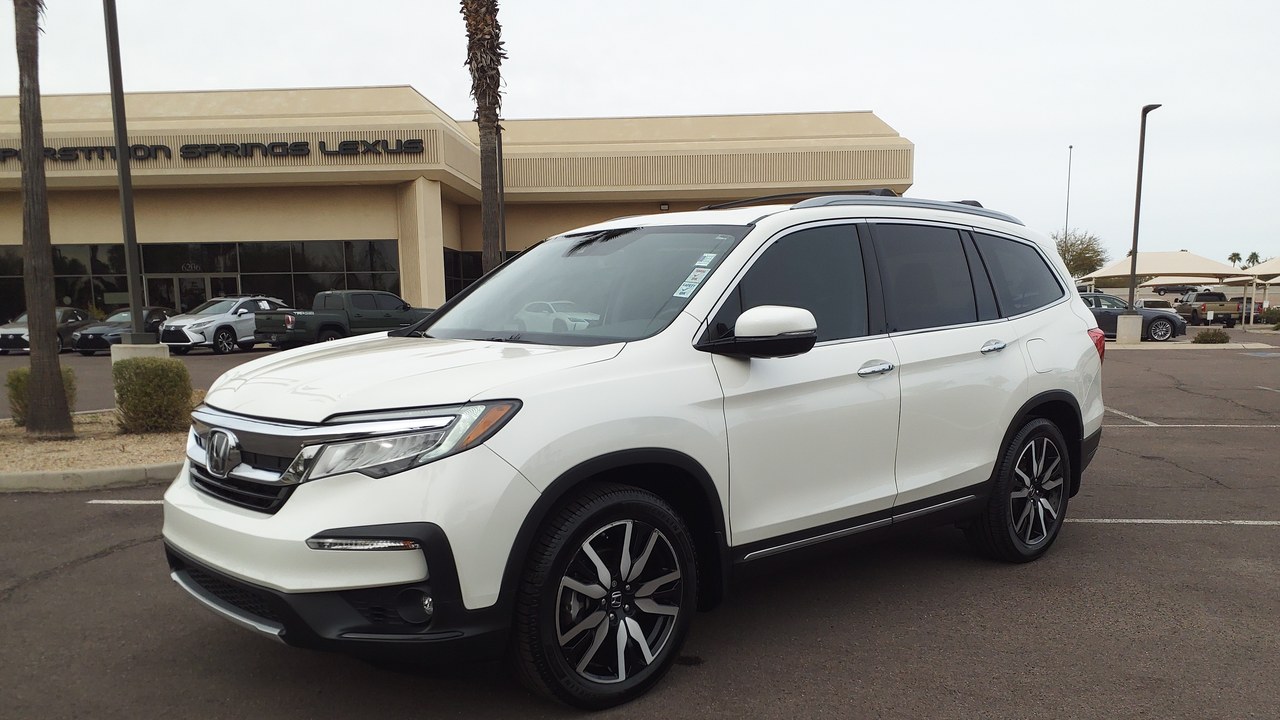
Honda kept the current Pilot’s body shape deliberately boxy instead of chasing a sloped, coupe-like roofline, and that decision maximizes headroom and legroom throughout the cabin. The Honda Pilot carries that boxiness straight back to the third row.
Where sportier-looking rivals sacrifice rear headroom for a lower roofline, the Pilot keeps its silhouette upright specifically to protect third-row comfort. Families who regularly seat adults in back note the difference the moment they duck under the roofline. Honda has kept that shape through multiple generations specifically because customer feedback rewarded it.
More from Morning Overview
- The FTC is warning about a scam quietly draining thousands from victims
- The NSA is again telling phone owners to switch off one location setting
- A handful of car transmissions are so tough mechanics say they almost never fail
- A handful of SUVs keep hitting 300,000 miles, and they share one engine trait
