
Americans once had many more choices in sport utility vehicles than they do now. Some were retired after safety controversies, some after sales faded, and some simply outlived the trend that created them. Here are twelve SUVs that no longer sell in America, from a gigantic Ford to a Hummer that nearly ran out of buyers.
AI, explained every day: The Deep View is the go-to daily newsletter for 600,000+ founders, knowledge workers and professionals who want to stay up to date with artificial intelligence.
We may earn a commission if you sign up.
1. Ford Excursion: The Long SUV Giant
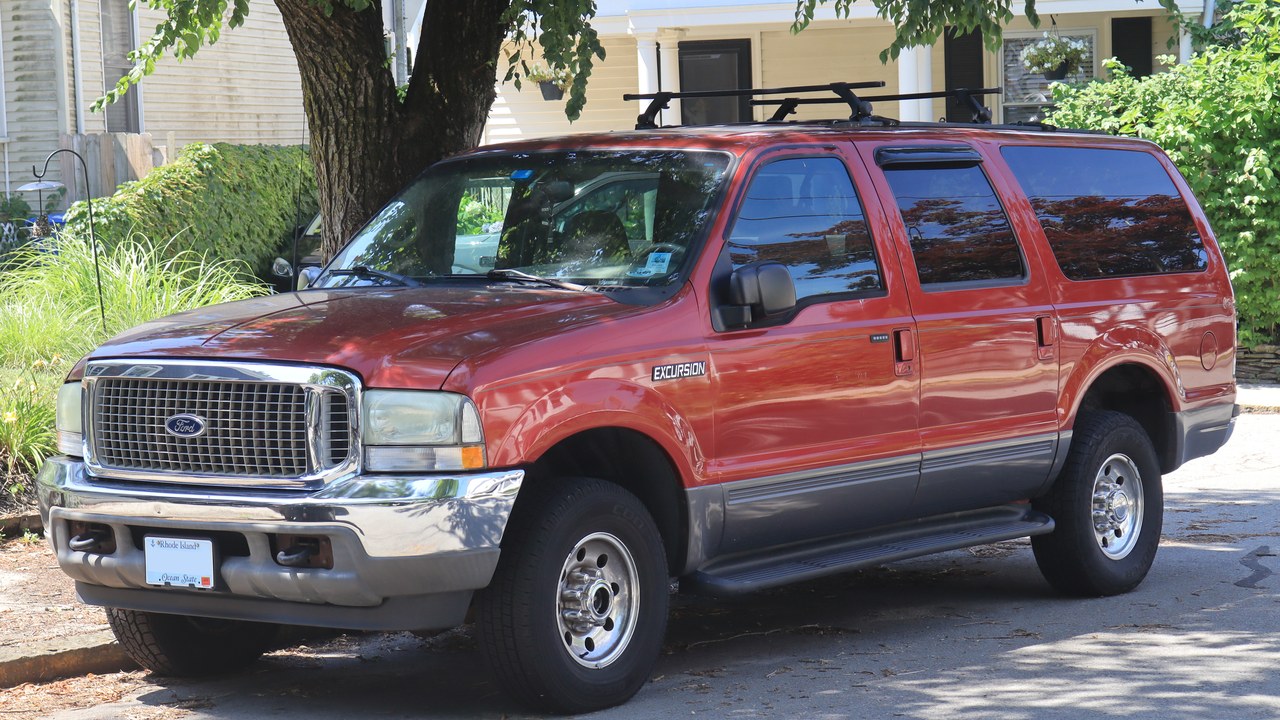
The 2000-2005 Ford Excursion weighed about 7,200 pounds and, according to its Wikipedia entry, was the longest mass-produced SUV for nearly two decades.
The Excursion was built on a heavy-duty pickup platform, and its sheer bulk made it hard to park and costly to fuel. That scale explains both its enthusiastic following among towing owners and its brief production run. Used examples still draw interest from owners who want a very large people hauler, and prospective buyers should check fuel costs and parking constraints before purchasing.
2. Hummer H2: From 34,529 to 1,513
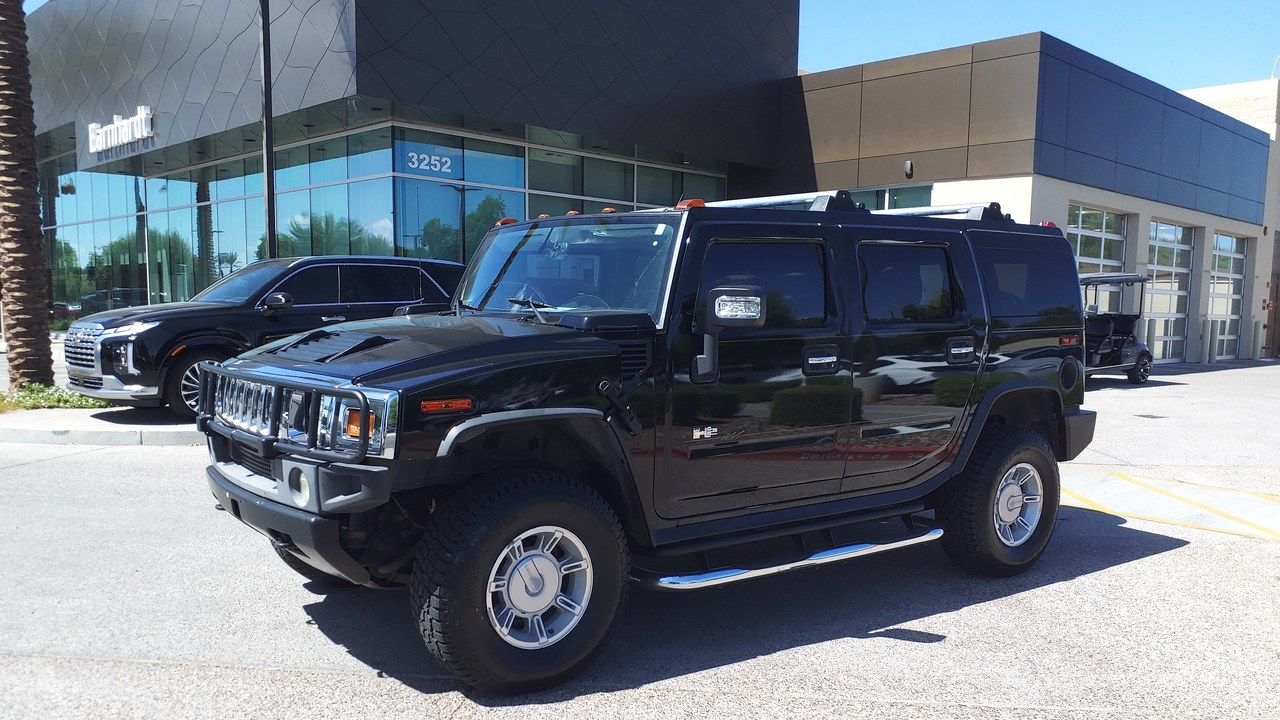
Hummer H2 sales fell from 34,529 in 2003 to 1,513 in 2009, its final year, according to the model’s sales table.
The decline traces the shift away from enormous, thirsty SUVs as fuel prices rose and attitudes changed. The H2 became a symbol of excess, and the drop in sales shows how fast that symbolism hurt its market. The H2 remains a recognizable relic of the early 2000s, and its low final-year volume is one reason the surviving examples attract attention today.
3. Isuzu Trooper: Rollover Rating Trouble
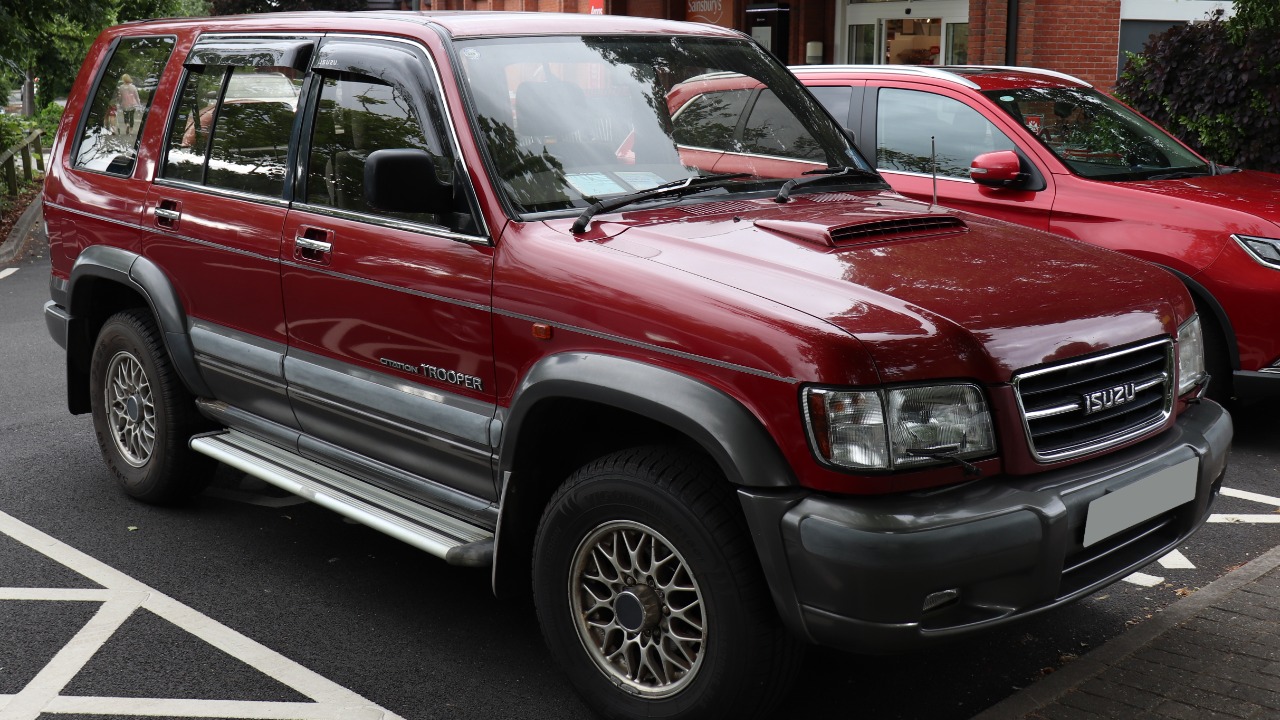
The Isuzu Trooper was dropped in the United States in 2002 after Consumer Reports rated 1995-97 models Not Acceptable because of rollover risk.
The Trooper was a capable truck-based SUV, but a safety label from a respected publication can be devastating for a small brand. The episode illustrates how reputation, as much as engineering, decides whether an SUV survives. Anyone shopping for a used Trooper should research which model years carried the criticized ratings, since the later vehicles had a different record.
4. Jeep Commander: Grand Cherokee Cousin
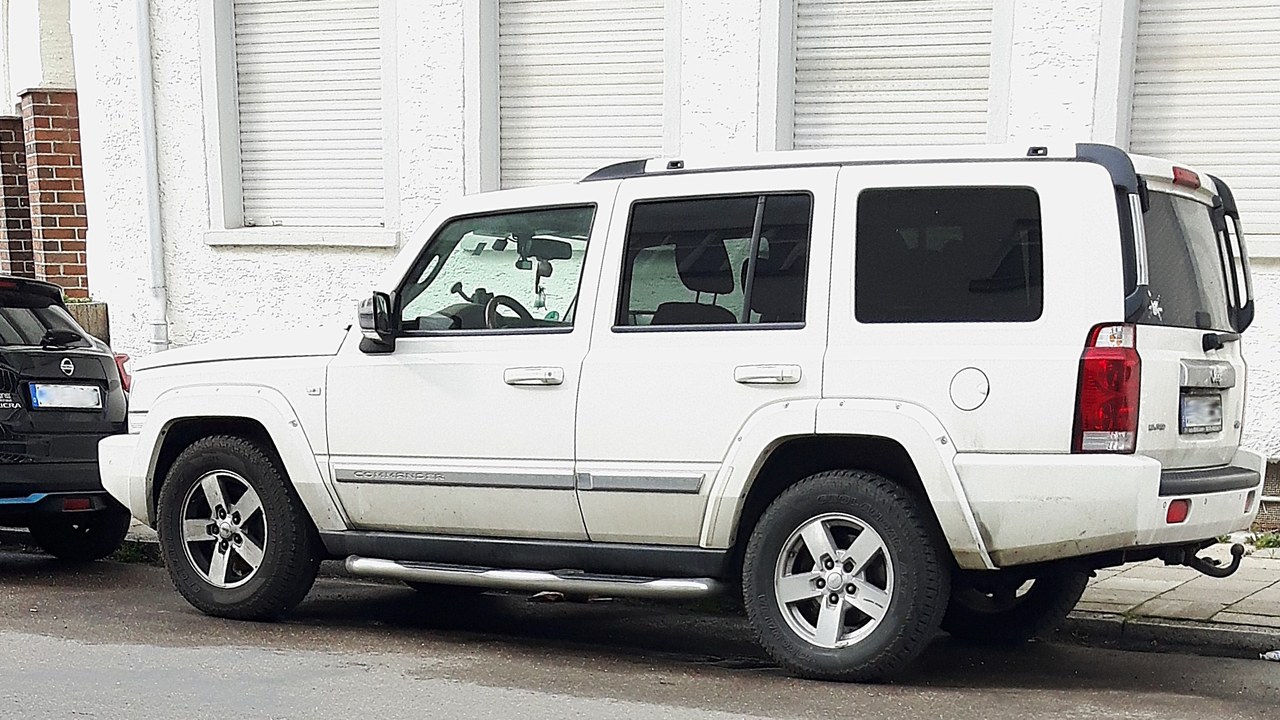
The Jeep Commander was built from 2005 to 2010 on the Grand Cherokee platform, with seven-passenger seating and a 360-hp Hemi option.
The Commander was Jeep’s attempt at a three-row family SUV with a squarer, more traditional look. It left the lineup after a short run, leaving the Grand Cherokee to handle the brand’s mainstream SUV demand. Used Commanders are generally inexpensive today, and buyers interested in the Hemi version should consider fuel use and maintenance history before deciding.
5. Chevrolet K5 Blazer: Blazer Becomes Tahoe
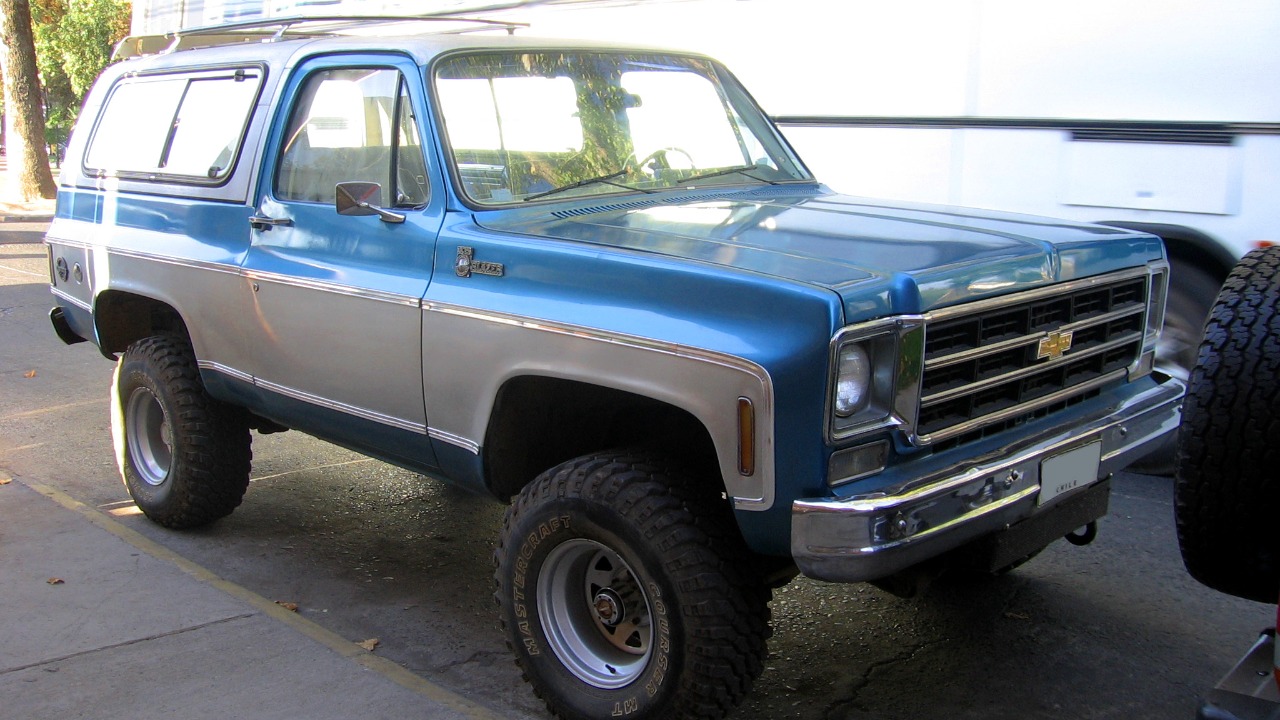
The full-size Chevrolet Blazer ran from 1969 until it was renamed Tahoe in 1995, as the K5 Blazer’s history explains.
The K5 was a short, removable-top truck wagon, and its basic idea lived on in a larger, more comfortable form. Few discontinued SUVs continued under a different name for so long, which makes this a rebrand more than a true loss. Collectors value the K5 for its simple styling and removable top, and clean examples have become sought after among fans of vintage trucks.
6. Suzuki Samurai: Safety Verdict Sank It
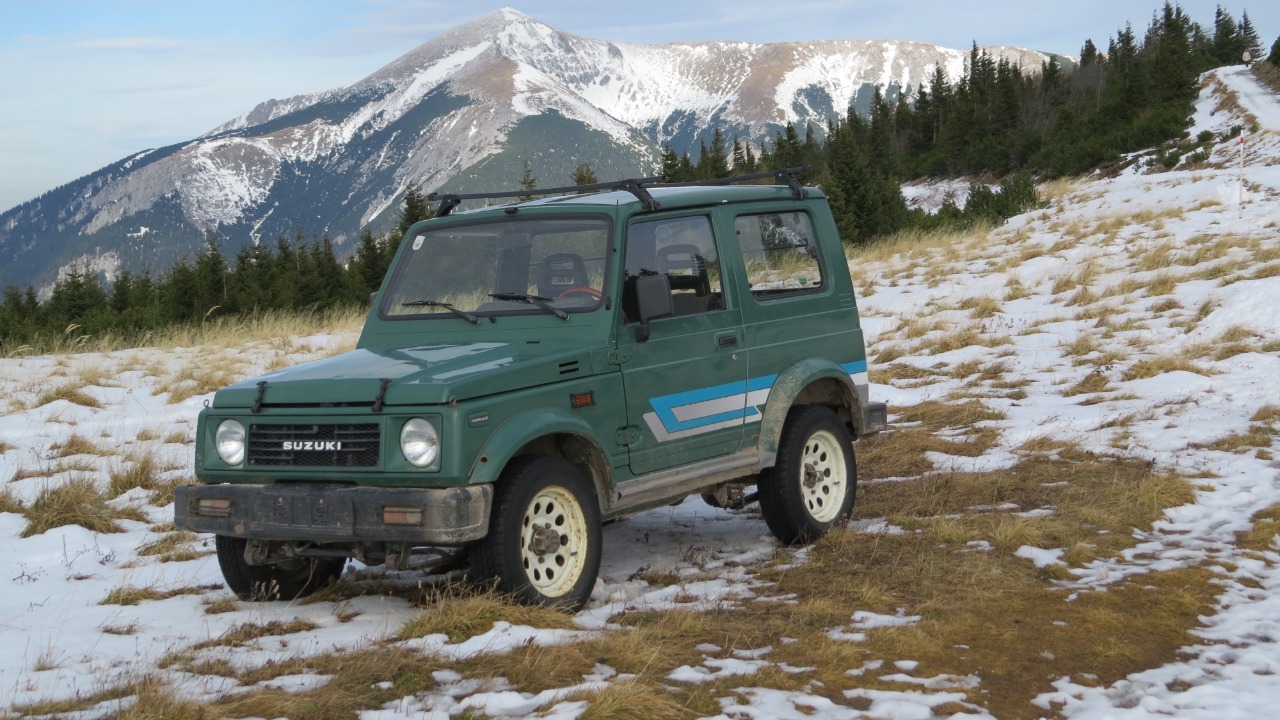
The Suzuki Samurai launched at $6,200 and sold 47,000 in its first year before Consumer Reports called it unsafe in 1988.
The Samurai was a small, inexpensive off-roader that found quick popularity. Its story is a reminder that a low price and early sales success offered little protection once public concern about its stability took hold. Collectors and enthusiasts still debate whether the criticism was fair, but the episode shaped the vehicle’s public image permanently and hurt the brand’s standing.
7. Toyota FJ Cruiser: Retro Cruiser Retired
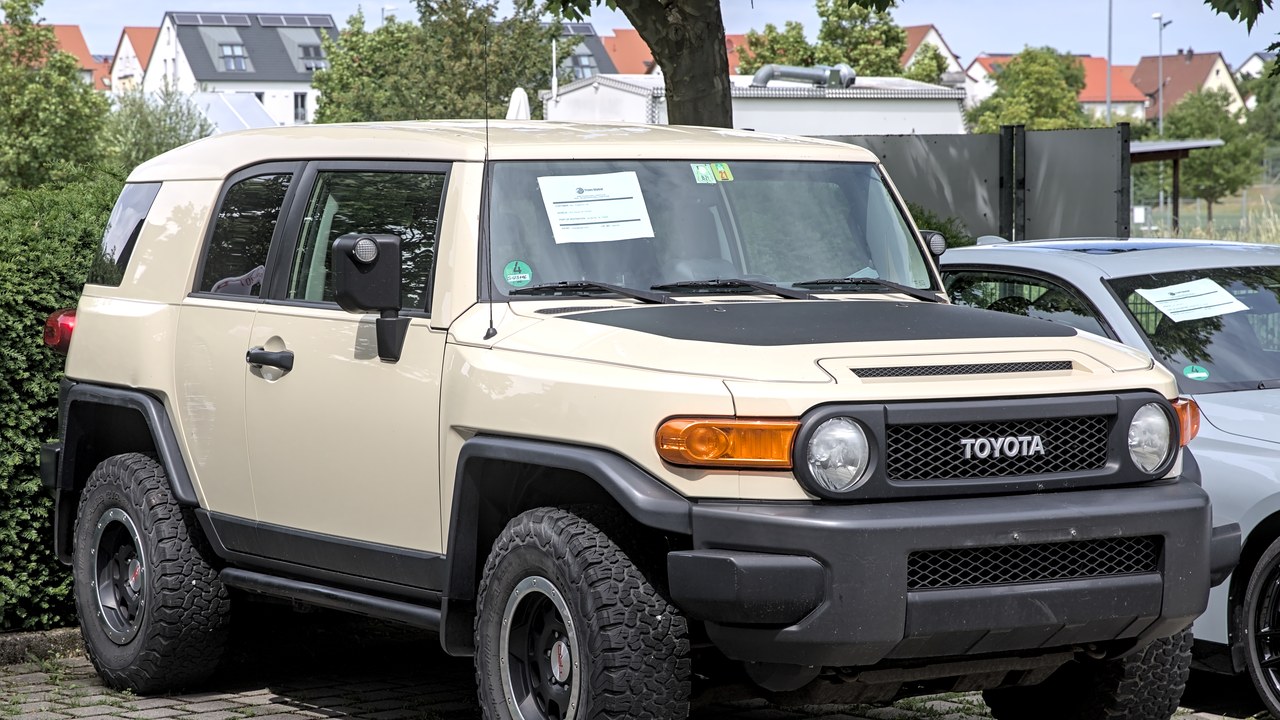
The retro 4Runner-based FJ Cruiser sold in the United States from the 2007 model year until 2014, according to Autotrader’s revival list.
The FJ Cruiser borrowed its look from older Toyota off-roaders and developed a loyal following. Its used prices and continued popularity are the reason it regularly appears on lists of SUVs that deserve a return. Shoppers interested in a used FJ should expect strong demand and firm pricing, since the vehicle’s following has not faded since production ended.
8. Nissan Xterra: Frontier-Based Trail Rig
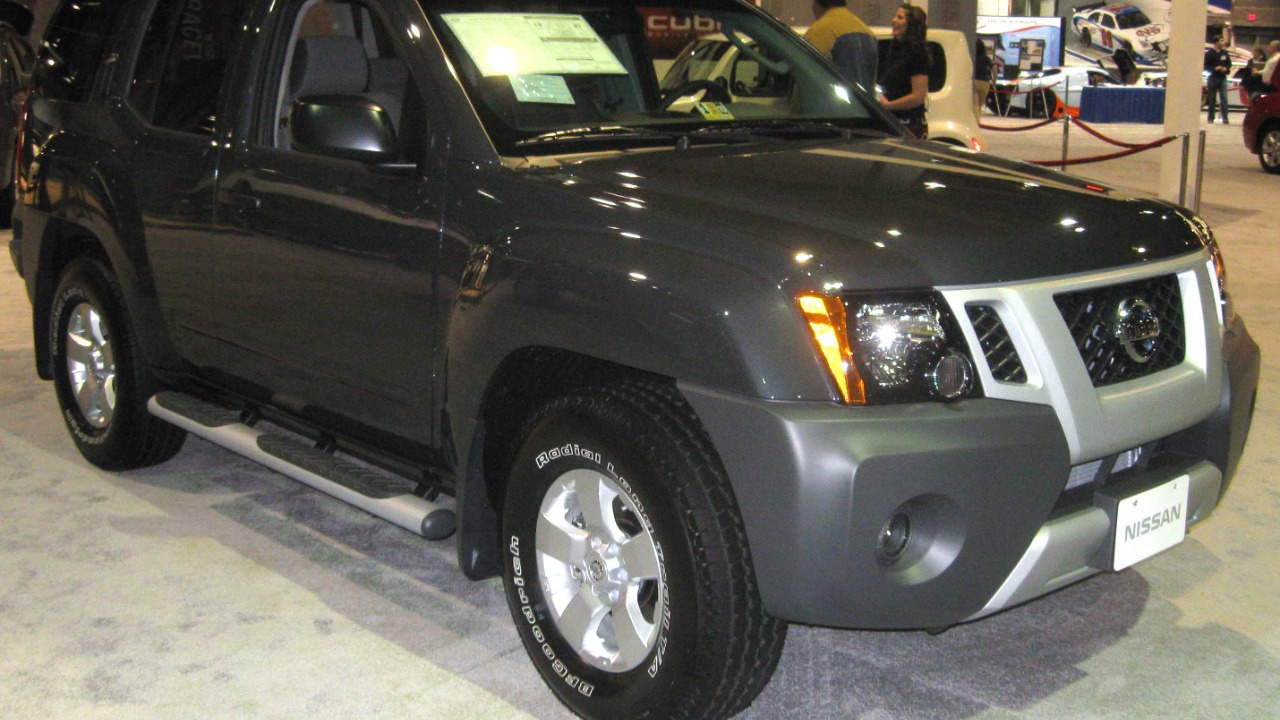
The Frontier-based Nissan Xterra debuted for 2000 and was dropped by 2015, as noted in Autotrader’s discontinued SUV list.
The Xterra was marketed to outdoor enthusiasts, with roof racks and rugged finishes as selling points. Its truck underpinnings made it practical off-road, and its departure left a gap among affordable, no-frills adventure SUVs. Used Xterras remain popular with outdoor enthusiasts, and buyers should look closely at the maintenance record, frame condition and any off-road wear.
9. Mitsubishi Montero: Montero Pulled for Low Sales
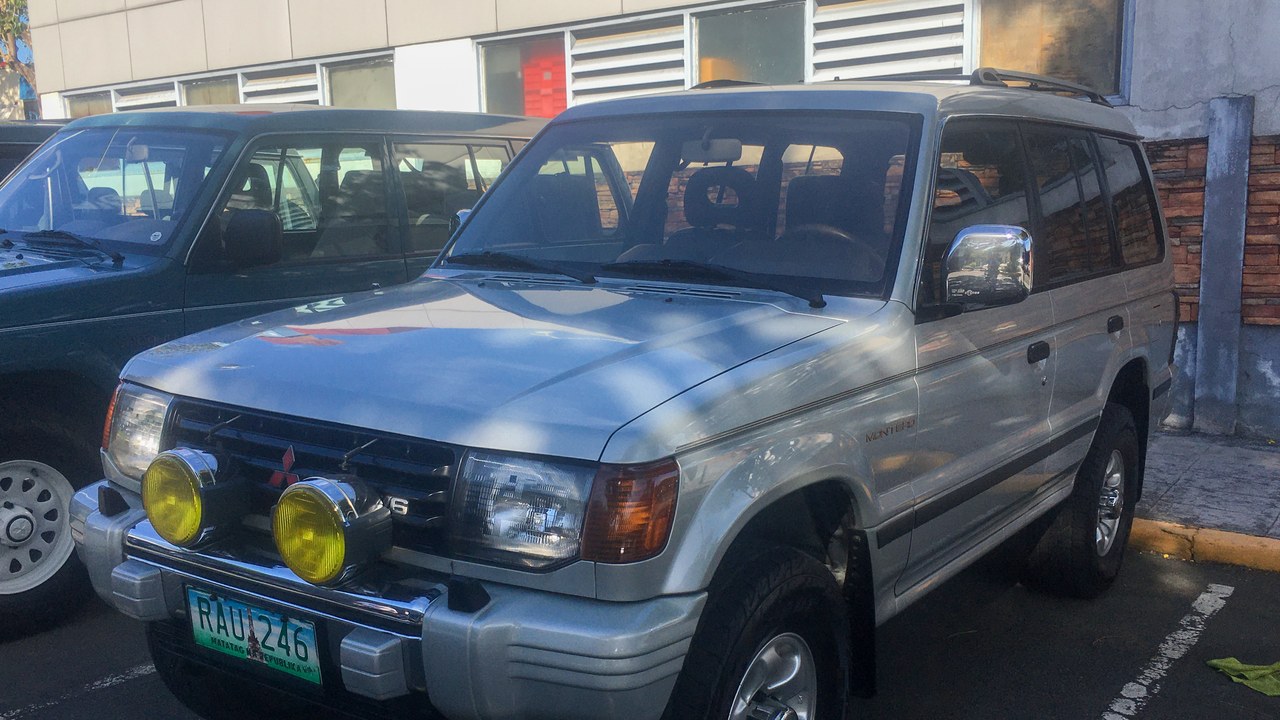
Mitsubishi pulled the Montero from the United States after 2006, citing low sales.
The Montero was a long-running truck-based SUV with strong off-road credentials. Its removal marked the moment when buyers who valued rugged capability increasingly went elsewhere, and it reflected a narrowing Mitsubishi lineup. Used Monteros appeal to enthusiasts who value body-on-frame construction, though buyers should take care to check parts availability for an orphaned model. Because the decision followed weak demand, it says more about a changing market than about any flaw in the vehicle itself.
10. GMC Typhoon: Turbo Rarity
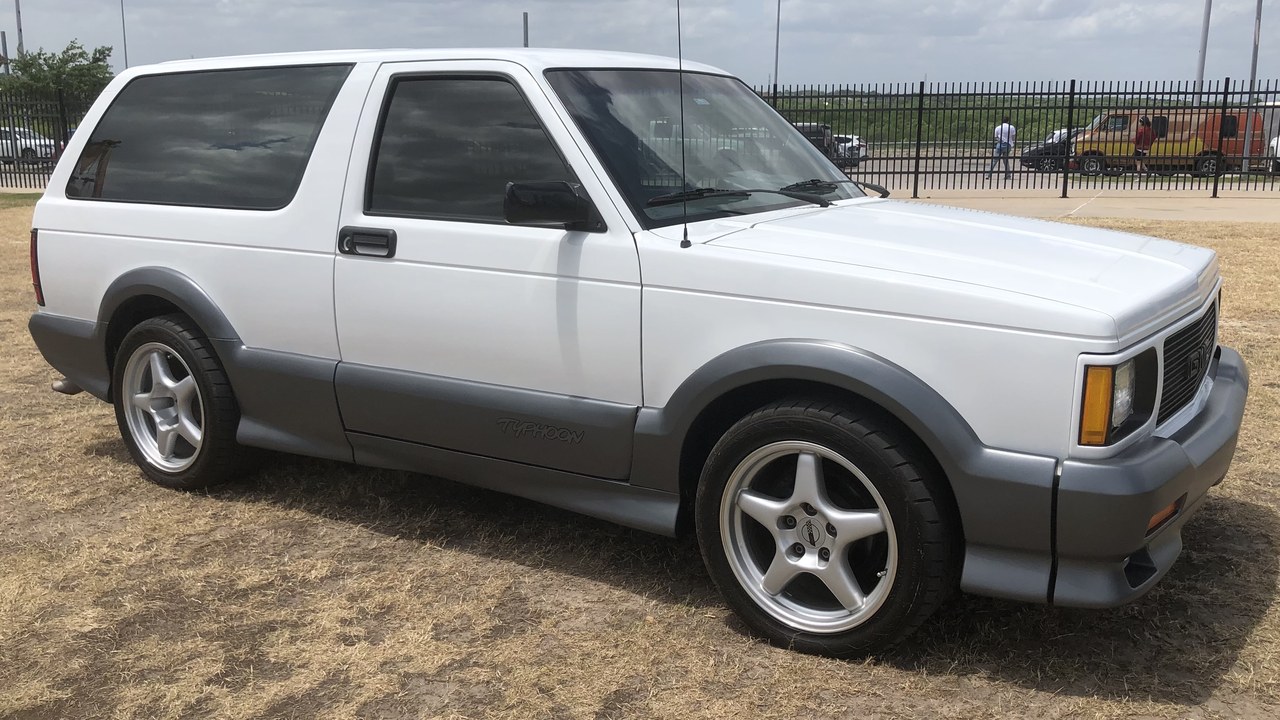
Fewer than 5,000 GMC Typhoons were built in 1992-1993, each with a 280-hp turbo V6.
The Typhoon was a compact performance SUV produced in very small numbers, which accounts for its collector appeal. It stands apart on this list as a model discontinued because it was a limited run, not because it failed. Its scarcity and performance are why it commands attention at collector events, and prospective buyers should expect limited supply and careful inspection needs.
11. Honda Element: Boxy Honda Departs
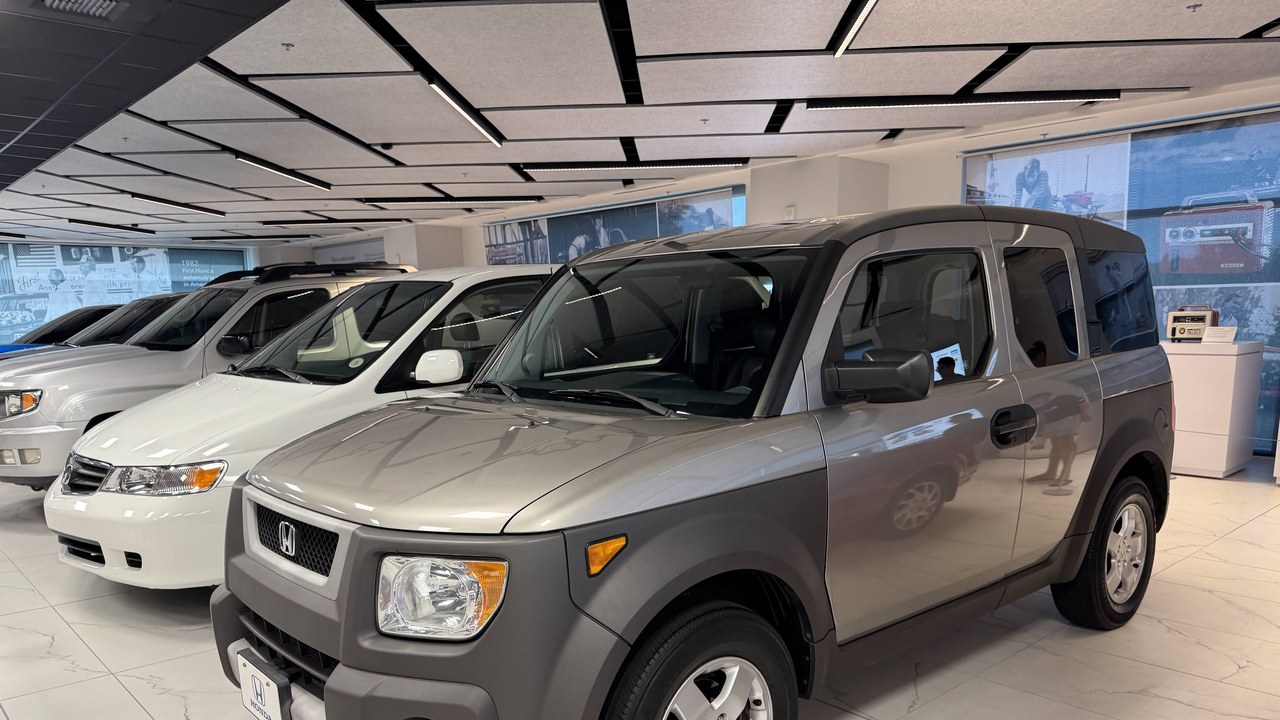
Honda’s boxy Element was built from 2003 to 2011, according to Driving Line’s comeback list.
The Element had an unusual shape and a utilitarian interior meant for active owners. Its quirky design polarized buyers, which may explain both its dedicated fans and a production run that ended after only a single generation. The Element has built a lasting cult following, and used examples are often chosen for utility, so condition and rust checks matter for prospective owners.
12. Chevrolet TrailBlazer: A Name Moved On
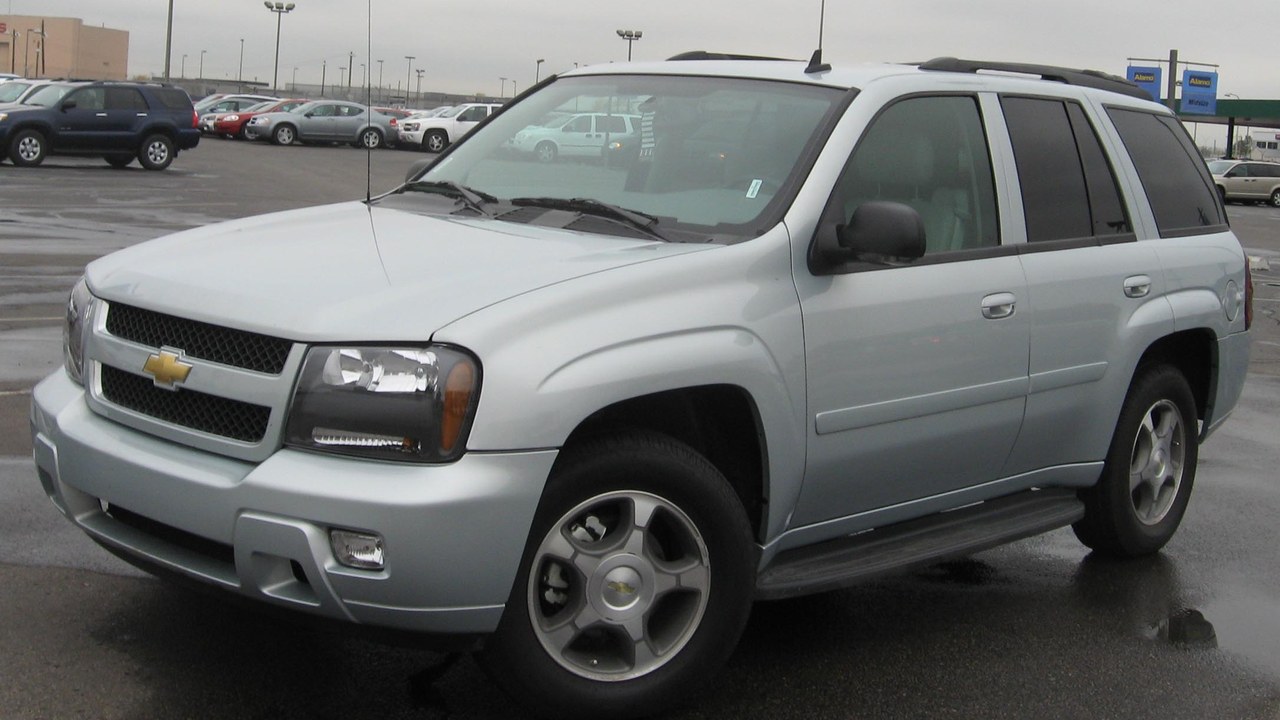
The GMT360 Chevrolet TrailBlazer ran from 2002 to 2009 before the name moved to an unrelated crossover.
The original TrailBlazer was a conventional truck-based mid-size SUV. Its replacement kept the badge but little else, so shoppers who recall the name should be aware that the later vehicle belongs to a different category. Used shoppers should be careful to separate the older and newer vehicles carrying the name, since the two share little beyond the badge.
AI, explained every day: Get The Deep View →
We may earn a commission if you sign up.
More from Morning Overview
- Lake Powell sank to a record 3,517 feet, nearing the level that stops Glen Canyon Dam’s turbines
- Seven of Earth’s nine planetary boundaries are breached, and all seven are worsening
- The NSA says three phone features should be off whenever you aren’t using them
- Hurricane Hunter radar shows four warning signs that a tropical cyclone is about to strengthen, a University of Miami study found
