
Automakers rarely make noise when a model leaves the catalog, so plenty of once-familiar SUVs slipped away with barely a press release. Some were bestsellers past their prime, others cult favorites that never fit the balance sheet, and a few simply lost their showroom slot to a fresher badge. Here are nine that quietly disappeared.
1. Toyota Land Cruiser (200 series): Priced Out Of The Lineup
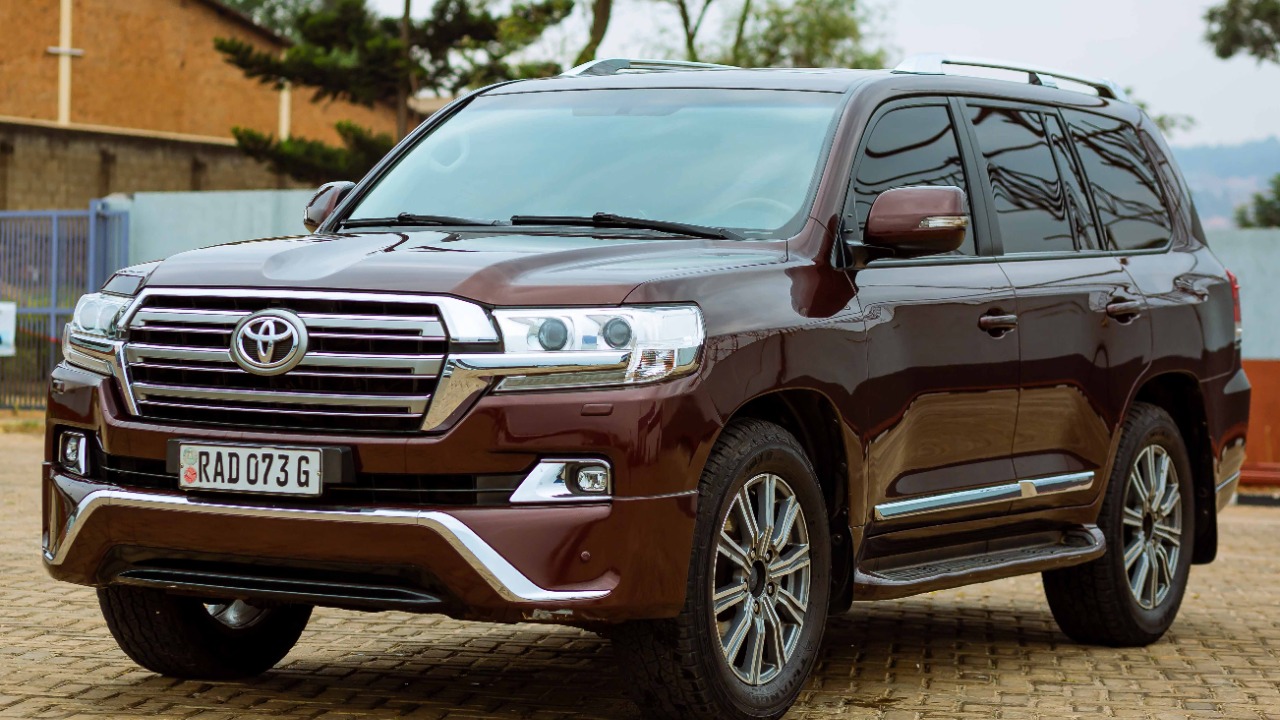
The 200-series Land Cruiser had grown into a heavyweight luxury off-roader with a price tag that pushed well past sixty thousand dollars, and buyers steadily migrated toward the closely related Lexus LX and Toyota’s own truck-based SUVs. Toyota pulled the nameplate from the American Toyota showroom lineup rather than keep selling a low-volume flagship. The move looked like a permanent goodbye at the time, closing out decades of continuous availability in the United States.
The exit proved temporary. Toyota later revived the Land Cruiser name on a smaller, more affordable platform aimed at a wider audience, which suggests the original disappearance was about pricing and positioning rather than any lack of demand for the badge itself.
2. Ford Flex: The Box That Never Caught On
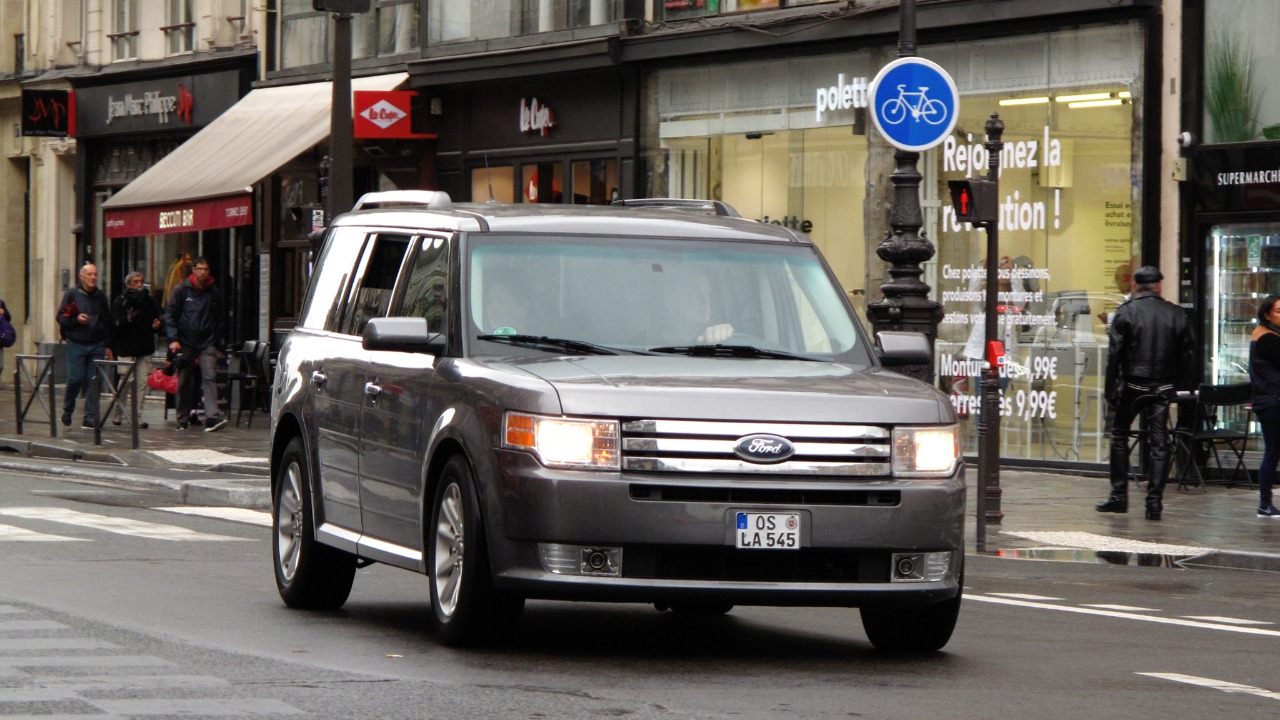
The Flex stood out with a low, squared-off silhouette that looked more like a stretched wagon than a typical tall crossover, and that distinctive shape earned admirers without ever winning big sales numbers. As Ford reshaped its lineup around more conventional utility vehicles, the aging three-row model lost its place and was quietly discontinued. Production ended at the Oakville assembly plant without much fanfare.
The Flex kept a loyal following among families who valued its roomy, easy-to-load cabin and unmistakable styling. Its departure reflected a broader industry pattern of trimming slow sellers, even likable ones, to focus resources on higher-volume nameplates.
3. Dodge Journey: Left Unchanged Until The End
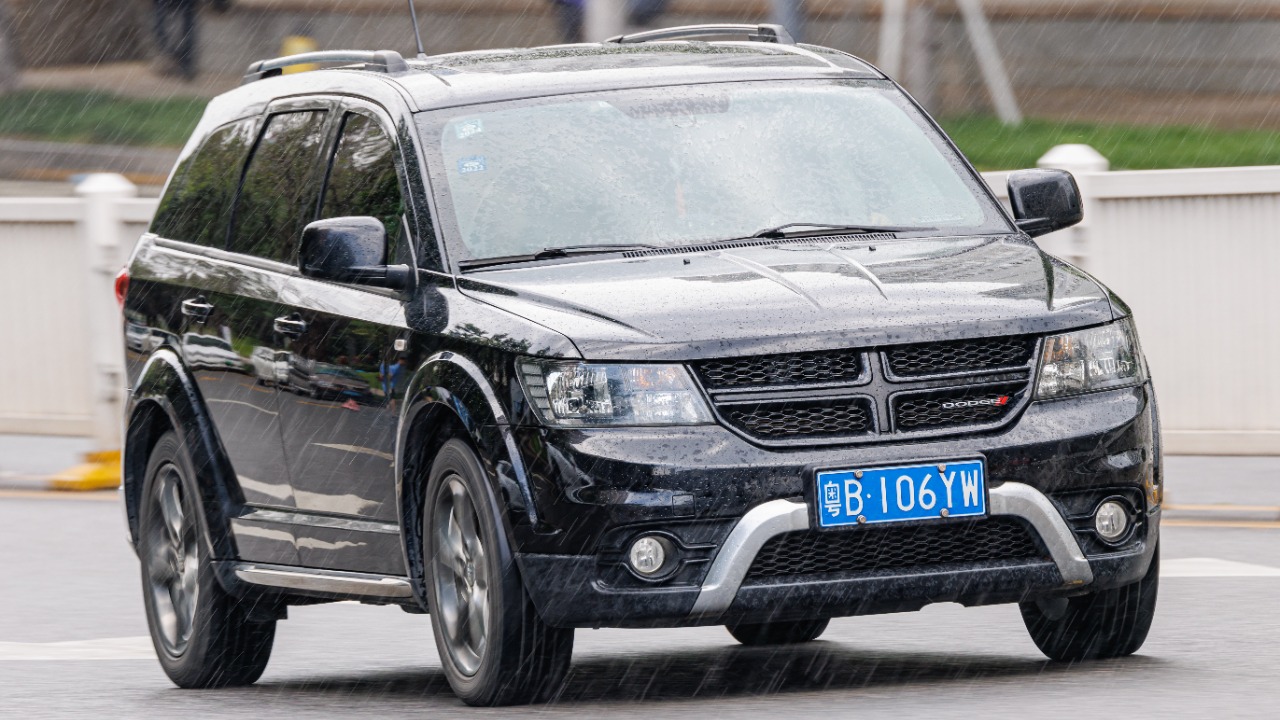
The Journey soldiered on for years with only minor updates, becoming one of the oldest designs in its segment while rivals cycled through full redesigns. Its main appeal was a low sticker price and available third-row seating, which kept it moving as a budget family option. Eventually Dodge ended Journey production as the model finally aged out.
Buyers who wanted maximum space for the money lost an easy pick when it left. The Journey’s long run showed how a dated but cheap crossover can linger, yet its eventual quiet cancellation underscored that even value alone cannot keep a model on sale forever.
4. Chevrolet Trax (first generation): Retired Before The Reboot
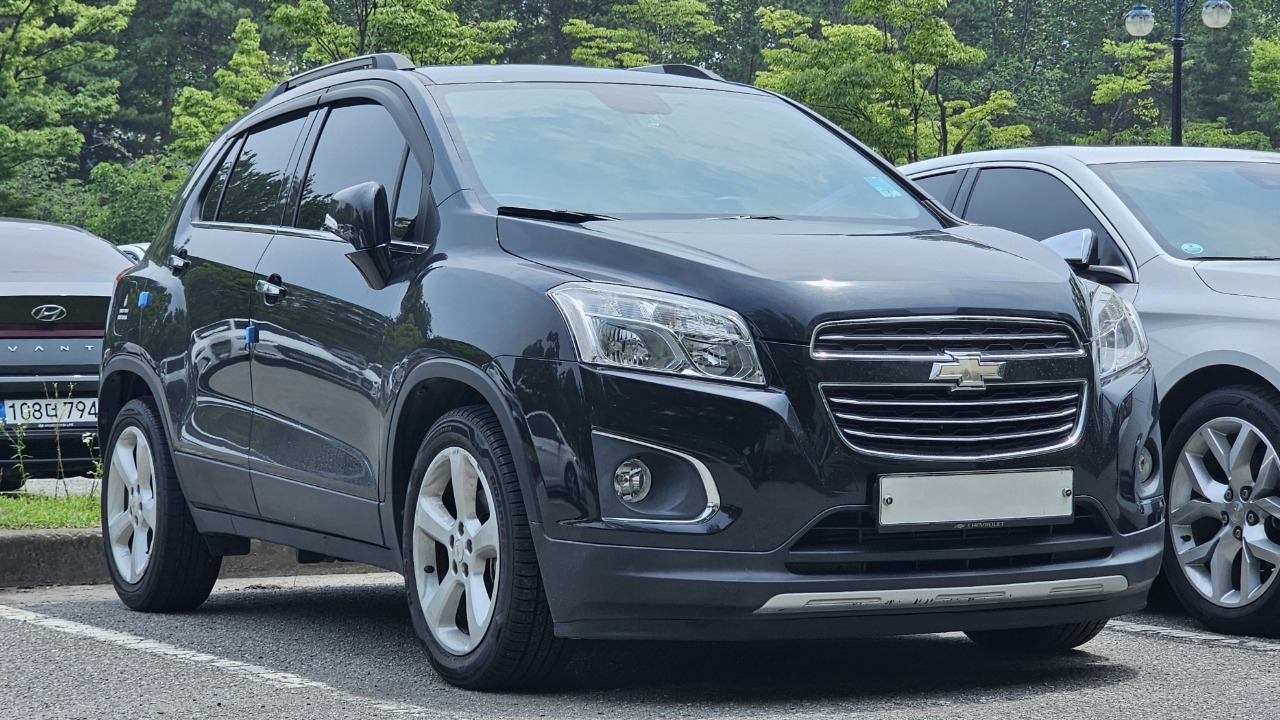
The original Trax was a compact, tall-riding subcompact crossover that gave Chevrolet an affordable entry point below the Equinox, and it sold in respectable numbers for years. When the automaker prepared a dramatically larger and lower redesign, the first-generation version was discontinued to clear the way. The changeover is documented in the model’s Trax generation history.
Because the nameplate returned so quickly, the first-generation Trax faded from showrooms with little ceremony. Its retirement was less an ending than a handoff, but the tall, stubby original still vanished as a distinct vehicle in its own right.
5. Nissan Xterra: A Rugged Favorite Retired
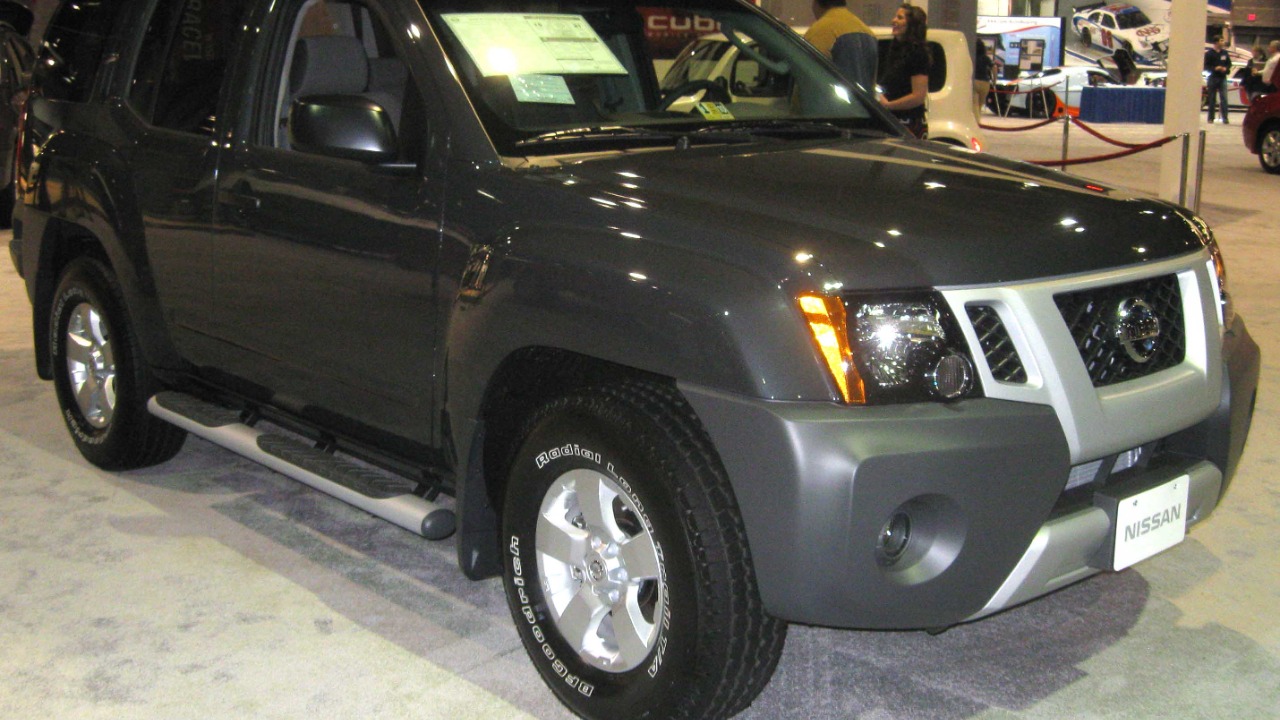
The Xterra built a reputation as an honest, body-on-frame off-roader with real trail capability and a no-nonsense interior that owners could hose out after a muddy weekend. Tightening emissions and safety standards, plus the cost of keeping an older truck-based design compliant, made the business case hard to justify. Nissan ended Xterra sales without a direct replacement.
Enthusiasts still lament its disappearance, since few affordable, genuinely rugged SUVs took its place. The Xterra’s exit captured how rising standards and shifting priorities can quietly retire a beloved, purpose-built vehicle that never had a modern successor.
6. Toyota FJ Cruiser: Cult Status Was Not Enough
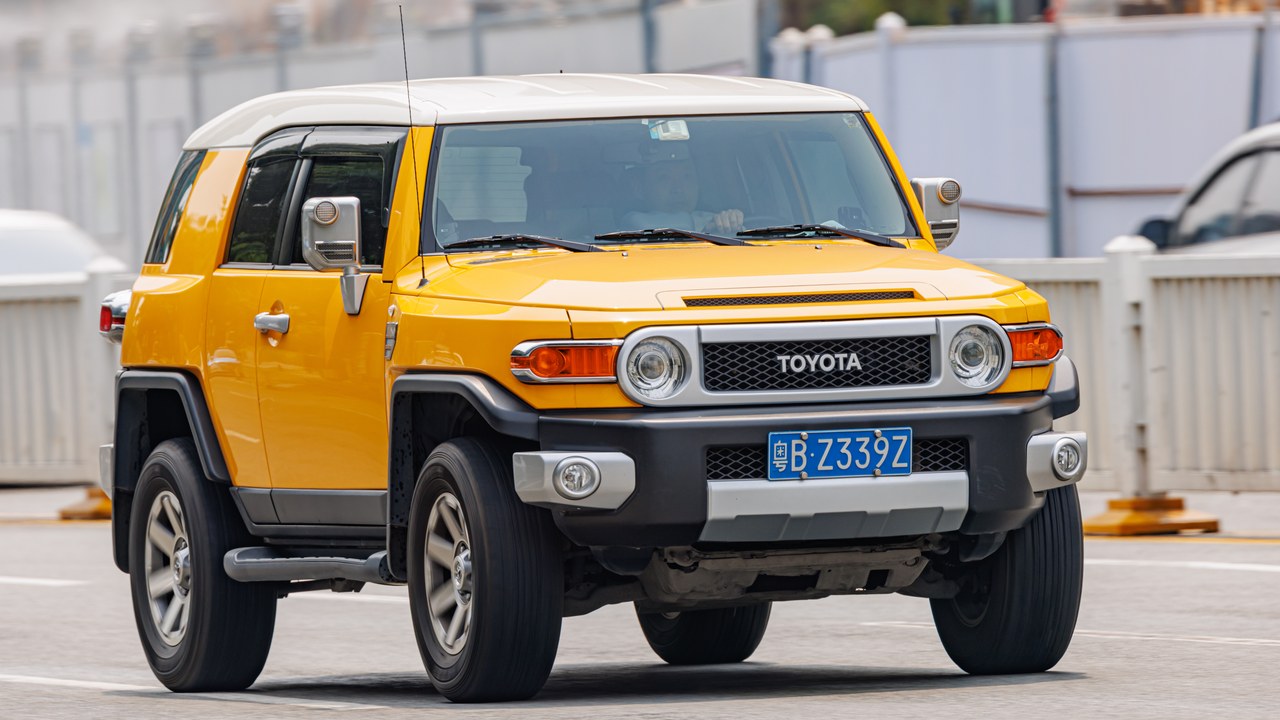
The FJ Cruiser channeled the classic Land Cruiser with retro styling, a wraparound rear window, and serious off-road hardware that made it a favorite among adventurers. Its quirky shape came with compromises, including tight rear visibility and awkward access, and sales cooled as the novelty wore off. Toyota wound down the FJ Cruiser run despite its devoted base.
Used examples now command strong resale prices, a sign the enthusiasm never really faded. The FJ Cruiser proved that a passionate following does not always translate into the steady volume an automaker needs to keep a specialized model in production.
7. Honda Element: Boxy Utility Fell Out Of Favor
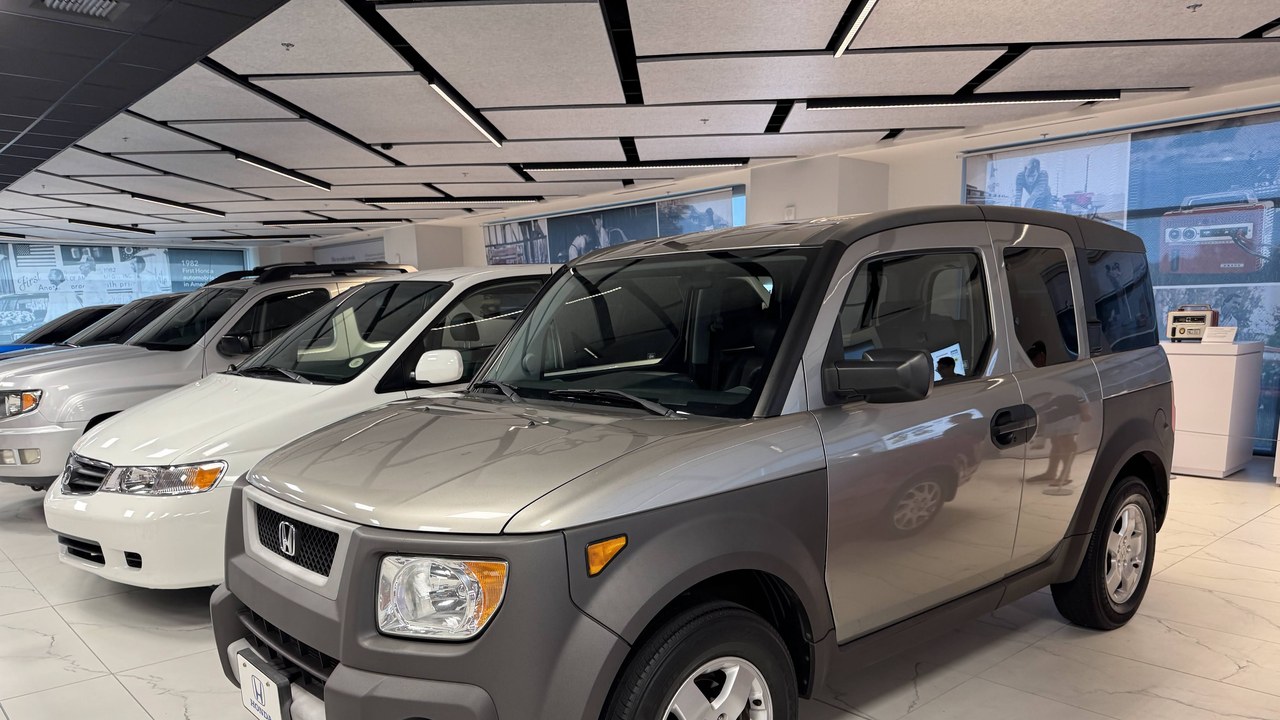
The Element wore an upright, van-like body with clamshell rear doors, waterproof-style flooring, and flexible seating aimed at active, gear-hauling buyers. That practical, unconventional design drew a cult audience, but its polarizing looks and narrow appeal kept volumes modest. Honda quietly discontinued the model, and its story is captured in the Element production record.
Fans still prize surviving examples for their durability and cavernous, easy-to-clean cabins. The Element’s quiet exit showed how a genuinely useful but niche design can win passionate owners while still failing to earn the mainstream sales a lineup slot demands.
8. Mitsubishi Endeavor: Faded Quietly From The Lineup
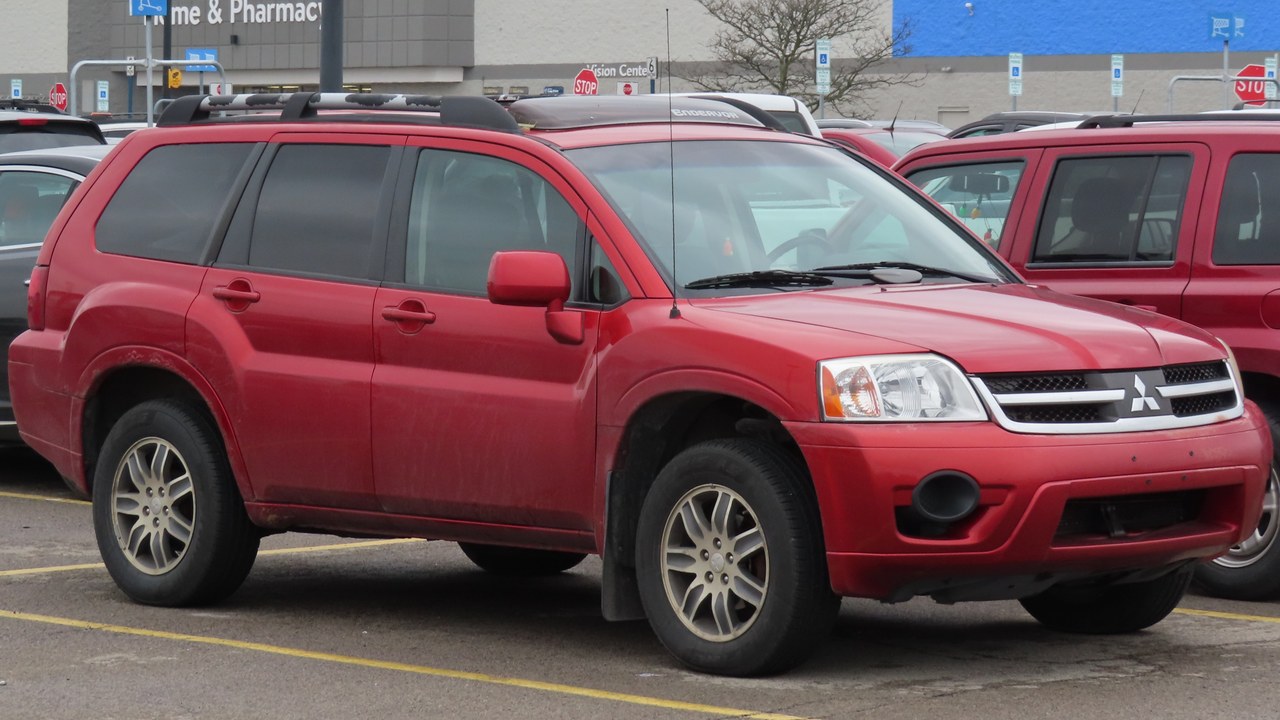
The Endeavor was a midsize crossover that arrived with bold styling and car-based ride comfort, positioning Mitsubishi against far better-known competitors. It never gained much traction in a crowded segment, and limited updates left it looking dated as rivals advanced. The company eventually let the model lapse, as reflected in the Endeavor model overview.
Its departure barely registered outside dedicated Mitsubishi circles. The Endeavor illustrates how a competent but low-profile SUV can slip out of showrooms almost unnoticed when it lacks the brand pull or steady investment to stand out.
9. Ford Explorer Sport Trac: Half SUV, Half Pickup, Now Gone
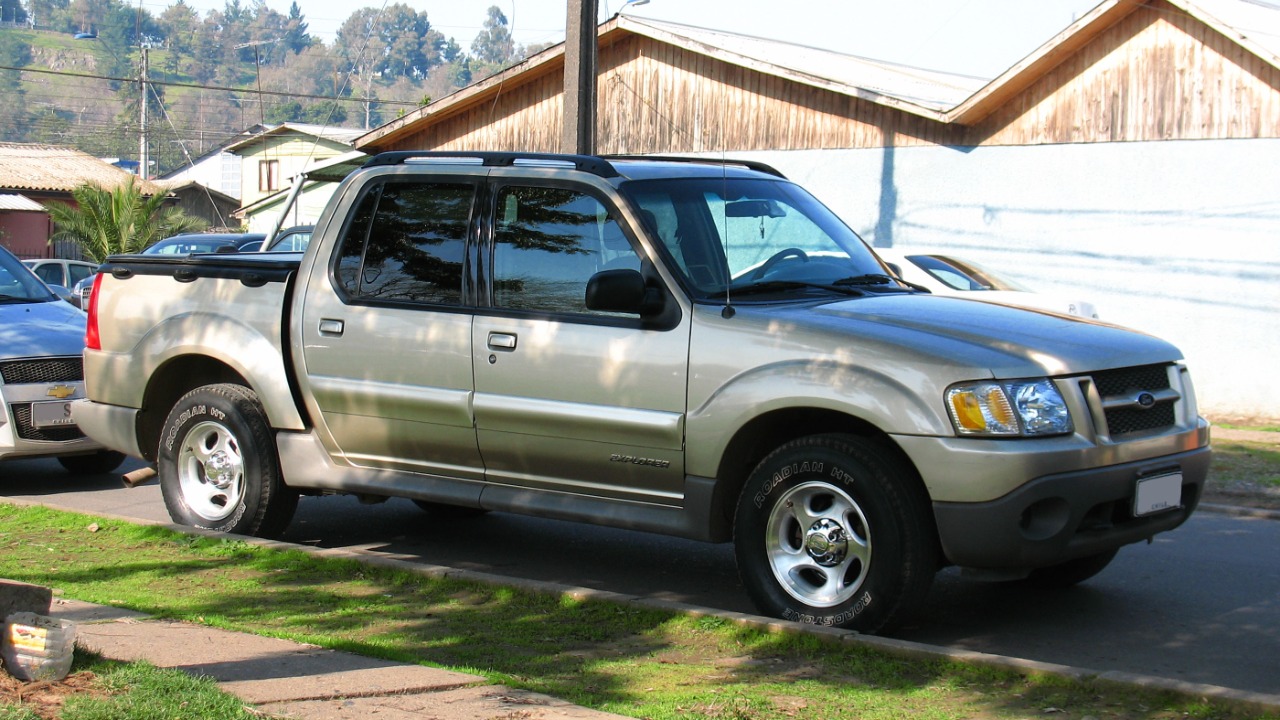
The Explorer Sport Trac blended an SUV cabin with a short open pickup bed, giving buyers weekend hauling ability without stepping up to a full-size truck. That crossover concept had a following, but demand for the mid-size pickup-SUV hybrid stayed narrow as dedicated trucks and roomier SUVs improved. Ford dropped the Sport Trac variant years ago.
Its disappearance left a small gap for shoppers who wanted a modest bed and comfortable passenger space in one package. The Sport Trac remains a reminder that clever hybrid formats do not always find a large enough audience to survive.
More from Morning Overview
