
Winter turns ordinary commutes into slow, cautious crawls, and not every all-wheel-drive option comes wrapped in an SUV body. Sedans and wagons with all-wheel drive keep a lower center of gravity and often better fuel economy than a taller crossover, without giving up traction when the pavement turns slick. Here are nine sedans and wagons that pair everyday practicality with all-wheel grip built for icy roads.
1. Subaru Impreza: Standard Grip, No Upcharge

Every Subaru Impreza trim ships with Symmetrical All-Wheel Drive, a layout built around a low, flat boxer engine rather than a conventional tilted inline engine. A viscous-coupling center differential continuously feeds power to all four wheels, shifting the front-to-rear split automatically as traction changes underfoot. The EPA drivetrain record lists all-wheel drive across the Impreza’s full trim range.
Because the system is standard rather than optional, shoppers do not have to climb to a pricier trim to get it, keeping the compact sedan’s entry price close to front-wheel-drive rivals. All-wheel drive improves traction off the line and through turns, though winter tires still matter more than the drivetrain once ice is underfoot.
2. Subaru Legacy: Midsize Room, Same System
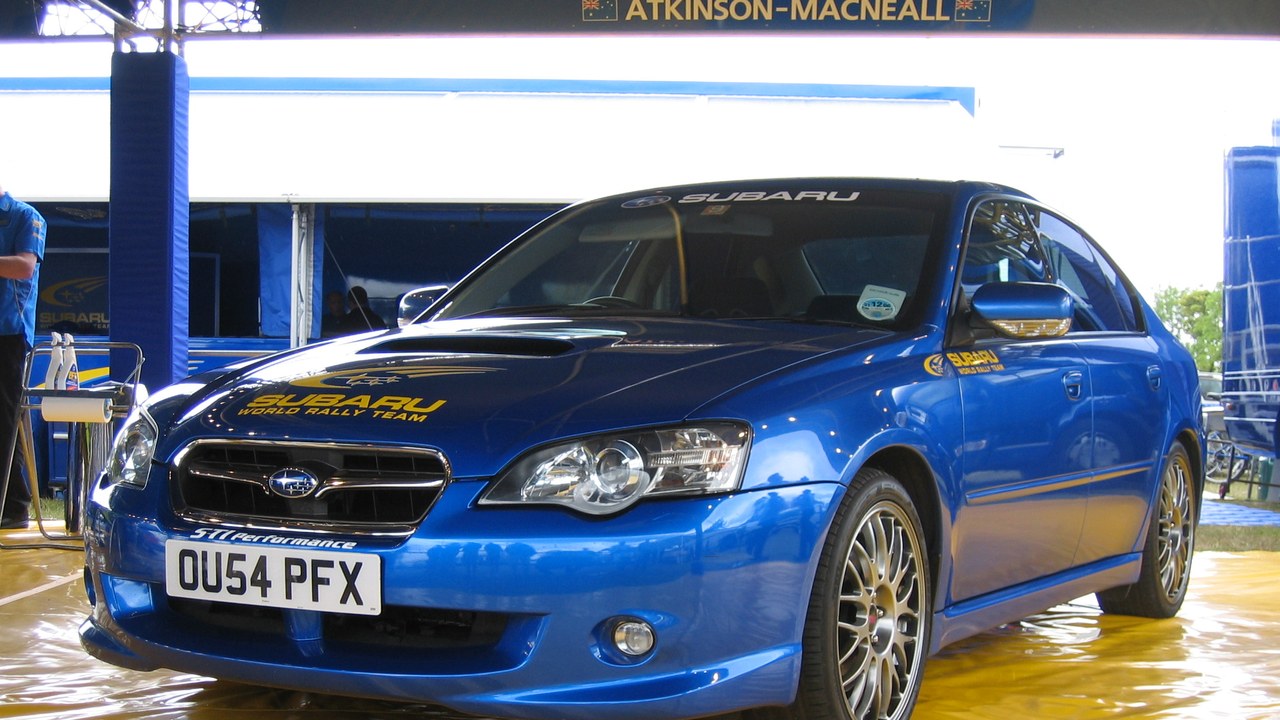
The Subaru Legacy carries the same Symmetrical All-Wheel Drive architecture into a larger, midsize body, routing power through a viscous-coupling center differential that adjusts the front-rear torque split without driver input. The sedan’s boxer engine keeps its mass low and centered, which Subaru says helps stability when a wheel loses grip. The fueleconomy.gov listing confirms AWD is standard on every Legacy trim.
That standard status matters for buyers who want extra cabin and trunk space without giving up the traction of the smaller Impreza. The system helps the car accelerate and corner more securely on snow-covered pavement, but stopping distances still depend on tire grip rather than the drivetrain.
3. Subaru WRX: Rally-Derived Torque Control
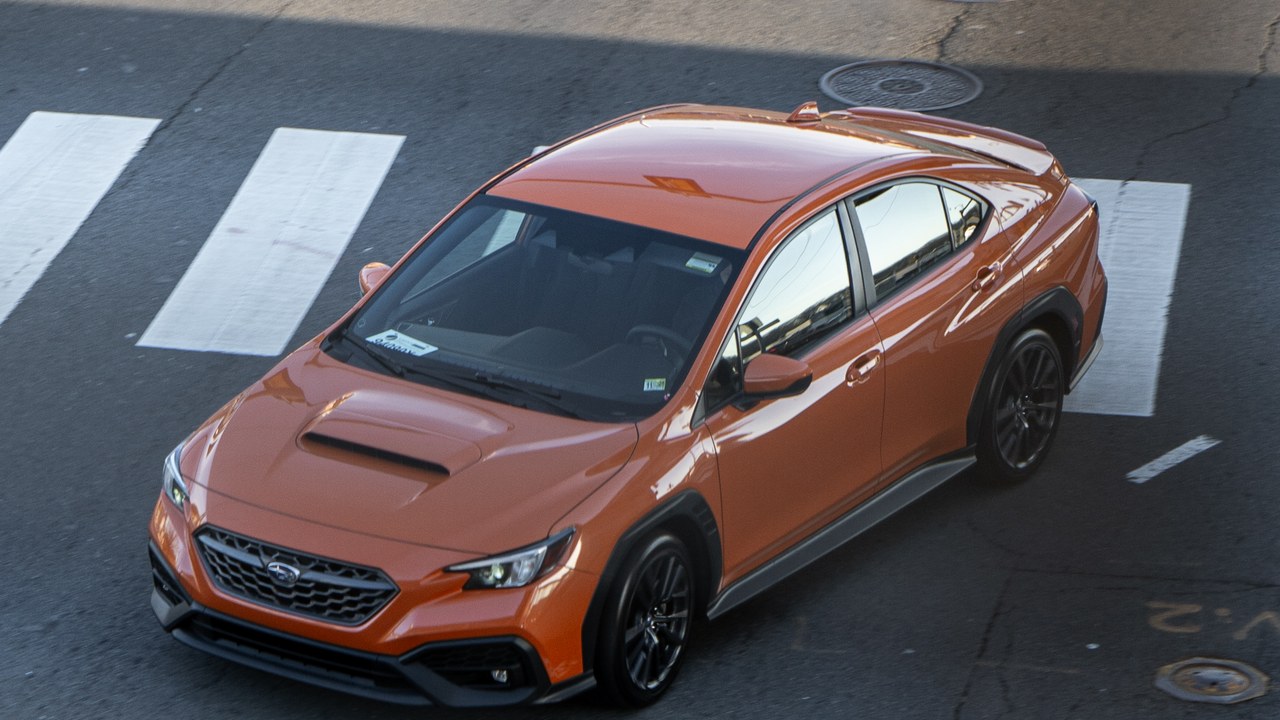
The Subaru WRX uses a performance-tuned version of Symmetrical All-Wheel Drive, developed from the brand’s rally racing program, with the torque split calibrated differently depending on transmission choice. Manual-equipped cars use a viscous-coupling limited-slip center differential, while the CVT-equipped WRX adds a Variable Torque Distribution system that actively manages front-to-rear power delivery. The EPA fuel economy page lists all-wheel drive as standard across WRX trims.
That heritage gives the WRX sharper handling responses than a typical commuter AWD system, which can help when a snowy on-ramp turns into an impromptu traction test. The performance focus does mean firmer suspension tuning, a tradeoff buyers should weigh against the more comfort-oriented sedans on this list.
4. Audi A4: Quattro’s Torsen Split
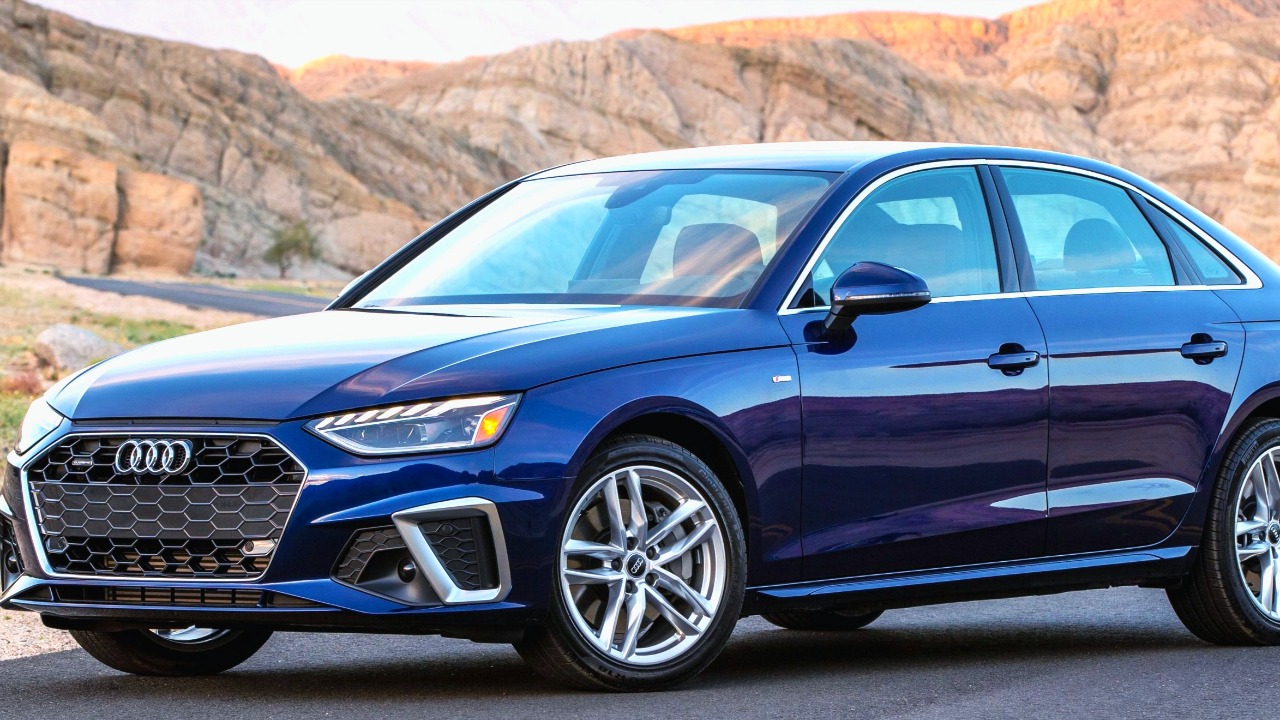
The Audi A4 offers quattro all-wheel drive, a system that in its longitudinal-engine form uses a self-locking Torsen center differential to divide torque between the front and rear axles without electronic input, biasing power toward whichever end has grip. Entry trims can instead run a front-wheel-drive-based ultra system that engages the rear axle only when needed to save fuel. The EPA drivetrain data shows quattro availability across current A4 trims.
Because quattro is tied to trim and engine choice rather than universal across the lineup, shoppers who want all-wheel drive should confirm it on the specific configuration under consideration. The mechanical center differential responds quickly to slip, a trait that has long defined Audi’s winter reputation.
5. Audi A6: Quattro Scaled Up
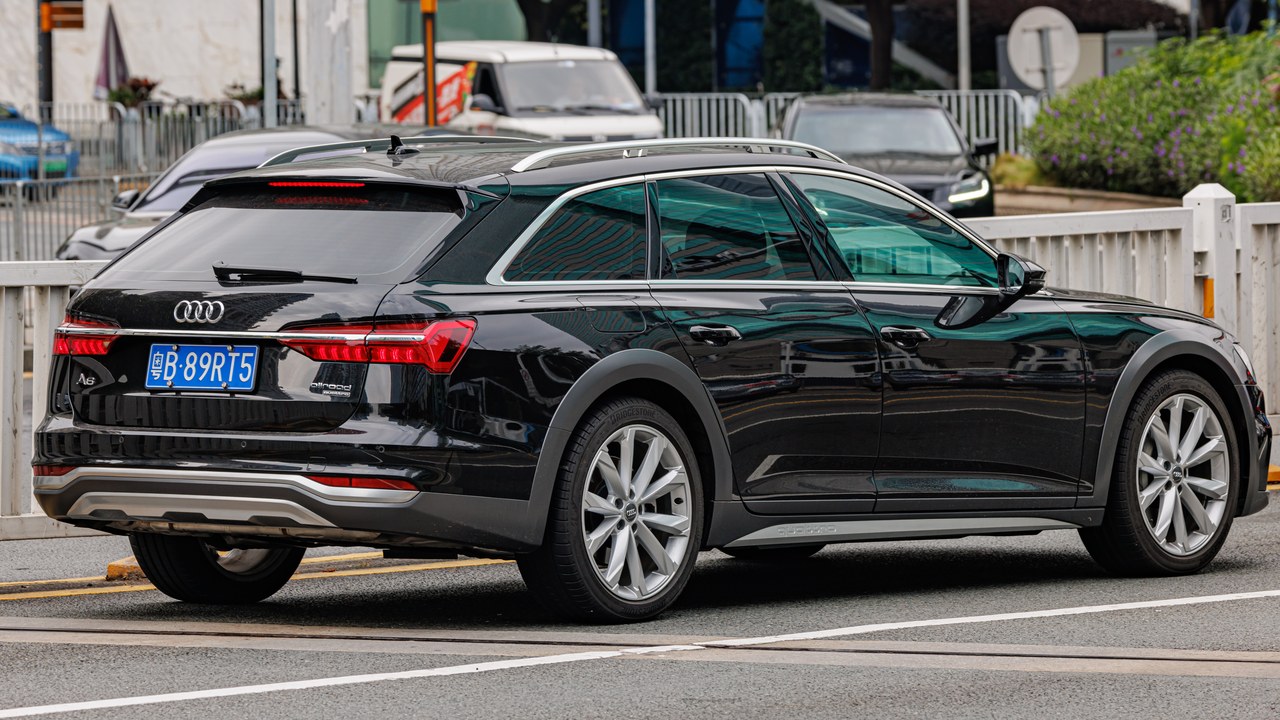
The Audi A6 extends the same quattro philosophy to a larger executive sedan, using a Torsen-based center differential that defaults to a larger share of torque toward the rear axle for balanced handling, then redistributes it toward whichever end has traction when a wheel begins to slip. The fueleconomy.gov record lists quattro all-wheel drive on the current A6 lineup.
The larger sedan carries more weight than the A4, so the mechanical center differential has more mass to manage once the road turns slick, though the underlying hardware is a scaled version of the same system. Buyers cross-shopping the two Audis are largely choosing size and price rather than a different approach to traction.
6. Toyota Camry: Electronic AWD Joins the Family Sedan

The Toyota Camry now offers Dynamic Torque Control All-Wheel Drive, an electronically controlled system that normally runs the car in front-wheel drive for efficiency, then uses an electromagnetic coupling to route a share of engine torque to the rear wheels once sensors detect slip. The EPA listing confirms AWD availability on the current Camry.
That on-demand approach lets the Camry keep fuel economy closer to its front-wheel-drive version most of the time, only calling on the rear wheels when conditions require it. It marks a shift for a nameplate that spent years as front-wheel-drive-only in the U.S. market.
7. Nissan Altima: Intuitive AWD on Select Trims
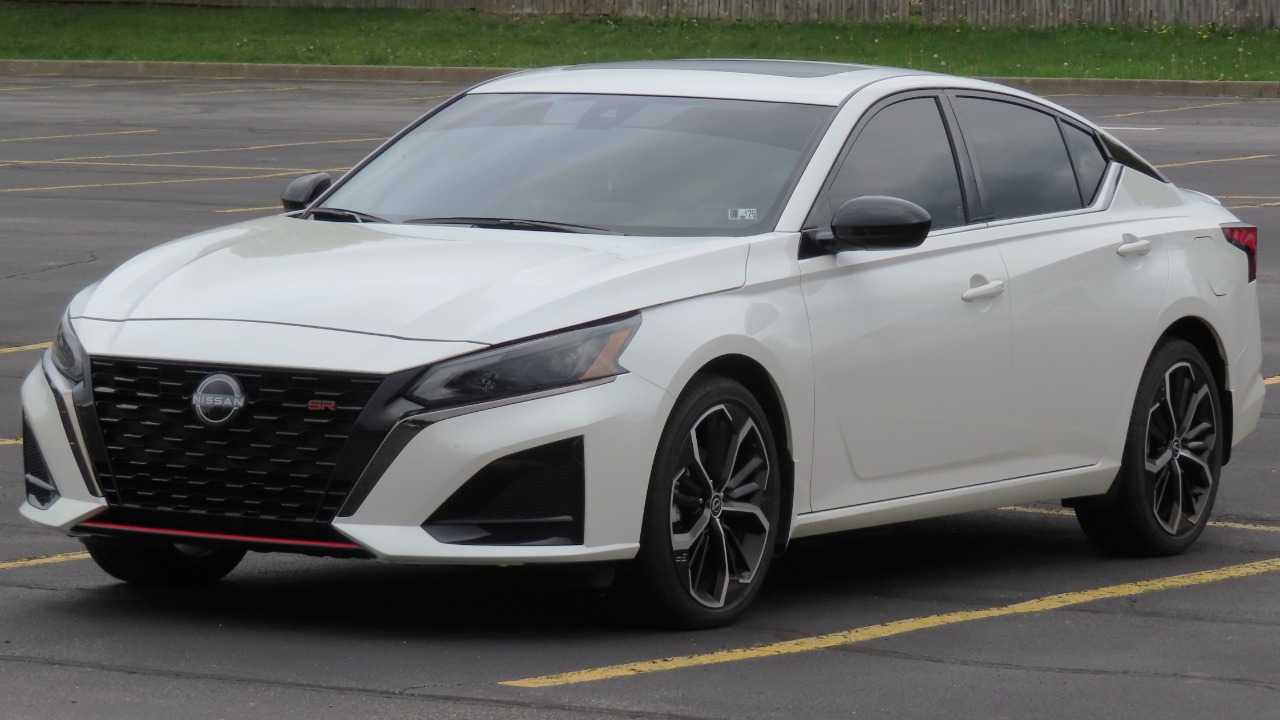
The Nissan Altima offers Intuitive All-Wheel Drive on select trims, an electronically managed system capable of shifting torque between the front and rear axles, and side to side across the rear axle, as it detects wheel slip. It remains one of the few midsize sedans in its class to offer all-wheel drive at all, rather than restricting the layout to crossovers. The fueleconomy.gov page lists AWD as available equipment on qualifying Altima trims.
Because the system is trim-dependent rather than universal, shoppers who specifically want winter traction should confirm AWD availability before settling on a configuration. The layout gives sedan buyers an alternative to trading down to a smaller crossover just to get all-wheel drive.
8. Genesis G70: HTRAC’s Adjustable Torque Split

The Genesis G70 offers all-wheel drive through the brand’s HTRAC system, which uses an electronically controlled multi-plate clutch to vary the front-rear torque split depending on driving mode and available grip, rather than relying on a fixed mechanical ratio. The EPA drivetrain listing shows AWD availability on the current G70 lineup.
That adjustability lets the sport sedan lean rearward for handling in dry conditions while shifting more torque forward once sensors detect a slippery surface. It gives buyers a winter-capable option in a segment still dominated by rear-wheel-drive-based rivals.
9. Mazda3: Predictive i-Activ AWD
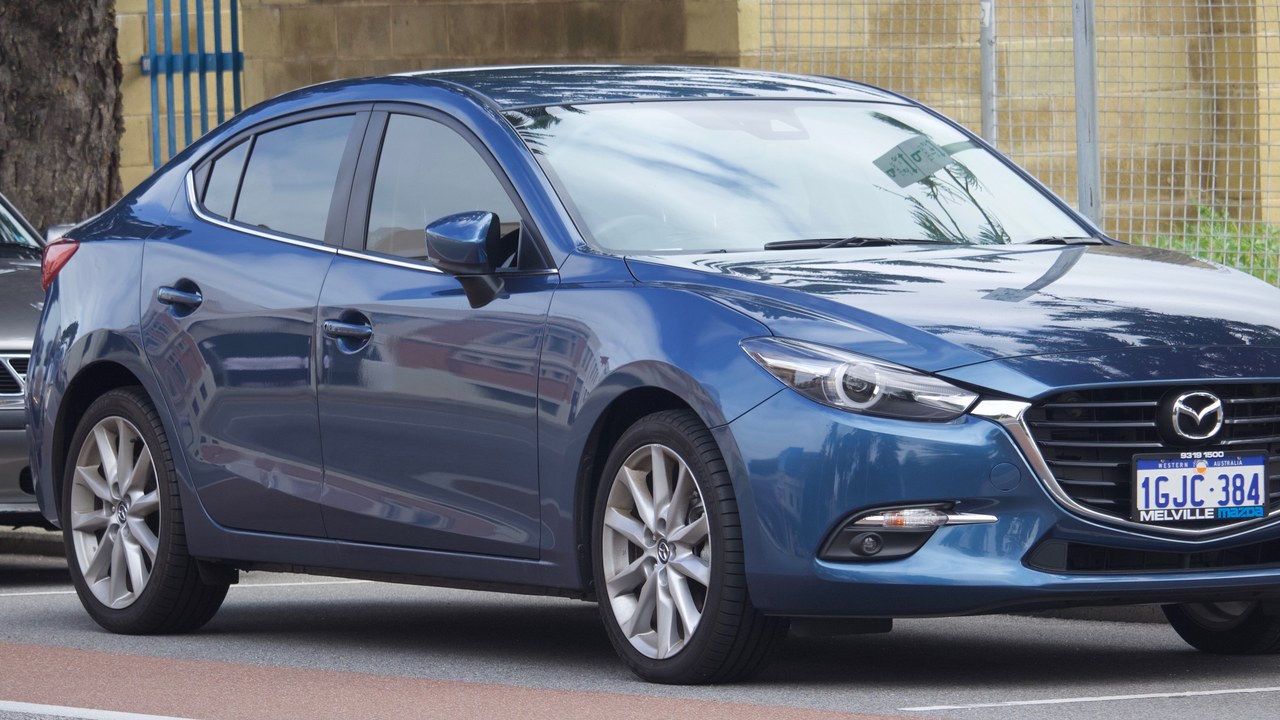
The Mazda3 offers i-Activ All-Wheel Drive on select trims, a system that uses 27 sensors monitoring inputs like wiper speed, outside temperature and steering angle to anticipate slippery conditions before a wheel actually slips, then pre-adjusts the front-rear torque split. The fueleconomy.gov listing confirms AWD availability on qualifying Mazda3 trims.
That predictive approach aims to keep the compact car composed before traction is lost rather than reacting after the fact. As with the other trim-dependent systems on this list, buyers should verify which specific configuration carries the AWD option.
More from Morning Overview
- Security experts still urge phone owners to switch off one location-tracking setting
- Automakers are quietly dropping the stop-start feature many drivers love to hate
- A granite sarcophagus surfaced in Egypt with its original lid still sealed
- The FBI tells phone owners to delete these toll-payment texts draining accounts nationwide
