
A three-row crossover looks spacious in a showroom, but the numbers change once camping gear, strollers, or a week of luggage need to fit behind the seats. Some SUVs earn their bulk by swallowing everything with the third row folded flat, while others pack clever shapes into a tighter footprint. Here are nine big SUVs that turn hauling capacity into their strongest selling point.
1. Chevrolet Suburban: Segment-Leading Cargo Hold
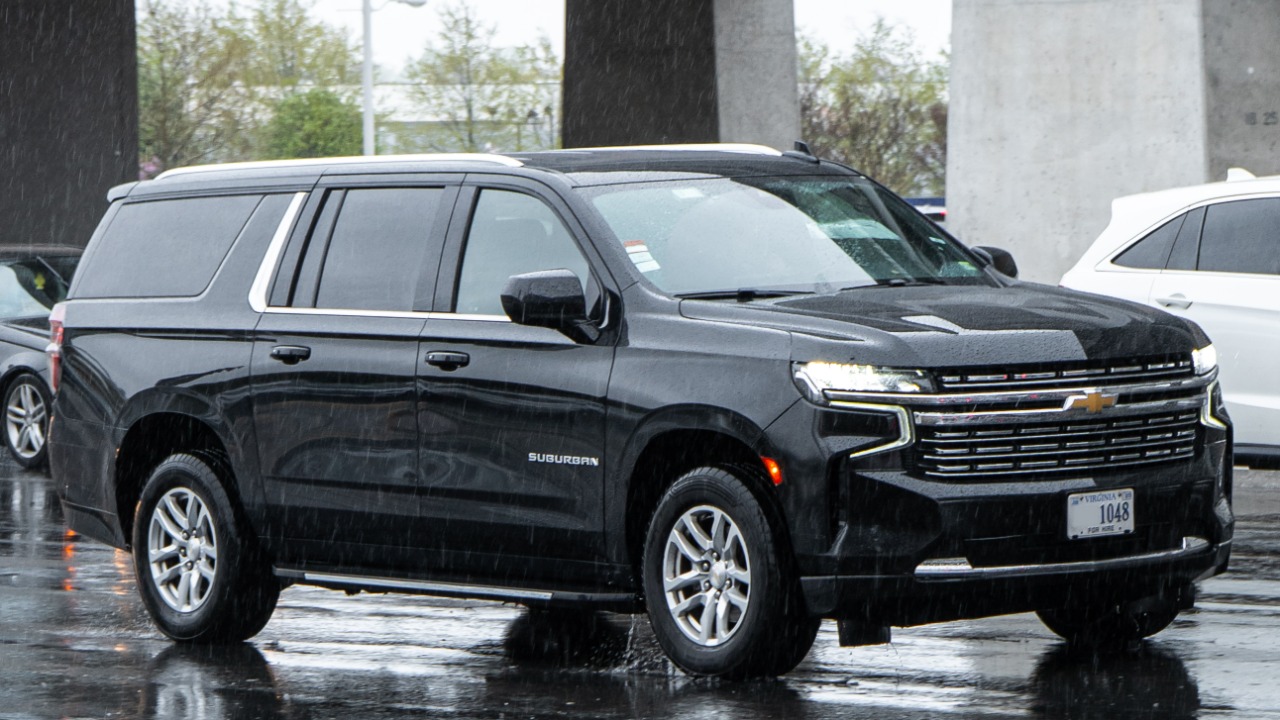
The long-wheelbase Suburban tops the segment with roughly 144 cubic feet of space behind the front seats once the second and third rows fold flat, a figure the manufacturer publishes and among the largest cargo volumes offered by any factory SUV.
That maximum-cargo number assumes both rear rows are stowed flat, so owners hauling a full crew of passengers get a smaller but still generous well behind the third row for coolers, tents, and duffel bags on a long road trip, with a flat load floor that makes sliding heavy items in easier than lifting them over a lip.
2. GMC Yukon XL: The Long-Body Twin
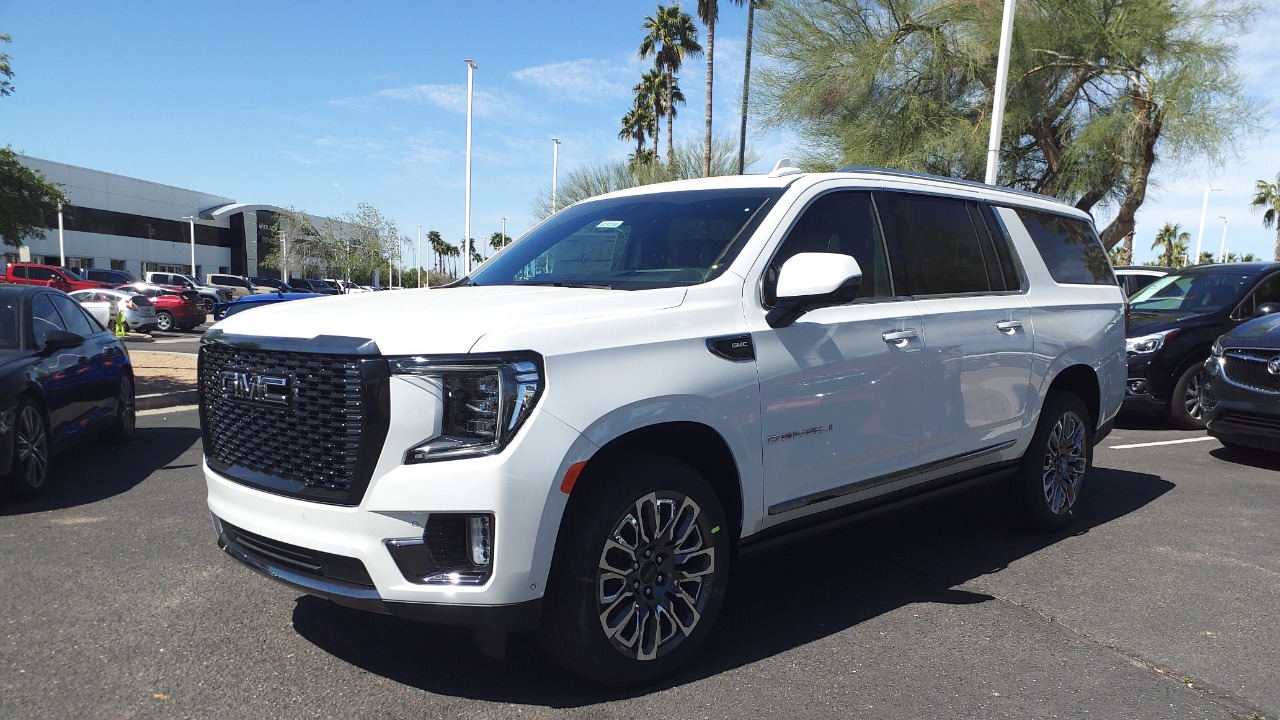
General Motors builds the extended Yukon XL on the same long-wheelbase platform as the Suburban, so it carries a nearly identical published cargo figure of roughly 144 cubic feet once the second and third rows are folded down flat, giving it limousine-like length inside the cargo hold.
Buyers who need the longest possible load bay for ladders, furniture, or flat-packed cargo often choose the XL over the standard Yukon specifically for that extra foot of length, even though the added size makes the truck noticeably harder to park in a tight garage or downtown space.
3. Chevrolet Tahoe: Full-Size Without the Length
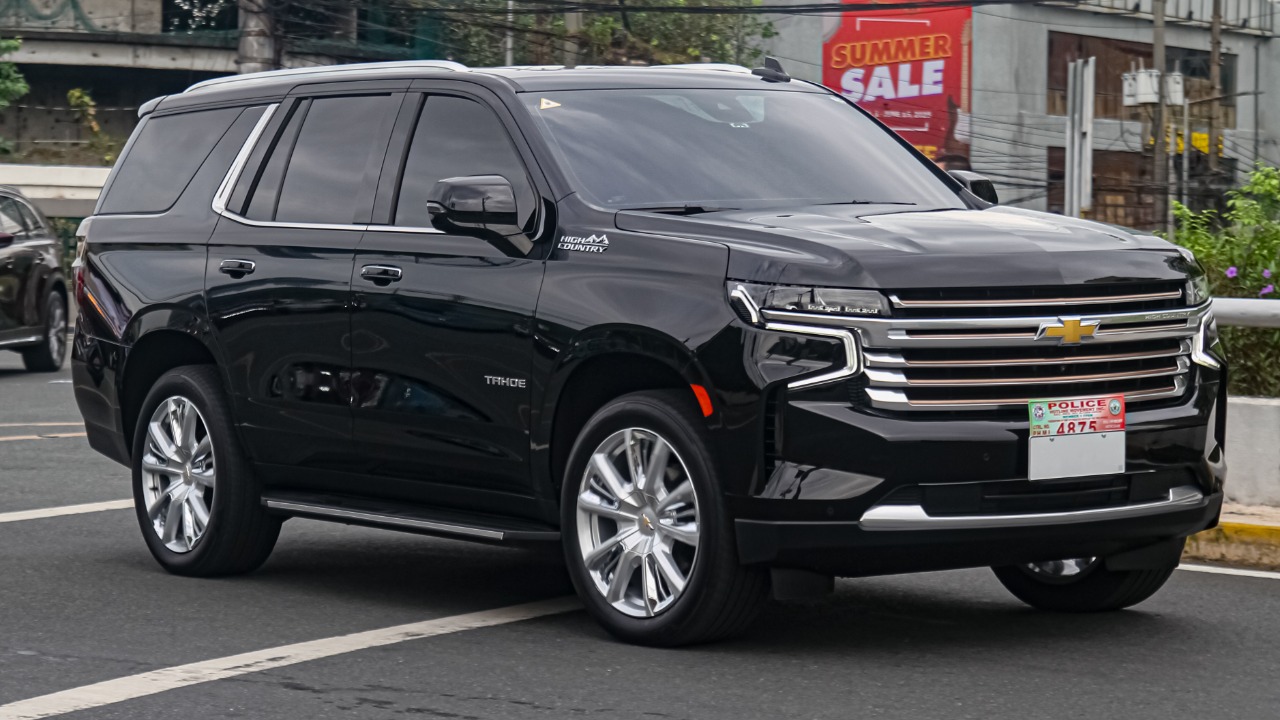
Shorter than the Suburban by nearly two feet, the standard-wheelbase Tahoe still publishes roughly 123 cubic feet behind the front seats with the rear rows folded, keeping most of the full-size hauling capacity in a noticeably more parking-friendly body.
That shorter footprint matters most in daily driving and tighter parking spots, and behind the third row alone the Tahoe still holds around 25 cubic feet, enough for a week of groceries or a stroller and a couple of duffel bags without folding a single seat, a trade-off many owners find worthwhile for easier daily driving and garage clearance.
4. Ford Expedition: Boxy By Design
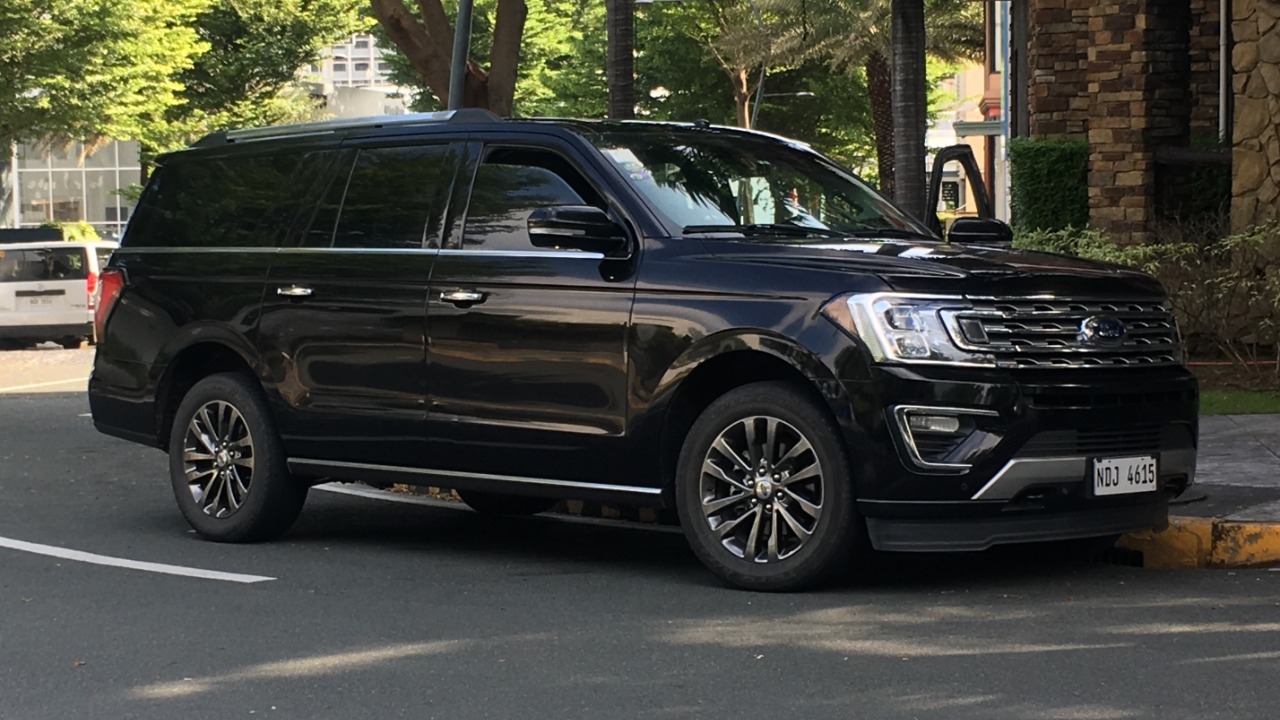
Ford’s boxy Expedition trades curves for volume, publishing roughly 104 cubic feet behind the front row with the second and third rows folded, a shape that lets the SUV swallow tall or awkward items like bikes and bookcases that a more sloped roofline would clip.
Behind the second row with the third seat still up, published capacity drops to around 57 cubic feet, and behind the third row alone it falls further still, so families weighing a loaded third row against gear space should check which configuration a given trip actually needs.
5. Toyota Grand Highlander: Highlander, Stretched Out
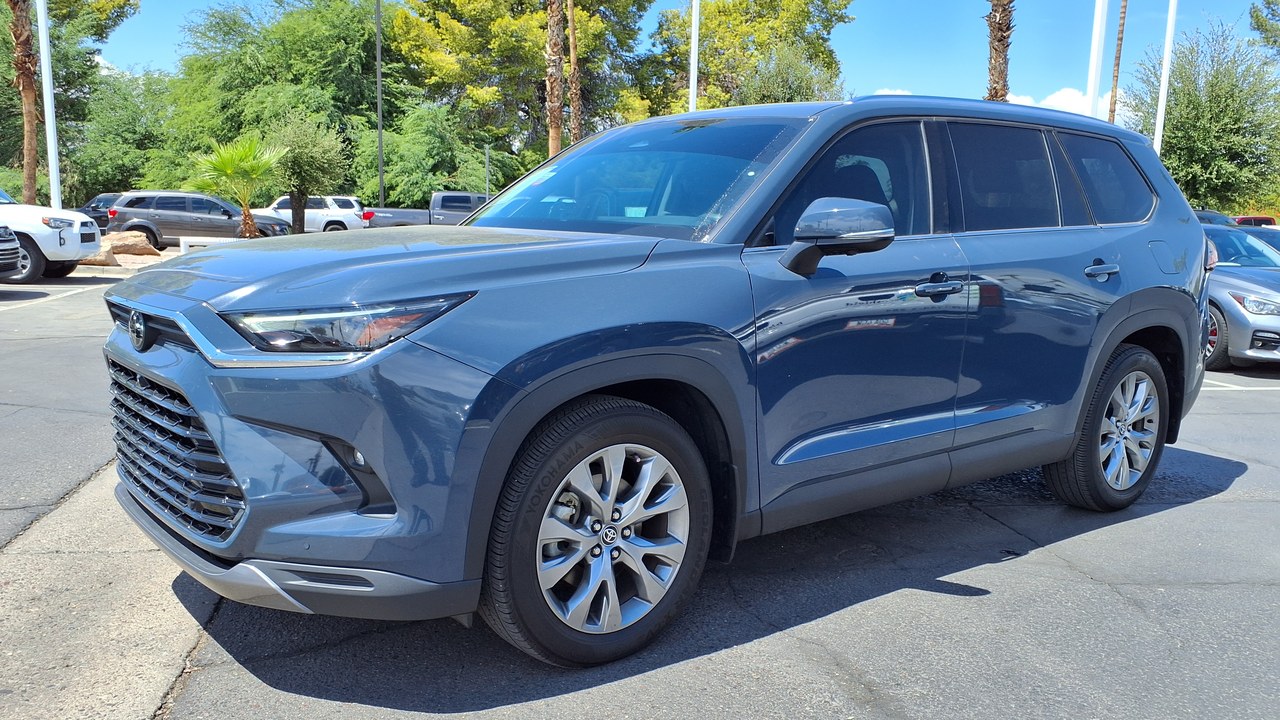
Toyota stretched the regular Highlander’s body to create the Grand Highlander, and the extra length shows up almost entirely behind the second row, where published cargo volume with the third row folded runs close to 98 cubic feet, well beyond what the standard-size Highlander offers.
Behind the third row, the number shrinks to roughly 21 cubic feet, still enough for grocery runs or a couple of duffel bags, and the extra inches over the standard Highlander mainly benefit families who fold the third row down for camping trips or bulky home-improvement hauls.
6. Volkswagen Atlas: Roomy For the Money
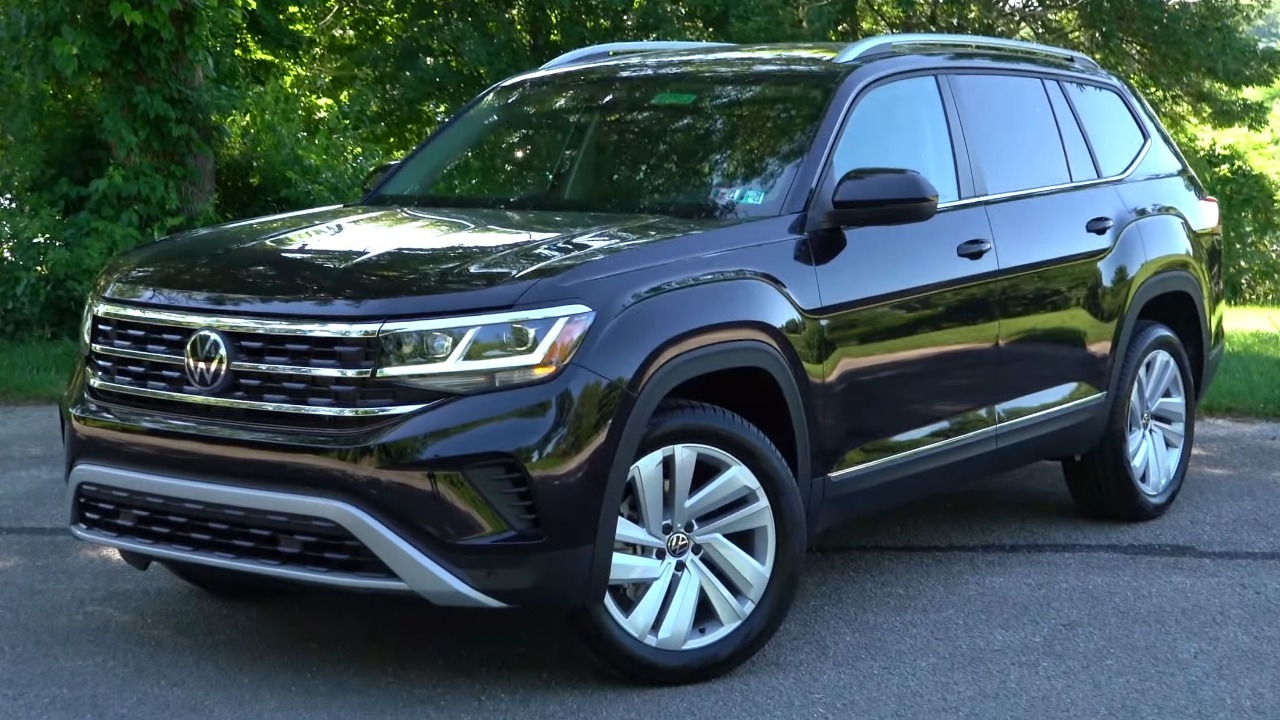
Volkswagen’s three-row Atlas publishes close to 97 cubic feet with both rear rows folded flat, a number that lands it near the top of the mainstream three-row class despite carrying a lower base price than several rivals on this list.
Behind the second row with the third seat in use, capacity is still a generous 55 cubic feet or so, and the cargo area’s wide, squared-off opening makes loading a bike or a folded stroller straightforward without wrestling either through a narrow hatch, a detail owners of boxier rivals often mention when comparing loading ease.
7. Kia Telluride: Packaging Over Bulk
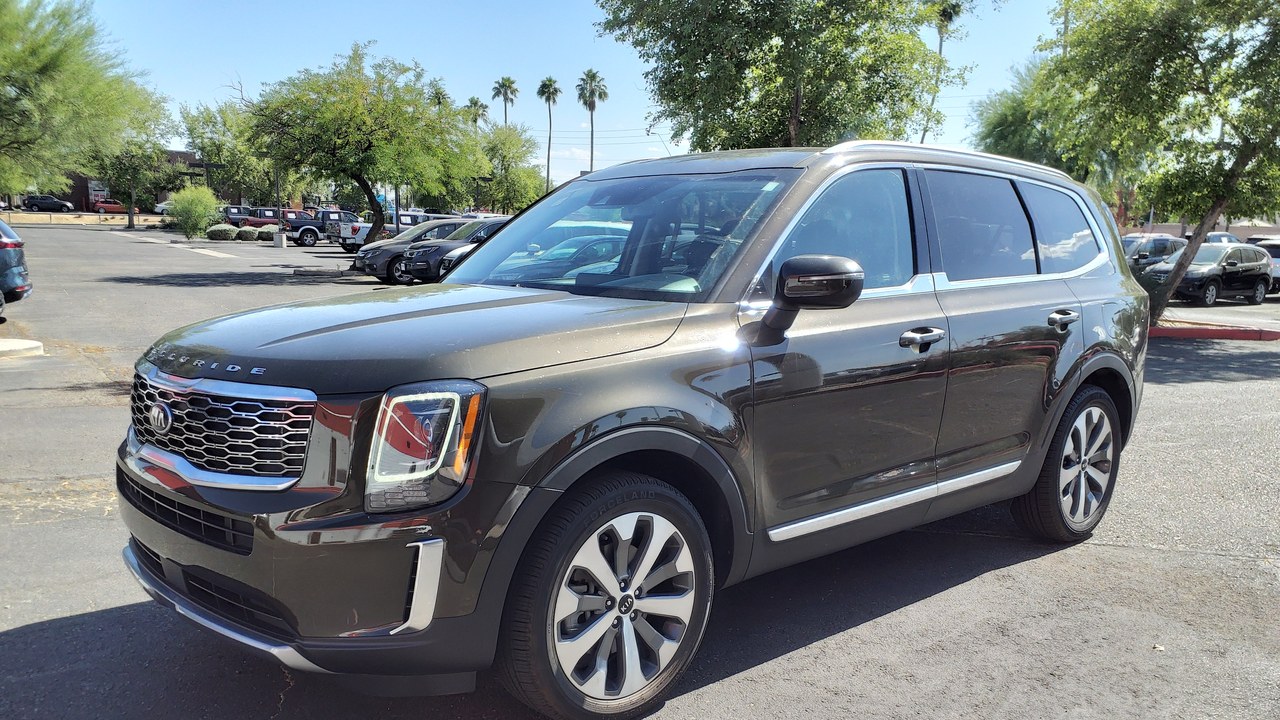
Clever interior packaging does more work than sheer size for the redesigned Telluride, which publishes roughly 87 cubic feet with the second and third rows folded, a number that lets it compete with SUVs built on larger, heavier platforms without asking a driver to manage a noticeably longer overall vehicle length.
Behind the third row alone the number sits around 21 cubic feet, and behind the second row with the last bench folded it climbs to roughly 46 cubic feet, a mid-pack range that still outperforms most two-row crossovers by a wide margin on grocery and luggage runs.
8. Hyundai Palisade: Telluride’s Platform Mate
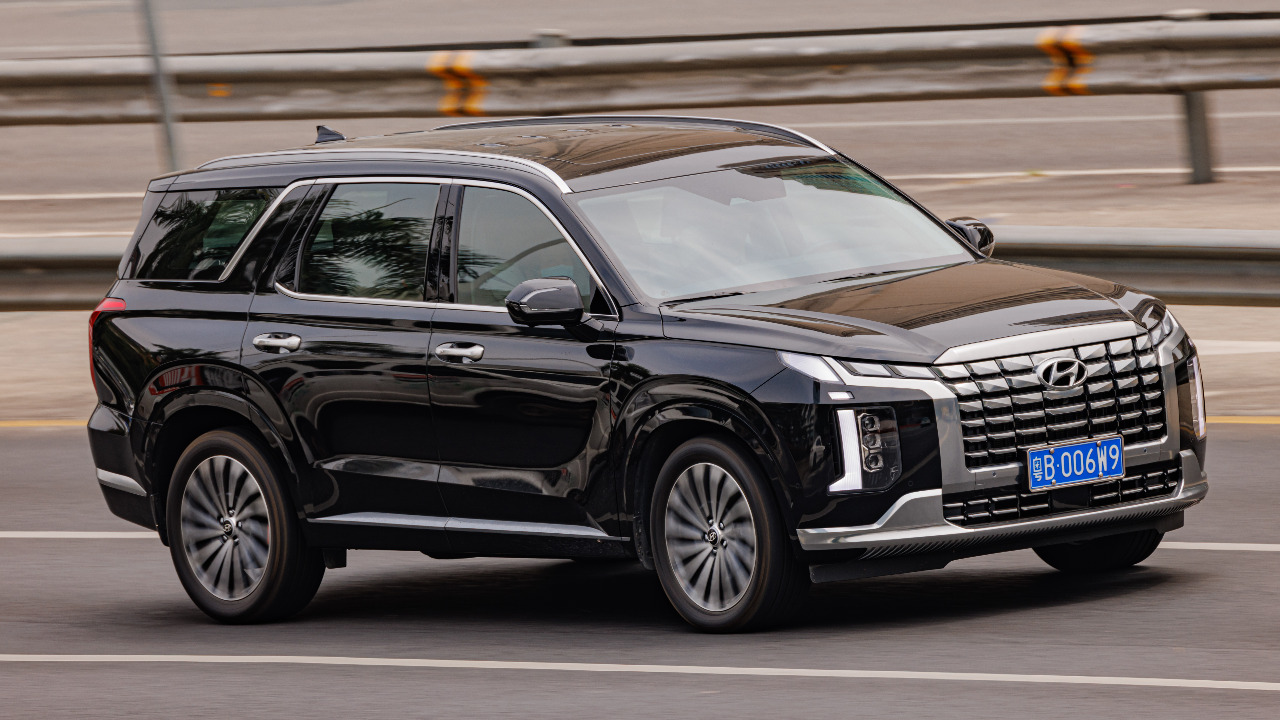
The platform-mate Palisade shares its bones with the Telluride and publishes a similarly generous cargo hold behind the third row, close to 18 cubic feet, enough for a full grocery run even with all three rows of seating occupied on a family trip.
Fold the third row down and published capacity roughly doubles to around 46 cubic feet, and folding the second row as well opens close to 86 cubic feet total, figures close enough to the Telluride’s that shoppers often decide between the two on styling and dealer pricing instead.
9. Honda Pilot: Flat Floor, Deep Well
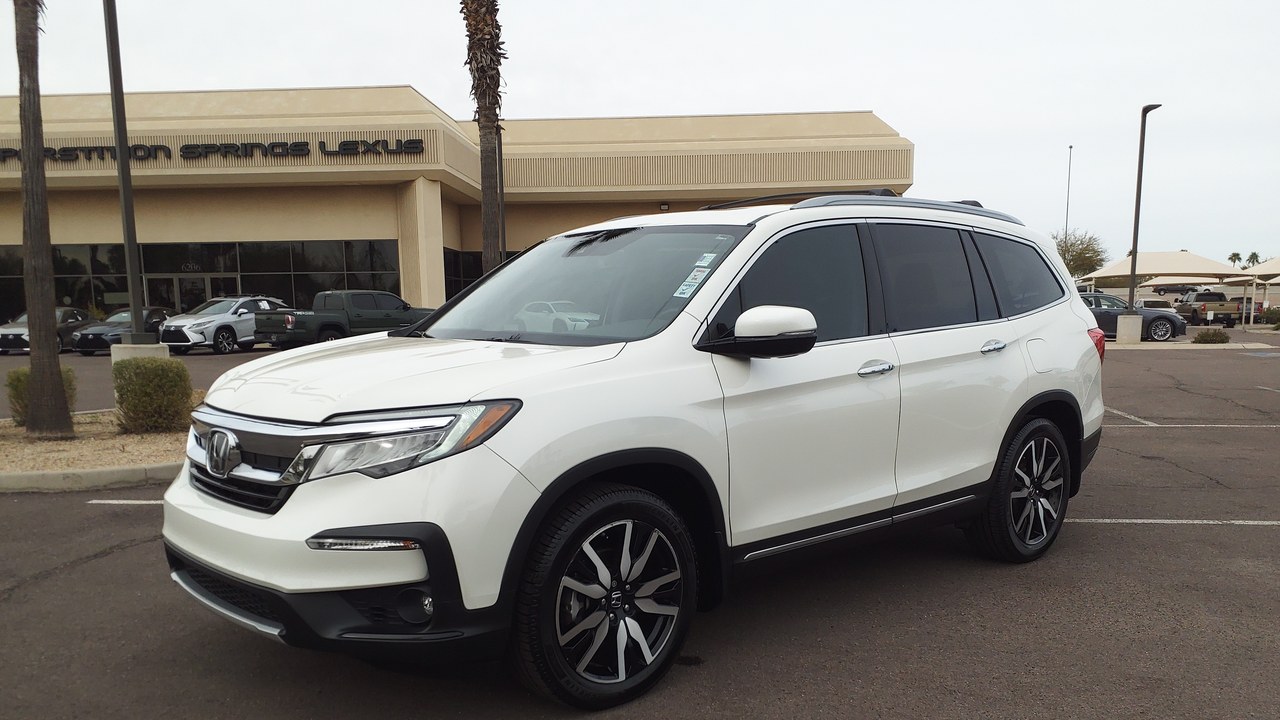
A flat load floor, not a bigger footprint, sets the redesigned Pilot apart from rivals, with roughly 87 cubic feet available once both rear rows fold down, and nothing steps up to interrupt sliding a cooler or a folded table straight in from the bumper.
Behind the third row, the well runs around 18 cubic feet, and rugged TrailSport trims that trade some underfloor storage for off-road hardware post a slightly smaller number, so buyers cross-shopping trims for maximum cargo should check the specific configuration rather than assume they all match.
More from Morning Overview
- The NSA warns one messaging setting can clone your texts to a stranger
- Security experts still urge phone owners to switch off one location-tracking setting
- Automakers are quietly dropping the stop-start feature many drivers love to hate
- A granite sarcophagus surfaced in Egypt with its original lid still sealed
