
Luxury badges do not have to mean luxury-sized repair bills, and several premium models manage to sidestep the pattern entirely. Some borrow mechanical bones from mass-market siblings, trading exotic parts for shared, widely available components that shops already know how to service. Here are eight premium-badge cars that keep ownership costs closer to a mainstream sedan than a European flagship.
1. Lexus ES: Camry Bones, Luxury Skin
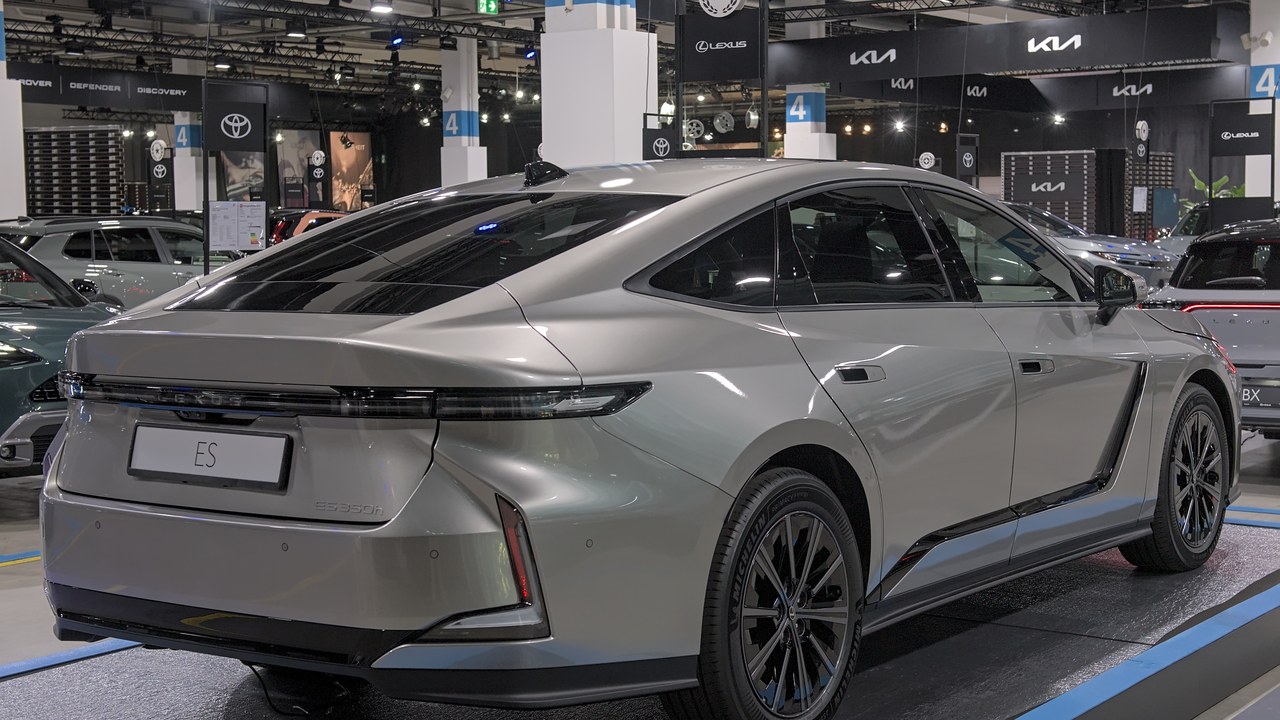
The Lexus ES borrows its platform, engine, and most mechanical components from the Toyota Camry, a shared-parts arrangement documented in the model’s EPA fuel economy listing. Independent shops already stock the sensors, brakes, and suspension bushings that Camry owners need, so a Lexus badge does not force a driver into a dealer-only supply chain.
That overlap keeps labor time and parts markups modest next to badges built on bespoke platforms. Owners get heated leather, a hushed cabin, and Lexus-level fit and finish without paying dealership prices for routine service, since most repairs route through the same supply chain and the same trained technicians as a mainstream Toyota sedan uses every day.
2. Lexus RX: A Modest Bill For A Big SUV
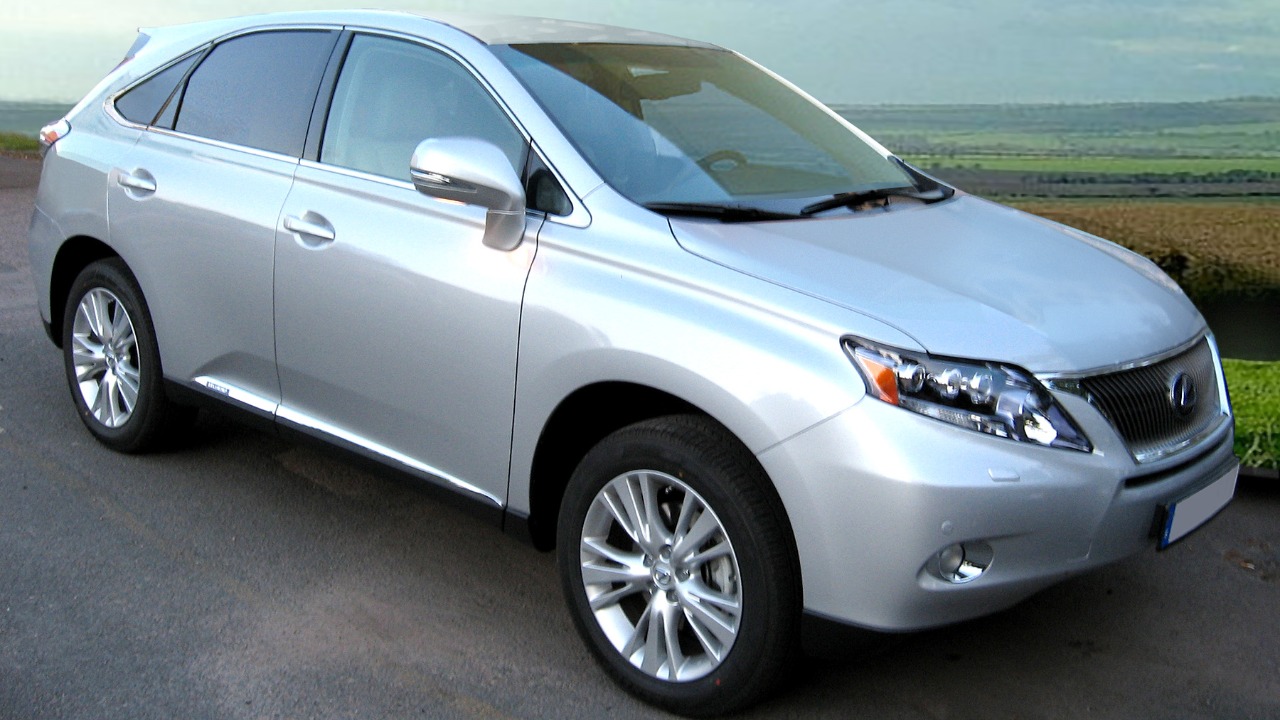
Three-row luxury crossovers often carry steep maintenance schedules, but the RX has built a decades-long reputation for staying inexpensive to keep on the road, a track record reflected in its government fuel economy record.
Toyota-derived hybrid hardware and an unusually long production history mean technicians outside the dealer network are already familiar with its quirks and its common failure points. Parts availability stays strong for older model years too, so an aging RX rarely turns into a budget surprise the way some rival three-row SUVs eventually do for their owners.
3. Lexus IS: Sport Sedan, Sensible Upkeep
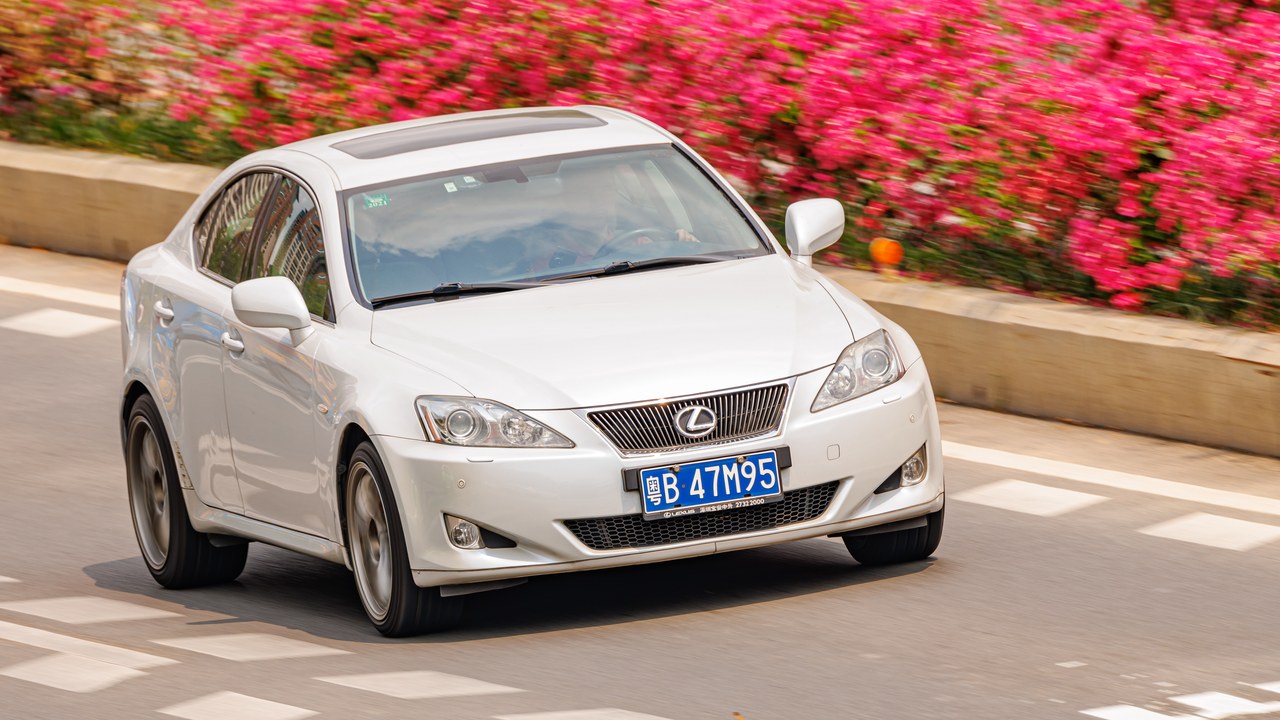
Compact sport sedans from German makers are notorious for costly electronics and suspension work, but the IS trades some of that complexity for Toyota-grade componentry, per its official specification data.
Its drivetrain has changed comparatively little across generations, which keeps replacement parts common rather than scarce and pricey, and lets independent mechanics diagnose issues without specialty tooling. Buyers get a rear-wheel-drive luxury sedan that rarely forces a shop to source an unusual component or bill extra hours for unfamiliar diagnostic work most technicians have never seen before, a rare thing in a segment where owners often dread the first major repair bill.
4. Acura TLX: Honda Underneath, Luxury On Top
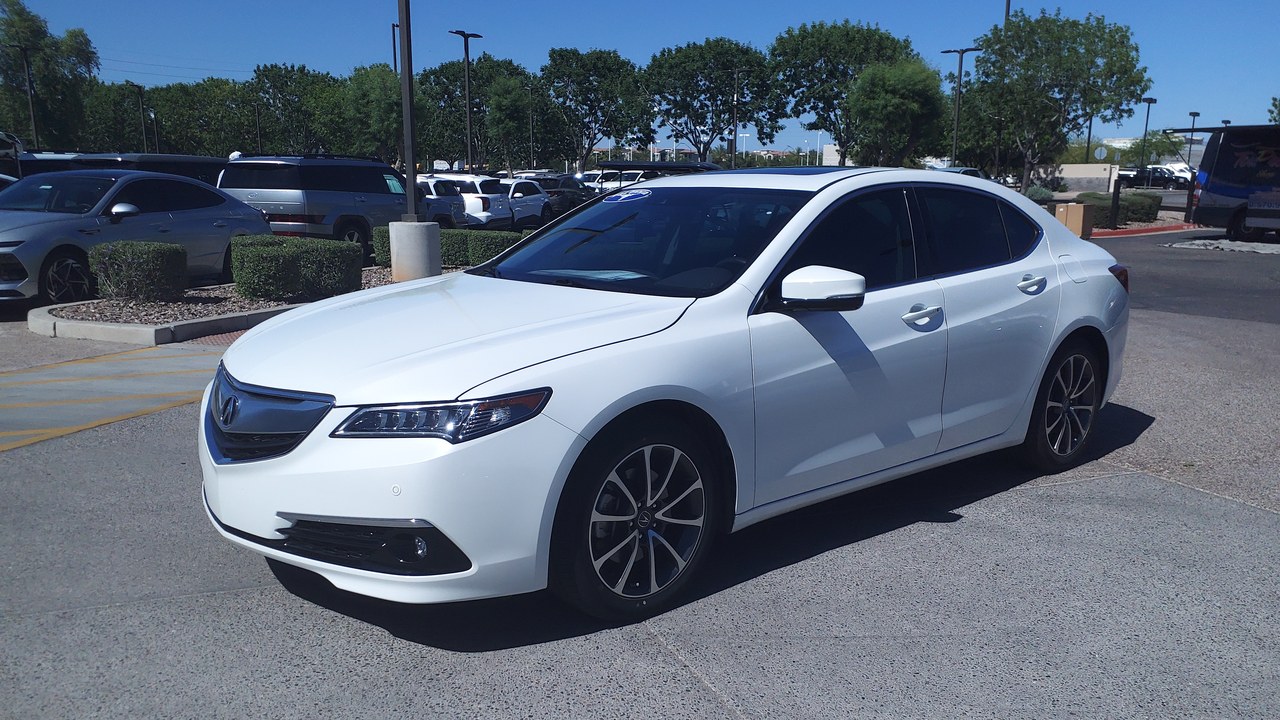
Acura’s sedan shares its architecture and much of its powertrain lineup with Honda’s mainstream cars, a relationship spelled out in the TLX’s fuel economy filing. That kinship carries straight through to the service bay rather than stopping at the showroom floor.
Because Honda dealers and independent garages alike stock the same filters, belts, and electronic modules, TLX owners rarely wait weeks on a backordered part shipped from overseas. The result is a sedan with a premium badge, sport-tuned handling, and a maintenance bill that tracks closer to an Accord than it does to a European rival wearing a similar price tag.
5. Acura MDX: Three Rows, Manageable Bills
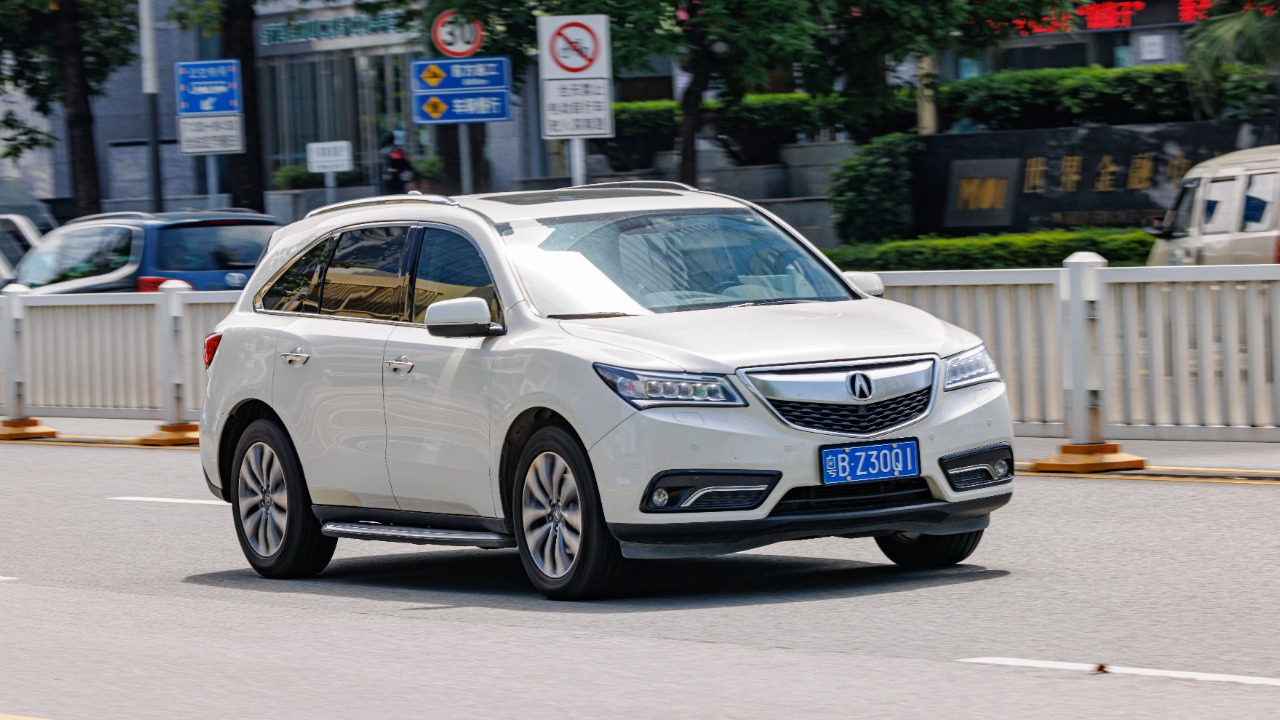
Family-hauling luxury SUVs typically come with family-sized repair invoices, yet the MDX leans on Honda Pilot mechanicals that keep costs in check, according to its EPA data sheet.
Shared engines and transmissions mean rebuilt or aftermarket components stay easy to find long after factory warranty coverage ends, unlike a niche European three-row that may need imported parts. For a household needing three rows of seating and a badge with some prestige, that shared parts bin translates into noticeably fewer surprise bills once the odometer climbs past six figures, easing the sting that usually comes with three-row luxury ownership.
6. Acura RDX: Compact Luxury, Low Drama
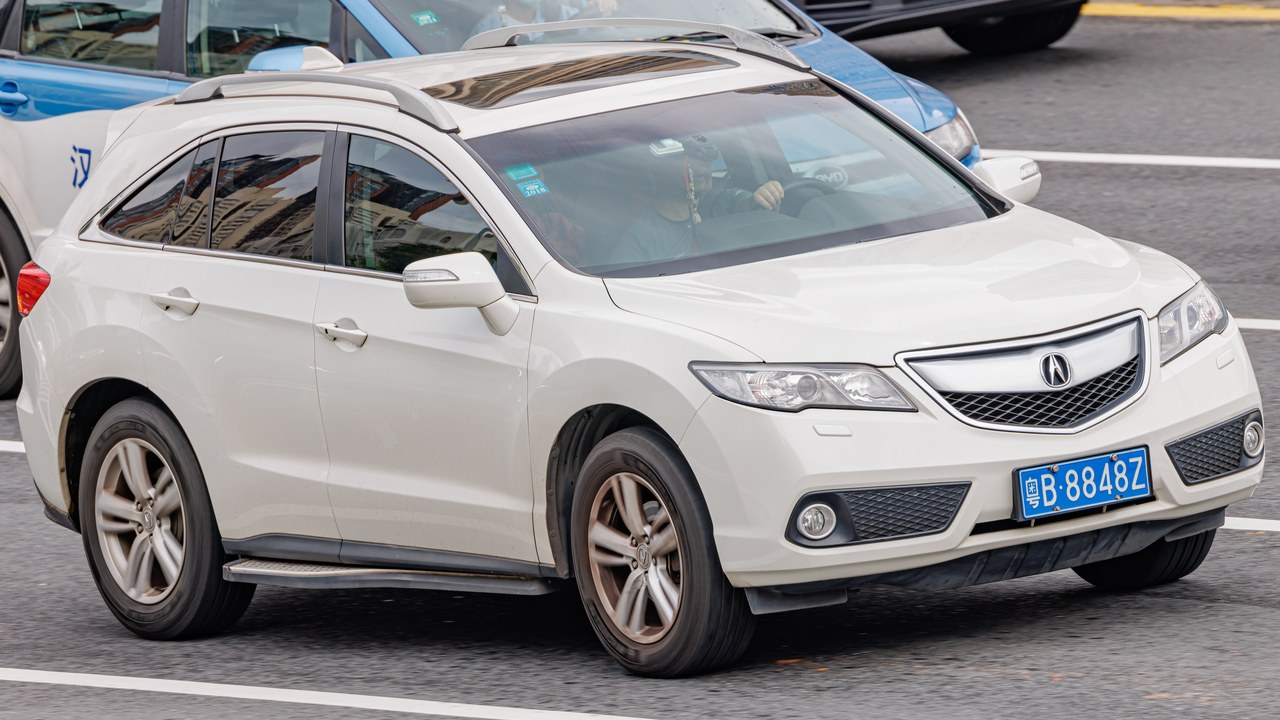
The compact-luxury SUV class is full of turbocharged engines that punish owners once the odometer clears 60,000 miles, but the RDX’s Honda-based turbo four has a long, well-documented service record, listed alongside its powertrain specifications.
Routine items like timing components, water pumps, and oxygen sensors are shared with higher-volume Honda models, keeping part prices down and lead times short at almost any parts counter. Drivers who want all-wheel drive and a leather cabin without the anxiety of a luxury-only parts catalog tend to gravitate toward this one over flashier, costlier rivals.
7. Genesis G80: A Warranty That Absorbs The Risk
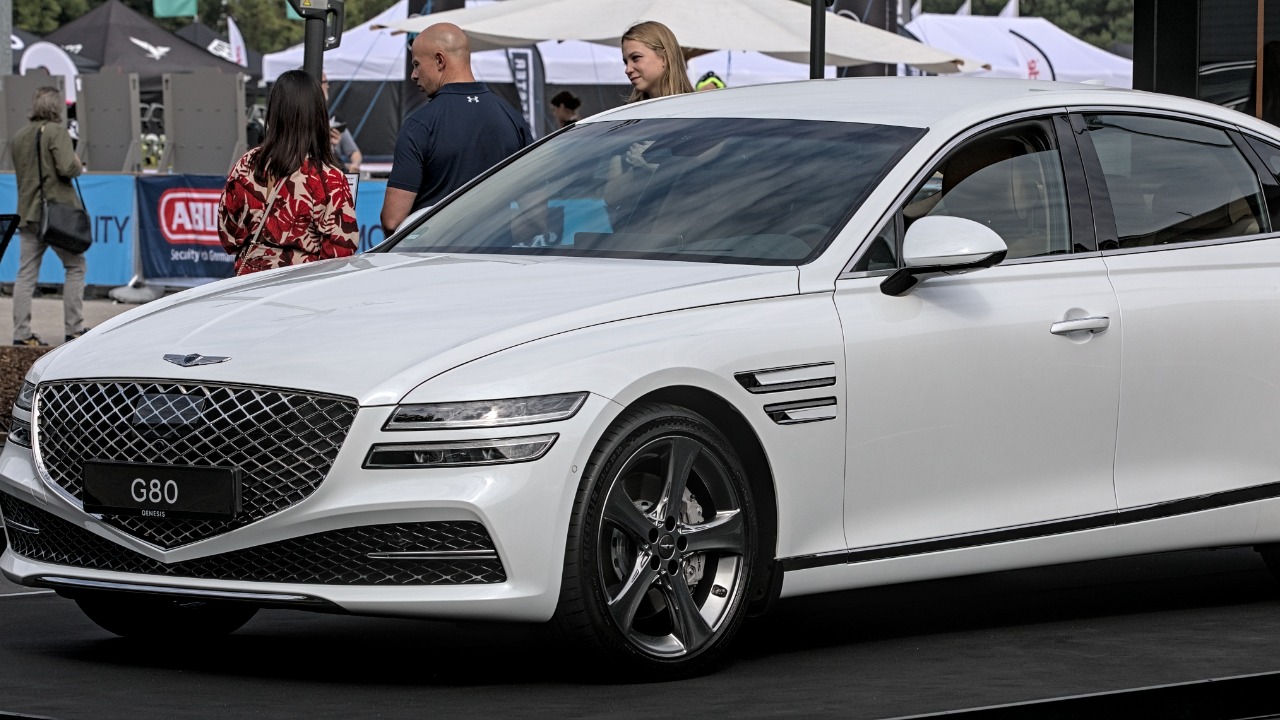
Genesis backs the G80 with one of the longest bumper-to-bumper and powertrain warranties in the segment, coverage confirmed alongside the sedan’s EPA listing, which shifts most early-life repair risk onto the automaker rather than onto the buyer’s wallet.
Because the brand is newer and still building market share against established German rivals, dealers are motivated to keep service pricing competitive to earn repeat business and positive word of mouth. That combination of extended coverage and courtship-era pricing softens what would otherwise be a typical luxury sedan’s steep ownership costs for years after the sale.
8. Genesis GV70: An Upstart Undercuts The Segment
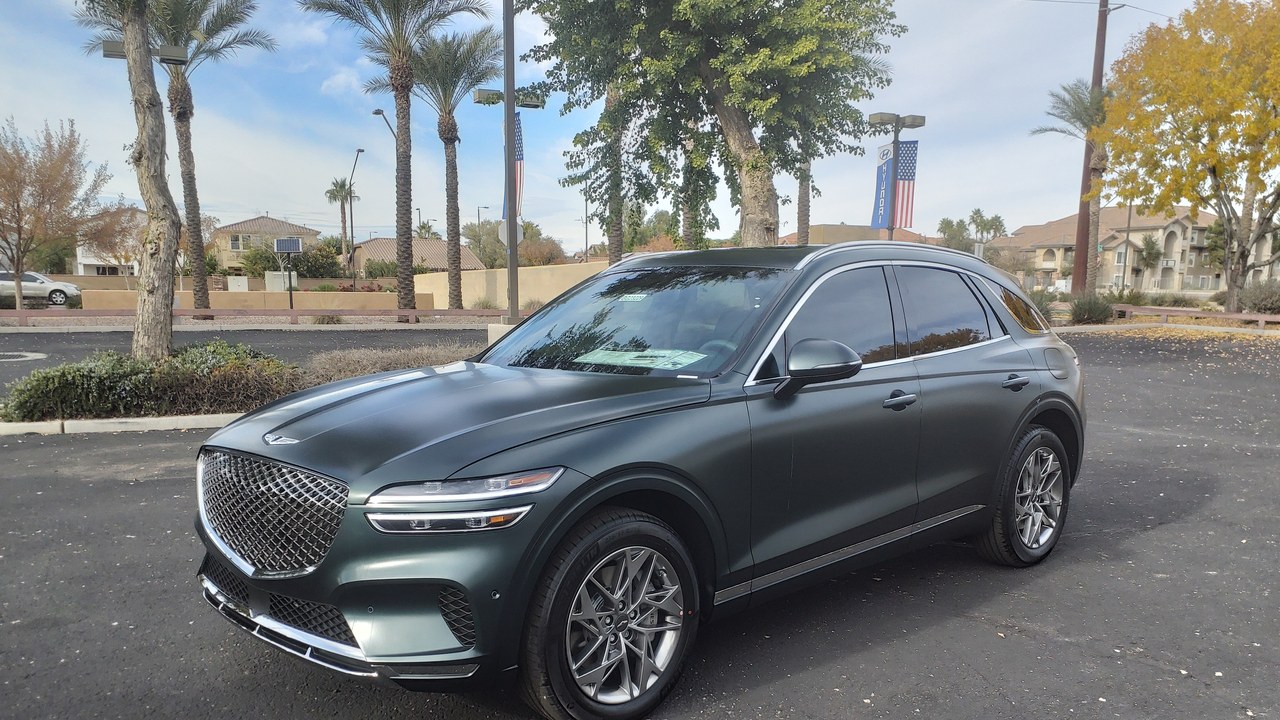
The compact GV70 carries the same extended warranty terms as its Genesis siblings, a policy noted alongside its fuel economy record, so a major mechanical failure is far more likely to be covered than paid for out of pocket by the owner.
As a still-growing brand chasing loyal buyers, Genesis prices scheduled maintenance aggressively and often includes complimentary service visits to win over shoppers considering established German nameplates instead. For someone cross-shopping compact luxury SUVs on a budget, that pricing strategy can mean noticeably lower total ownership costs during the exact years that matter most to a household.
More from Morning Overview
- Card skimmers hidden on gas pumps are draining accounts, and there’s a quick way to spot them
- The NSA warns one messaging setting can clone your texts to a stranger
- Security experts still urge phone owners to switch off one location-tracking setting
- Automakers are quietly dropping the stop-start feature many drivers love to hate
