
Gas prices remain a persistent budget line for SUV shoppers, but a handful of compact and subcompact models still deliver strong highway fuel economy without asking for a plug. This gallery collects gasoline-only SUVs that carry EPA highway ratings topping 30 miles per gallon, from mainstream crossovers to smaller subcompacts. Here are eleven gas SUVs that top 30 mpg on the highway without a hybrid or electric powertrain.
1. Toyota RAV4: Compact Class Efficiency Leader
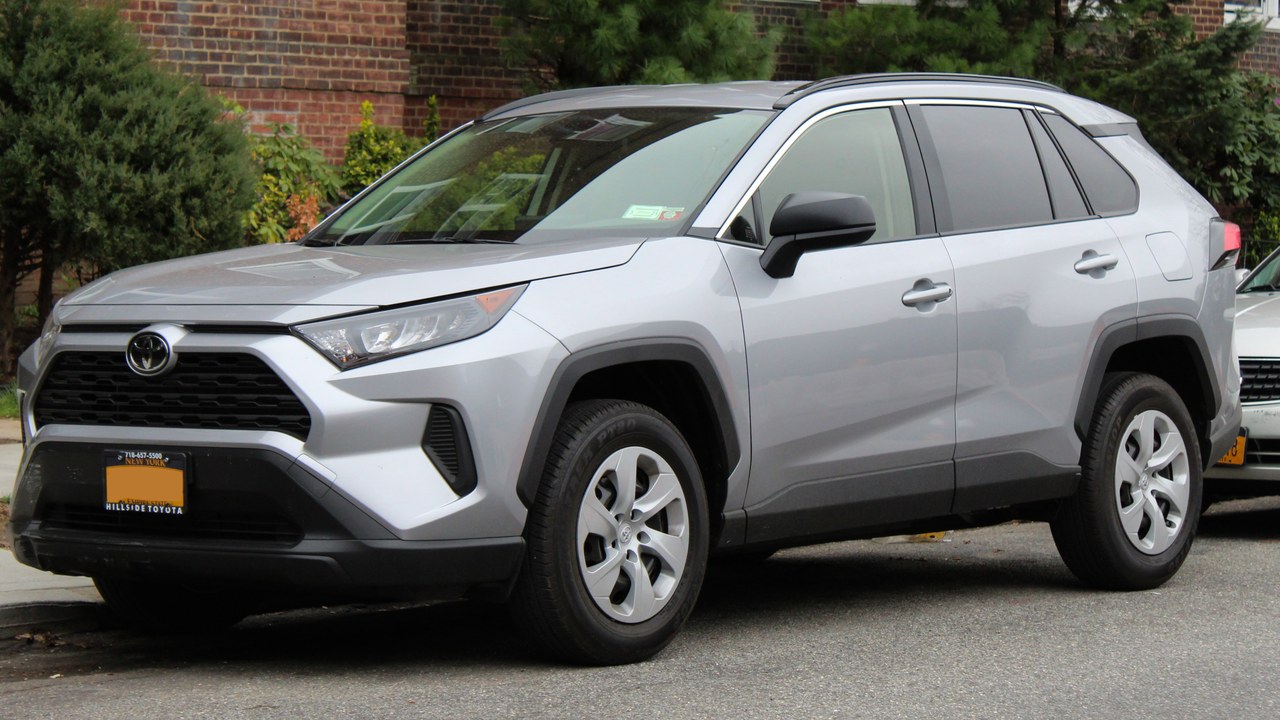
The Toyota RAV4 remains one of the best-selling SUVs in the country, and its four-cylinder version still returns strong efficiency for its size. EPA highway estimates put the standard RAV4 near 35 mpg on the highway, a figure that rivals cars from a smaller class.
That number comes without a hybrid drivetrain, unlike the RAV4 Hybrid variants that push economy even higher. Cargo room and all-wheel-drive availability round out the appeal for buyers who want space without a heavy fuel penalty.
2. Honda CR-V: Practical Choice, Strong Numbers
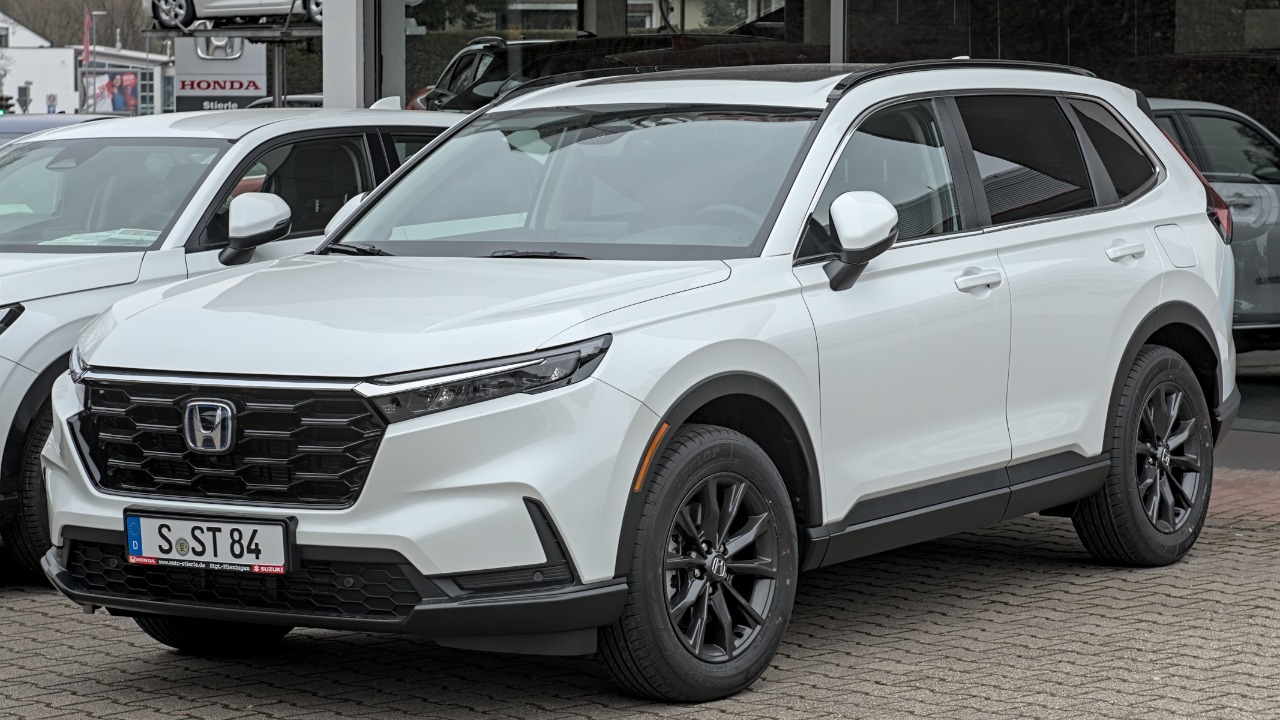
The Honda CR-V has built its reputation on practicality more than outright efficiency, yet the standard gas engine still clears 30 mpg on the highway according to federal highway ratings. Honda reaches that mark without a hybrid powertrain, relying on a four-cylinder tuned for steady cruising rather than quick acceleration.
A CR-V Hybrid exists for buyers who want a bigger number, but the conventional version already outperforms many rivals its size. Honda’s dealer network and resale value add practical reasons to consider the gas-only trim.
3. Mazda CX-5: Refined Cabin, Efficient Engine
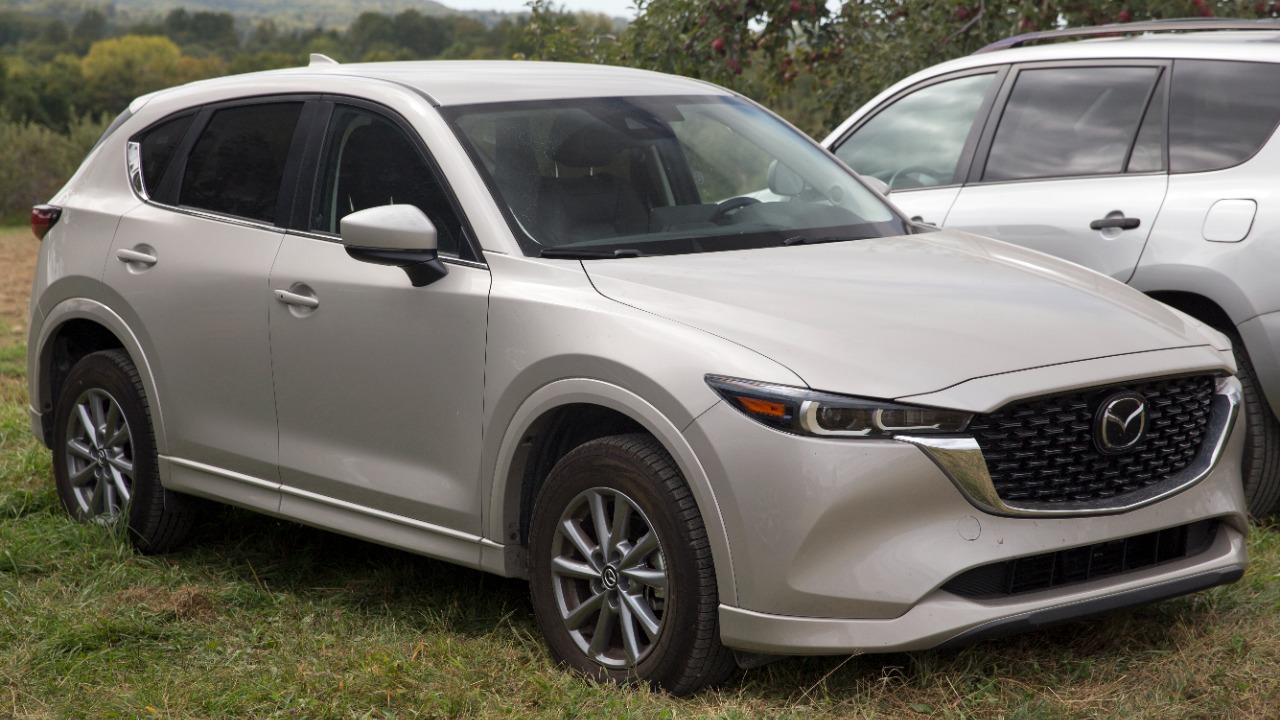
Mazda’s CX-5 competes in the same crowded compact segment as the RAV4 and CR-V, and its efficient four-cylinder engine tops 30 mpg on the open road. The EPA’s published figures show the naturally aspirated engine edging past that mark, a notable result since Mazda skips turbocharging on the base trim.
Reviewers frequently praise the CX-5’s cabin quality, a rarity for the segment, which helps explain its enduring popularity despite an aging platform. The efficiency numbers hold up even as newer competitors introduce turbo engines that trade some mpg for extra power.
4. Nissan Rogue: Turbo Three Saves Fuel
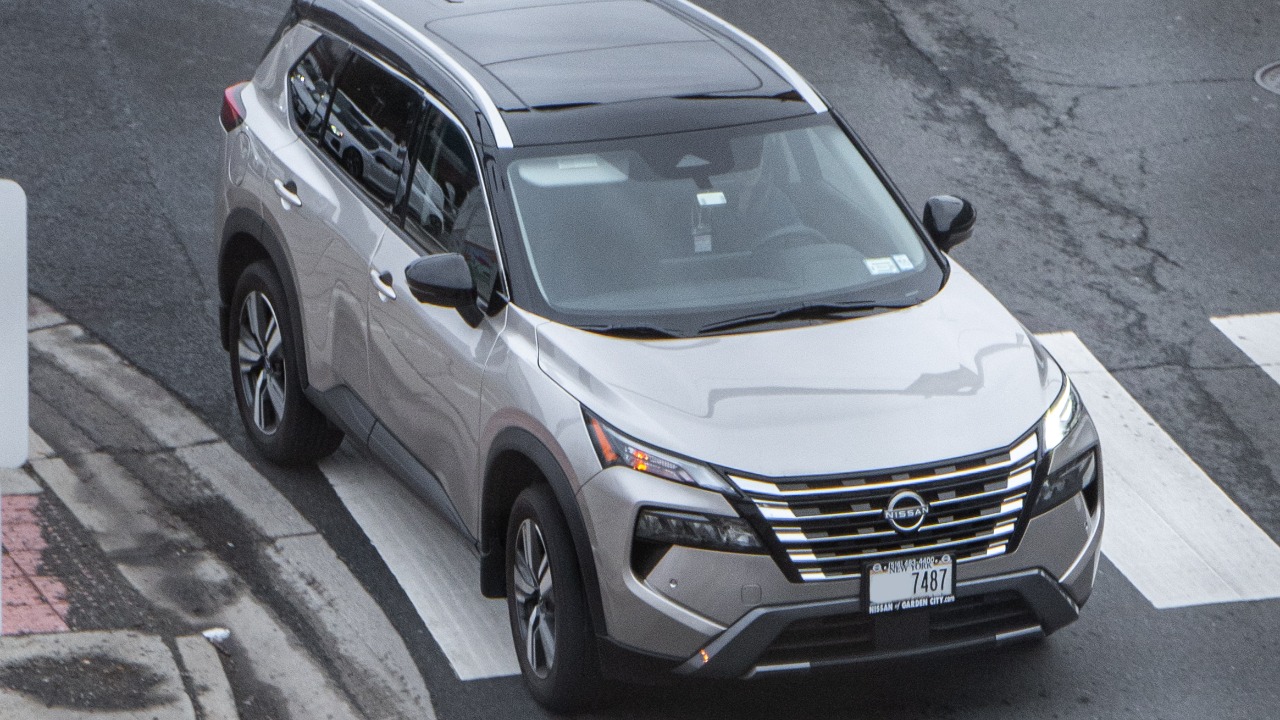
Nissan redesigned the Rogue around a turbocharged three-cylinder engine, a downsizing move that pays off at the pump. Highway mileage comes in above 30 mpg, and the official rating puts the front-wheel-drive version among the more efficient gas SUVs in its class.
Some drivers noticed the smaller engine trades a bit of low-end punch for that efficiency gain, particularly when the SUV is loaded with cargo or passengers. All-wheel drive is available but knocks the highway figure down slightly from the front-wheel-drive number.
5. Chevrolet Trailblazer: Small Footprint, Solid Mileage
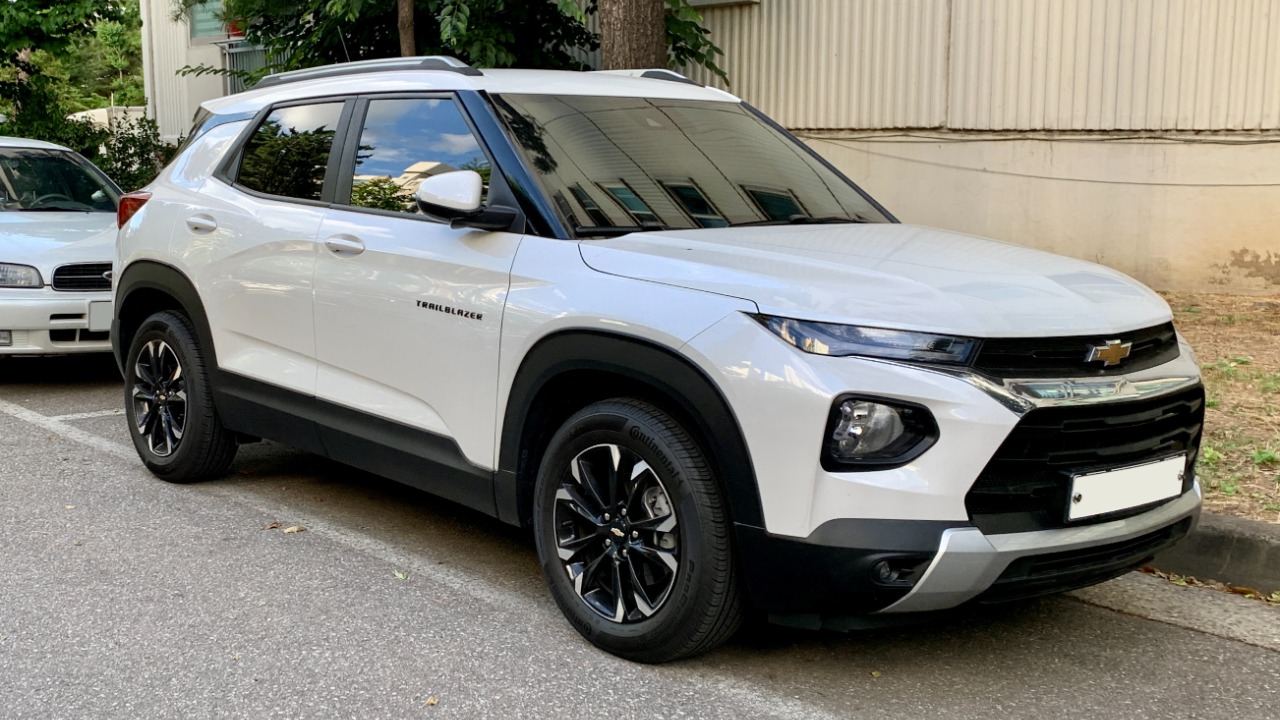
Chevrolet’s Trailblazer sits a size below the Equinox and uses that smaller footprint to post highway numbers in the low 30s. The EPA highway rating reflects the turbocharged three-cylinder engine offered on several trims, a setup borrowed from the same architecture family as the Buick Encore GX.
Interior space runs tighter than in larger crossovers, a tradeoff for the smaller platform and the efficiency it enables. Buyers cross-shopping subcompact SUVs will find the Trailblazer’s highway figure competitive with segment leaders.
6. Hyundai Tucson: Steady Interstate Performer
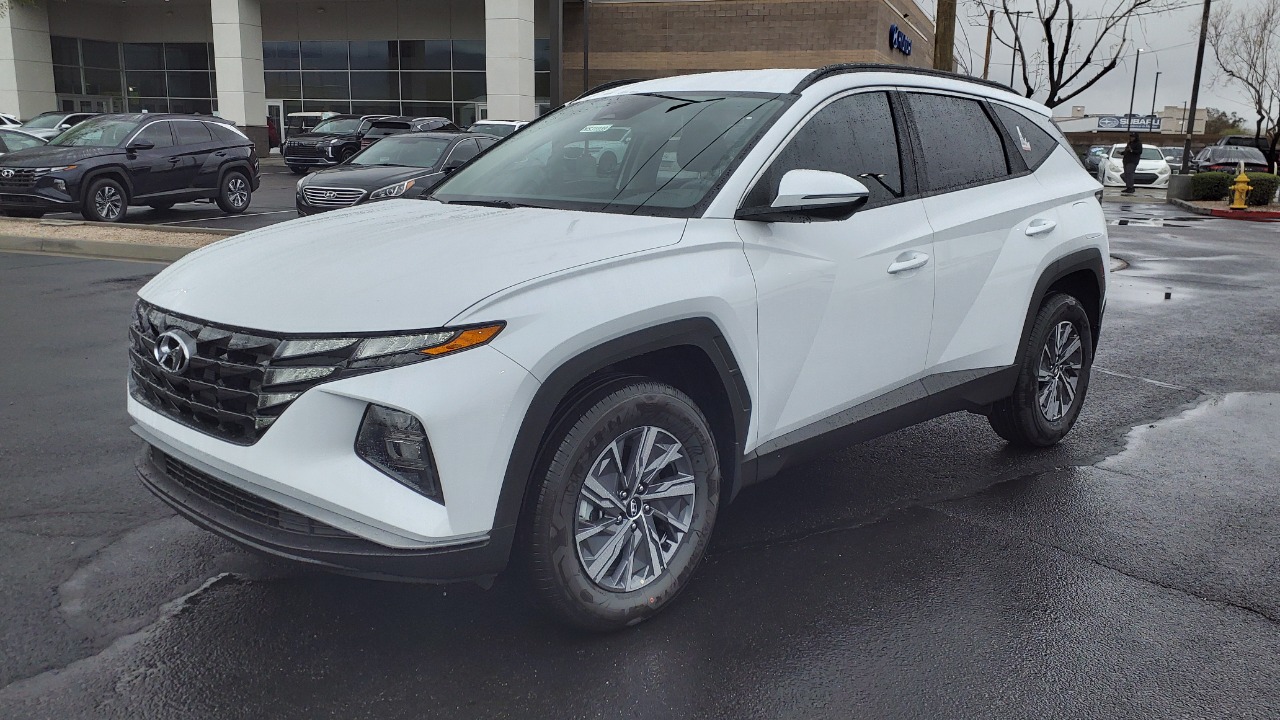
The Hyundai Tucson’s standard gas engine clears 30 mpg comfortably once it settles onto an interstate, a byproduct of the brand’s continued focus on aerodynamics and gearing. Federal fuel economy testing lists the front-wheel-drive Tucson among the more efficient mainstream compact SUVs on sale.
Hyundai also sells hybrid and plug-in versions of the Tucson for buyers chasing bigger numbers, but the base gas model already lands well ahead of many older-generation rivals. Standard safety tech across trims adds to the value case.
7. Kia Sportage: Tucson’s Efficient Twin
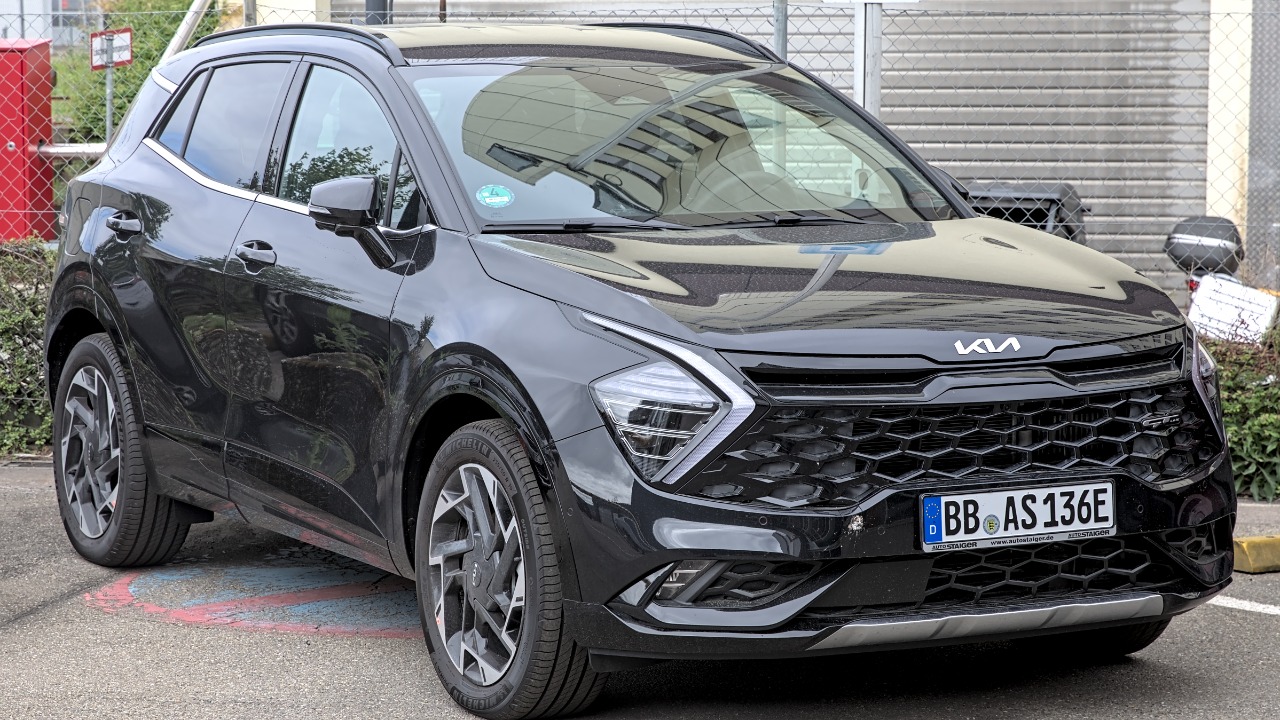
Kia’s Sportage shares its platform with the Tucson and, unsurprisingly, beats 30 mpg on the highway with the same efficiency-minded four-cylinder. The EPA listing for the front-wheel-drive trim shows a figure that stays close to its Hyundai sibling despite different styling and features.
Kia backs the Sportage with one of the longer warranties in the industry, a detail that matters as much to long-term ownership costs as the mileage figure itself. Hybrid and plug-in variants exist for shoppers wanting more than the gas engine offers.
8. Volkswagen Taos: Compact Size, Clean Numbers
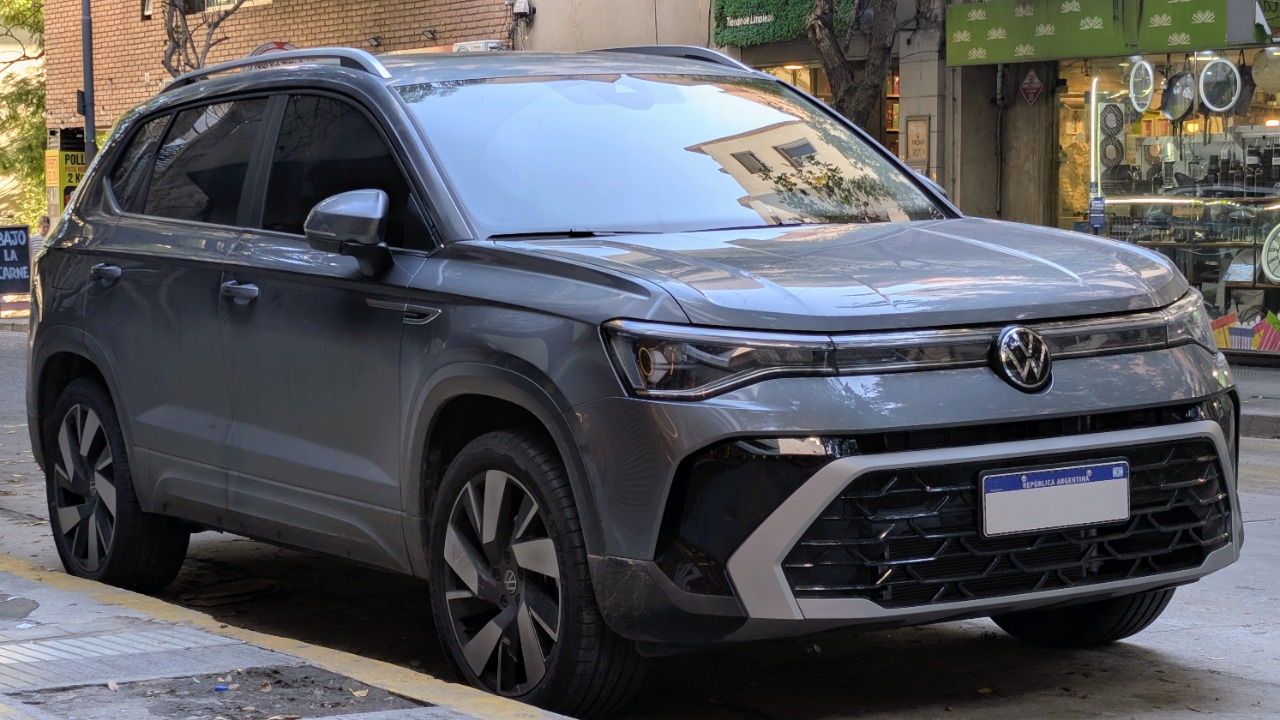
Volkswagen’s Taos undercuts the Tiguan in size and price, and the smaller footprint helps the compact crossover rate past 30 mpg on the highway. EPA test results show the turbocharged four-cylinder achieving that figure without any electrification.
The Taos remains one of the smaller options in Volkswagen’s SUV lineup, which trades some cargo and passenger room for its efficiency and lower base price. All-wheel drive is optional but reduces the highway figure somewhat compared with the front-wheel-drive version.
9. Buick Envista: Sleek Roofline, Strong Mileage
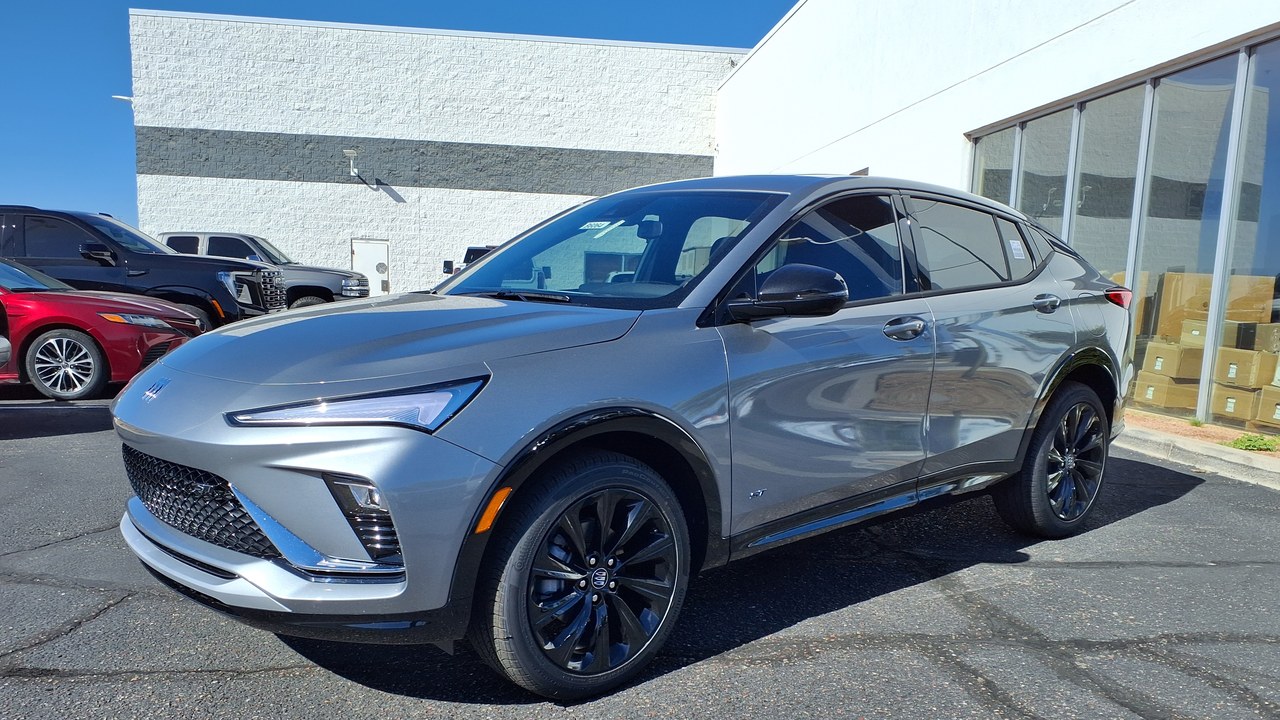
Buick’s Envista is one of the newer entries in the subcompact SUV class, and its efficient three-cylinder engine posts a highway figure near 32 mpg. The EPA rating makes it one of the stronger performers among gas-only small SUVs currently on sale.
The Envista skips a traditional SUV silhouette for a sleeker, more coupe-like roofline, a styling choice that also helps its aerodynamics and mileage. Buick positions the model as an affordable entry point into the brand rather than a rugged off-roader.
10. Honda HR-V: Smallest Honda SUV Delivers

Honda’s HR-V is the smallest gas SUV in the lineup and squeaks past 30 mpg on the highway, a modest but real edge over some larger stablemates. The EPA highway number reflects the naturally aspirated four-cylinder shared with the Civic sedan.
That shared underpinning keeps the HR-V’s fuel economy close to its sedan cousin while adding SUV-style ground clearance and cargo flexibility. Honda’s reliability reputation carries over from the rest of the lineup as well.
11. Subaru Crosstrek: All-Wheel Drive Without the Penalty
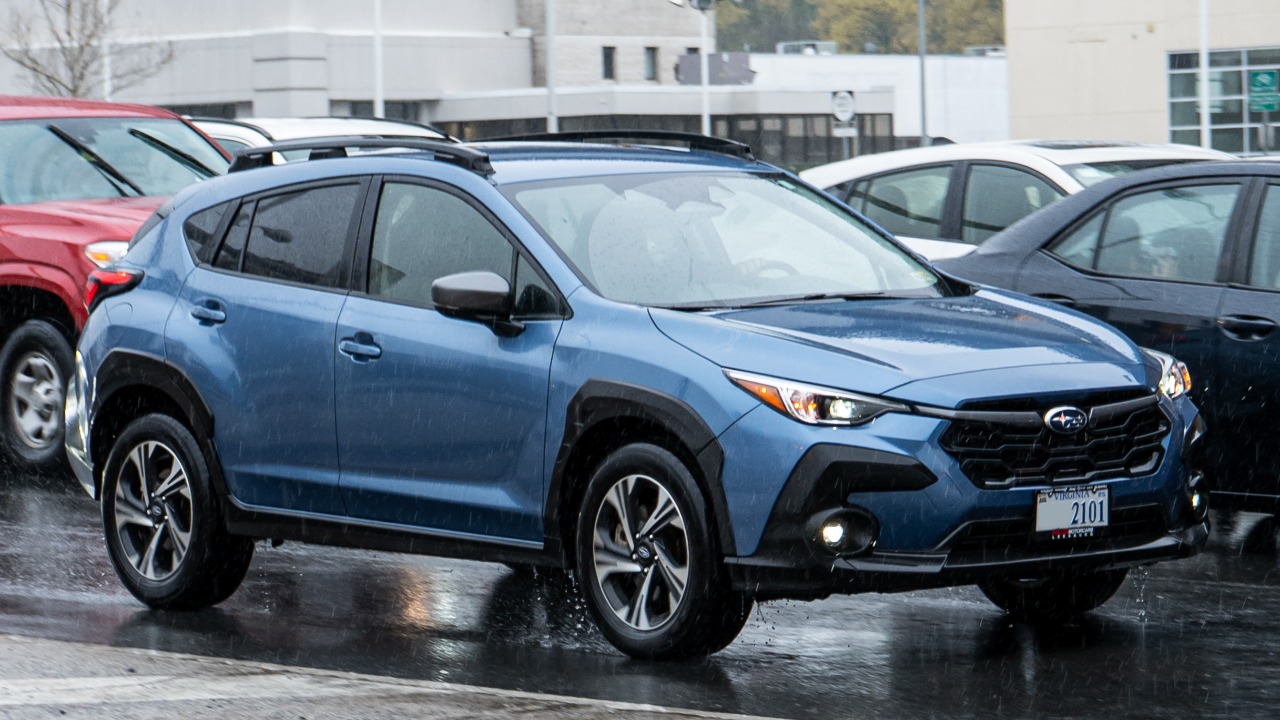
Subaru builds the Crosstrek with standard all-wheel drive, a feature most efficient small SUVs skip, yet the model still lands above 30 mpg on the highway. The EPA figure stands out because all-wheel-drive systems usually cost several mpg compared with front-wheel-drive competitors.
Ground clearance and Subaru’s reputation for all-weather capability make the Crosstrek a common pick in snowier regions, where competitors without standard all-wheel drive lose favor. The efficiency figure holds up even with the extra drivetrain hardware factored in.
More from Morning Overview
- Four U.S. startups fired up their first small nuclear reactors, aiming to power AI data centers on-site
- 11 engines built to run well past 200,000 miles
- A handful of car transmissions are so tough that mechanics say they almost never die
- Card skimmers hidden on gas pumps are draining accounts, and there’s a quick way to spot them
