
Car insurance premiums swing wildly by model, driven by repair costs, theft rates, and crash-test performance rather than sticker price alone. Compact SUVs and crossovers with strong safety ratings and cheap parts consistently post the lowest annual rates, according to insurance industry data compiled for 2026. Here are ten cars that insurers charge the least to cover this year.
1. Subaru Crosstrek: Small SUV, Small Premium
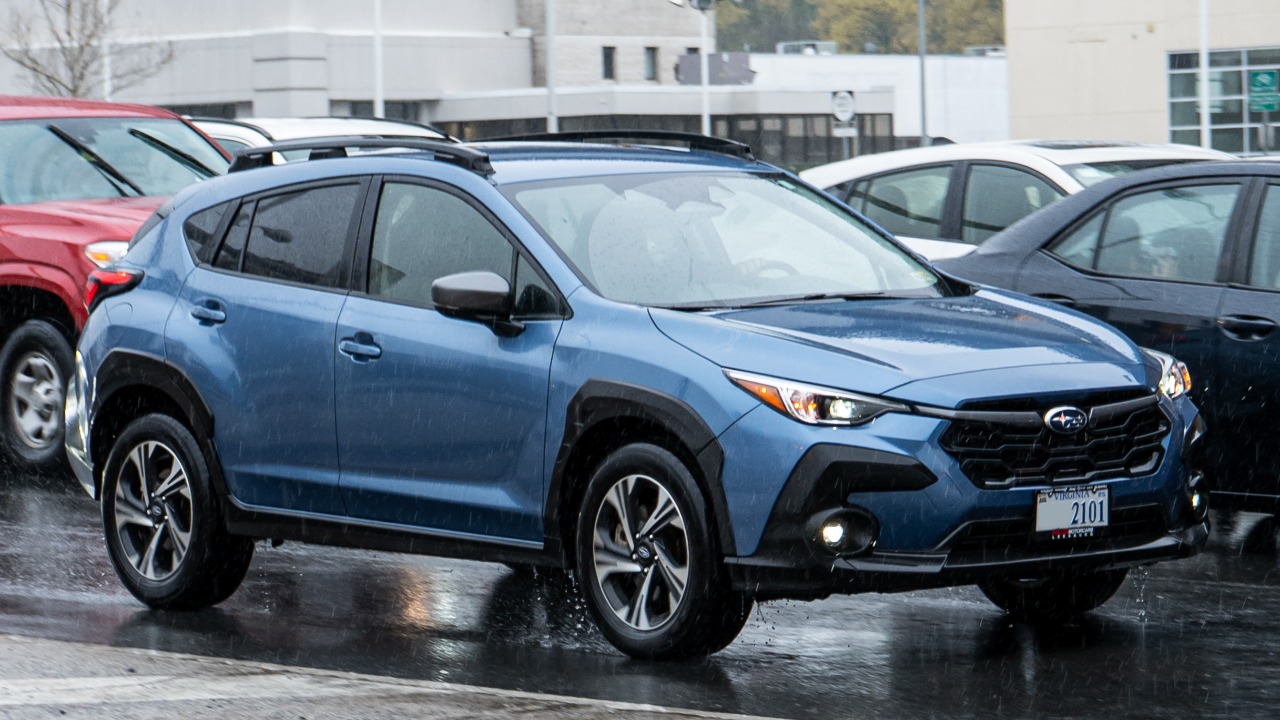
The Subaru Crosstrek lands near the top of the cheapest-to-insure rankings for 2026, a distinction driven by its modest price tag, respectable safety scores, and low theft rate. Insurers weigh claims frequency and repair costs more heavily than raw popularity, and the Crosstrek’s compact all-wheel-drive platform checks both boxes.
For buyers comparing total cost of ownership, the gap between a Crosstrek and a comparably sized sedan can run into hundreds of dollars a year in premiums alone. That margin often outweighs a slightly higher sticker price when the vehicle is financed over five or six years.
2. Jeep Wrangler: Off-Road Icon, Low Rate
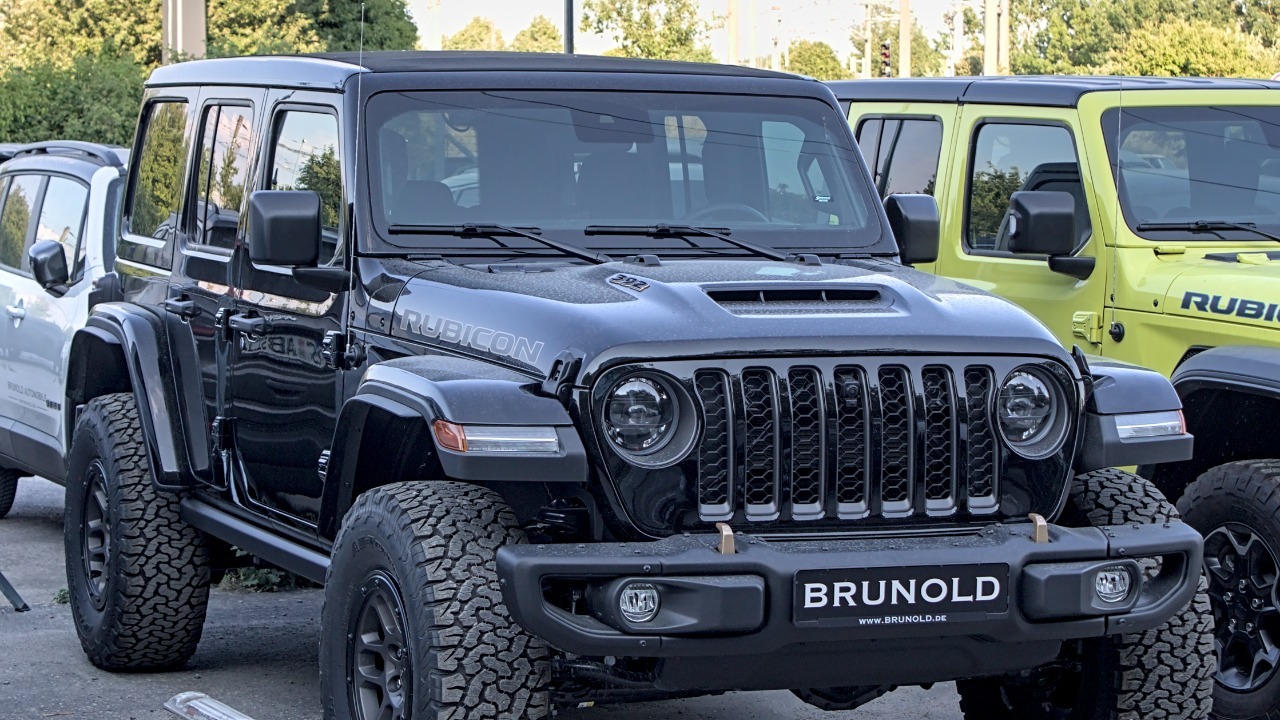
Despite its rugged reputation, the Jeep Wrangler ranks among the least expensive vehicles to insure, according to a 2026 insurer rate comparison. Its body-on-frame construction and widely stocked replacement parts keep collision repair bills lower than many crossovers with similar price tags.
Theft rates factor heavily into the calculation too; despite enthusiast appeal, Wranglers are recovered often enough that insurers do not treat them as high-risk targets. The result is a premium that undercuts several smaller, less capable vehicles that lack the same track record on the road.
3. Honda CR-V: America’s Best-Seller, Cheapest to Cover
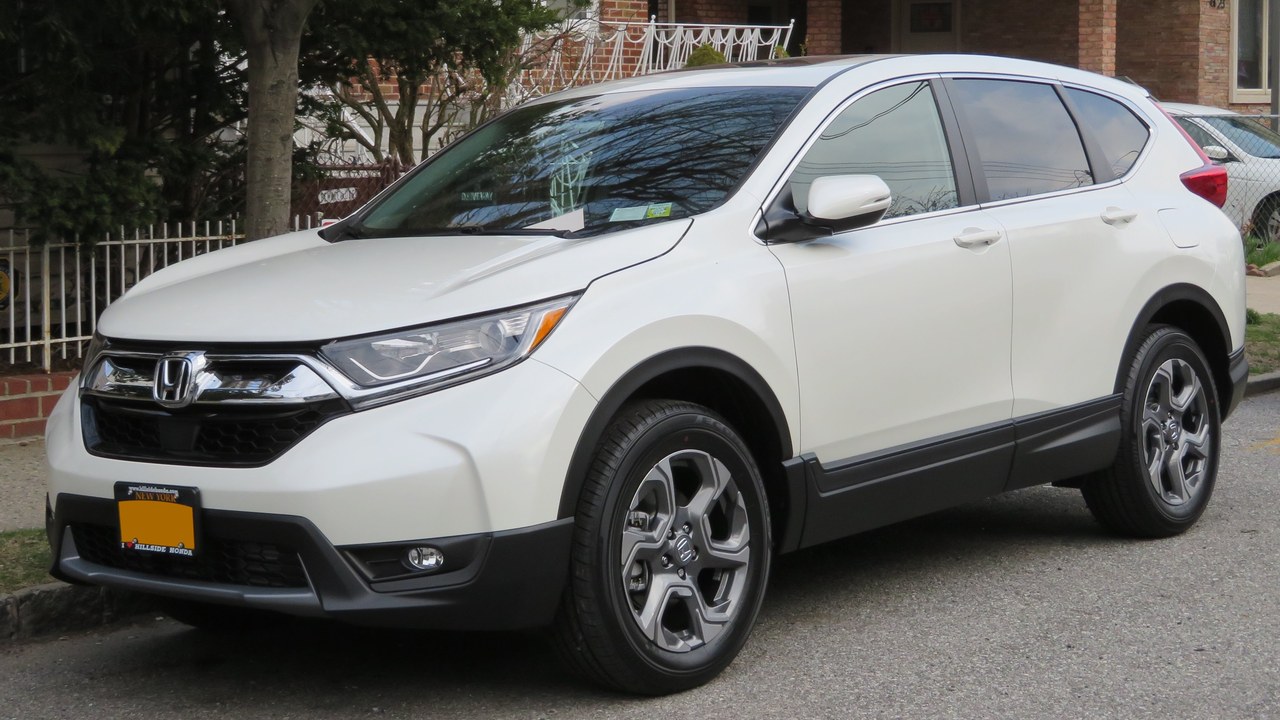
The Honda CR-V, one of the best-selling SUVs in the country, also ranks among the cheapest to insure, per the same industry rate survey. High sales volume means parts are abundant and inexpensive, and the CR-V’s consistently strong crash-test results keep claims payouts modest.
Because so many CR-Vs are on the road, mechanics and body shops nationwide are familiar with the model, which speeds repairs and trims labor costs. Insurers pass that efficiency on to owners in the form of below-average premiums year after year.
4. Subaru Outback: Wagon Roots, Wallet-Friendly Rates
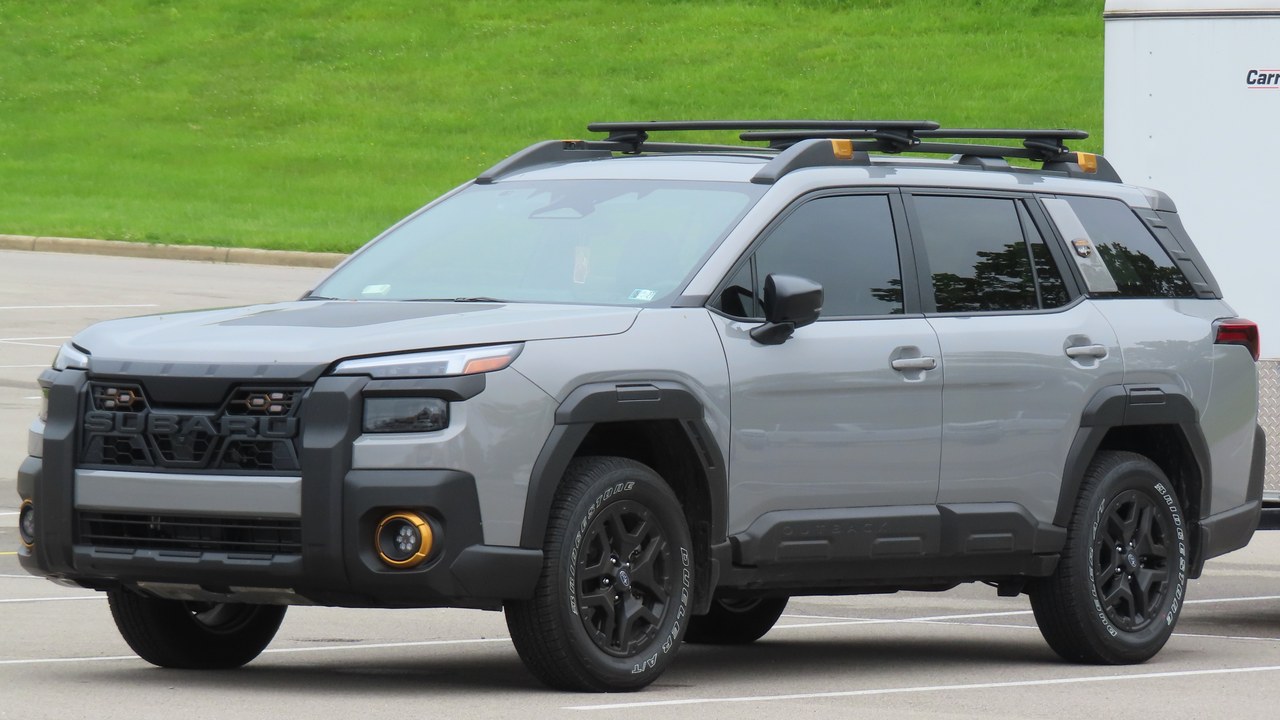
The Subaru Outback also lands near the bottom of the premium scale, part of a broader pattern in the insurer cost breakdown favoring Subaru’s all-wheel-drive lineup. Its wagon-style body avoids the higher rollover risk that pushes premiums up for taller SUVs, and its standard safety suite keeps injury claims rare.
Subaru’s reputation for reliability also plays a role, since fewer mechanical breakdowns translate into fewer roadside claims over the life of the vehicle. Owners who keep an Outback for a decade or more often see premiums stay flat rather than climb with age.
5. Volkswagen Tiguan: Compact SUV, Below-Average Bill
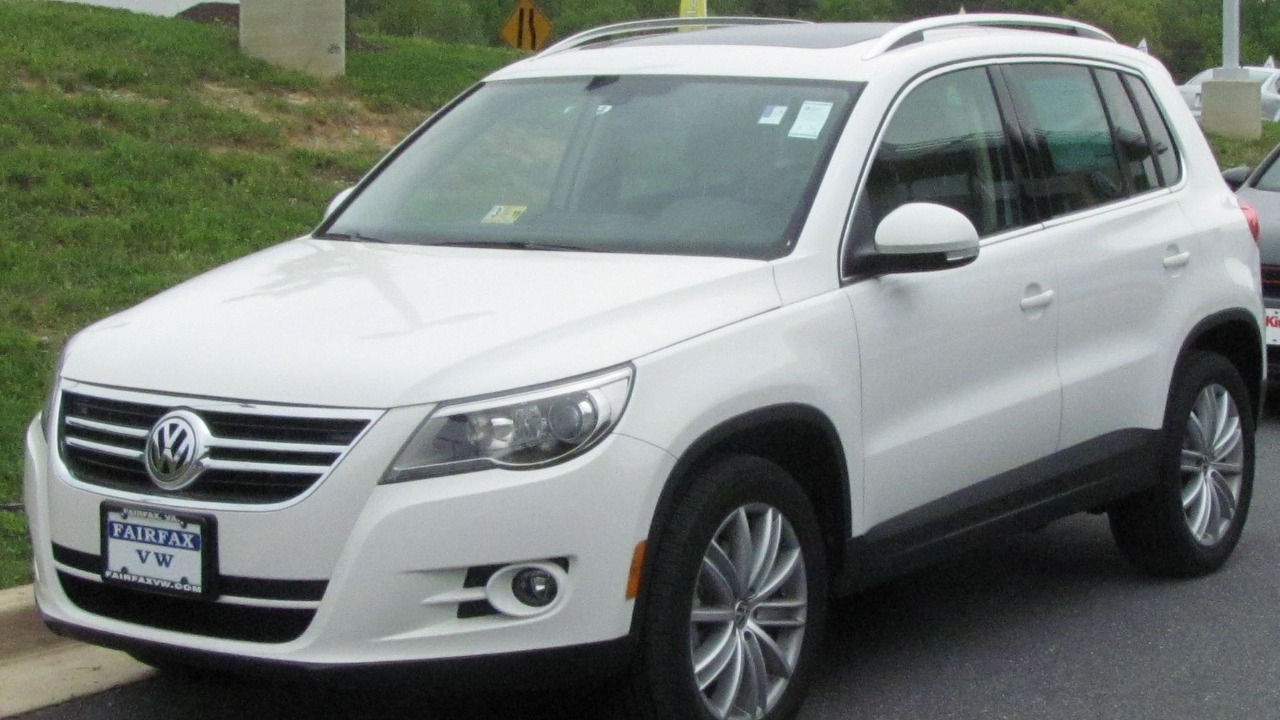
The Volkswagen Tiguan rounds out the compact-crossover segment with premiums that run below the segment average, a reflection of its shared platform with lower-cost VW models documented in the model’s production history. Shared components across the Volkswagen lineup mean replacement parts are easier to source than on a standalone design.
The Tiguan’s moderate horsepower and standard driver-assist features also keep it out of higher-risk rating tiers that apply to sportier compact SUVs. For a household insuring multiple vehicles, adding a Tiguan rarely pushes the overall policy total up by much.
6. Mazda CX-5: Safety Scores Cut the Premium
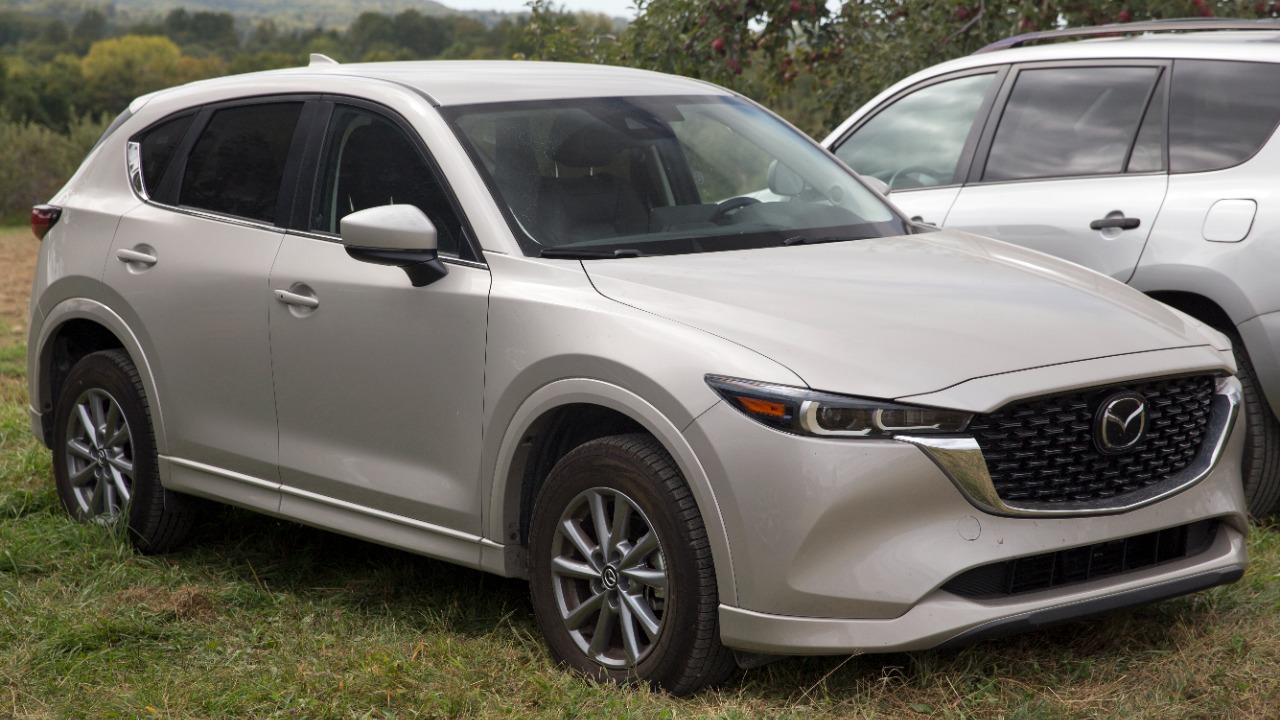
The Mazda CX-5 earns some of the strongest crash-test scores in its class, a record laid out in the vehicle’s safety documentation, and insurers reward that consistency with lower liability and collision rates. Its mid-pack price and moderate engine output also keep it out of the performance-vehicle surcharge bracket.
Because the CX-5 rarely tops theft or claims-frequency lists, underwriters treat it as a predictable risk rather than a variable one. That predictability is often worth more to an insurer’s pricing model than raw sales volume.
7. Volkswagen Taos: Smallest VW SUV, Smallest Bill
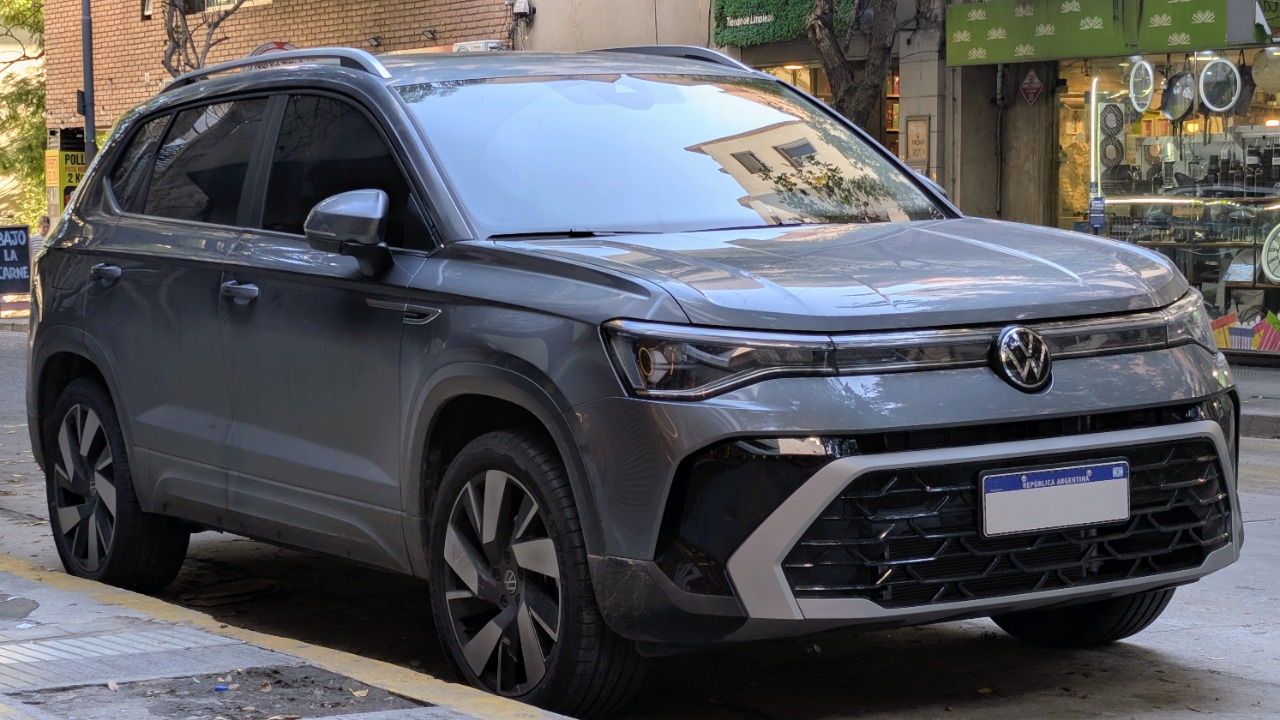
The Volkswagen Taos, the smallest SUV in VW’s US lineup according to the model’s specification page, carries one of the lowest premiums in the segment thanks to its compact footprint and modest base engine. Smaller, lighter vehicles generally cause less damage in a collision, which keeps liability payouts down.
The Taos also benefits from a lower theft profile than flashier compact SUVs, since it draws less attention from thieves targeting resale parts. Buyers cross-shopping subcompact crossovers often find the insurance gap between models larger than the price gap on the lot.
8. Honda HR-V: Tiny Footprint, Tiny Premium

The Honda HR-V, detailed in the model’s vehicle history, shares much of its underlying architecture with the Honda Civic, which keeps parts costs and labor times low at body shops nationwide. Its small size and modest horsepower also place it well outside the surcharge tiers reserved for larger or more powerful crossovers.
Honda’s broad dealer and parts network means an HR-V claim typically resolves faster than one for a less common import, and insurers price in that speed. For a second or third household vehicle, the HR-V is frequently the cheapest line item on the policy.
9. Subaru Forester: Safety-First Design, Lower Bill
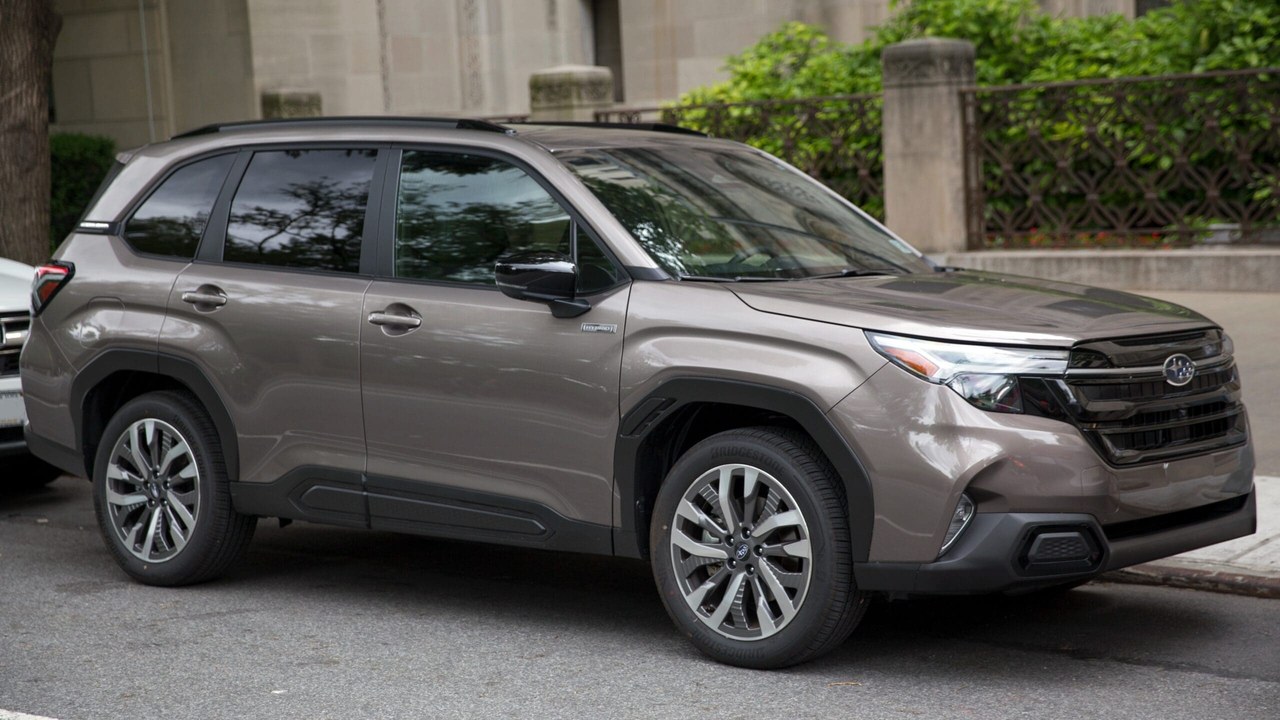
The Subaru Forester, covered in the model’s engineering overview, has built its reputation on standard all-wheel drive and high visibility from a tall greenhouse design, both factors that reduce collision frequency in insurer models. That track record has kept the Forester a fixture on cheapest-to-insure lists for years running.
Its boxy shape, often mocked by design critics, translates into excellent outward visibility that helps drivers avoid the low-speed fender-benders that drive up claims frequency. Insurers have taken notice, and the pricing reflects it across most states.
10. Chevrolet Trailblazer: Budget Crossover, Budget Coverage
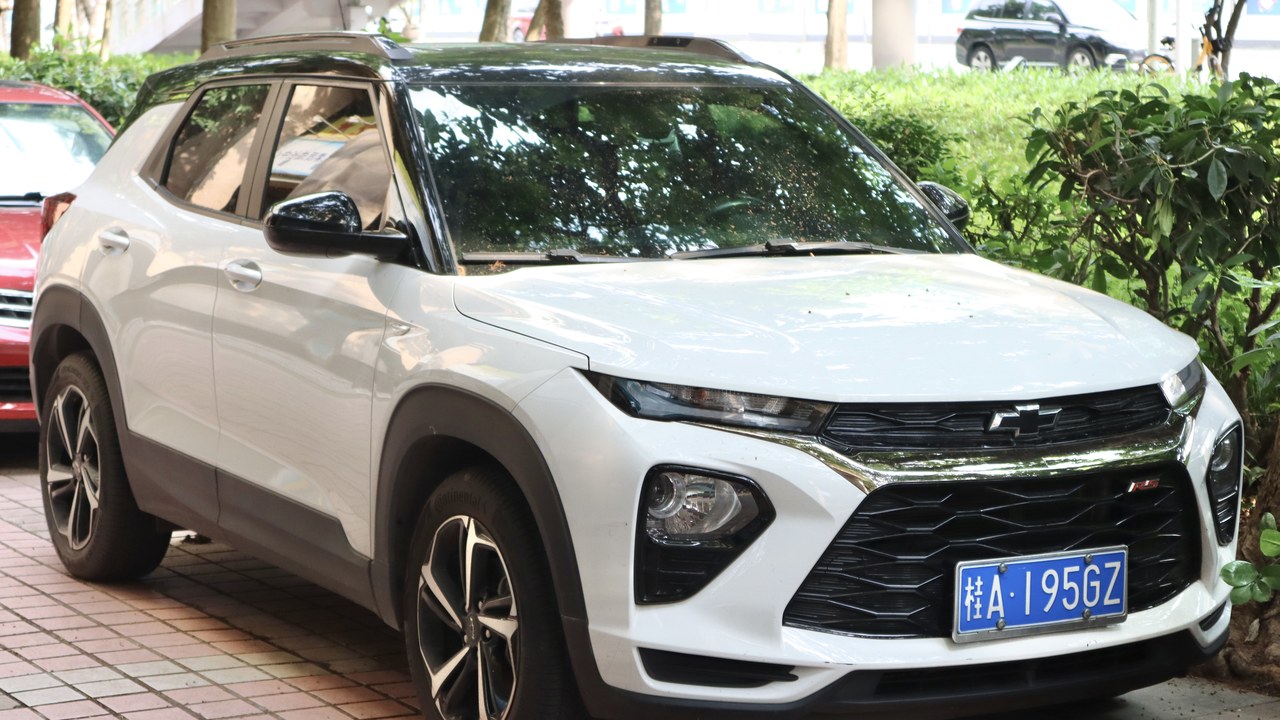
The Chevrolet Trailblazer, profiled in the nameplate’s model history, was built from the outset as a value-focused subcompact crossover, and that positioning carries through to its insurance costs. A modest base price and unremarkable performance specs keep it out of the higher rating tiers assigned to quicker or pricier crossovers.
General Motors also builds the Trailblazer on a widely shared platform, which keeps parts costs down at collision centers across the country. For budget-minded buyers, the savings on a Trailblazer policy often stack on top of the lower purchase price rather than offsetting it.
More from Morning Overview
- The NSA is again telling phone owners to switch off one location setting
- Four U.S. startups fired up their first small nuclear reactors, aiming to power AI data centers on-site
- 11 engines built to run well past 200,000 miles
- A handful of car transmissions are so tough that mechanics say they almost never die
