
Resale value separates a car that protects an owner’s investment from one that erodes it within a few years of the lot. Kelley Blue Book’s annual best-resale-value rankings single out trucks, SUVs and sports cars that buyers keep chasing used, keeping demand and prices elevated long after the original sale. Here are ten vehicles that hold their value better than almost anything else on the road.
1. Toyota Tacoma: Truck Loyalty Pays
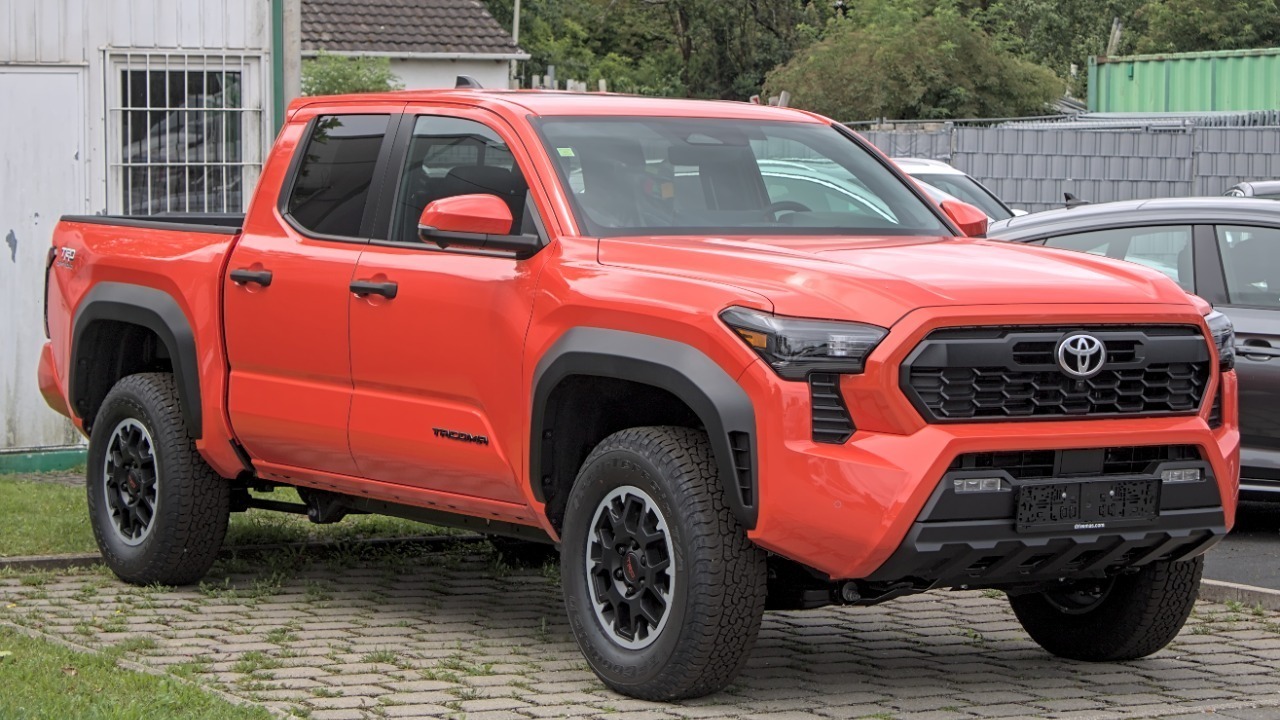
The Kelley Blue Book resale rankings credit the Tacoma with holding about 63% of its original value after five years, the strongest showing of any vehicle in the lineup. Toyota’s midsize pickup has built a reputation for durability that keeps used-truck buyers bidding up asking prices instead of walking away.
That demand curve matters most for owners who plan to trade in or sell privately, since a Tacoma bought new rarely loses value at the pace a typical sedan does. Off-road trims and manual-transmission models tend to command an even smaller depreciation gap in the used market.
2. Toyota Tundra: Full-Size Value Leader
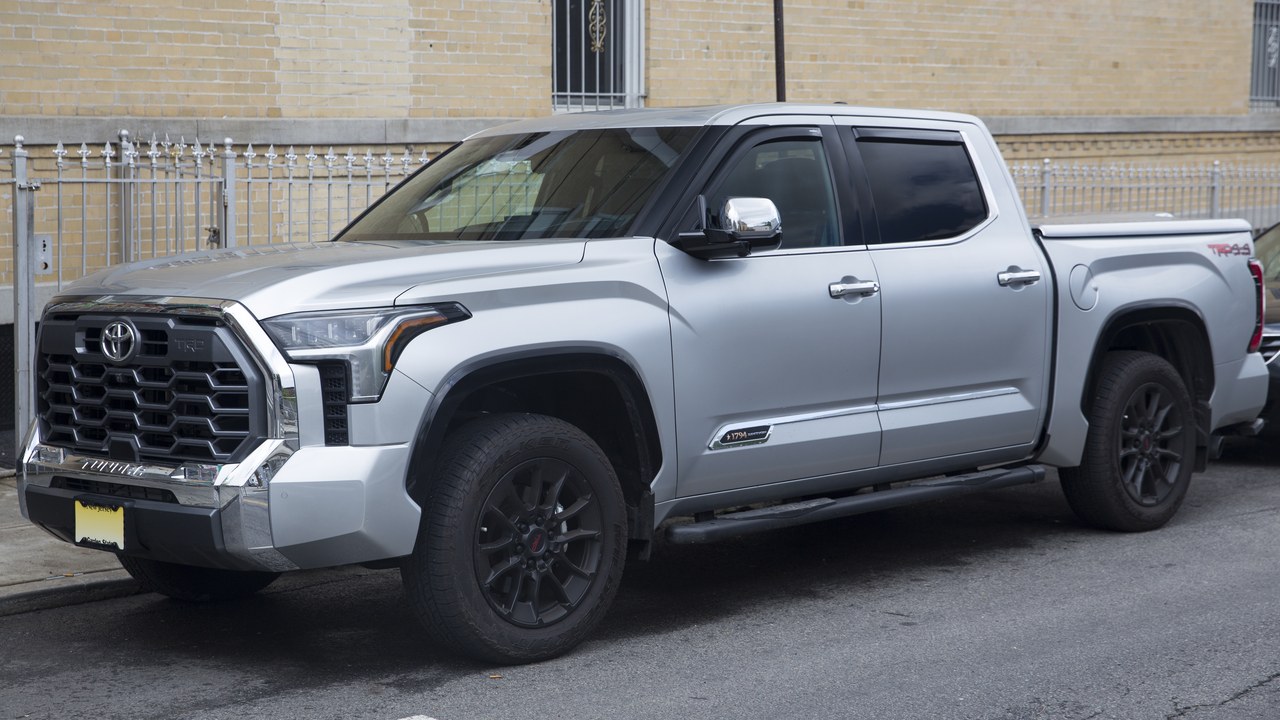
Full-size trucks usually depreciate faster than their compact cousins, but the Tundra breaks that pattern by keeping roughly 60% of its sticker price after five years, according to the same Kelley Blue Book study. Toyota’s larger pickup benefits from the same reputation for mechanical longevity that props up the smaller Tacoma.
Fleet buyers and private owners alike tend to hold onto a Tundra well past the typical trade-in window, which thins out the used inventory and keeps asking prices firm. A hybrid powertrain option added in recent years has done little to change that pattern so far.
3. Toyota 4Runner: Body-on-Frame Payoff
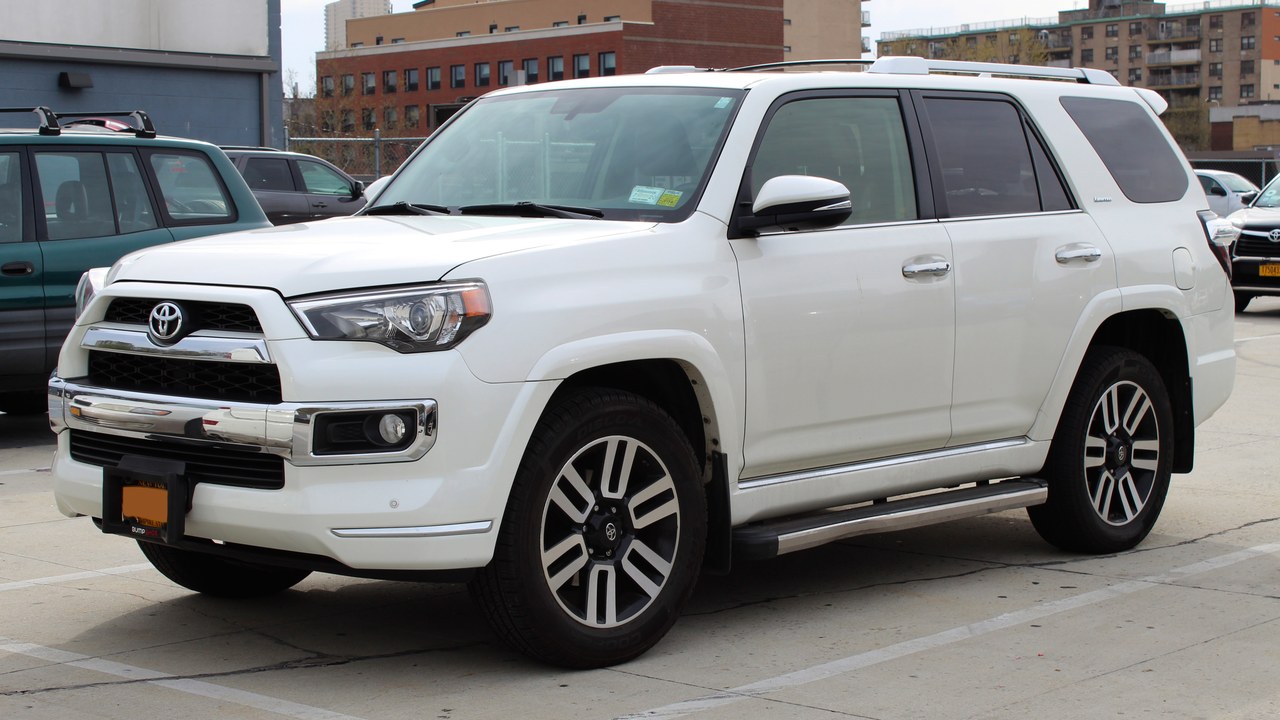
The 4Runner’s old-school body-on-frame construction has fallen out of fashion with automakers chasing fuel economy, but it keeps the SUV retaining about 58% of its value after five years, per the Kelley Blue Book award list. Off-road buyers specifically seek out the platform for its simplicity and repairability.
A redesign brought a turbocharged engine and a hybrid option to the lineup, yet the outgoing generation still commands strong used prices because parts and mechanics for it are everywhere. Buyers shopping secondhand often treat an older 4Runner as a safer bet than a newer, less-proven redesign.
4. Toyota GR Supra: Sports Car, Slow Depreciation
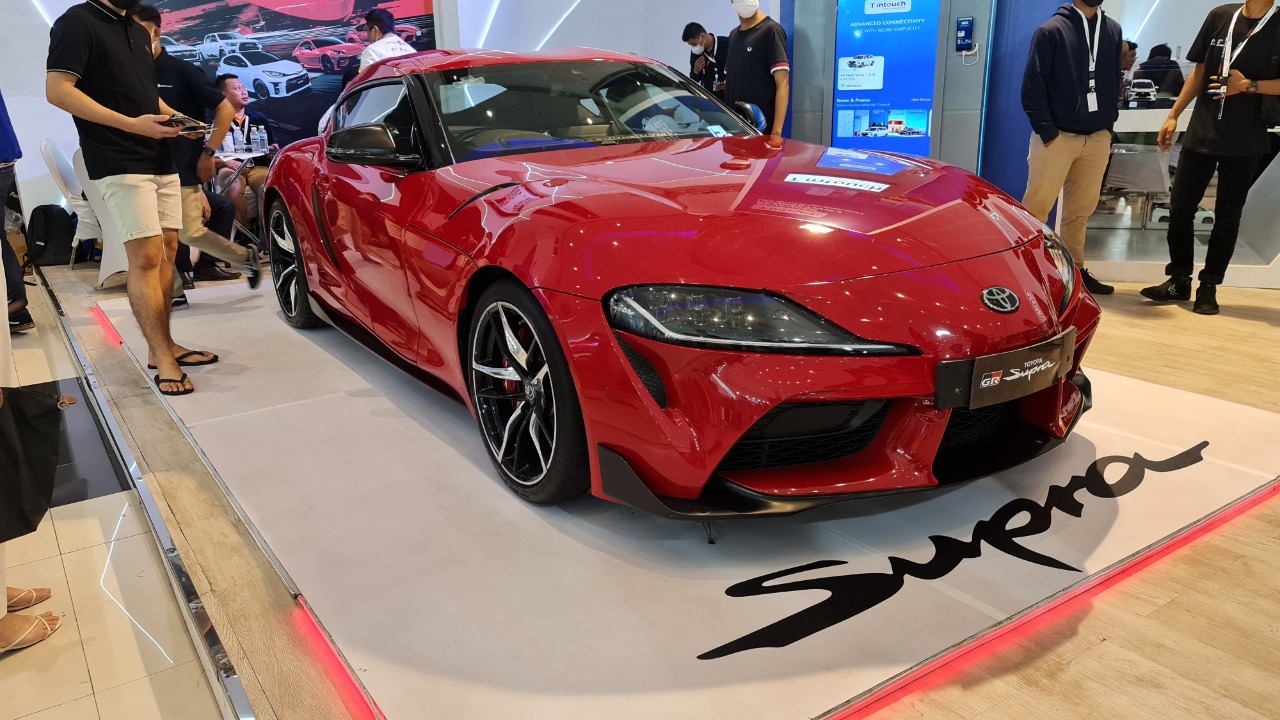
Most sports cars lose value quickly once the novelty wears off, but Kelley Blue Book’s rankings list the GR Supra among the rare exceptions that barely depreciates, an unusual result documented in the publication’s award methodology. The revived nameplate carries decades of enthusiast goodwill from the earlier Supra generations that preceded it.
Limited production numbers relative to mainstream sedans keep the used market tight, and manual-transmission versions introduced after launch have become especially sought after. A shared platform with a BMW roadster hasn’t dented the appeal among buyers who specifically want the Toyota badge.
5. Mercedes-Benz G-Class: Boxy Icon Holds Firm
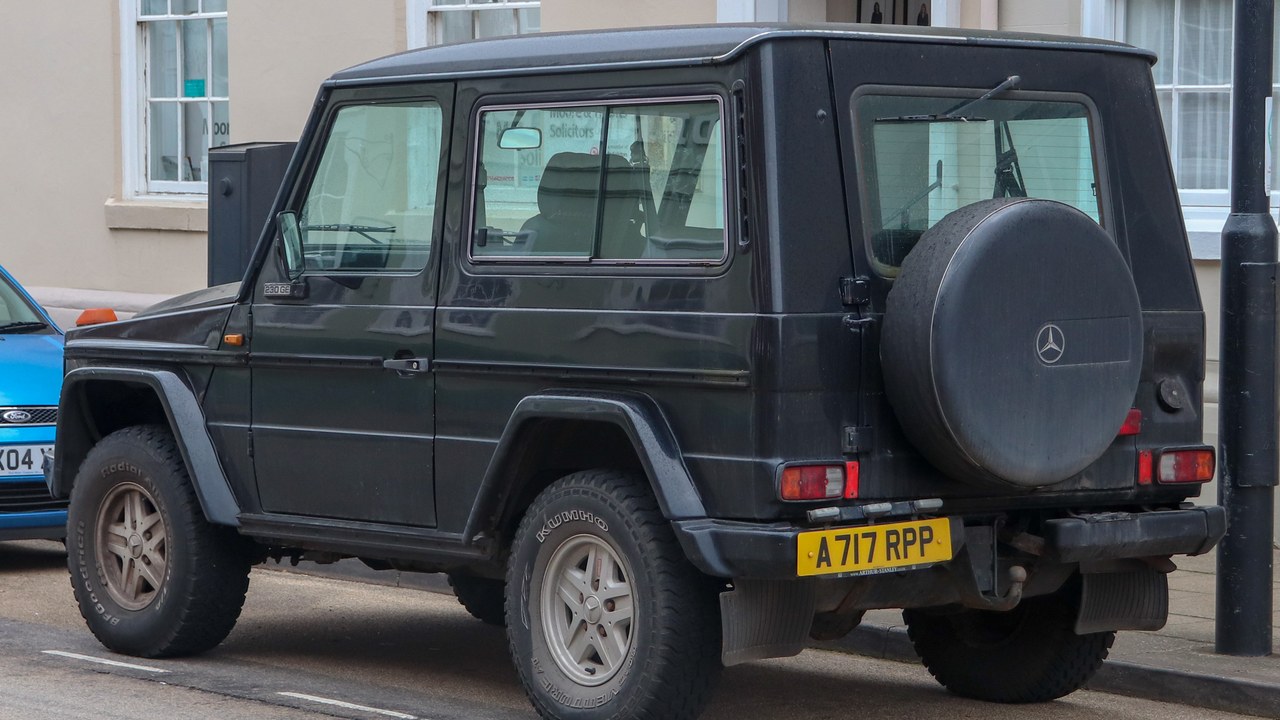
The G-Class has kept its slab-sided silhouette largely unchanged for decades, and that visual consistency has turned it into one of the few luxury SUVs that holds value like nothing else in its class, according to background compiled on the vehicle’s production history. Waitlists at dealerships have historically outpaced supply for new units.
That scarcity carries over to the used market, where well-kept examples routinely sell close to their original window sticker years after delivery. A dedicated collector base, plus Mercedes-Benz’s decision to keep the body style largely intact across generations, insulates the G-Class from the depreciation that erodes most luxury vehicles.
6. Toyota Sienna: Minivan That Won’t Quit
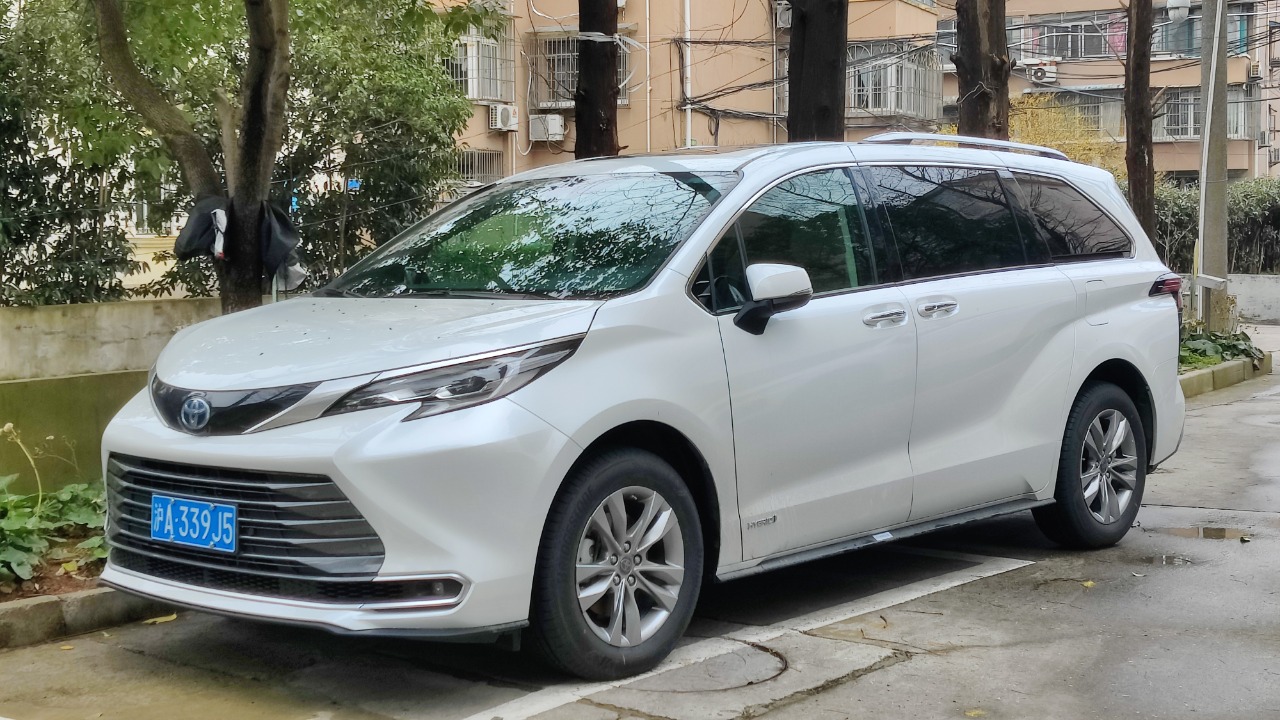
Minivans carry a reputation for steep depreciation, which makes the Sienna’s ability to defy that trend notable enough to earn its own mention in the model’s documented history. The Sienna moved to a hybrid-only powertrain lineup, a shift that has made it one of the more fuel-efficient people-movers on the market.
Families cross-shopping used minivans tend to gravitate toward Toyota’s reliability record, which keeps demand steady even as the segment shrinks overall. Fewer competitors remain in the minivan class today than a decade ago, and that shrinking field leaves the Sienna with less direct pricing pressure on the used lot.
7. Ford Maverick: Small Truck, Big Waitlist
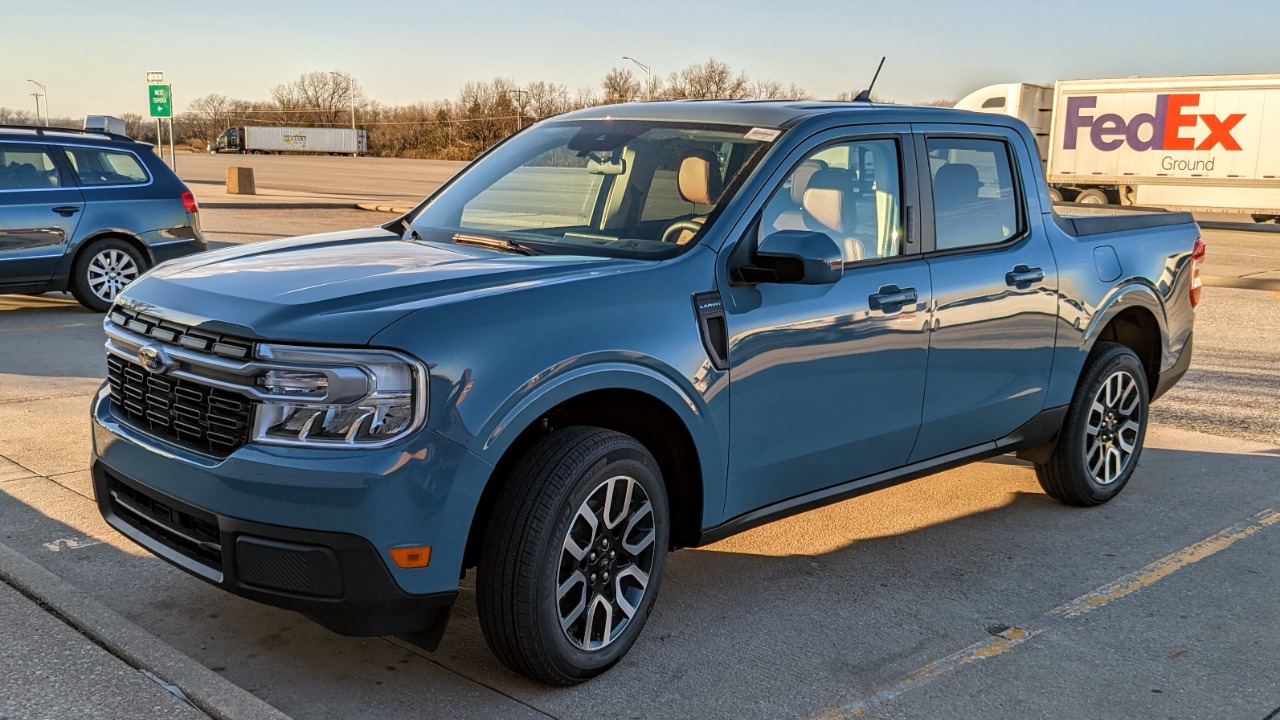
Ford’s compact pickup arrived to long dealer waitlists, and that same imbalance between orders and factory output is what keeps the Maverick’s resale value high, a dynamic traced through the nameplate’s sales history. A standard hybrid powertrain on lower trims set it apart from other small trucks when it launched.
Buyers who could not get a new one at sticker price have often turned to the used market instead, pushing up prices on low-mileage examples. Ford has periodically paused new orders to manage the backlog, a step that has only reinforced scarcity on dealer lots and, by extension, resale prices.
8. Chevrolet Corvette: America’s Sports Car Endures
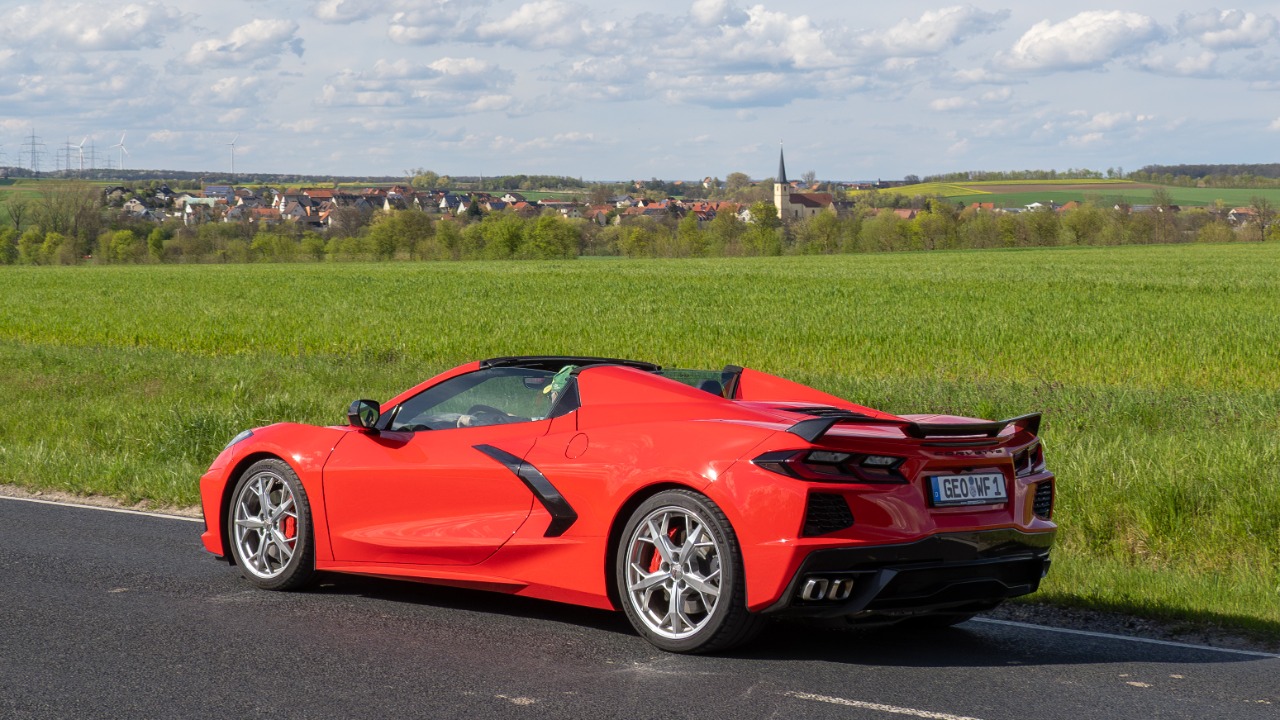
The Corvette has carried the label of America’s sports car for generations, and that brand equity is a big reason it keeps most of its value in the used market, a pattern documented across the model’s production and generational history. The current generation moved the engine behind the driver for the first time in the nameplate’s history.
That mid-engine layout drew new buyers who previously overlooked the Corvette in favor of European rivals, and demand for the change has kept order backlogs long at dealerships. High-output variants in particular have traded above their original sticker price on the used market since launch.
9. Porsche 911: The Resale Benchmark
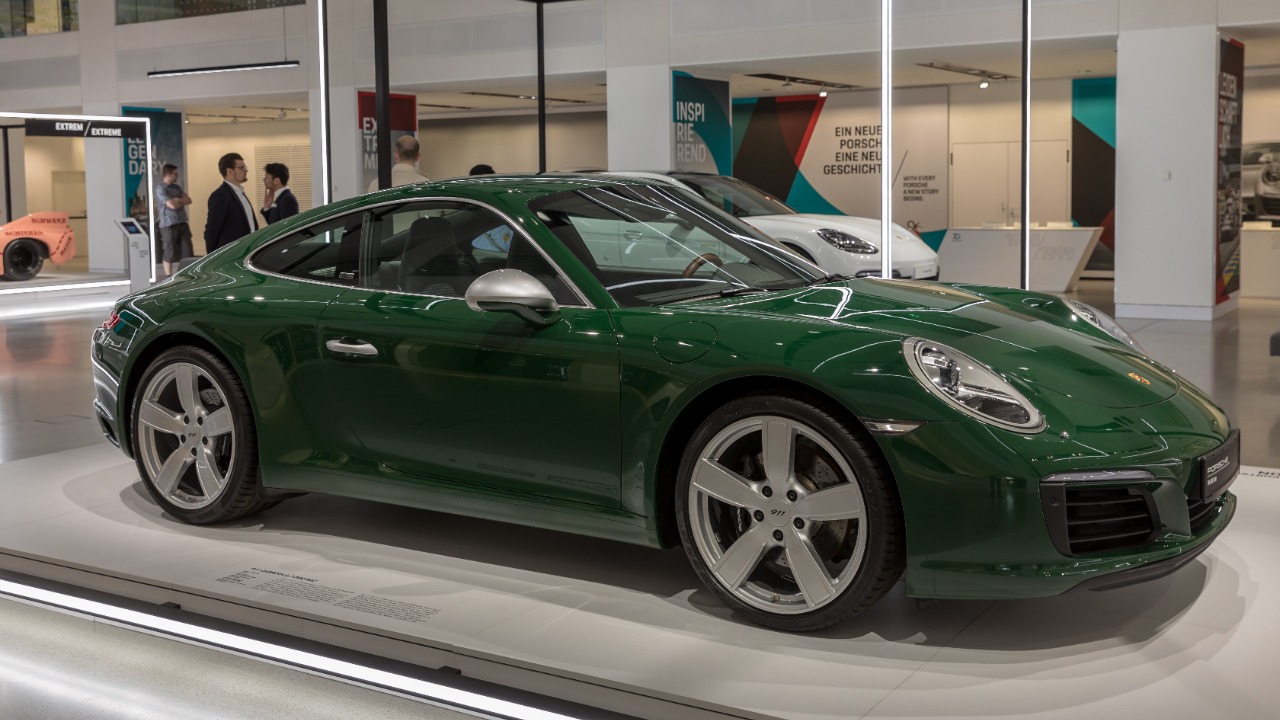
Few nameplates match the 911’s track record for holding its price, a reputation built over more than half a century documented in the model’s generational production record. Porsche has kept the silhouette instantly recognizable across generations even as the engineering underneath has changed dramatically.
Limited-run and manual-transmission variants in particular have sold for more than their original price in the used market, a rarity among modern sports cars. Even mainstream Carrera trims tend to depreciate slower than luxury sedans costing far less, which keeps the 911 near the top of nearly every resale ranking.
10. Ford Ranger: Midsize Rounds Out the List
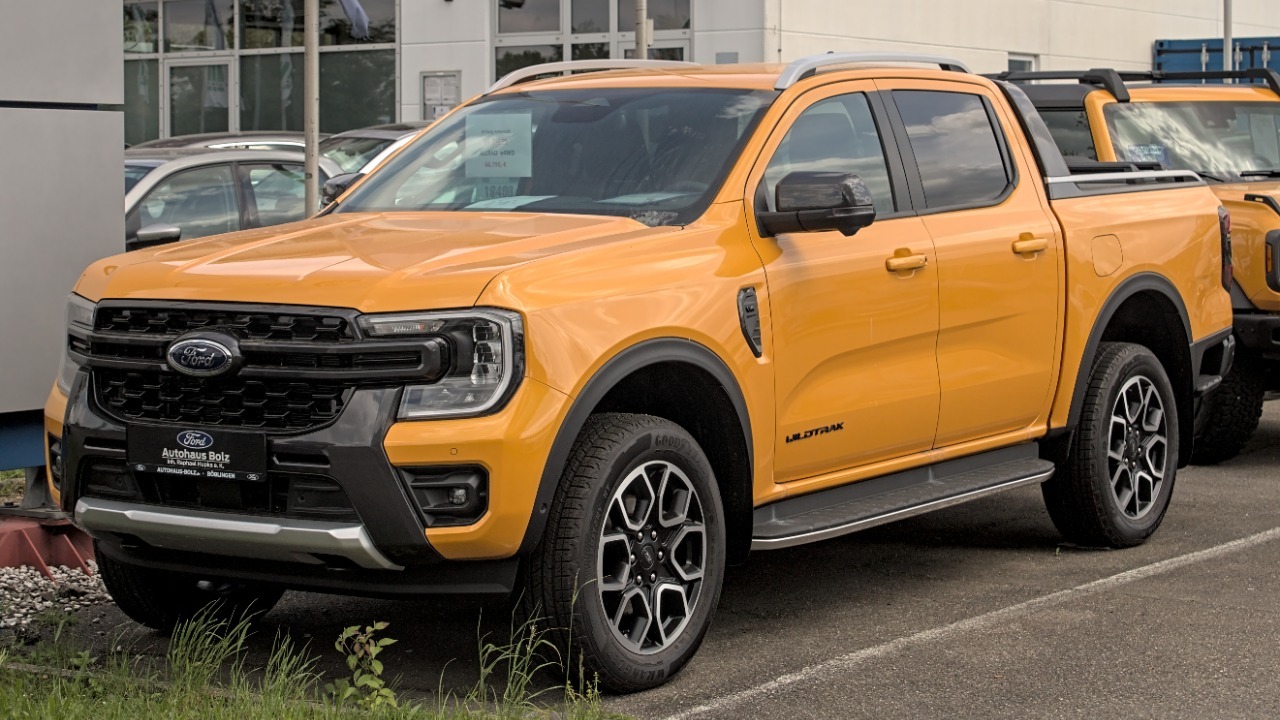
The Ranger closes out the list as the midsize pickup that rounds out the value leaders, a role reflected in the model’s return-to-market history after Ford brought it back to the US lineup following a hiatus. Truck buyers who want something smaller than a full-size F-150 have kept demand for the Ranger consistently strong.
A Raptor performance variant added later broadened the truck’s appeal beyond commuters to off-road enthusiasts willing to pay a premium even secondhand. That widened buyer pool, spanning work-truck shoppers and performance fans alike, helps explain why the Ranger holds its price better than many other midsize trucks.
More from Morning Overview
- Supplements now rank as the fifth-leading cause of death from liver disease.
- The NSA is again telling phone owners to switch off one location setting
- Four U.S. startups fired up their first small nuclear reactors, aiming to power AI data centers on-site
- 11 engines built to run well past 200,000 miles
