
Four-wheel drive means more than an extra button on the dash: real off-road hardware relies on a transfer case, low-range gearing, or locking differentials, not a computer alone. The vehicles below range from body-on-frame trail trucks to car-based crossovers, and their hardware varies more than the marketing implies. Here are nine capable SUVs worth cross-shopping when real traction is the goal.
1. Ford Bronco: Low Range, Standard
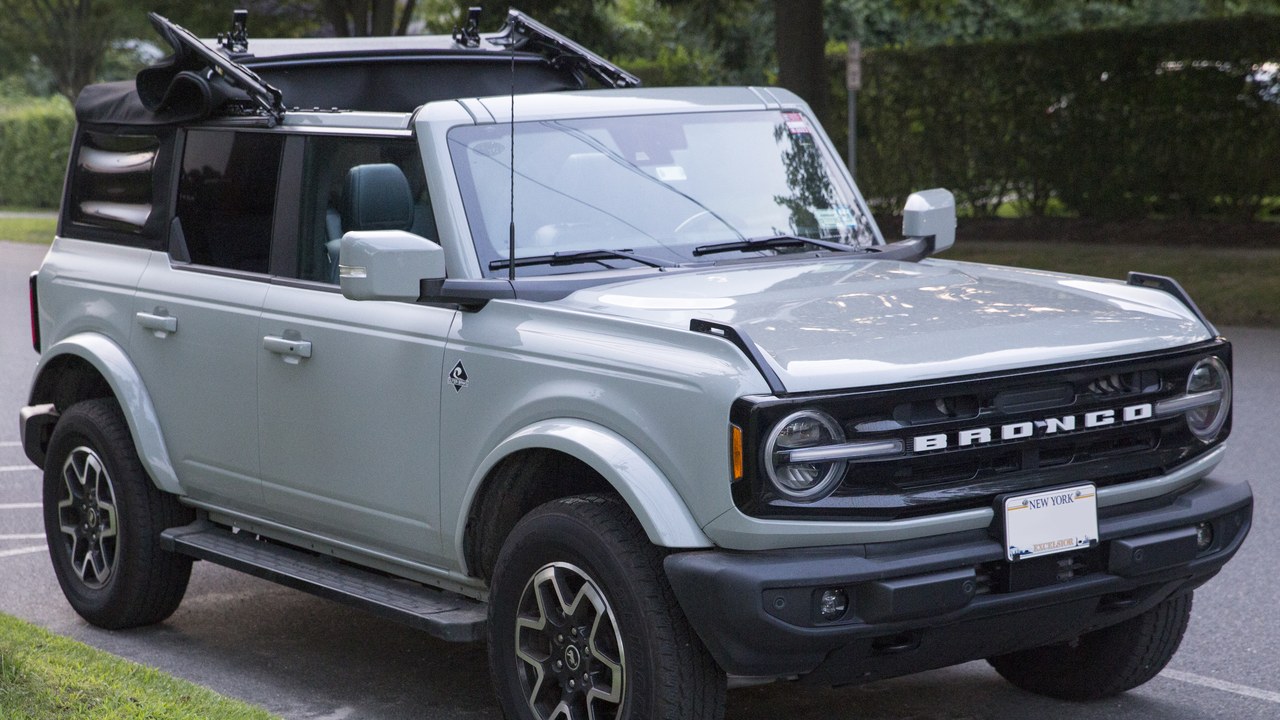
The Bronco’s off-road trims add a two-speed transfer case with genuine low-range gearing, plus available front and rear locking differentials and an electronically disconnecting front sway bar for added wheel articulation on rough ground.
That is mechanical hardware, not a traction-control algorithm, and it puts the Bronco alongside the Wrangler as one of the few affordably built SUVs where four-wheel drive still means low range and locked axles rather than software alone. Trim and fuel-economy specifics are cataloged at fueleconomy.gov, though transaction pricing varies by dealer and option package.
2. Jeep Wrangler: The Original Benchmark
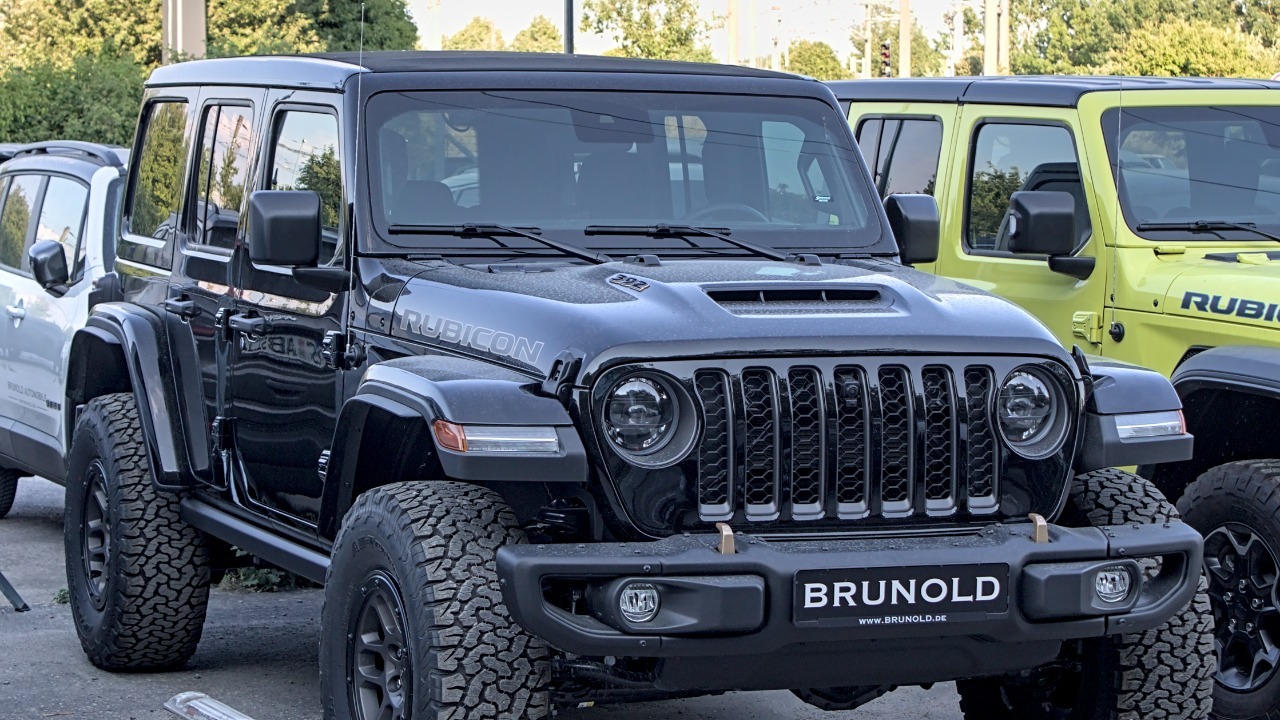
Solid front and rear axles, a low-range transfer case, and available locking differentials front and rear have defined the Wrangler for decades, and the body-on-frame layout still separates it from every crossover wearing an SUV label.
Higher trims add disconnecting sway bars for even more wheel travel over uneven terrain, hardware most rivals in this price range skip entirely. Buyers give up some daily-driving polish for that capability, since the solid axles trade a measure of on-road ride comfort for durability off it. The trade for that capability is a stiffer ride, more wind noise at highway speed, and a live front axle that some drivers find less composed in fast highway lane changes than an independent-suspension crossover.
3. Toyota 4Runner: Body-On-Frame Holdout
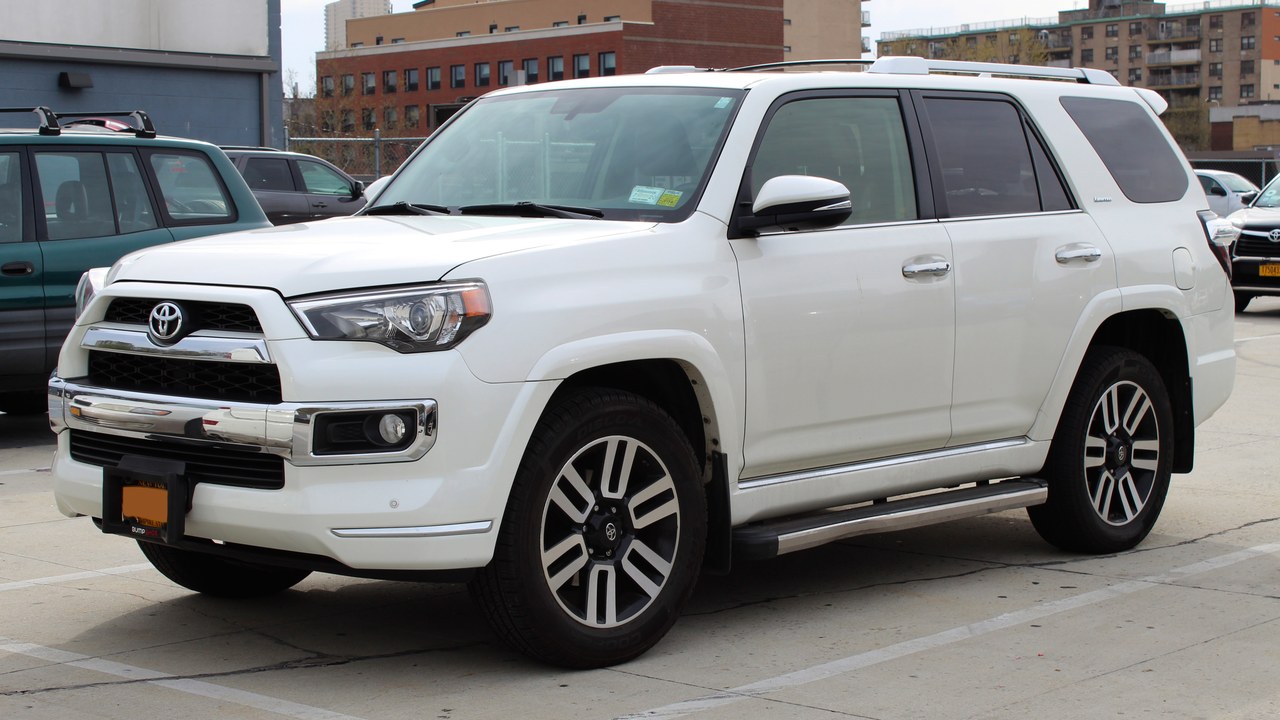
The 4Runner keeps its body-on-frame construction and offers a part-time four-wheel-drive system with two-speed low range on TRD Off-Road and higher trims, plus a locking rear differential on the most trail-focused version.
That frame and drivetrain layout is closer to a midsize pickup than to most modern crossovers, which is part of why the 4Runner has a long reputation for durability in used-vehicle markets. The tradeoff is a firmer ride and lower fuel economy than car-based competitors on this list. Toyota also offers a locking center differential on some 4Runner trims, letting the front and rear axles turn at the same speed for slippery inclines where a standard open system would let one wheel spin freely.
4. Subaru Outback: Wagon, Not Truck
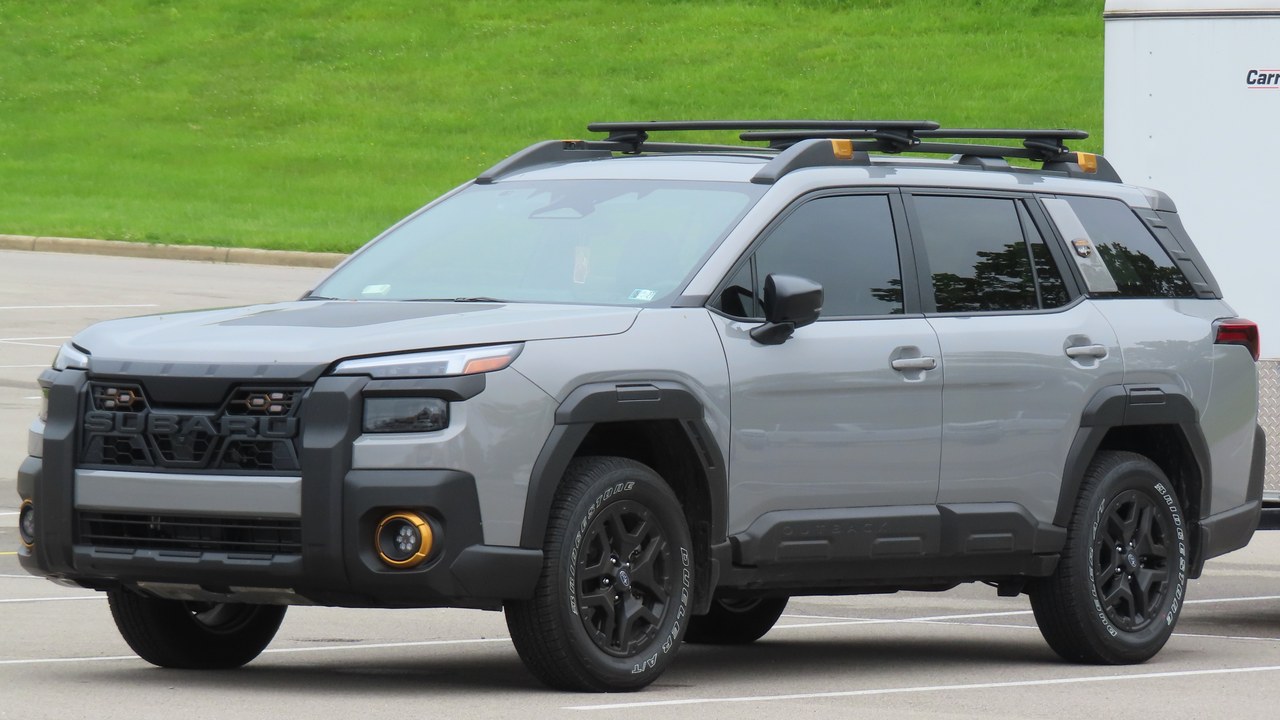
The Outback runs Subaru’s symmetrical all-wheel-drive system full time, with an X-Mode setting that adjusts throttle and traction response for snow, mud, or shallow water, and raised ground clearance for a wagon-based vehicle.
It is worth noting the Outback has no low-range gearing or locking differential, so its capability sits a tier below the transfer-case trucks on this list even though it wears an SUV-style body. It suits gravel roads, snow, and light trails rather than technical rock crawling. Buyers cross-shopping the Outback against truck-based options should weigh that difference carefully, since the marketing language across the segment often blurs the line between all-wheel drive and true four-wheel drive with low range.
5. Jeep Grand Cherokee: Unibody With Options
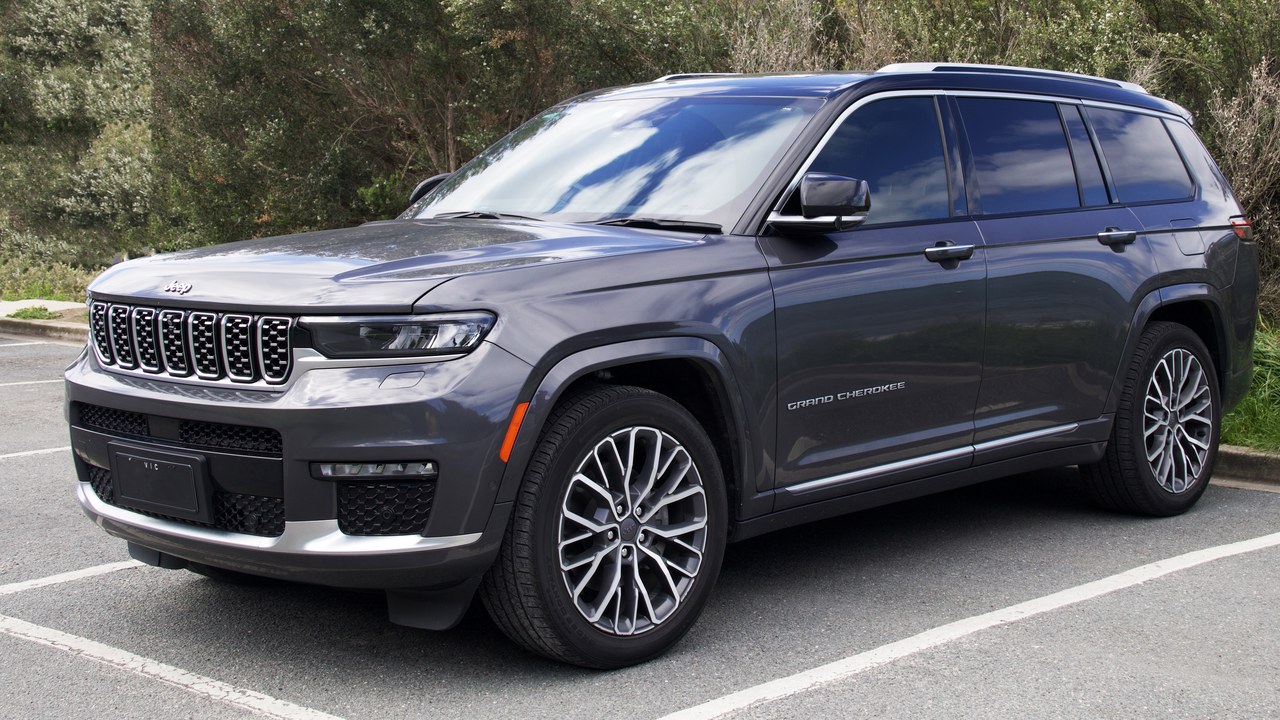
Base Grand Cherokee trims use an on-demand all-wheel-drive system, but the Quadra-Drive II system available on Trailhawk-level trims adds low-range gearing and a locking rear differential absent from most unibody SUVs.
That means the drivetrain a buyer actually gets depends heavily on trim choice, since entry-level Grand Cherokees do not carry the same hardware as the off-road-tuned versions. Shoppers who want genuine low range need to confirm the specific trim and drivetrain code before assuming it is included. Base and Limited trims instead rely on Quadra-Trac systems without low range, which are adequate for snow and gravel but not built for the same technical terrain the Trailhawk’s hardware is designed to handle.
6. Ford Bronco Sport: Small Body, Different System
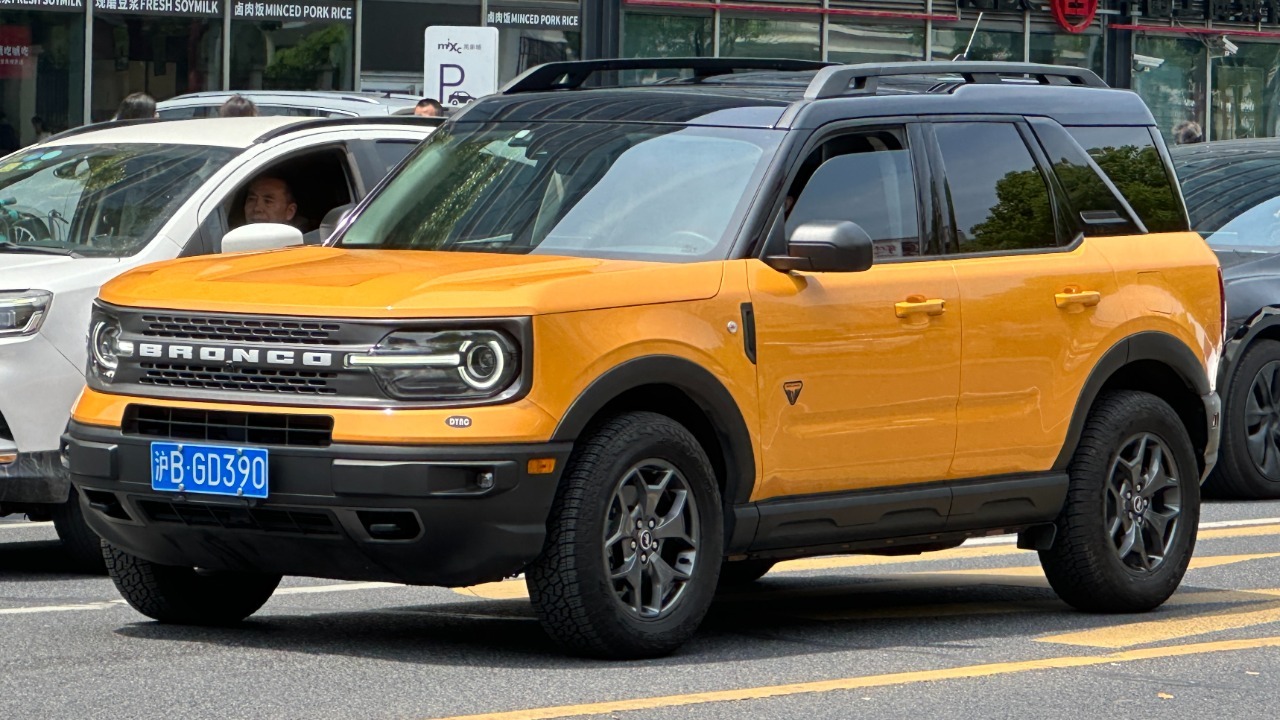
Despite the family name, the Bronco Sport shares its unibody platform with the Escape and uses a twin-clutch rear-drive unit for all-wheel drive rather than the two-speed transfer case fitted to the full-size Bronco.
Its Terrain Management System still tunes throttle, traction, and shift points for sand, mud, or rock modes, and the Badlands trim adds extra suspension travel, but there is no low-range gearing to back it up. It is a capable soft-roader, not a mechanical twin of its larger namesake. Shoppers drawn to the Bronco name for its off-road reputation should look closely at the spec sheet, since the Sport’s underpinnings and drivetrain hardware are meaningfully different from the body-on-frame Bronco it is named after.
7. Subaru Forester: AWD As Standard Equipment
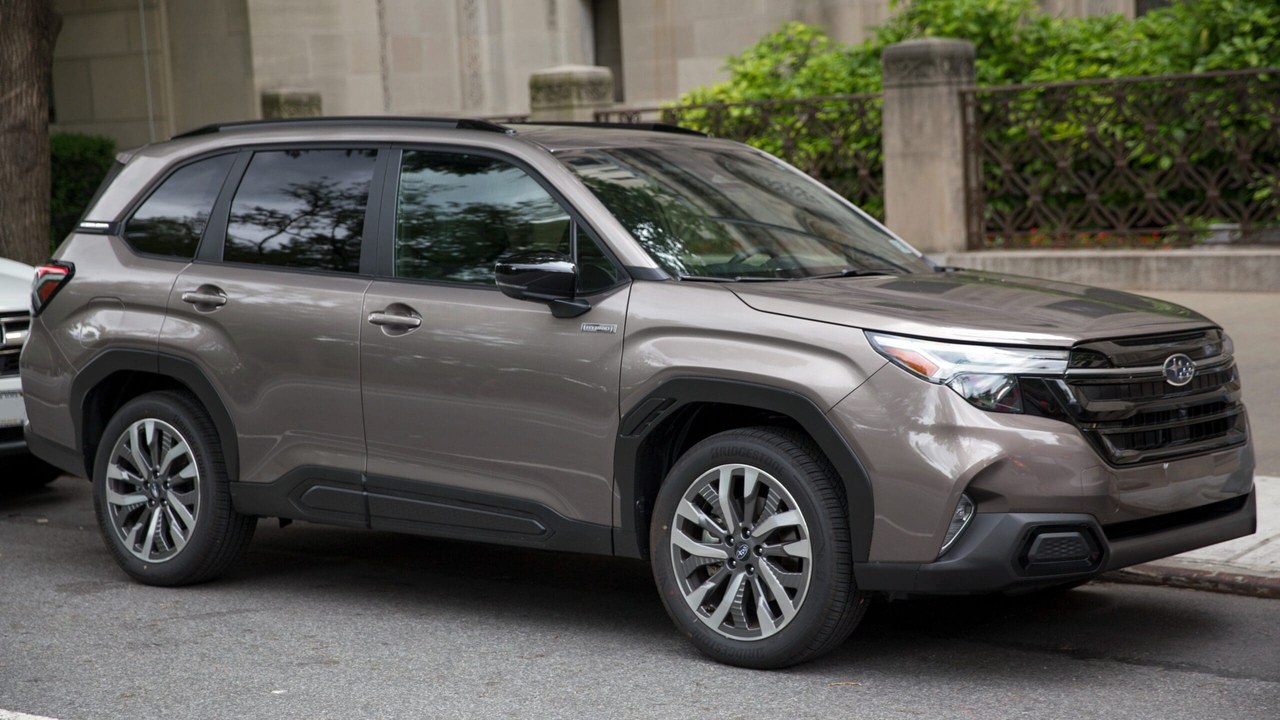
Every Forester ships with standard all-wheel drive and Subaru’s X-Mode traction software, paired with tall ground clearance and a boxy shape that gives drivers good sightlines over the hood on narrow trails.
Like the Outback, the system is full-time all-wheel drive rather than a low-range four-wheel-drive setup, so it favors slick and uneven surfaces over deep mud or rock ledges. Buyers looking for real transfer-case hardware in this price band should compare it against the truck-based entries on this list. Toyota, Honda, and Subaru all lean on similar traction-control logic in this price range, which keeps the Forester competitive for daily driving and light winter weather even without a mechanical low-range option.
8. Toyota RAV4: TRD Trim Adds Hardware
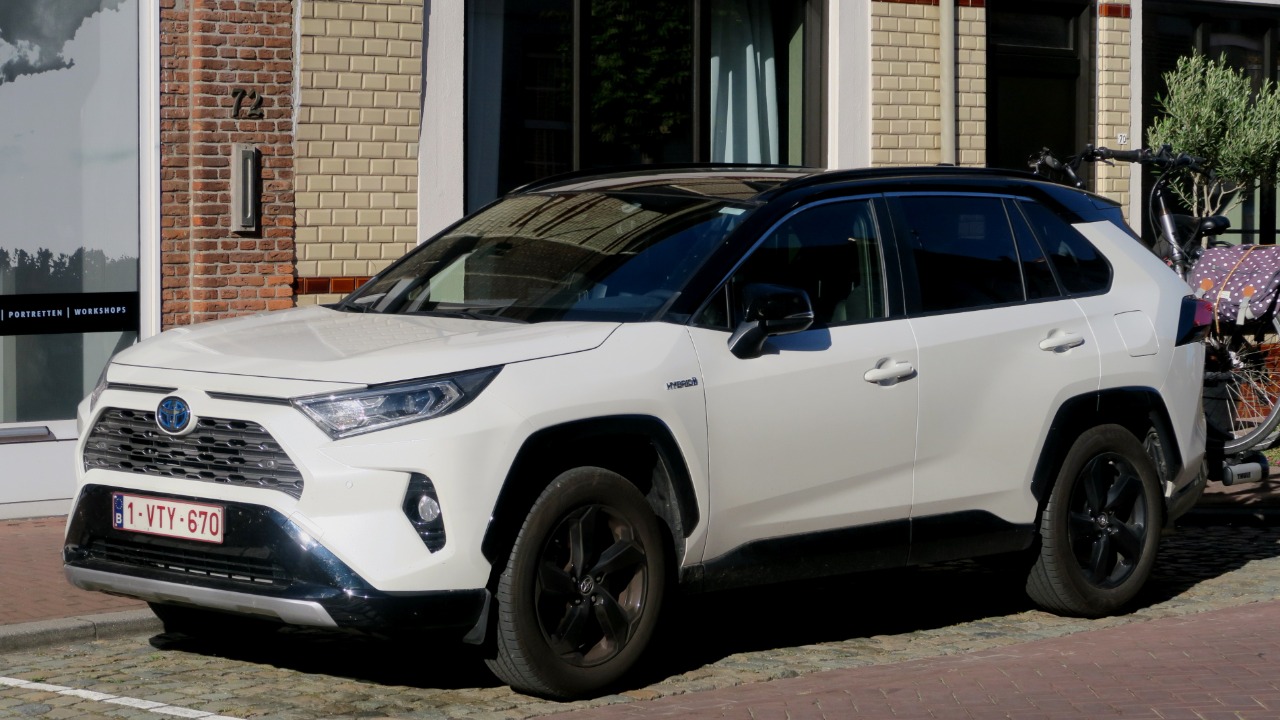
The RAV4 TRD Off-Road trim pairs Dynamic Torque Vectoring all-wheel drive with a rear locking mechanism that can send torque to a single rear wheel, all-terrain tires, and a slightly firmer suspension tune than base trims.
It is still a unibody crossover without a transfer case or true low range, so its off-pavement ceiling is lower than the body-on-frame 4Runner built from the same brand. The added hardware mainly helps with loose surfaces like gravel, sand, and light snow rather than technical trails. Toyota markets the TRD Off-Road trim’s capability heavily, but shoppers should read the spec sheet rather than the trim name, since torque vectoring and all-terrain tires are not a substitute for low-range gearing.
9. Honda Passport: Torque Vectoring, No Low Range
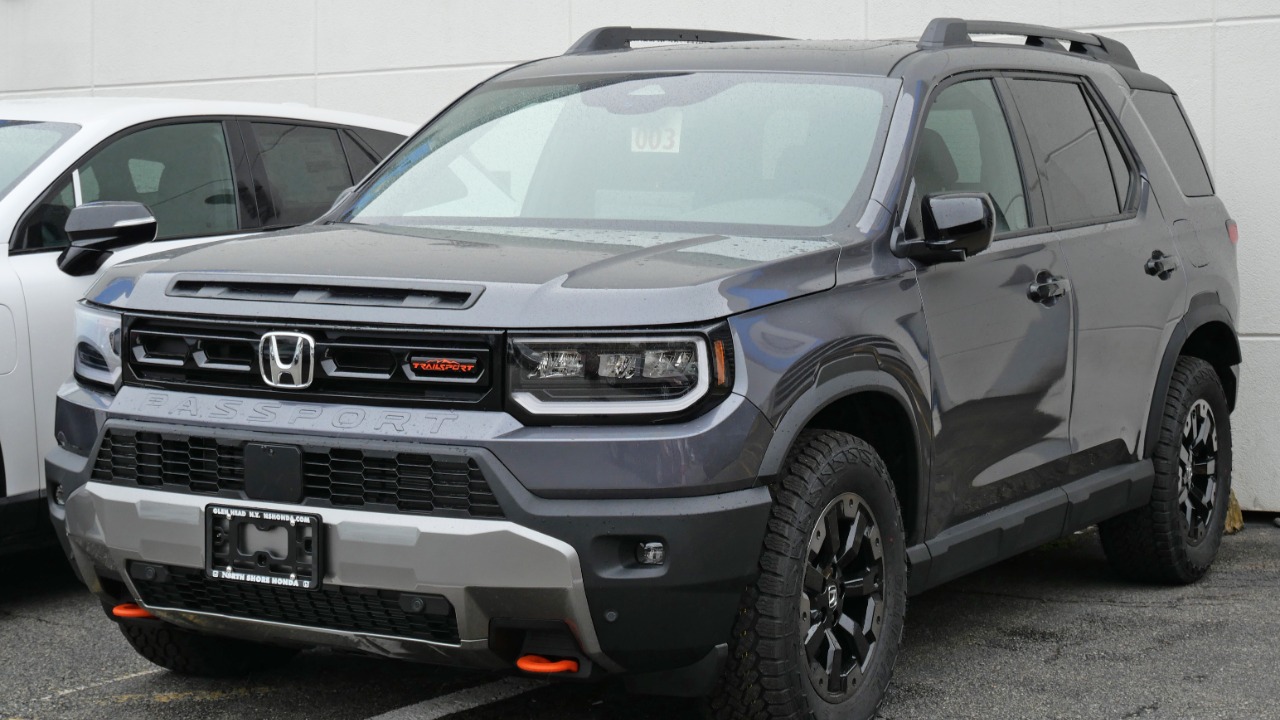
The Passport TrailSport trim uses Honda’s torque-vectoring all-wheel-drive system, along with all-terrain tires, underbody skid garnishes, and a raised suspension aimed at light trail use rather than rock crawling.
Like the RAV4 and Forester on this list, it has no transfer case or low-range gearing, so its capability comes from tire choice, ground clearance, and software rather than mechanical gearing. It suits fire roads and snowy driveways well but should not be cross-shopped against the Bronco or Wrangler for technical trail work. Honda’s approach mirrors what Toyota and Subaru offer on their own off-road trims in this segment, prioritizing everyday drivability and light-duty trail use over the low-speed crawling ability of a true four-wheel-drive system.
More from Morning Overview
- Supplements now rank as the fifth-leading cause of death from liver disease.
- The NSA is again telling phone owners to switch off one location setting
- Four U.S. startups fired up their first small nuclear reactors, aiming to power AI data centers on-site
- 11 engines built to run well past 200,000 miles
