
Battery technology keeps closing the gap between electric cars and a full tank of gas, and a handful of 2026 models now push well past 300 miles on a single charge. EPA-rated range varies by trim, wheel size, and drivetrain, so the same nameplate can post very different numbers depending on configuration. Here are eight electric cars that post some of the longest EPA-rated driving ranges for 2026.
1. Lucid Air: Range Champion
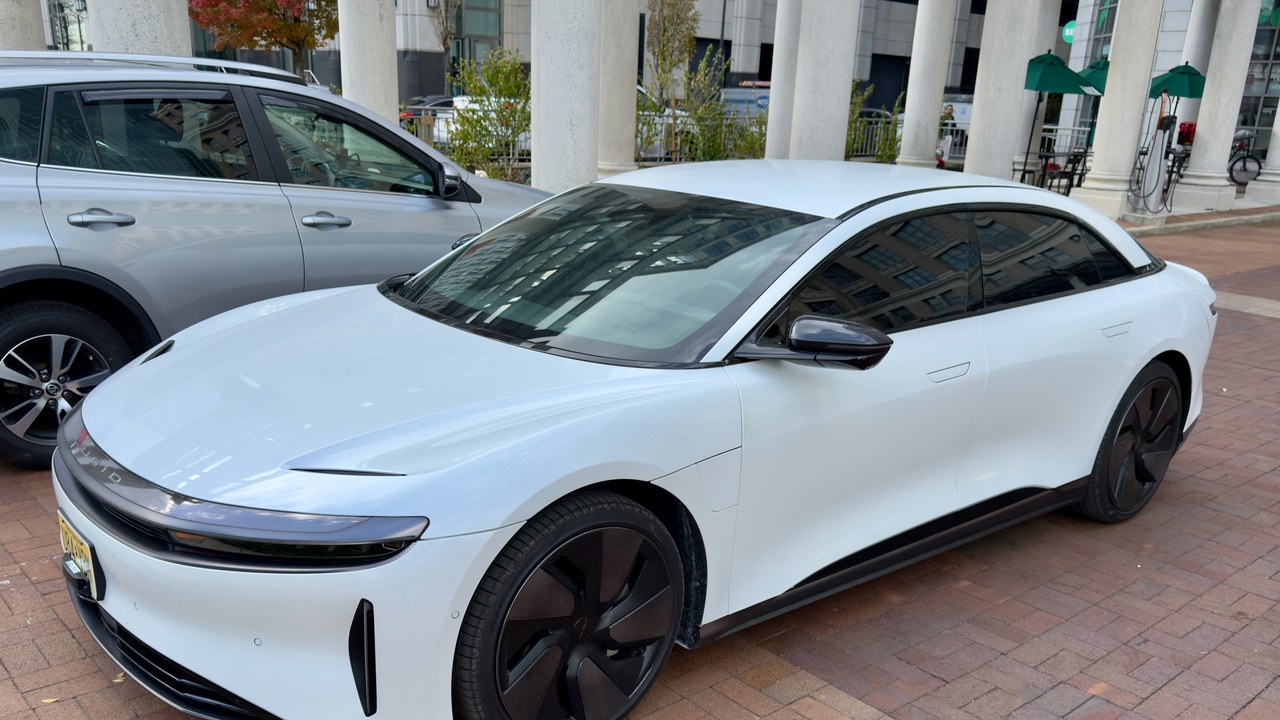
The Lucid Air holds the longest range of any EV sold in the United States, and its longest-range Grand Touring trim posts an EPA range rating above 500 miles when fitted with its smallest available wheels. Lucid credits an unusually efficient motor and battery pack, built in-house rather than sourced from an outside supplier, for pushing the sedan’s rating past every rival on this list by a wide margin.
Stepping up to the larger 21-inch wheels, or to the quicker Sapphire performance trim, trades away a meaningful slice of that range for speed and grip. Real-world highway driving in cold weather will also pull the number down from its EPA rating, a pattern that holds across every EV here.
2. Tesla Model S: Long-Range Luxury
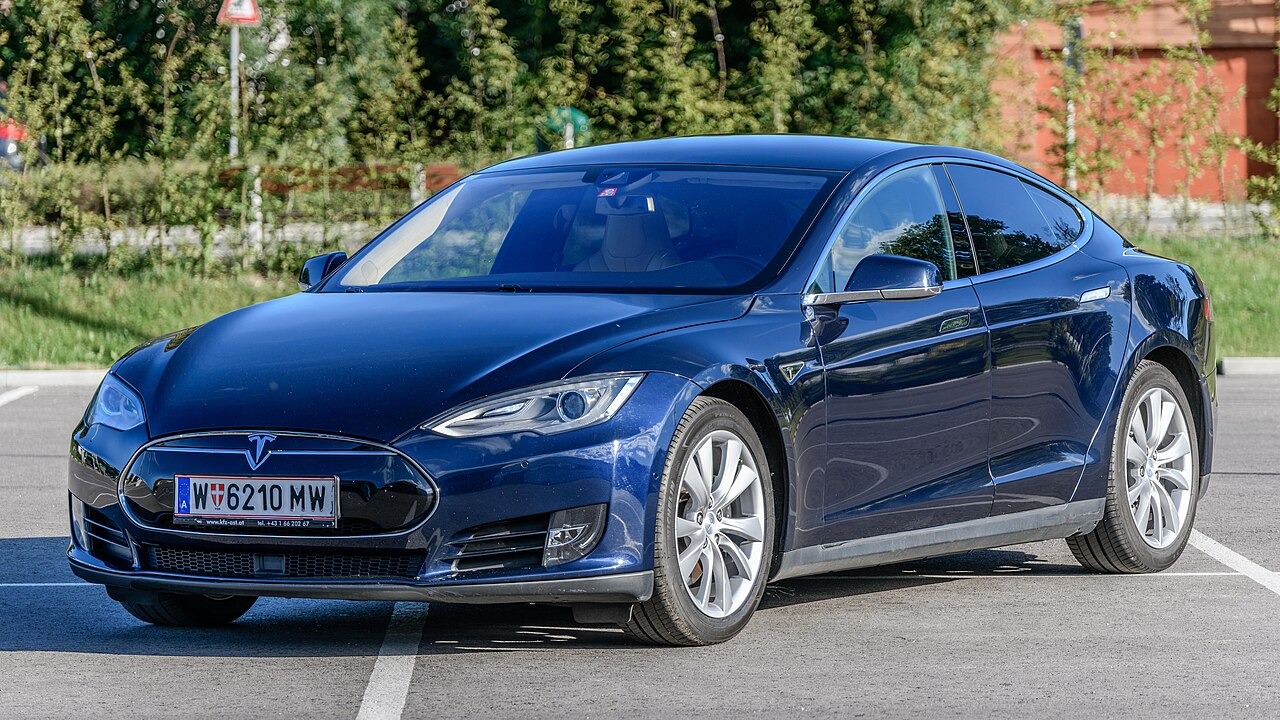
The Tesla Model S has offered some of the longest range in the EV market since its debut, and the current Long Range trim carries an EPA-rated range of roughly 400 miles when equipped with its smaller factory wheels. That figure comes from a large battery pack paired with a comparatively slippery body shape that Tesla has refined across several updates.
Choosing the larger 21-inch wheels, or the quicker Plaid performance trim with its extra motor, cuts noticeably into that number. Highway speeds above 70 mph and cold winter temperatures also reduce real-world range well below the EPA sticker figure for every trim.
3. Tesla Model 3: Affordable Distance
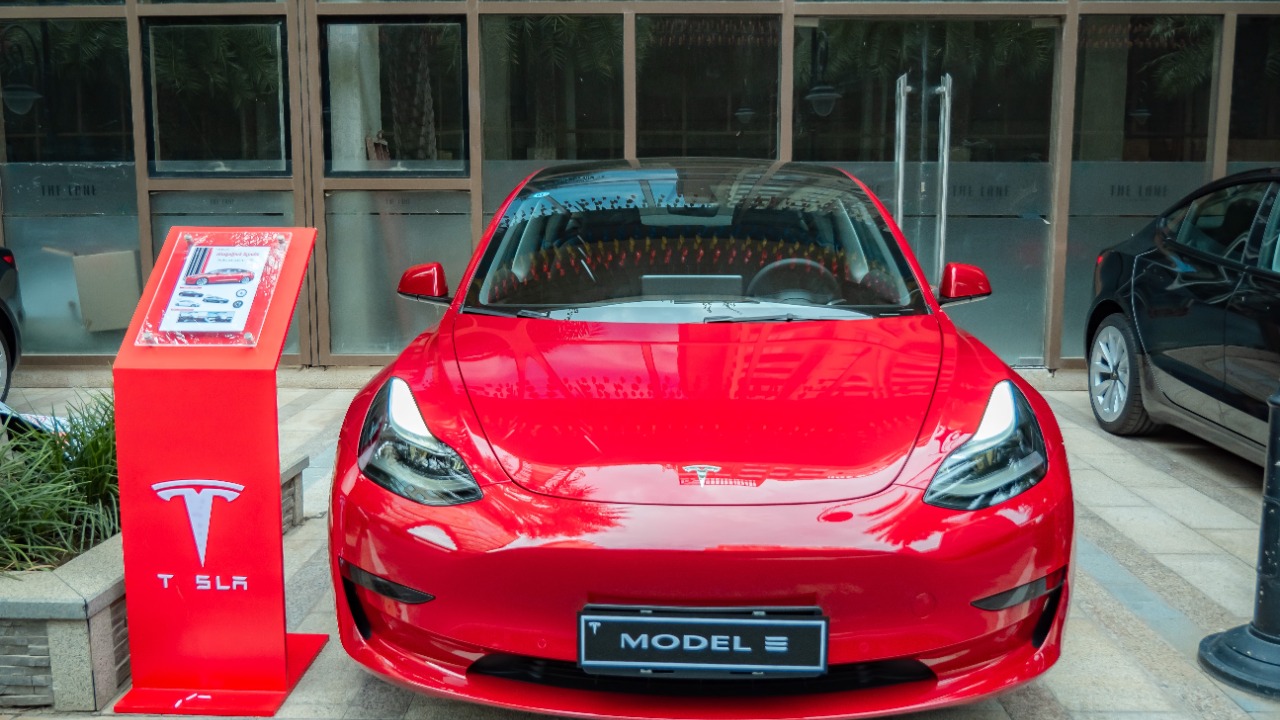
Tesla’s smaller and cheaper sedan still lands well above the EV average, with the Long Range trim’s fuel economy listing topping 350 miles thanks to a redesigned battery chemistry and improved aerodynamics introduced in recent model years. It remains one of the most efficient electric cars sold in the country per unit of battery capacity.
Cold weather and sustained highway driving pull that figure down, a tradeoff every EV on this list shares regardless of sticker price. The rear-wheel-drive version tends to edge out the all-wheel-drive dual-motor trim on range, though it gives up some traction.
4. Mercedes-Benz EQS: Efficient Flagship
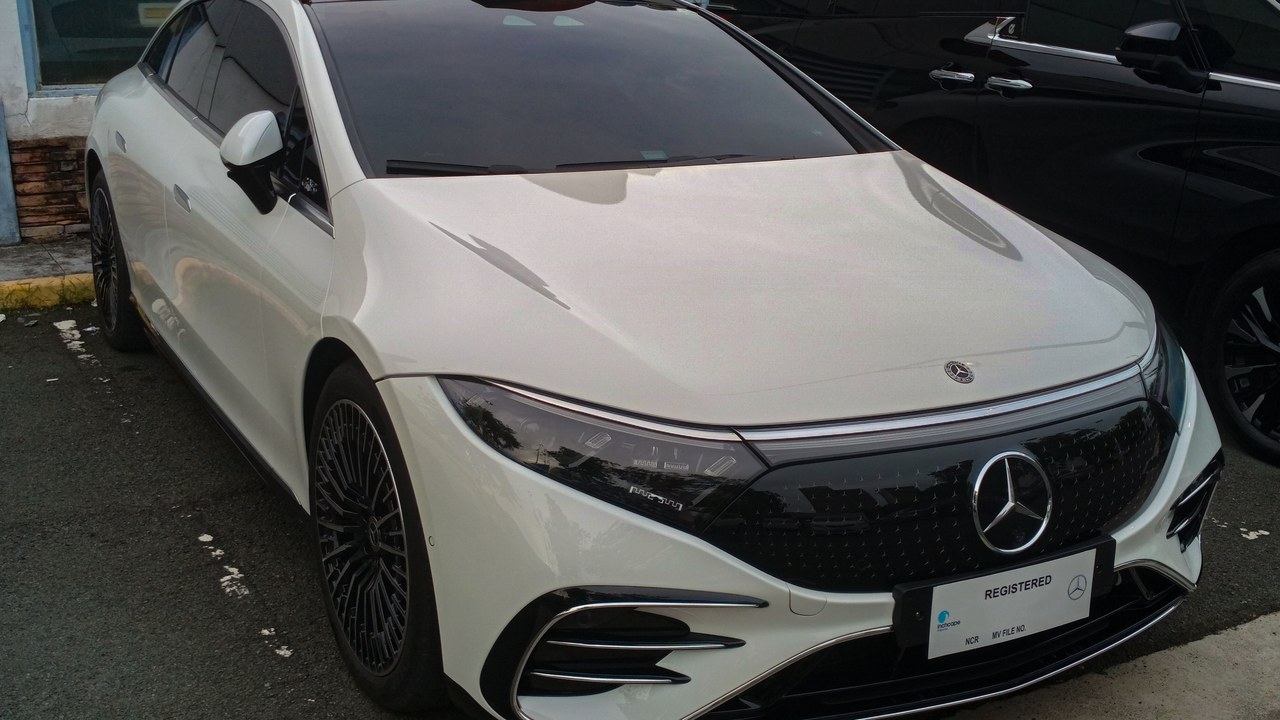
Mercedes-Benz built the EQS as its flagship electric sedan, pairing a large battery with slippery aerodynamics that once made it the most efficient production car sold in the country. In its longest-range trim, the EQS’s EPA range figure sits near 390 miles when fitted with the standard wheel package.
Upgrading to the sportier AMG variant, or to larger available wheels, noticeably shortens that rating in exchange for quicker acceleration and a firmer ride. Buyers prioritizing distance over speed should stick with the base rear-wheel-drive configuration rather than chasing the brand’s flashier trims.
5. BMW i7: Flagship Improvement
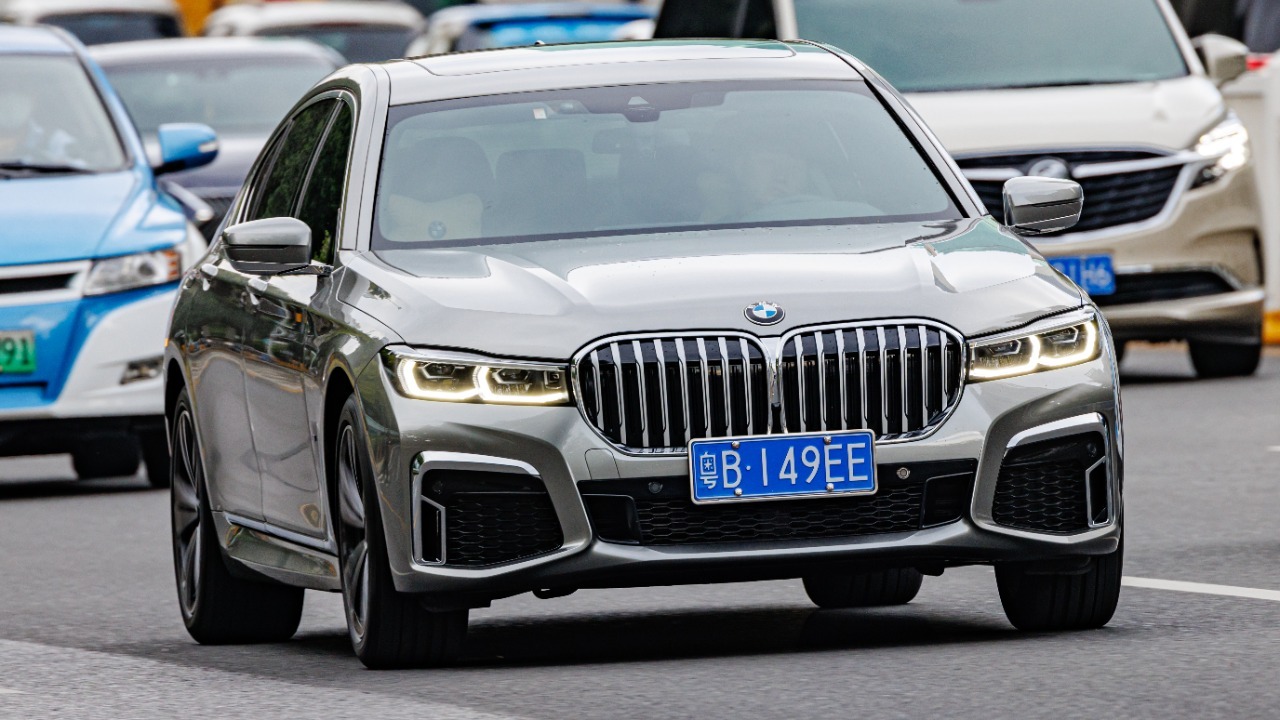
BMW’s electric flagship, the i7, carries an EPA rating around 320 miles in its xDrive60 configuration, the version most buyers choose. The sedan shares its body and interior with the gasoline 7 Series but swaps in a large battery pack beneath the floor to power two electric motors.
Buyers who step up to the larger available wheels, or to the quicker M70 performance trim, should expect that figure to drop by a meaningful margin. Cold-weather driving and sustained highway speeds will pull the real-world number down further, as with every EV in this group.
6. Hyundai Ioniq 6: Efficient Design
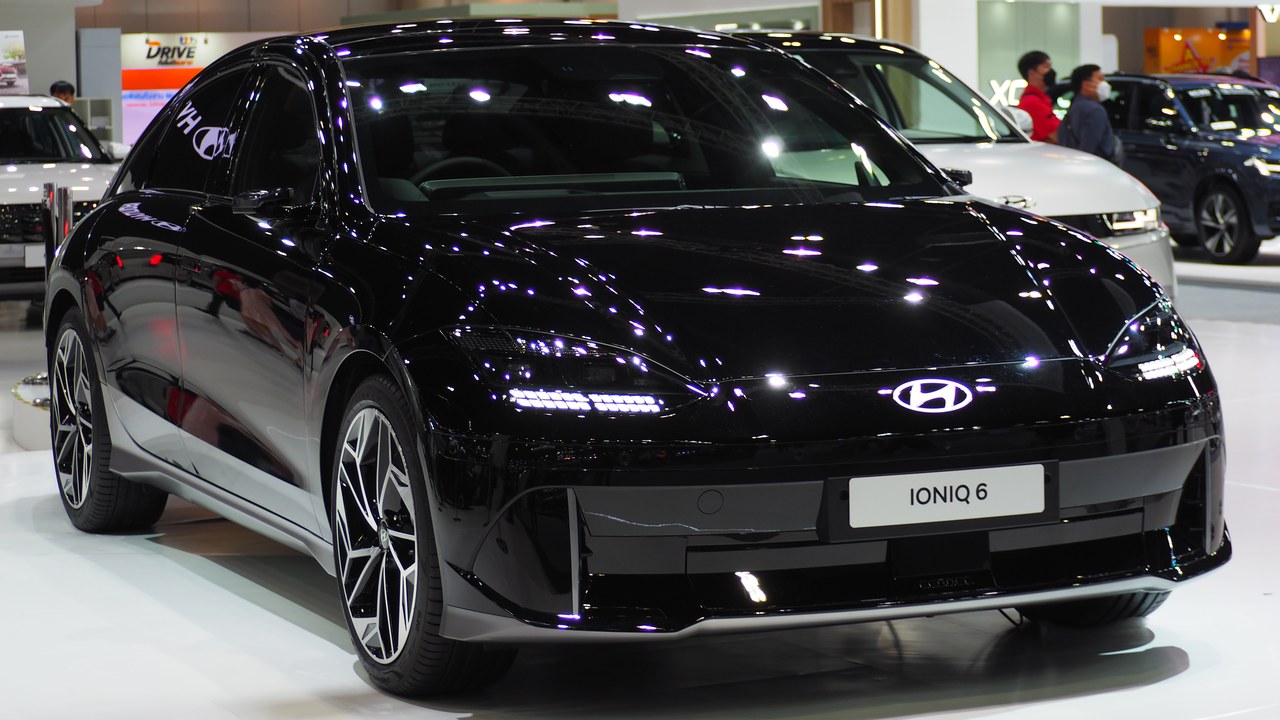
The Ioniq 6’s rear-wheel-drive Long Range trim posts an EPA driving range past 340 miles, among the best figures in its price class, thanks to a teardrop-shaped body designed specifically to cut wind resistance. Hyundai built the sedan on the same dedicated electric platform that underpins several of its other EVs.
Choosing the all-wheel-drive dual-motor version, or stepping up to larger wheels, trades away some of that efficiency for added traction and a sportier stance. As with other EVs here, real-world range falls short of the EPA figure in cold weather or at sustained highway speeds.
7. Porsche Taycan: Sports Car Gains
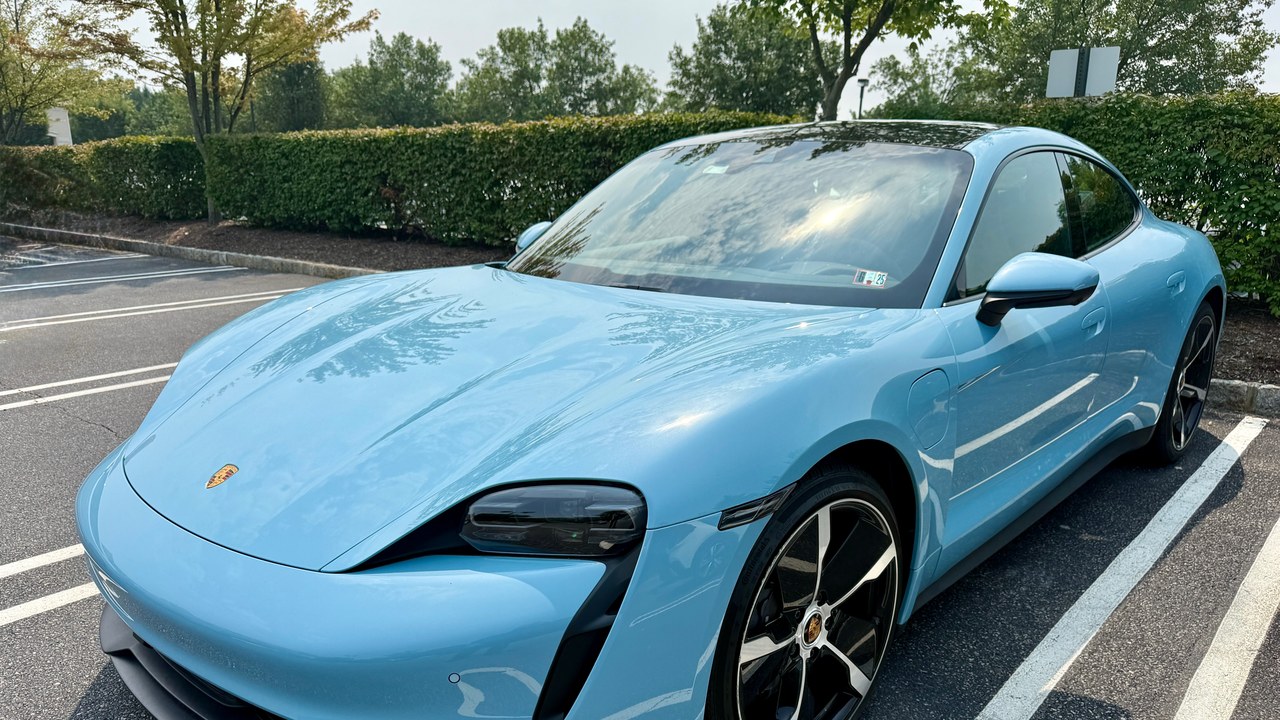
Porsche’s redesigned Taycan improved its official range rating to roughly 300 miles in its base rear-wheel-drive trim equipped with the larger of its two available battery packs. The update addressed one of the sports car’s biggest early criticisms, since earlier Taycan model years trailed well behind rivals on range.
The Turbo and Turbo S performance trims prioritize acceleration and cornering grip over efficiency, so their range ratings fall noticeably short of the base model. Shoppers focused purely on distance should look at the entry-level rear-wheel-drive configuration rather than the higher-performance trims.
8. Polestar 2: Value Long-Hauler
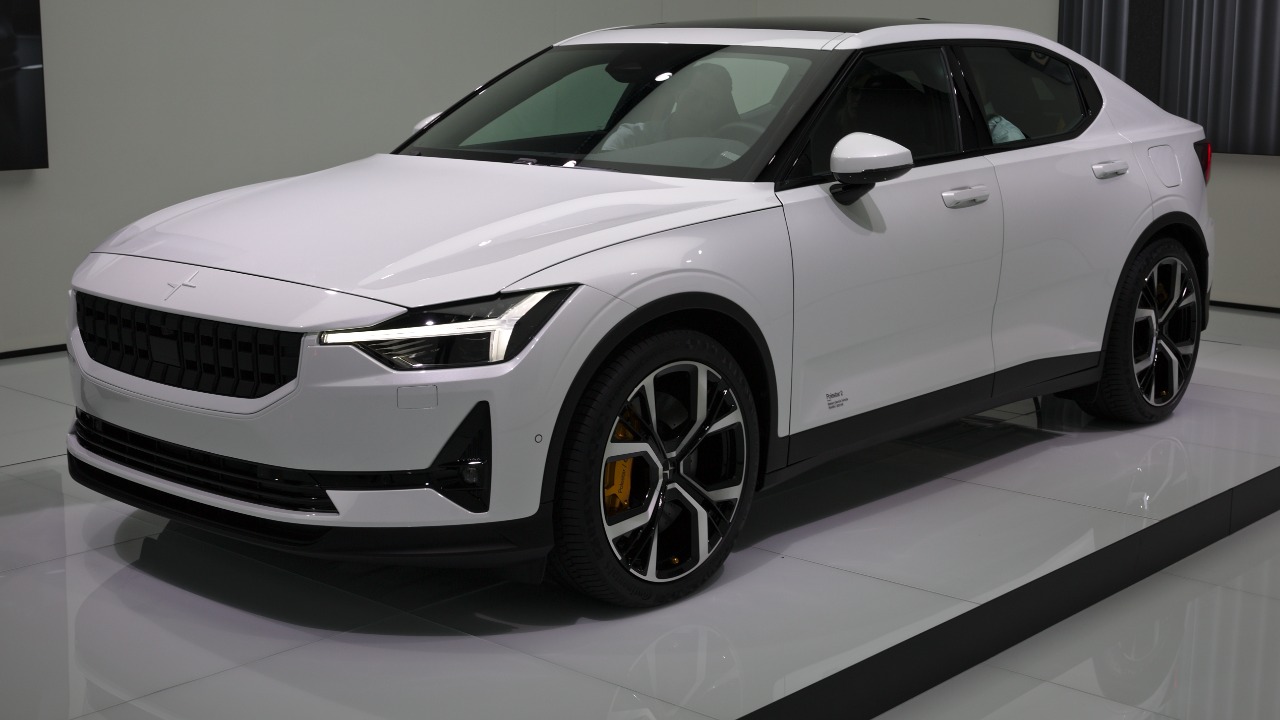
The Polestar 2’s long-range single-motor trim carries an government range rating near 320 miles on its standard wheels, a figure the Swedish brand achieved by trimming weight and refining the electric motor’s efficiency in recent model years. The single-motor setup sends power only to the rear wheels.
The dual-motor performance version sacrifices some of that range for all-wheel-drive grip and quicker acceleration, a common tradeoff across nearly every EV on this list. Buyers who need maximum range in a Polestar 2 should stick with the single-motor, standard-wheel configuration instead of the quicker dual-motor alternative.
More from Morning Overview
