
Compact crossovers vary widely in how often they land owners in the shop, and a handful of nameplates keep showing up as exceptions. Their common thread is not luxury or horsepower but mechanical restraint: naturally aspirated engines, conventional automatics, and platforms that have been refined across several generations rather than reinvented. Here are ten crossovers that owners and reviewers consistently flag as needing the least unscheduled attention.
1. Toyota RAV4: Proven Platform
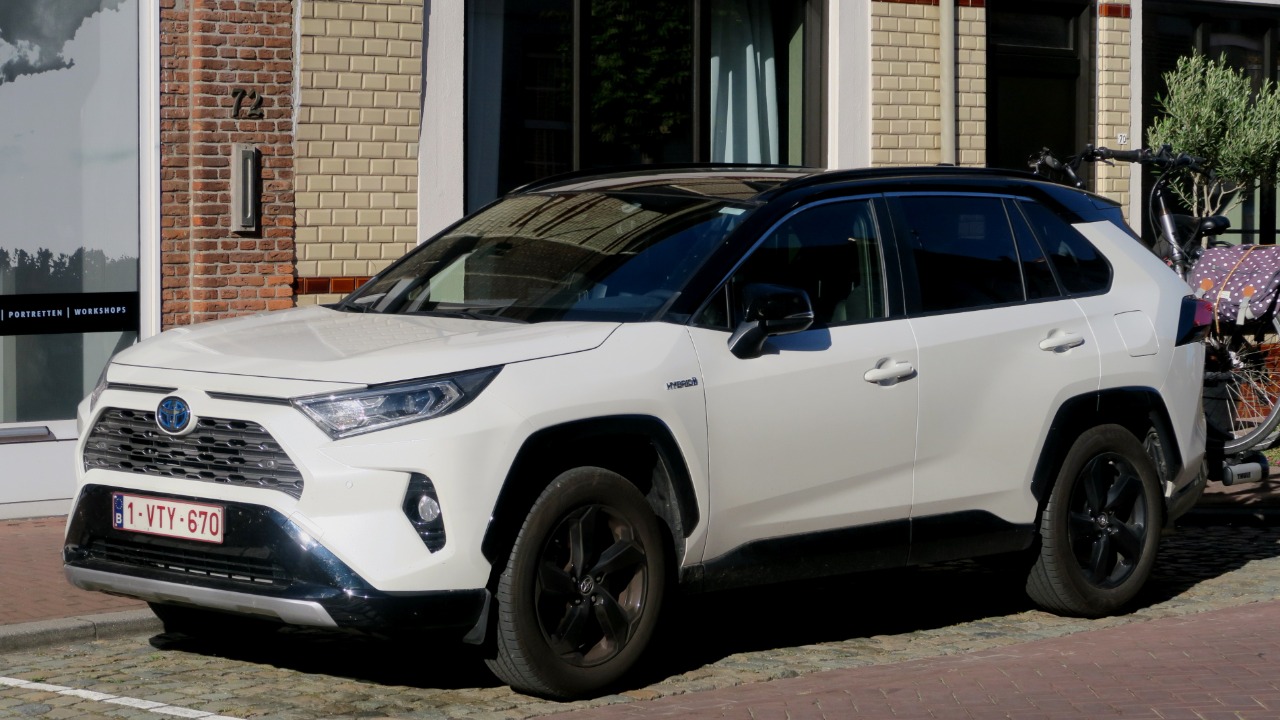
The RAV4 sticks with a conventional naturally aspirated four-cylinder and a traditional automatic transmission, a combination Toyota has refined over five generations rather than redesigned from scratch. That continuity shows up in its top safety pick history, one of the few third-party benchmarks that tracks the model year after year.
For a buyer, the appeal is less about any single feature and more about a powertrain with a long production run and a wide supply of parts and independent mechanics who already know it well, which tends to keep repair costs and diagnostic guesswork down.
2. Honda CR-V: Familiar Drivetrain
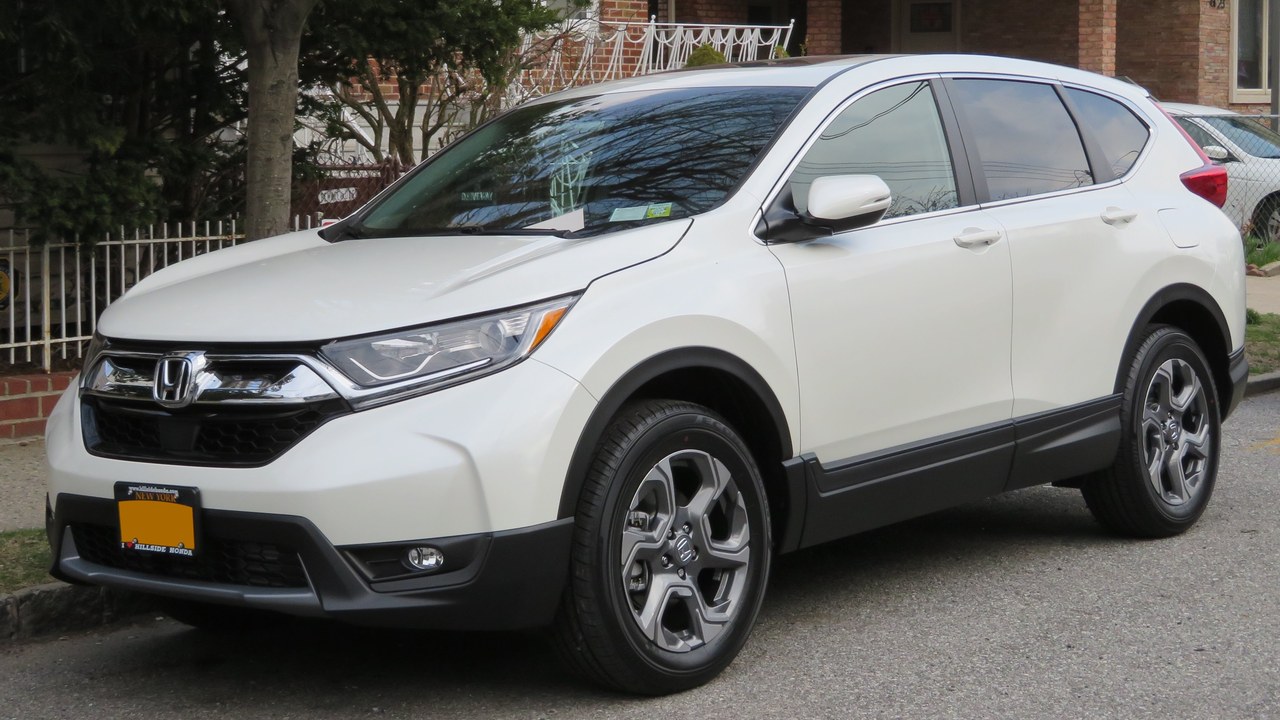
The CR-V pairs a familiar turbocharged four-cylinder with a conventional automatic in most trims, avoiding the dual-motor hybrid complexity some rivals now default to. Honda’s safety-rating consistency reflects a platform the automaker has iterated on rather than reinvented.
High-mileage owners report the drivetrain holding up with routine service alone, and the CR-V’s long sales history means independent shops stock common parts and diagnose issues without waiting on dealer-only tools, a combination that tends to keep both scheduled maintenance and unexpected repairs less expensive over the vehicle’s life.
3. Mazda CX-5: Stable Underpinnings
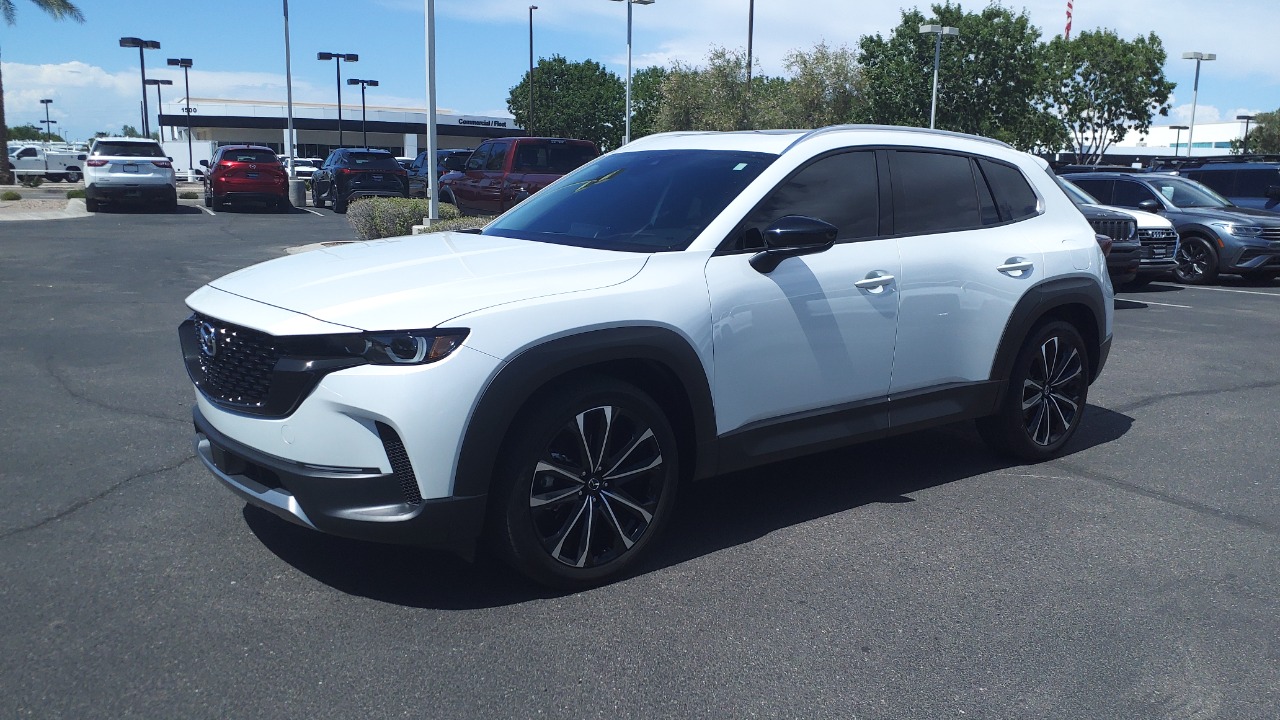
The CX-5 uses Mazda’s naturally aspirated Skyactiv engine in its base trim, a simpler setup than the turbocharged options many compact crossovers now push as standard. Its crash-test recognition has held steady across redesigns, a sign the platform underneath has stayed stable rather than shifting each cycle.
Because Mazda sells the CX-5 in relatively low volumes compared with Toyota or Honda, dealers see fewer of the transmission or infotainment complaints that show up when a design is stretched across a much larger fleet.
4. Subaru Forester: Mechanical Simplicity
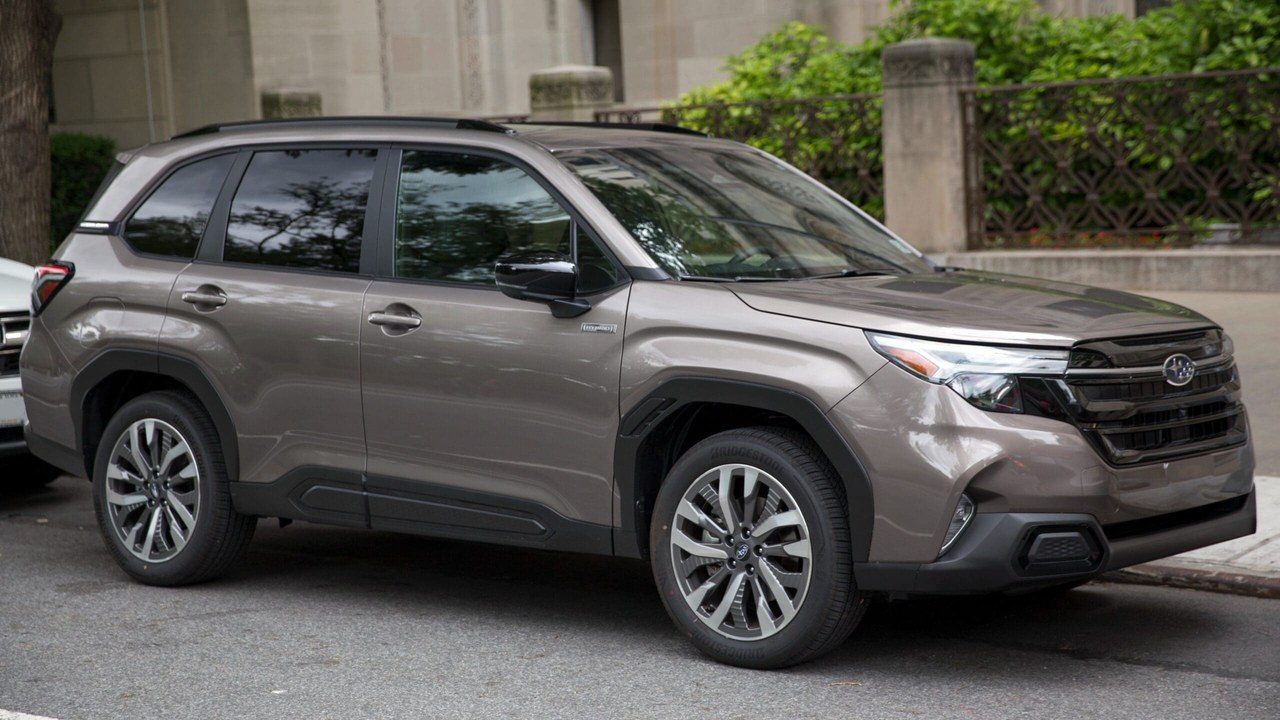
The Forester keeps a naturally aspirated flat-four and standard all-wheel drive rather than adding a turbo or a hybrid system, a mechanical simplicity that limits the number of parts that can fail. It also carries recognized crash-test ratings across recent model years.
The tradeoff is modest power, but for buyers prioritizing longevity over quickness, a naturally aspirated engine paired with a continuously variable transmission that Subaru has run for several generations means fewer unknowns than a freshly engineered drivetrain would carry.
5. Toyota Corolla Cross: Inherited Reliability
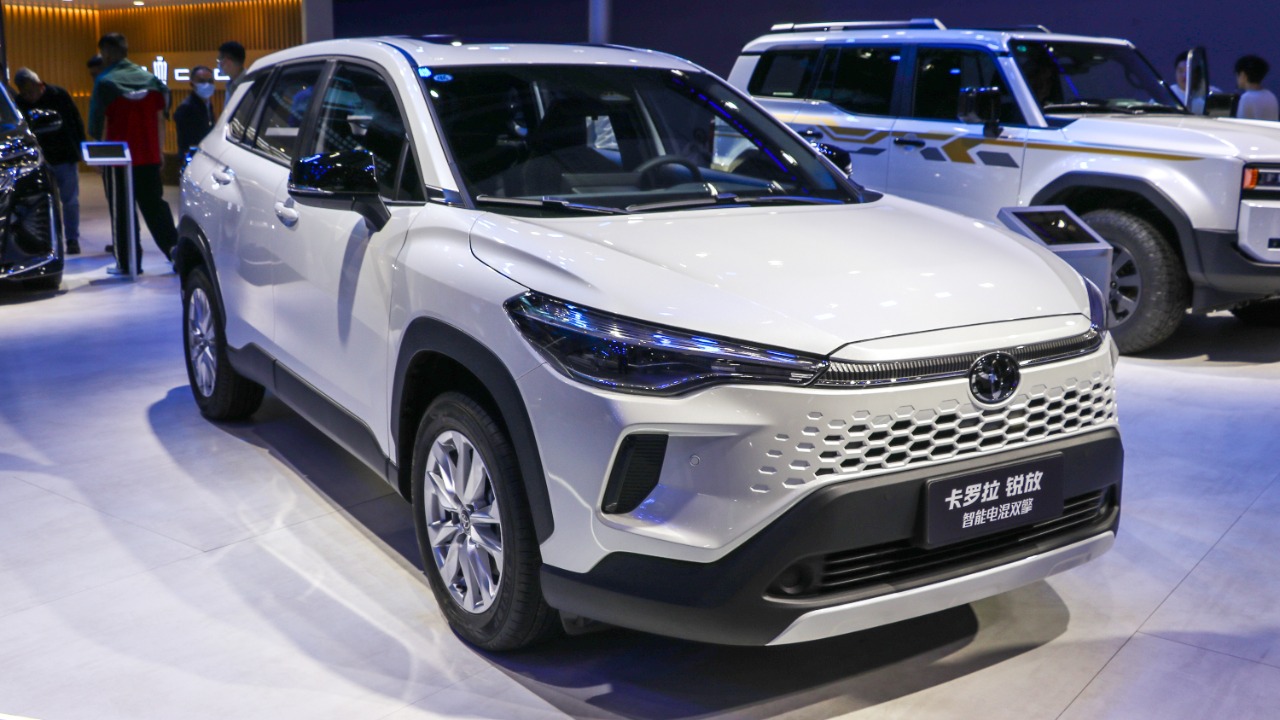
The Corolla Cross borrows its platform and drivetrain almost directly from the Corolla sedan, a car Toyota has built for decades, rather than developing a bespoke crossover architecture. Its shared-platform origins mean most mechanical issues were already found and fixed on the sedan before the crossover launched.
For a shopper cross-shopping small SUVs, that inherited simplicity, a conventional automatic, no turbo, no plug-in complexity, is the main argument, even though the model itself is still newer than some rivals on this list.
6. Lexus NX: Shared Architecture
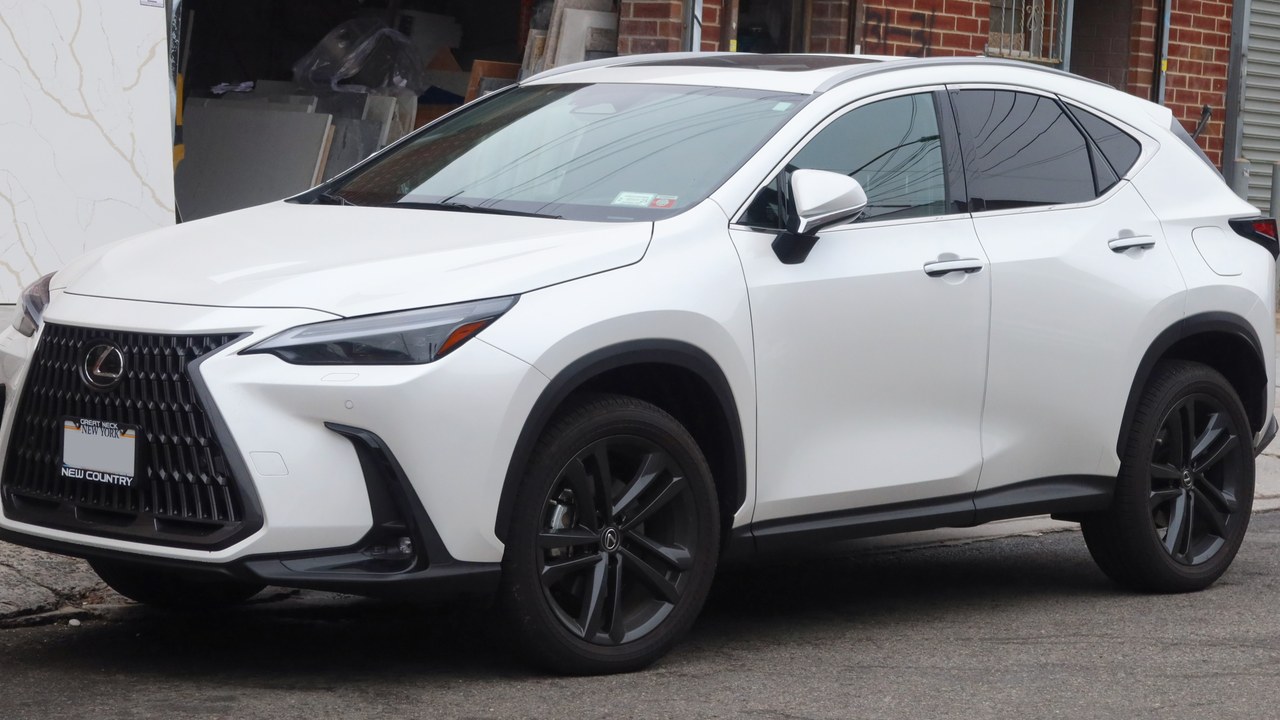
The NX shares its underpinnings with the RAV4 but adds Lexus-level fit and finish and a standard hybrid option that pairs a naturally aspirated engine with electric motors rather than a turbocharged setup. Its platform lineage traces to the same architecture Toyota has run across several crossovers.
Owners moving up from a Toyota into a Lexus often cite the same mechanical familiarity plus a longer complimentary maintenance window, which shifts routine service costs off the owner in the vehicle’s early years.
7. Buick Envision: Quiet Consistency
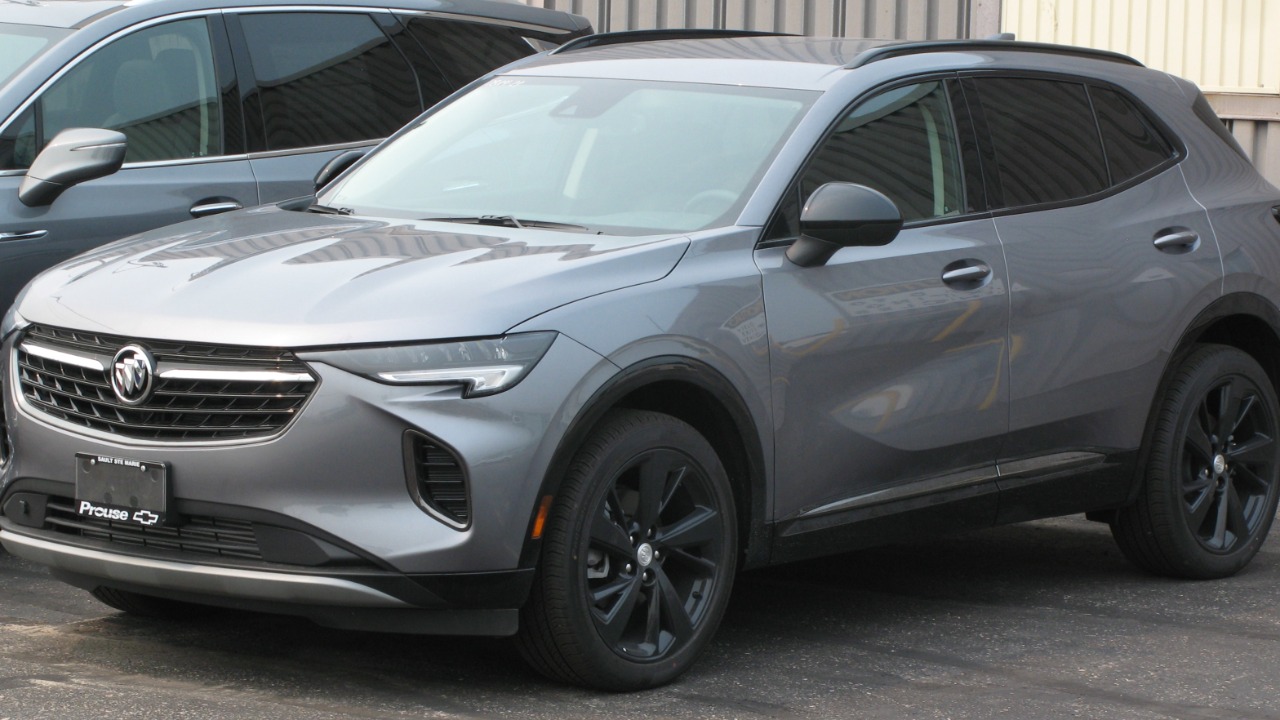
The Envision runs a turbocharged four-cylinder shared across several General Motors crossovers, giving it a wider service and parts network than a low-volume, brand-exclusive engine would. Its GM-platform history means many of its mechanical components have already logged years of use in sibling models.
It sells in smaller numbers than a RAV4 or CR-V, so it draws less attention in reliability conversations, but the shared engineering with more visible GM crossovers is the documented reason it holds up as well as it does.
8. Kia Sportage: Warranty Backed
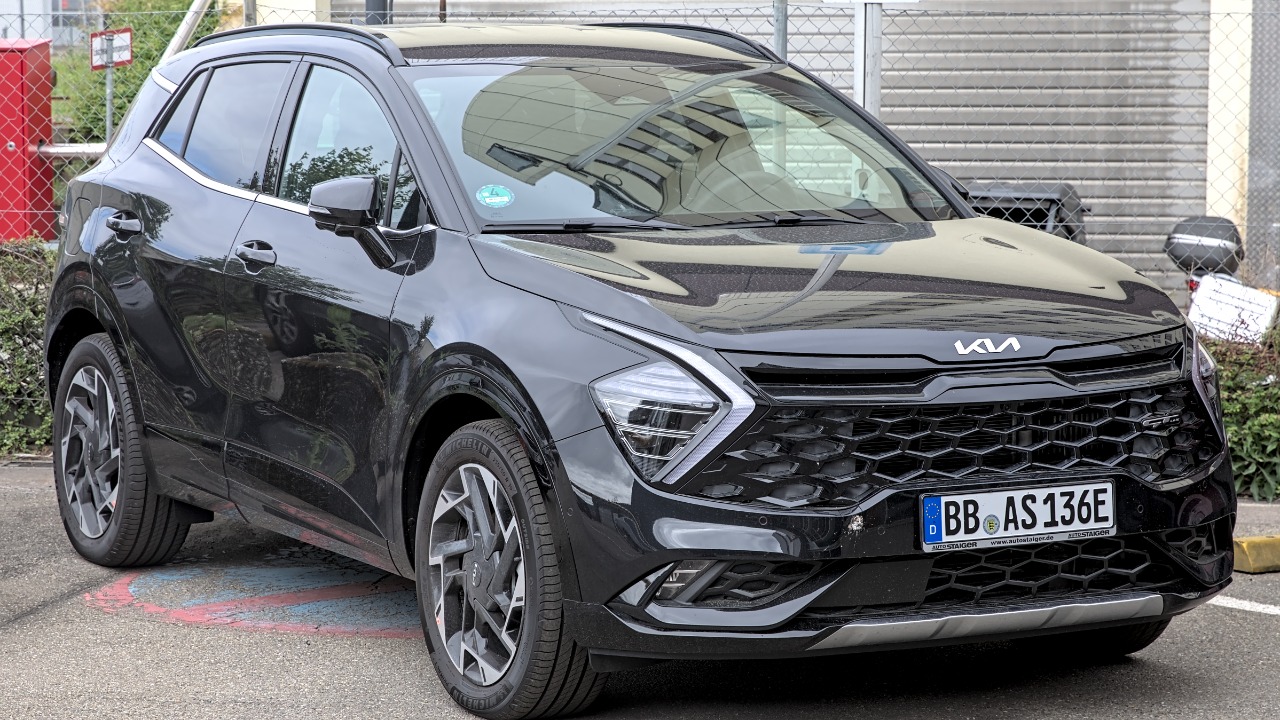
The Sportage backs its drivetrain with one of the longer powertrain warranties in the segment, a manufacturer commitment that reflects Kia’s own confidence in the engine and transmission combination. Its generational redesign moved to a more conventional automatic after earlier versions leaned on less common transmission types.
For a buyer weighing total ownership cost, a long warranty period functions as a backstop even before any track record accumulates, which is part of why the Sportage gets included in reliability-focused comparisons.
9. Hyundai Tucson: Shared Engineering
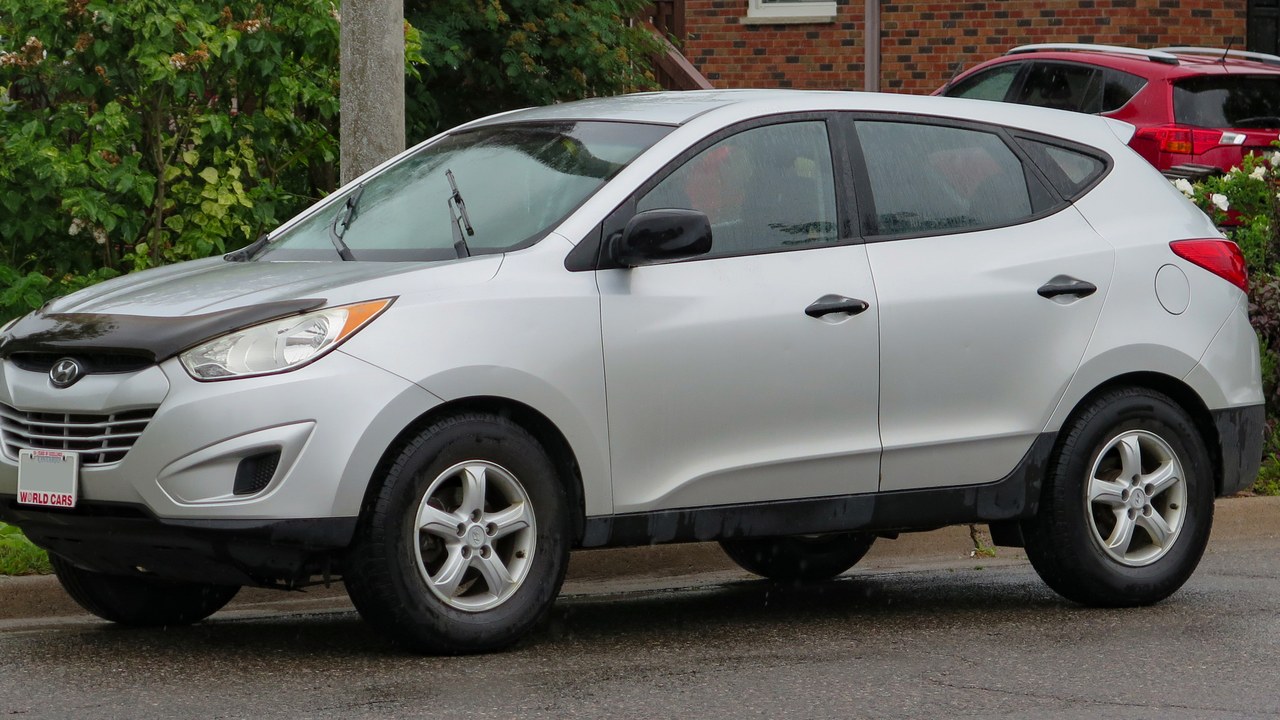
The Tucson uses a naturally aspirated four-cylinder as its standard engine, holding off on turbocharged complexity for buyers who opt for the base trim. Hyundai’s shared-platform design with the Sportage means both crossovers benefit from the same engineering investment and parts commonality.
Routine maintenance costs also tend to run lower than some rivals because Hyundai and Kia dealers carry overlapping parts inventories, and the brand’s warranty coverage gives buyers an added cushion during the years most mechanical issues would otherwise surface.
10. Mazda CX-50: Extended Platform
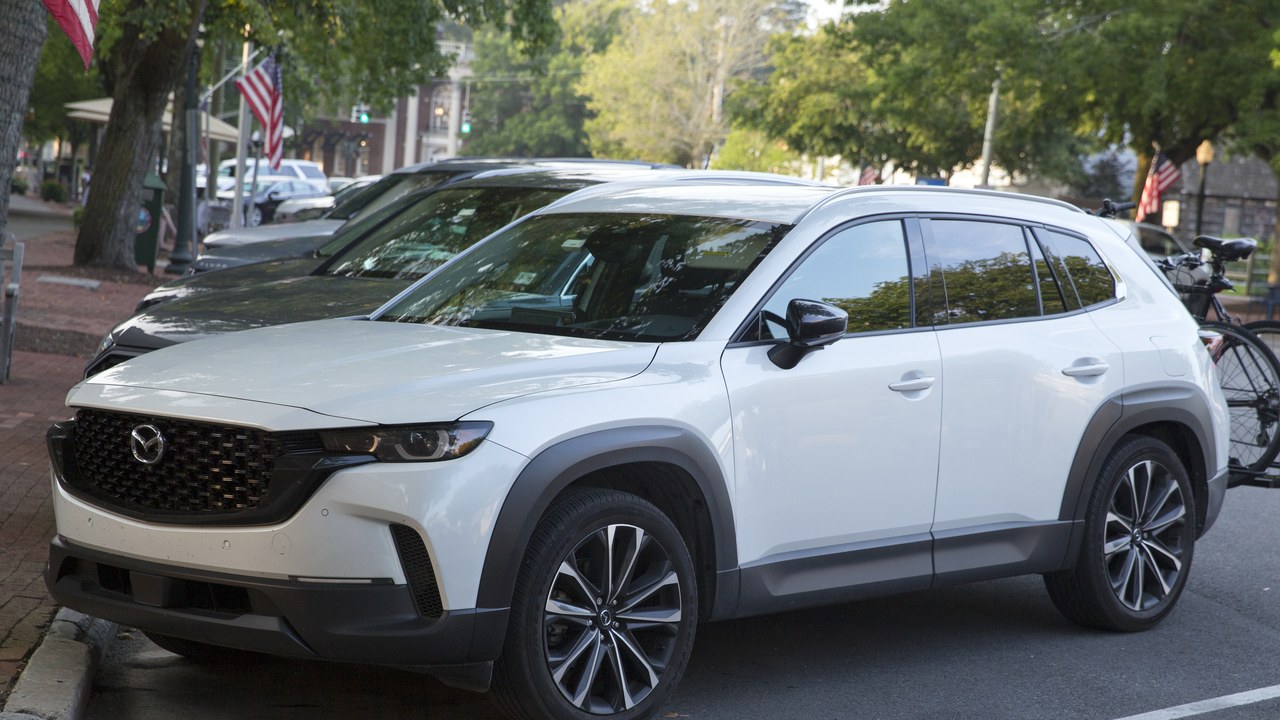
The CX-50 shares its Skyactiv engine options and much of its mechanical architecture with the CX-5, extending a platform Mazda has already spent years refining rather than starting over for a new body style. Its platform relationship to the CX-5 is the main documented reason for its early track record.
Because it is newer to market than its CX-5 sibling, its long-term ownership data is thinner, but the carried-over drivetrain gives it a head start that a fully new design would not have.
More from Morning Overview
