
Every car’s advertised range boils down to two numbers most drivers never multiply together: the size of the fuel tank and the EPA’s combined miles-per-gallon rating. Hybrids dominate the top of that math because they squeeze extra miles from a smaller tank, though a few gas-only sedans hold their own thanks to unusually large tanks. Here are ten cars that can go the farthest on a single tank of gas.
1. Toyota Camry: Hybrid Efficiency Leader
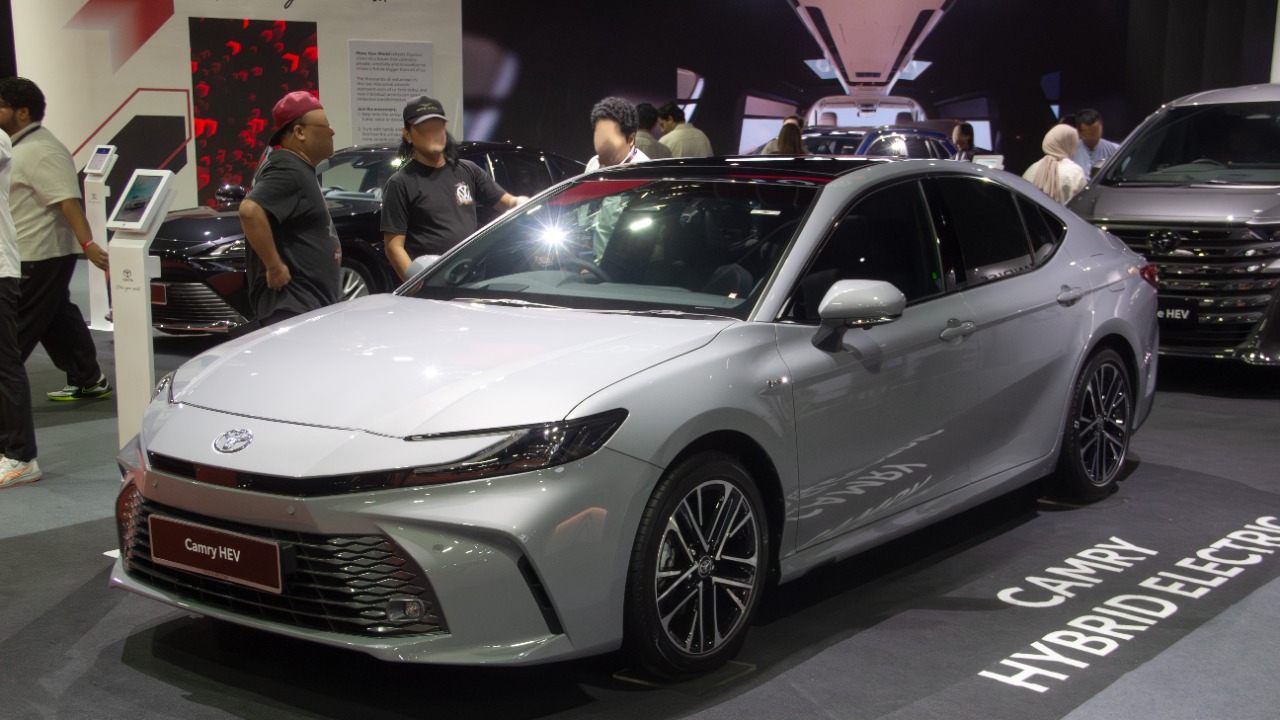
Toyota’s redesigned Camry is offered only as a hybrid for the current generation, and the LE front-wheel-drive trim carries an EPA-combined rating of 51 miles per gallon on a 15.9-gallon tank, a combination that pencils out to roughly 810 miles of theoretical range.
Higher trims and all-wheel-drive versions post lower combined figures, so the number shrinks once options and driving style enter the picture, and highway-heavy trips tend to land closer to the EPA highway figure than the full combined estimate, while stop-and-go commuting pulls the average further down still.
2. Honda Accord: Roomy Long-Hauler

The Accord’s hybrid powertrain is the range leader in the lineup, rated at an EPA-combined 48 miles per gallon against a 12.8-gallon tank, putting its theoretical reach above 600 miles.
Non-hybrid four-cylinder Accords carry a larger 14.8-gallon tank but a lower combined rating, so the two powertrains land in a similar real-world neighborhood despite the hybrid’s higher mpg figure, and cold weather, cargo load, or aggressive driving trims meaningful miles off either estimate before a driver ever sees the gauge near empty.
3. Toyota Corolla: Small Tank, Big Reach
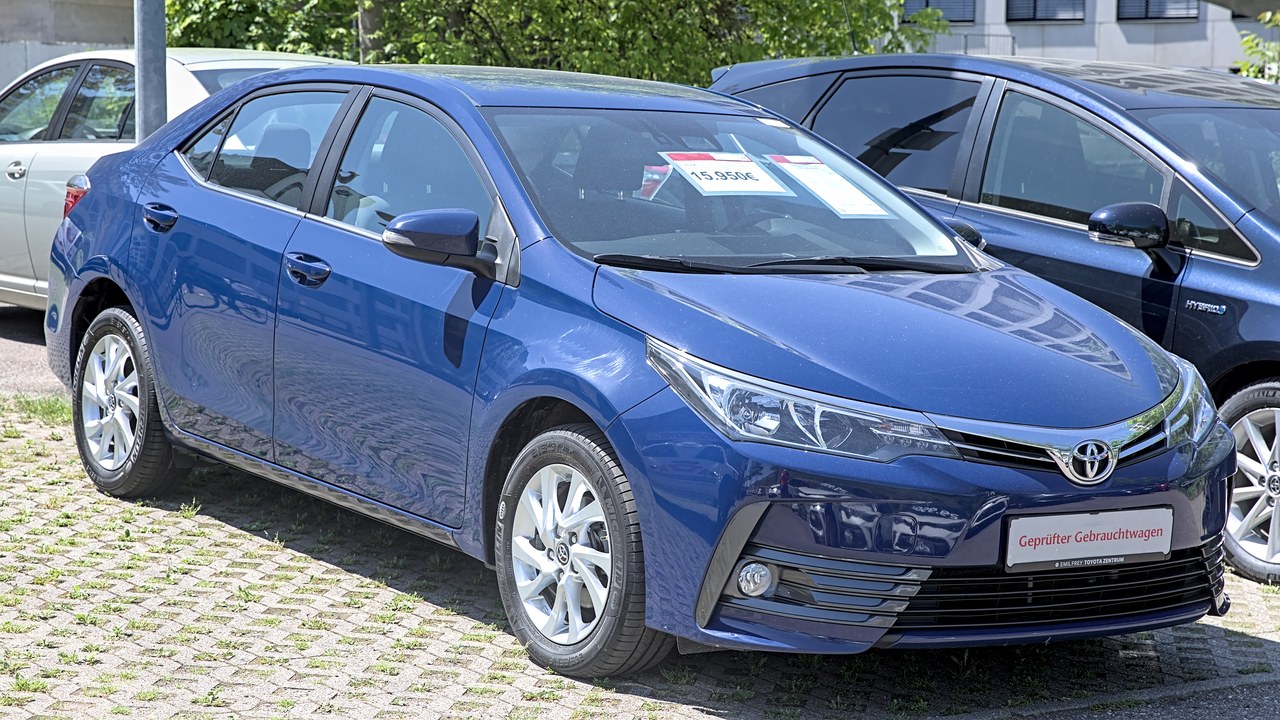
Corolla Hybrid models return an EPA-combined 53 miles per gallon from an 11.9-gallon tank, a pairing that works out to roughly 630 miles of calculated range on a single fill.
The standard gas-only Corolla holds a larger 13.2-gallon tank but a noticeably lower combined rating, so the smaller hybrid tank still edges ahead on paper, and drivers who mix in more city miles or run climate control constantly will see a real-world number well below either manufacturer estimate, especially once cabin heat or air conditioning is running most of the drive.
4. Hyundai Elantra: Compact Highway Cruiser
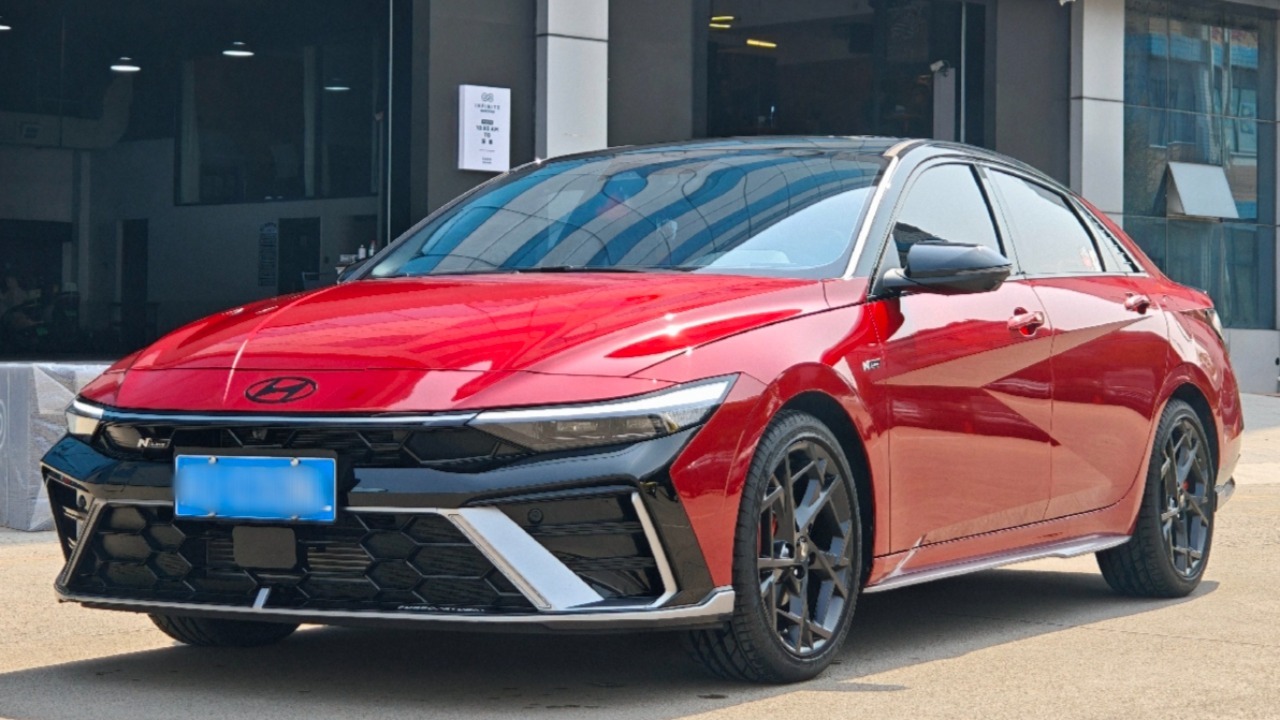
The non-hybrid Elantra SEL’s EPA highway rating of roughly 40 miles per gallon, run against its 12.4-gallon tank, produces a highway-only range close to 500 miles.
The Elantra Hybrid trim posts a considerably higher combined figure on a similar-sized tank, so shoppers chasing maximum range should compare trims directly rather than assume the base engine and the hybrid share a number, and city driving pulls the gas model’s figure well below its highway peak on any given week on top of whatever the outside temperature and tire pressure add to the equation.
5. Chevrolet Malibu: Midsize Mileage Holdout
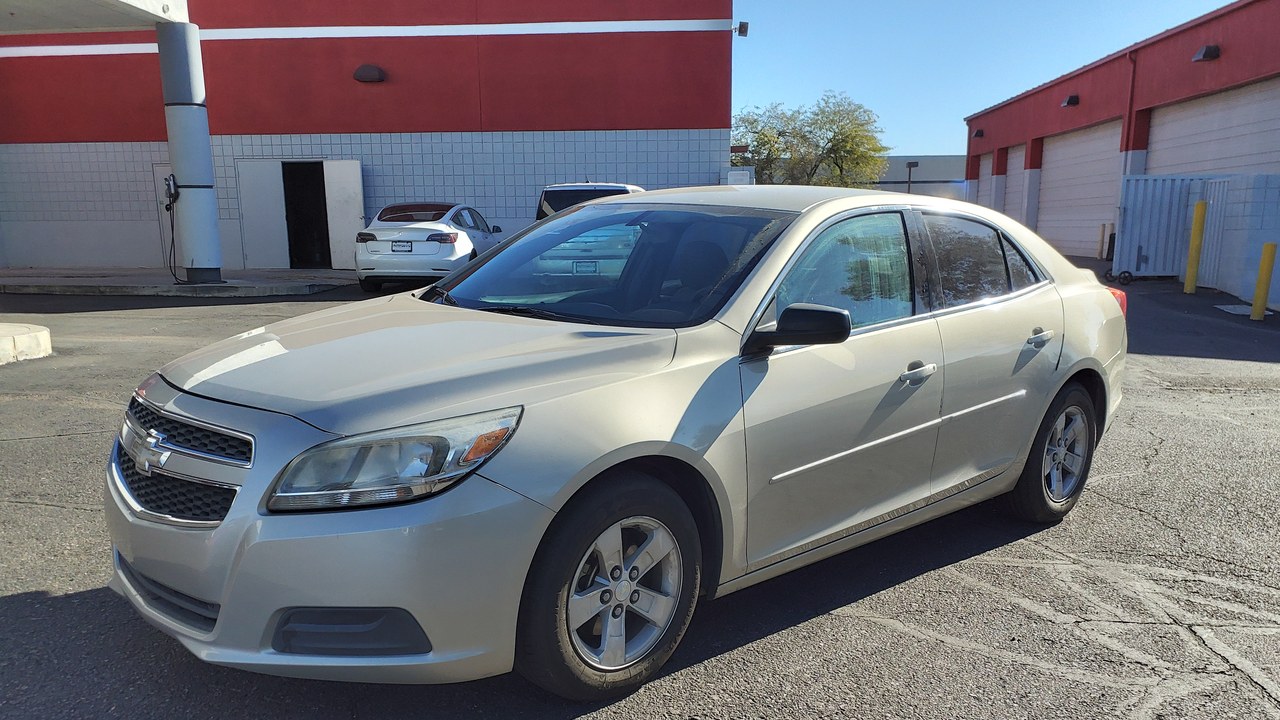
Chevrolet ended Malibu production after the 2024 model year, and that final 1.5-liter turbo model’s EPA-combined rating of 32 miles per gallon paired with a 15.8-gallon tank for a calculated range above 500 miles.
Because the nameplate is no longer in production, that figure now describes a used-car shopping decision rather than a current showroom option, and a car’s actual range narrows as a tank ages and drivers rarely stretch a fill-up to the point the gauge reads empty, particularly on a car old enough to have logged real wear on its fuel system.
6. Honda Civic: Efficient Compact Contender
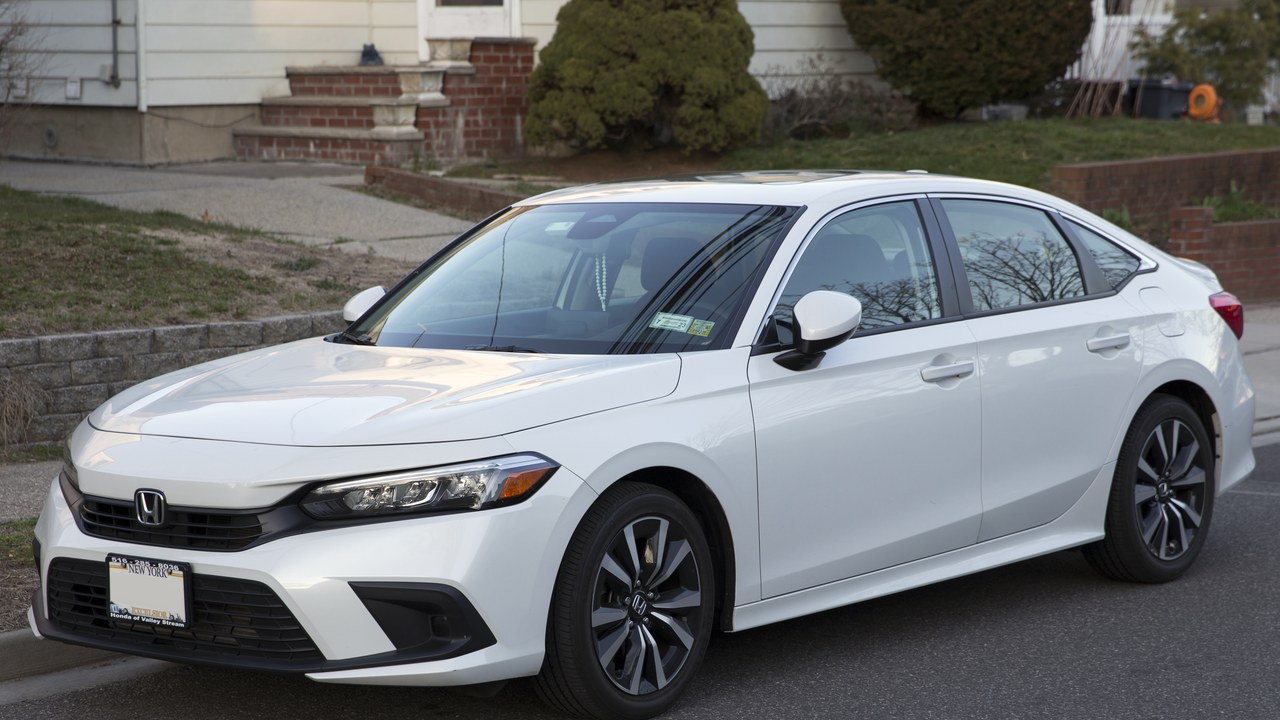
The newly introduced Civic Hybrid is rated at an EPA-combined 50 miles per gallon on a 10.6-gallon tank, a small-tank, high-efficiency combination that still clears 500 miles on paper.
The conventional gas Civic sedan carries a bigger 12.4-gallon tank but a lower combined rating, so its calculated range lands close to the hybrid’s despite the different math behind each number, and neither trim guarantees that figure once real roads, passenger load, and weather enter the picture on a given drive.
7. Toyota Prius: Hybrid Range King
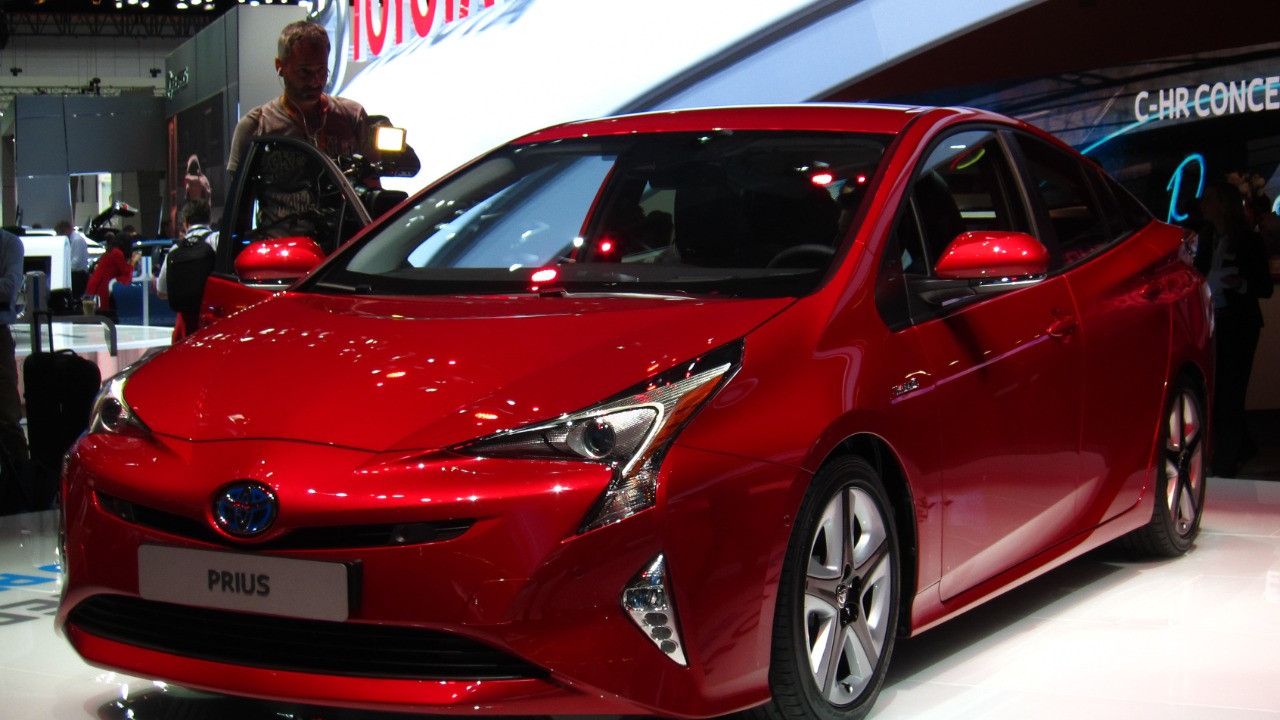
The current Prius LE front-wheel-drive model posts an EPA-combined rating of 57 miles per gallon against an 11.3-gallon tank, a pairing that calculates out to more than 640 miles between fill-ups.
All-wheel-drive and higher Prius trims trade some of that efficiency for performance and features, pulling the combined number down, so the nameplate’s long-range reputation applies most fully to the base front-wheel-drive trim rather than to the lineup as a whole, and options like larger wheels shave still more off the total.
8. Kia Forte: Budget Sedan Stretch
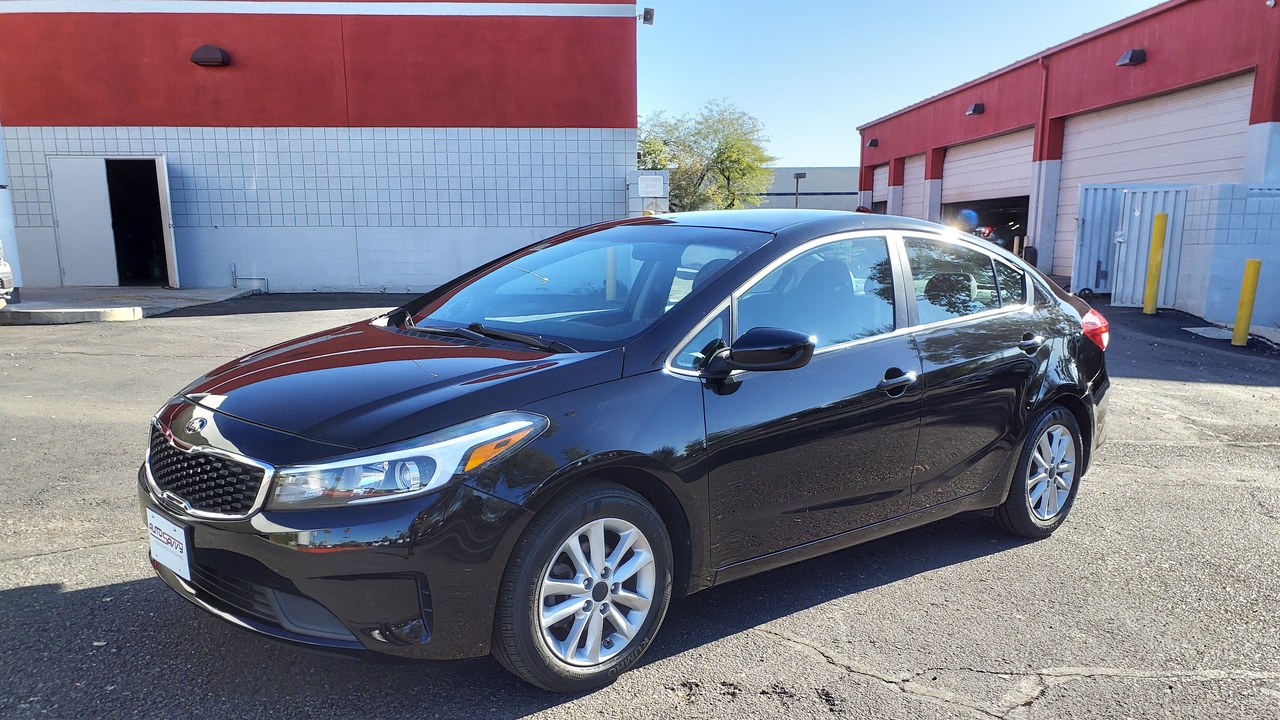
The Forte FE trim’s EPA-combined rating of roughly 33 miles per gallon, multiplied against its 13.2-gallon tank, produces a calculated range near 435 miles for one of the segment’s least expensive sedans.
Higher Forte trims with the larger 2.0-liter engine post a slightly lower combined figure on the same size tank, so the entry-level engine holds the range advantage within its own lineup, and highway-heavy driving pushes either figure above its combined baseline while city traffic pulls it back down again.
9. Nissan Altima: Big Tank Advantage
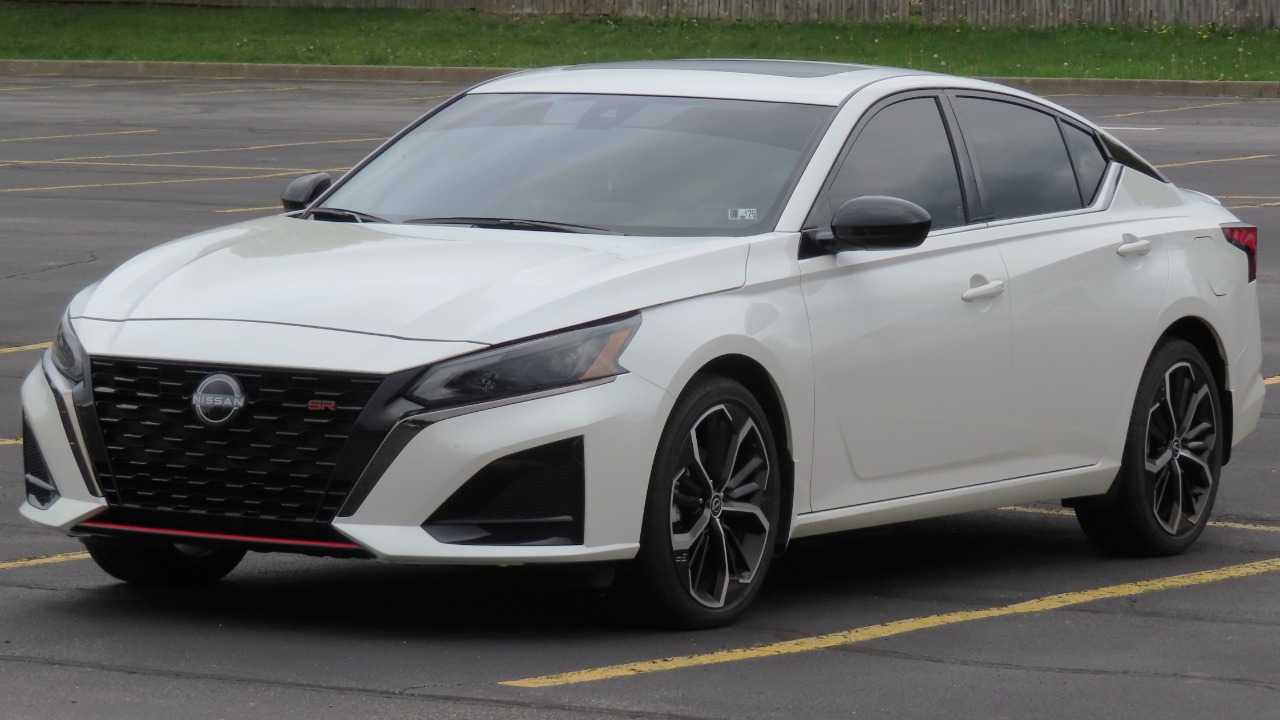
The front-wheel-drive Altima 2.5-liter’s EPA-combined rating of 32 miles per gallon, run against its 16.2-gallon tank, one of the largest in the class, works out to more than 500 miles of calculated range.
All-wheel-drive Altimas carry the same size tank but a lower combined rating, so the range advantage here comes mostly from tank size rather than efficiency, and the figure assumes a full tank and combined driving rather than a highway-only trip or a car loaded down with passengers and cargo.
10. Mazda6: Discontinued Distance Star
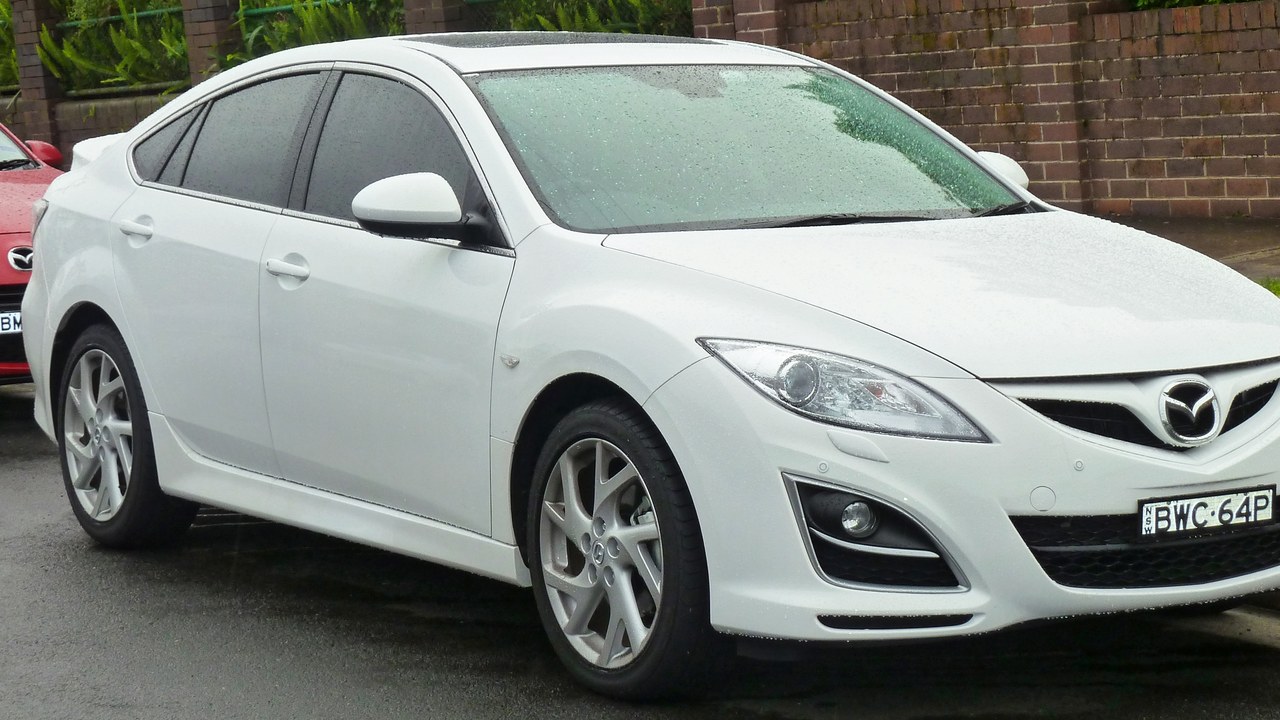
Mazda stopped building the Mazda6 for the US market after the 2021 model year, and that last edition’s 2.5-liter engine carried an EPA-combined rating of roughly 28 miles per gallon on a 17.7-gallon tank, for a calculated range near 495 miles.
With no new units being sold, that figure now describes a used-car shopping decision rather than a current showroom option, and the turbocharged Signature trim’s slightly lower combined rating narrows the range further before real-world driving even enters the picture.
More from Morning Overview
- Consumer Reports names the 2026 models it expects to break down the most
- Supplements now rank as the fifth-leading cause of death from liver disease.
- The NSA is again telling phone owners to switch off one location setting
- Four U.S. startups fired up their first small nuclear reactors, aiming to power AI data centers on-site
