
Luxury vehicles carry the highest sticker prices on the lot, yet many of them lose value faster than ordinary cars once the new-car smell fades. Heavy manufacturer discounting, costly out-of-warranty repairs, and a wave of off-lease inventory all push resale prices down within just a few years. Here are ten luxury cars and SUVs that depreciate the fastest, according to industry resale-value data.
1. BMW 7 Series: BMW 7 Series
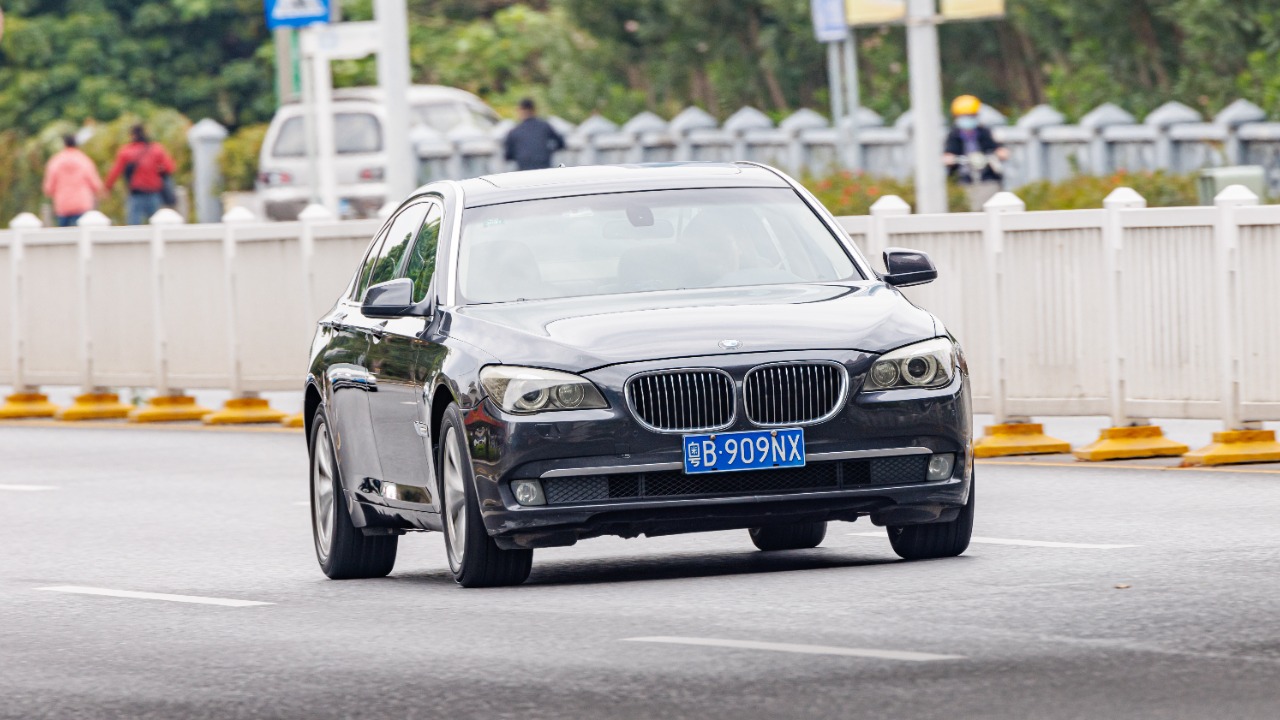
The BMW 7 Series lands at the top of a best resale value rankings list of vehicles that shed value fastest, a ranking built from five-year retention data across the luxury segment. As BMW’s full-size flagship sedan, the 7 Series is hit hardest by heavy manufacturer incentives, a steady stream of off-lease inventory, and buyers who gravitate toward the newest tech-laden redesign instead.
That rapid drop is good news for someone shopping used, since a flagship sedan that once stickered well into six figures becomes attainable within a few years of ownership. The tradeoff is real: complex electronics and air suspension components get expensive to repair once the factory warranty expires.
2. Mercedes-Benz S-Class: Mercedes-Benz S-Class
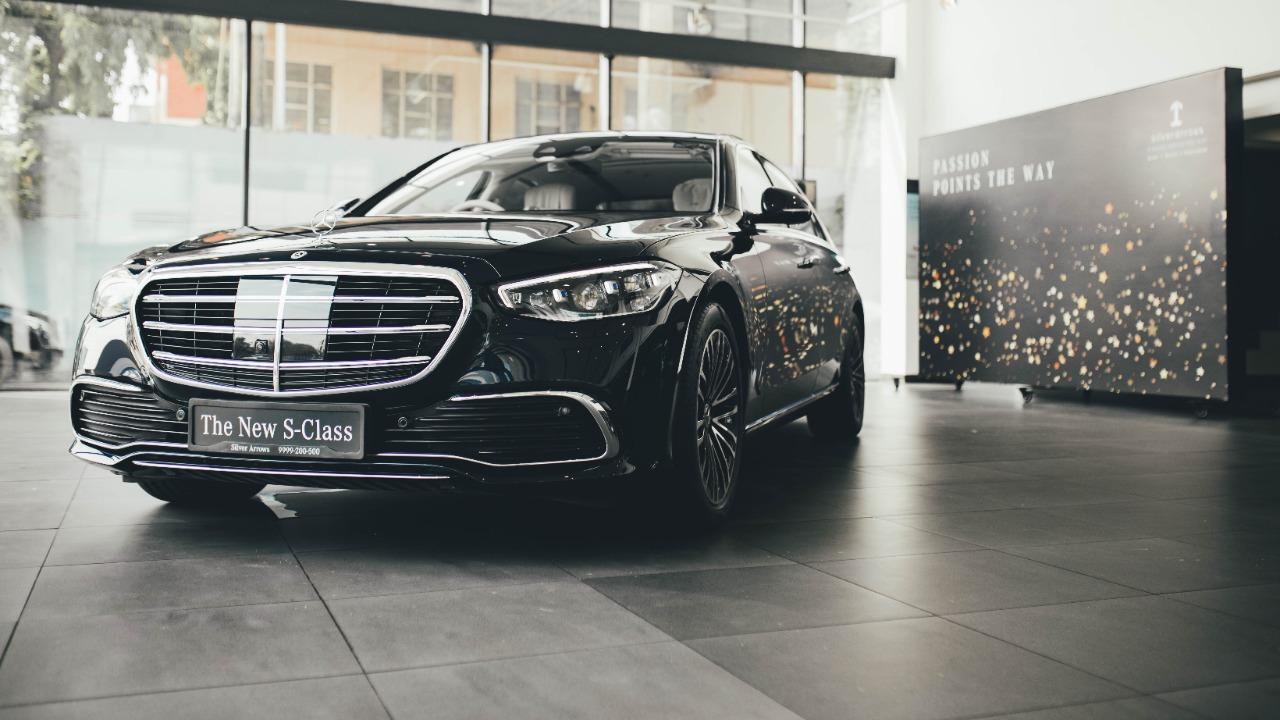
The Mercedes-Benz S-Class shows up in the same resale value study as one of the steepest depreciators among top-dollar sedans, losing a larger share of its original price than most rivals in its class. Heavy first-owner discounting and a wave of lease returns each year keep used inventory plentiful and prices soft.
A used S-Class buyer effectively inherits luxury-flagship engineering at a fraction of the original sticker, which is why the model remains a popular choice on the secondhand market. Ownership costs still run high, since S-Class repairs and parts carry a premium even after the car’s value has fallen.
3. Maserati Ghibli: Maserati Ghibli
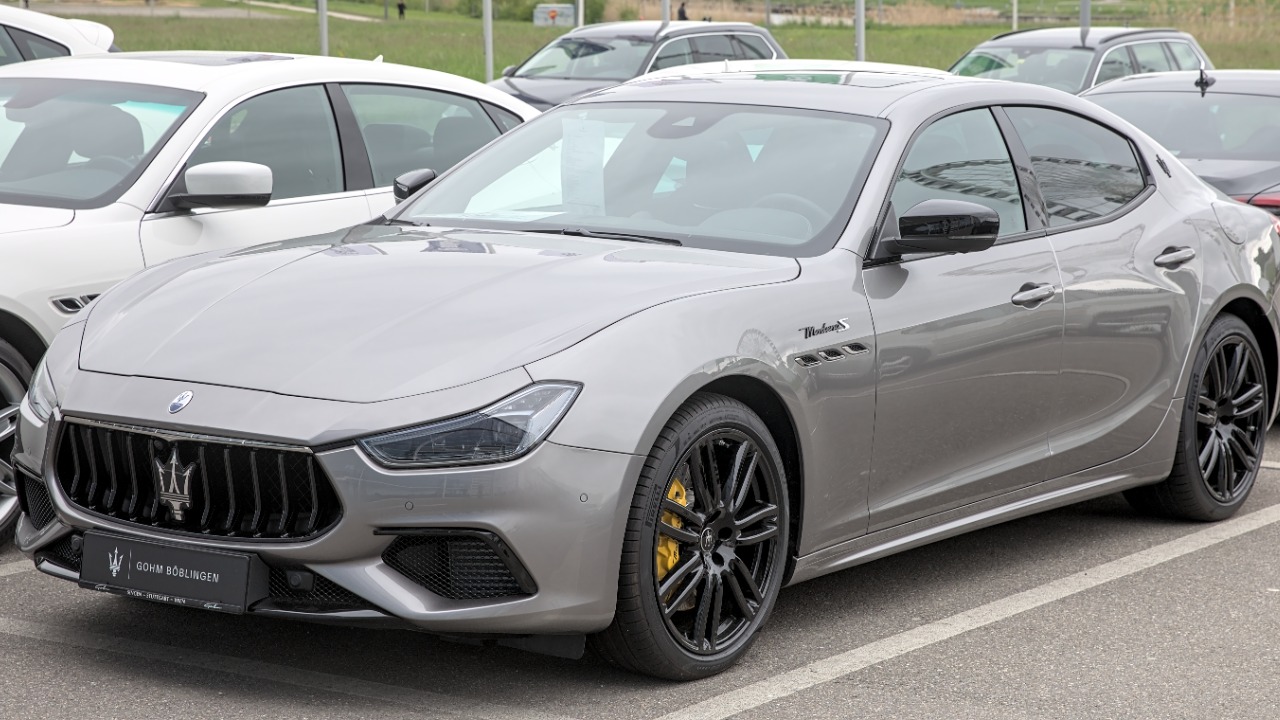
The Maserati Ghibli appears in the same industry resale data as one of the sharpest value losers in the exotic-adjacent sedan class, with used prices falling well below what the badge alone might suggest. Low sales volume, aggressive factory discounting, and a smaller ownership base compared with German rivals all work against the Ghibli’s resale strength.
The upside for a used-car buyer is access to an Italian performance sedan at a price that undercuts far more common luxury sedans. Anyone considering one should weigh the brand’s known reliability concerns and the higher cost of specialized service against the discount.
4. Jaguar XF: Jaguar XF
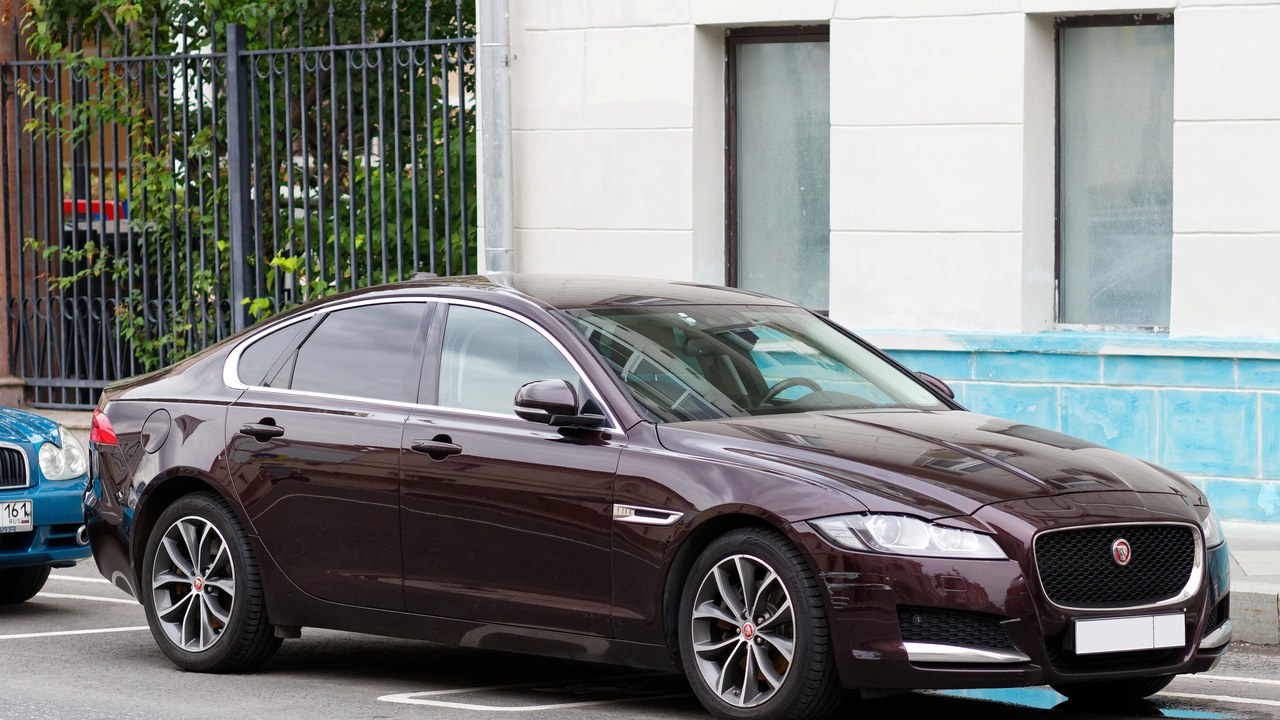
The Jaguar XF sits alongside those cars on the same resale value list, with the sleek British sedan giving up a large share of its value within the first few years on the road. Slower overall Jaguar sales, dealer incentives aimed at moving new inventory, and limited brand recognition compared with German competitors all pull used prices down.
That drop makes the XF one of the more distinctive used sedans available for the money, appealing to buyers who want something less common than a 5 Series or A6. Parts availability and specialized service can be harder to find, a cost worth factoring in before buying used.
5. BMW 5 Series: BMW 5 Series
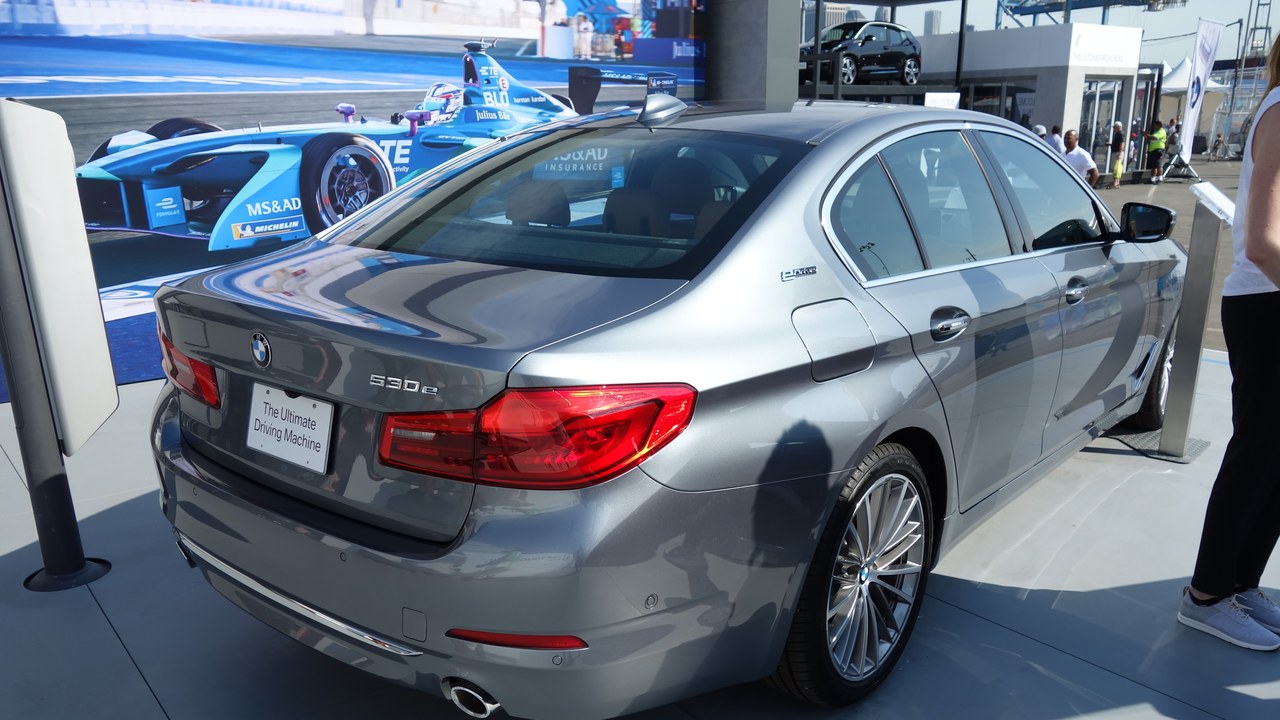
The BMW 5 Series, detailed in its model history overview, has long served as BMW’s executive sedan and depreciates quickly once a newer generation replaces it on dealer lots. Fleet and lease volume in the model’s home segment adds to used supply, while options-heavy trims lose a disproportionate share of their added cost.
For a used-car shopper, a several-year-old 5 Series delivers much of the driving experience and cabin quality of the flagship 7 Series at a considerably lower price. Maintenance on the turbocharged engines and adaptive suspension can add up, so a pre-purchase inspection is worth the cost.
6. Audi A6: Audi A6
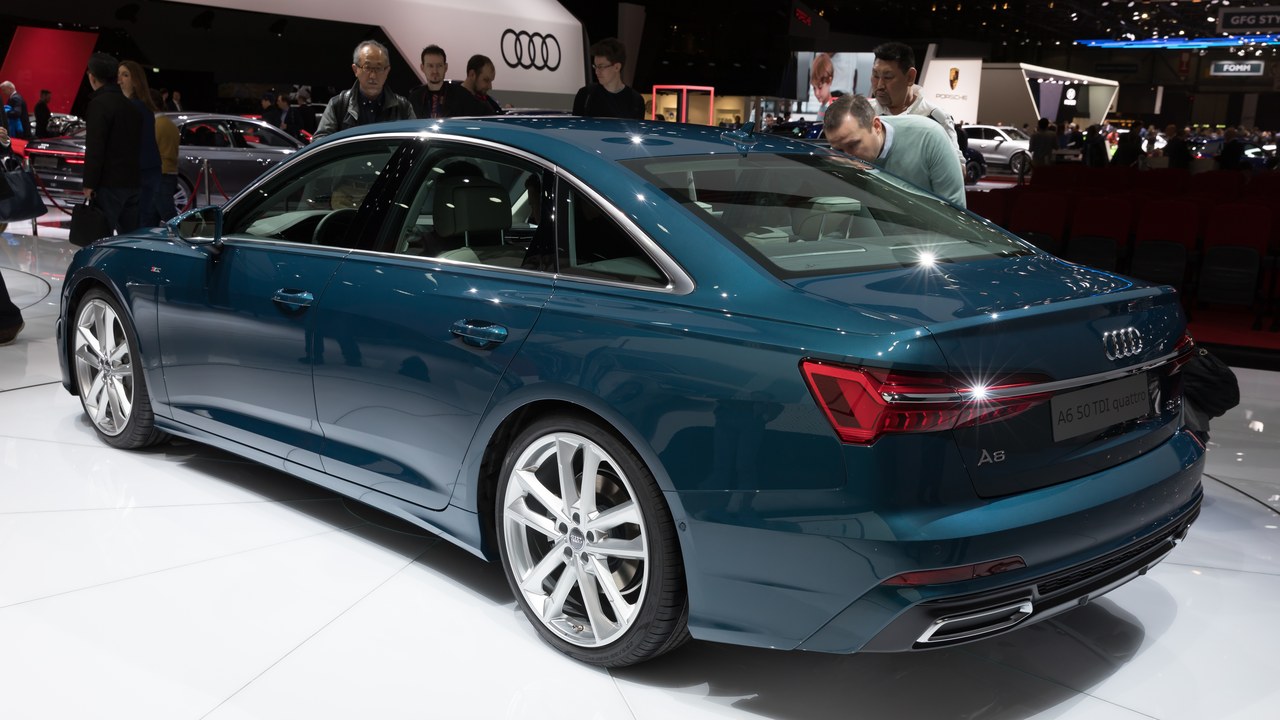
The Audi A6, covered in its A6 model overview, competes directly with the 5 Series and E-Class and follows a similar depreciation curve as each redesign cycle brings a fresh crop of buyers toward the newest version. Quattro all-wheel-drive trims and heavily optioned examples tend to lose value faster than base models once they hit the used market.
That pattern gives value-focused shoppers a well-equipped German sedan for a fraction of its original price within a few years of production. Owners should plan for the cost of maintaining Audi’s turbocharged engines and air suspension systems past the warranty period.
7. Land Rover Discovery: Land Rover Discovery
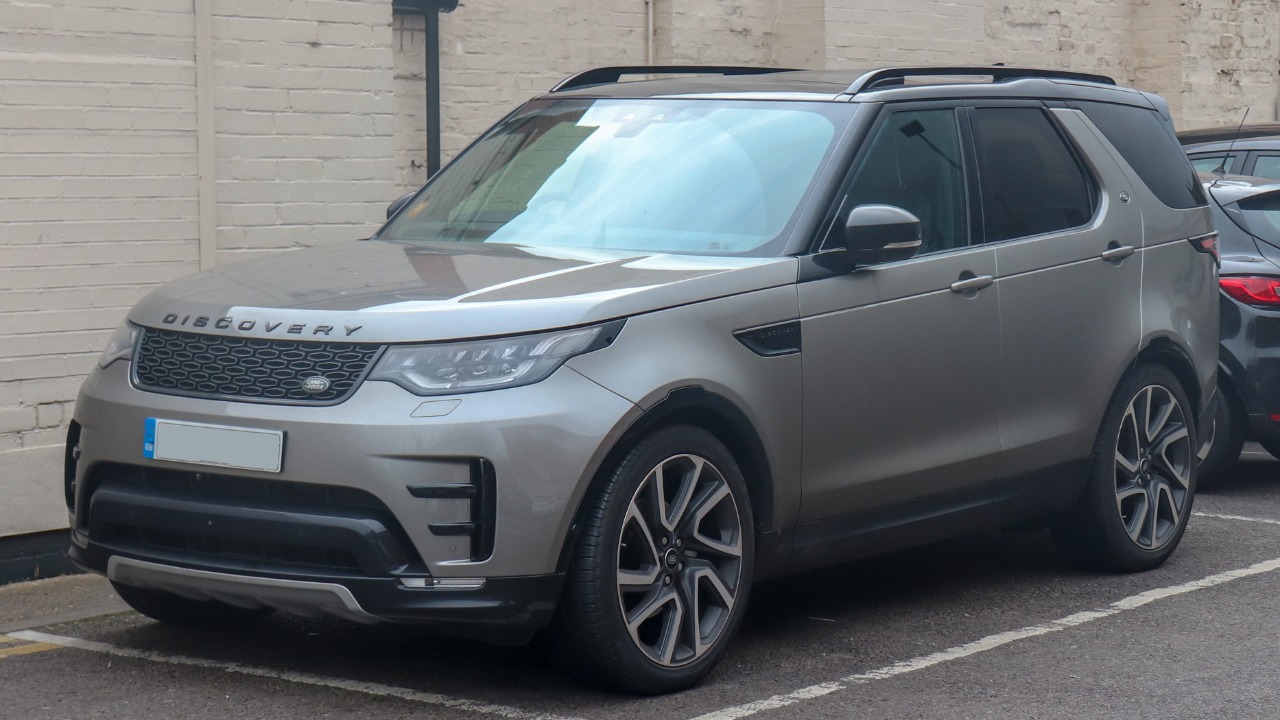
The Land Rover Discovery, chronicled in its Discovery’s production history, carries a reputation for shedding value faster than most premium SUVs, driven in large part by widely reported reliability and electronics concerns that show up in owner surveys. That reputation pushes used prices down even on relatively young examples with low mileage.
The steep drop makes a used Discovery one of the more affordable ways into three-row luxury SUV ownership, with genuine off-road capability included. Buyers should budget for potentially higher repair bills and consider a pre-purchase inspection before committing.
8. Cadillac Escalade: Cadillac Escalade
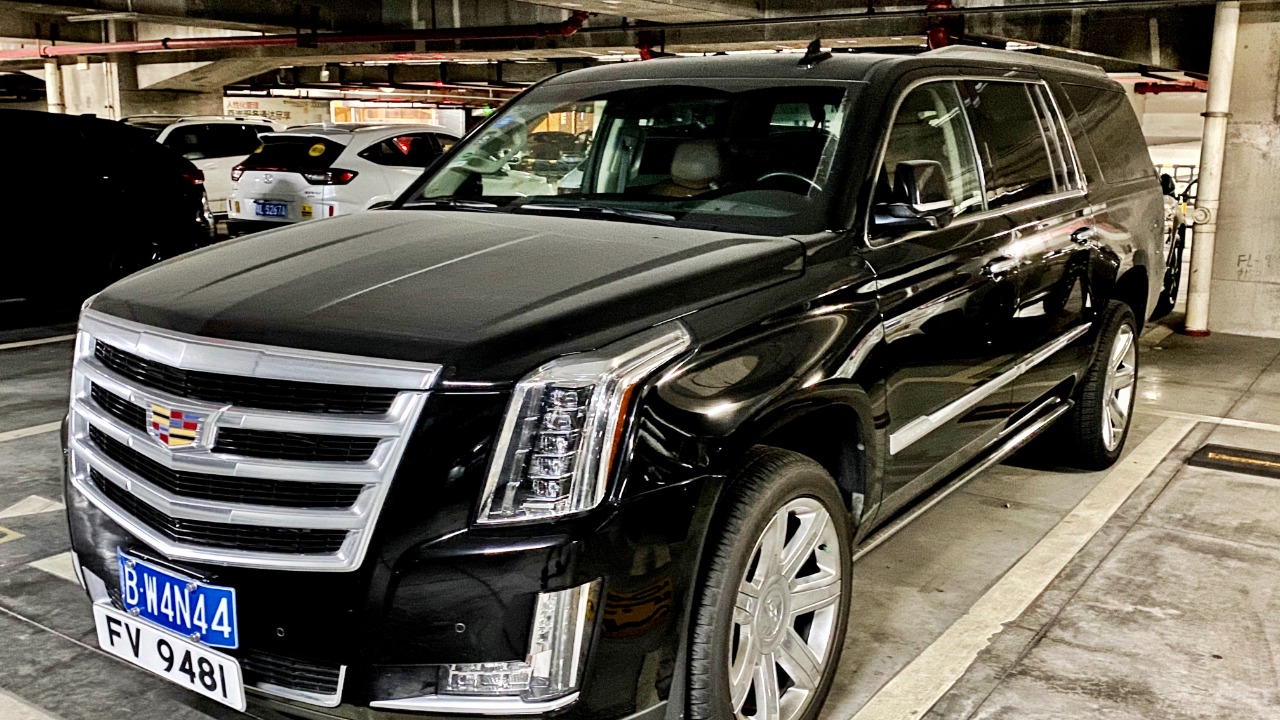
The Cadillac Escalade, outlined in its Escalade model history, posts some of the largest dollar-figure losses of any large luxury SUV simply because its starting price sits so high. A steady cadence of new generations and refreshed trims pulls buyers toward the newest model, leaving older Escalades to compete hard for attention on the used market.
Because the losses are measured in real dollars rather than just percentage terms, a used Escalade can represent tens of thousands of dollars in savings over buying new. Fuel costs and upkeep on the full-size V8 platform remain a factor worth budgeting for.
9. Infiniti QX80: Infiniti QX80
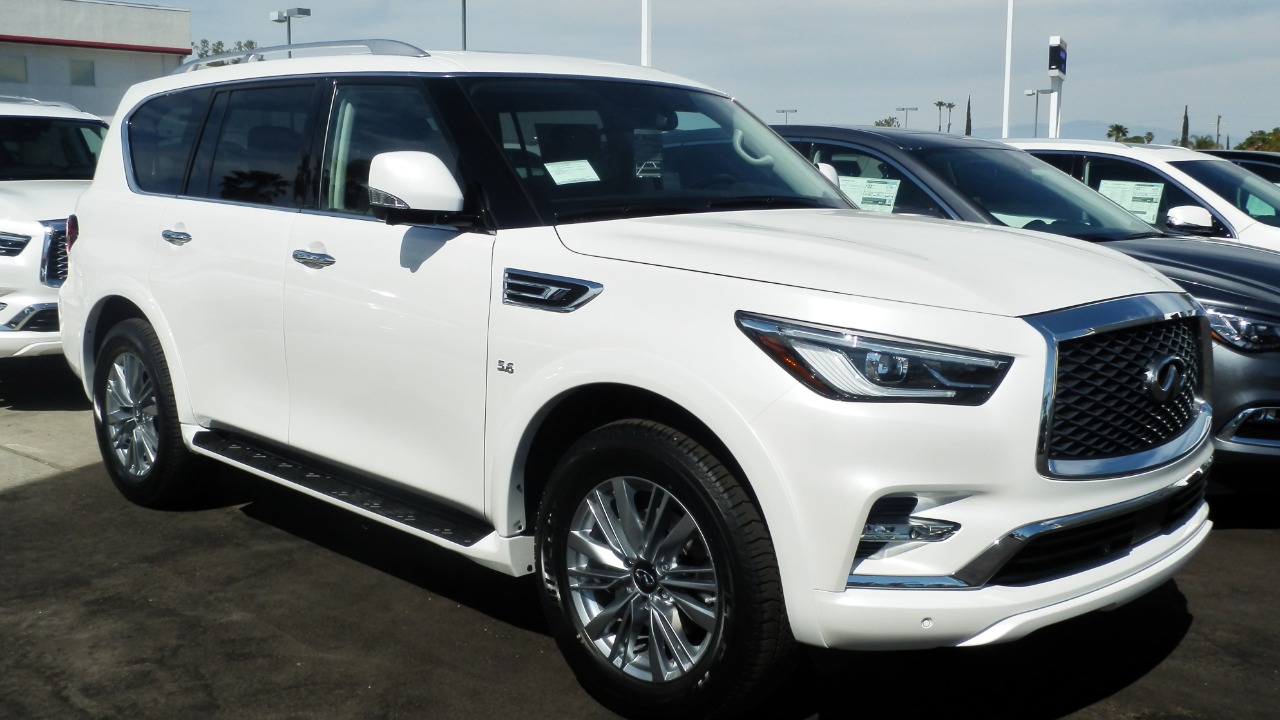
The Infiniti QX80, described on its QX80’s model page, loses value quickly compared with rivals like the Cadillac Escalade and Lincoln Navigator, a gap tied to Infiniti’s smaller luxury market share and lower brand cachet among used buyers. Generous new-vehicle incentives from dealers further soften resale prices soon after purchase.
That combination hands a value-minded shopper a full-size luxury SUV with three rows of seating for meaningfully less than its still-current competitors. The tradeoff includes a thinner dealer network for specialized service compared with more common luxury brands.
10. Lincoln Navigator: Lincoln Navigator
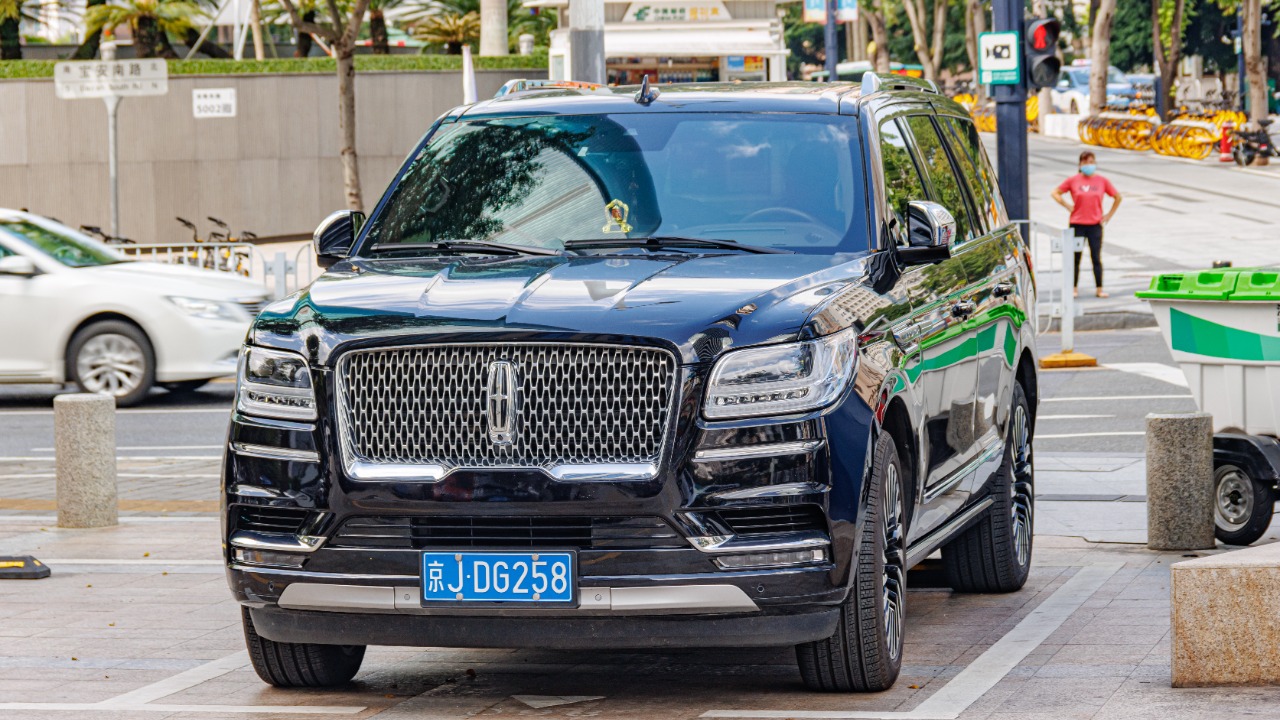
The Lincoln Navigator, described in its Navigator’s model background, gives up a large share of its value within the first several years despite its high original price and prominent full-size presence. High initial cost combined with steady incentives on new models keeps downward pressure on what used examples command.
The result is a spacious three-row SUV that becomes considerably more attainable secondhand than its as-new price would suggest. Fuel economy and maintenance on the large V6 engine remain ongoing costs that used buyers should factor into the purchase.
More from Morning Overview
- The NSA is again telling phone owners to switch off one location setting
- Four U.S. startups fired up their first small nuclear reactors, aiming to power AI data centers on-site
- 11 engines built to run well past 200,000 miles
- A handful of car transmissions are so tough that mechanics say they almost never die
