
Aviation’s history is measured less in decades than in machines that rewrote what flight could do. A handful of designs pushed speed, distance, capacity, or sheer utility so far past their predecessors that everything after them had to catch up. Here are nine aircraft that changed the course of aviation history.
1. Wright Flyer: First Flight, First Proof
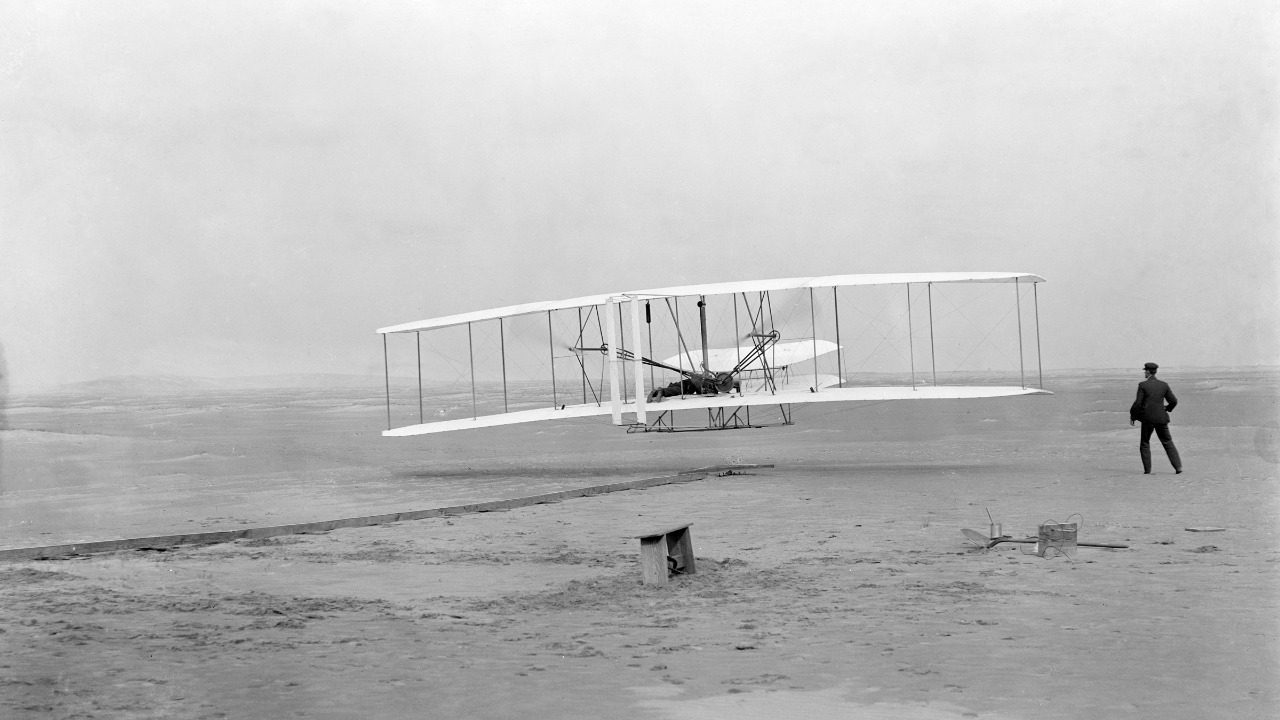
The Wright Flyer carried out the first powered, controlled flight of an airplane, lifting off a wooden launch rail near Kitty Hawk, North Carolina, with a pilot lying prone across its lower wing. Brothers Wilbur and Orville Wright built the craft themselves, pairing a lightweight gasoline engine of their own design with wing-warping controls refined through years of glider experiments.
The flight lasted only seconds and covered a short distance, but it settled a question engineers had chased for decades: that a heavier-than-air machine could take off, stay aloft under its own power, and come down again under a pilot’s command. Every powered aircraft built since traces its lineage back to that single flight.
2. Douglas DC-3: The Airliner That Paid Its Way
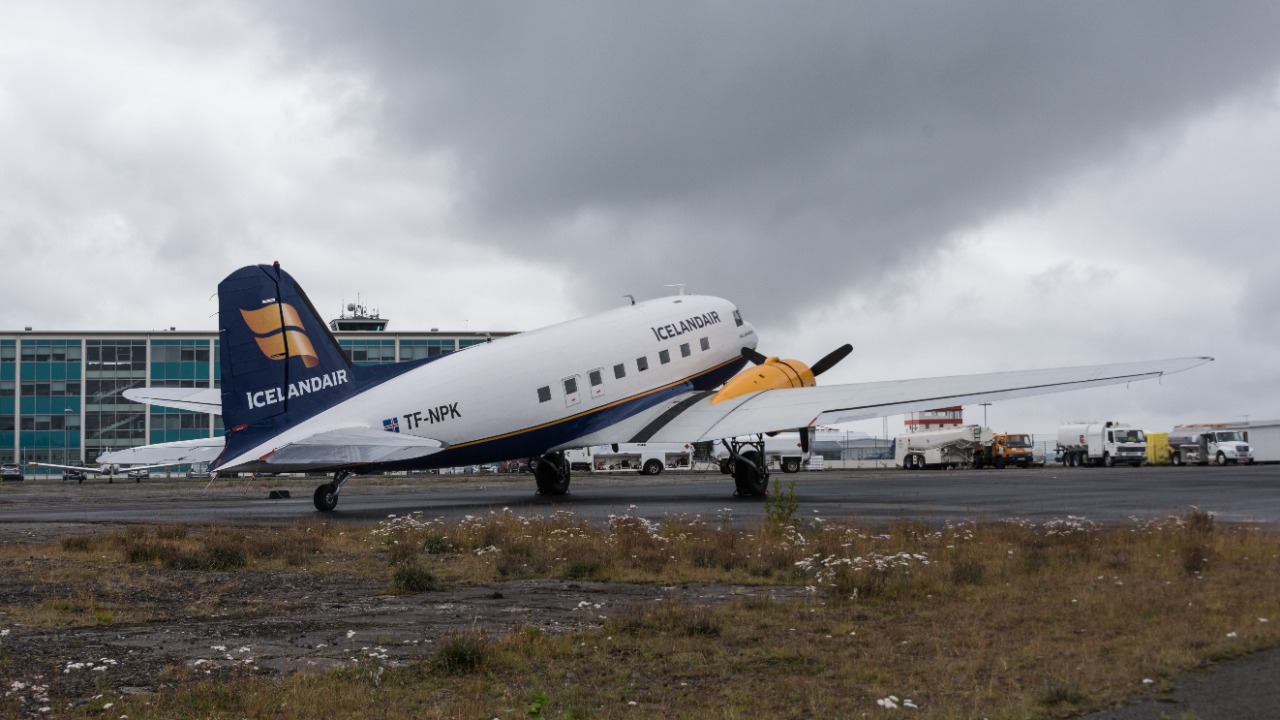
The Douglas DC-3 became the airliner that finally let carriers turn a profit on passengers alone, without leaning on mail contracts to cover the bills. Its twin engines, retractable landing gear, and cabin large enough for more than a dozen travelers gave airlines a machine that was reliable enough to fly on a schedule and roomy enough to fill seats.
Airlines around the world adopted the design, and it went on to serve militaries as a rugged transport during wartime. Decades after its debut, a scattering of DC-3s were still earning their keep hauling cargo and passengers into short, rough airstrips that newer jets could not reach.
3. Boeing 747: The Jumbo That Shrank The Globe
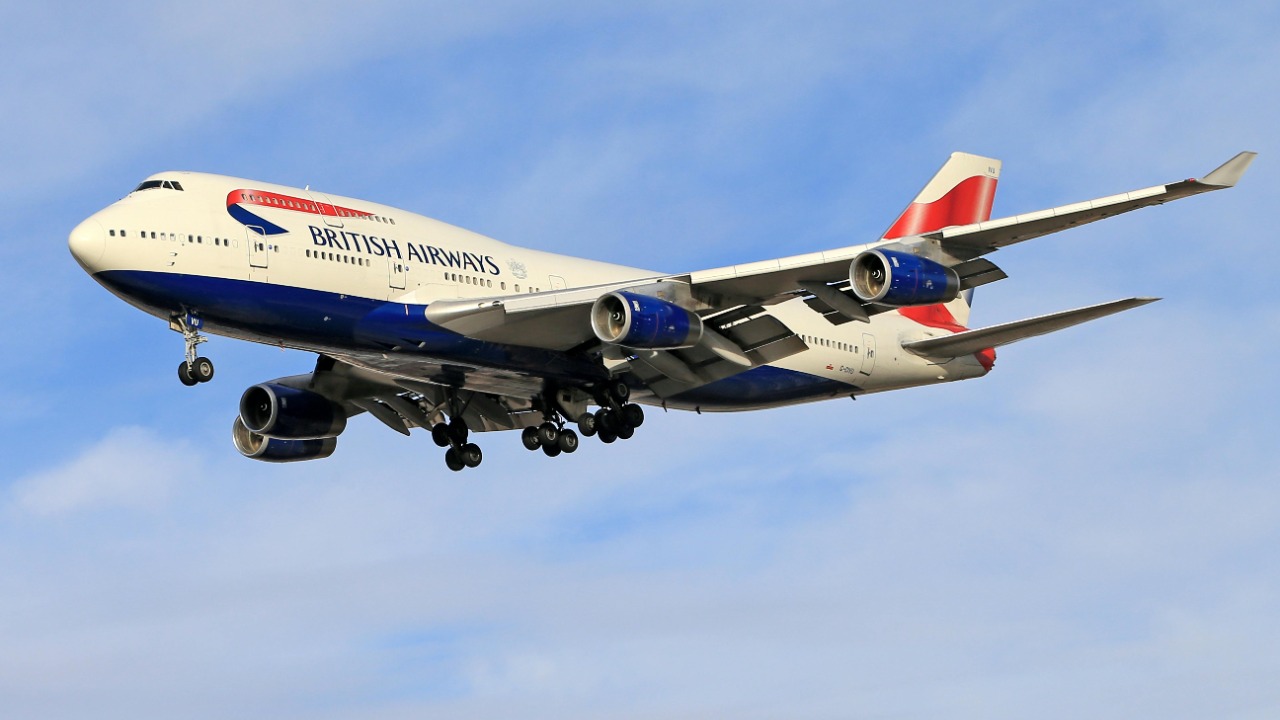
The Boeing 747 put a distinctive upper-deck hump on the skyline of every major airport and, more importantly, put long-haul flight within reach of ordinary travelers rather than just business fliers. Its wide fuselage packed in hundreds of seats on a single aircraft, letting airlines spread the cost of a transoceanic flight across far more passengers than any earlier jet.
That shift in economics helped turn international travel from an occasional luxury into something a growing middle class could actually afford. The jumbo jet’s silhouette became the default image of long-distance air travel for airlines and passengers alike for the rest of the twentieth century.
4. Concorde: Crossing Oceans Before Lunch
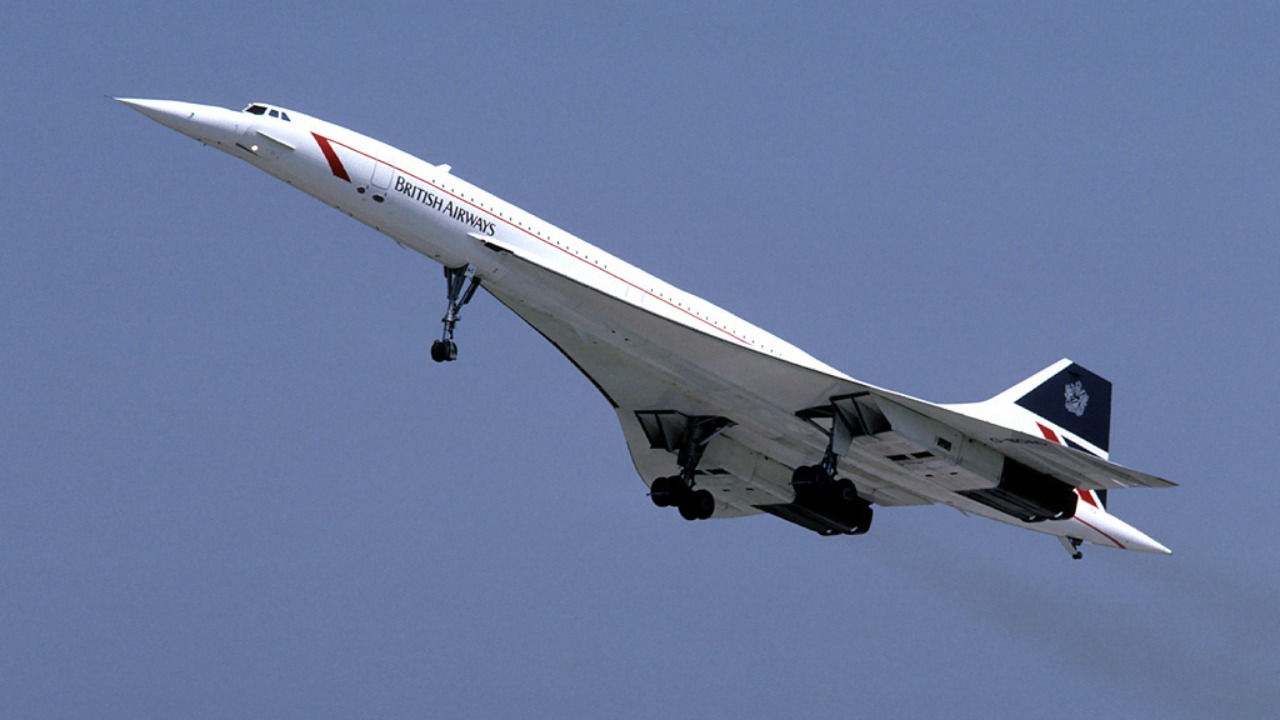
The Concorde flew passengers across the Atlantic at supersonic speed, cutting a journey that took most jets most of a day down to a matter of hours. Its needle-nosed, delta-winged shape was built specifically to slip through the sound barrier and cruise there, a feat no other passenger airliner has matched before or since it retired.
Only a small fleet ever entered service, and tickets carried a price that kept the experience limited to a narrow slice of travelers. Even so, the aircraft stands as proof that commercial supersonic passenger flight was achievable, a benchmark later attempts at reviving the idea still measure themselves against.
5. Supermarine Spitfire: The Fighter Britain Needed
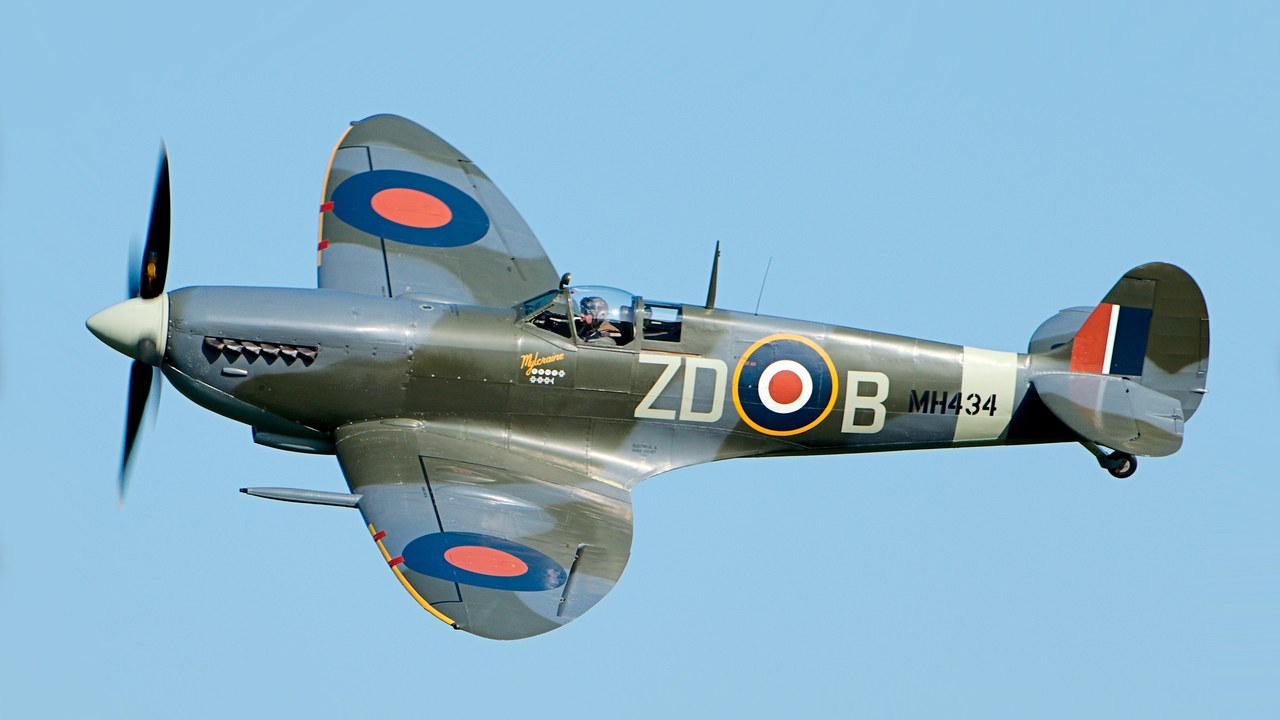
The Supermarine Spitfire helped the Royal Air Force hold off the Luftwaffe during the Battle of Britain, its elliptical wing giving pilots the tight turning ability they needed against faster-diving opponents. Paired with the Hawker Hurricane, the Spitfire became the aircraft most associated with Britain’s air defense at a moment when losing that fight would have opened the country to invasion.
Its success in that campaign turned it into a symbol of wartime resistance well beyond the cockpit, and manufacturers kept refining the airframe through new engines and armament for the rest of the war. The Spitfire remains one of the most recognized fighter silhouettes ever built.
6. Lockheed SR-71 Blackbird: Outrunning Every Threat
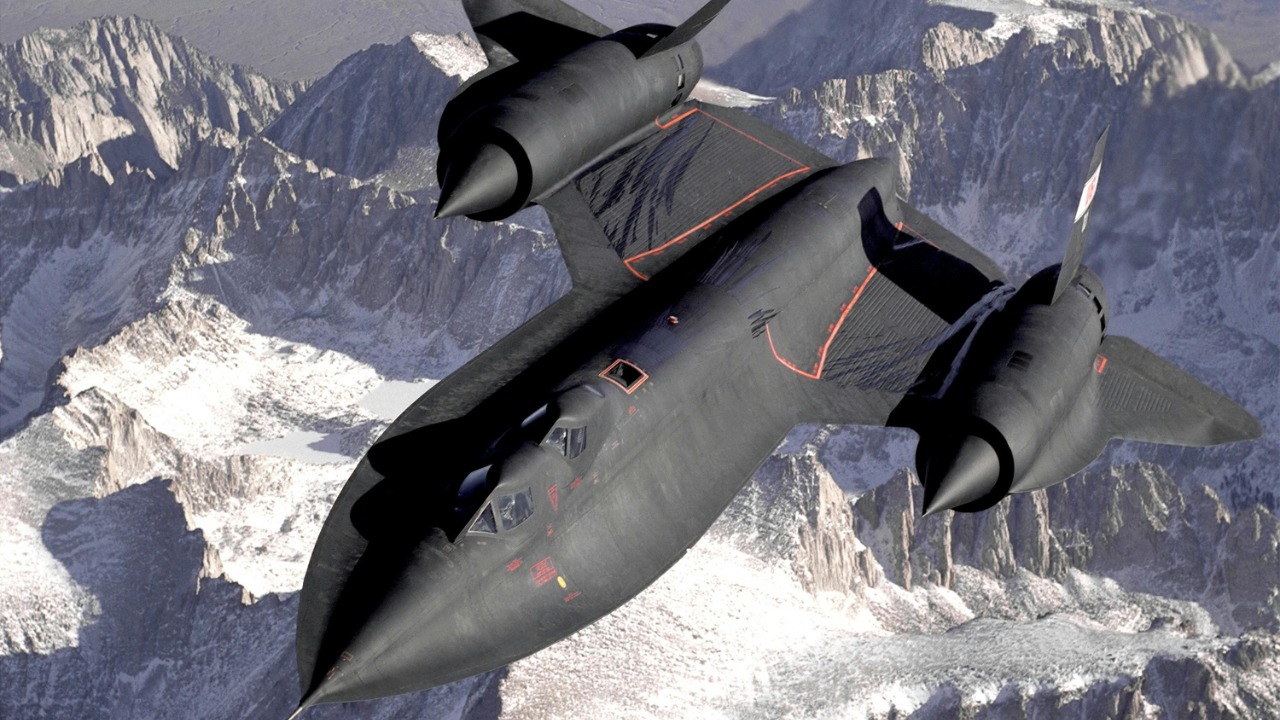
The Lockheed SR-71 Blackbird remains the fastest air-breathing crewed jet ever flown, a reconnaissance aircraft built to outrun any missile sent after it rather than dodge one. Its titanium skin, built to survive the heat generated at sustained high speed, and its dark radar-absorbing coating made it as much a materials achievement as an aerodynamic one.
Crews flying reconnaissance missions relied on outright speed and altitude as their defense, since no interceptor of the era could climb high enough or fast enough to catch it. Decades after it stopped flying operationally, no other crewed jet powered by conventional engines has beaten its speed record.
7. Boeing B-52 Stratofortress: Still Flying Seven Decades On
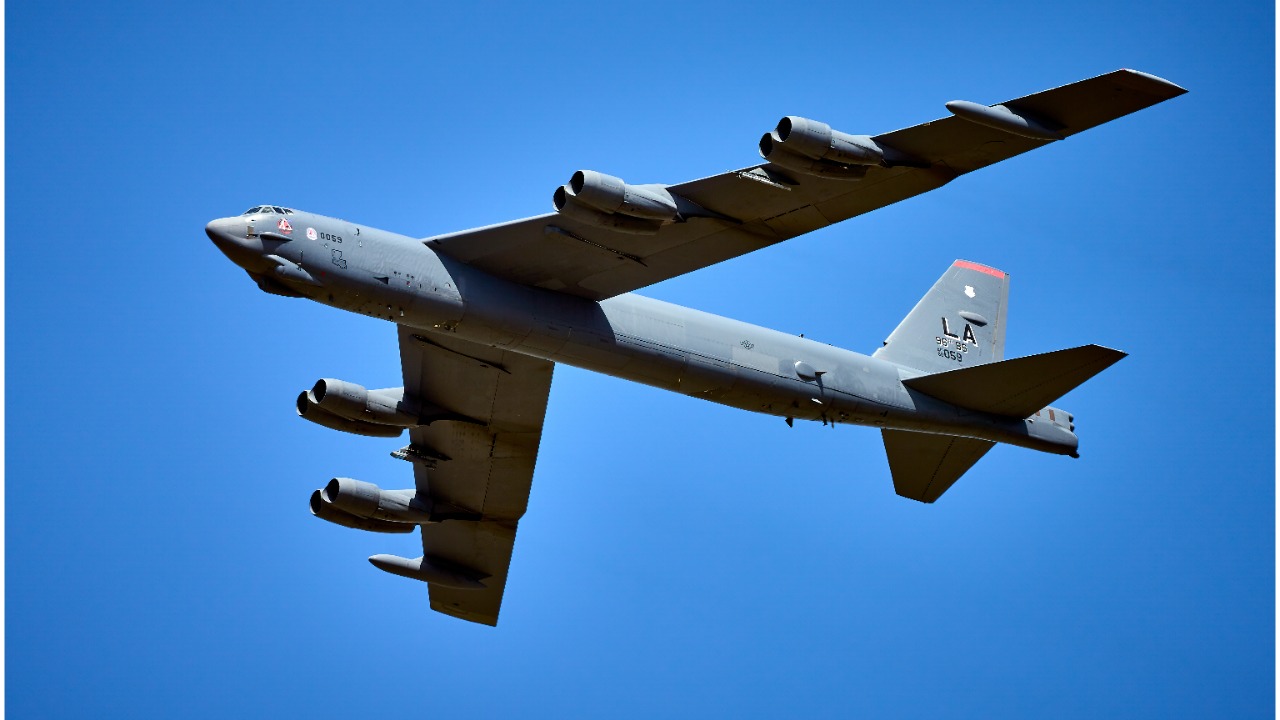
The Boeing B-52 Stratofortress is a long-range bomber that has remained in active service for seven decades, an endurance record no other military aircraft of its era comes close to matching. Its eight-engine layout and enormous payload capacity gave the Air Force a heavy bomber flexible enough to be upgraded again and again rather than replaced outright.
Successive generations of crews, including the grandchildren of its original pilots, have flown the same basic airframe as engines, avionics, and weapons systems were swapped in around it. Its continued service is a rare case of a Cold War-era design outlasting every aircraft meant to succeed it.
8. Boeing 707: Where The Jet Age Began
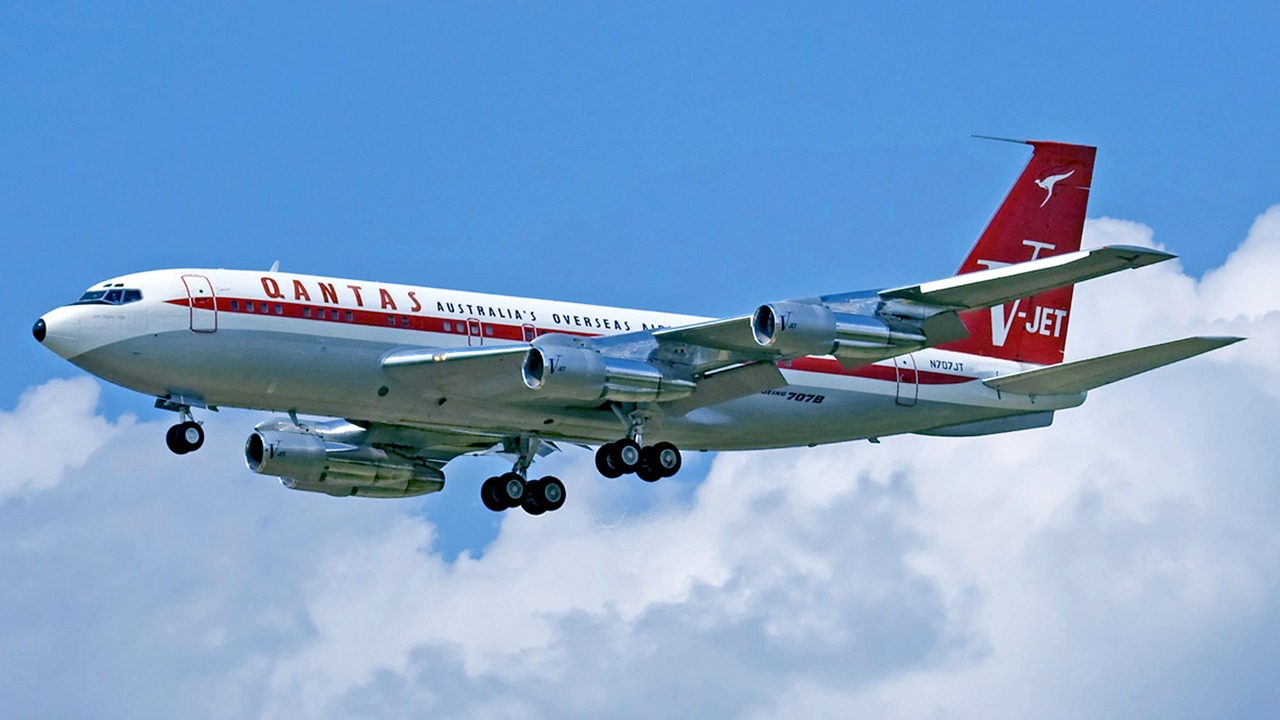
The Boeing 707 launched the modern airline era, giving carriers a jet-powered airliner fast and reliable enough to replace the propeller aircraft that had defined commercial flight up to that point. Its swept wings and podded engines set the basic layout that most passenger jets still follow today.
Airlines that adopted the 707 could fly routes faster and with fewer stops, reshaping schedules and route networks across the industry. The design’s success pushed Boeing’s rivals to build their own jet airliners, kicking off the competitive jet market that carried commercial aviation through the rest of the century.
9. Cessna 172: The Plane Everyone Learned On
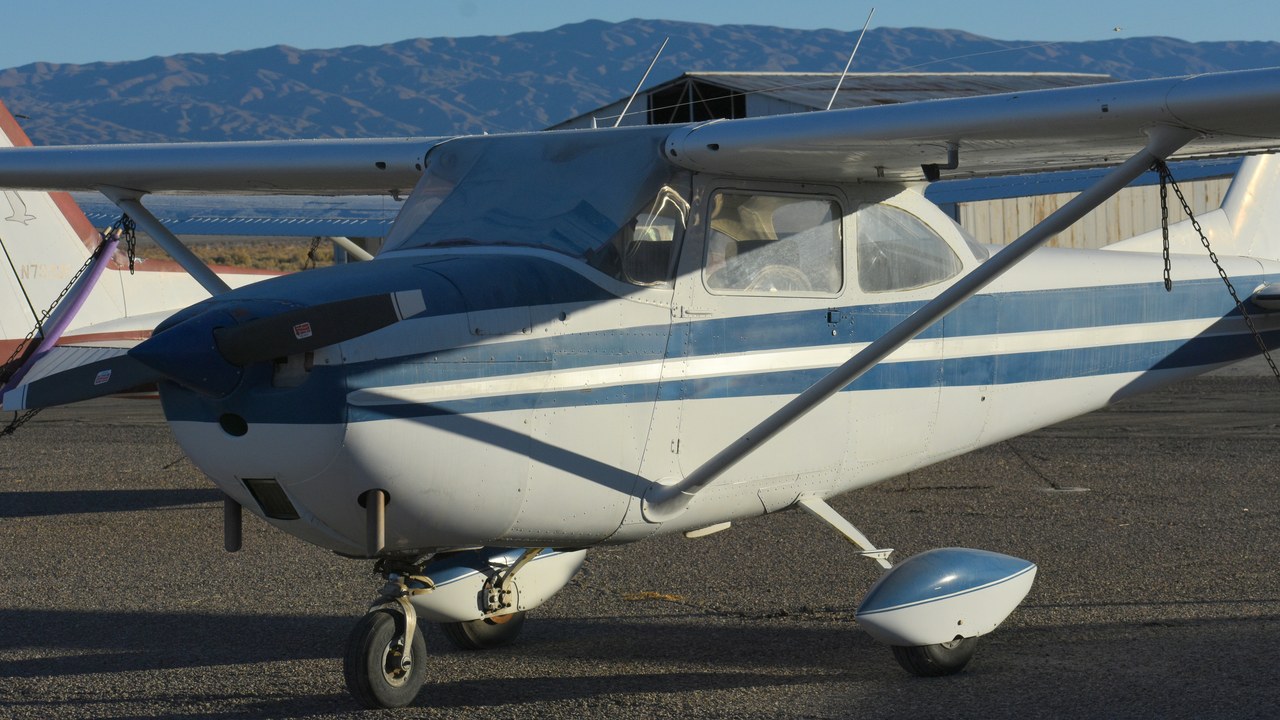
The Cessna 172 is the most-produced airplane in history, a single-engine, high-wing design simple enough for flight schools to trust with first-time students yet capable enough for private owners to keep for decades. Its forgiving handling and steady production run turned it into the default airplane most pilots first solo in.
That combination of affordability, simplicity, and durability kept factories building the type long after flashier designs came and went. Flight schools, private owners, and rental fleets around the world still rely on it as the standard trainer that introduces new pilots to flying.
More from Morning Overview
