
Most SUVs never leave pavement, but a handful are still engineered for genuine backcountry travel. These nine hold onto the hardware — locking differentials, low-range transfer cases, solid axles and real ground clearance — that separates a trail vehicle from a grocery-getter with all-wheel drive. Here are nine off-road SUVs and trucks built to keep moving after the pavement runs out.
1. Jeep Wrangler: Solid Axles, Removable Everything
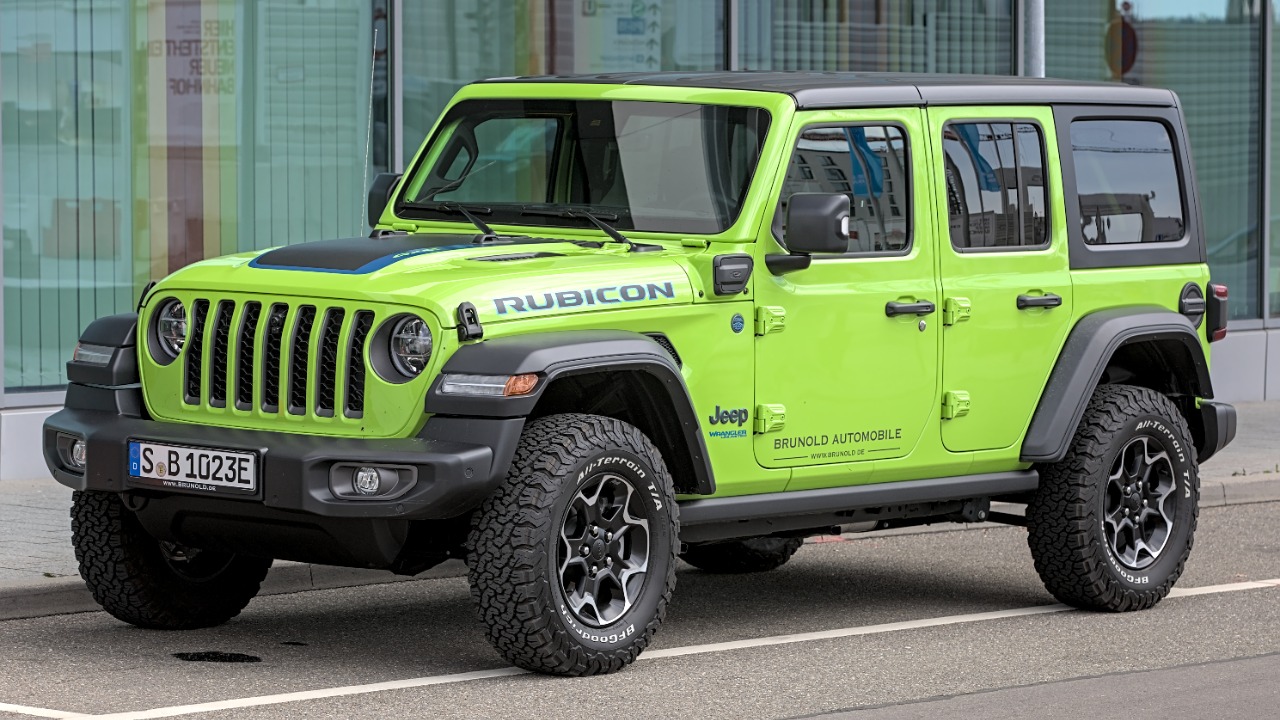
The Jeep Wrangler is one of the last mainstream SUVs still riding on solid front and rear axles rather than independent suspension, a layout that keeps both wheels on an axle working together over broken ground. Doors, the roof and even the windshield fold down or come off entirely, and the Rubicon trim adds front and rear locking differentials plus a front sway bar that disconnects electronically for extra wheel articulation on rocks.
That hardware comes with everyday trade-offs: the boxy body and solid front axle bring more wind noise and looser, slower-reacting steering than a crossover-based SUV delivers, and removing the doors strips away some of the vehicle’s crash protection until they go back on.
2. Ford Bronco: Built From Scratch To Rival The Wrangler
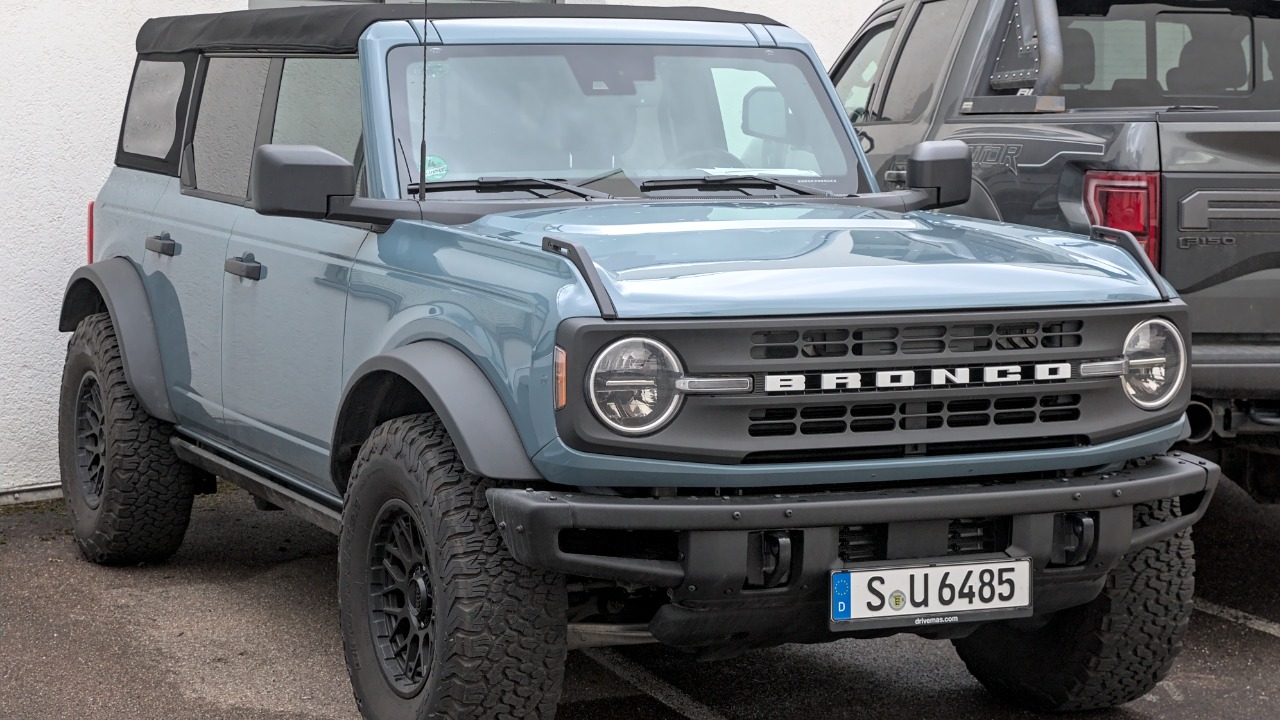
Ford revived the Bronco for 2021 as a dedicated Wrangler rival, built on a body-on-frame platform shared with the Ranger pickup instead of the crossover underpinnings of the smaller Bronco Sport. Doors and the roof panels remove by hand, and the Sasquatch package adds front and rear locking differentials, 35-inch tires and a front sway bar that disconnects for deeper wheel travel.
The size and hardware cut both ways on pavement: the wide Sasquatch stance and knobby tires add road noise and blunt fuel economy compared with the smaller Bronco Sport, and early production years carried recalls tied to the windshield and door latches that buyers should check before purchase.
3. Toyota 4Runner: Old-School Four-Wheel Drive That Refuses To Quit
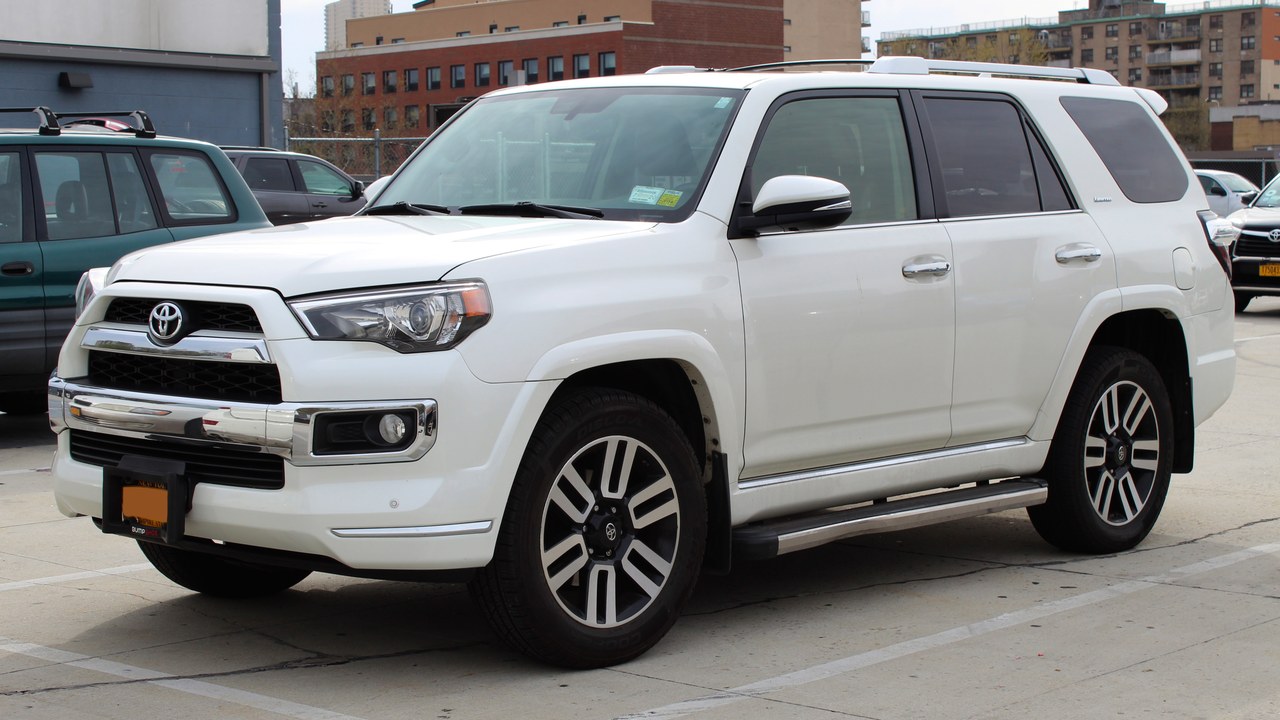
The Toyota 4Runner has stayed on a traditional body-on-frame chassis while many midsize SUV rivals moved to unibody construction, and off-road trims add a locking rear differential plus a Kinetic Dynamic Suspension System that disconnects the front sway bar for greater wheel articulation over rocks and ruts. The TRD Off-Road trim is the version built specifically around that hardware.
The body-on-frame layout that gives the 4Runner its trail toughness also means a firmer, truck-like ride and worse fuel economy on the highway than crossover-based competitors, a trade-off owners accept for a reputation that keeps resale values unusually high.
4. Land Rover Defender: Engineered For The World’s Harshest Terrain
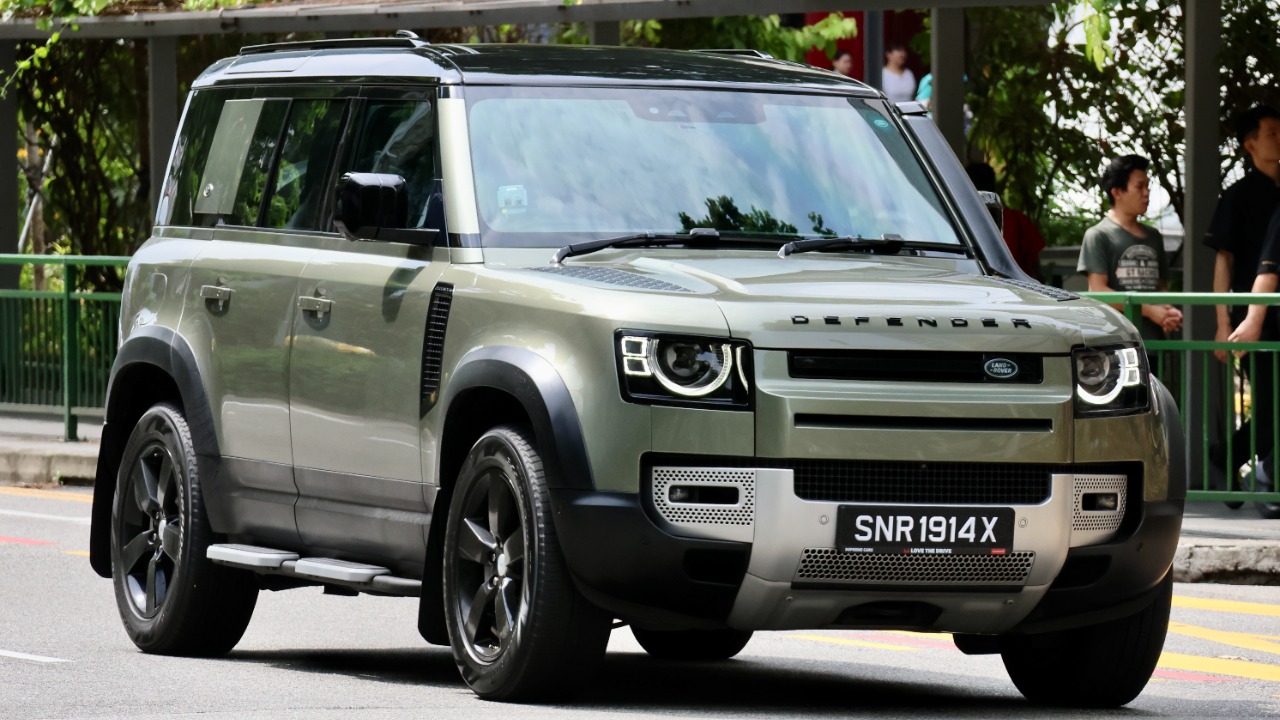
The modern Land Rover Defender is built on Land Rover’s stiff aluminum monocoque platform rather than a separate ladder frame, but it still carries a two-speed transfer case, height-adjustable air suspension and a configurable Terrain Response system tuned for sand, mud, rock and snow. The current generation replaced the old ladder-frame Defender in 2020 after a two-year gap in production.
All that adjustable hardware raises long-term ownership risk: air suspension components and electronically controlled differentials are expensive to diagnose and repair once warranty coverage runs out, a common complaint among owners of the outgoing ladder-frame model’s air-sprung siblings as well.
5. Toyota Land Cruiser: A Globe-Trotting Off-Roader With A Reputation For Never Dying
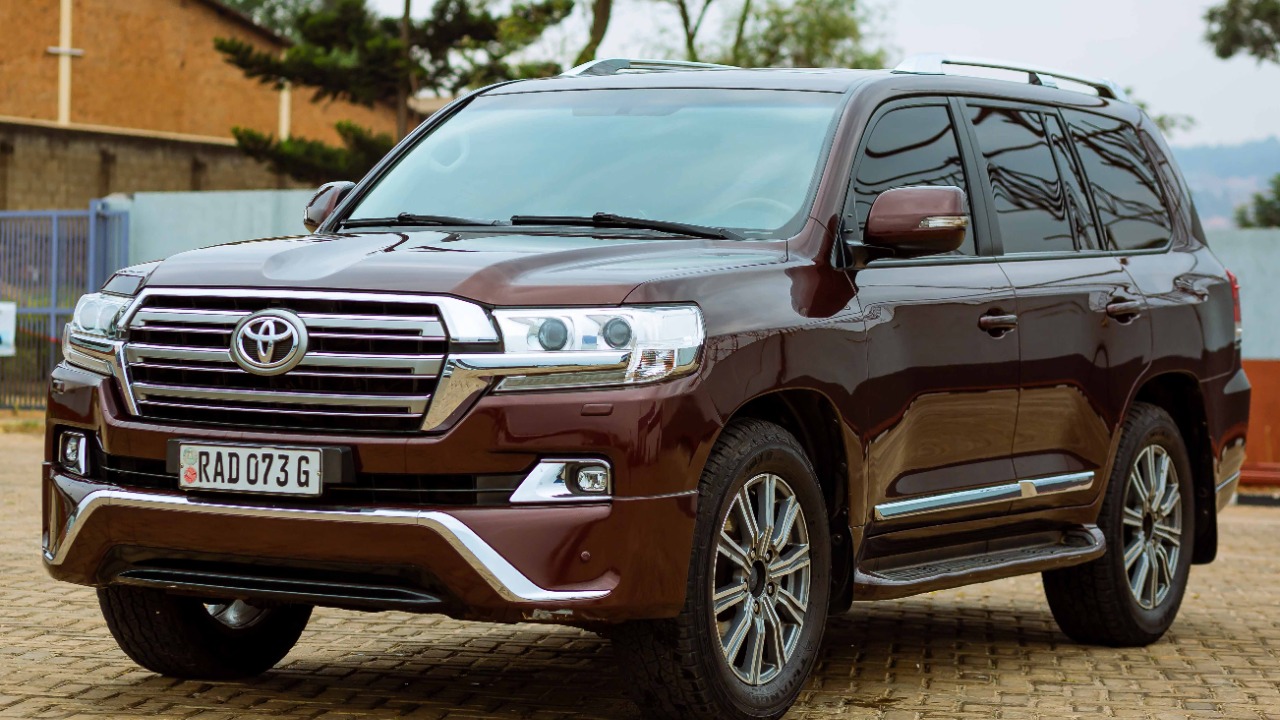
The Toyota Land Cruiser built its reputation in some of the least forgiving places on earth, favored by the United Nations, aid organizations and militaries across Africa and the Middle East for its body-on-frame durability and full-time four-wheel drive with a locking center differential. The Land Cruiser nameplate has run continuously since the early 1950s, longer than almost any other SUV on sale.
Toyota pulled the full-size Land Cruiser from the US market for several years before bringing back a smaller, lighter version, and that gap left American buyers paying a premium for grey-market imports of the tougher overseas models that never stopped being built.
6. Jeep Grand Cherokee: Trail-Rated Hardware Wrapped In A Family SUV
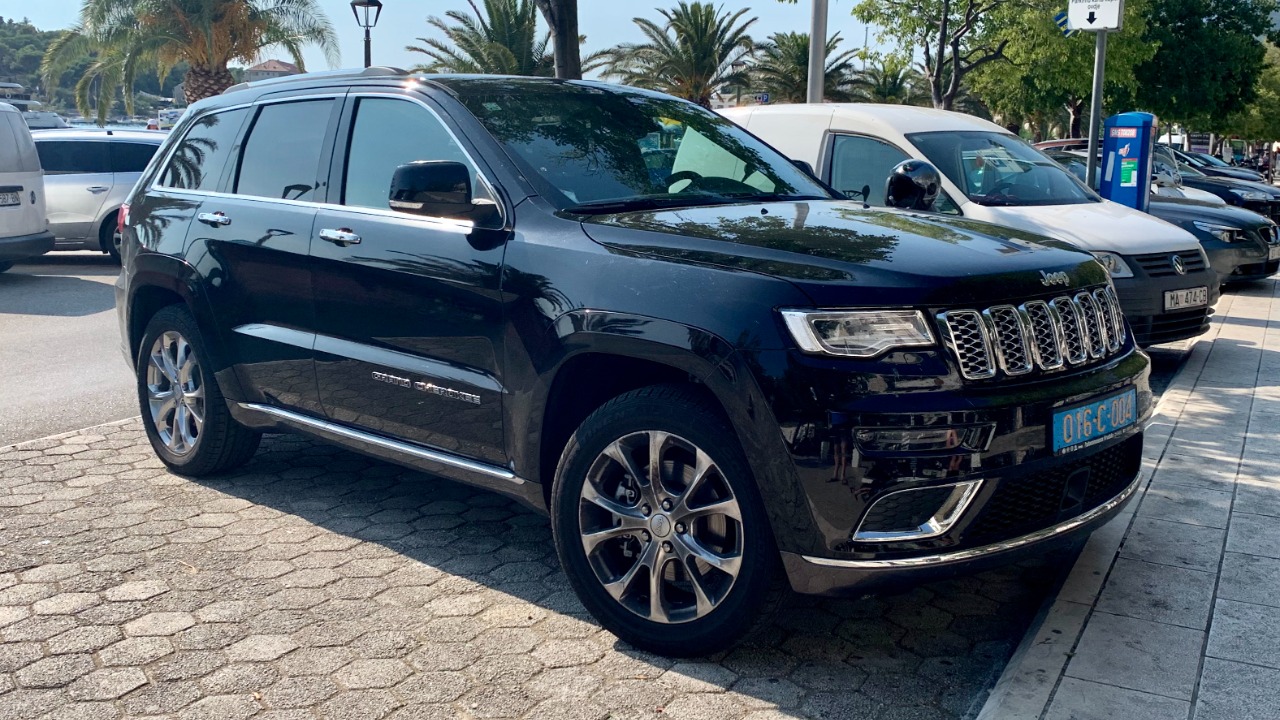
The Jeep Grand Cherokee carries Jeep’s Trail Rated badge on its off-road trims, pairing a Quadra-Drive II four-wheel-drive system with an electronic limited-slip rear differential and a Selec-Terrain system that adjusts throttle, traction and shift points for the surface underneath. The Trailhawk trim adds Quadra-Lift air suspension that raises ground clearance for rougher trails.
Unlike the solid-axle Wrangler, the Grand Cherokee rides on a unibody chassis with independent suspension, which delivers a quieter, more carlike ride on pavement but gives up some of the raw articulation and durability that body-on-frame competitors bring to serious rock crawling.
7. Chevrolet Colorado: The ZR2 Trim Built For Rock Crawling

Chevrolet’s regular Colorado is a conventional midsize pickup, but the ZR2 trim turns it into a dedicated rock-crawler with front and rear locking differentials, a widened track, standard skid plates and Multimatic spool-valve dampers borrowed from the brand’s factory racing program to control the wheels over sharp, repeated impacts.
The wider fenders and off-road suspension that make the ZR2 capable also make it a poor daily fit for tight parking and narrow lanes, and its knobby all-terrain tires wear faster and cost more to replace than the street-oriented rubber on a base Colorado.
8. Ford Ranger: A Midsize Truck With Real Backcountry Reach
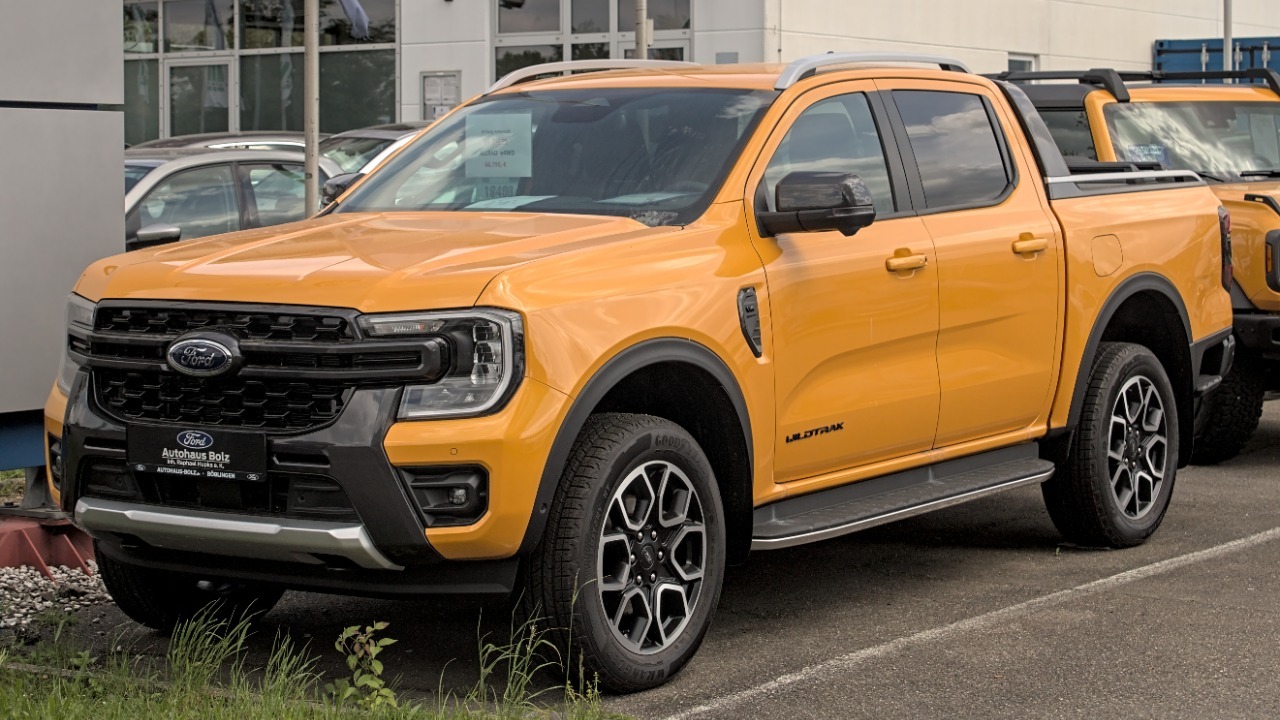
The current Ford Ranger is sold worldwide as a body-on-frame midsize pickup, and off-road-focused trims add locking rear differentials, upgraded shock absorbers and dedicated off-road drive modes. The Ranger Raptor variant, built for high-speed desert running, adds long-travel suspension and wider bodywork on top of that base off-road hardware.
The Ranger’s midsize footprint means a shorter bed and tighter rear seat than a full-size pickup, a trade-off buyers accept for a smaller turning circle and easier trail width through narrow, tree-lined backcountry roads a bigger truck can’t fit down.
9. Mercedes-Benz G-Class: A Luxury Box With Three Locking Differentials
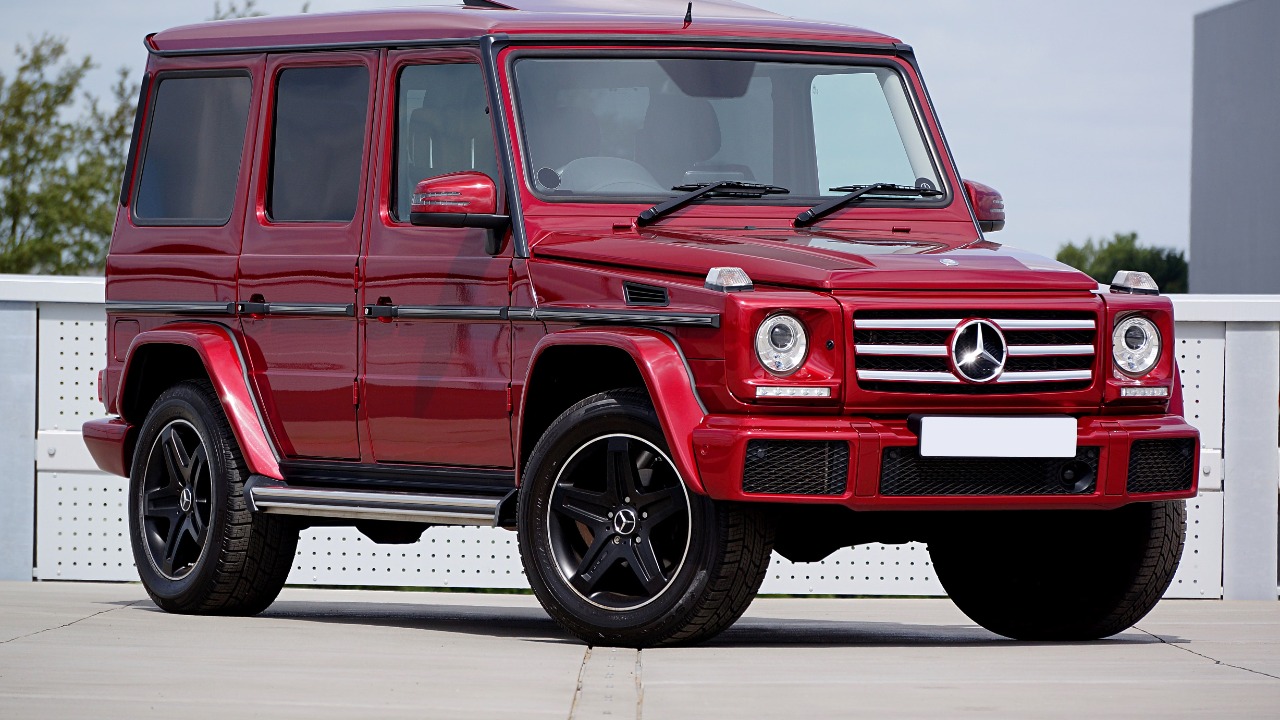
Underneath its leather-lined cabin, the Mercedes-Benz G-Class still rides on a ladder-frame chassis with solid axles at both ends, a configuration most luxury SUVs abandoned decades ago, and it offers three separately lockable differentials — front, center and rear — controlled by dashboard switches. The G-Class silhouette has stayed recognizably the same since it entered production in 1979.
All that heavy, purpose-built hardware comes at a steep cost: the G-Class carries a price tag well above most other SUVs on this list and returns some of the worst fuel economy in its class, a direct consequence of its boxy shape and true off-road running gear.
More from Morning Overview
- Hunters pulled a 19-foot python from the Everglades at 1 a.m., the longest ever recorded in Florida
- Ancient DNA suggests Neanderthals and humans mixed for reasons that had nothing to do with attraction.
- Rare footage shows an orca tearing open a whale shark to feast on its liver
- A slab of a Hawaiian volcano is slowly sliding toward the sea
