
The idea of a rugged, family-friendly utility vehicle did not appear overnight. It grew from military jeeps, pickup-based wagons and a few bold experiments that blended truck toughness with car comfort. Here are twelve landmark 4x4s that helped shape the SUV as it is known today.
1. Willys MB: The Jeep That Started It
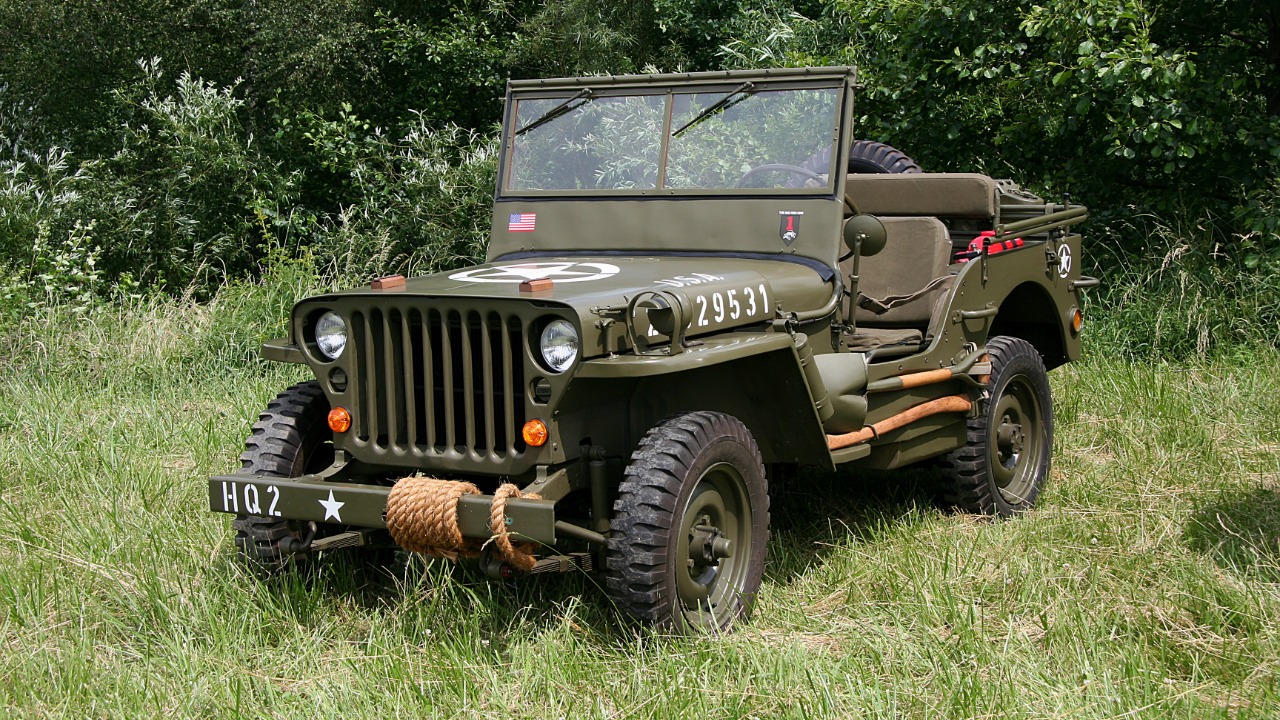
Built for the war effort, the wartime jeep became the first 4×4 vehicle to be mass-produced, and more than 600,000 units rolled out of factories. That scale put go-anywhere four-wheel drive in front of millions of soldiers and, afterward, civilians who wanted the same capability back home.
Nearly every off-road SUV since traces its lineage to this small, flat-fendered machine. Surviving examples remain sought after by collectors, though prices and condition vary widely, so restoration history matters before any purchase.
2. Willys Jeep Station Wagon: All-Steel Family Hauler
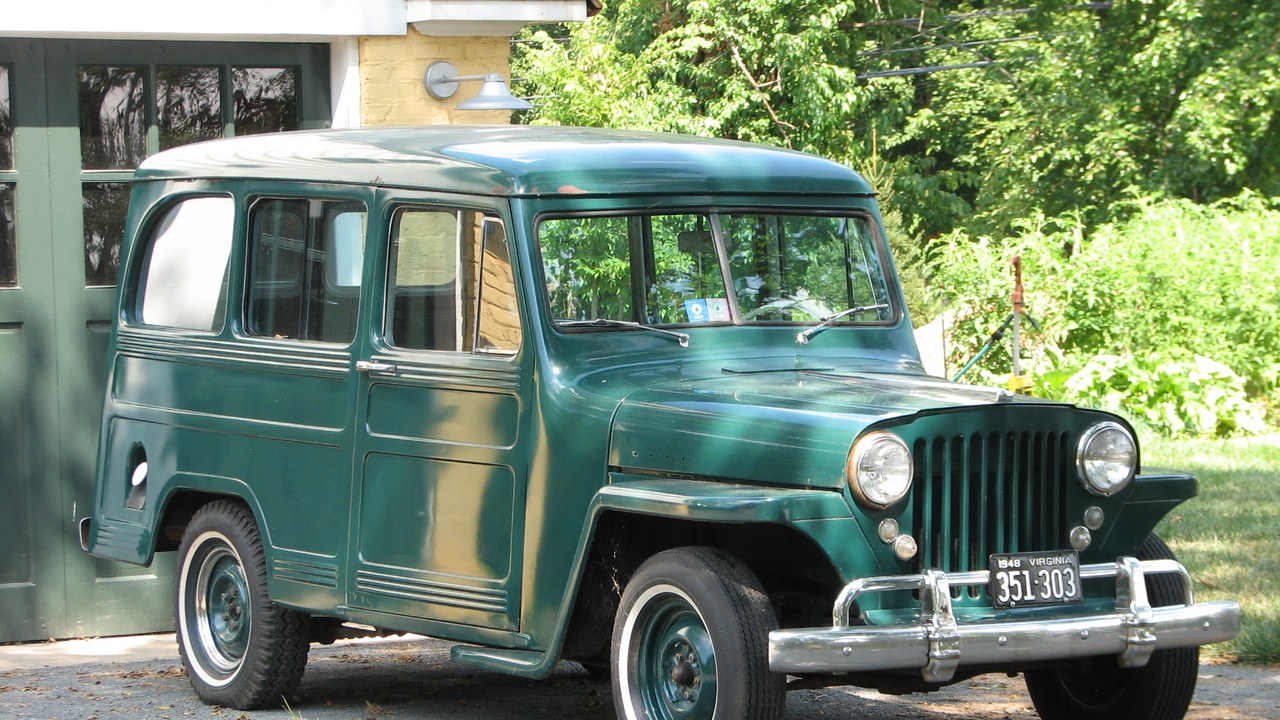
Launched in 1946, the wagon was billed as the first mass-market all-steel station wagon, and an all-wheel-drive option followed three years later. The combination of a roomy enclosed body and driven front wheels sketched out the template that later SUVs would refine.
Early examples carry decades of rust risk in their steel bodies, so buyers of survivors typically inspect floors and body mounts closely. As a piece of history, the wagon shows how a utility vehicle first started to feel like family transport.
3. International Harvester Scout: The Rival That Beat Jeep
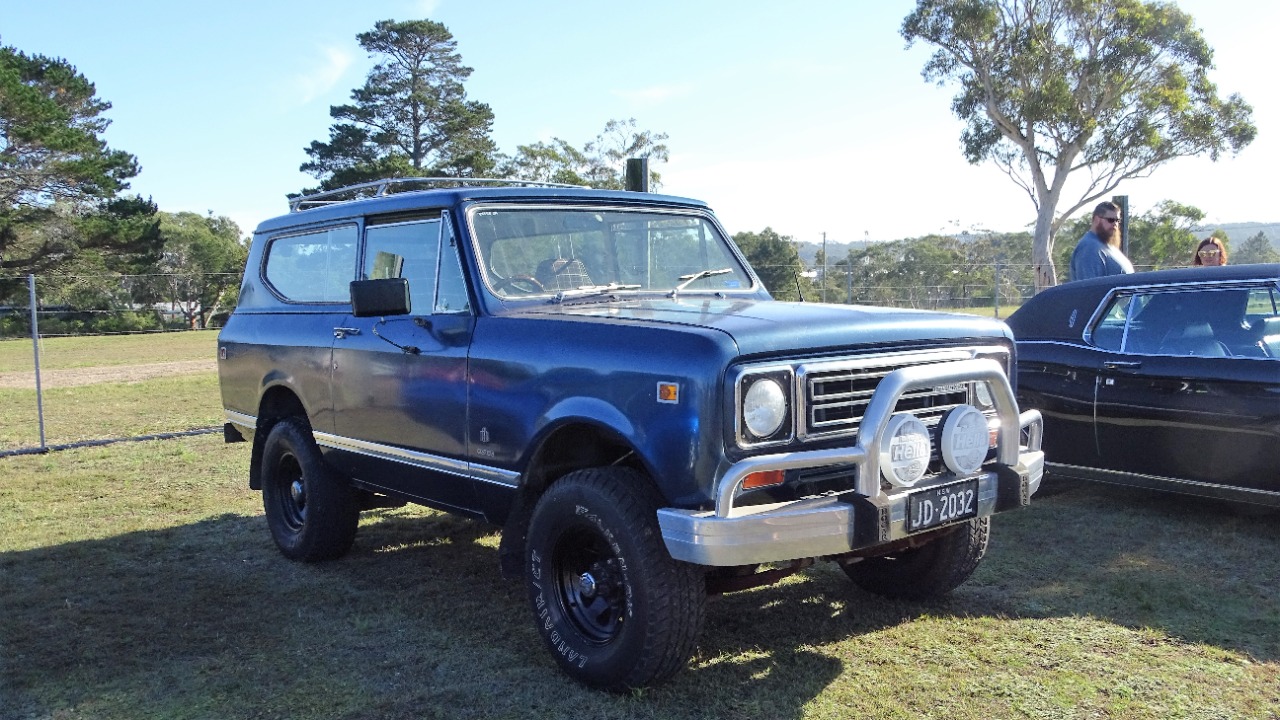
Built from 1960 to 1980, the compact Scout from a farm-equipment maker actually outsold Jeep during the 1960s. Its removable top and rugged four-wheel-drive hardware made it a credible alternative to the established Jeep CJ.
Collector interest in the Scout has grown, and clean originals now draw serious attention at auction and club shows. Prospective owners should expect parts hunting and rust repair, since production ended more than four decades ago.
4. Jeep Wagoneer (SJ): Luxury Before Luxury SUVs
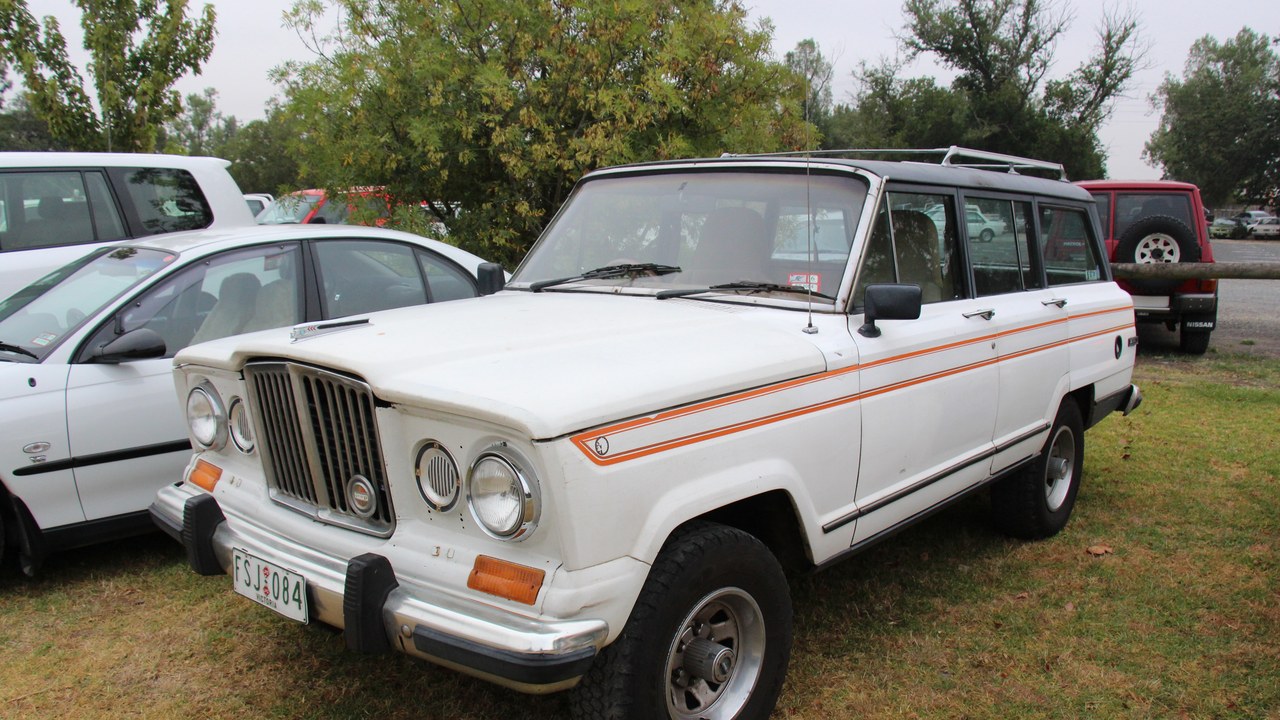
Introduced in 1963, the Wagoneer arrived with a 4WD chassis, independent front suspension and an automatic transmission. Jeep then kept it in production nearly three decades with minimal changes, a remarkable run for any vehicle.
Those features gave the big wagon a comfort level rivals lacked and helped establish the idea of an upscale family 4×4. Long production means parts support is better than for many classics, though condition varies from tired to show quality.
5. Ford Bronco (first generation): Ford’s First Swing at SUVs
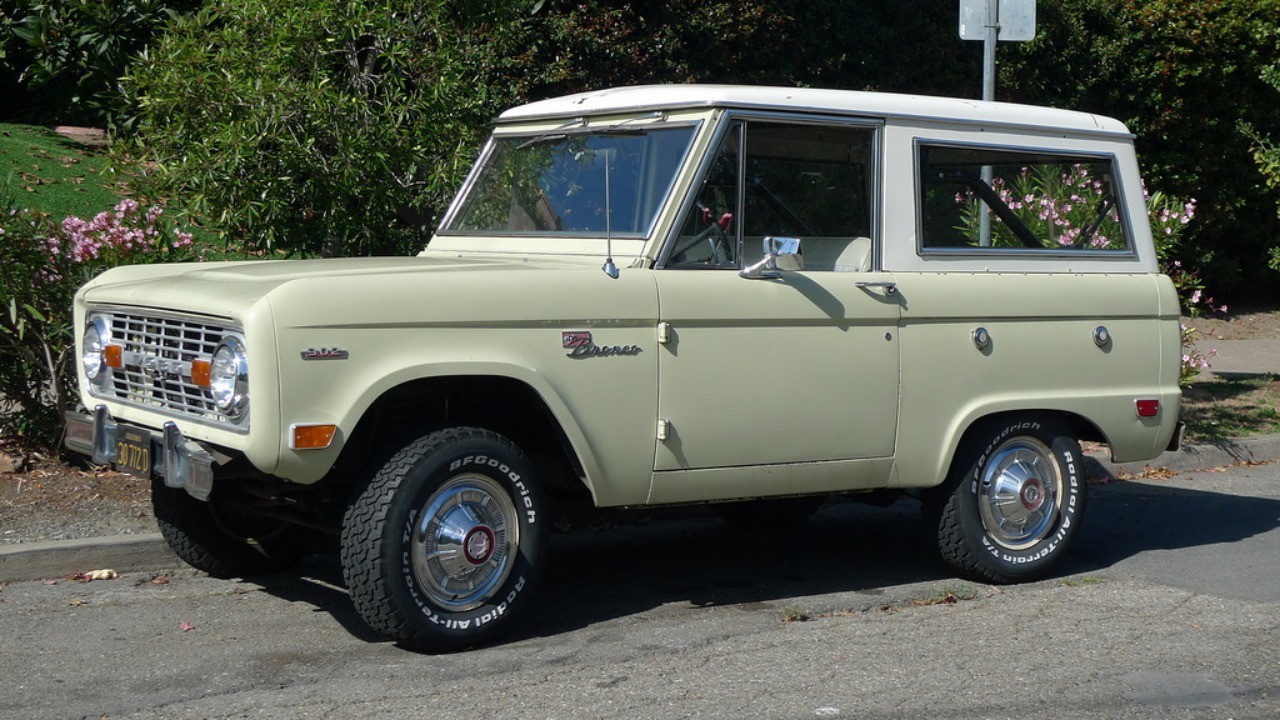
Brought out in 1966 to fight the Scout and Jeep CJ, the original Bronco was Ford’s first SUV. Its compact, short-wheelbase package was aimed squarely at buyers who wanted trail ability without a full-size truck.
The early Bronco has become one of the most recognizable classics, and its popularity has influenced the revived modern nameplate. Buyers hunting originals face competition and should be wary of heavily modified or poorly restored trucks.
6. Chevrolet K5 Blazer: Pickup Muscle, Open Top
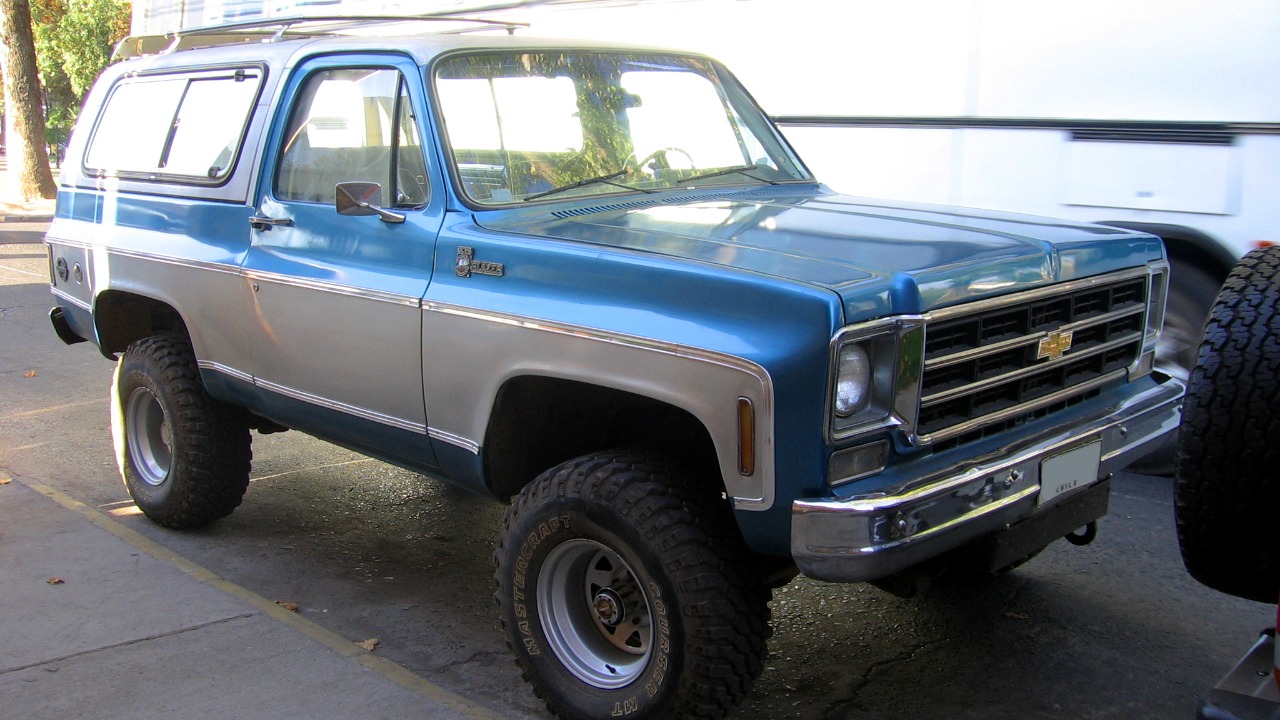
The 1969 K5 was larger than its rivals and sat on the C/K pickup platform, which gave it truck toughness. Air-conditioning and power steering were available, signaling that a rugged 4×4 no longer had to feel spartan.
Its size and pickup underpinnings keep it easy to work on and popular with restorers. Buyers should check frames and body panels for rust, and treat sky-high asking prices for lifted show trucks with caution.
7. Range Rover (first generation): Permanent 4WD With Polish

The 1970 original was the first early SUV to offer permanent four-wheel drive along with a split tailgate. Pairing off-road hardware with a more refined cabin created a template that the brand has followed for generations.
Classic examples are admired for their clean lines and capability, but age brings electrical and rust headaches. Owners typically budget for specialist help, and a documented maintenance history is worth more than shiny paint. Its upright, boxy styling also stands apart from the rounder look of later generations.
8. AMC Eagle: The First Crossover
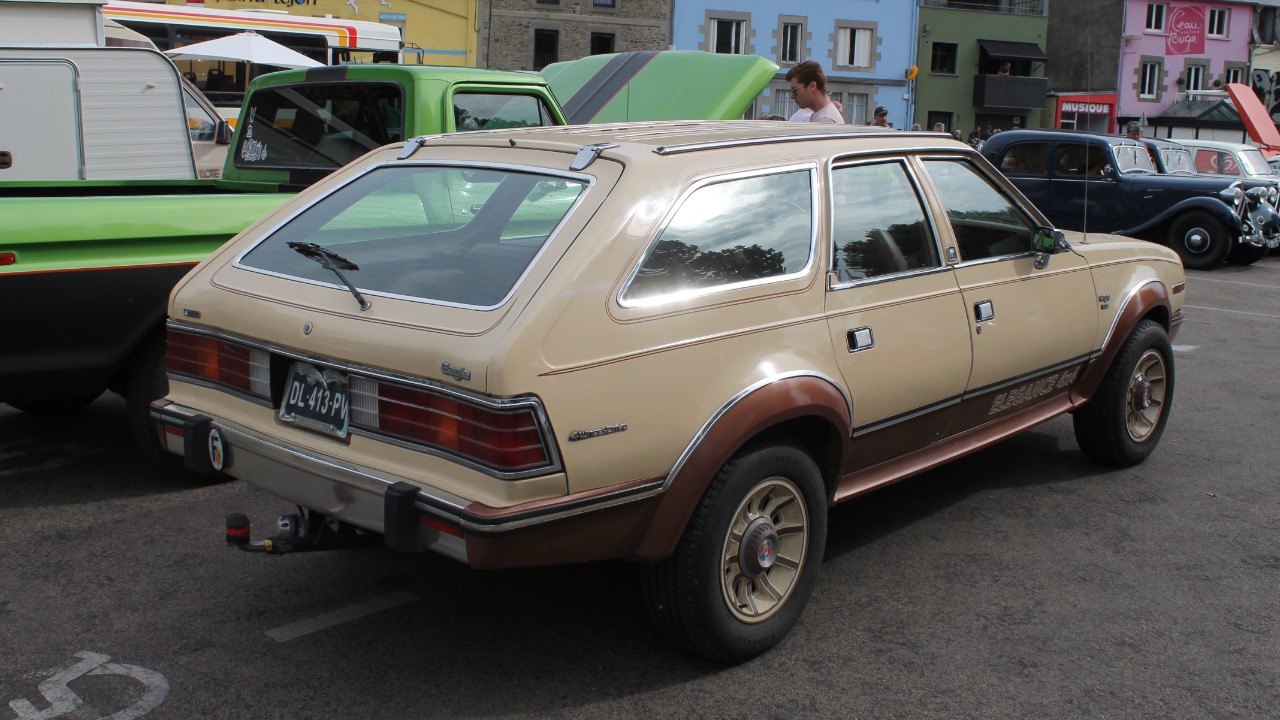
The 1980 Eagle put Jeep-style four-wheel drive under a Concord sedan, making it the first-ever crossover. It lasted until 1987, long enough to prove that a car-like body with all-wheel traction could find an audience.
Today’s crossovers are the direct descendants of that idea, which gives the quirky Eagle genuine historical weight. Parts are scarcer than for mainstream classics, so enthusiasts lean on clubs and specialist suppliers. Its short run and unusual mix of sedan and 4×4 parts make it a conversation starter wherever classics gather.
9. Jeep Cherokee (XJ): Unibody Done Right

The 1984 Cherokee’s unibody construction fully embraced the SUV label, and it came in two- or four-door form. Dropping a separate frame cut weight and gave the Jeep a more car-like ride than body-on-frame rivals.
The compact layout proved so durable and capable that many survive today, and it remains a favorite for budget off-road builds. Used shoppers should still look for rust, oil leaks and worn suspension. Its simple, boxy shape and strong aftermarket support also explain why enthusiasts keep modifying them.
10. Ford Explorer (first generation): The Family SUV Takes Over
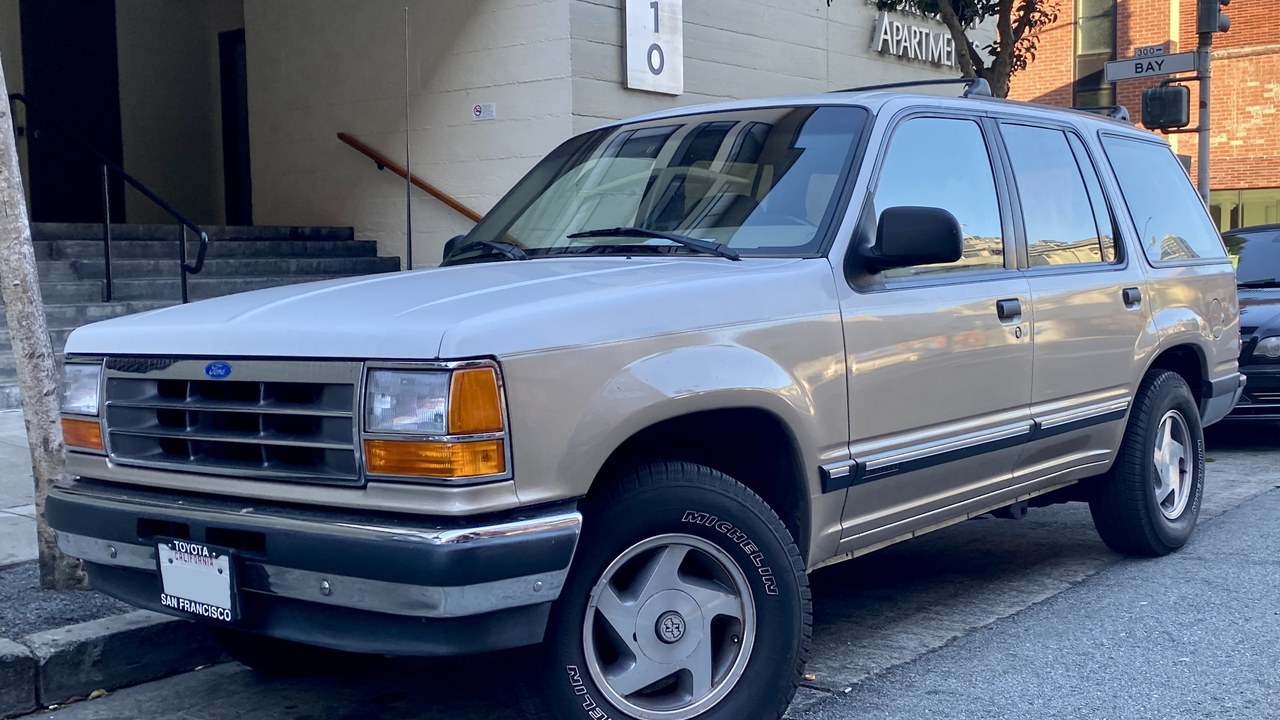
Launched for 1991, the Explorer sold 300,000 units a year in its first generation. A four-door body, comfortable cabin and available four-wheel drive made it far more approachable for families than earlier truck-based utilities.
Its success pulled buyers out of station wagons and helped turn the SUV into a mainstream choice. Surviving first-generation examples are now aging, so rust and worn drivetrain parts deserve close inspection. Sales volume of that size explains why nearly every rival soon launched a competing four-door model.
11. Hummer H1: The Military Icon on the Street
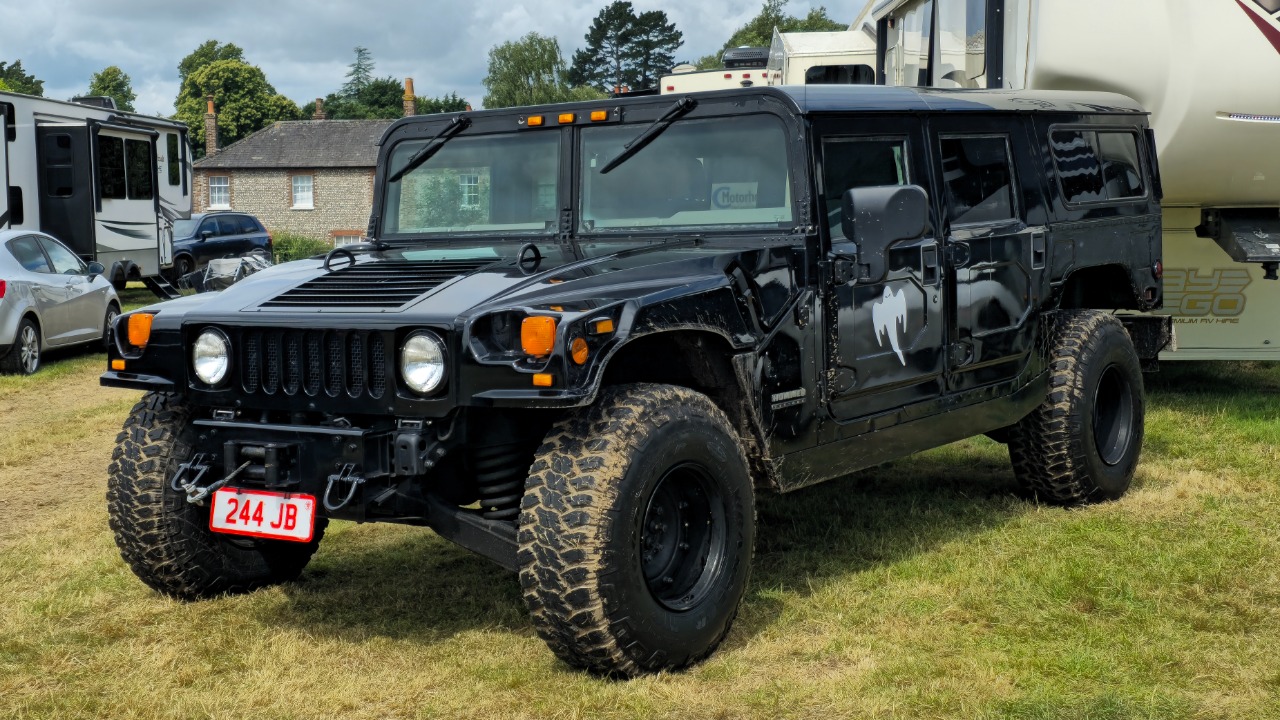
The 1992 civilian Humvee was an icon, yet fewer than 12,000 were sold before sales halted in 2006. Its wide stance, portal axles and military heritage set it apart from every other vehicle on the road.
Rarity and presence keep interest alive, but the H1 is thirsty, enormous and awkward in tight spaces. Anyone considering one should weigh fuel costs, parking and maintenance against its undeniable novelty. Its civilian roots in a military design also explain why ownership has always attracted attention.
12. Jeep Cherokee (SJ): The First Jeep Called an SUV
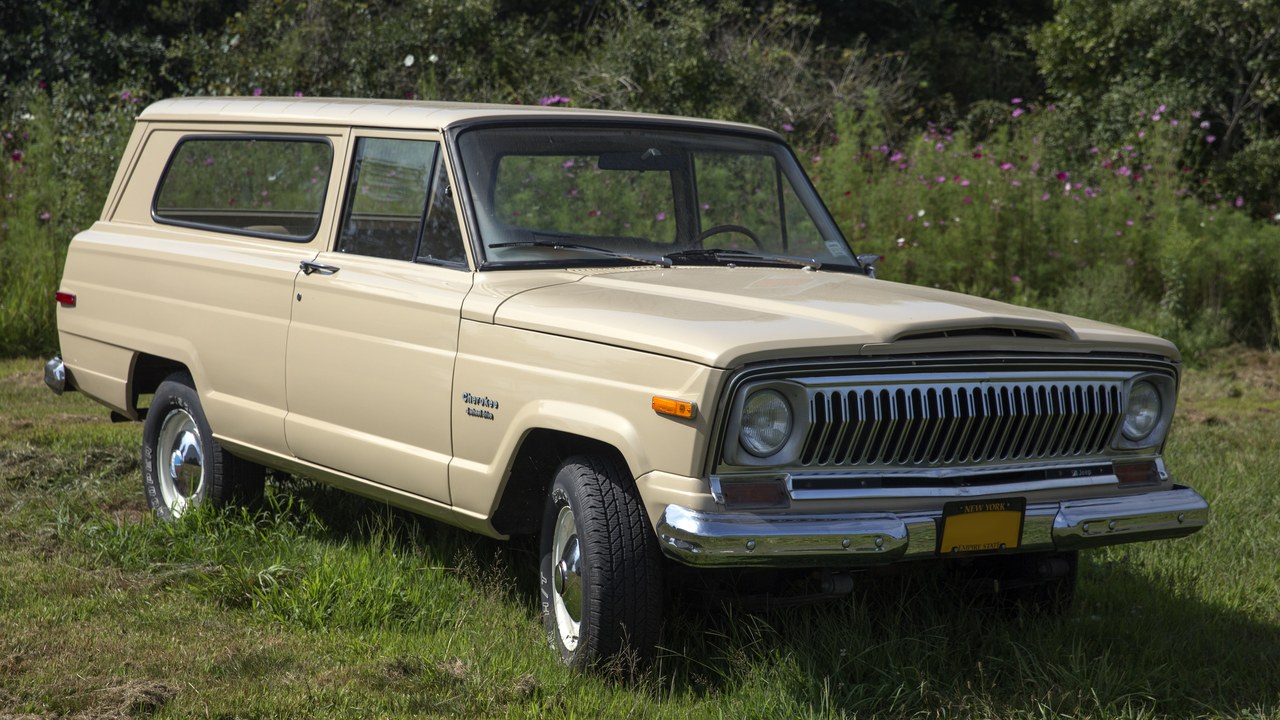
The 1974 Cherokee was the first Jeep model marketed with the SUV tag. That label arrived years before the term became common showroom language.
Its significance lies in the wording rather than the engineering, since the 1974 model shared its basic design with the Wagoneer. Collectors seeking one should expect parts overlap with that sibling, which helps with restoration, but clean examples remain uncommon. Prices vary widely with condition, so documented history and rust-free bodies are the main things worth paying extra for.
More from Morning Overview
- Doctors warn a silent liver disease now affects one in three American adults
- The FBI told the rest of ShinyHunters to surrender after a 24-year-old was arrested
- Two passengers died at an Ohio toll plaza, and the NTSB now wants the cash lanes shut
- Long use of a common prostate pill is tied to a higher chance of glaucoma
