
Yellowstone packs record-setting geysers, enormous springs, towering waterfalls and a vast high-elevation lake into one park. Each feature below earned its place through a figure that National Park Service sources spell out, from heights and depths to eruption timing and temperature. Here are twelve Yellowstone wonders that show the range of the park.
1. Steamboat Geyser: Record Water Column
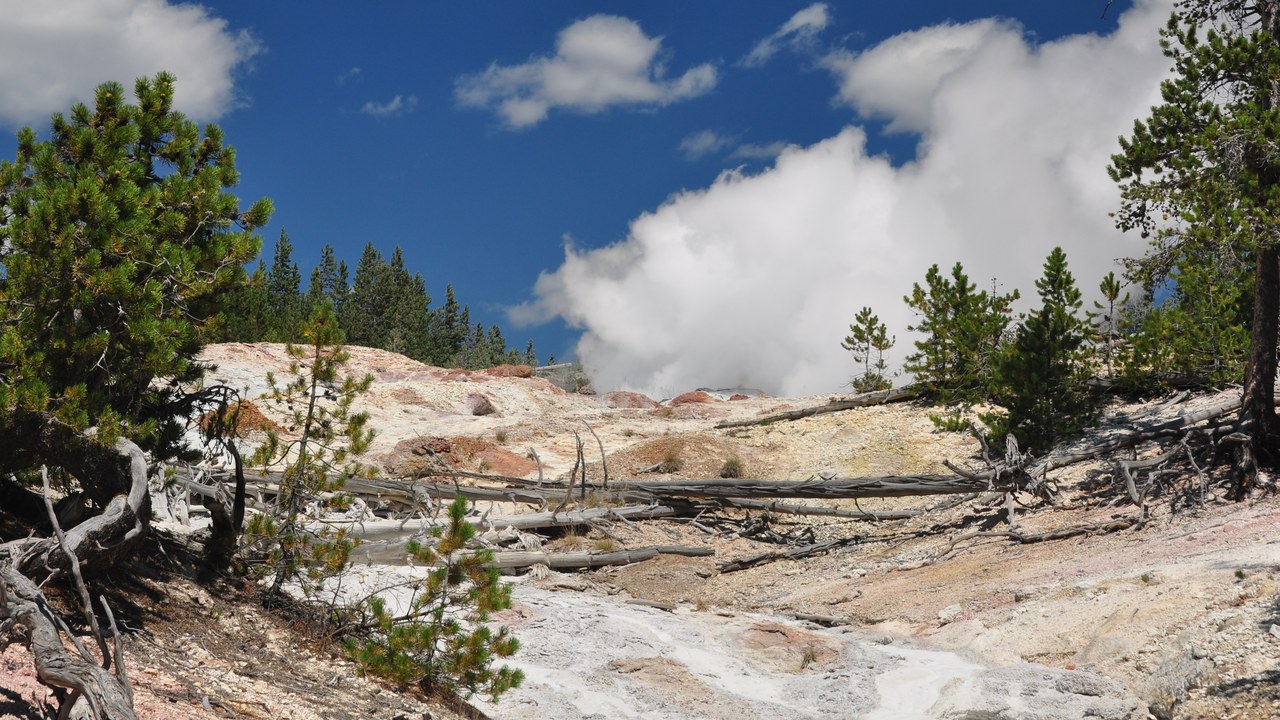
Steamboat Geyser earns its place because National Park Service descriptions call it the tallest active geyser in the world, shooting water and steam more than 300 feet into the air. That scale sets it apart from nearly every other thermal feature in the park, and it sits within Norris Geyser Basin, a landscape already known for heat and unpredictability.
For visitors, the point is perspective. A column of water and steam rising beyond 300 feet dwarfs the surrounding basin, and the feature stands as a reminder that Yellowstone’s thermal power operates on a genuinely enormous scale. It is worth reading official park guidance before planning any visit to the basin.
2. Lower Falls of the Yellowstone River: Nearly Triple the Upper
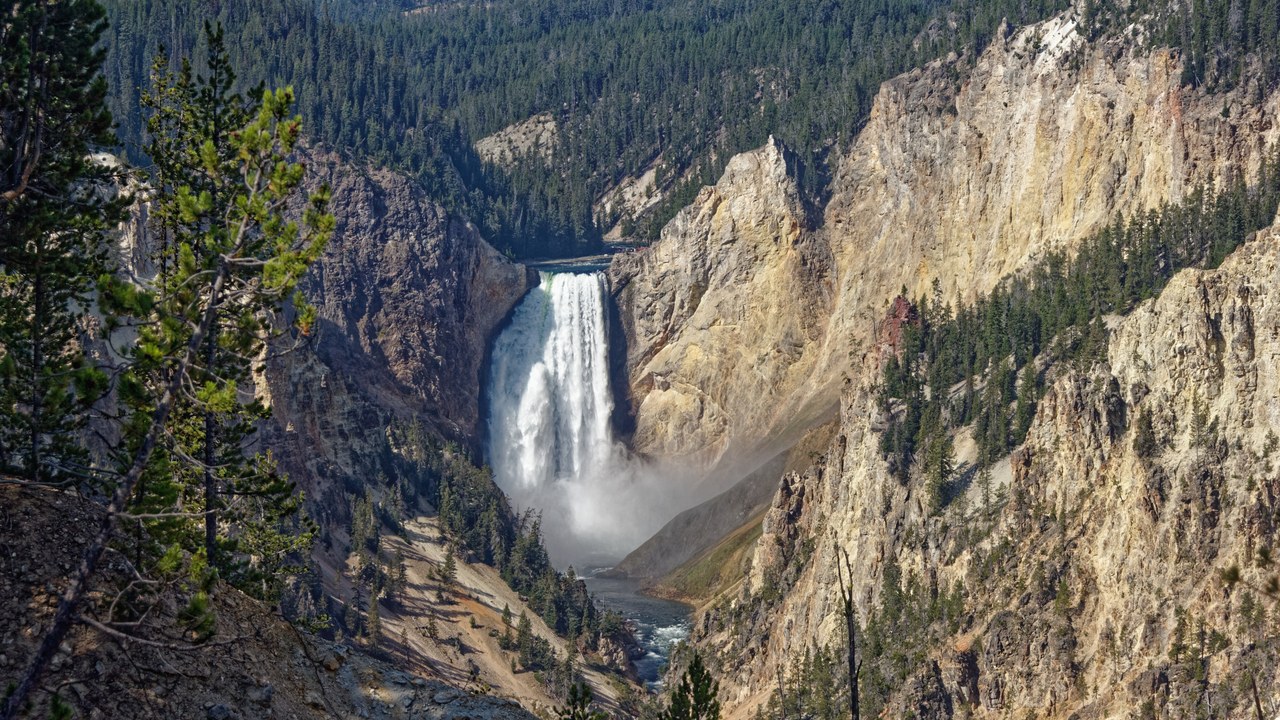
The Lower Falls make the list on sheer height. According to park service figures, the water drops 308 feet, nearly three times the 109-foot Upper Falls just upstream on the same river.
That comparison is the quickest way to grasp the scale. Two waterfalls on one river, yet one is close to triple the other, and the taller of the pair is the one that anchors the park’s famous canyon scenery. Anyone ranking the park’s waterfalls by sheer drop would start here, with the 308-foot figure as the benchmark.
3. Grand Prismatic Spring: Largest Hot Spring
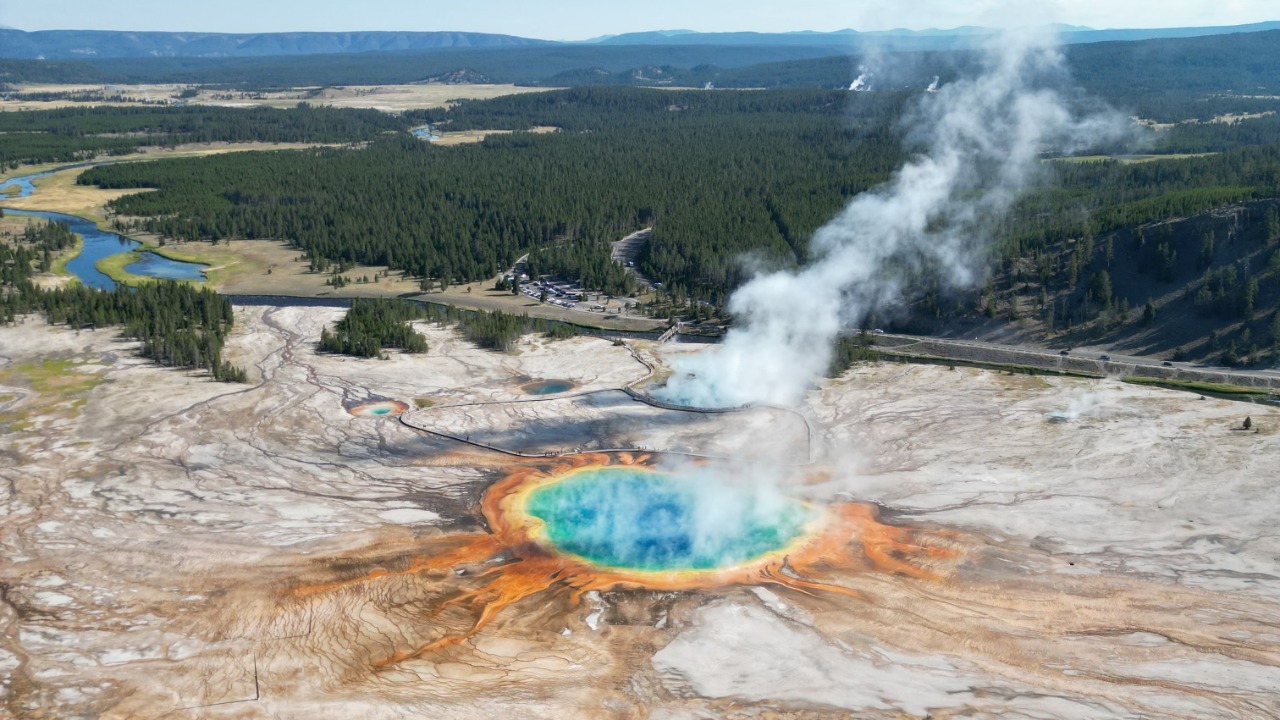
Grand Prismatic Spring is Yellowstone’s largest hot spring, and the largest-hot-spring listing puts its width at 200 to 330 feet across and its depth at more than 121 feet. Few other thermal features combine that much surface with that much depth, which is why the pool is treated as a headline attraction.
The wide range in the diameter figure is itself informative, since it shows how hard the edges of such a pool are to pin down. For readers weighing which stops deserve time, a spring this large and this deep earns a prominent place on any itinerary.
4. Yellowstone Lake: High and Deep
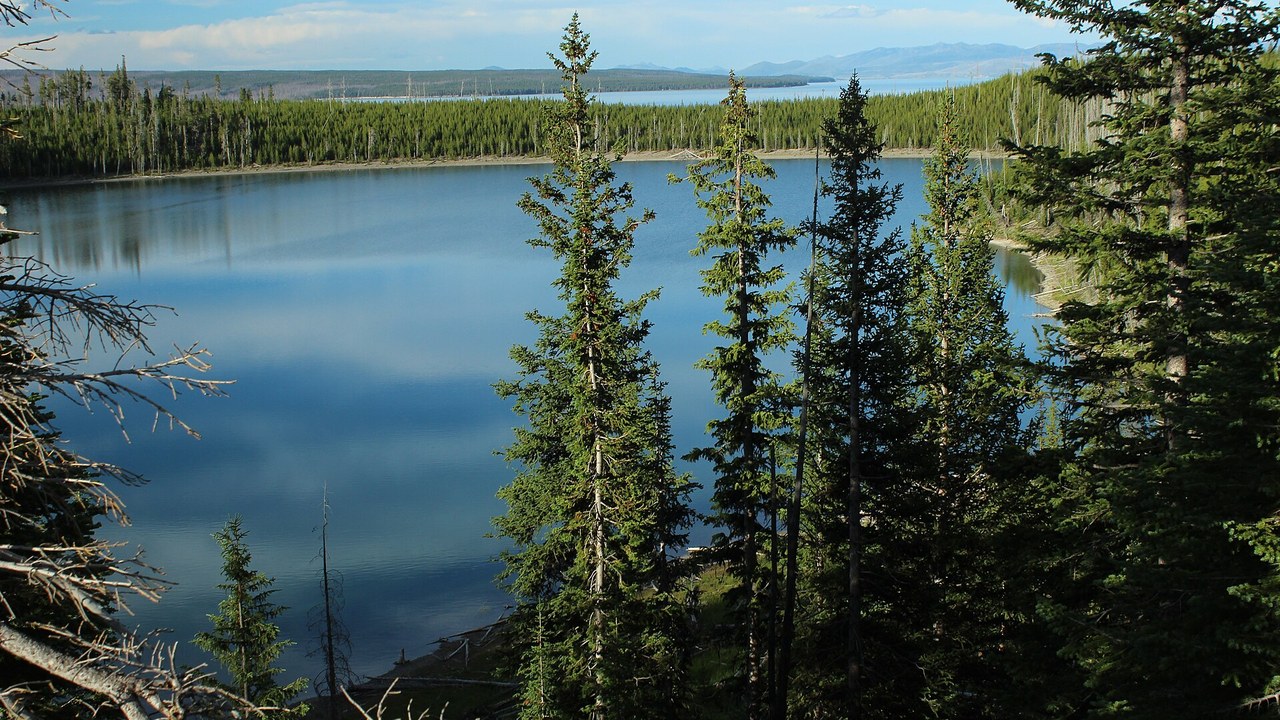
Yellowstone Lake reaches 430 feet at its deepest, and the North American lake record describes it as the largest high-elevation lake in North America. Depth and elevation together make it unusual, a body of water that is both very large and set far above sea level.
The lake rounds out a list otherwise dominated by geysers and falls with something broader and quieter. Its 430-foot maximum depth gives a sense of how much water the basin holds, and its high-elevation status explains why it stands apart from other large lakes on the continent.
5. Old Faithful: Predictable Eruptions
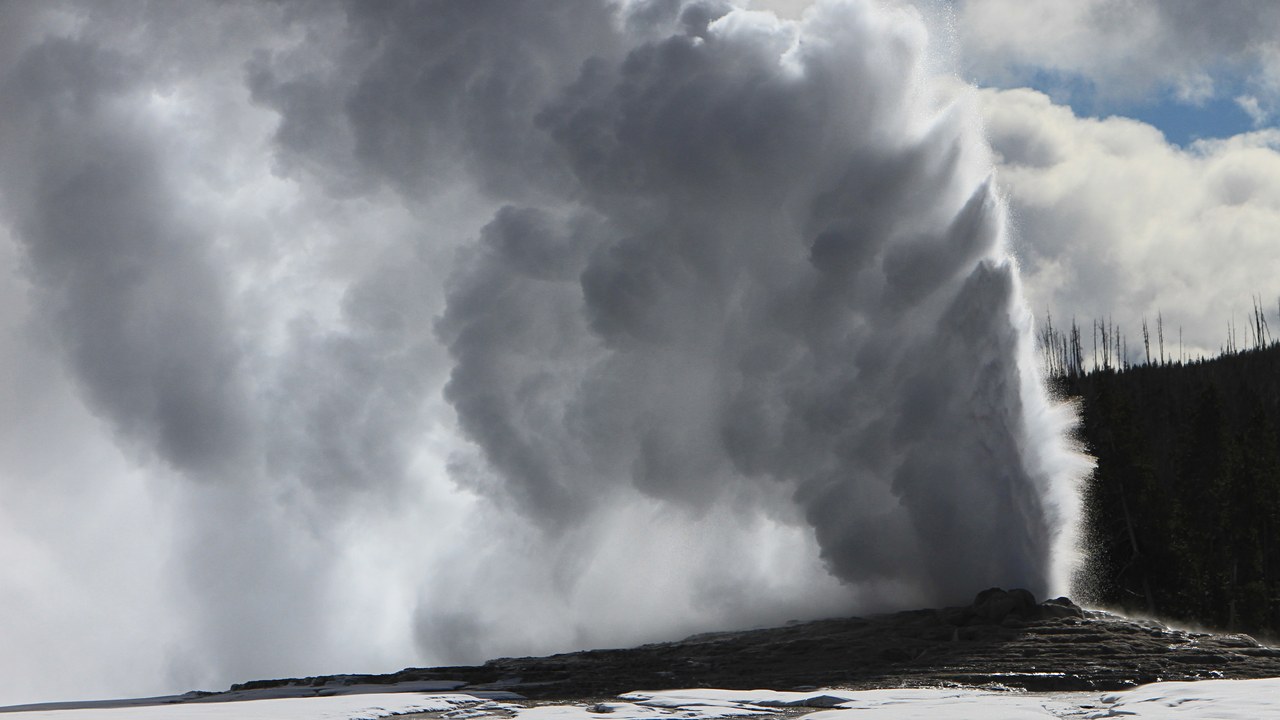
Old Faithful is the park’s best-known geyser, and eruption timing data shows eruptions reaching 106 to 184 feet. Intervals come about every 94 or 68 minutes, plus or minus 10, so the geyser follows a schedule that few thermal features can match.
That regularity is the main appeal, since visitors can plan around it rather than wait indefinitely. The height range is wide, meaning no two eruptions are guaranteed to look alike, but the timing pattern is what turned the geyser into a dependable centerpiece. Checking current predictions before arriving is a sensible way to avoid long waits.
6. Grand Geyser: Six-and-a-Half-Hour Burst
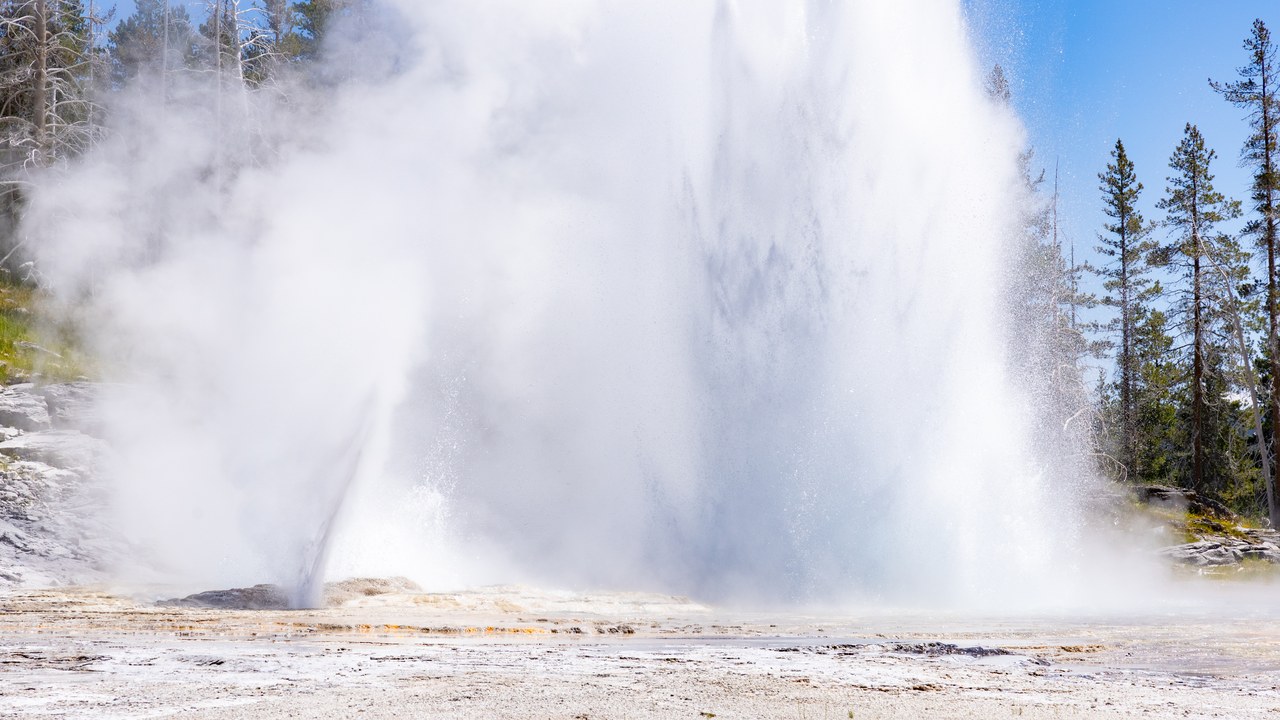
Grand Geyser bursts 160-plus feet for 8 to 12 minutes, and the geyser activity table lists its rhythm at about every 6.5 hours. A long eruption at that height, repeating on a cycle measured in hours, makes it one of the more dramatic performers in the Upper Geyser Basin.
The long gap between eruptions means patience matters more here than at geysers with shorter cycles. Anyone hoping to catch it should plan for a wait of hours rather than minutes, and treat the 8-to-12-minute display as the reward for that commitment. The stated timing is an average, so real intervals can drift.
7. Beehive Geyser: Unpredictable Giant
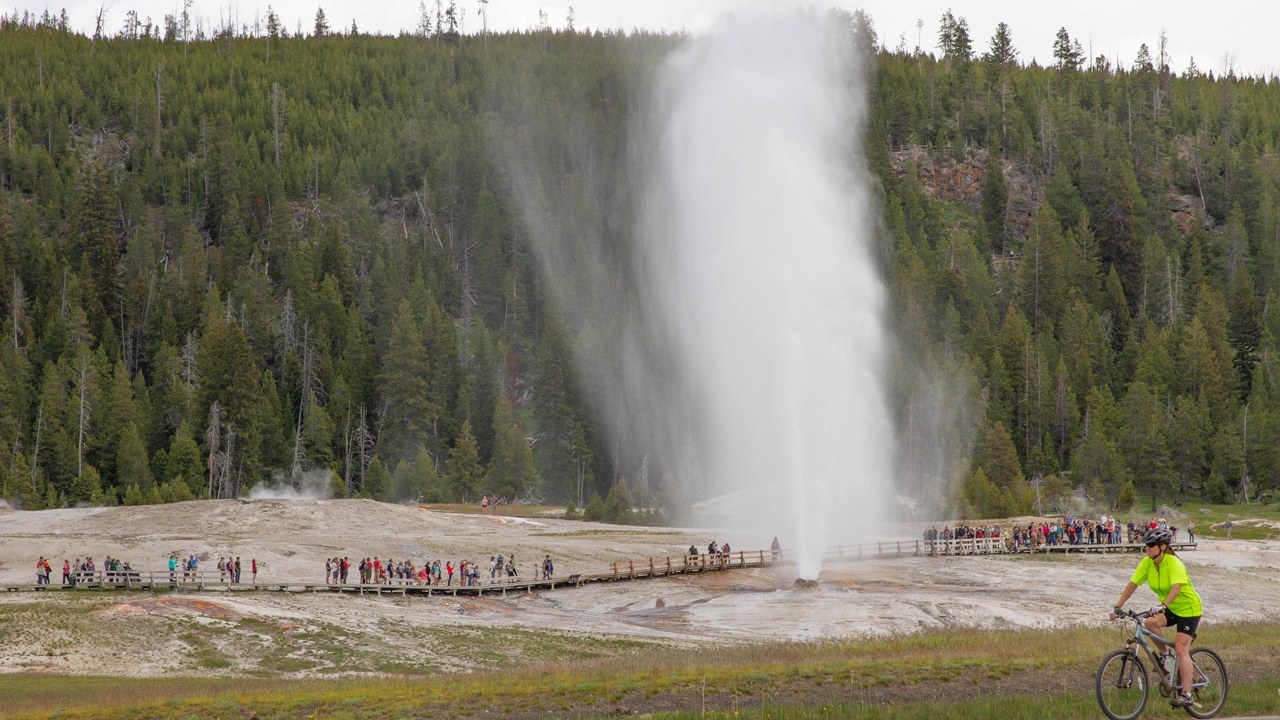
Beehive Geyser shoots 150-plus feet, and irregular interval record shows the intervals are irregular, running from 22 to 36 hours to over two weeks. That spread is the defining trait, since a geyser capable of that height but unpredictable by days or even weeks is a challenge to schedule.
For visitors, the lesson is that a spectacular height does not guarantee a spectacular timetable. Some stretches bring eruptions within a day or so, while others leave more than two weeks of quiet, so seeing Beehive in action depends heavily on luck and on checking the latest activity notes.
8. Castle Geyser: Long Steady Eruption
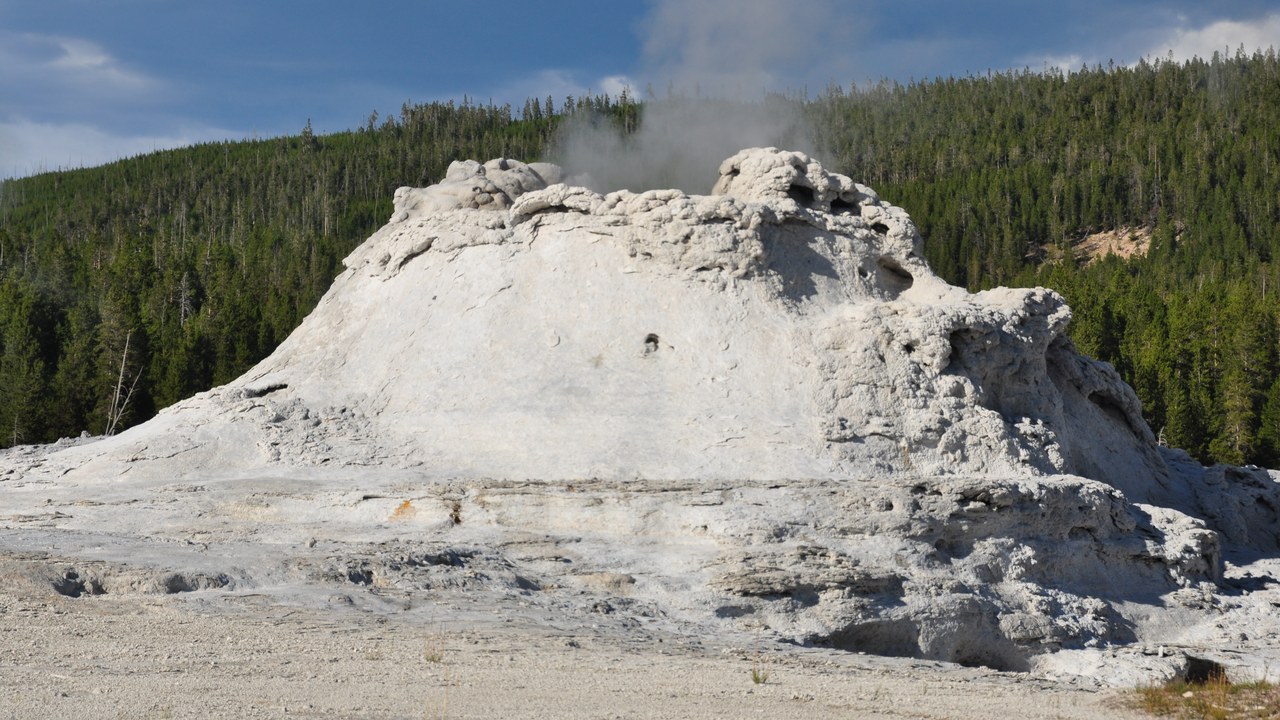
Castle Geyser erupts to 75 feet for 15 to 20 minutes roughly every 13.5 hours, according to the Castle Geyser entry. The height is modest next to its neighbors on this list, but the length of the eruption is what stands out, lasting far longer than a quick burst.
That duration gives visitors a generous window to watch once an eruption begins. The roughly 13.5-hour cycle is a long gap, though, so timing a visit around it takes some planning. For anyone who prefers a sustained display over a brief spike in height, this is the feature that delivers it.
9. Norris Geyser Basin: Hottest in the Park
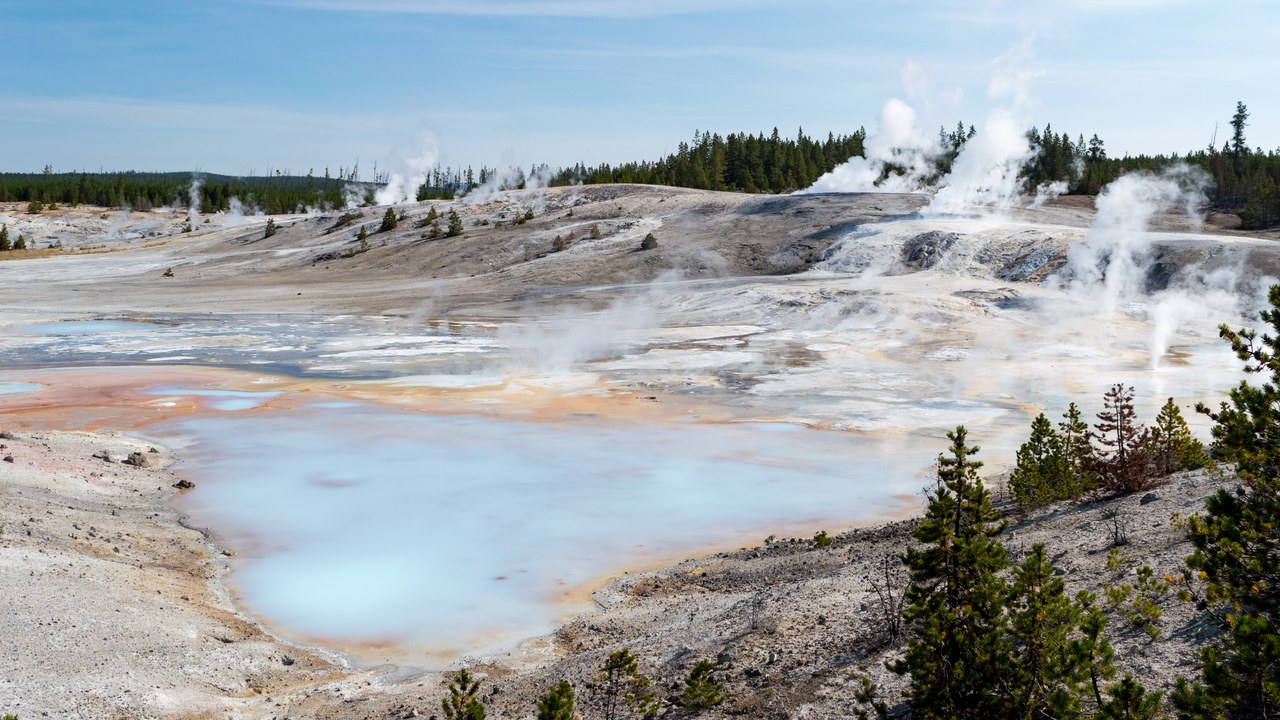
Norris Geyser Basin is the park’s hottest thermal area, and the Norris planning page backs that up with a reading of 459 degrees Fahrenheit measured 1,087 feet down a drill hole. That figure comes from a measurement taken deep underground rather than at the surface.
The number explains why the basin looks and behaves so differently from cooler thermal areas, and it sets the context for the other Norris features on this list. Readers should keep in mind that the temperature was recorded at depth in a drill hole, not at the ground level where visitors walk.
10. Echinus Geyser: Rare Acid Geyser
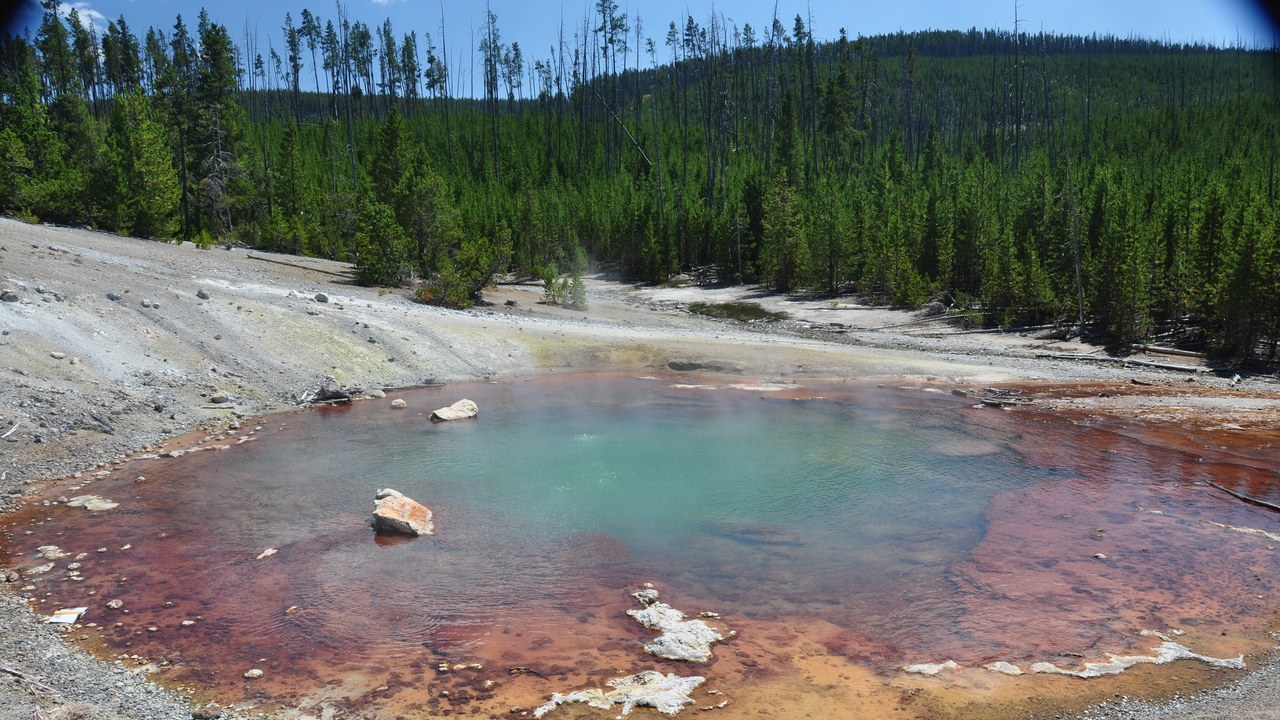
Echinus Geyser stands out for its chemistry. The acid geyser description calls it an acid geyser with a pH around 3.5, a type that the National Park Service describes as very rare among geysers.
Most geysers do not behave like this, so the feature matters beyond its eruptions. A pH around 3.5 is distinctly acidic, and the rarity of the type is the reason the geyser earns its own entry. It also illustrates how much variety exists within one thermal basin, where neighboring features can differ sharply in character.
11. Gibbon Falls: Waterfall Near Norris
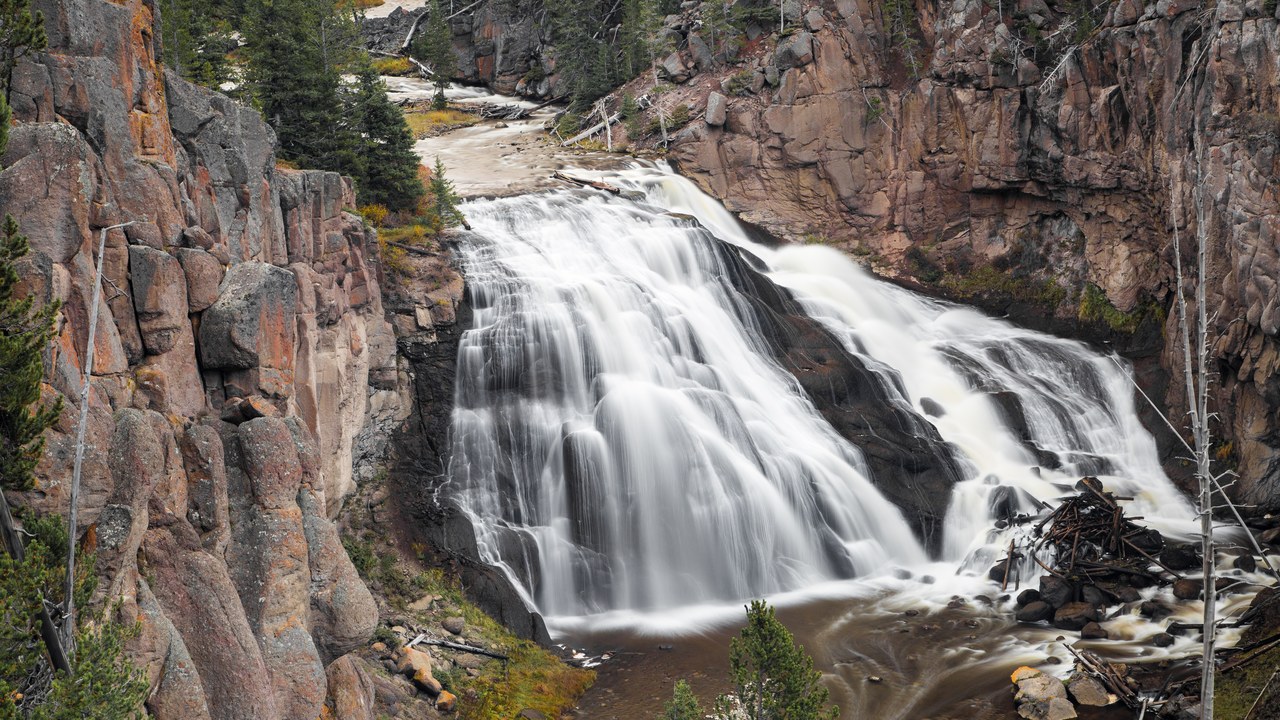
Gibbon Falls is an 84-foot waterfall on the Gibbon River near Norris, as the Gibbon River waterfall note describes it. After a list of steaming vents and boiling pools, it offers a different kind of Yellowstone scenery, one driven by flowing river water rather than underground heat.
At 84 feet, it is far shorter than the 308-foot Lower Falls, yet it earns a place because of its location near Norris, which makes it an easy companion to the basin. It shows that the park’s wonders are not limited to geysers and hot springs.
12. Roaring Mountain: Fumaroles on a Slope
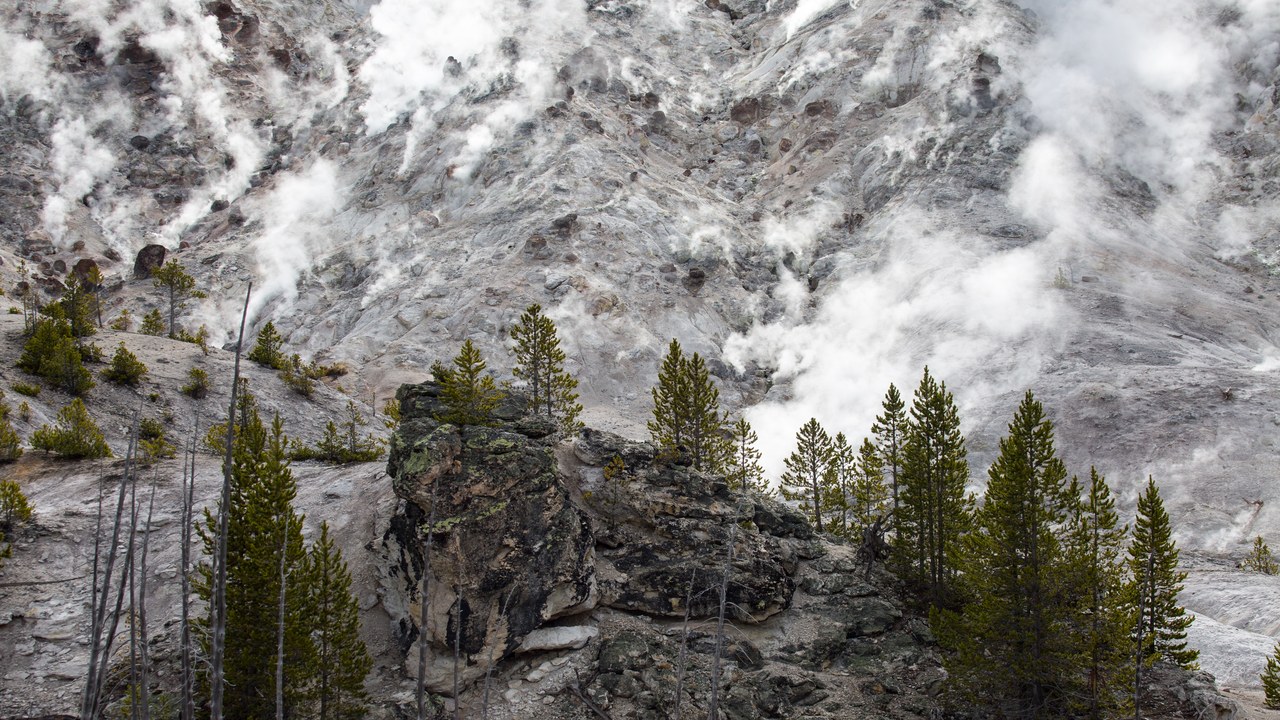
Roaring Mountain is a large acidic thermal area of fumaroles, and the acidic thermal area summary notes it was far more powerful in the late 1800s and early 1900s. Steam vents rather than erupting water define this feature, which sets it apart from the geysers and springs elsewhere in the list.
The historical comparison is the key detail, because it shows thermal features can change dramatically over time. What visitors see today is a quieter version of what earlier generations experienced. That shift is a useful reminder that Yellowstone’s geology is dynamic rather than fixed, and no thermal feature stays the same forever.
More from Morning Overview
- Ford is recalling 223,472 F-150 pickups because the fuel tank can leak or detach
- Hybrids have 15% fewer problems than gas cars, while EVs and plug-in hybrids have about 80% more, Consumer Reports finds
- Regulators cleared the first U.S. small modular reactor, 4 months early
- Lake Powell sank to a record 3,517 feet, nearing the level that stops Glen Canyon Dam’s turbines
