
Consumer Reports publishes predicted reliability scores based on owner surveys covering roughly 380,000 vehicles. For 2026, the lowest results land mostly on SUVs and electric models, with one scoring just 14. Here are ten of the models that finished near the bottom and the reasons owners and shoppers should care.
1. GMC Acadia: Bottom of the Table
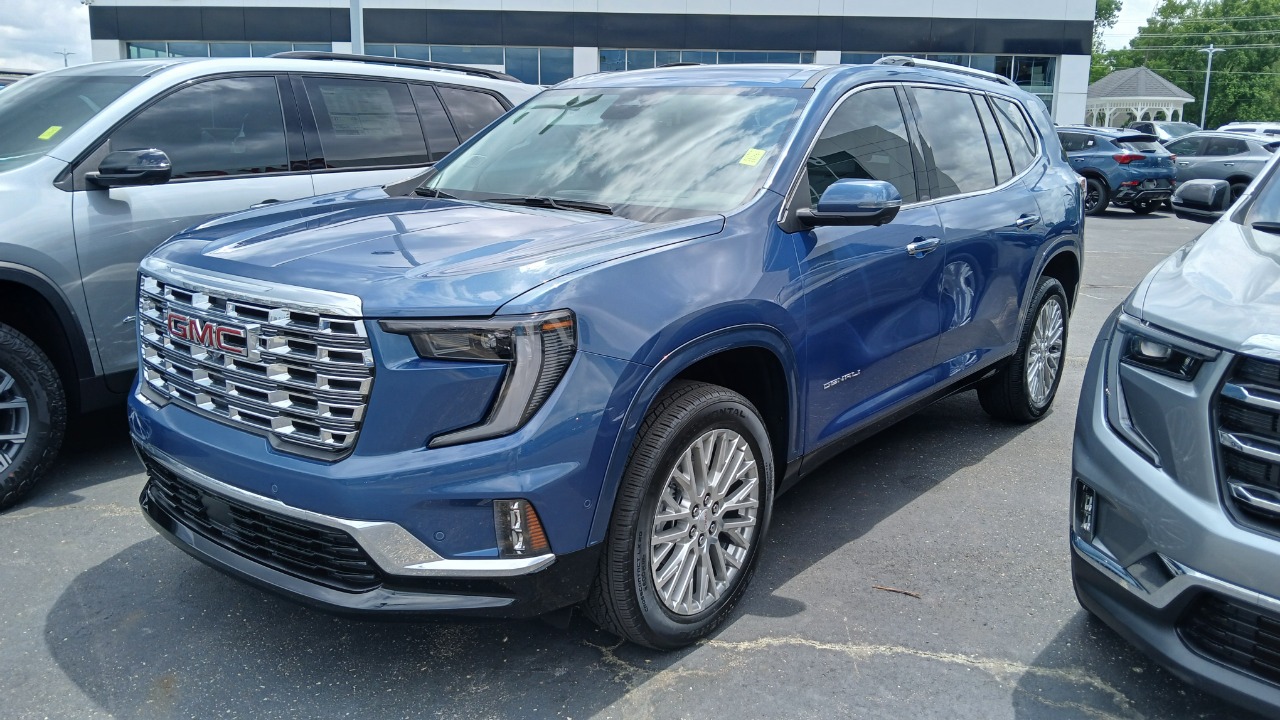
The three-row crossover sits at the very bottom of the predicted-reliability ranking, with a score of 14, the lowest on the entire list. That figure comes from Consumer Reports predicted reliability data for the 2026 model year, which is built from owner surveys rather than a single lab test. A score that far below its peers is the reason the nameplate leads the gallery and sets the benchmark for how poorly the rest of the list fared.
Shoppers weighing a used or new family hauler should treat a number this low as a reason to compare rivals, read the full rating and check warranty terms before signing any paperwork.
2. Rivian R1T: Electric Truck, Shaky Score
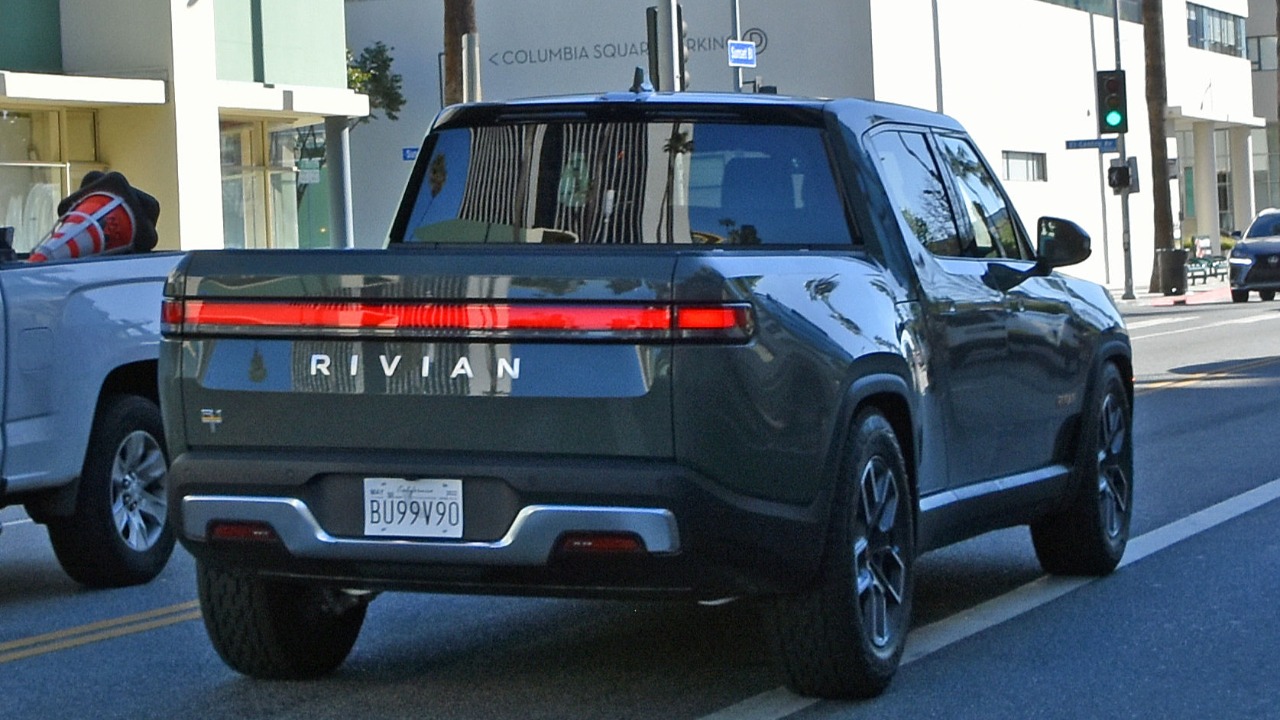
The all-electric pickup earned a predicted reliability score of 18 in CR’s 2026 rankings, placing it among the weakest results Consumer Reports published for the year. Only a few vehicles on the list landed lower, which puts the truck well into the bottom tier of the entire field. The score reflects what survey respondents reported about problems with their own vehicles, so it works as a forecast of ownership trouble rather than a verdict on how the truck drives.
Buyers attracted to the truck’s novelty should weigh that rating against the cost of any out-of-warranty repair and read the coverage terms closely before committing.
3. Chevrolet Blazer EV: Another Low Mark for GM
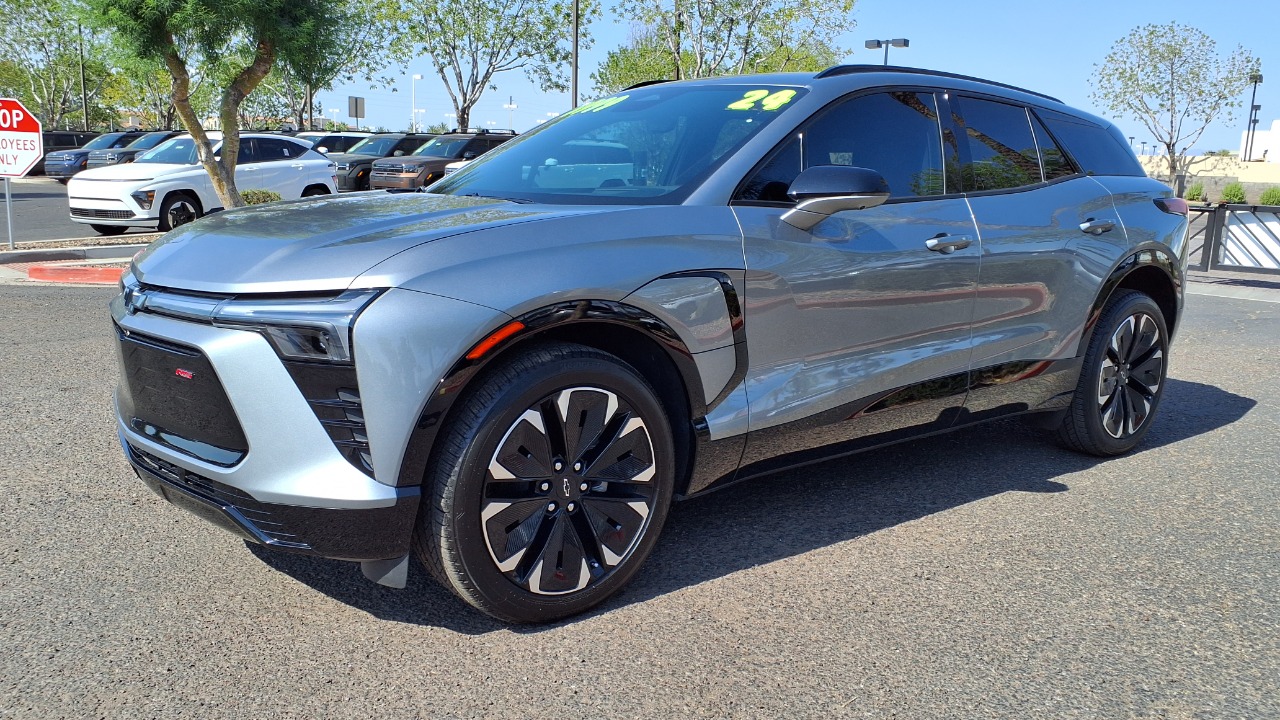
Chevrolet’s electric crossover posted a predicted reliability score of 19, according to the Consumer Reports list of the least reliable cars. That puts it one point above the Rivian electric pickup and five points above the lowest score of 14. Because the ranking leans on owner survey data, a result this weak signals that a meaningful share of owners reported trouble, even though the score alone does not name which components caused it.
Anyone cross-shopping electric crossovers might use that number as a tiebreaker, then confirm coverage details and service availability at the dealer.
4. Genesis GV60: Luxury Badge, Low Score
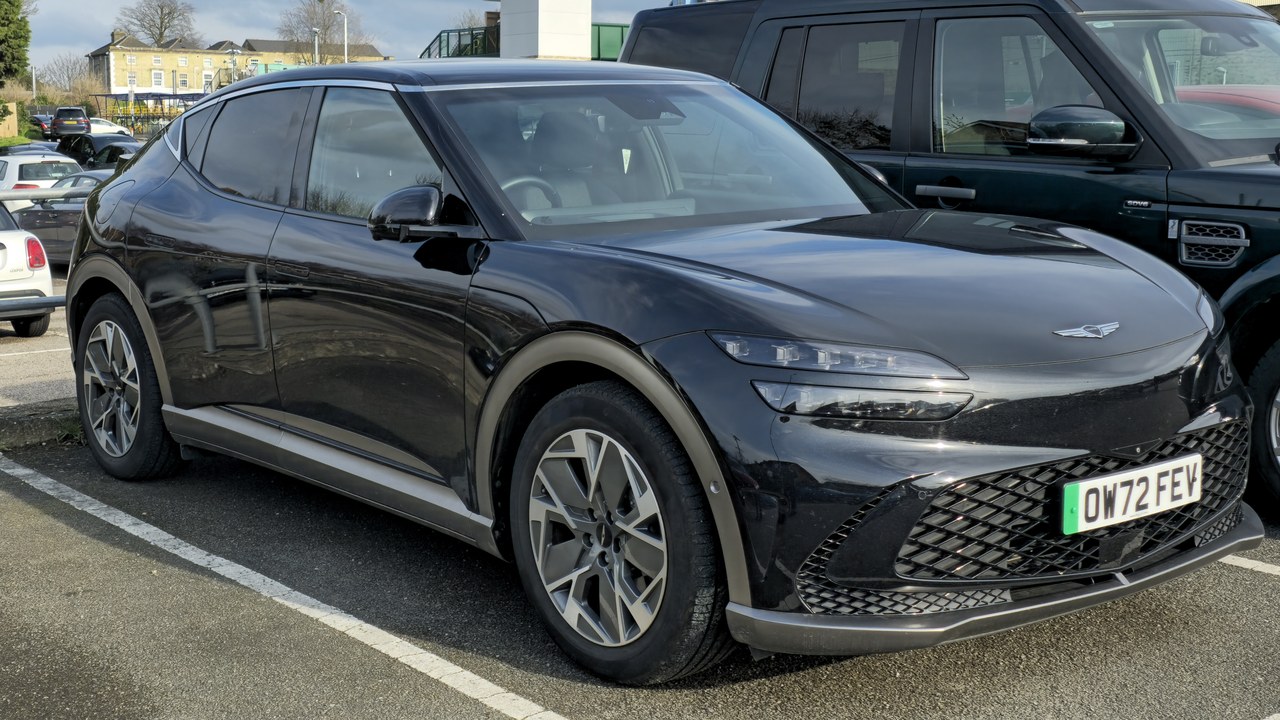
Genesis earns a spot with a predicted reliability score of 21, as shown in the Consumer Reports ranking of 2026 models. The compact electric crossover sits only a couple of points above the models scoring in the teens, which keeps it firmly inside the bottom group even though it carries a premium badge. The figure is a prediction built from owner reports, and it ranks the model alongside far more modest vehicles on the same list.
A premium price does not guarantee a strong rating, so luxury buyers may want to read the full reliability breakdown and compare warranties before signing.
5. Mazda CX-90: Timing Chain and Transmission Trouble
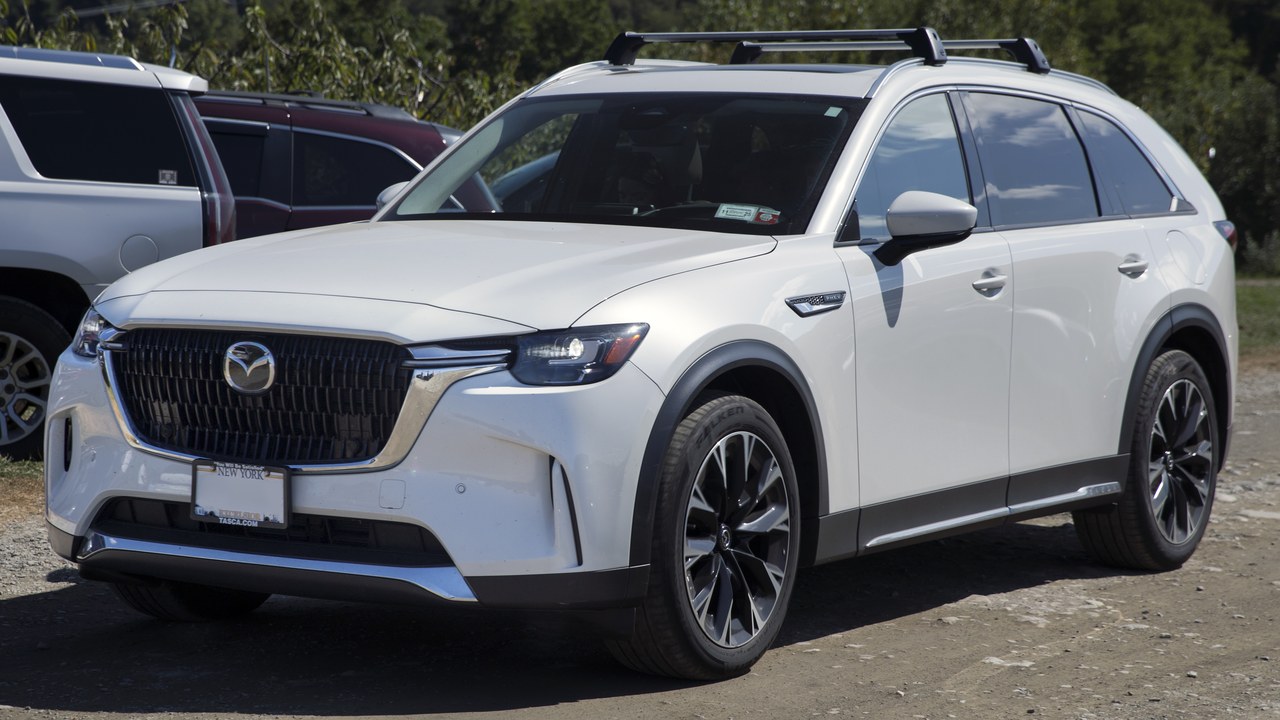
Mazda’s three-row flagship scored 23 for predicted reliability, and owners report premature timing chain failure and a slipping transmission, as detailed in a Car Guide roundup of the Consumer Reports data. Both complaints involve major drivetrain components rather than minor trim or infotainment glitches. A timing chain that fails early and a transmission that slips are the kinds of problems that can sideline a vehicle and lead to expensive repairs.
Prospective owners should ask about service history and warranty coverage on any example, and test drive carefully for shifting problems before buying.
6. Kia EV9: Battery Cells Replaced
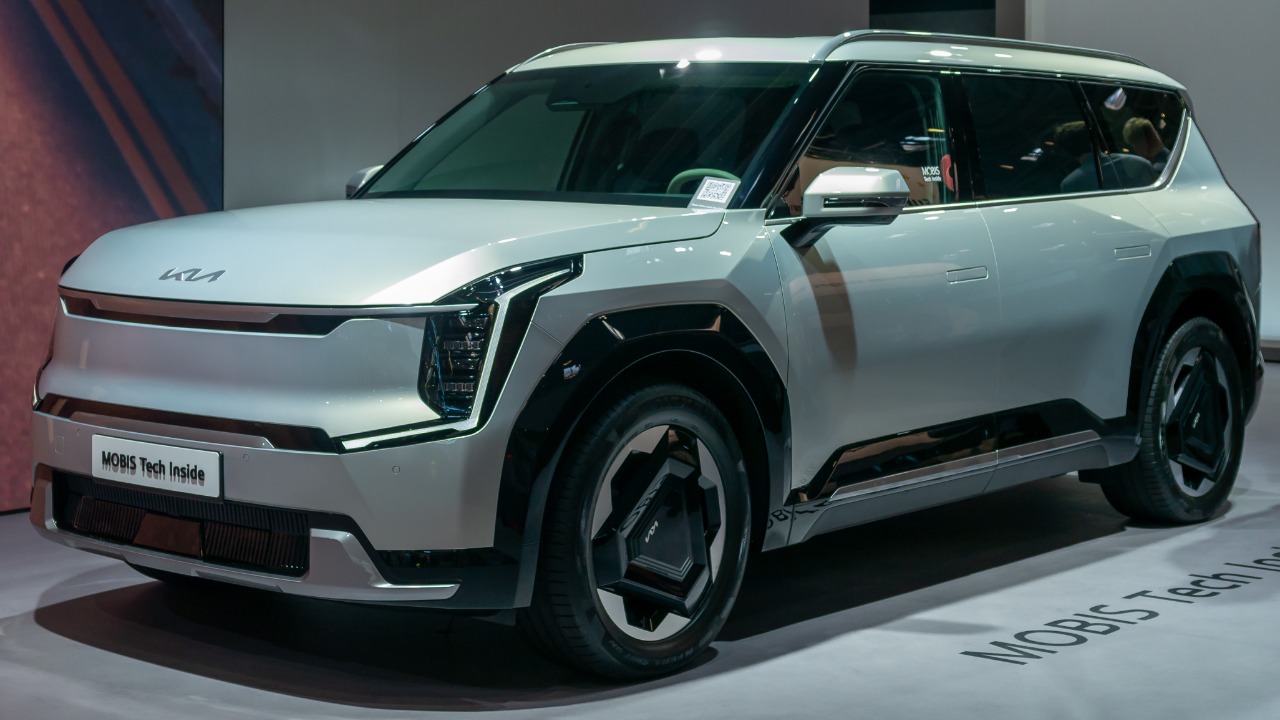
The three-row electric SUV scored 24 in Consumer Reports’ predicted reliability, and owners report battery-pack cells that required replacement, per a Car Guide summary of the results. The battery pack is the most central and costly component in any electric vehicle, so cell replacement is a more serious complaint than a software glitch or a trim rattle. The score sits just one point above the Mazda that precedes it on the list.
Battery work is among the costliest repairs on an electric vehicle, which makes warranty length and coverage terms a central question for buyers.
7. Kia EV6: Charging Control Unit Complaints
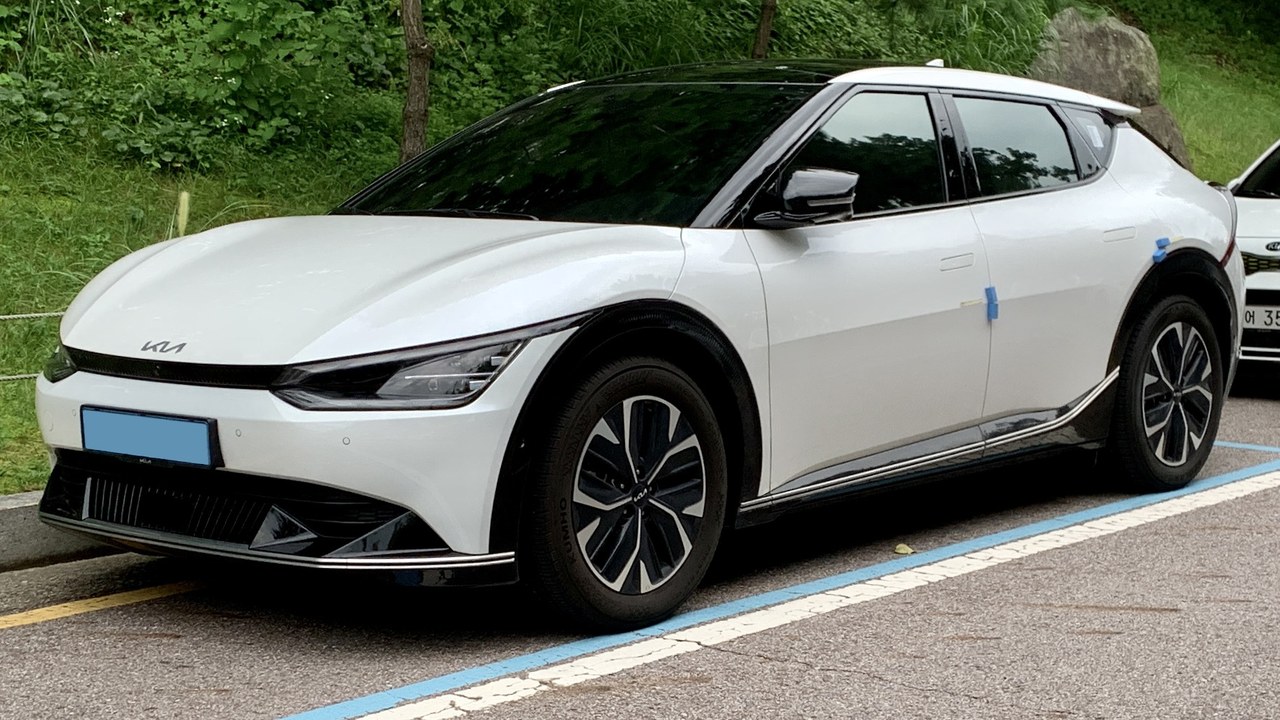
The electric crossover scored 25, with problems reported involving the EV battery, motors and integrated charging control unit, according to Car Guide’s breakdown of the CR ranking. Those three items form the core of an electric drivetrain, so complaints touching all of them suggest trouble in the systems that matter most. The integrated charging control unit manages how the vehicle accepts power, which means a fault there can affect everyday use.
Owners and shoppers should confirm that charging-related components fall under warranty and keep records of any software or hardware fixes.
8. Honda Prologue: Four Systems, One Score
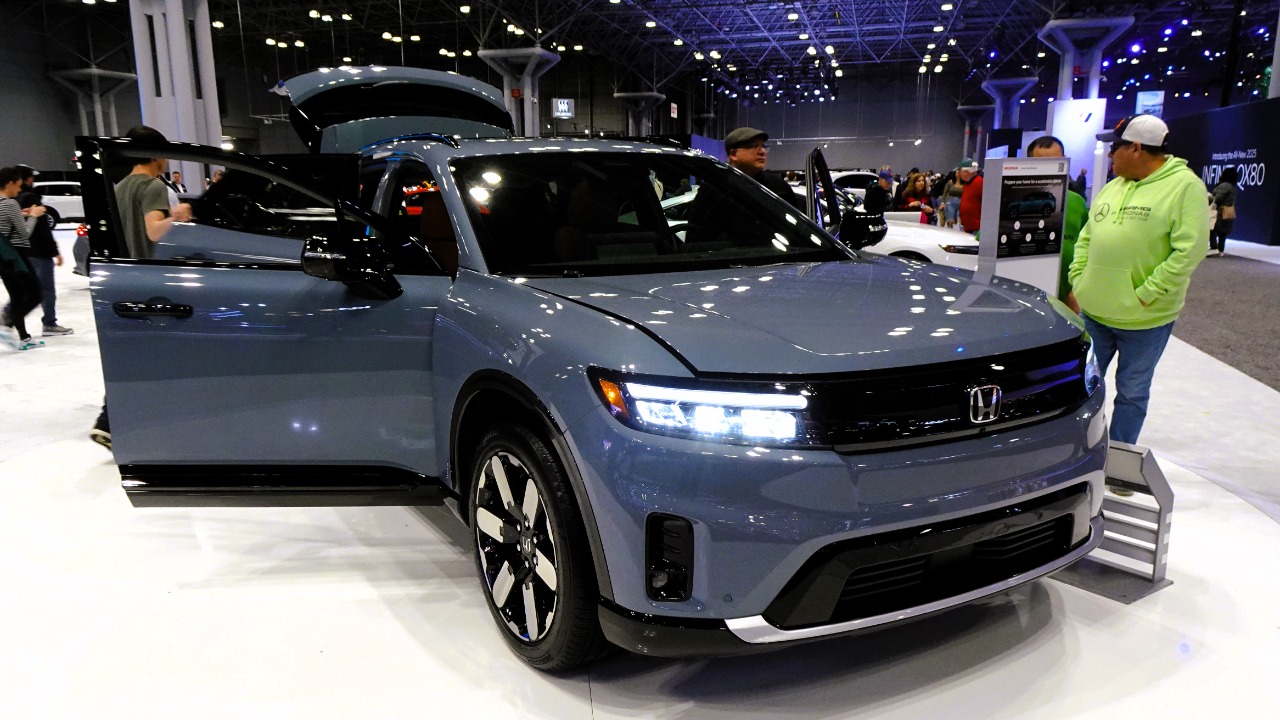
Honda’s electric SUV also scored 25, with complaints covering the EV battery, charging, climate and drive system, as listed in the Car Guide report on Consumer Reports data. That makes it a tie with the Kia crossover that precedes it, and the spread of complaints across four separate systems shows that the trouble is not confined to one part. Battery, charging, climate and drive-system problems touch nearly everything an electric vehicle does.
Complaints spread this widely suggest that buyers should test charging and climate controls thoroughly during a test drive and ask about warranty coverage.
9. Ford Explorer: Lost Its Recommendation
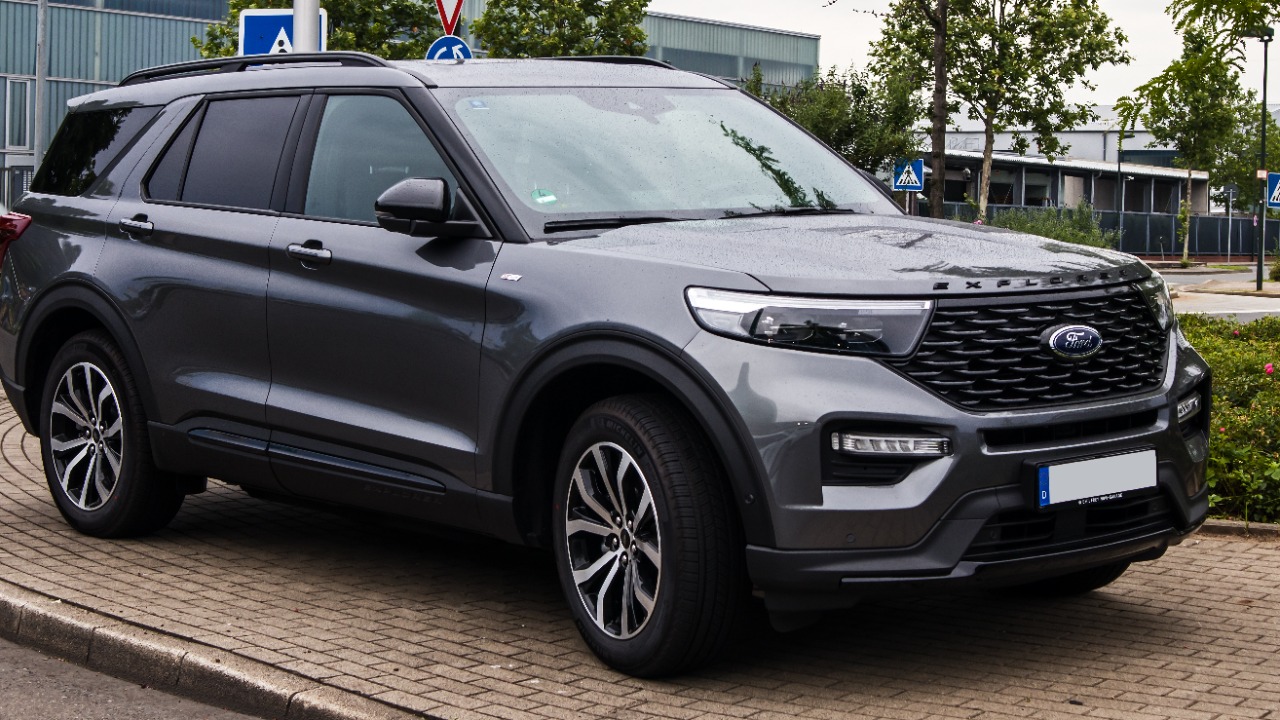
Recommended the year before, the three-row Ford is among the models that lost their Consumer Reports recommendation, as reported by Auto123’s coverage of the 2026 results. The change matters because the model had been on the recommended list a year earlier, so the drop marks a reversal in how the publication rates it. Losing that endorsement is a different kind of black mark from a single bad score, since it removes a seal many shoppers rely on.
A dropped endorsement is a warning for shoppers who relied on last year’s rating, and a prompt to review the new scores before buying.
10. Chrysler Pacifica Hybrid: A Minivan on the Watch List
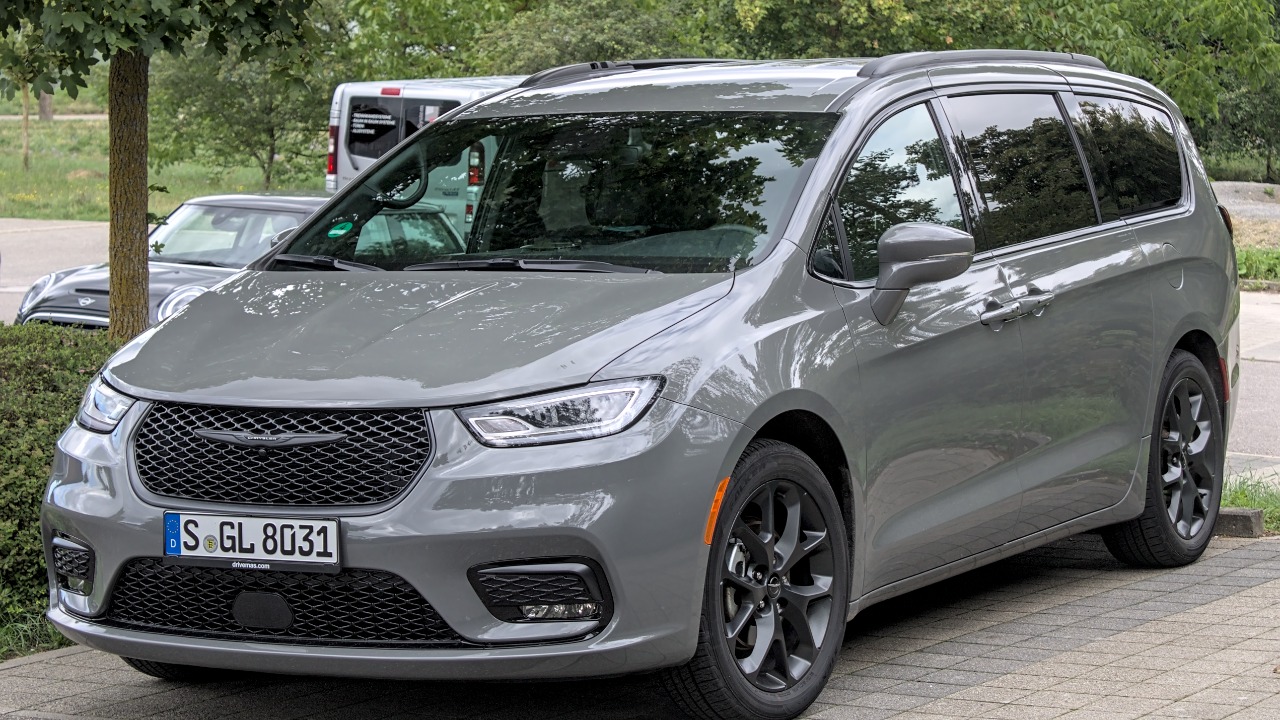
The plug-in minivan was cited as one of the least reliable minivans according to Consumer Reports data, as noted by Auto123’s report on the 2026 rankings. The mention places it at the bottom of a segment that families often choose for its practicality, which gives the finding extra weight for that audience. The citation comes from the same reliability data that produced the broader rankings, and it applies to the hybrid version of the model in particular.
Families shopping the segment may want to compare it against other minivans on reliability and warranty terms before committing.
More from Morning Overview
- Long use of a common prostate pill is tied to a higher chance of glaucoma
- Ford is recalling 223,472 F-150 pickups because the fuel tank can leak or detach
- Hybrids have 15% fewer problems than gas cars, while EVs and plug-in hybrids have about 80% more, Consumer Reports finds
- Regulators cleared the first U.S. small modular reactor, 4 months early
