
Fuel economy varies wildly across today’s truck and SUV lineup, and a handful of nameplates sit at the very bottom of the EPA’s combined-mpg charts. Big V8s, twin-turbo V12s, and off-road-focused four-wheel-drive systems all trade efficiency for power, pushing annual fuel costs well past the national average. Here are ten trucks and SUVs that burn through gas the fastest.
1. Ford F-150 Raptor R: The Steepest Fuel Bill on the List
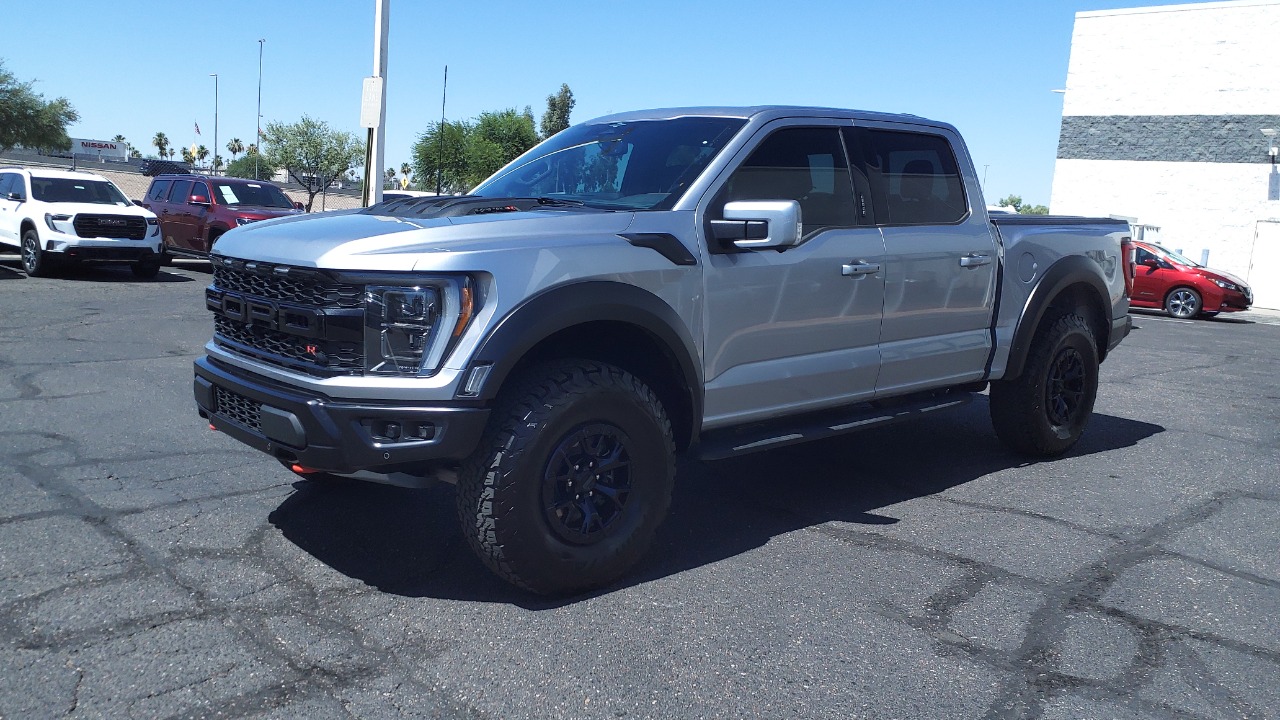
The Ford F-150 Raptor R carries an EPA-rated 12 mpg combined rating, the lowest figure of any vehicle on this list and enough to produce the steepest annual fuel bill in the group, close to $6,800 a year at current pump prices. Its high-output supercharged V8 and desert-racing suspension prioritize power and capability over efficiency, and that tradeoff shows up directly at the pump.
Buyers drawn to its off-road pedigree should budget for fuel costs well above a standard half-ton truck, since the combined rating leaves little cushion once towing, sand running, or daily commuting enters the mix.
2. Cadillac Escalade-V: Luxury Power at a Premium Price
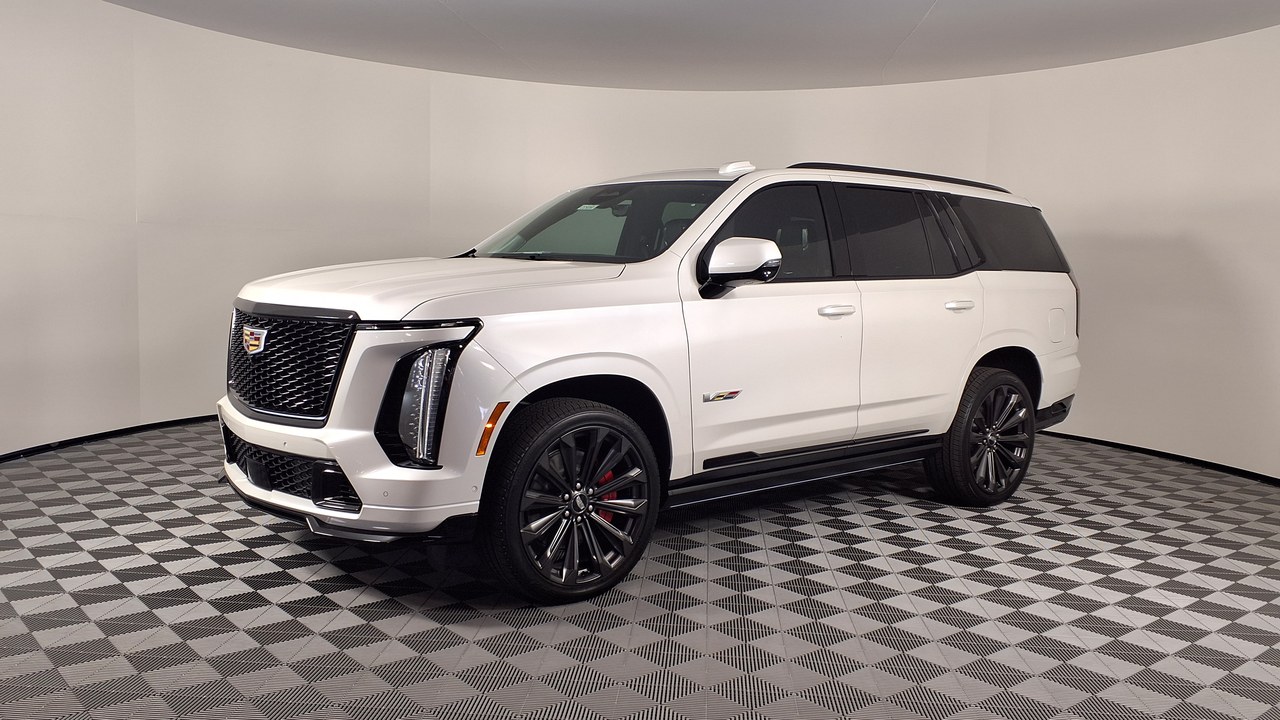
The Cadillac Escalade-V posts an EPA combined rating of 13 mpg, which works out to roughly $6,250 a year in gas at current fuel prices. Its supercharged V8 and three-row body add substantial mass and power, and that combination keeps the full-size luxury SUV near the bottom of the segment’s efficiency rankings.
Shoppers cross-shopping the Escalade-V against other three-row luxury SUVs should weigh that fuel cost against the tradeoff of forced-induction performance, since nothing in its drivetrain is designed to narrow the efficiency gap during normal commuting.
3. Chevrolet Silverado 1500: The Priciest V8 to Fill Up
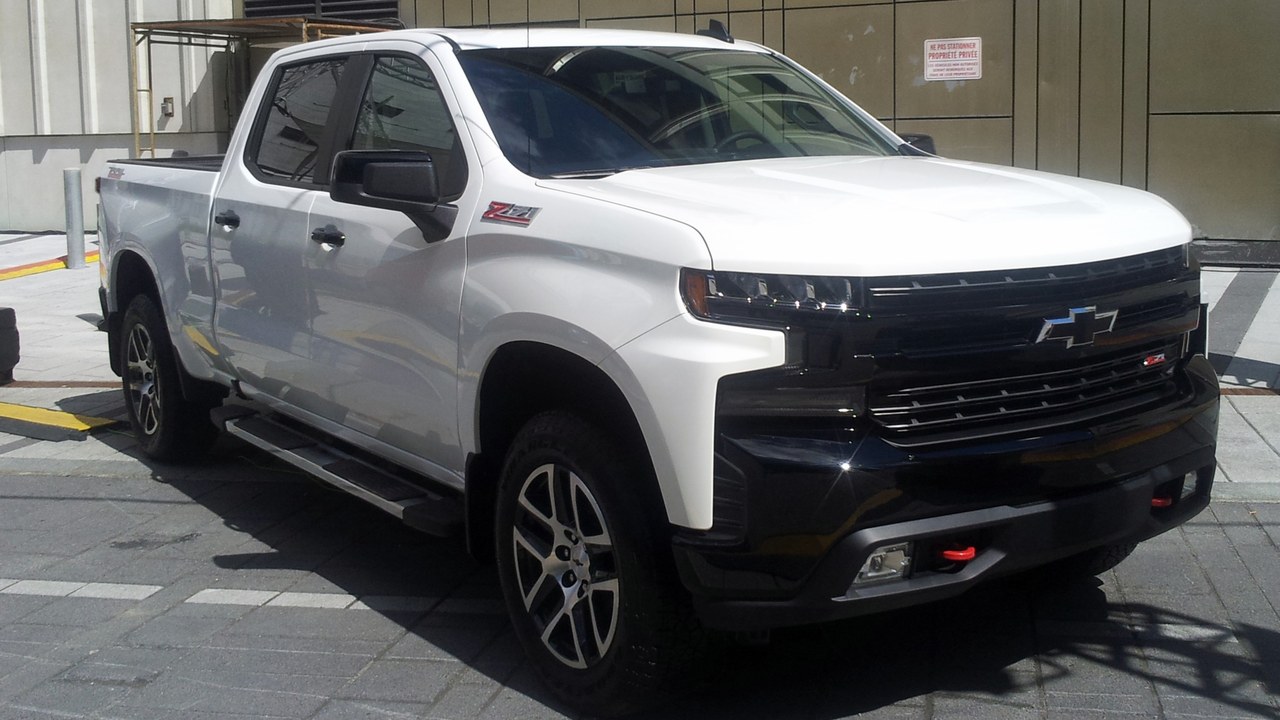
The Chevrolet Silverado 1500’s 6.2-litre V8 lands at 15 mpg combined, which comes out to about $5,400 a year in fuel at current prices. That engine is the most powerful gas option in the Silverado lineup, and its size and output cost more at the pump than the truck’s smaller V8 and turbocharged four-cylinder alternatives.
Fleet and personal buyers who choose the 6.2-litre for towing or hauling capacity should expect noticeably higher fuel spending than Silverado trims running the smaller engine, since the larger V8 trades everyday efficiency for maximum output.
4. Land Rover Defender: Off-Road Capability, On-Road Cost
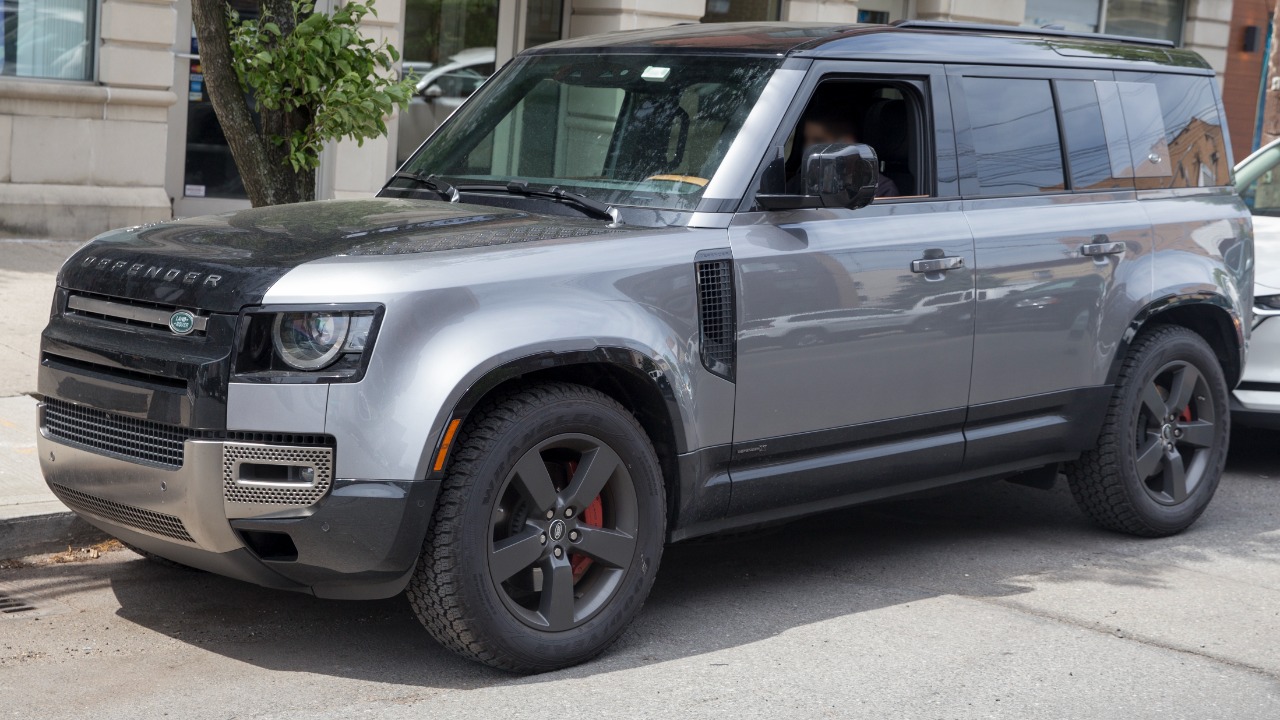
The Land Rover Defender posts an EPA combined economy of 16 mpg, which translates to about $5,100 a year in gas at current prices. Its boxy, upright body and standard four-wheel-drive hardware add aerodynamic drag and weight that a more streamlined SUV would not carry, and that shows up directly in the combined rating.
Owners who value the Defender’s off-road ability and boxy proportions should accept a fuel bill above what most midsize SUVs demand, since the same shape and drivetrain that make it capable off pavement also work against it at the pump.
5. Jeep Wrangler Rubicon 392: The Thirstiest Wrangler Ever Built
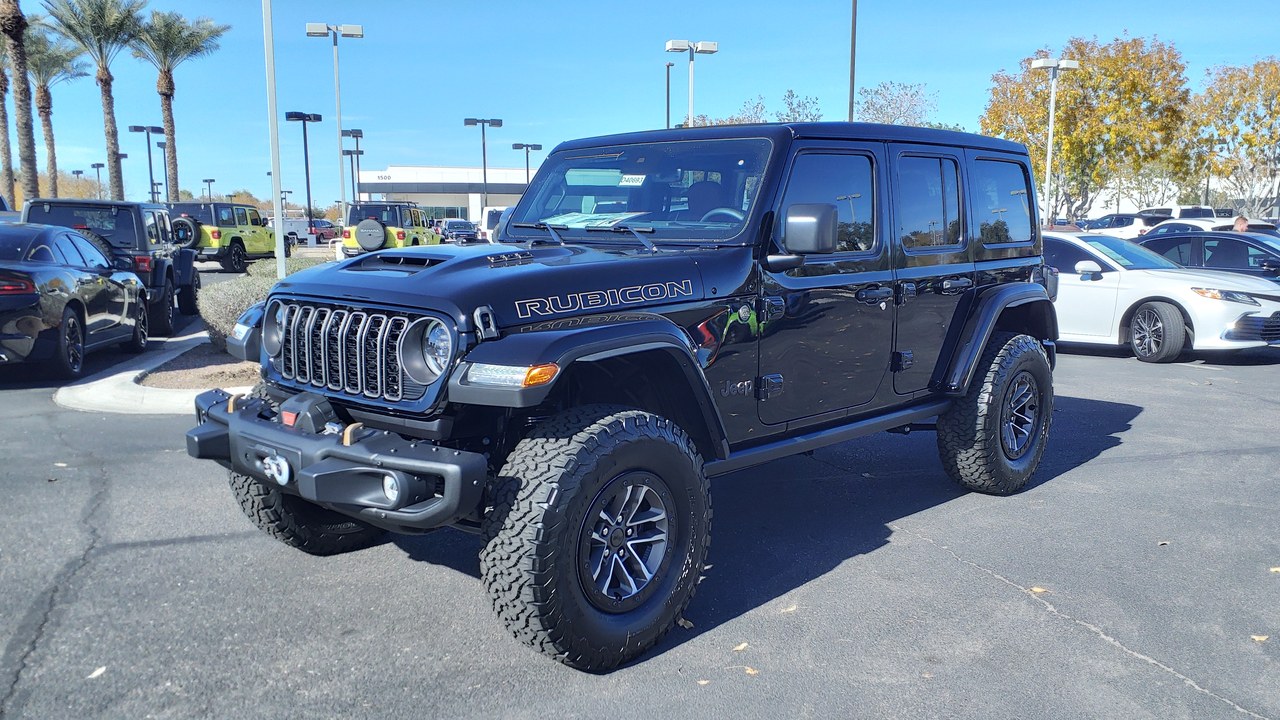
The Jeep Wrangler Rubicon 392’s Hemi V8 posts a combined 14 mpg on EPA figures, the lowest rating in the Wrangler lineup by a wide margin. Squeezing a large V8 into a boxy, open-top off-roader with a high ride height works against aerodynamics, and the four-wheel-drive hardware that makes it capable on trails adds further weight and drag.
Buyers who want the Rubicon 392’s V8 power should plan for fuel costs closer to a full-size truck than a typical compact SUV, since nothing about the drivetrain or the vehicle’s shape is built around efficiency.
6. Dodge Durango SRT Hellcat: Supercharged Speed, Supersized Fuel Costs
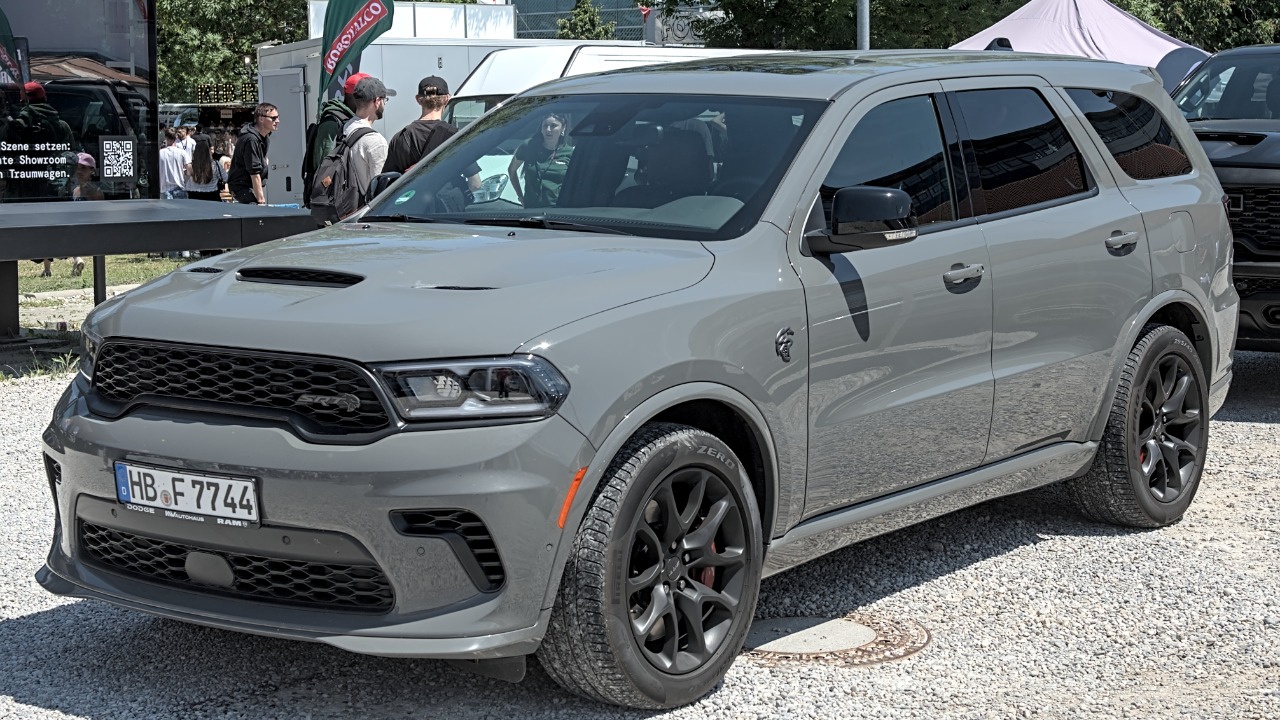
The Dodge Durango SRT Hellcat is EPA-rated at 12 mpg city and 17 highway, averaging out to 13 mpg combined. Stuffing a supercharged Hellcat engine into a three-row family SUV gives it drag-strip acceleration numbers no other Durango can match, but that same engine is the reason its combined figure trails nearly every other three-row SUV on sale.
Families cross-shopping the Hellcat trim against other three-row SUVs should weigh its performance against a fuel bill well above what a standard Durango V6 or V8 trim would produce, since the supercharger adds thirst without adding efficiency anywhere in the driving cycle.
7. Ferrari Purosangue: The Worst Mileage of Any SUV
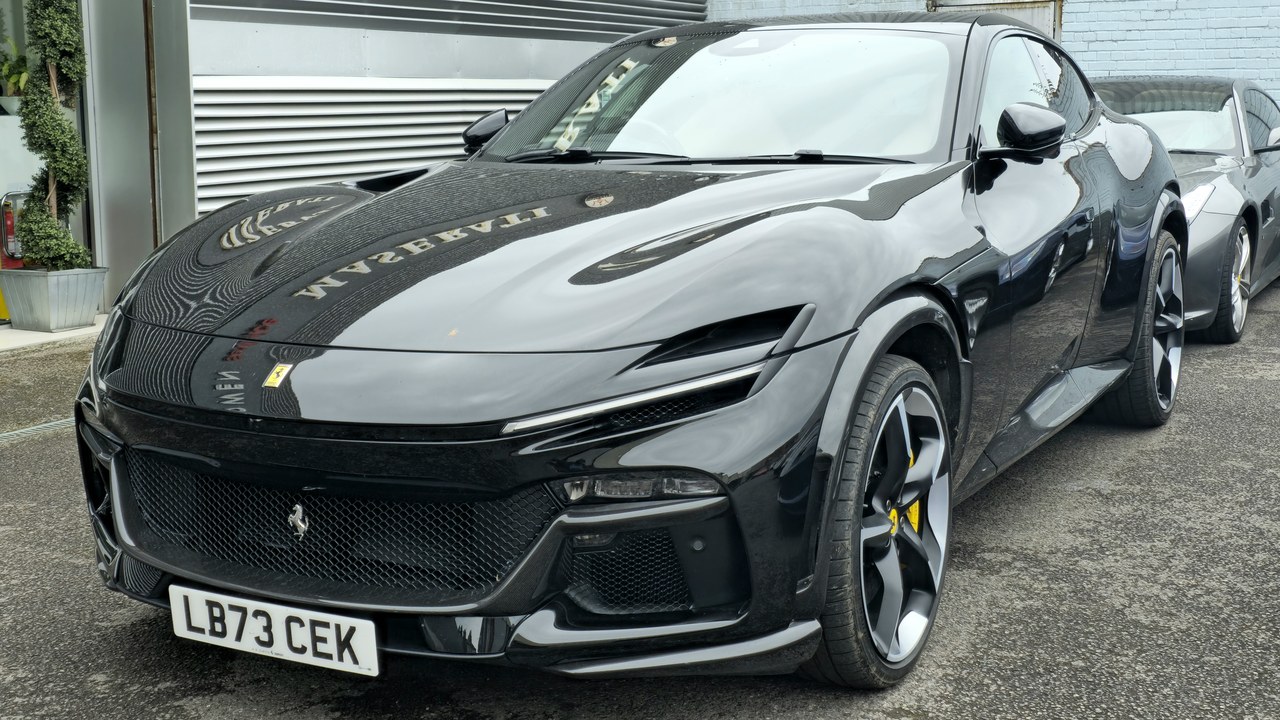
The Ferrari Purosangue’s V12 bottoms out at 12 mpg combined, the worst figure of any SUV cross-checked against EPA data. Ferrari built the engine for high-revving performance rather than efficiency, and putting it inside a taller, heavier SUV body only worsens the combined rating compared with the automaker’s lower, lighter sports cars.
Buyers considering the Purosangue as a daily-driver SUV should expect fuel costs closer to a supercar than to any rival luxury SUV, since the V12’s character and the brand’s performance-first engineering were never aimed at economy.
8. Ford Expedition: Big Cargo, Bigger Gas Bills
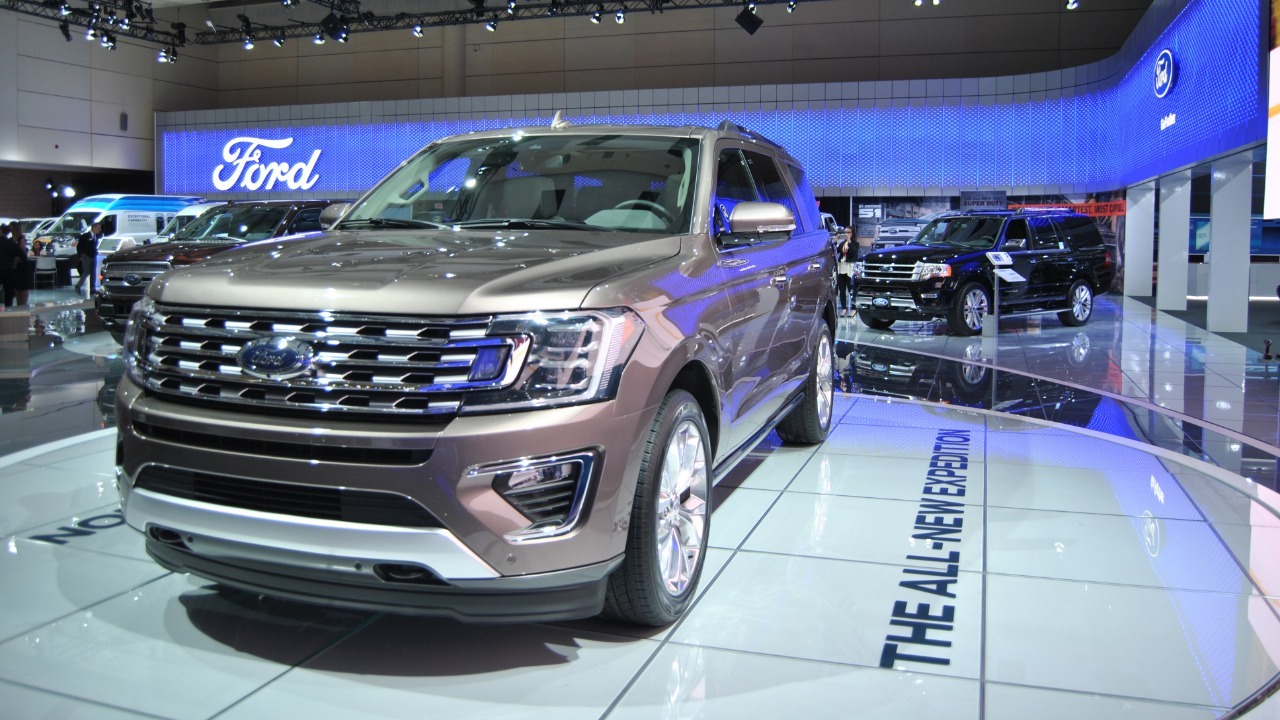
The Ford Expedition’s combined fuel economy checks in at 17 mpg on EPA data, among the lowest figures for a full-size three-row SUV built primarily for hauling people and cargo rather than sport driving. Its size, weight, and towing-focused drivetrain favor capability and interior space over the kind of efficiency smaller crossovers can post.
Families who need the Expedition’s towing and third-row space should plan on fuel costs closer to a heavy-duty truck than a typical family SUV, since the size and drivetrain built for capability work against economy at every fill-up.
9. Nissan Armada: Full-Size Capability, Full-Size Fuel Costs
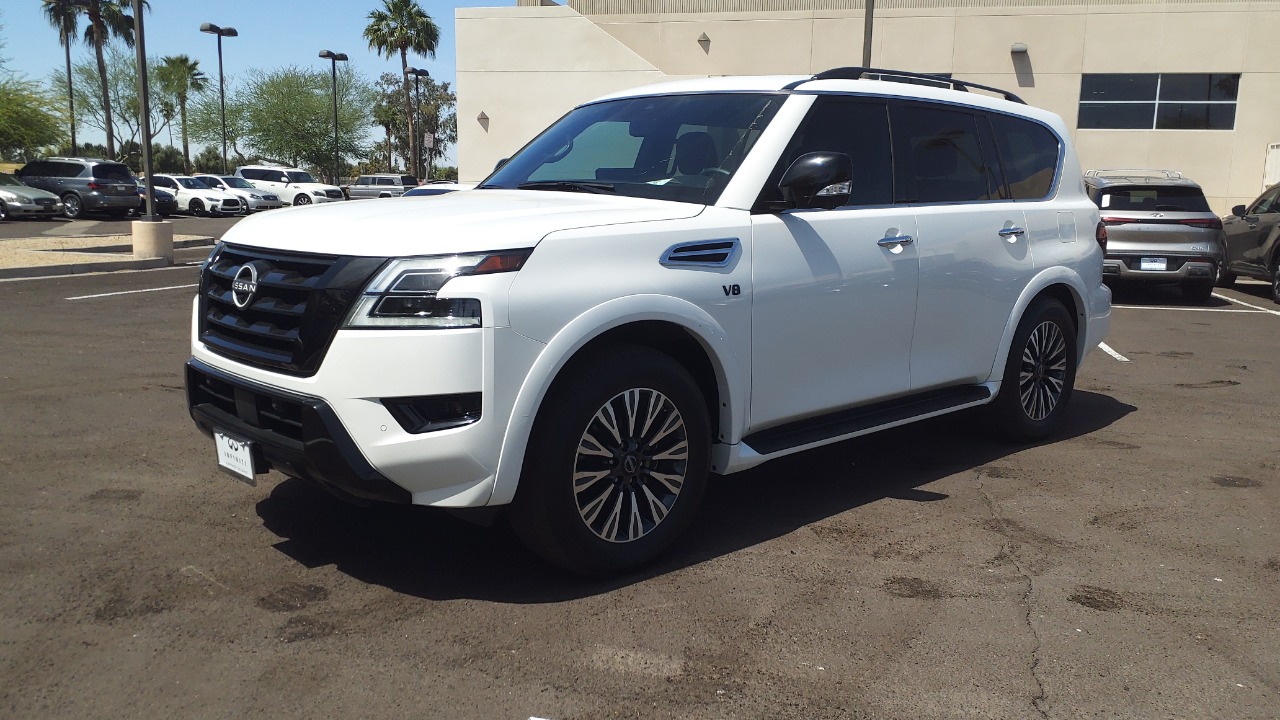
The full-size Nissan Armada sits at 16 mpg combined, a figure that reflects its body-on-frame truck platform and standard V8 engine rather than any unusual inefficiency for the segment. Built to tow, haul cargo, and carry up to eight passengers, the Armada trades the smaller engines and lighter unibody construction that help some rival SUVs post better numbers.
Shoppers weighing the Armada against unibody three-row crossovers should expect a meaningfully higher fuel bill, since its truck-based platform and standard V8 were built around towing and durability rather than the fuel savings a lighter SUV can offer.
10. Rolls-Royce Cullinan: Ultra-Luxury’s Ultra-Thirsty SUV
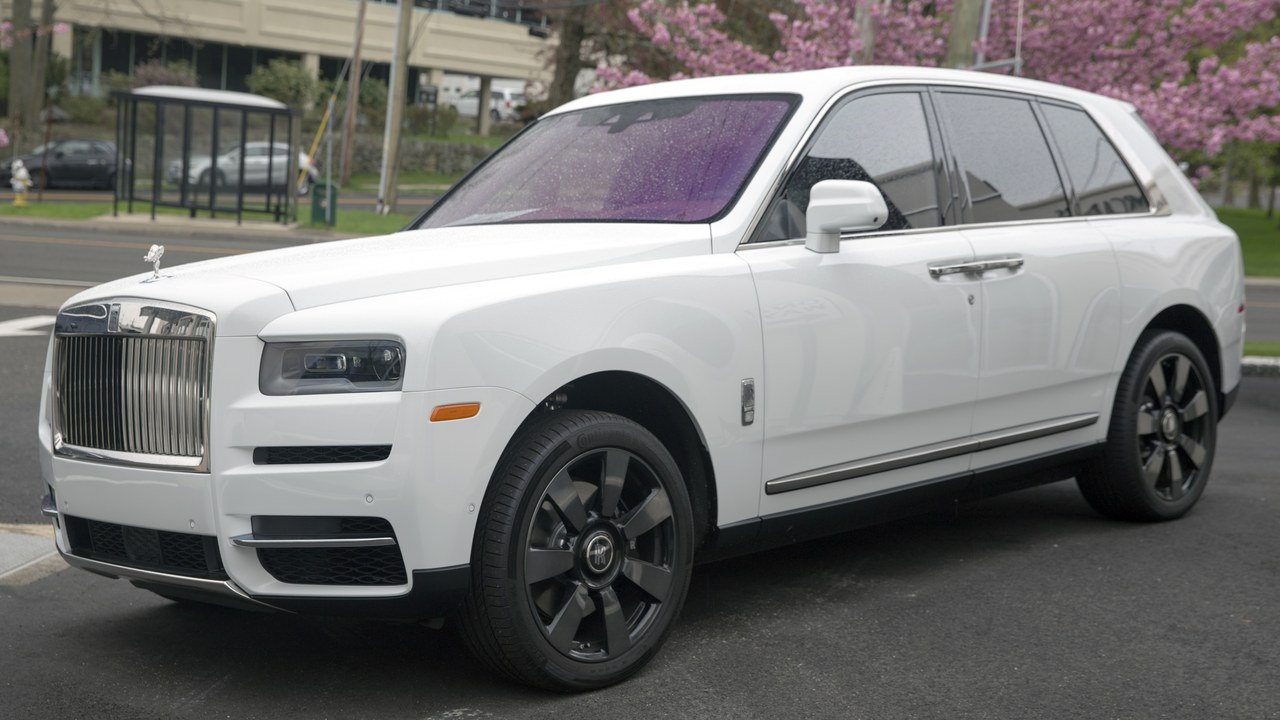
The Rolls-Royce Cullinan’s EPA combined economy lands at just 14 mpg, one of the lowest figures of any SUV on sale despite its ultra-luxury positioning. Extensive sound insulation, heavy materials throughout the cabin, and a large engine tuned for effortless rather than efficient power all add weight and thirst that show up directly in the combined rating.
Buyers drawn to the Cullinan’s cabin and presence should expect fuel costs among the highest of any SUV on the road, since the same weight and engineering that deliver its signature ride quality also work directly against efficiency.
More from Morning Overview
