
Luxury SUVs carry premium price tags, but not all of them age gracefully once the factory warranty runs out. Some models lean on proven drivetrains and simple mechanicals that keep repair bills modest well past 100,000 miles, while others demand costly specialist service the moment coverage lapses. Here are nine luxury SUVs that owners and independent reliability surveys say keep running long after the paperwork expires.
1. Lexus GX: Body-On-Frame Backbone
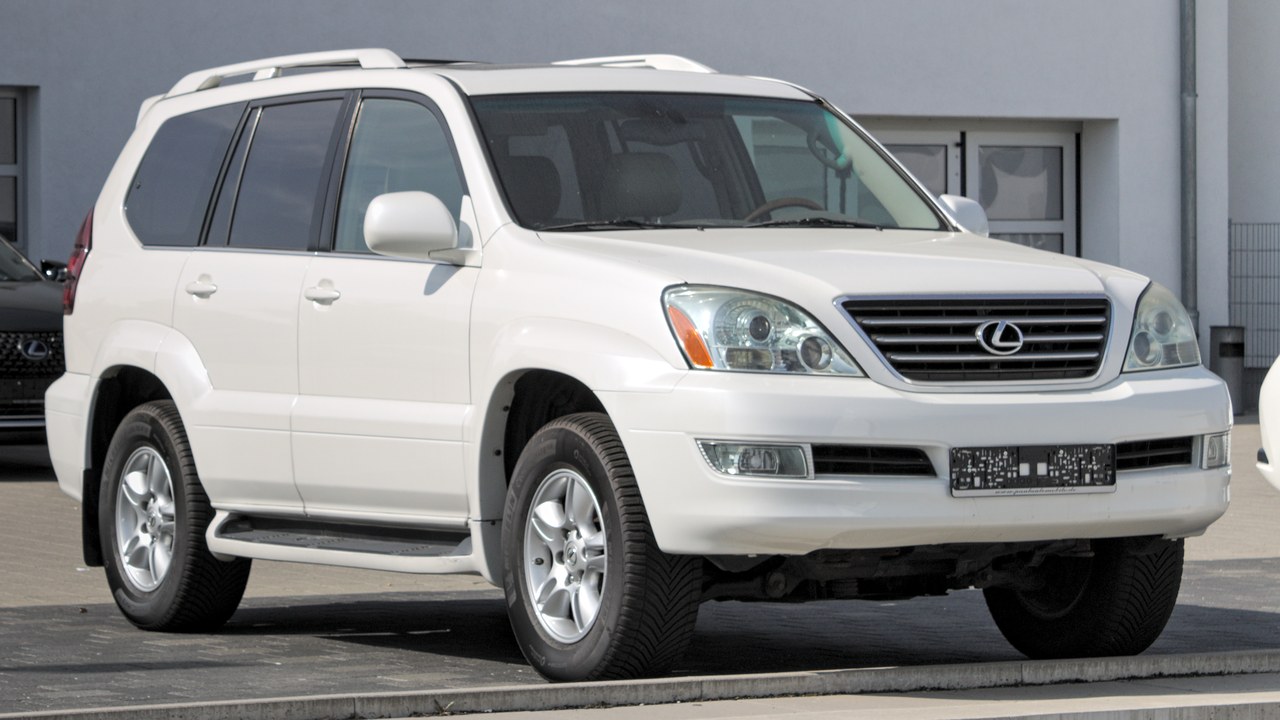
The Lexus GX consistently lands near the top of dependability and owner-satisfaction rankings compiled by J.D. Power and Consumer Reports, a distinction few luxury SUVs reach. Its body-on-frame construction and truck-based drivetrain trade some ride comfort for mechanical simplicity, the same formula that keeps the related Toyota Land Cruiser running for decades.
Independent shops report fewer electronic failures than in unibody luxury crossovers, and shared parts with Toyota trucks keep repair costs lower than rival brands charge for similar service. Owners who follow the maintenance schedule routinely push a GX past 150,000 miles without a major powertrain repair.
2. Lexus RX: The Segment’s Steady Seller
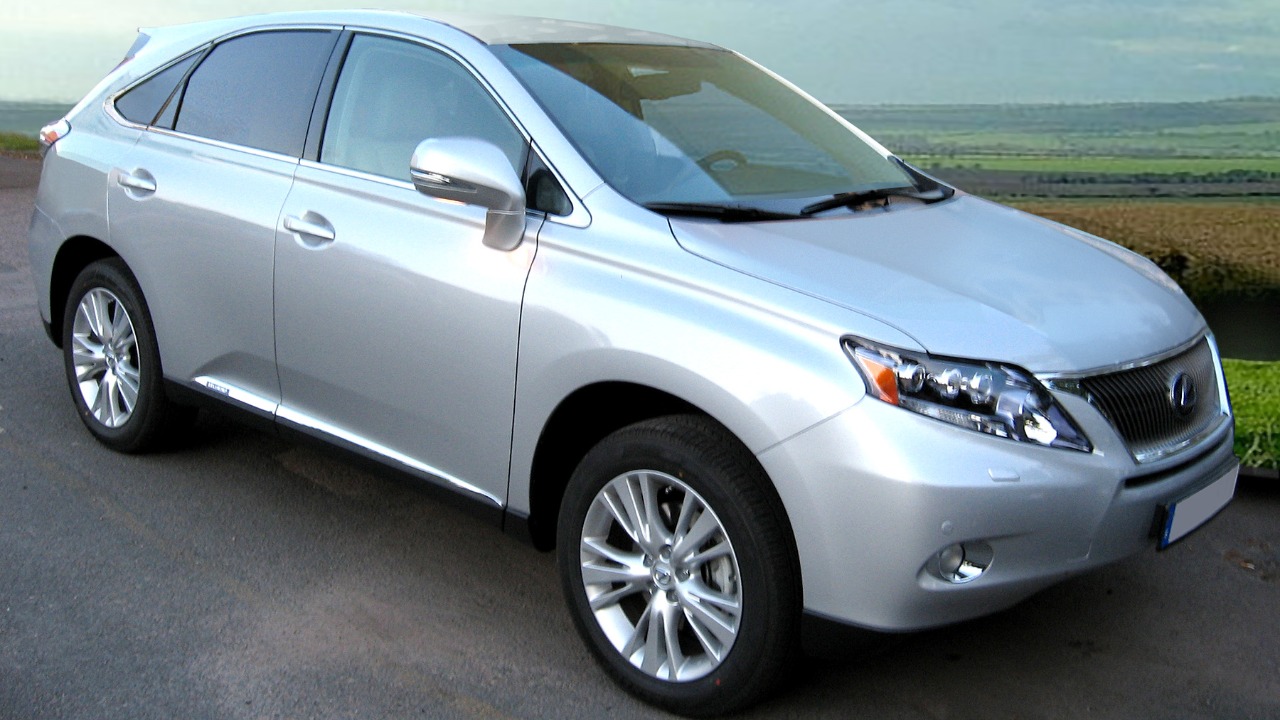
As the best-selling luxury SUV nameplate in the United States for much of its history, the Lexus RX has built a long track record that independent shops and owners can measure against thousands of examples on the road. That volume, paired with Toyota-sourced mechanicals, has produced a reputation for low repair costs relative to German and domestic rivals.
Its hybrid variants add a second drivetrain layer, yet reliability data shows the extra components rarely translate into higher failure rates. Resale values stay strong in part because buyers trust the RX to avoid the expensive surprises that hit less common luxury models once factory coverage ends.
3. Lexus LX: Land Cruiser DNA
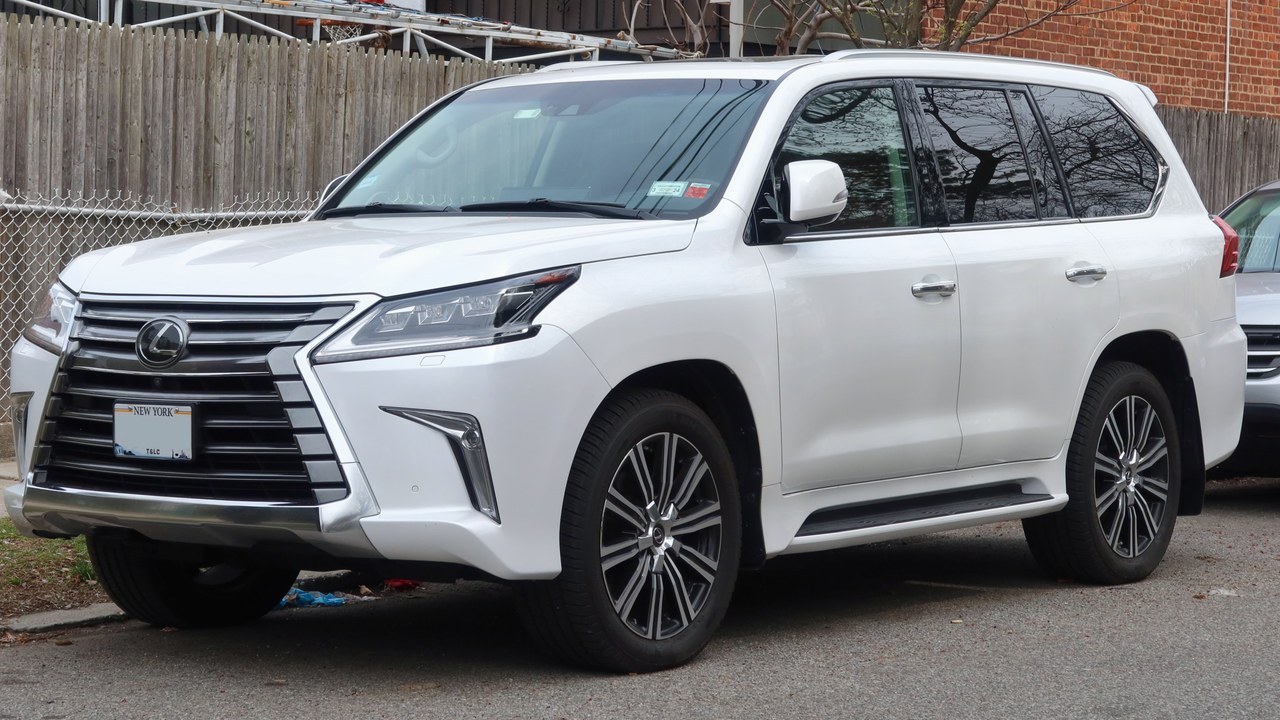
The Lexus LX shares its platform, engine, and much of its suspension with the Toyota Land Cruiser, a vehicle prized worldwide for surviving well past 250,000 miles under demanding conditions. That heritage carries over into the luxury version, giving it a mechanical foundation few flagship SUVs from other brands can match.
Owners in harsh climates and off-road environments report the same durability advantages that make the Land Cruiser a favorite among fleet operators and overseas buyers. The tradeoff is a high purchase price and steep fuel costs, but the drivetrain itself rarely becomes the reason an LX gets retired.
4. Acura MDX: Honda’s Long-Haul V6
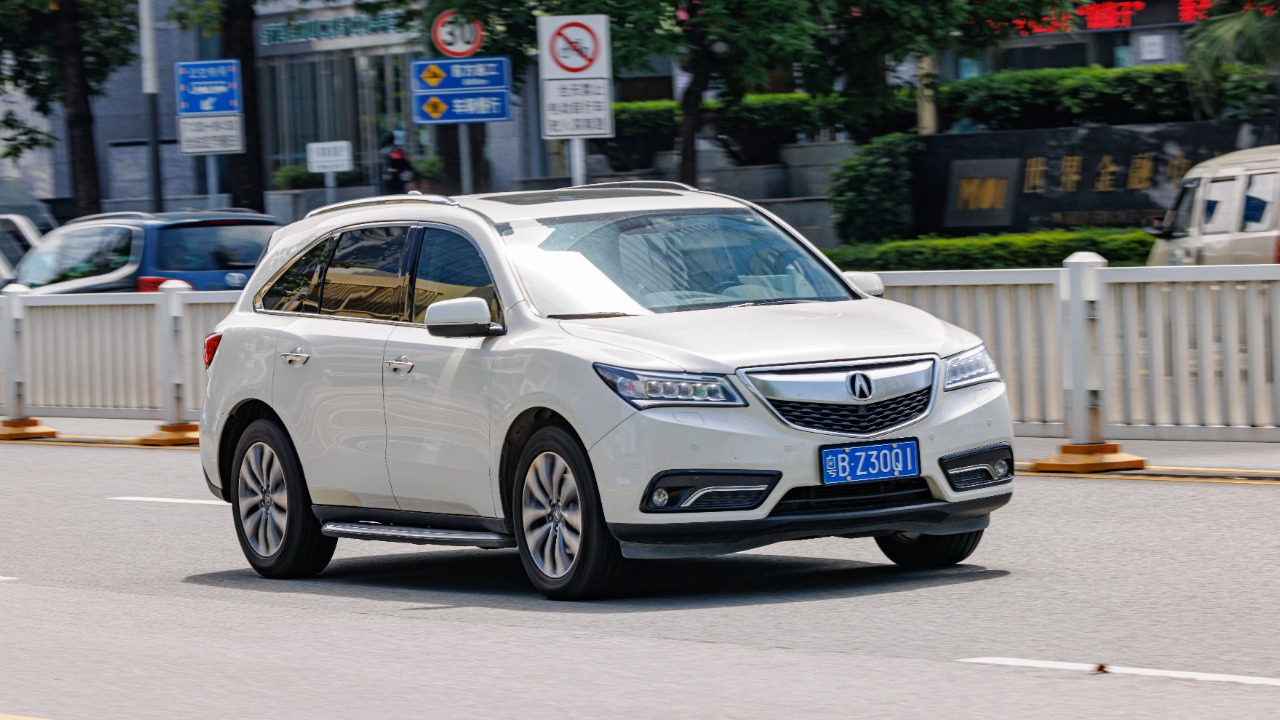
An iSeeCars longevity study has repeatedly found Acura MDX owners keeping their SUVs on the road well past 200,000 miles, a result tied directly to the Honda V6 engine underpinning the model. That drivetrain has powered Honda and Acura products for decades with a reputation for minimal internal wear.
Transmission and suspension components see more routine wear than the engine itself, so scheduled fluid changes matter more than any single repair. Because Acura shares dealership networks and parts supply with mainstream Honda models, service costs tend to run lower than at exclusively luxury-branded competitors.
5. Acura RDX: Compact, Not Fragile
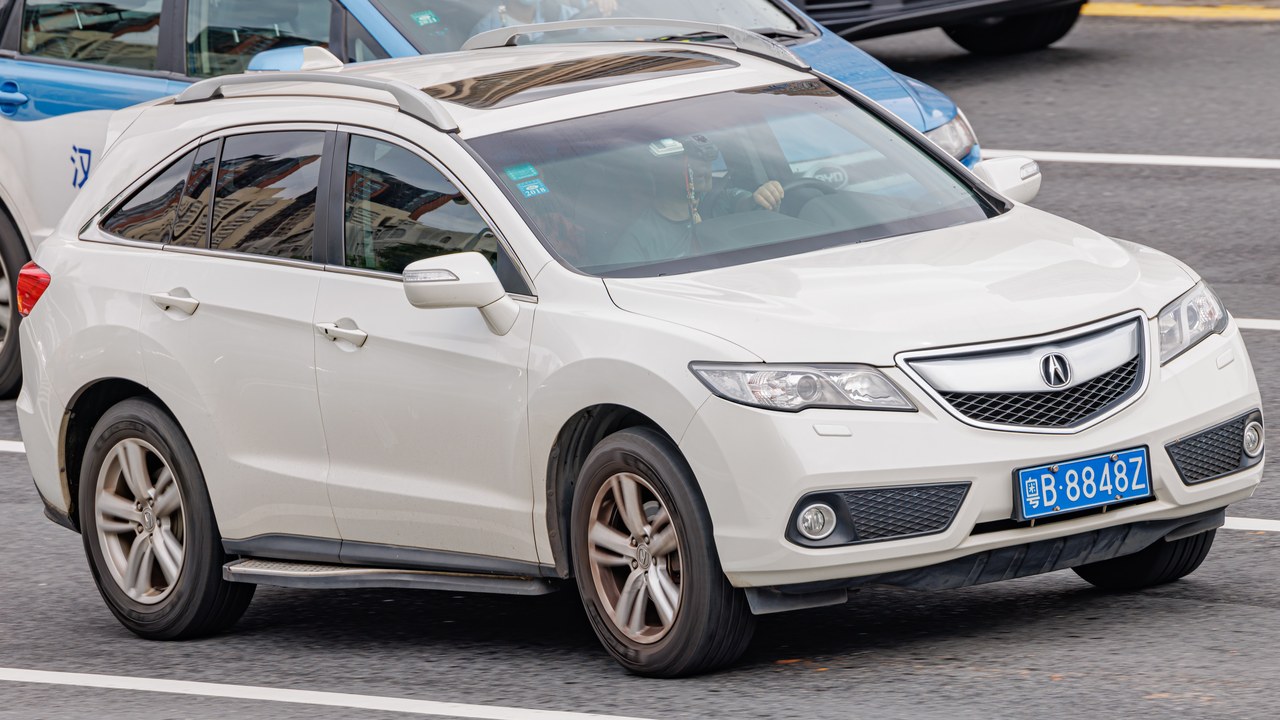
The compact Acura RDX pairs a turbocharged four-cylinder engine with reliability scores that hold up once the factory warranty ends, a rarer outcome among turbocharged luxury crossovers that often see rising repair rates after 60,000 miles. Consistent scores from owner surveys point to a well-sorted turbo and cooling system.
Regular oil changes matter more on a turbocharged engine than on a naturally aspirated one, and RDX owners who stay current on service intervals report fewer turbo-related failures than the segment average. Its size also keeps parts and labor costs down compared with larger three-row luxury SUVs.
6. Lexus NX: Compact Hybrid Confidence
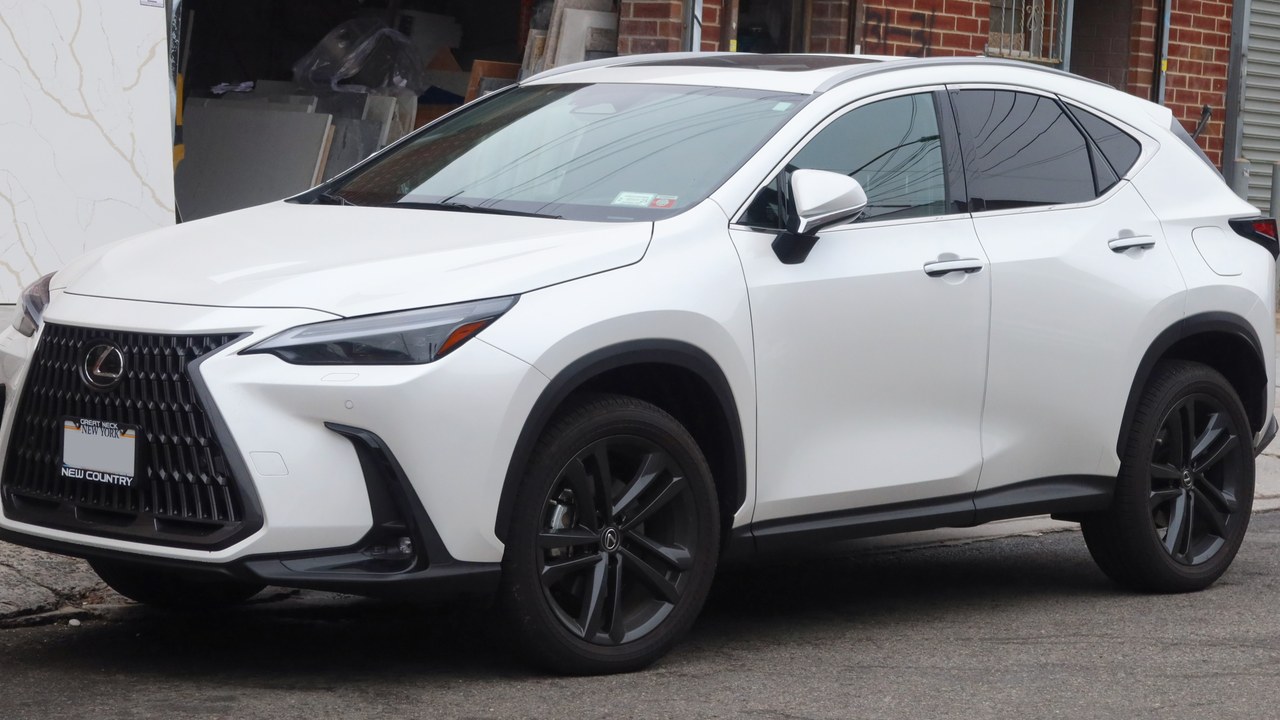
The Lexus NX brings the brand’s reliability reputation down to the compact luxury class, offering both a conventional gas engine and a hybrid powertrain that carries over Toyota’s proven hybrid architecture. Top marks in dependability surveys have followed the NX since its introduction, unusual for a newer nameplate.
The hybrid version’s battery and motor components have shown low failure rates in the years since launch, easing concerns that once surrounded hybrid ownership costs. Smaller dimensions than the RX or GX also mean lighter tires, brakes, and suspension parts, trimming routine maintenance bills over time.
7. Genesis GV80: Warranty Built For Confidence
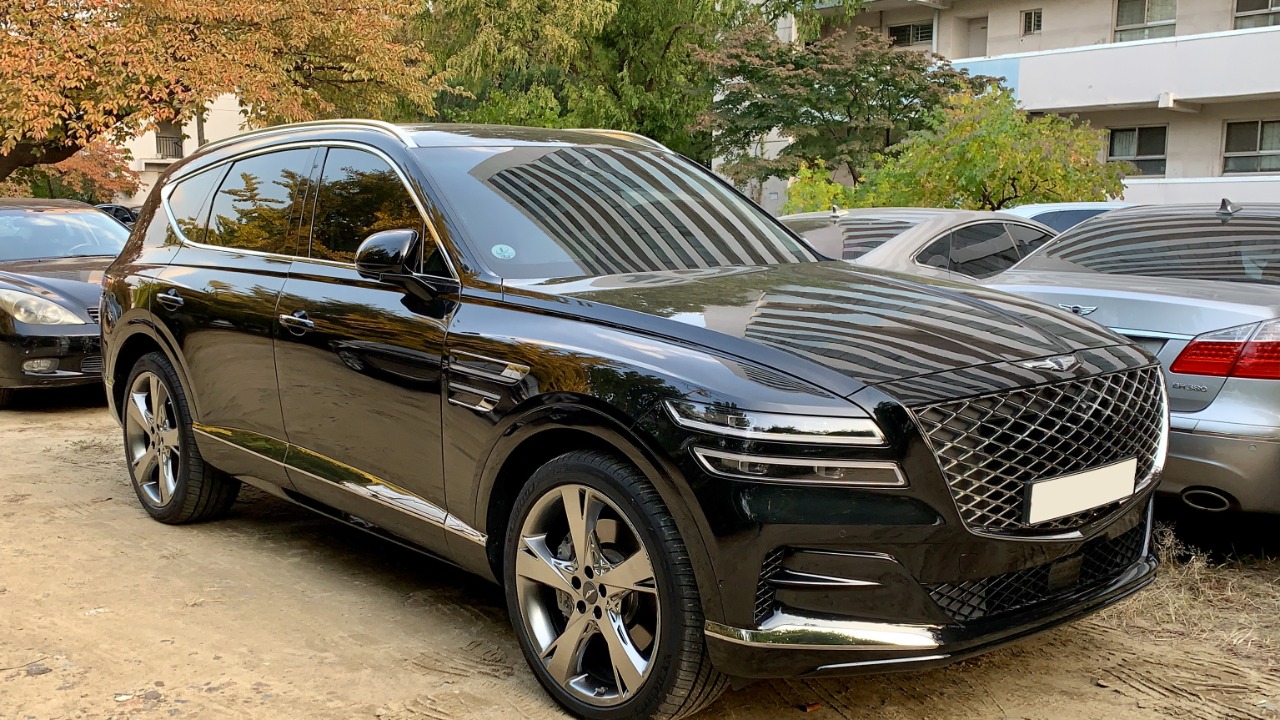
Genesis backs the GV80 with a 5-year, 60,000-mile warranty that outlasts coverage from most German and Japanese luxury rivals, giving early owners a longer buffer before major repairs fall on them. High marks in owner-satisfaction surveys have accompanied that extended protection since the SUV launched.
Genesis also includes complimentary maintenance and valet pickup service during the warranty period, a factor that keeps small issues from going unaddressed. As the brand’s dealer network and parts supply mature, the GV80’s long-term ownership costs are trending toward Lexus and Acura levels rather than pricier European competitors.
8. Volvo XC90: Reliable With Discipline
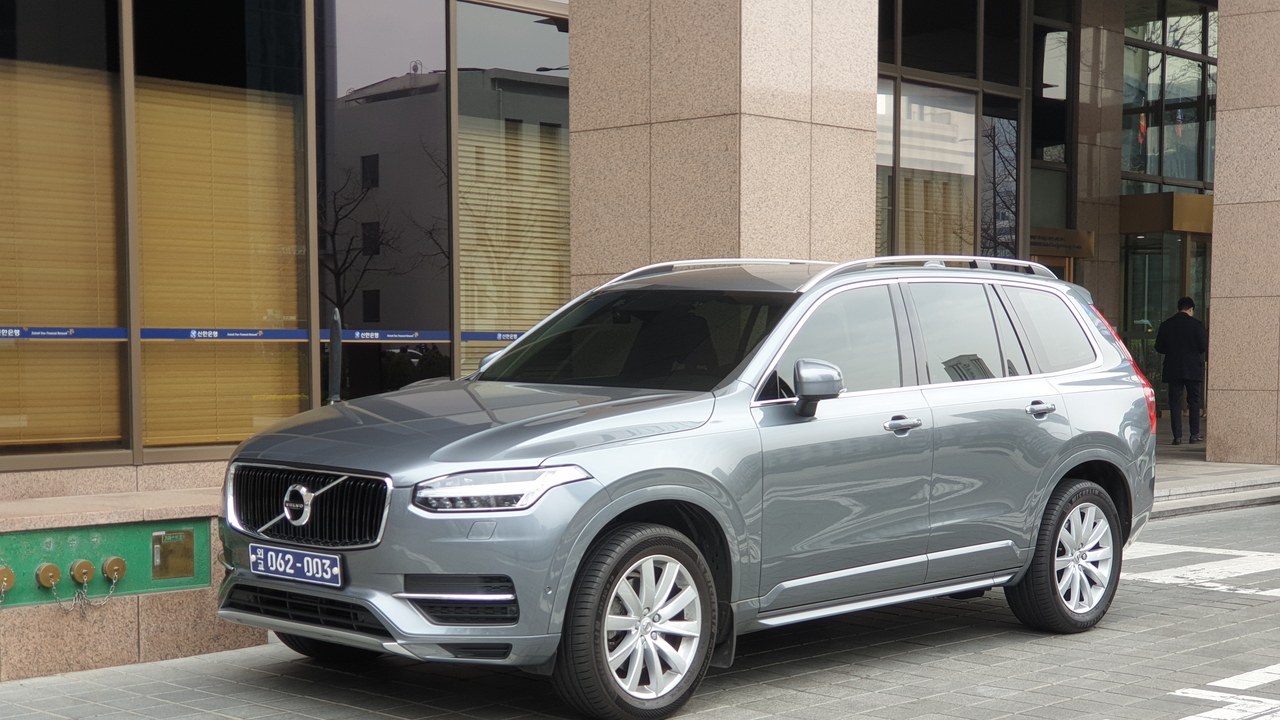
Aging Volvo XC90 examples hold up well when owners keep to the recommended service schedule, particularly around the turbocharged engine’s timing components and the air suspension fitted to higher trims. Skipped maintenance, by contrast, tends to surface as costly electrical or suspension repairs once the SUV passes 80,000 miles.
Independent European-specialist shops report that most XC90 problems trace back to deferred fluid changes rather than inherent design flaws. Buyers considering a used XC90 are generally advised to review full service records, since a documented history correlates strongly with fewer surprises down the road.
9. Buick Enclave: GM’s Quiet Overachiever
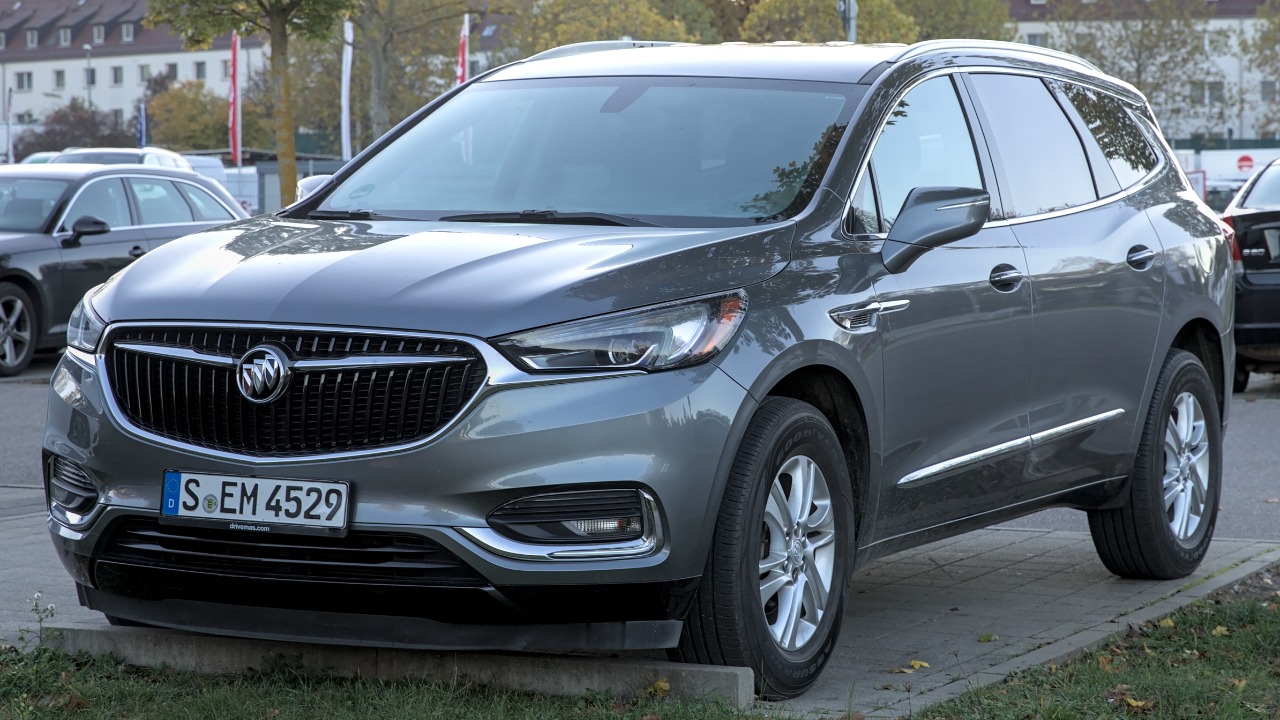
Owner surveys consistently rank the Buick Enclave among General Motors’ most dependable three-row SUVs, a notable result given how many rival three-row crossovers report higher-than-average repair rates. Its V6 engine and conventional automatic transmission avoid the complexity of turbocharged or hybrid systems that can raise long-term repair risk.
Shared GM parts bins with Chevrolet and GMC models keep replacement costs lower than at brands with narrower dealer networks. Later model years also carry over improved infotainment and safety hardware that owners report needing fewer software-related repairs than earlier Enclave generations.
More from Morning Overview
