
Engines are the most expensive part of any family SUV, and a weak design can bring recalls, investigations, lawsuits and stretched warranties. The models below each earned their reputations through documented actions from regulators, courts or automakers. Here are twelve examples, every one tied to its own source.
Save more, waste less: The Cool Down’s newsletter sends smart, simple changes that help you and the planet in your everyday life.
We may earn a commission if you sign up.
1. Hyundai Santa Fe: Settlement Spotlight
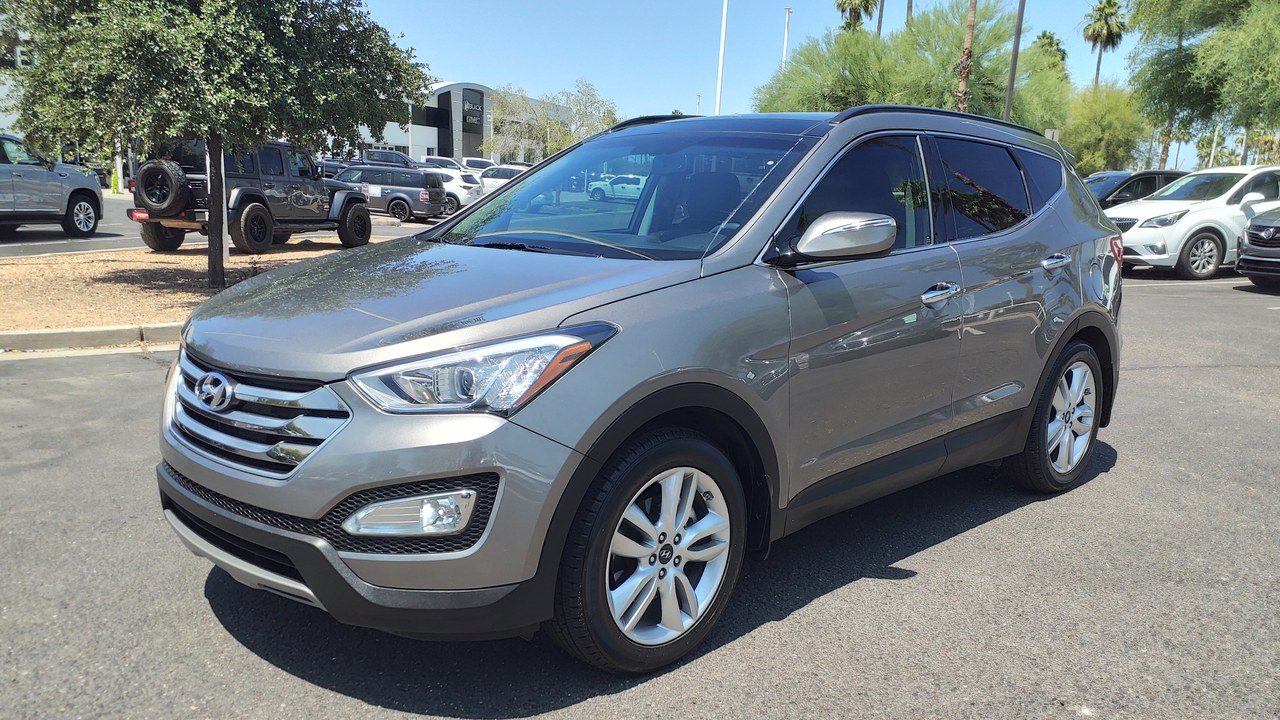
The Santa Fe was named in the 2024 Hyundai-Kia settlement over engines prone to seizure, stalling and fire. As part of the deal, powertrain coverage was extended to 15 years or 150,000 miles.
For owners, the longer warranty is the practical benefit, since it covers the exact parts that were at the heart of the complaints. Anyone shopping for a used example should confirm that the vehicle is eligible and that the paperwork for the extended coverage is in order.
2. Kia Sorento: Fire Risk Fallout
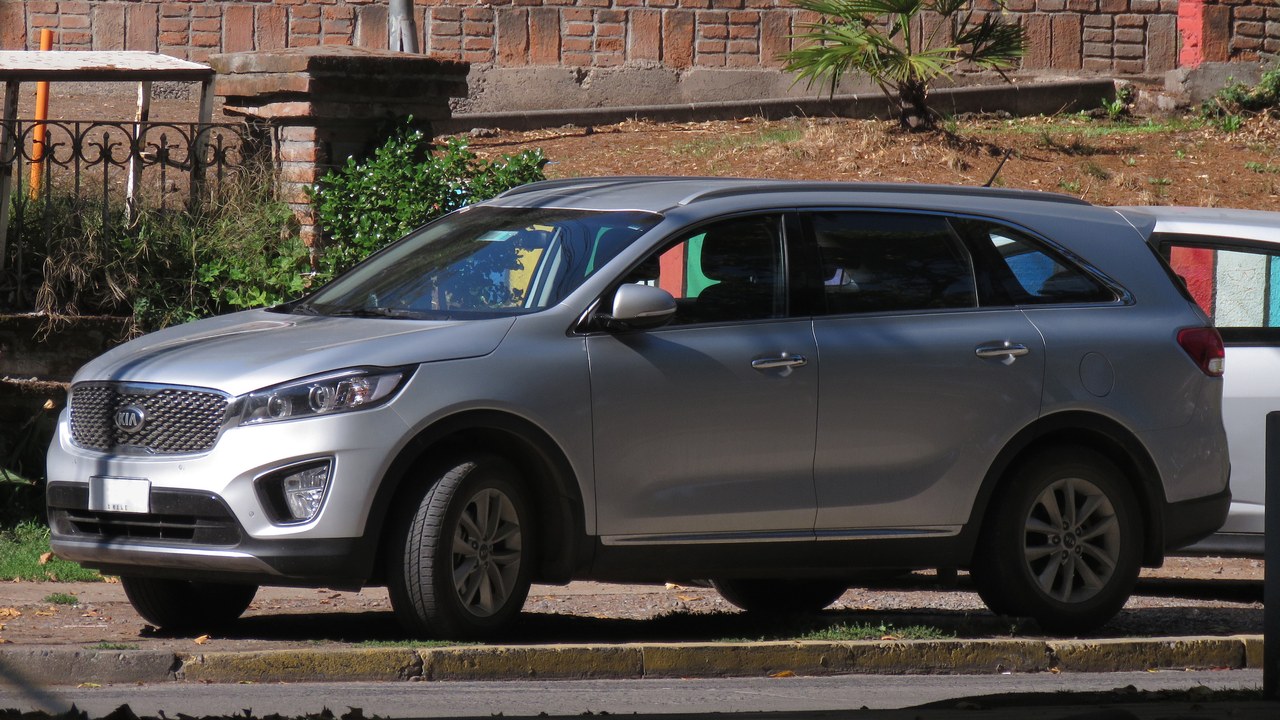
The Sorento landed on the same list, named in the Hyundai-Kia engine settlement over engines prone to seizure and fire. Eligible vehicles received an extended powertrain warranty of 15 years or 150,000 miles.
A fire risk is among the most serious engine problems because it can threaten the vehicle and nearby property. The settlement did not erase the issue, but it did give owners a financial cushion that few mainstream SUVs ever receive for engine trouble.
3. Kia Sportage: Failure Wording Says It All
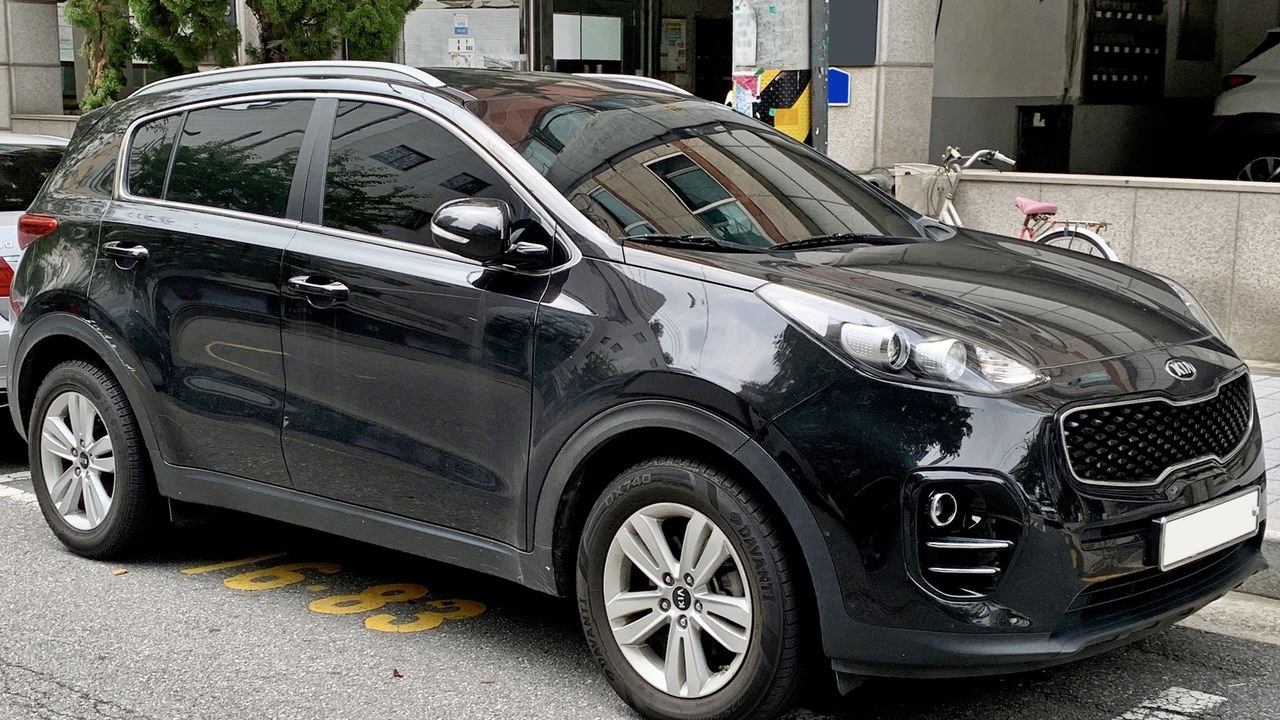
The Sportage was also covered by the 15-year, 150,000-mile settlement, which described engines as prone to seizure, stalling, failure and possibly catching fire. That language is unusually blunt for a legal document.
The same group of engines affected several models across both brands, so the Sportage is best understood as one part of a wider story. Shoppers should look at service records closely, because maintenance history matters a great deal for engines with a reputation like this.
4. Hyundai Tucson: Same List, Same Warranty
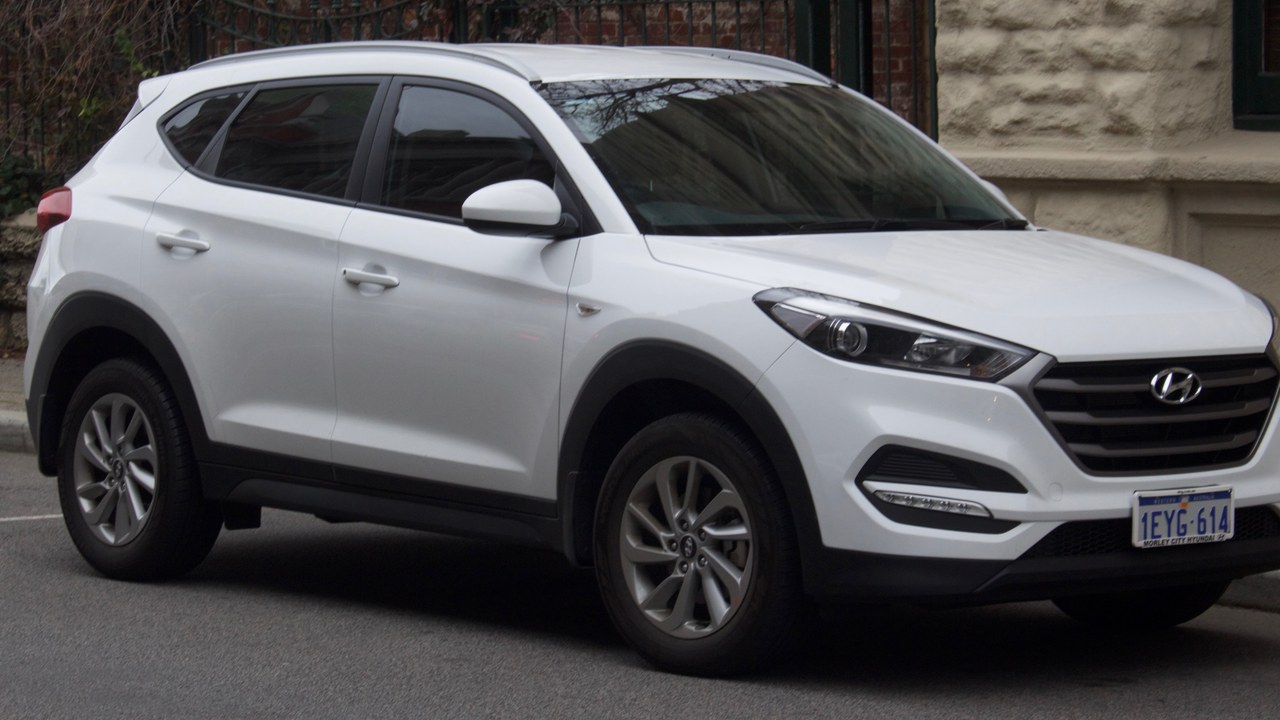
The Tucson sits on the same Hyundai-Kia settlement list as its relatives, with the 15-year powertrain extension covering 150,000 miles. It shares the compact crossover segment with the Sportage.
Being named alongside several other SUVs shows how widely the issue spread across the two brands. For buyers, the benefit is that the long coverage period makes an older Tucson less risky, provided that the engine in question is one of the affected types.
5. Ford Edge: Coolant Concerns
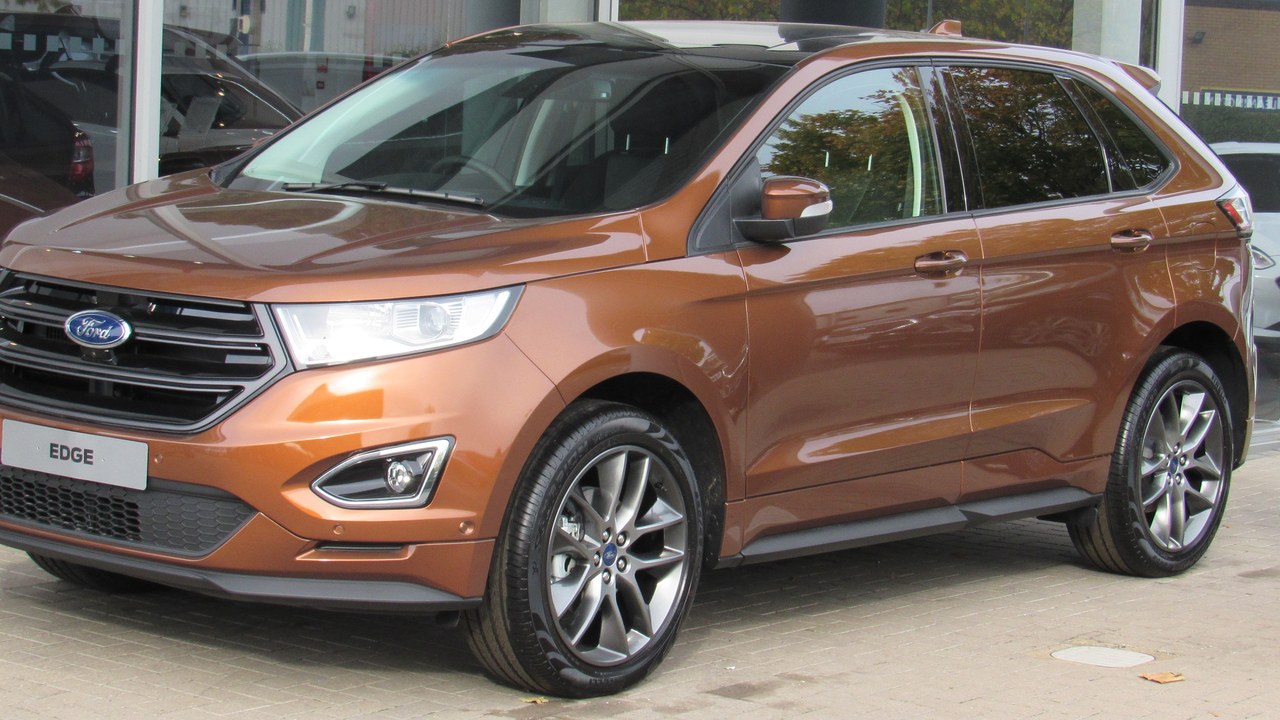
NHTSA is scrutinizing 499,603 Ford Edges from 2015 to 2018, and the probe focuses on coolant leaking into the engine of the 2.0-liter EcoBoost. The agency cited 1,563 incidents tied to the problem.
Coolant entering the cylinders can damage an engine severely, which makes the investigation a concern for owners of this previous-generation crossover. An open probe is not a recall, but it signals that regulators see enough evidence to look closely at the pattern.
6. Ford Escape: Oil Leak Recall
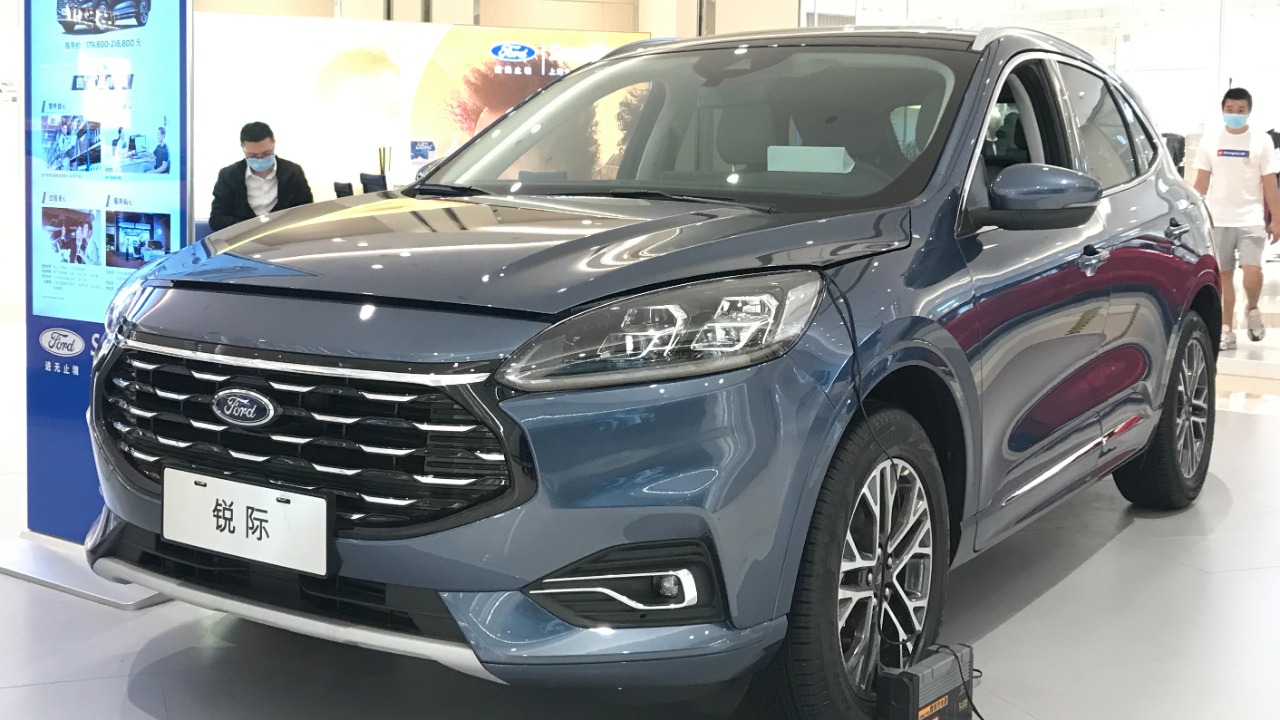
Ford recalled 345,451 vehicles, covering the Escape and Bronco Sport with the 1.5-liter EcoBoost, because of oil leaks that can start fires. Fifteen leaks and/or fires were reported at the time.
The report count is small next to the number of vehicles recalled, which suggests the fix was largely preventive. Even so, a fire hazard in a popular family crossover justified a broad recall, and owners should have the repair done promptly.
7. Honda CR-V (2017-2018, 1.5L turbo): Gasoline in the Oil
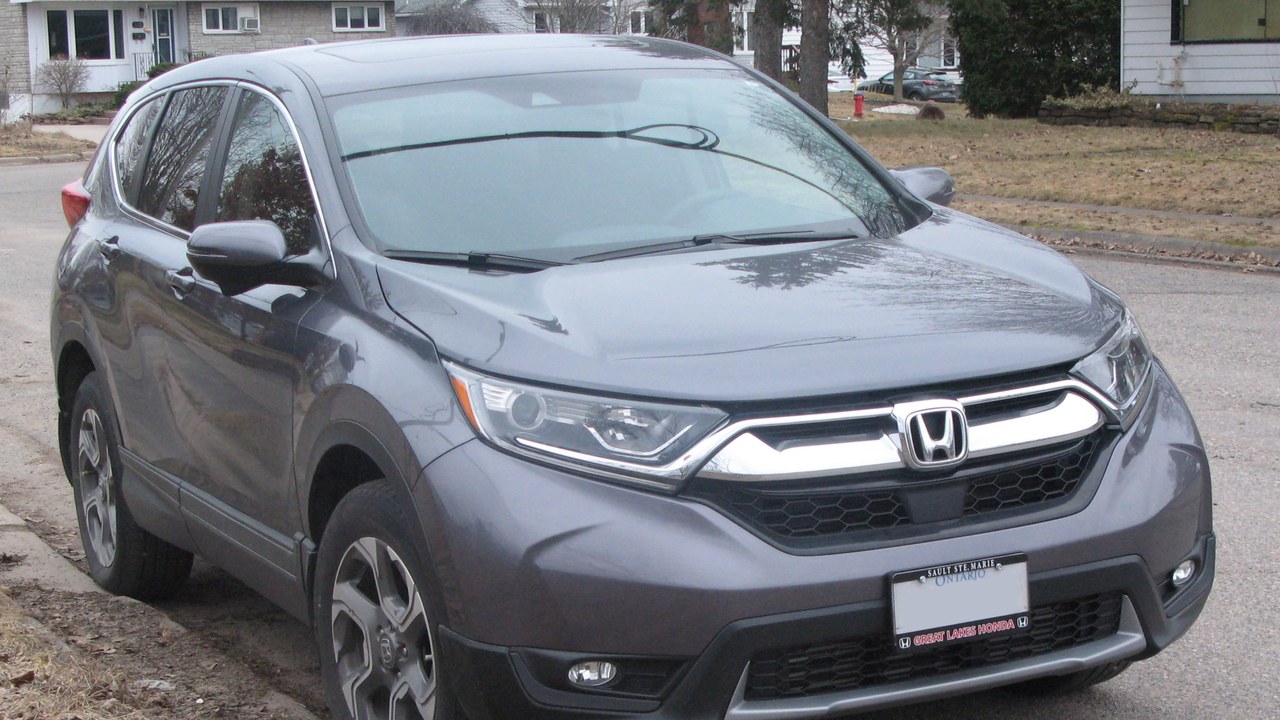
Honda extended the powertrain warranty on 2017 and 2018 CR-Vs to six years and unlimited miles after gasoline diluted the oil in the 1.5-liter turbo. About 1 million Civics and CR-Vs were covered.
Fuel in the oil can thin the lubricant and wear engine parts over time. The warranty extension replaced the standard five-year, 50,000-mile coverage, which gave owners a longer safety net for a fault tied to the engine’s oil.
8. Chevrolet Equinox: Oil Burner Warning
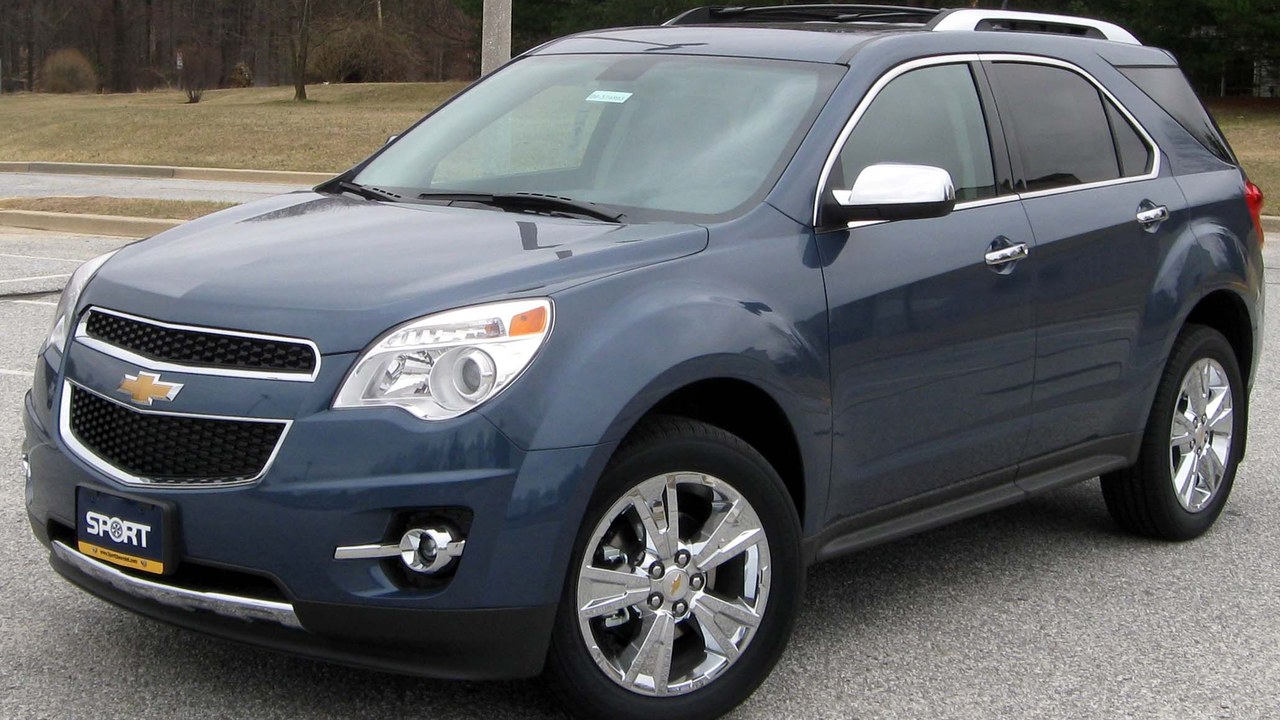
Consumer Reports lists the 2010-13 Equinox with the 2.4-liter among used models that burn oil. The advice is aimed at shoppers who are comparing older crossovers on the secondhand market.
Burning oil between changes can leave an engine starved if the level is not checked regularly. Buyers considering one of these should ask for maintenance records and monitor the dipstick closely, or look at alternatives that the magazine recommends instead.
9. Subaru Forester: Oil Habit Warning
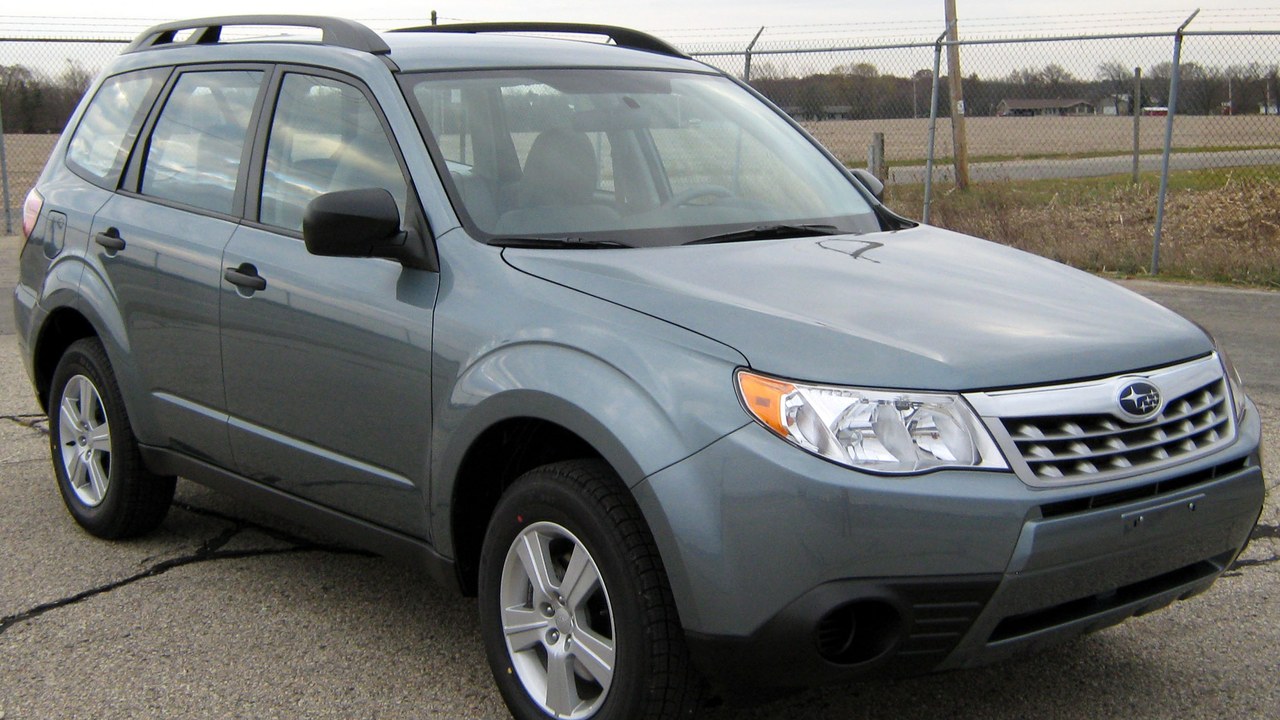
Consumer Reports flags 2010-15 Forester models with the 2.5-liter engine as engines that burn oil. The magazine points used-car buyers to the Honda CR-V as a better choice for anyone cross-shopping in the compact class.
A recommendation to buy a competitor instead is a fairly strong signal from a publication known for cautious wording. The Forester remains popular for its all-wheel drive and practicality, but shoppers should weigh that appeal against the oil consumption warning.
10. Chevrolet Tahoe: Class Action Payout
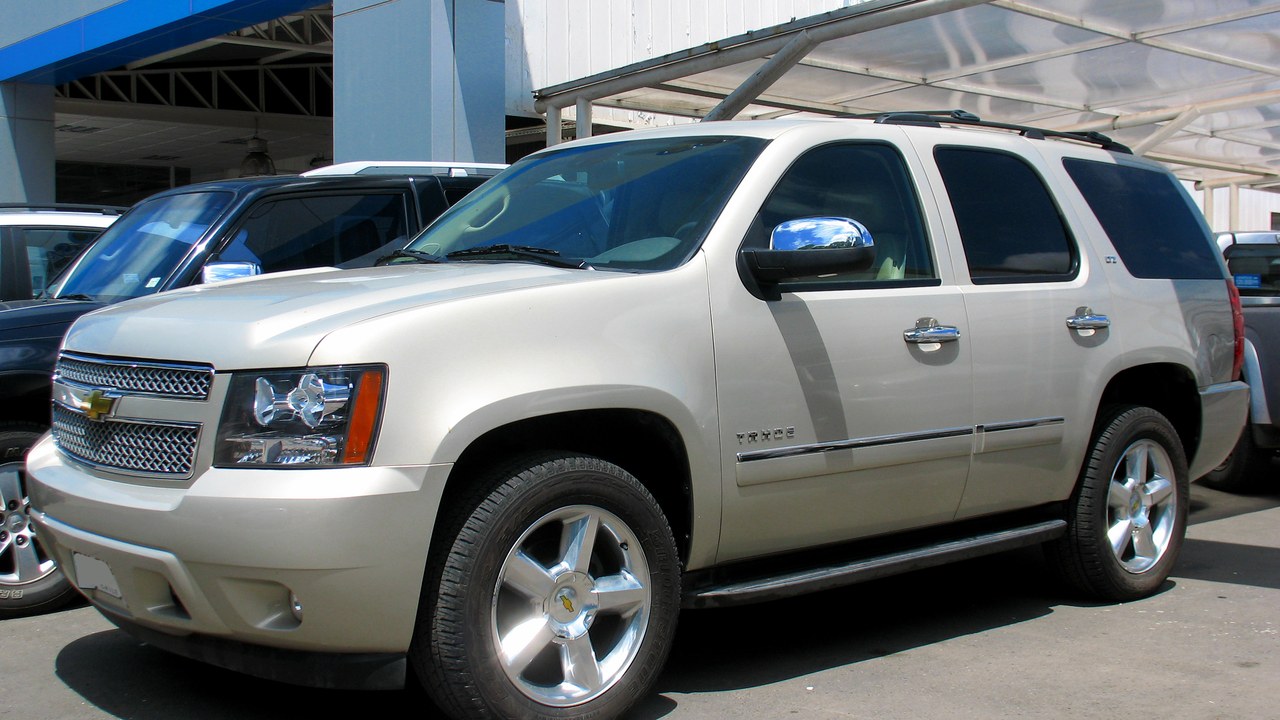
GM’s LC9 5.3-liter V8 oil-consumption settlement covered the 2011-14 Tahoe, and eligible owners in three states could receive up to $3,380. Class lawyers received $57 million.
The gap between owner payouts and legal fees drew attention to how such settlements can work. Tahoe shoppers should know that the engine type was at the center of an organized legal fight, which makes service history especially important on an older truck-based SUV.
11. Cadillac Escalade: Big Recall for a Big V8
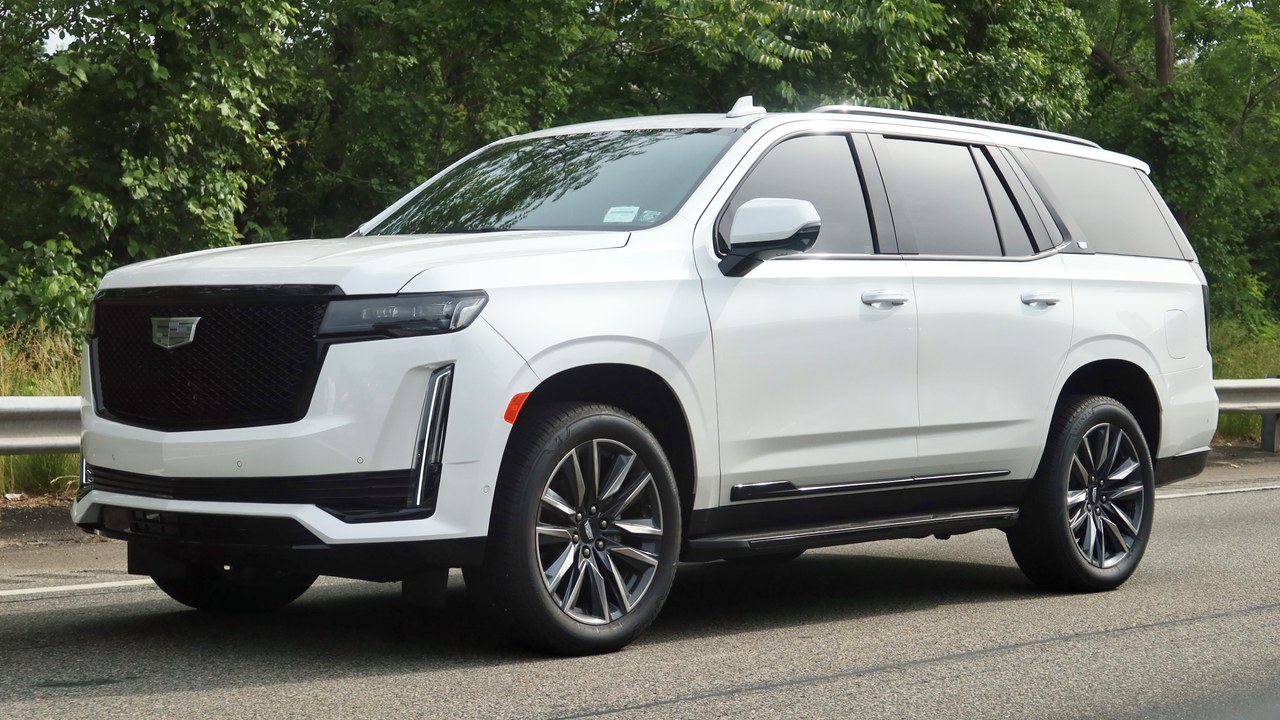
The Escalade and Escalade ESV are part of GM’s recall of 597,630 vehicles with the 6.2-liter L87 V8. GM’s own investigation found 28,102 complaints of failure involving the crankshaft, connecting rods or bearings.
Failures of internal engine parts like these can be costly and disruptive, which raises the stakes for a large luxury SUV that many families depend on every day. The sheer size of the recall makes this one of the most significant engine actions on the list.
12. Lexus LX: Debris in the Twin-Turbo
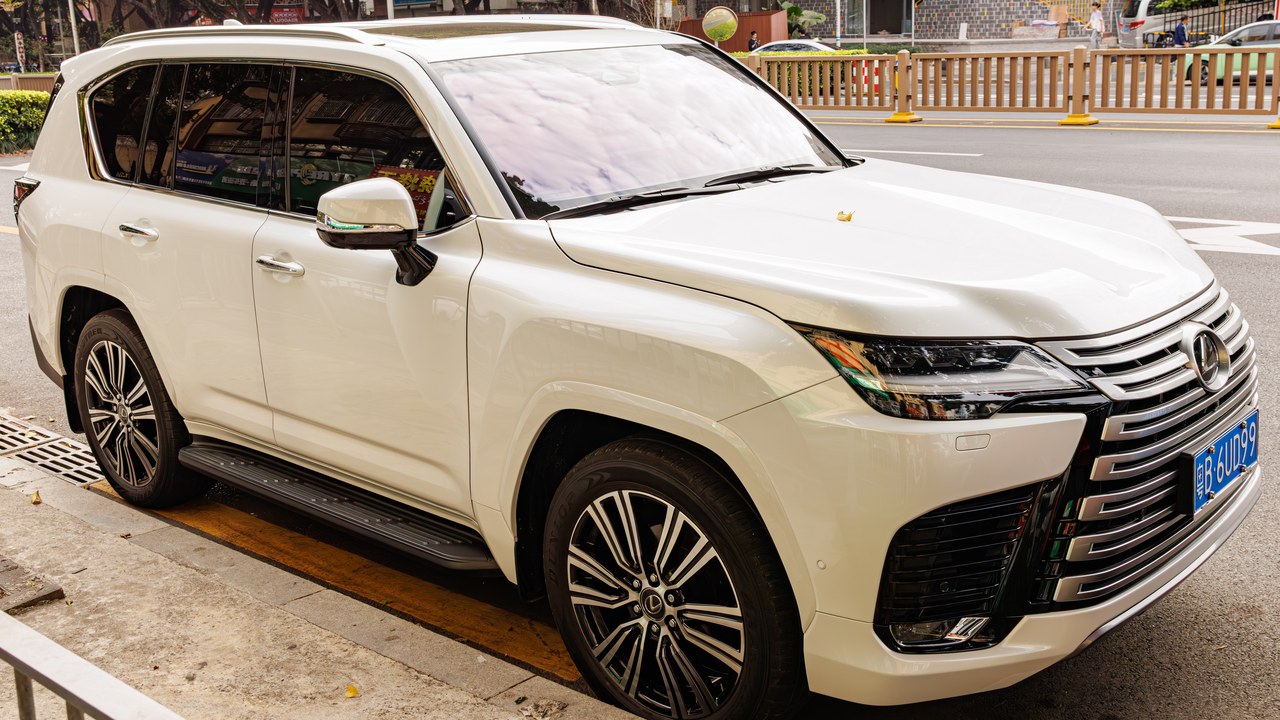
Toyota recalled 3,524 LX 600 models from 2022 and 2023, alongside 98,568 Tundras, because machining debris left in the engine can make the twin-turbo V6 run rough or suddenly stop. The cause was leftover manufacturing material.
The LX is a luxury flagship, so a fault of this kind stands out for a model at the top of the brand’s range. The recall count is modest next to others on the list, but a sudden loss of power on the road is never a minor concern.
Save more, waste less: Subscribe to The Cool Down →
We may earn a commission if you sign up.
More from Morning Overview
- Lake Powell sank to a record 3,517 feet, nearing the level that stops Glen Canyon Dam’s turbines
- Seven of Earth’s nine planetary boundaries are breached, and all seven are worsening
- The NSA says three phone features should be off whenever you aren’t using them
- Hurricane Hunter radar shows four warning signs that a tropical cyclone is about to strengthen, a University of Miami study found
