
Battery fires are rare, but when a high-voltage pack is flagged, regulators and automakers tend to act fast. These electric and plug-in hybrid SUVs all drew recall campaigns tied to that risk, and several owners were told to park outdoors. Here are ten models that landed on the list.
The day in tech, in one email: TLDR is the daily newsletter with links and TLDRs of the most interesting stories in startups, tech and programming.
We may earn a commission if you sign up.
1. Volkswagen ID.4: Charge Limit Until Repaired
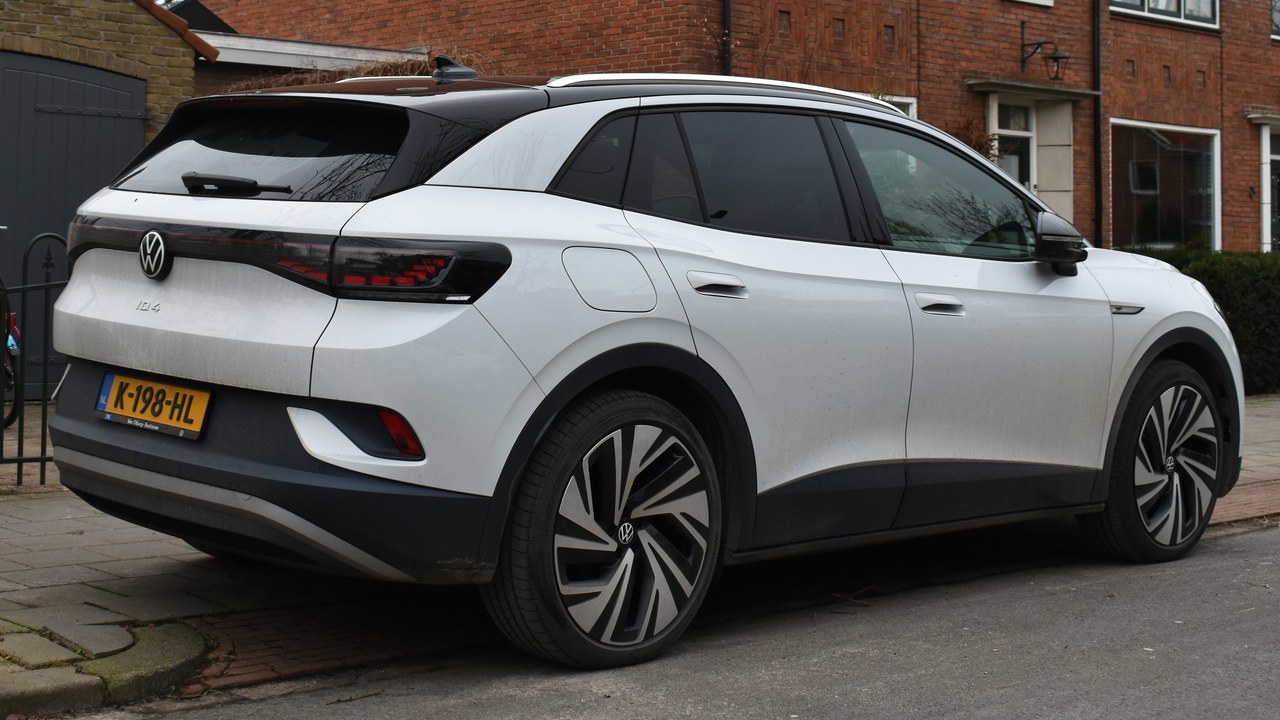
The largest campaign on the list covers 2023 through 2026 model years, where a Volkswagen recall filing says the high-voltage battery may fail and cause a fire. Owners were told to charge only to 80 percent until the repair arrives.
The cap is a stopgap that trims range, so affected owners should confirm their vehicle against the recall database and book the fix as soon as parts are available at a dealer. The practical advice is to follow the written notice, avoid leaving the car fully charged for long periods, and watch for dealer scheduling messages.
2. Lincoln Corsair: Plug-In Pair With Cell Defect
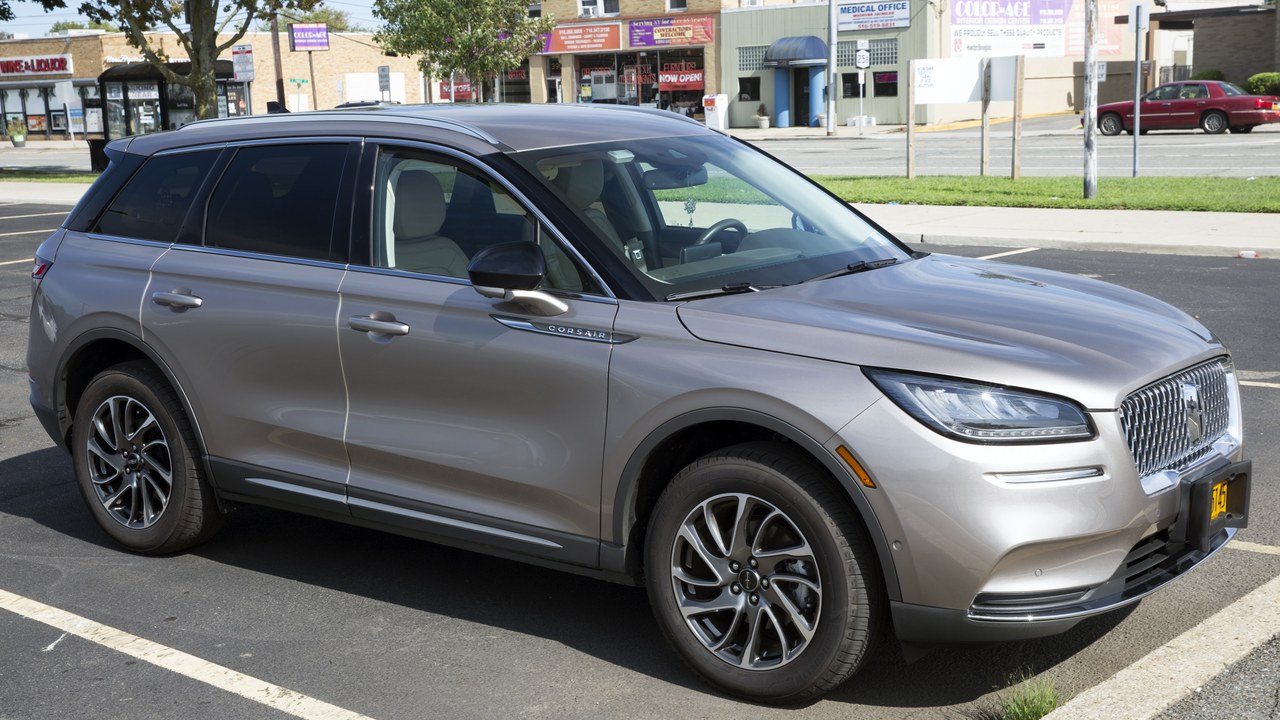
The Corsair plug-in hybrid shares its recall with the Escape, and a Lincoln battery-cell notice describes a cell defect that can raise fire risk across 2021 through 2024 Corsairs and 2020 through 2024 Escapes.
The remedy was still under development when the filing appeared, which leaves owners waiting on a permanent answer. Checking the vehicle identification number against federal records is the quickest way to learn whether a given car is included. Plug-in hybrids pack a smaller battery than a full electric model, yet a fire in either type can spread quickly, which is why the notice is treated as a serious safety matter.
3. Hyundai Kona Electric: Park Outside Order
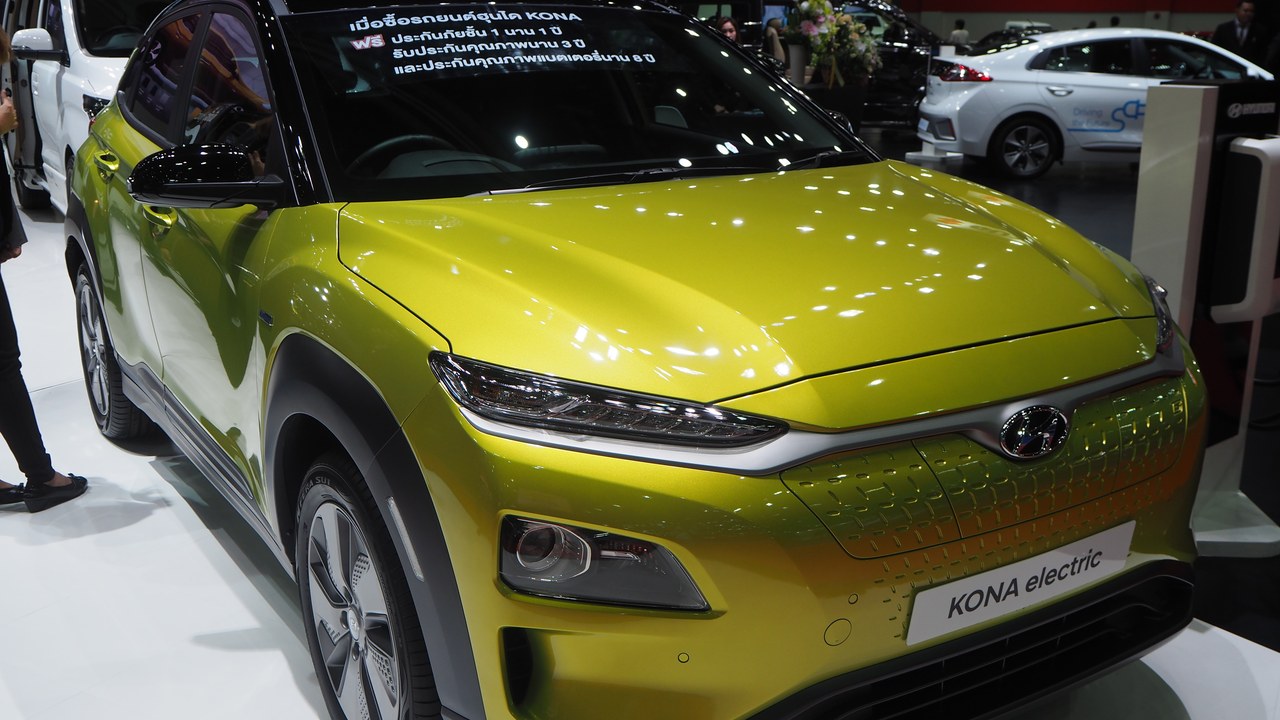
Hyundai had to supply fresh battery packs for the Kona Electric, and InsideEVs reporting on the warning says owners were told to park outside and away from structures while the work was pending.
A pack swap is among the costliest fixes a manufacturer can offer, which shows how seriously the company treated the fire risk. Replacement packs also gave owners a clean slate on a part that normally lasts for years. Parking away from homes and garages limits the damage if a fire does start overnight, a precaution that costs owners nothing but some convenience while they wait for service.
4. Jaguar I-Pace: Three Fires Prompted Action
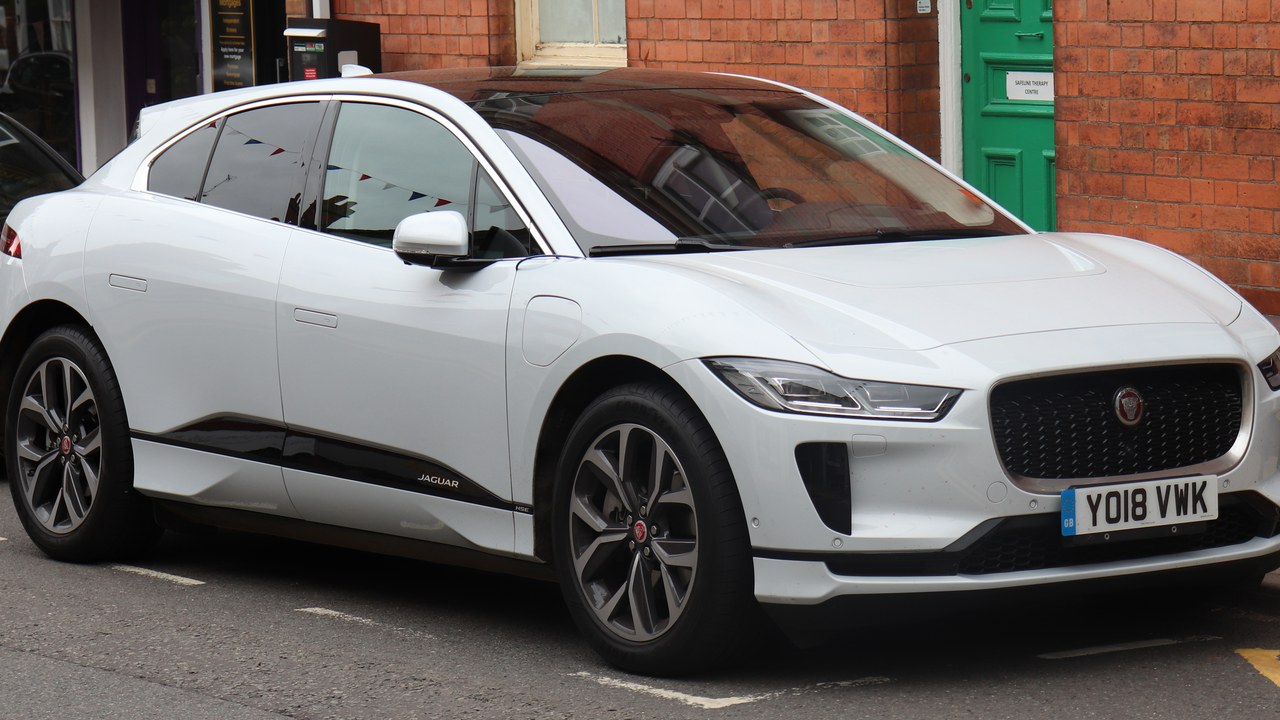
Fires reported in the field pushed Jaguar to act on older electric SUV models, and an ABC News wire story says three American fires preceded the recall of 2019 examples, with owners told to park and charge outside.
Charging was capped at 80 percent as an interim safeguard. The case is a reminder that early production years of a new battery design often carry the highest risk of surprises that only show up in real-world use. Fire risk in older electric vehicles has encouraged regulators to look harder at battery design, and the company has framed the recall as part of a broader effort to rebuild owner confidence.
5. Audi e-tron: Moisture Behind The Recall
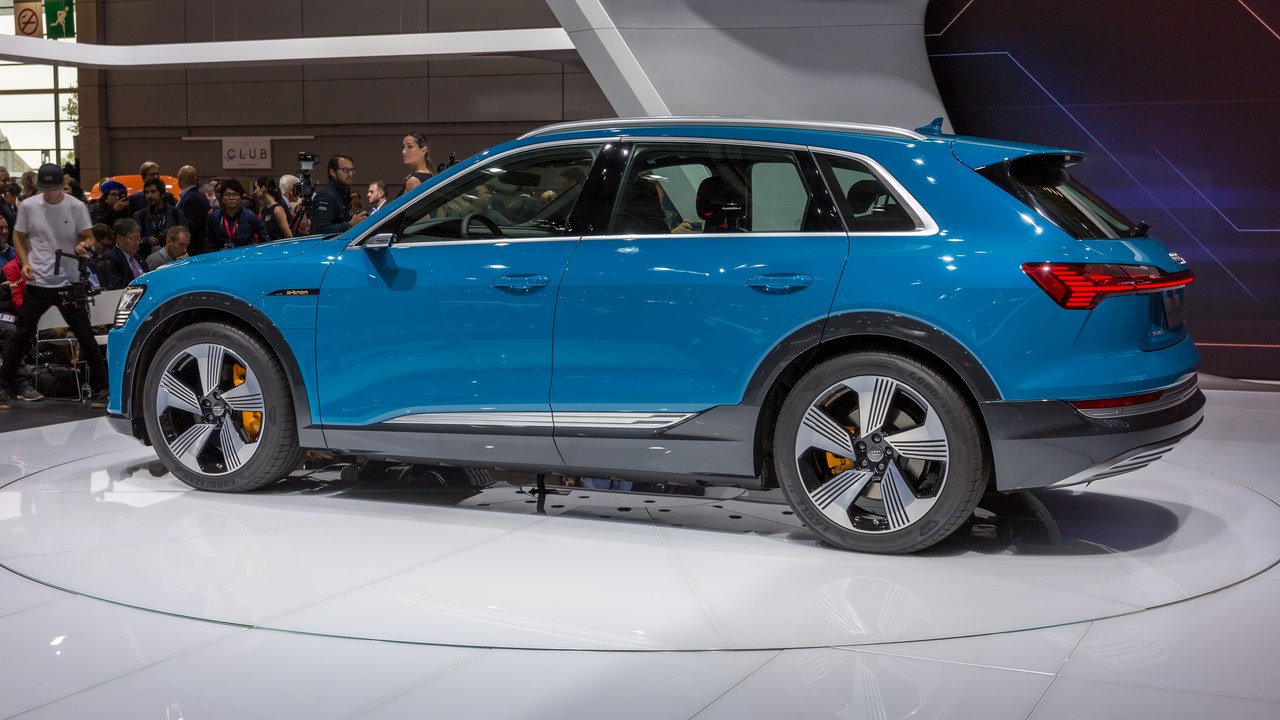
Audi’s first electric SUV brought the issue to American buyers in 2019, when a TechCrunch recall report explained that moisture could seep into the battery cells through a wiring harness and create a fire hazard.
The recall is the oldest on this list, which shows the problem is not limited to the newest cars. It also showed that water ingress, not just cell chemistry, can threaten a large traction battery. Sport utility models built on early electric platforms taught the industry a great deal about sealing, drainage and wiring, lessons that later designs are meant to apply from the start.
6. Ford Mustang Mach-E: Repeated Fast Charging Risk
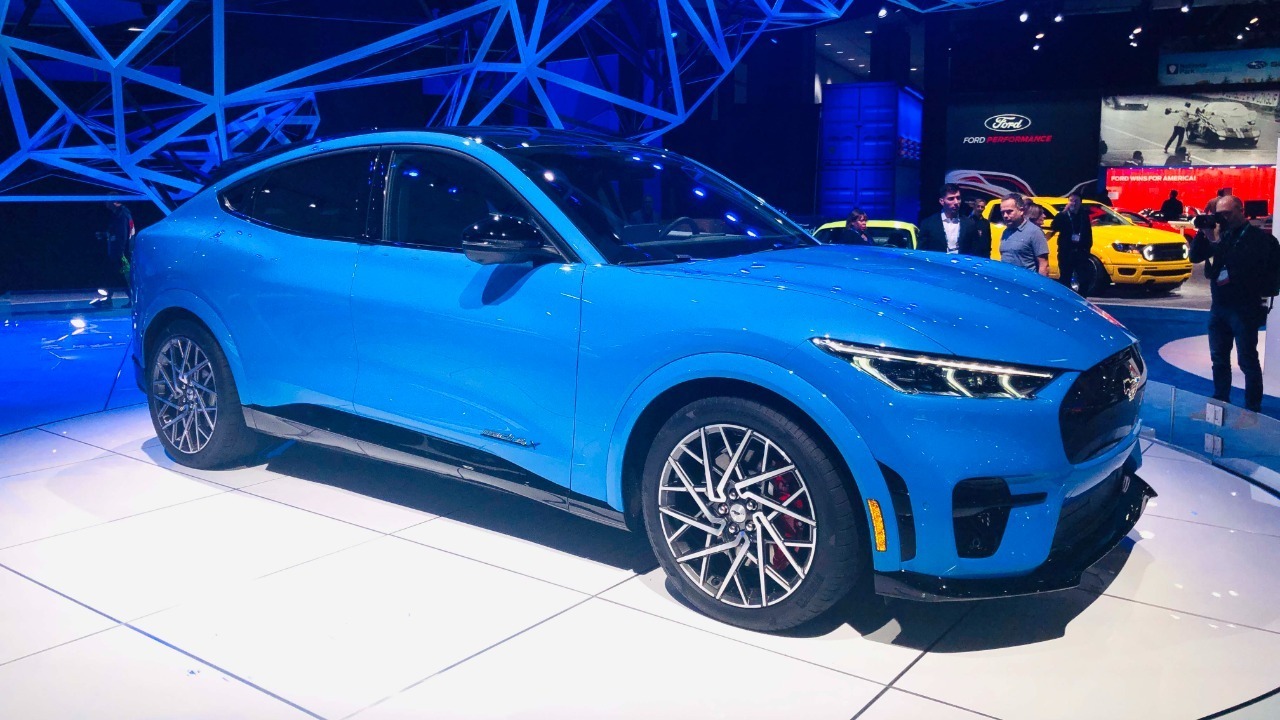
This is a narrow campaign, covering a small group of 2023 through 2025 cars that had received replacement battery modules, and the federal recall record says software can raise fire risk after repeated DC fast charging.
The software link makes the case unusual, since the hardware itself was already a replacement part. Drivers of those cars are expected to receive an update rather than a second round of parts. Software updates are often the cheapest way to manage a battery risk, and this campaign shows how charging behavior itself can become a safety variable that engineers monitor closely.
7. Hyundai Ioniq 5: Two Recalls In Seven Months
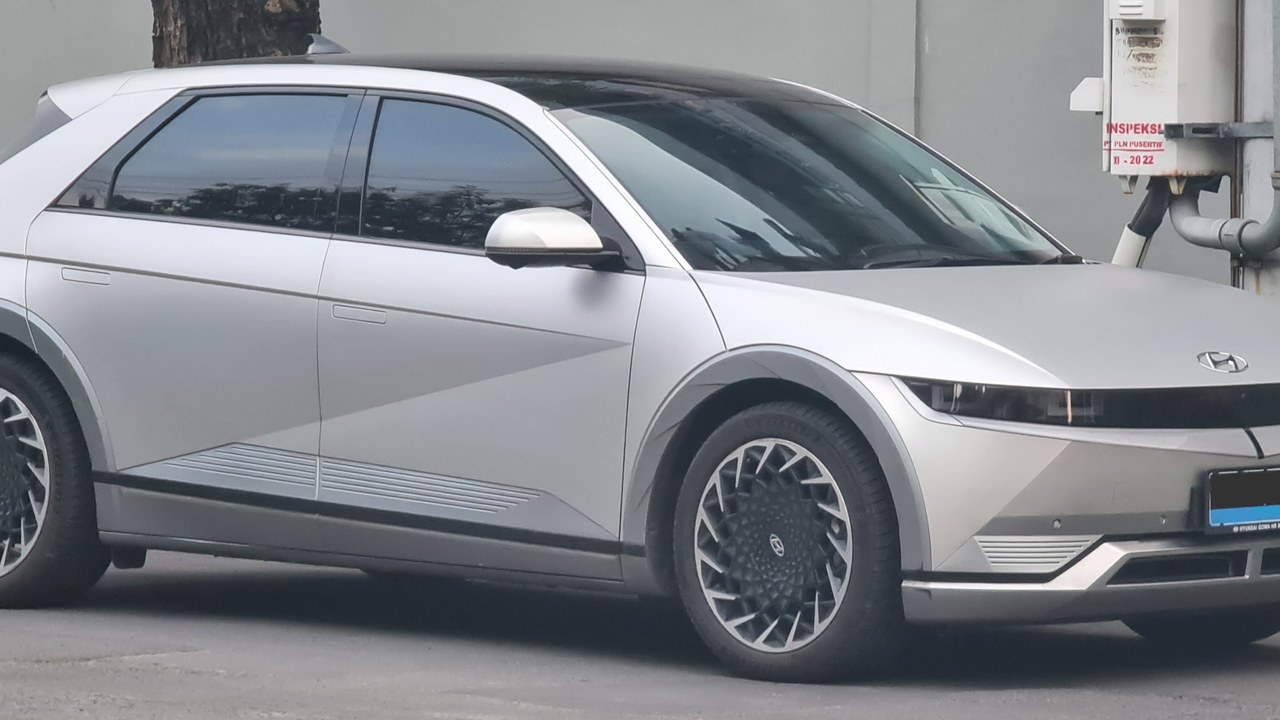
Hyundai recalled the Ioniq 5 in July 2025 and again in February 2026, and a loose bus bar filing explains that the part can short-circuit and increase fire risk, with owners told to park outside.
A second campaign in such a short window suggests the first repair did not close every path to the fault. Owners with a repaired car should still check whether the later notice applies to them. Drivers can look up any open campaign for free using the vehicle identification number, a habit worth repeating each time a manufacturer announces a new notice for a model.
8. Kia EV9: Misaligned Electrodes
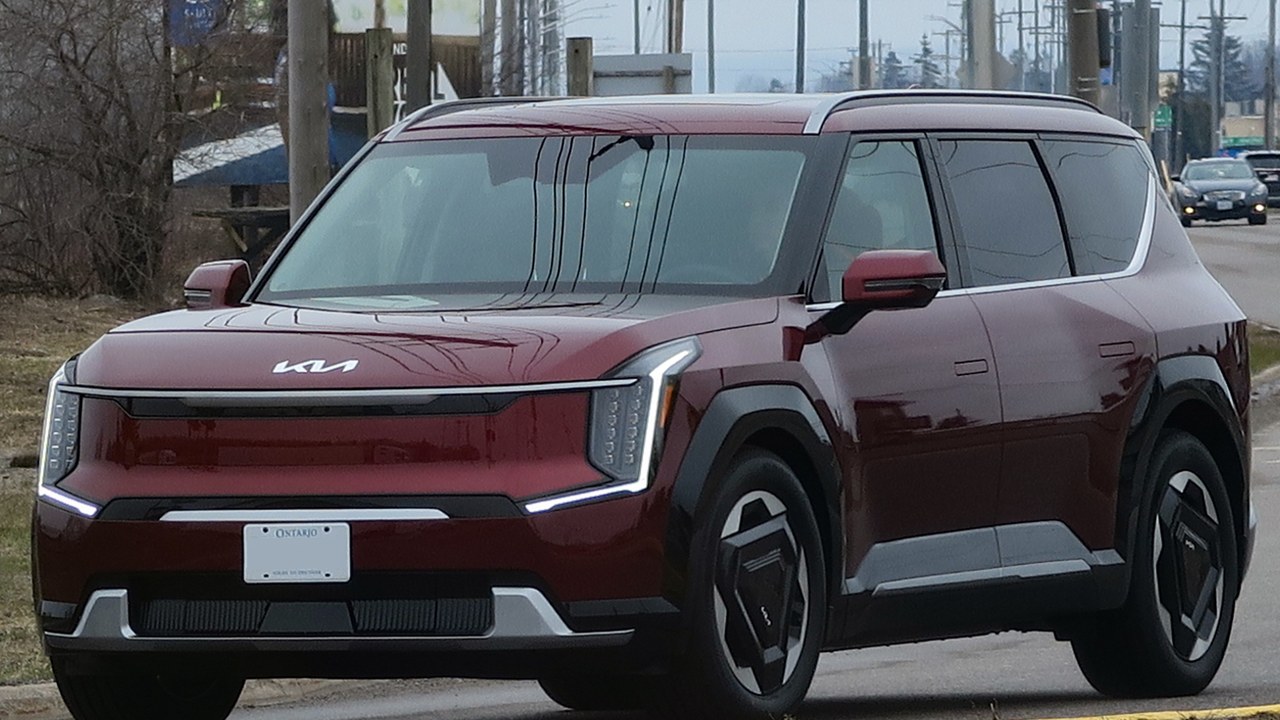
Some 2024 EV9 three-row SUVs left the factory with a flaw, and a Kia electrode recall says misaligned battery-cell electrodes can lead to a fire while parked or driving.
Owners were told to park outside and cap charging at 80 percent until the repair. A fire that can start while the vehicle is running is the reason regulators treat such a defect as an urgent safety matter. The recall covers a three-row family vehicle, so a parked fire could affect a garage with children asleep nearby, which is why the park-outside instruction carries real weight.
9. Kia EV6: Same Cell Problem Next Door
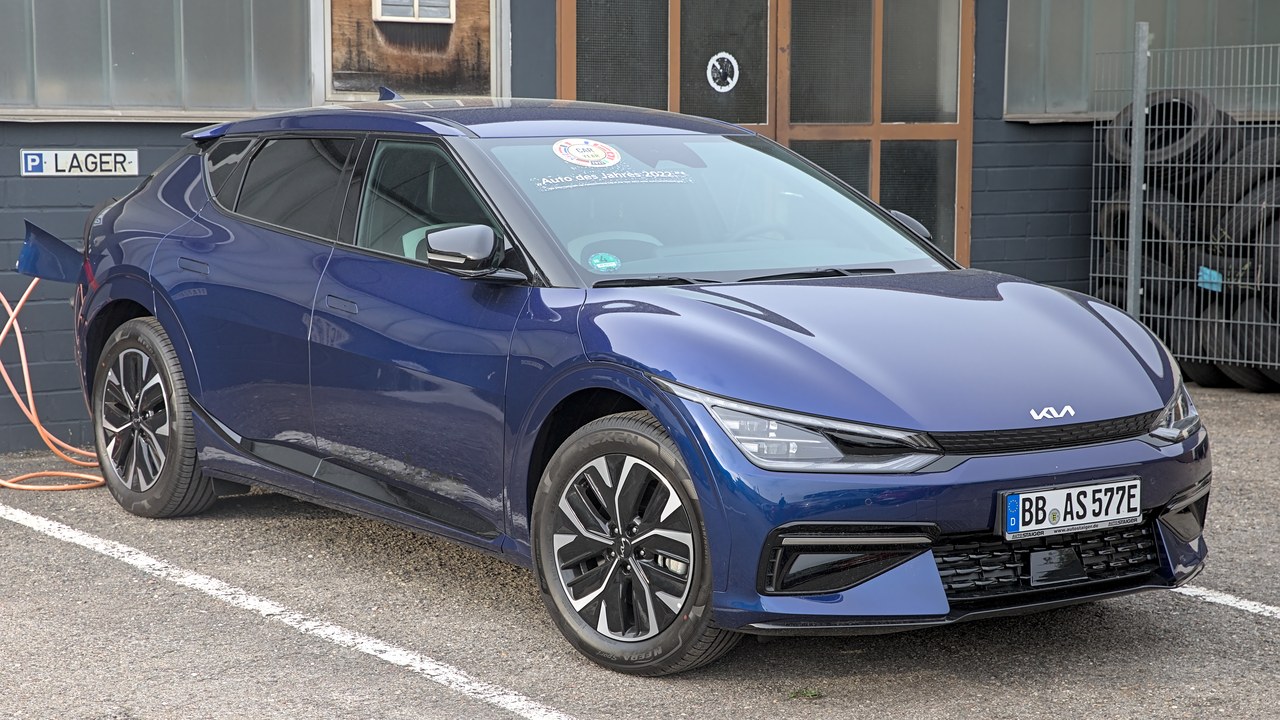
Kia’s smaller sibling also appears here, as another NHTSA vehicle search shows a 2026 campaign for battery-cell electrodes that can lead to a fire while parked or driving, on top of its earlier charging-unit recalls.
The overlap with the EV9 points to a shared supplier or process issue. Buyers shopping used examples should look up the vehicle history for open campaigns before signing anything. Owners often assume a repaired car is finished with recalls, yet new campaigns can arrive years later, so periodic checks of the federal database remain a sensible habit for anyone who keeps a car long.
10. Mercedes-Benz EQB: No Fix Available Yet
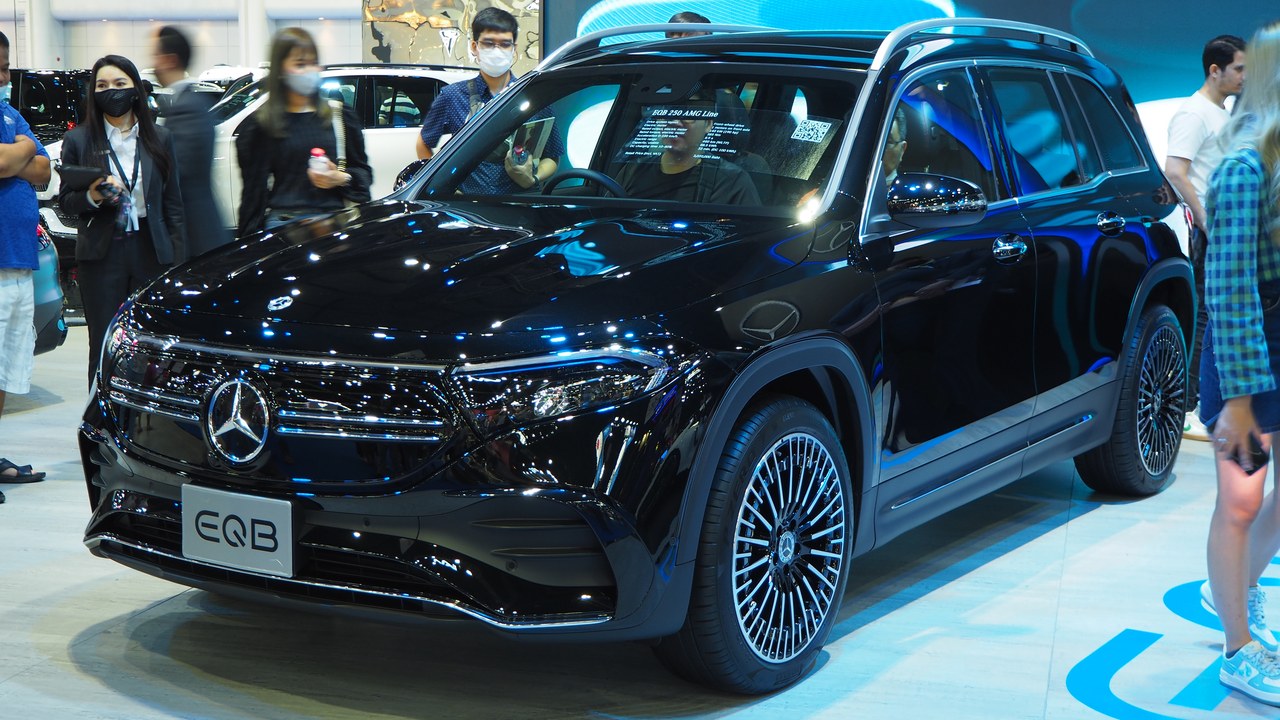
A 2026 campaign for the compact electric Mercedes found an internal battery failure in the high-voltage pack that creates a fire risk, and no remedy had been announced when the record was filed.
Luxury badges offer no immunity from battery recalls. Until a repair is developed, owners are left to follow the written instructions in the recall notice and to keep in touch with a dealer for updates. Waiting for a fix is the hardest part for owners, and the best course is to document the recall notice and ask the dealer for a written estimate of when parts will arrive.
The day in tech, in one email: Get TLDR →
We may earn a commission if you sign up.
More from Morning Overview
- Hurricane Hunter radar shows four warning signs that a tropical cyclone is about to strengthen, a University of Miami study found
- Tropical Storm Rachel is dumping up to 12 inches on four Mexican states on its way to major hurricane strength
- The FTC says Lens.com doubled the price shoppers saw in Google ads
- Common allergy, bladder and sleep pills tied to sharply higher dementia odds
