
Crash-test ratings offer families a rare apples-to-apples yardstick when shopping for a sport-utility vehicle. Independent evaluators like the Insurance Institute for Highway Safety subject each model to punishing front, side, and roof-strength tests before handing out their coveted awards. The following nine SUVs have all earned some of the safest marks available.
1. Subaru Ascent: Top Safety Pick Pedigree
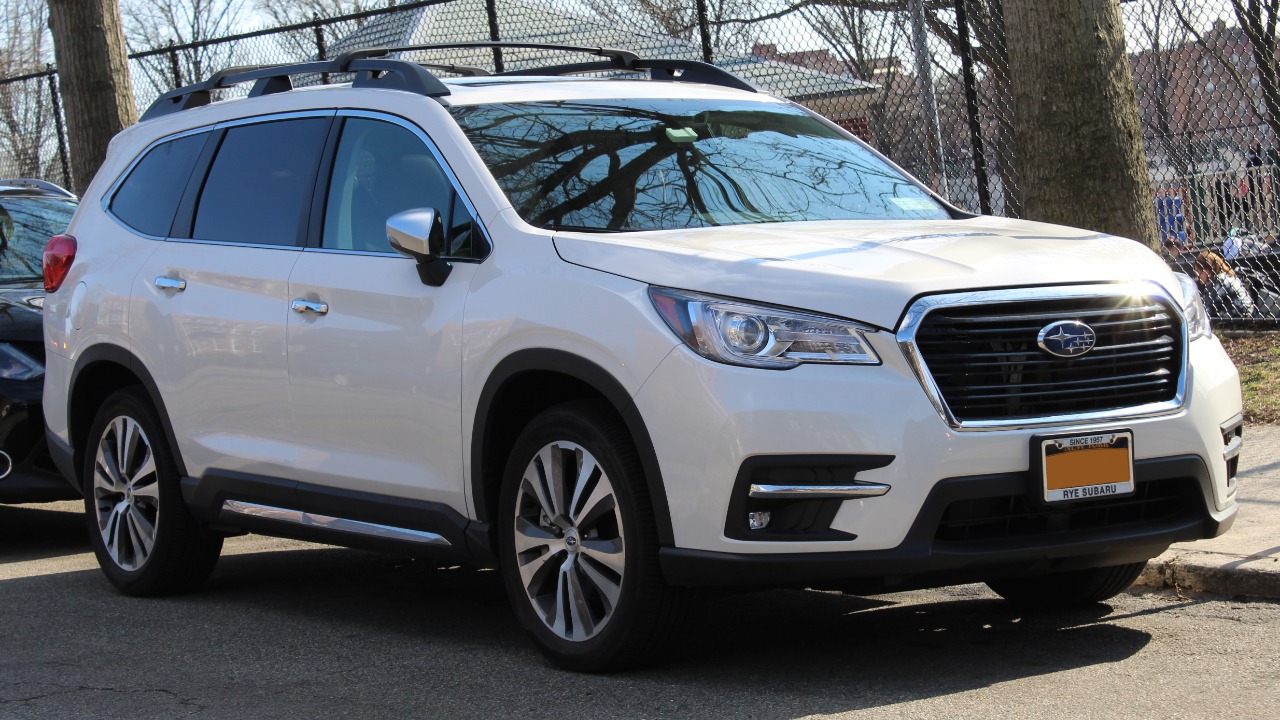
Subaru’s largest three-row SUV, the Ascent, has repeatedly landed on the Insurance Institute for Highway Safety’s Top Safety Pick roster, reflecting strong results in the demanding small-overlap front and side crash evaluations that trip up many larger utilities. Standard all-wheel drive and the EyeSight driver-assist suite, which bundles automatic emergency braking and lane-keeping, reinforce that reputation.
Families weighing roomy haulers often prize such consistency, though ratings vary by model year and trim, and headlight quality in particular has separated award winners from lesser scores, so cross-checking an exact build against current institute results remains prudent before any purchase decision.
2. Mazda CX-9: Three-Row Crash Protection
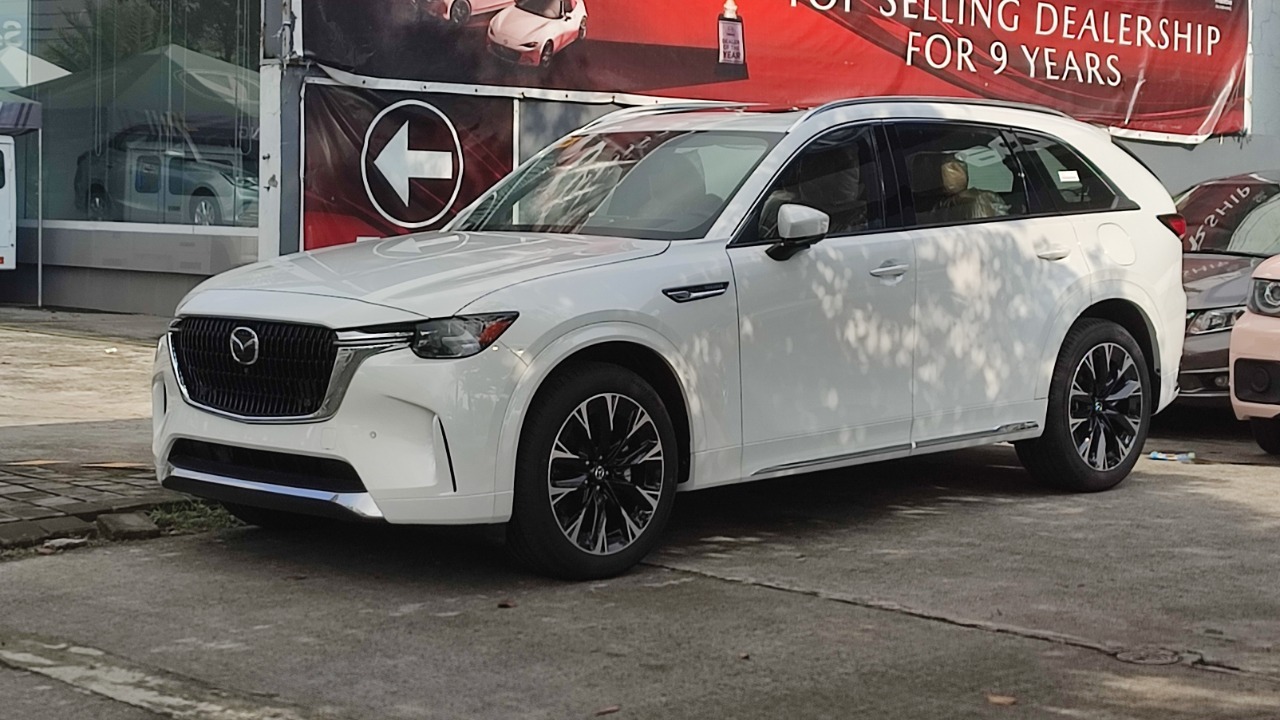
Built as a premium-feeling three-row SUV, the Mazda CX-9 drew recognition among the institute’s crash-test award winners in well-equipped form, thanks to solid structural performance and available front-crash prevention that helped it stand out in a crowded field. Its upscale cabin, quieter ride, and car-like handling long distinguished it from bulkier, truck-based rivals.
Production of the CX-9 wound down as Mazda pivoted toward the larger CX-90, so shoppers now find it mainly on the used market, where safety-feature availability differs sharply across model years and trim levels, making a careful check of any individual vehicle worthwhile.
3. Honda Pilot: Family Hauler Credentials
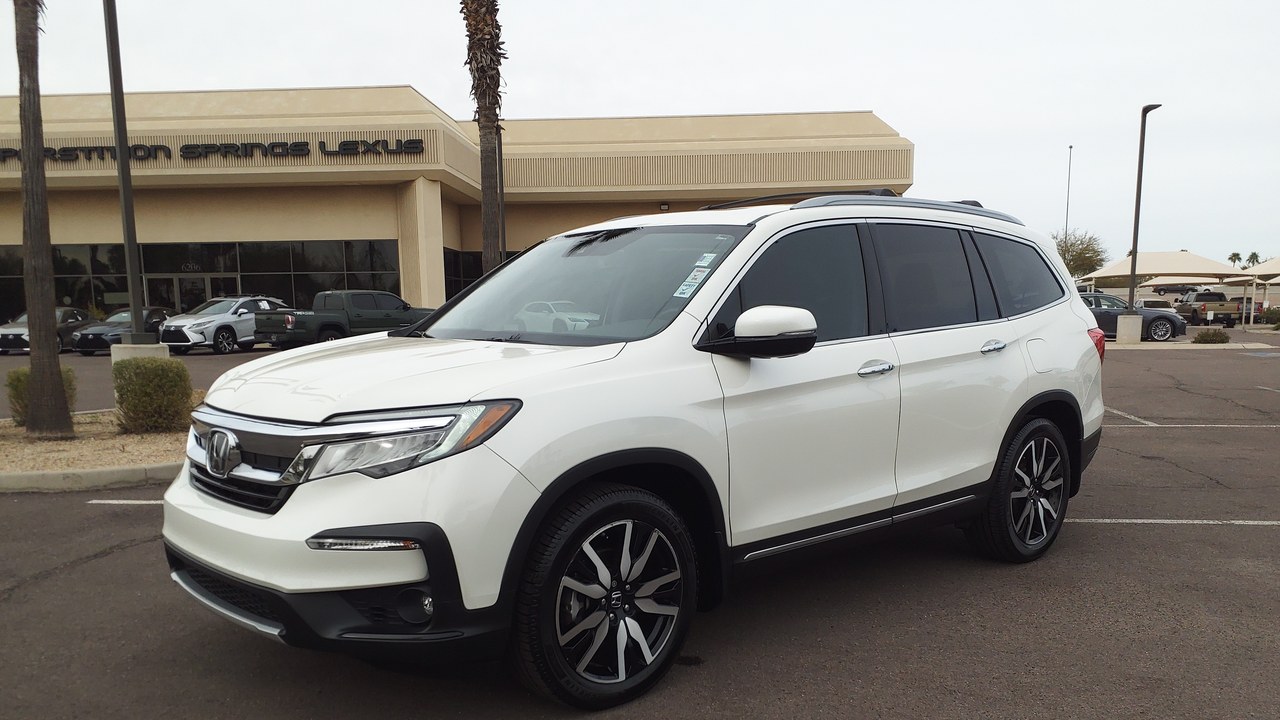
A perennial mainstream choice, the Honda Pilot pairs a roomy three-row layout with the Honda Sensing safety technology, and recent generations have posted strong marks across the institute’s published safety ratings, from front-crash prevention to occupant protection. Good headlight performance on higher trims historically shaped its overall standing among family-oriented buyers.
Scores hinge on the specific year and equipment, as with most nameplates, and older Pilots may lag current crash-test standards, a distinction worth noting for anyone comparing a used example against a newer competitor with more advanced structural design and driver aids.
4. Toyota Highlander: Midsize Mainstay
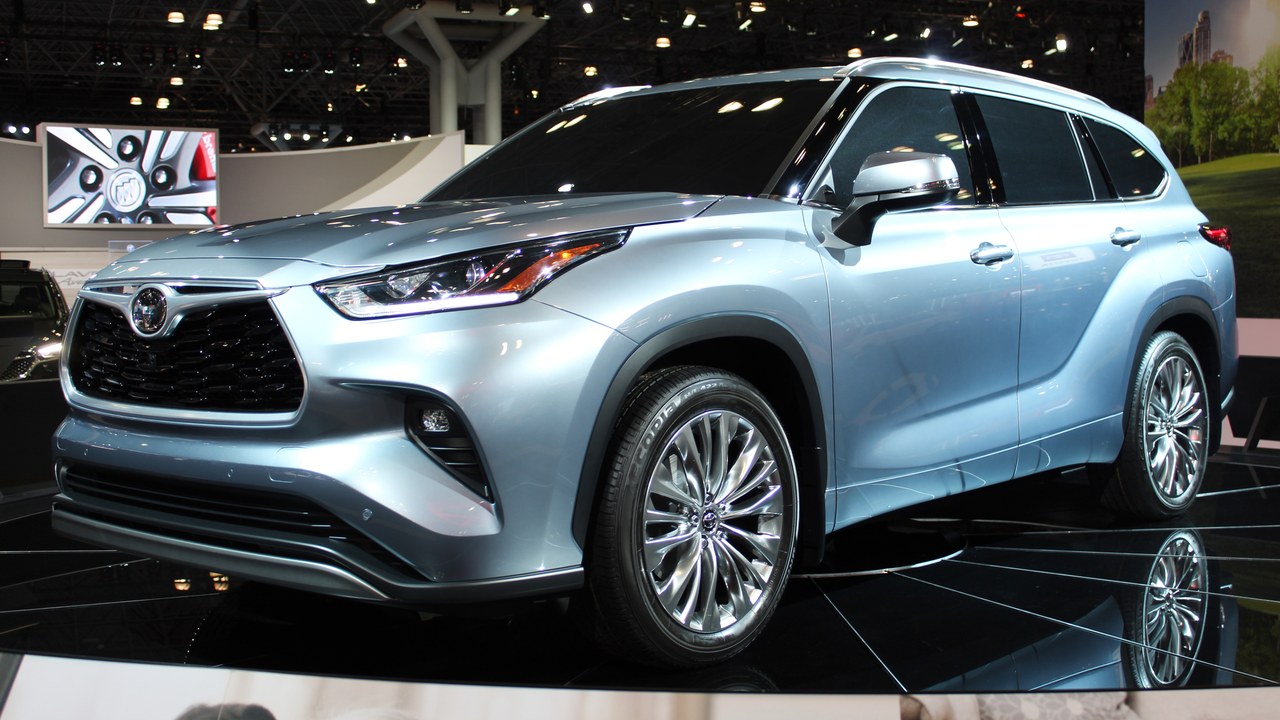
Long counted among the safer midsize three-row SUVs, the Toyota Highlander carries standard Toyota Safety Sense driver aids, and its model overview details a favorable crash-test history stretching across multiple generations of the nameplate. Hybrid variants add efficiency without diluting that safety framing, a combination that has kept the Highlander near the top of many family shortlists.
Reviewers caution that the third row runs tight for adults, and exact ratings depend on model year and trim, so verifying a particular build against official evaluations is advisable before buying, especially when weighing older examples on the used market.
5. Hyundai Palisade: Space Meets Safety
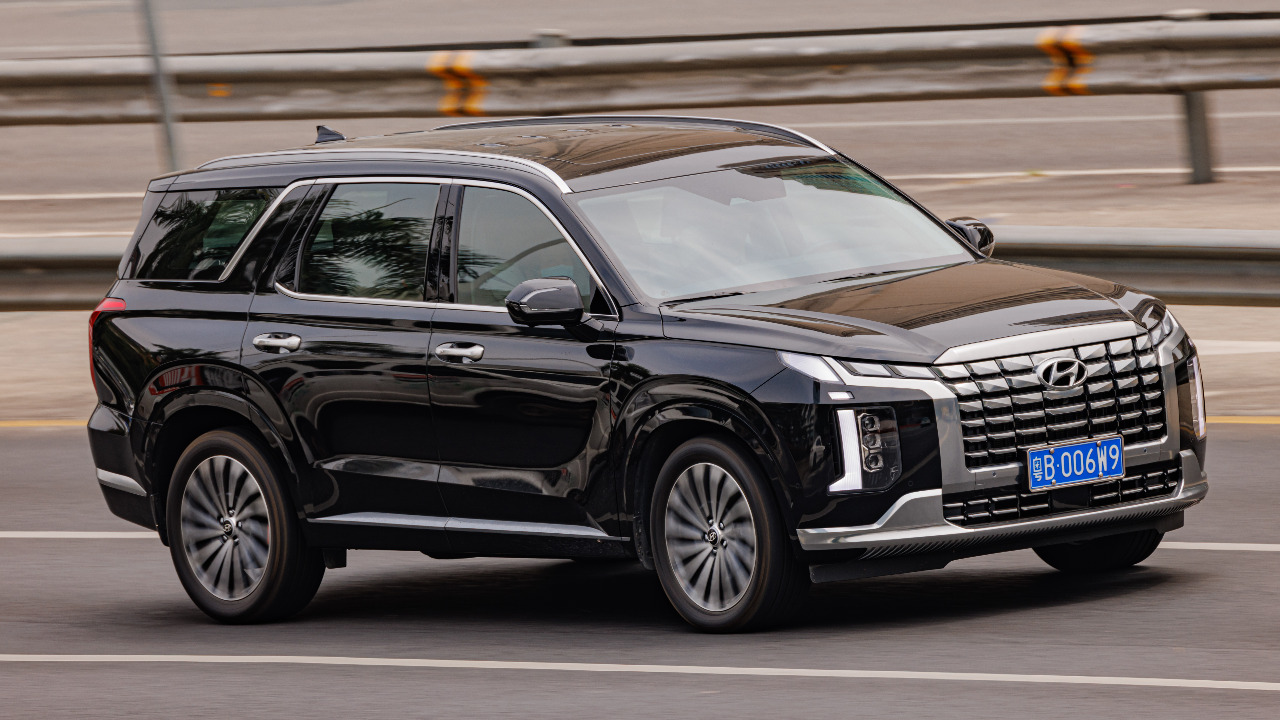
Combining a generously sized three-row cabin with a strong safety resume, Hyundai’s Palisade earns favorable evaluations, and its encyclopedia entry catalogs available forward-collision avoidance and a body structure engineered for crash energy management. Upscale trims, with quilted leather and abundant technology, blur the line between mainstream and luxury pricing.
The Palisade shares much of its engineering with Kia’s Telluride, so cross-shopping the two is common; even so, buyers should confirm that a chosen year and trim carry the specific active-safety features advertised, since content has shifted across the model’s production run.
6. Kia Telluride: Three-Row Favorite
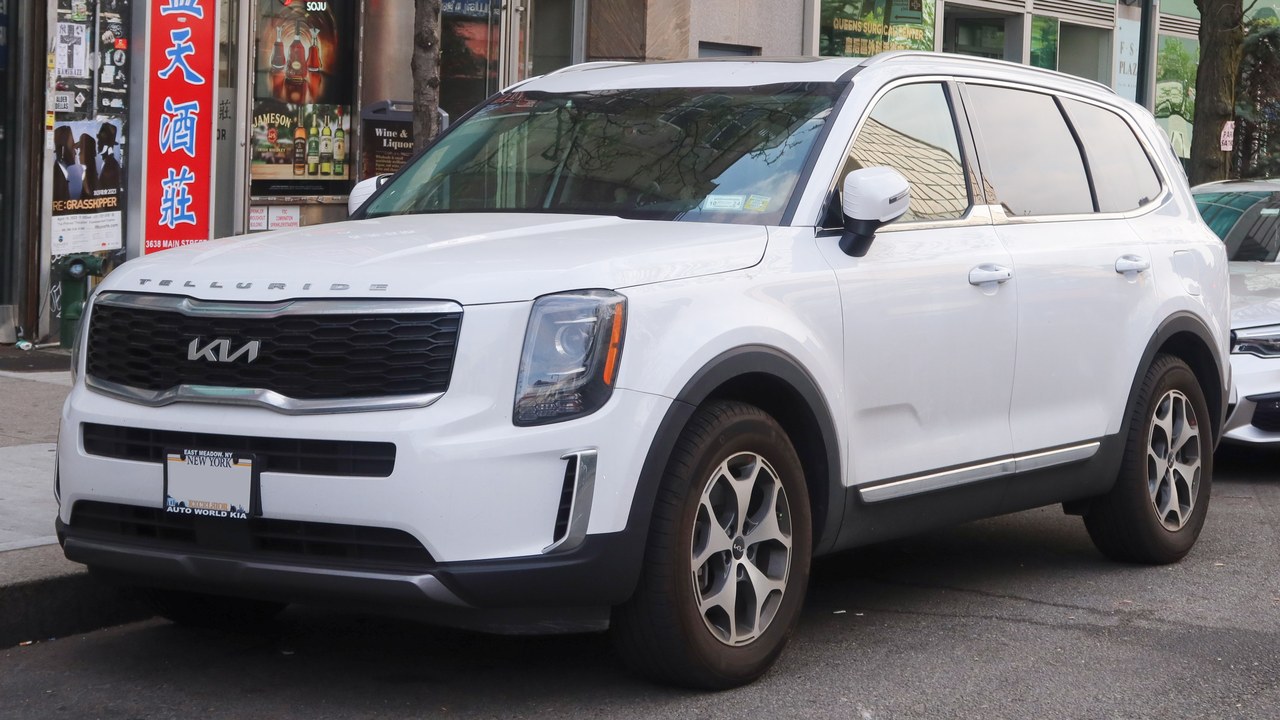
Quickly a segment darling, the Kia Telluride earned top honors early in its run, and its vehicle profile highlights available driver-assistance systems alongside the crash performance that stood behind those awards. Rugged, boxy styling paired with car-like on-road manners widened its appeal well beyond traditional SUV shoppers.
Steady demand has kept resale values unusually high, and, because equipment varies by trim, prospective owners are wise to verify that a given Telluride includes the safety hardware credited in reviews, particularly on earlier or base-model examples found secondhand.
7. Volvo XC90: Safety-First Heritage
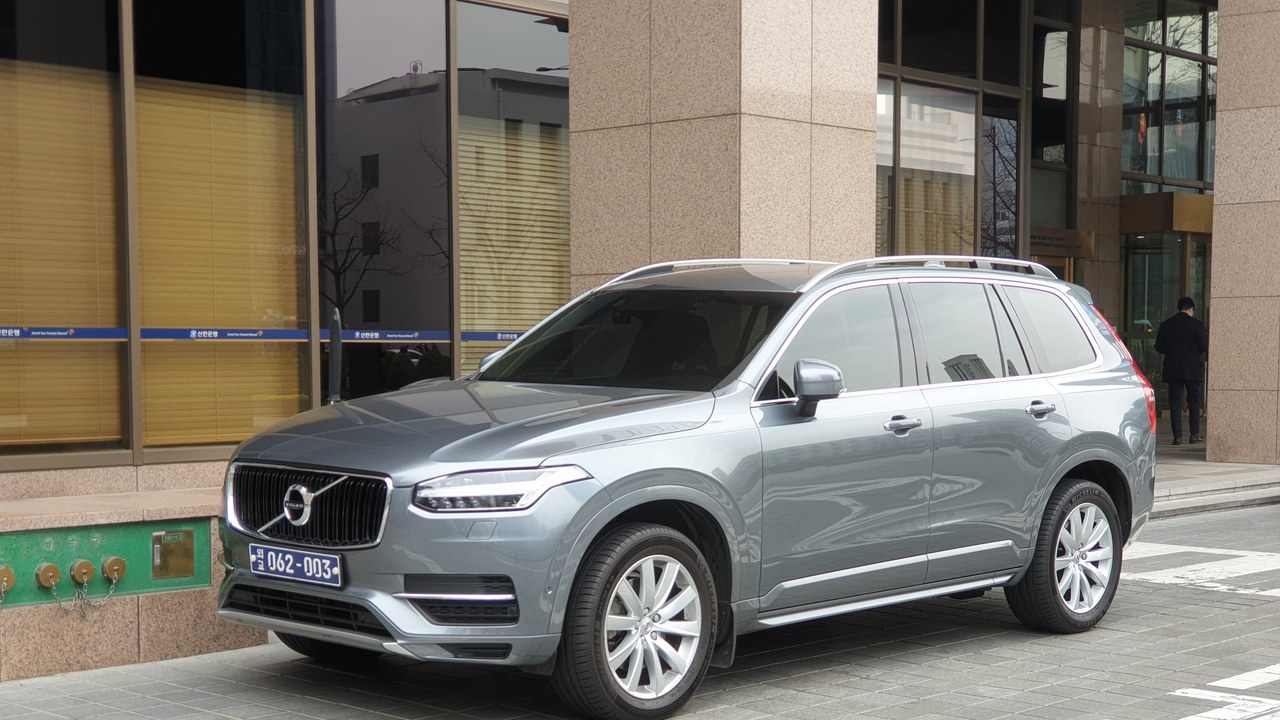
Few brands lean into safety like Volvo, and the XC90’s detailed history traces innovations such as run-off-road protection and standard collision-avoidance features that underpin its strong crash-test showing. The flagship SUV has anchored Volvo’s safety marketing for years, serving as a showcase for the company’s engineering priorities and its long reputation for occupant protection.
Premium pricing places the XC90 above mainstream three-row rivals, and, as with any vehicle, its exact ratings shift by model year, so checking current published results remains sensible before committing to either a new purchase or a used one.
8. Subaru Outback: All-Wheel-Drive Assurance
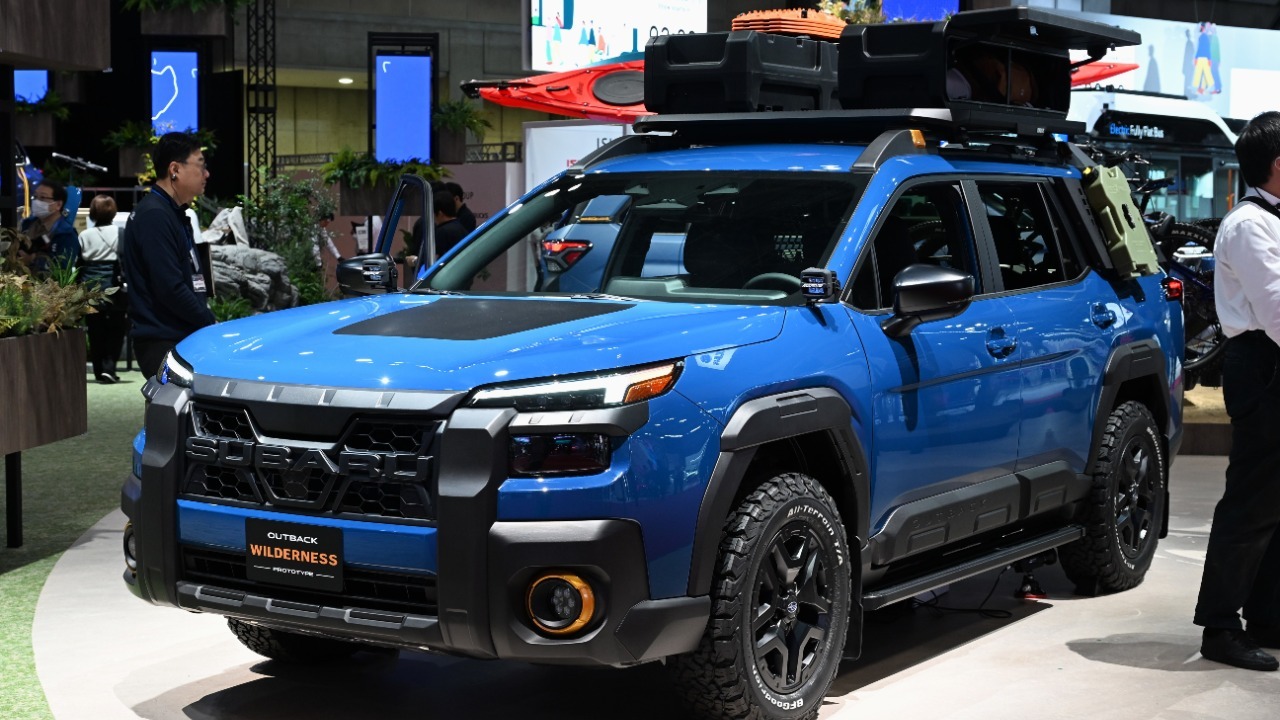
Straddling wagon and SUV territory, the Subaru Outback offers standard all-wheel drive, and its model history records repeated Top Safety Pick recognition tied to the EyeSight camera-based driver-assist system. A lower stance and center of gravity can aid stability and rollover resistance compared with taller, heavier utilities in the same price range.
Whether the Outback truly counts as an SUV stays debatable among purists, yet its safety credentials are not; shoppers should still match a specific year’s rating to their needs before committing, as feature content has evolved across successive generations.
9. Mazda CX-50: Newcomer With Honors
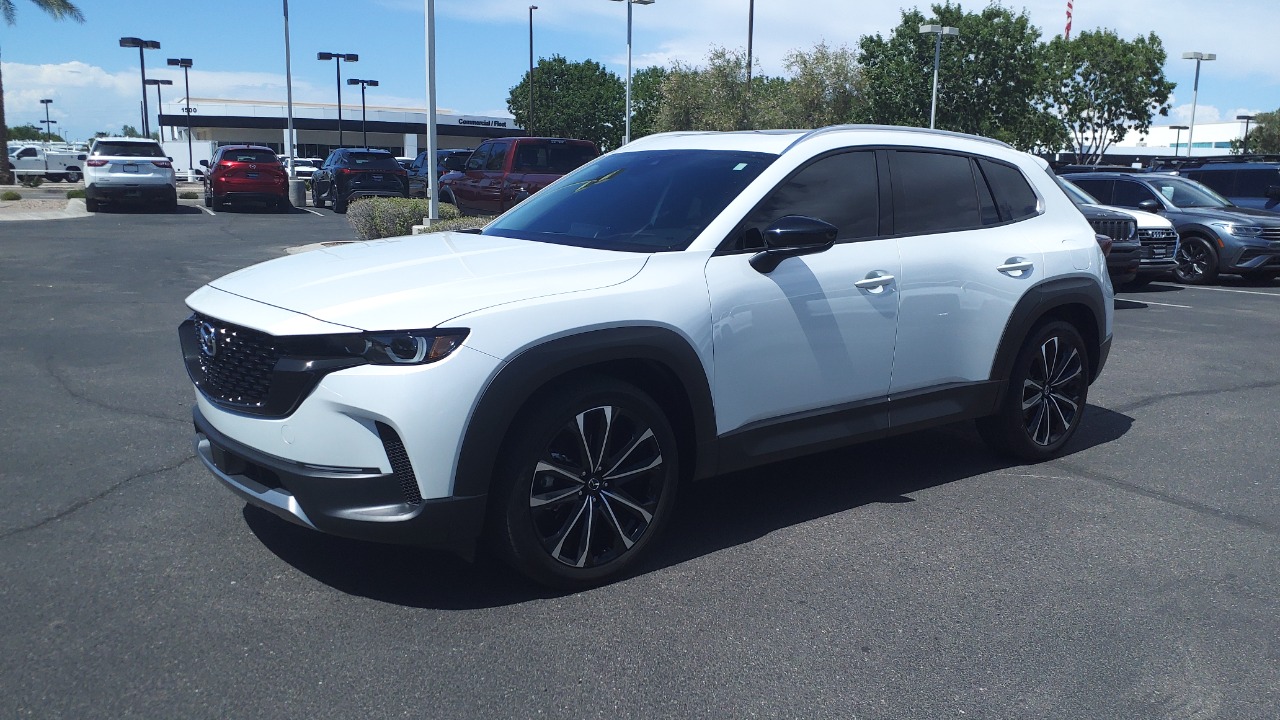
Among the newer entries here, the Mazda CX-50 is a compact crossover whose overview page notes available advanced driver aids and early crash-test praise that placed it among recent top safety honorees. Outdoorsy styling, extra ground clearance, and available all-wheel drive target active buyers who want capability without stepping up to a larger vehicle.
Because the CX-50 arrived only recently, its rating record runs shorter than established rivals’, so buyers relying on long-term safety data may want to weigh it against more proven nameplates before deciding, while still crediting its promising early results.
More from Morning Overview
- Long-term use of common heartburn pills is tied to kidney and dementia risk
- A California supervolcano has bulged upward about two and a half feet since 1978
- The FTC is warning about a scam quietly draining thousands from victims
- The NSA is again telling phone owners to switch off one location setting
