
Compact crossovers and small SUVs now outsell almost every other vehicle type on American roads, filling driveways from coast to coast with a mix of family haulers and commuter runabouts. A handful of nameplates account for the bulk of that volume, each carving out its own reputation for reliability, value, or driving feel. Here are nine crossovers that keep showing up on repeat.
1. Toyota RAV4: America’s Best-Selling Non-Truck
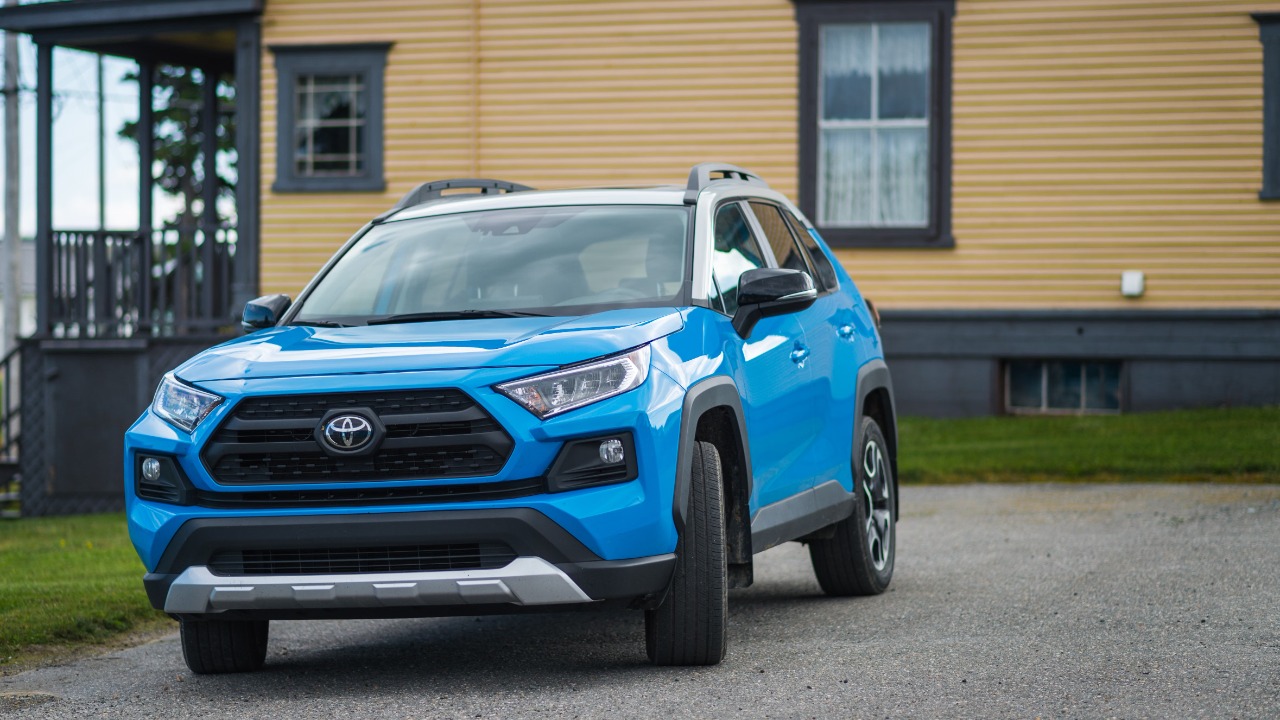
The Toyota RAV4 compact crossover holds the title of best-selling vehicle in the country outside of full-size pickup trucks, a position it has occupied for years running. Toyota built that lead on a formula that rarely changes: a roomy cabin, a reputation for mechanical durability, and a lineup that spans a standard gas engine, a fuel-efficient hybrid, and a plug-in hybrid variant.
That range lets one nameplate serve buyers chasing low sticker prices and buyers chasing low fuel bills at the same time. All-wheel drive is available across nearly every trim, which matters in a segment where many rivals still treat it as a costly option rather than an expectation.
2. Honda CR-V: The Benchmark For Packaging
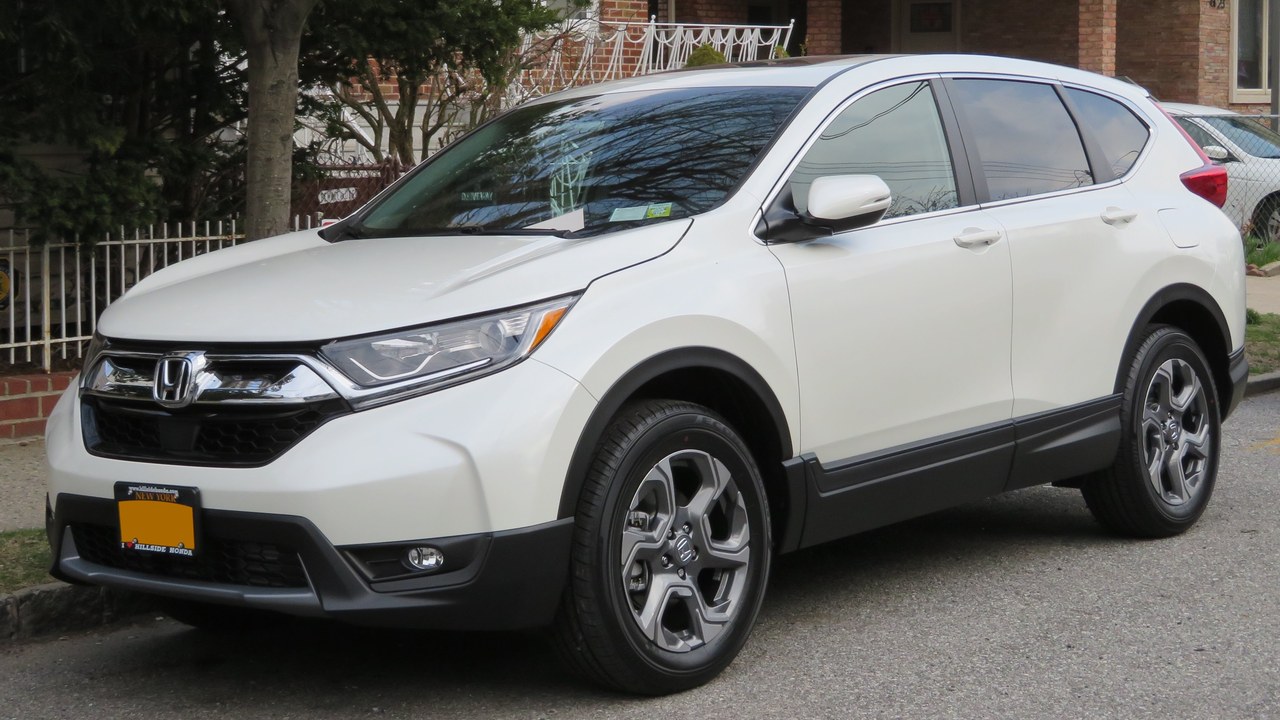
Honda’s CR-V built its reputation as the compact crossover other automakers get measured against, prized for a cargo hold that swallows more than its footprint suggests and a mechanical track record that keeps used examples in demand years after purchase. Generation after generation, Honda has favored steady refinement over dramatic redesigns.
That conservatism shows up on resale charts, where the CR-V routinely holds value better than flashier competitors. A hybrid powertrain option now sits alongside the standard four-cylinder, giving shoppers a fuel-efficient path without leaving a nameplate they already trust.
3. Mazda CX-5: Near-Luxury Feel, Mainstream Price
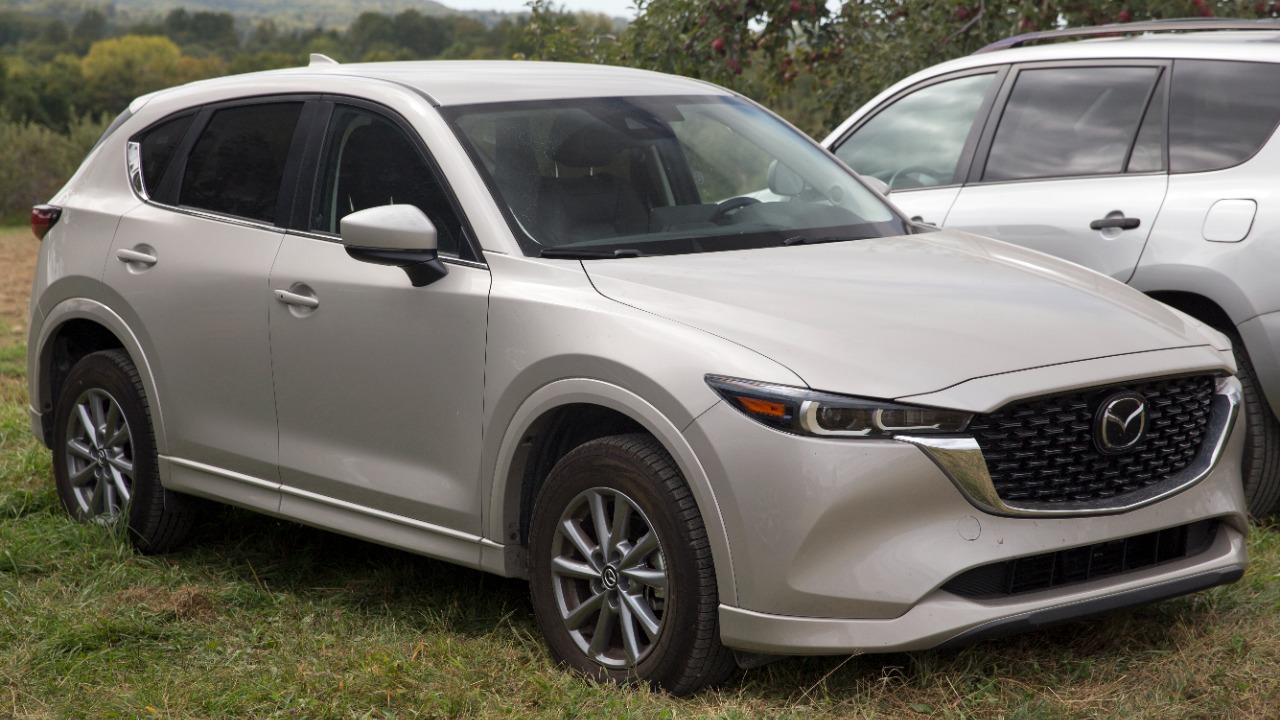
The Mazda CX-5 draws comparisons to luxury crossovers costing thousands more, thanks to an interior that leans on soft-touch materials and tight panel gaps rather than cost-cutting plastic. Reviewers consistently single out its steering feel and body control as sharper than anything else in the mainstream compact segment.
Mazda backs that driving character with an available turbocharged engine, a step most rivals reserve for pricier trims or skip entirely. The result is a crossover that drives like an upgrade without demanding the price tag of one.
4. Subaru Forester: All-Wheel Drive, No Upcharge
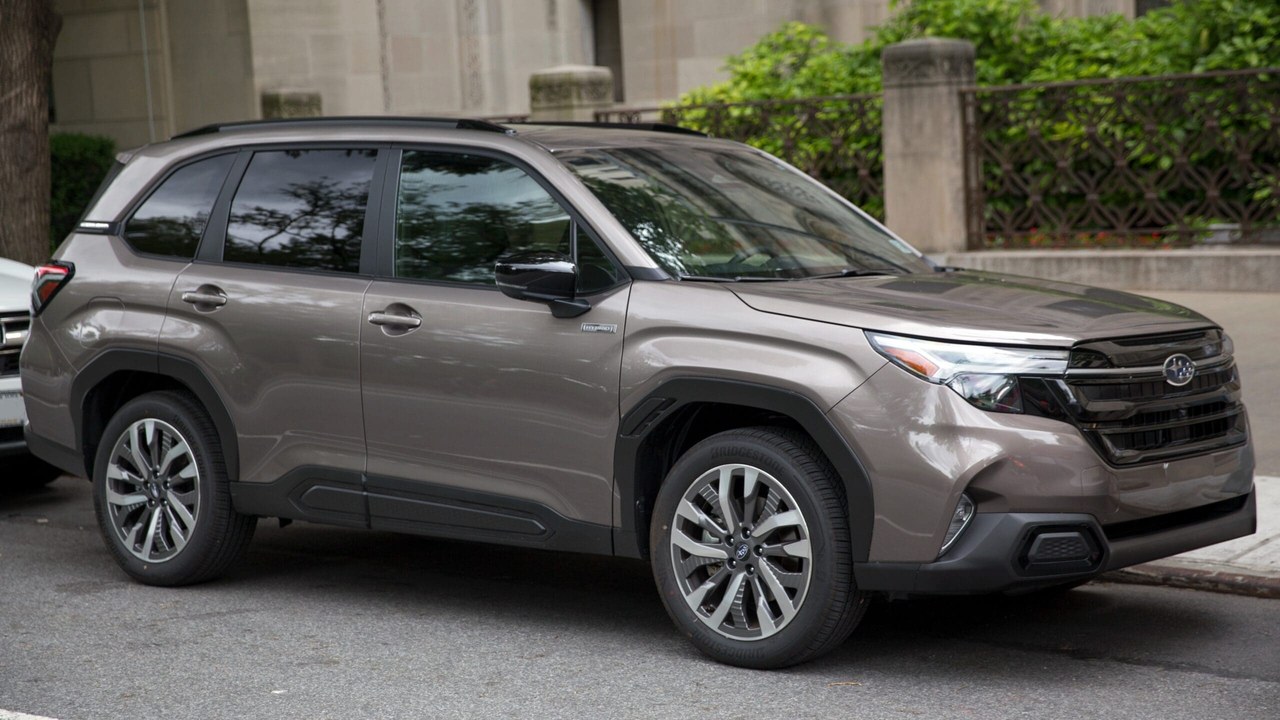
The Subaru Forester ships with all-wheel drive as standard equipment on every trim, a policy Subaru has held to for decades while most competitors still charge extra or limit it to top-tier models. Its boxy shape isn’t accidental; tall windows and thin roof pillars give it some of the clearest outward visibility in the class.
That combination has made it a default choice for buyers in snow-prone regions who want confidence without stepping up to a truck-based SUV. Straightforward controls and a high seating position round out a cabin built more for function than flash.
5. Nissan Rogue: The Quiet Family Favorite
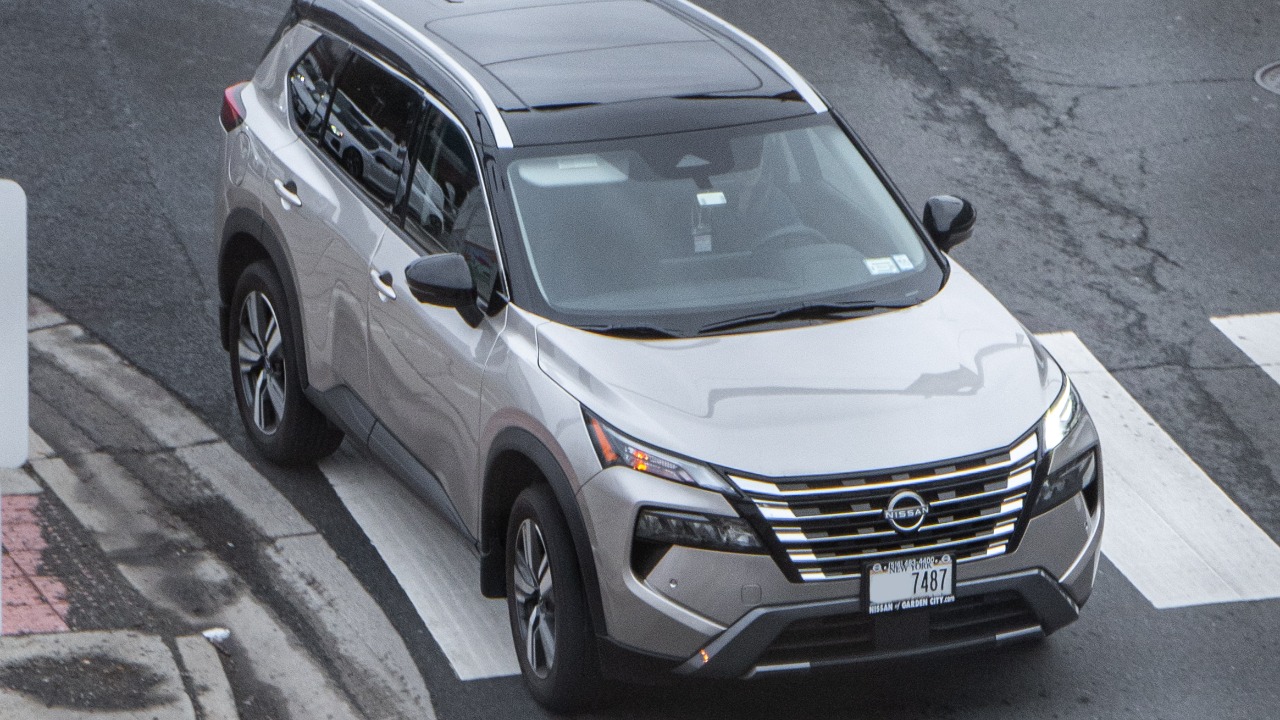
The Nissan Rogue has become a fixture of suburban driveways, moving in numbers that rival far more heavily marketed nameplates. Its appeal rests less on any single standout feature than on a broad spread of strengths: a quiet cabin, a long list of standard driver-assist tech, and pricing that undercuts several rivals at comparable trim levels.
Nissan has leaned into that value proposition rather than chasing sportier dynamics, positioning the Rogue as the practical, no-drama pick for households that just need reliable transportation. That steady approach keeps it in heavy rotation with fleet and private buyers alike.
6. Hyundai Tucson: Bold Looks, Longer Warranty
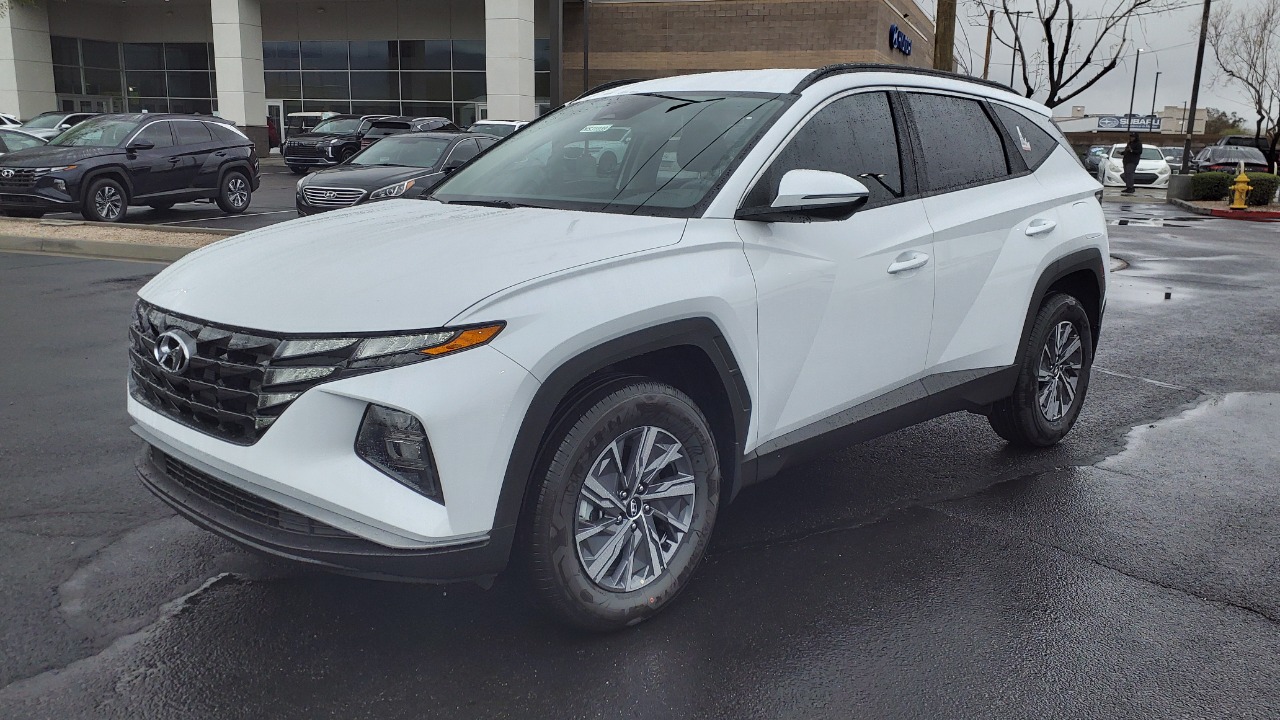
Hyundai’s Tucson abandoned understated styling in favor of sharp creases and a distinctive light signature, a gamble that made it one of the more visually distinctive shapes in a segment often criticized for sameness. Underneath the styling sits one of the strongest warranty packages in the industry.
Hyundai backs the powertrain for ten years or 100,000 miles, a term that runs roughly double what most competitors offer and gives cautious buyers extra cover against repair bills. Hybrid and plug-in hybrid versions extend the lineup further for shoppers prioritizing fuel economy.
7. Kia Sportage: The Sharper-Value Twin
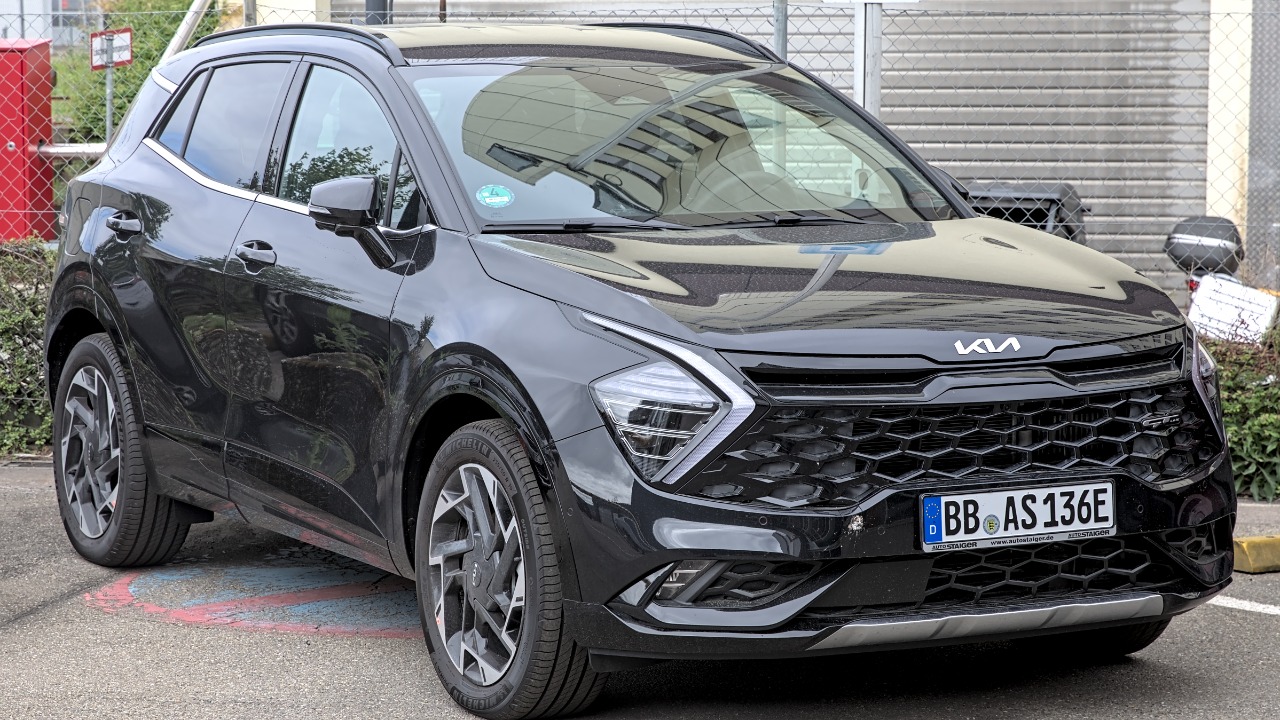
The Kia Sportage shares its underpinnings with the Hyundai Tucson but routinely undercuts it on price while matching or exceeding it on standard features, a pairing that has made it one of the sharper value plays in the compact class. Buyers get comparable cabin space and the same long-haul warranty coverage that comes with the corporate relationship.
Kia differentiates the Sportage mainly through styling and trim packaging rather than mechanical changes, giving shoppers who prefer its look a reason to choose it over its sibling without sacrificing any of the underlying substance. That twin-nameplate strategy has proven durable across multiple design generations.
8. Chevrolet Equinox: Chevy’s High-Volume Compact
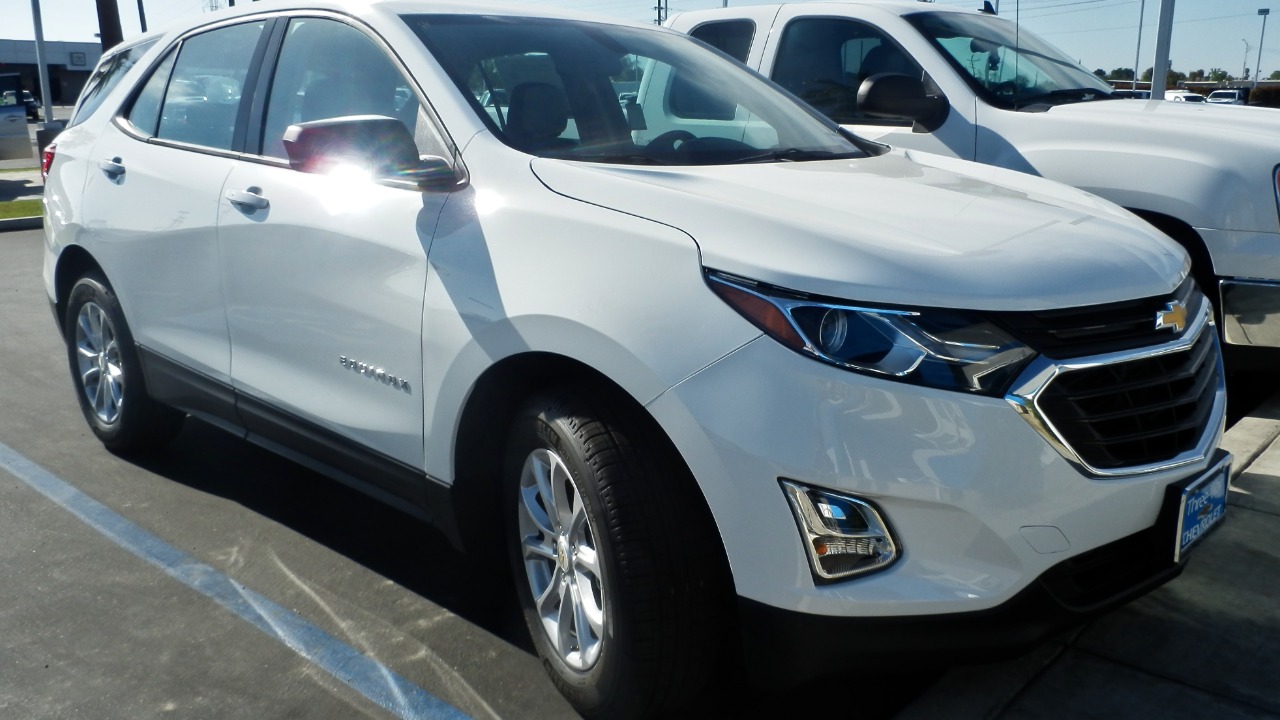
Chevrolet’s Equinox targets buyers who want compact-crossover practicality without a compact-crossover price, undercutting several rivals at its base trim while still offering a cabin roomier than its exterior dimensions suggest. General Motors has kept the formula simple: straightforward controls, generous rear-seat legroom, and a lineup mostly free of confusing trim overlap.
That affordability has made it one of Chevrolet’s highest-volume nameplates, a reliable seller even as the brand’s SUV lineup has grown more crowded. An electric version now extends the Equinox name into a different price and technology tier entirely.
9. Ford Escape: The Segment’s Early Pioneer
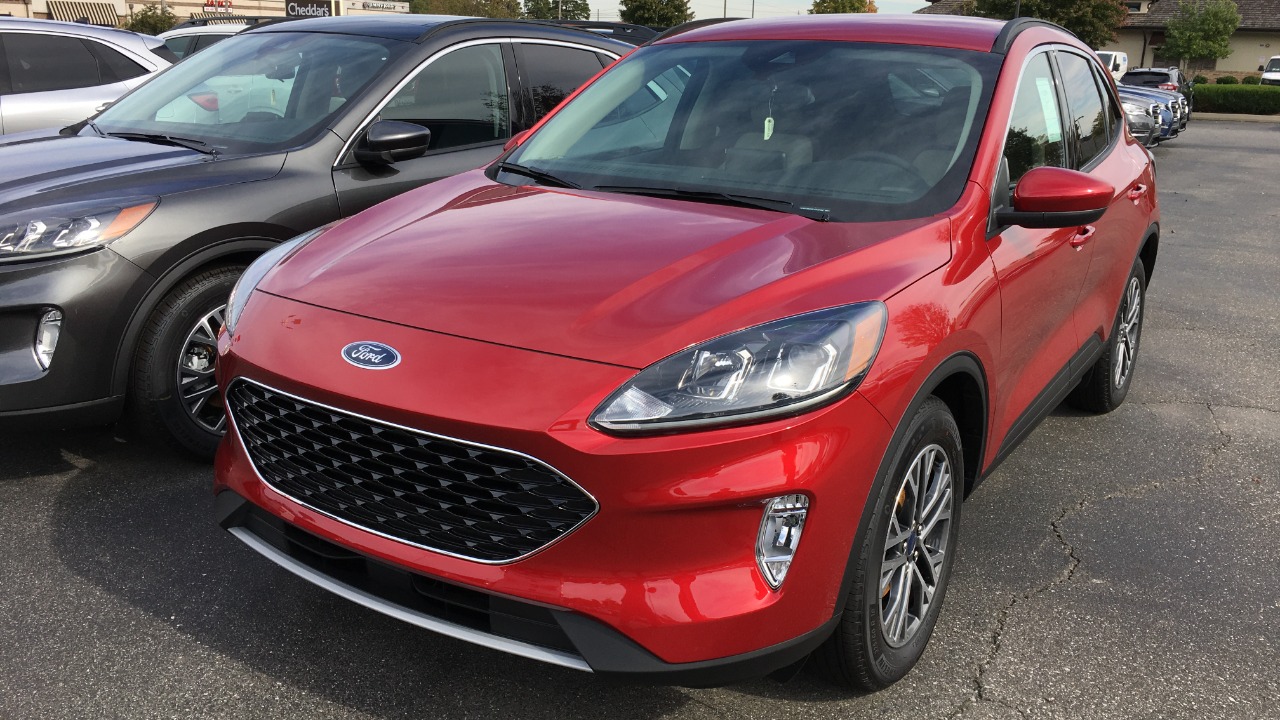
The Ford Escape arrived years before “compact crossover” was a mainstream category, helping establish the car-based SUV formula that now dominates American driveways. Ford built it on a car platform rather than a truck frame from the outset, trading off-road capability for the ride comfort and fuel economy that buyers were increasingly asking for.
Multiple redesigns later, the Escape still competes on that original premise even as newer entrants have crowded the segment it helped create. Its long production run has also left a deep, affordable pool of used examples that keeps it relevant to budget-minded shoppers.
More from Morning Overview
