
Small and midsize sedans built for 2026 post some of the strongest crash-test scores in the IIHS Top Safety Pick program, narrowing the gap that once separated them from larger vehicles. Manufacturers have widened standard driver-assistance packages and reinforced passenger cells across trims, so buyers no longer trade protection for a smaller price tag. Here are nine small cars that earned the strongest marks for 2026.
1. Mazda3: Top-Tier Structure
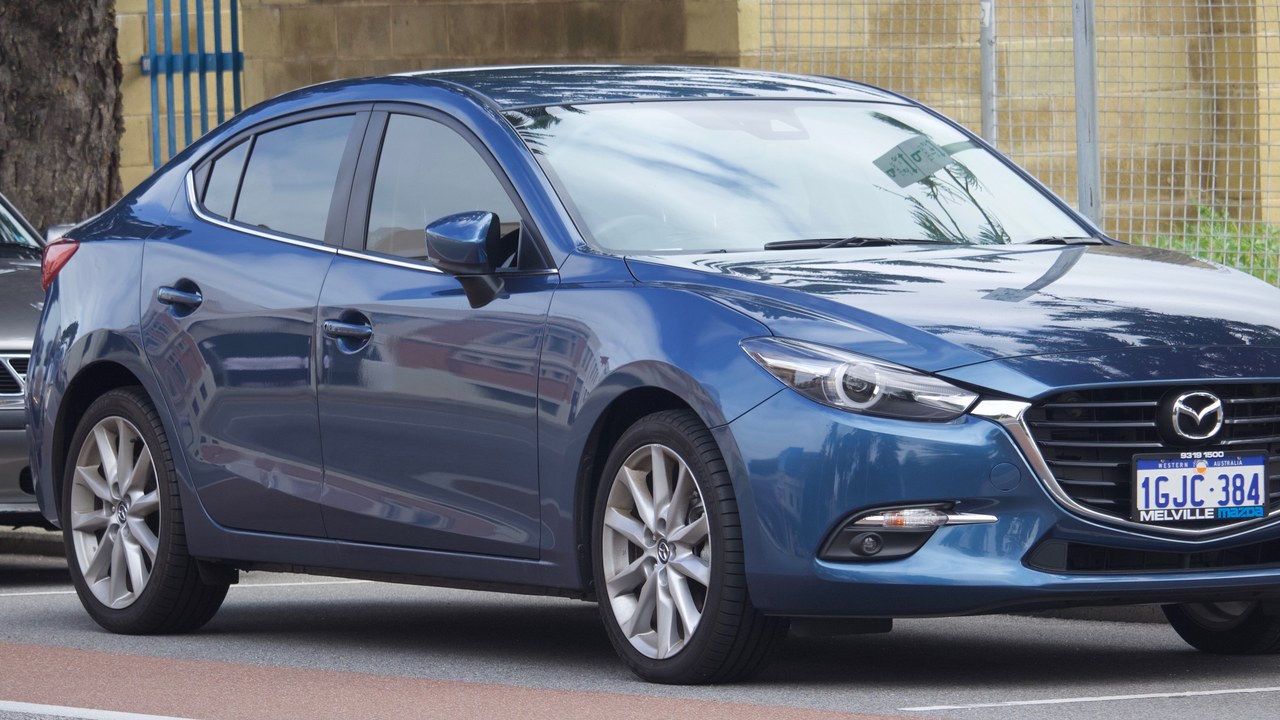
Mazda3 is one of the few small cars to earn a top-tier structural rating on IIHS Top Safety Pick list, matching that with strong marks in the moderate-overlap, side, and roof-strength tests IIHS runs on every small car it evaluates. Front crash prevention and headlight performance carry the same top grade across every trim IIHS tested.
That combination is unusual in the segment, where automakers often trade a lighter body for a lower price. Owners get sedan-level economy without the compromise buyers have come to expect from cars in this size class.
2. Nissan Sentra: Budget Compact, Big Marks
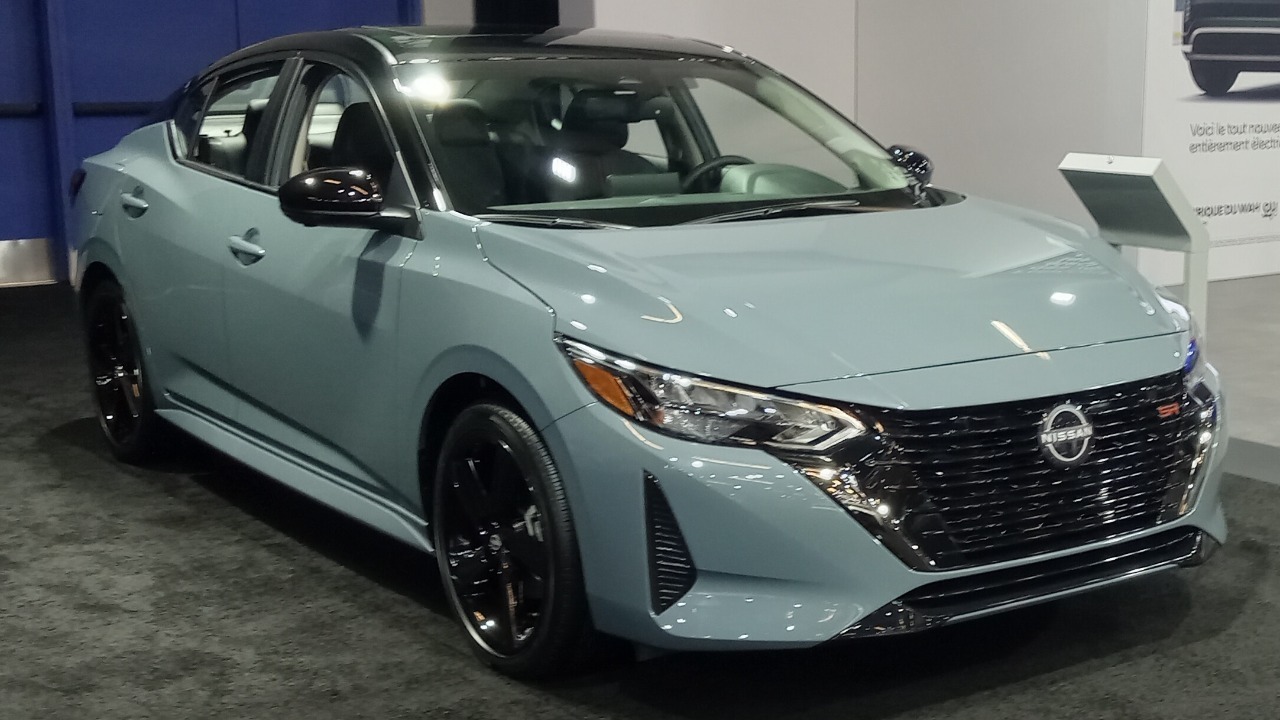
Nissan’s Sentra shows up on the same small-car Top Safety Pick roster as sedans that cost thousands more, posting the same top grades in structural and crash-avoidance testing IIHS applies across the class. Standard automatic emergency braking and pedestrian detection come on every trim, not just upper ones.
Standard equipment like this is what lets a budget-priced compact keep pace with pricier rivals on paper. Shoppers who need to stretch a smaller budget do not have to give up the safety features that pricier sedans treat as premium extras.
3. Hyundai Sonata: Midsize Value, Top Grades
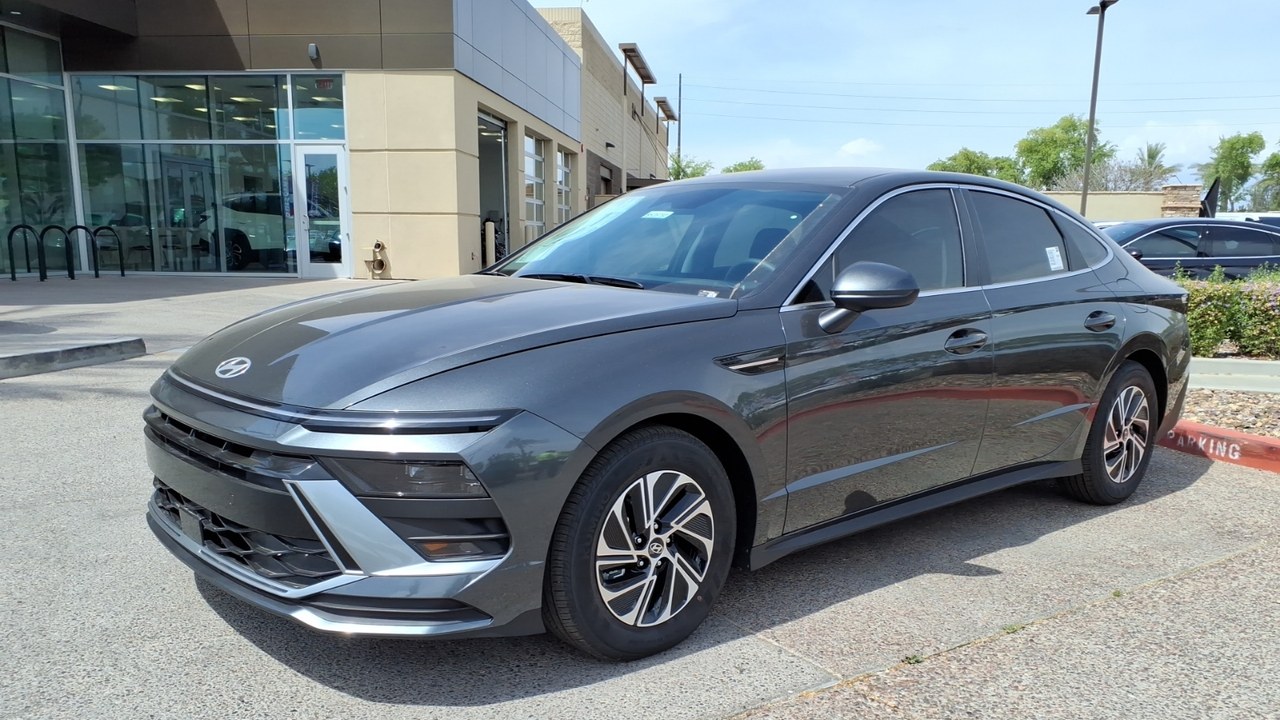
Hyundai’s Sonata lands on the Top Safety Pick roster alongside compacts half its price range, carrying top structural and crash-avoidance grades into a roomier midsize body. IIHS credits the same moderate-overlap, side, and roof-strength testing that every honoree on the list has to clear.
For a shopper cross-shopping size against safety, the Sonata argues that a bigger cabin does not have to cost a safety grade. It gives buyers back seat and trunk room the smaller cars on this list cannot match, without dropping to a lower safety tier.
4. Toyota Camry: Bestseller Keeps Its Crown
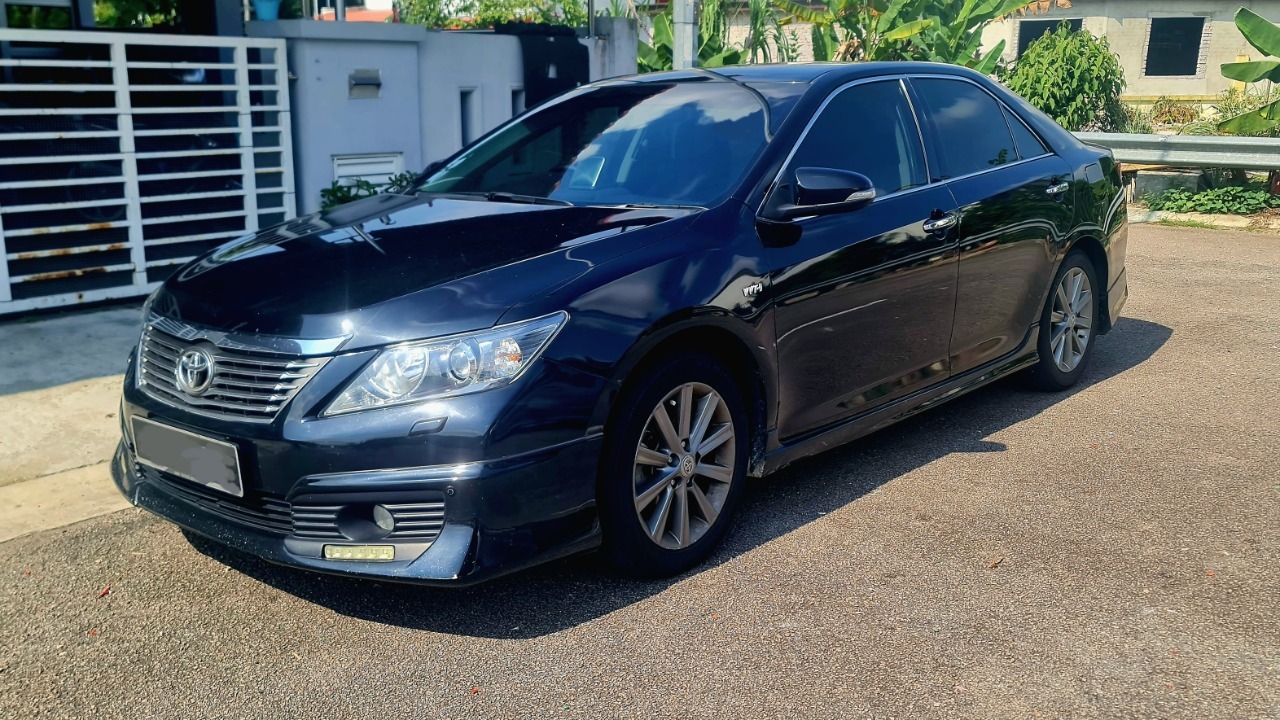
Toyota’s Camry has been the top-selling sedan in the country for years, and the Camry’s model history shows a design that has kept pace on structural safety through repeated redesigns rather than resting on volume alone. Its current generation carries a reinforced unibody and a full suite of standard driver-assistance sensors.
Sales leaders do not always lead on safety, but the Camry has managed both at once for multiple model years running. That track record matters most to buyers who want a proven sedan rather than a newly redesigned unknown.
5. Honda Civic: Compact Staple, Solid Cage
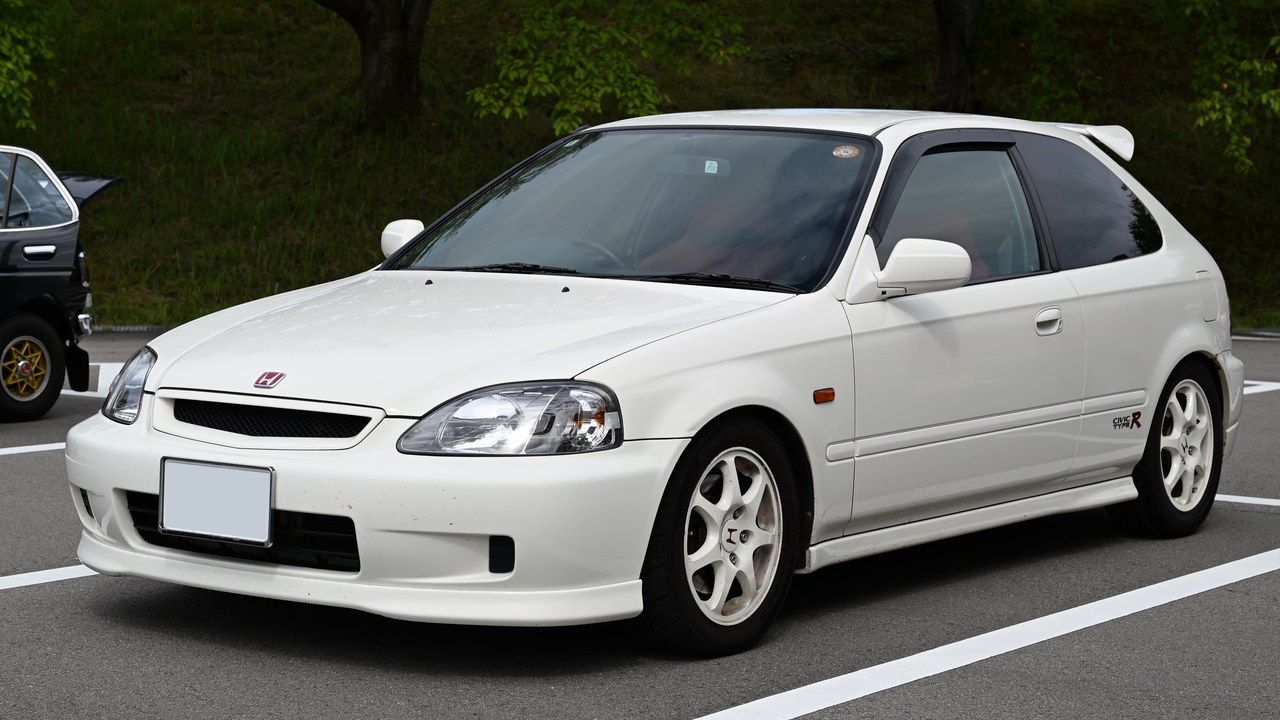
Honda’s Civic nameplate has run for decades in the compact class, and the Civic’s design lineage reflects generations of incremental structural reinforcement rather than a single redesign. The current model pairs that body with standard forward-collision and lane-departure systems across the trim range.
Decades of iteration give engineers more chances to fix weak points a brand-new platform has not yet found. For a buyer, that history translates into a compact car that has been tested, revised, and tested again, generation after generation, before it reaches showrooms.
6. Honda Accord: Roomy Sedan, Consistent Scores
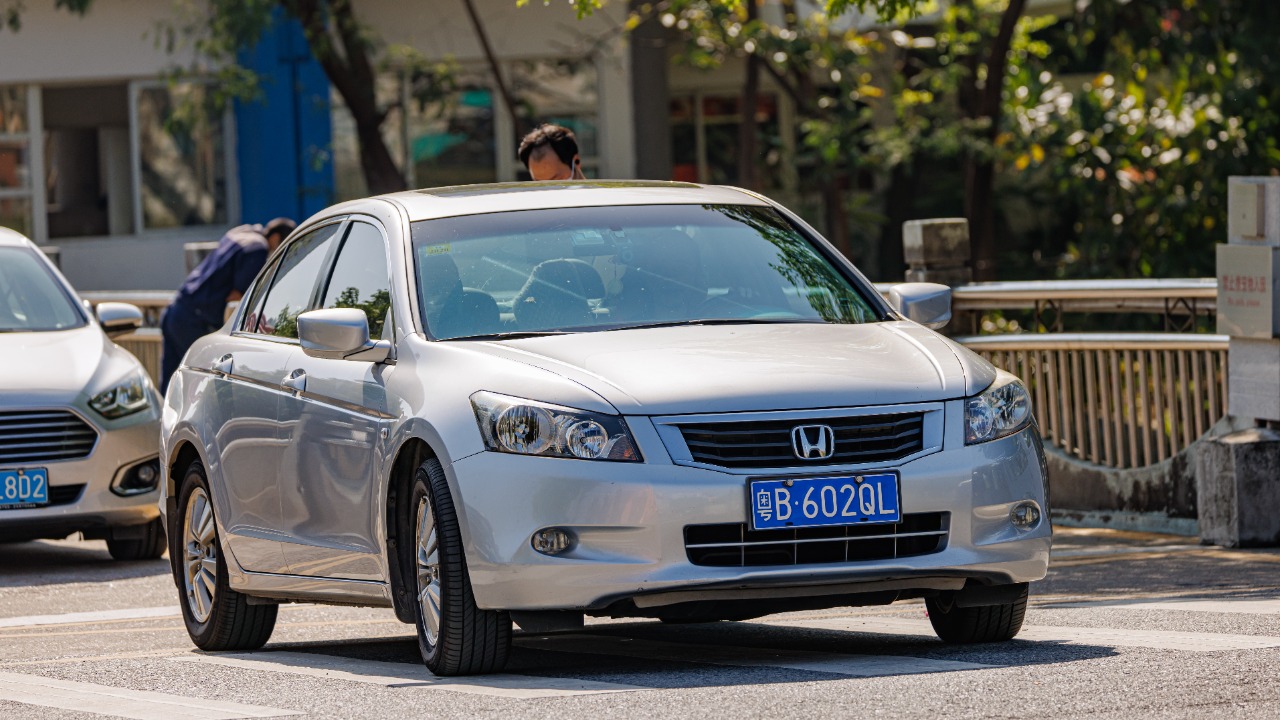
Honda’s Accord has built its reputation on interior space, but the Accord’s model record shows the midsize sedan has kept pace on structural safety across each redesign rather than trading room for a lighter, less protective body. Standard driver-assistance sensors and a reinforced passenger cell carry over on every current trim.
A larger sedan does not automatically test better than a smaller one, so the Accord’s consistency across redesigns is the more telling detail. Families cross-shopping cabin room against crash performance get both from the same nameplate instead of picking one.
7. Hyundai Elantra: Affordable Price, Real Protection
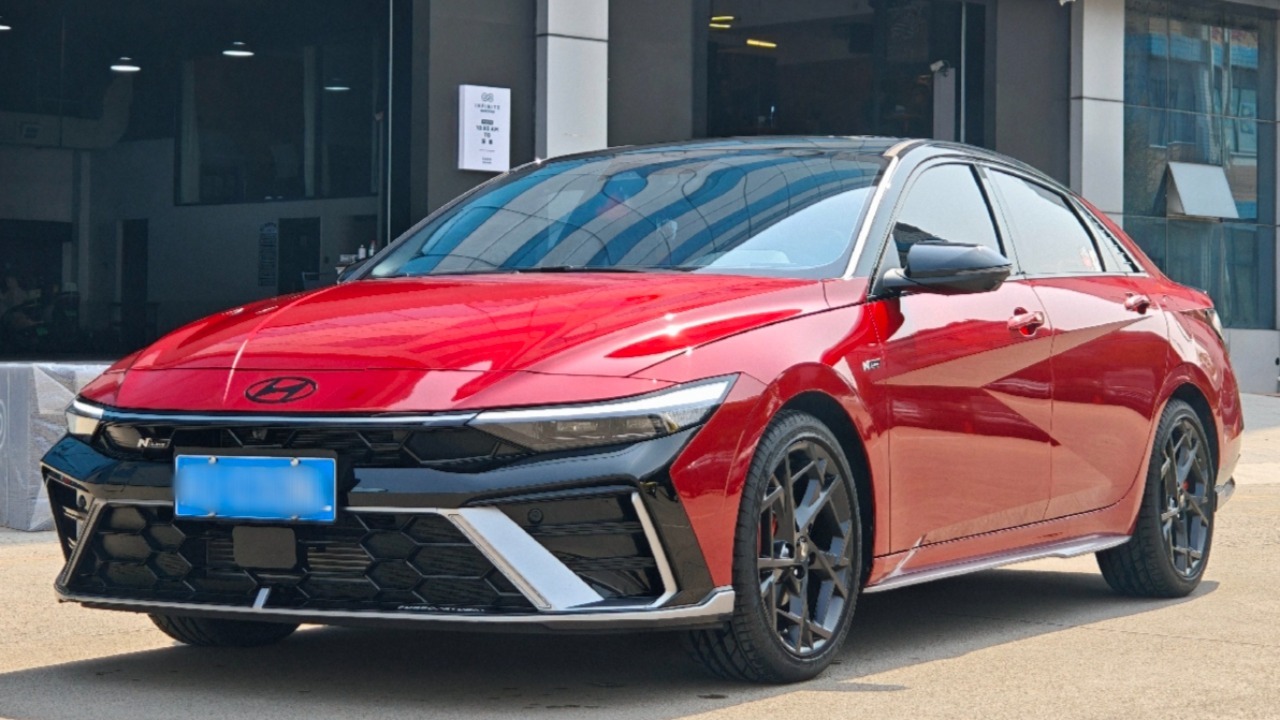
Hyundai’s Elantra competes at the lower end of the compact price range, and the Elantra’s specification history shows the brand has extended its reinforced-body approach down to its cheapest sedan rather than reserving it for pricier models. Forward-collision warning and automatic braking come standard rather than bundled into an optional package.
Affordable cars are often the ones automakers cut corners on first, which is what makes this list notable. The Elantra’s approach suggests a lower price does not have to mean a lighter, less protective structure underneath the sheet metal.
8. Toyota Prius: Hybrid Icon, Safety Standout
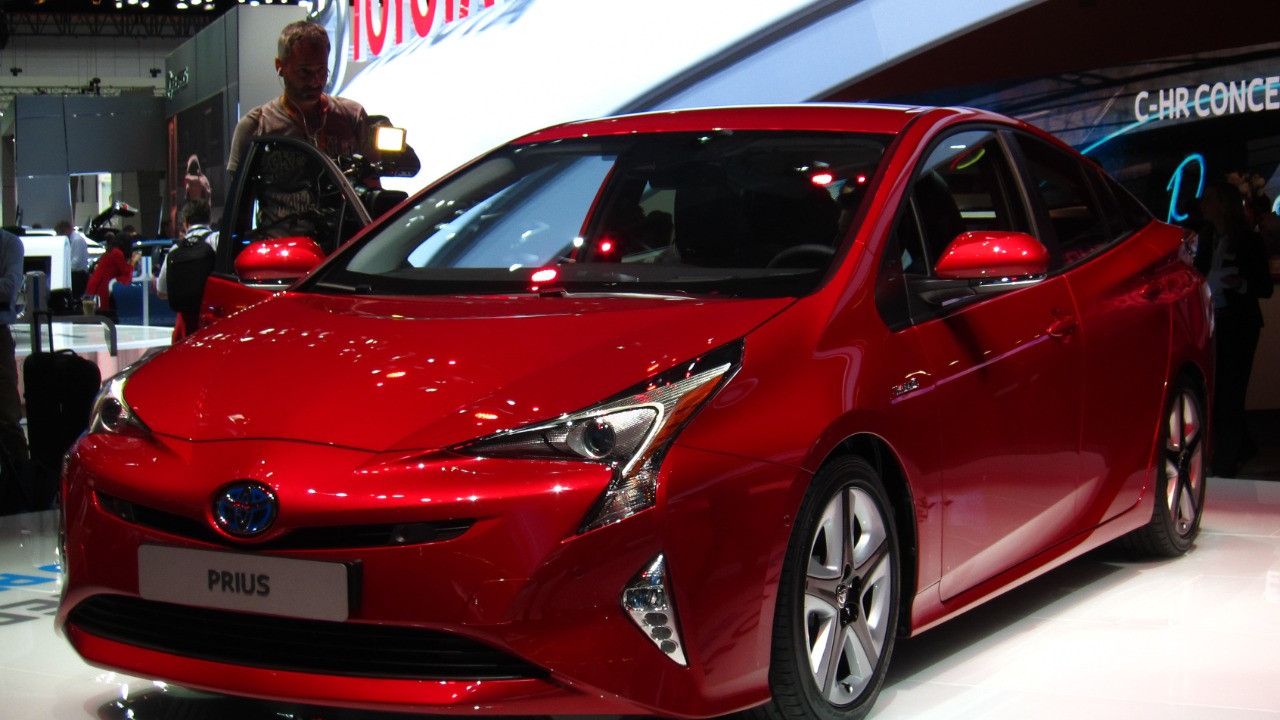
Toyota’s Prius built its name on fuel economy, but the Prius’s current generation carries the same reinforced platform and standard driver-assistance suite Toyota has rolled out across its gasoline sedans, closing a gap that once separated hybrids from their conventional counterparts. The hybrid’s added battery weight sits low in the chassis rather than in the crush zones engineers rely on.
For years, a hybrid’s efficiency case came with an unspoken safety trade-off in buyers’ minds. That gap has narrowed enough that the Prius can now be cross-shopped on the same terms as any gasoline compact on this list.
9. Subaru Impreza: AWD Standard, Top Scores
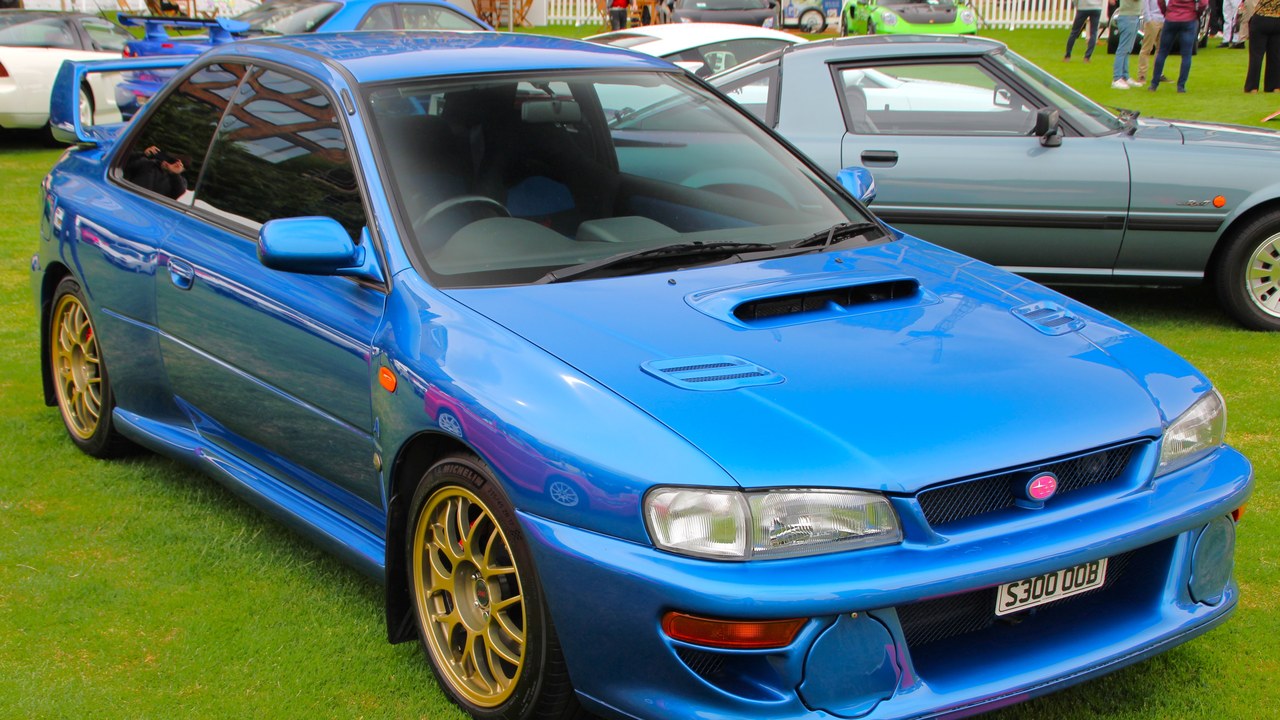
Subaru builds all-wheel drive into the Impreza as standard equipment rather than an optional upgrade, and the Impreza’s model page shows that drivetrain paired with the same reinforced structure and driver-assistance suite Subaru uses across its larger models. That combination is unusual in a class where AWD is often reserved for pricier trims.
Traction in rain or snow is a separate question from crash structure, but Subaru pairs both rather than making a buyer choose. That makes the Impreza a candidate for shoppers in regions where winter driving is a bigger risk than most crash-test categories capture.
More from Morning Overview
