
A tall hood can hide the exact patch of trail that matters most when an off-road vehicle approaches a rock, rut, or crest. Camera systems answer that problem by combining exterior views into a convincing look at otherwise blocked terrain. These eight off-road vehicles use that idea to make careful tire placement less dependent on guesswork.
1. Land Rover Defender: A Camera View Under The Nose
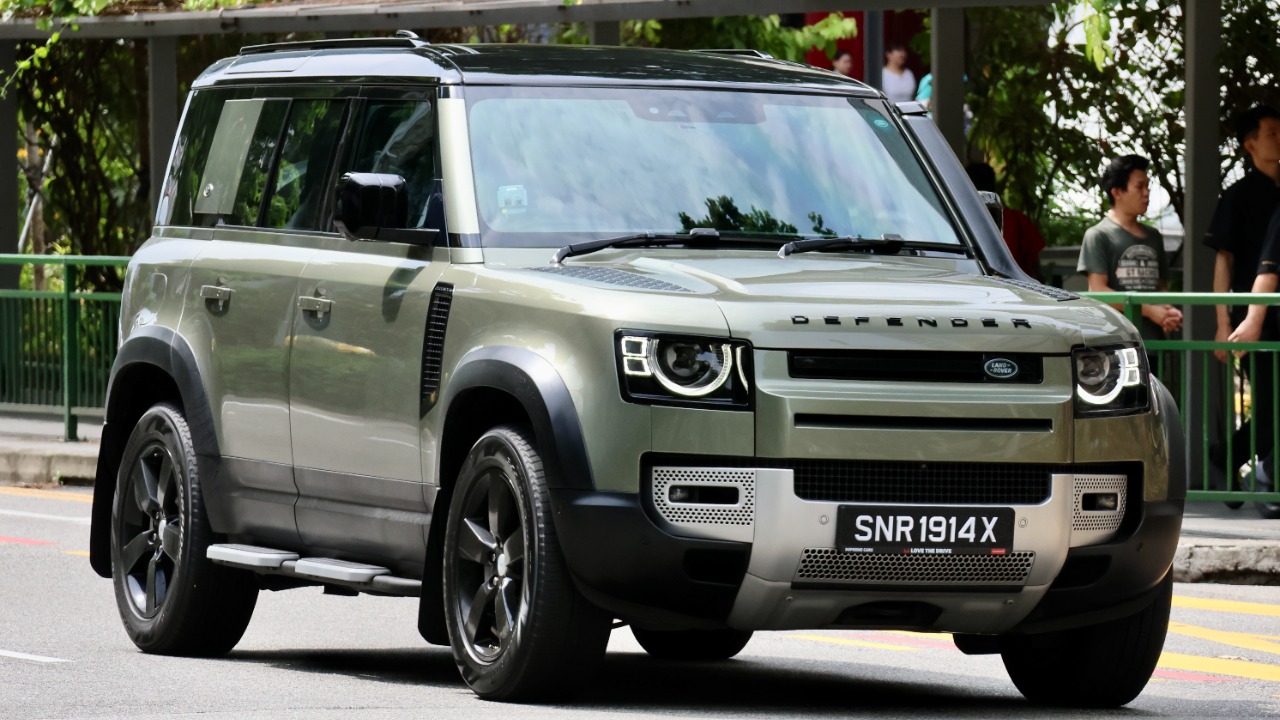
The Defender’s ClearSight Ground View combines exterior camera feeds to show terrain that the hood and front bodywork would ordinarily conceal. The stitched picture creates the impression that the nose has become transparent, keeping rocks, ruts, and wheel-placement markers visible as the vehicle moves into them.
That perspective is most useful during slow, deliberate trail driving, where a small steering correction can protect a tire or help the chassis clear an obstacle. The display remains an aid rather than a substitute for reading the route: mud on a lens, glare, shadows, or a poor camera angle can still hide detail and flatten the apparent depth of the ground ahead.
2. Range Rover: Hidden Rocks Reappear Ahead
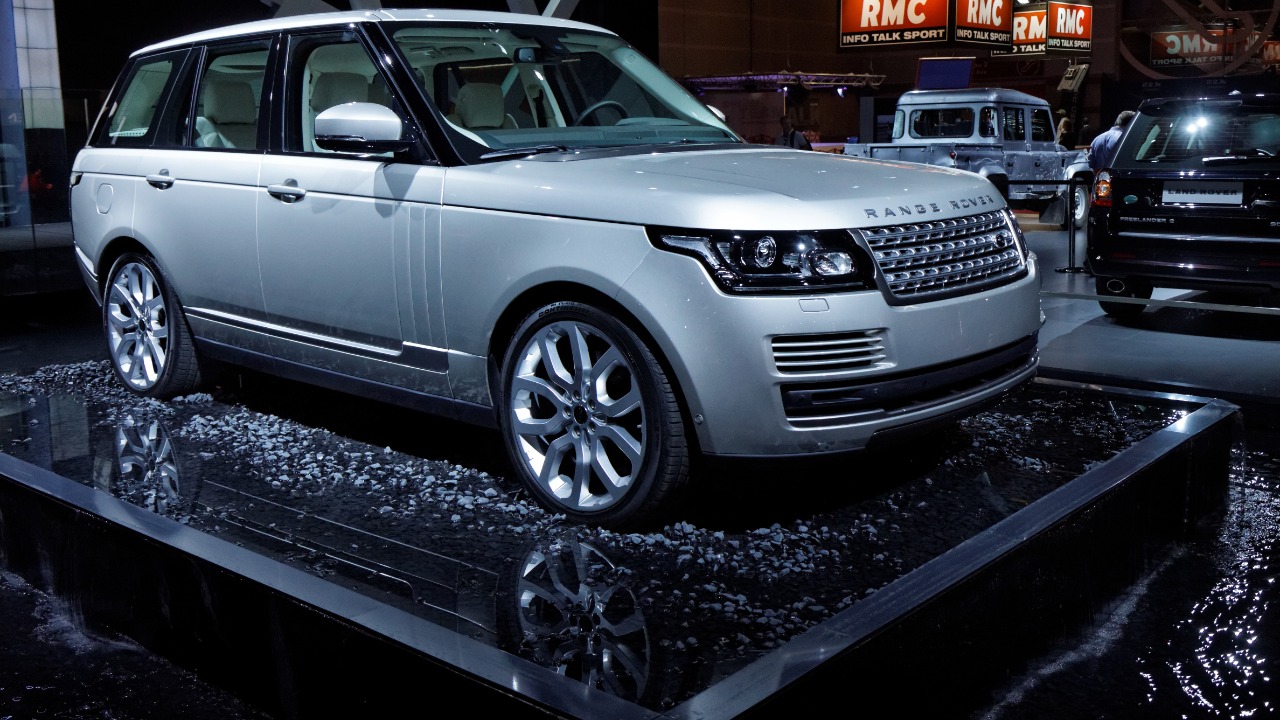
Range Rover’s transparent-bonnet view assembles camera imagery into a look at the patch of ground blocked by the hood. A rock that vanishes below the windshield line can remain visible on the display, helping the driver understand where the front wheels are headed before the obstacle disappears beneath the vehicle.
The effect is especially valuable on narrow tracks where a large luxury SUV leaves little room for an imprecise line. It can also reduce the need for a passenger to step outside and guide the approach. Camera perspective does not turn rough terrain into a flat video game, however; drivers still have to account for tire sidewalls, suspension movement, changing grip, and objects that sit outside the displayed field of view.
3. Ford Bronco: Front Tires Stay In View
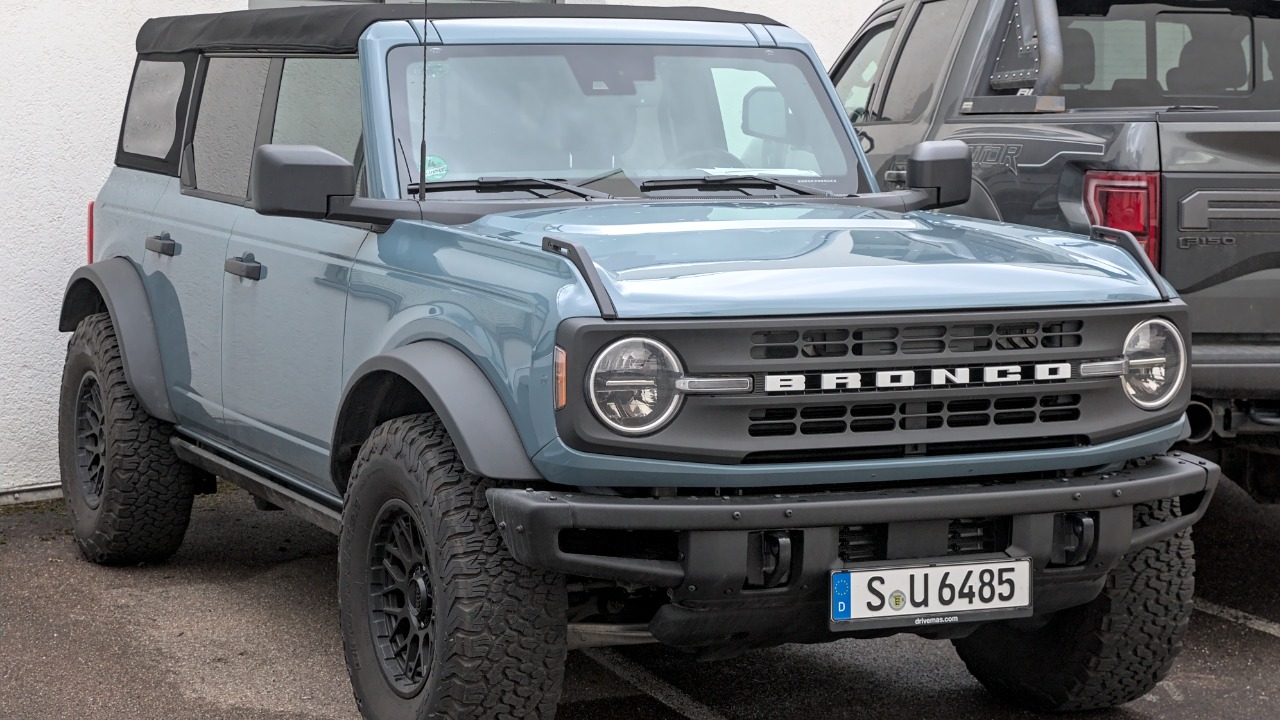
The Bronco’s Trail View display concentrates on the front tires and the ground immediately ahead, the zone most likely to vanish behind the hood on a steep approach. Keeping both tire paths visible lets the driver line up with gaps between rocks rather than relying entirely on memory after the obstacle drops out of sight.
That information can make low-speed steering inputs calmer and more precise, particularly when the trail offers only one clean path. It also helps show how close a tire is to the edge of a rut or ledge. The camera still compresses depth and may lag behind what is happening outside, so the safest use pairs the screen with direct sightlines, spotter guidance when available, and the Bronco’s physical clearance limits.
4. GMC Hummer EV: Underbody Cameras Watch The Trail
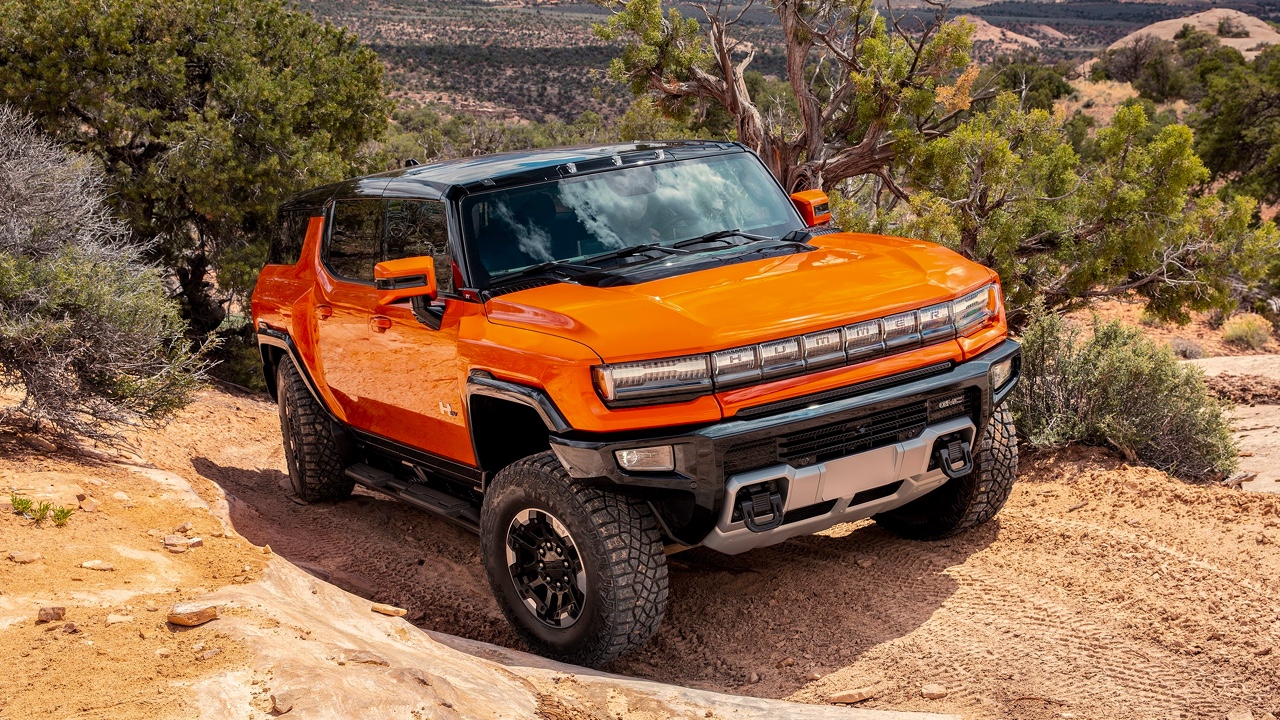
The Hummer EV’s Ultravision camera system extends the familiar surround-view idea with angles that look beneath the vehicle. Those underbody views reveal rocks and trail edges after they have passed below the hood, while integrated wash nozzles help clear the lenses when dust or mud begins to cover them.
For a large, wide electric truck, seeing what lies close to the skid plates can matter as much as seeing the route ahead. The extra views help a driver judge whether an obstacle is passing safely between the tires or moving toward vulnerable hardware. Lens washers improve the odds of a usable picture, but they cannot guarantee one; sticky mud, low light, glare, and camera perspective still require a cautious pace and conventional visual checks.
5. Toyota Land Cruiser: Obstacles Surface Around The Wheels
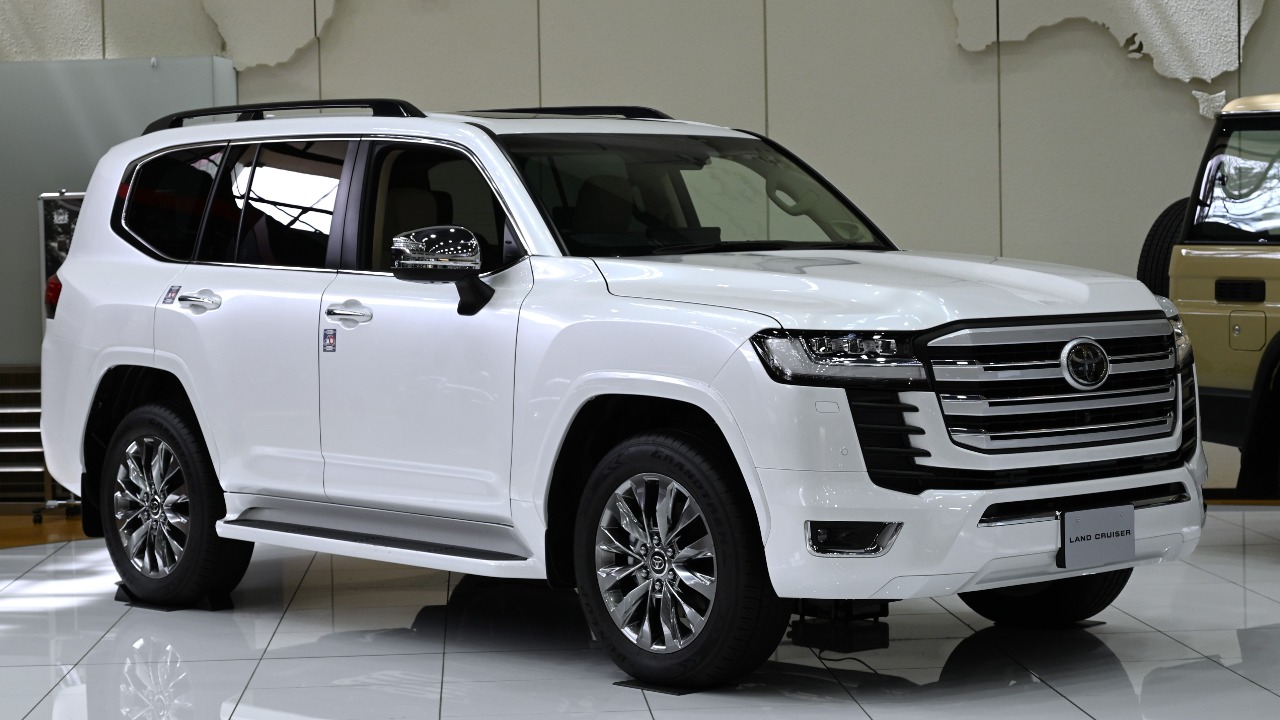
Toyota’s Multi-Terrain Monitor gives the Land Cruiser a clearer look at obstacles near the front wheels. The camera view preserves information that disappears behind the hood, allowing rocks, washouts, and the intended tire line to remain part of the driver’s decision instead of becoming a remembered guess.
That visibility suits the Land Cruiser’s role on technical trails, where avoiding one badly placed rock can be more important than carrying momentum. It can help the driver make small steering adjustments before a tire climbs an obstacle at the wrong angle. The monitor does not measure clearance or guarantee traction, and a dirty lens can quickly reduce its value, so the display works best alongside slow speed, careful route reading, and an understanding of the vehicle’s dimensions.
6. Lexus GX: Side And Underfloor Angles Add Context

The GX uses a Multi-Terrain Monitor that adds underfloor and side perspectives to the usual forward camera picture. Those angles expose the areas hidden by the hood, doors, and high seating position, helping the driver follow a tire line while also watching obstacles that may threaten the rocker panels or pass beneath the chassis.
The wider visual context is useful when the route bends around a rock or squeezes between uneven edges, situations in which a forward-only picture can be incomplete. It also gives the SUV a trail tool without requiring an exterior spotter for every minor adjustment. The display still represents a camera’s limited interpretation of the terrain, so depth, clearance, and surface grip remain judgments that demand a slow pace and direct observation.
7. Jeep Grand Cherokee: Blind Crests Become Easier To Read
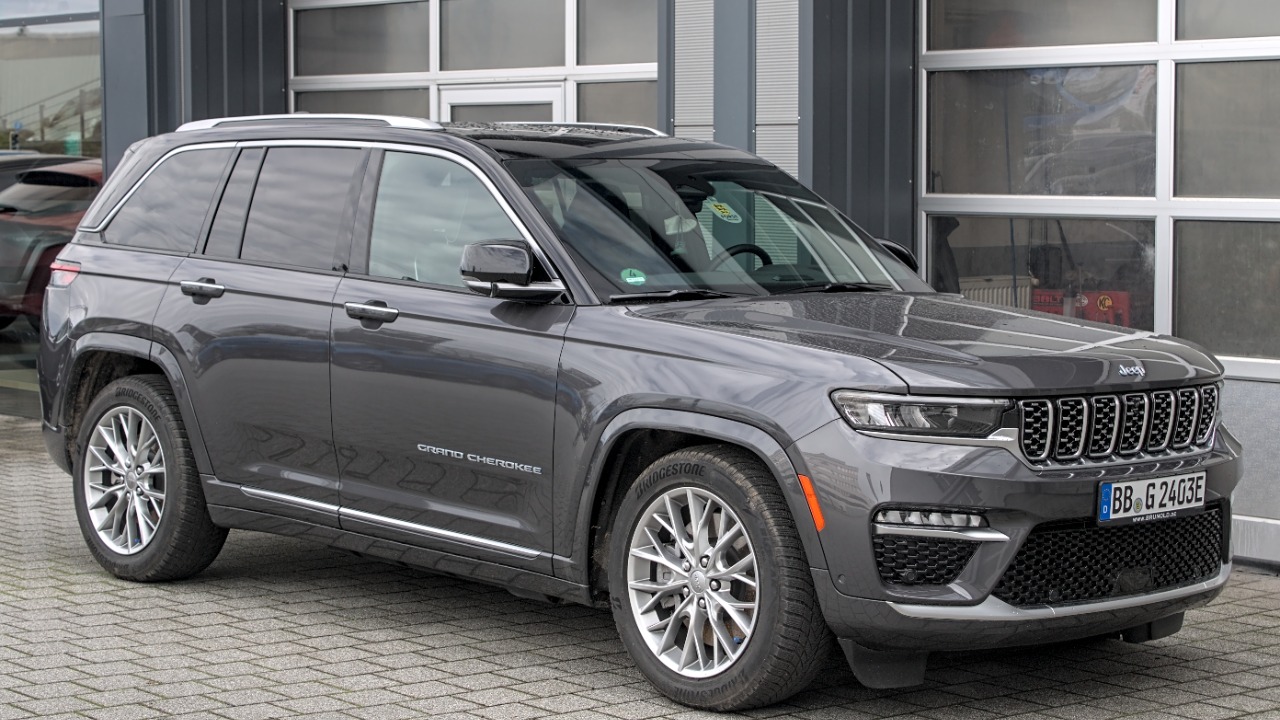
The Grand Cherokee’s forward trail camera reveals the path when a rising hood and a blind crest block the driver’s natural sightline. Instead of committing solely on a glimpse taken lower on the climb, the driver can keep watching the surface immediately ahead as the SUV eases over the top.
That continuity can expose a rut, rock, or turn that would otherwise appear only after the front end begins descending. It supports measured steering rather than a last-second correction at the crest. The image cannot show every hazard beside or beneath the vehicle, and camera optics may make slope and distance look different. A prudent approach still combines the display with slow speed, side views, and spotter assistance on tight terrain.
8. Chevrolet Silverado ZR2: Selectable Views Surround The Truck
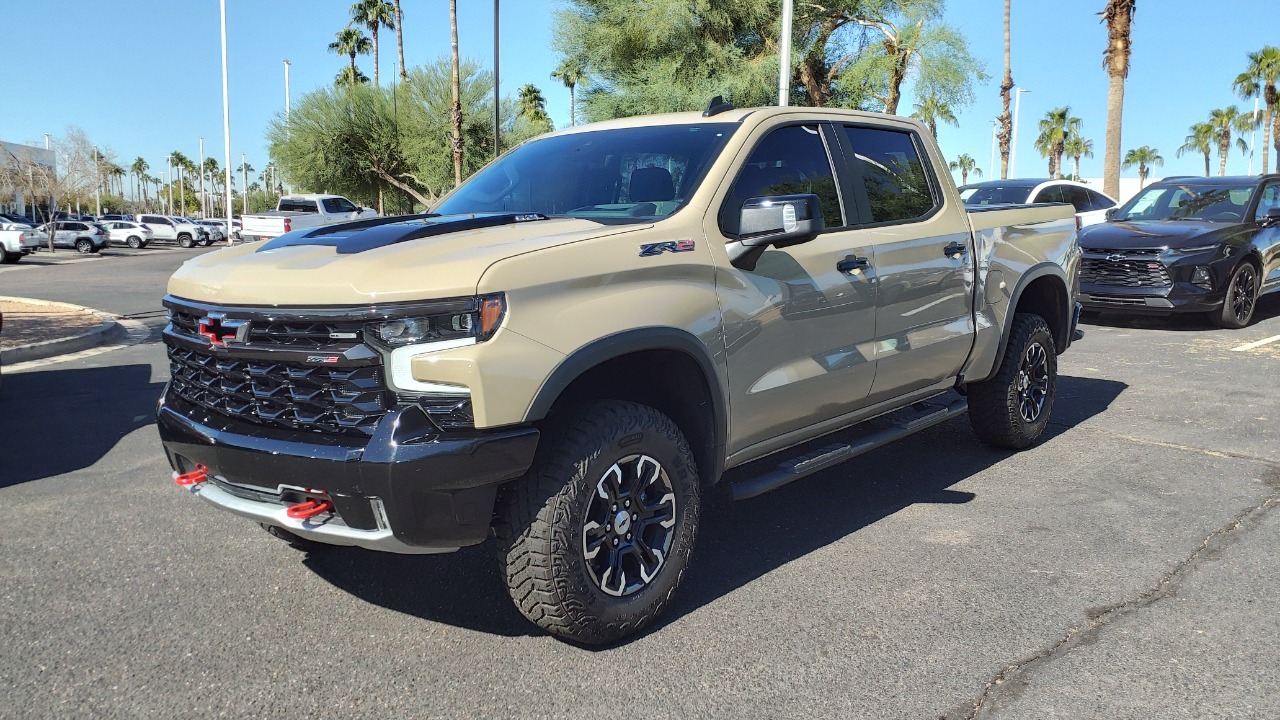
The Silverado ZR2’s surround-view cameras provide selectable angles around the truck rather than forcing the driver to depend on a single forward feed. Switching perspectives makes it easier to monitor the front corners, tire paths, and nearby trail edges after the tall hood blocks them from direct view.
A choice of angles is useful in a full-size pickup, where the distance between the driver’s eye and the front bumper creates a sizable blind zone. The system can help position the ZR2 around a rock without losing track of the opposite side. It remains a visual aid, not a measurement tool: obstacles can sit outside the selected frame, lenses can become dirty, and the display cannot replace judgment about clearance, traction, or the truck’s turning path.
More from Morning Overview
