
Automakers rarely retire a nameplate for good; more often they let it go dormant while waiting for the right platform, price point or cultural moment to bring it back. Some names returned in nearly identical form, while others came back on vehicles that barely resemble what wore the badge before. Here are eight nameplates that automakers killed off, then quietly revived years or even decades later.
1. Ford Bronco: The Off-Roader That Came Back
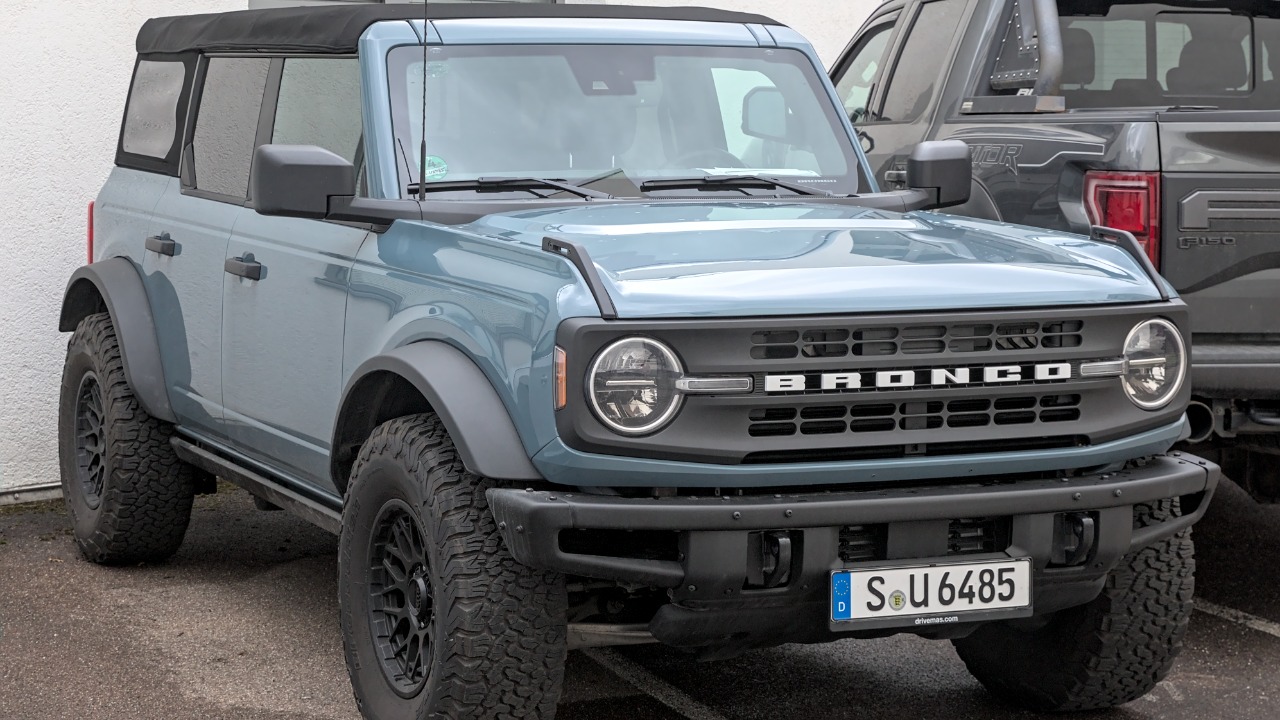
Edmunds’ Bronco history traces a nameplate that went quiet after the 1996 model year and sat dormant for a generation. Ford eventually revived the badge in 2021, putting it on a body-on-frame off-roader built to compete directly with the Jeep Wrangler rather than reviving a softer crossover.
The gap let Ford study what buyers wanted from an off-road SUV instead of simply reissuing the old design under a new grille. Waiting until the company had a genuinely capable platform to attach the badge to is part of why the returned Bronco reads as a real successor rather than a marketing exercise.
2. Chevrolet Blazer: A Name Reborn On A Crossover
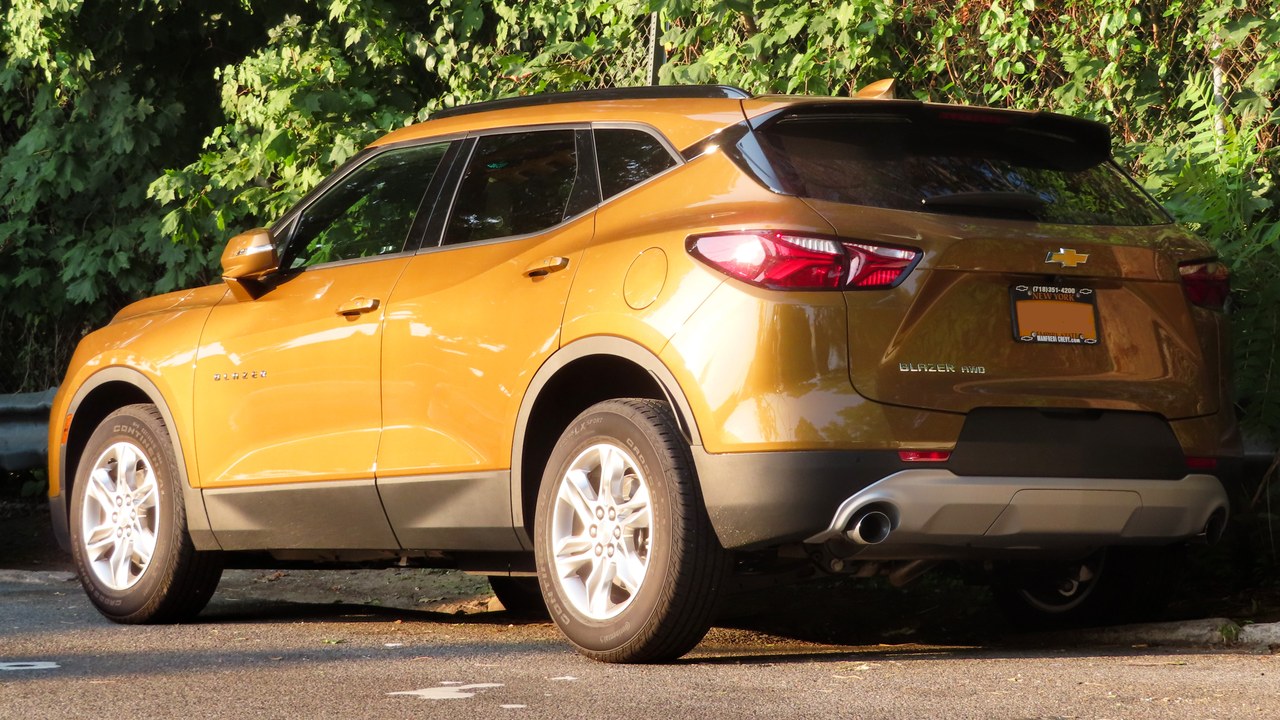
Edmunds’ Blazer overview notes that Chevrolet let the name sit unused for more than a decade before bringing it back for 2019. Rather than reviving the boxy SUV shape long associated with the badge, the automaker attached it to an all-new crossover, treating 2019 as the start of what Edmunds calls the first Blazer generation.
That choice marked a deliberate break from the nameplate’s earlier identity rather than a straightforward continuation of it. Shoppers who remembered the original Blazer’s truck-based layout instead found a car-based crossover wearing the same badge, an approach that shows automakers sometimes reuse a name for its recognition value even after the vehicle underneath has changed shape entirely.
3. Toyota Land Cruiser: Smaller, Cheaper And Back
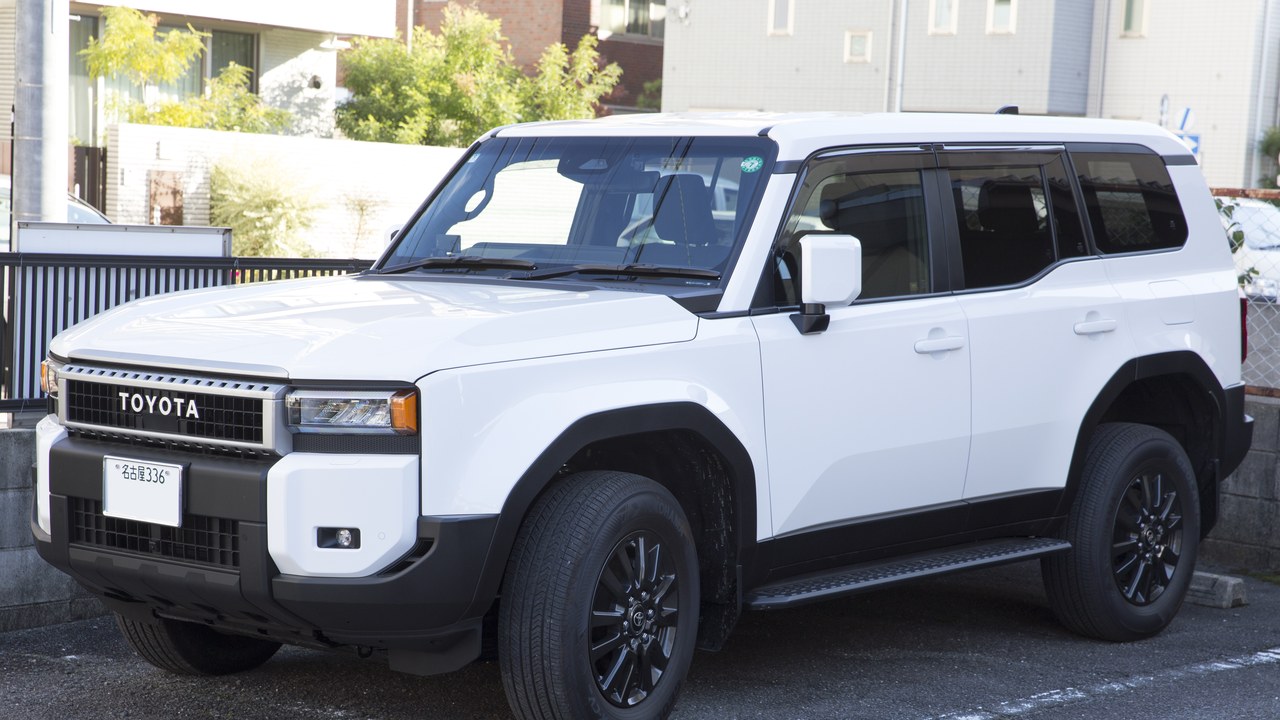
According to Edmunds’ Land Cruiser review, Toyota pulled the nameplate from the US lineup after the 2021 model year, ending one of the brand’s longest-running names. The badge returned for 2024 on a vehicle Toyota built to be smaller and more agile off-road than the model it replaced.
Toyota also priced the new Land Cruiser below where the outgoing version had landed, positioning it as a more accessible entry point into the nameplate rather than a flagship repeat. The shift toward a smaller, more focused off-roader suggests Toyota treated the discontinuation less as an ending than as a chance to reset what the name was supposed to represent.
4. Honda Prelude: A Hybrid Revival After Decades

Edmunds’ Prelude coverage confirms the coupe disappeared from Honda’s lineup around 2000 and stayed gone for 26 years, one of the longest nameplate absences on this list. Honda brought the name back not on a gasoline-only sports coupe like before, but on a hybrid, reflecting how far the brand’s engineering priorities had shifted since the Prelude last sold new.
A 26-year gap is long enough that most of the coupe’s original buyers had moved through several other cars by the time it returned. Choosing a hybrid powertrain for the revival rather than reproducing the old formula suggests Honda saw more value in updating the name for current tastes than in recreating the exact car that carried it before.
5. Dodge Charger: From Hatchback To Sedan
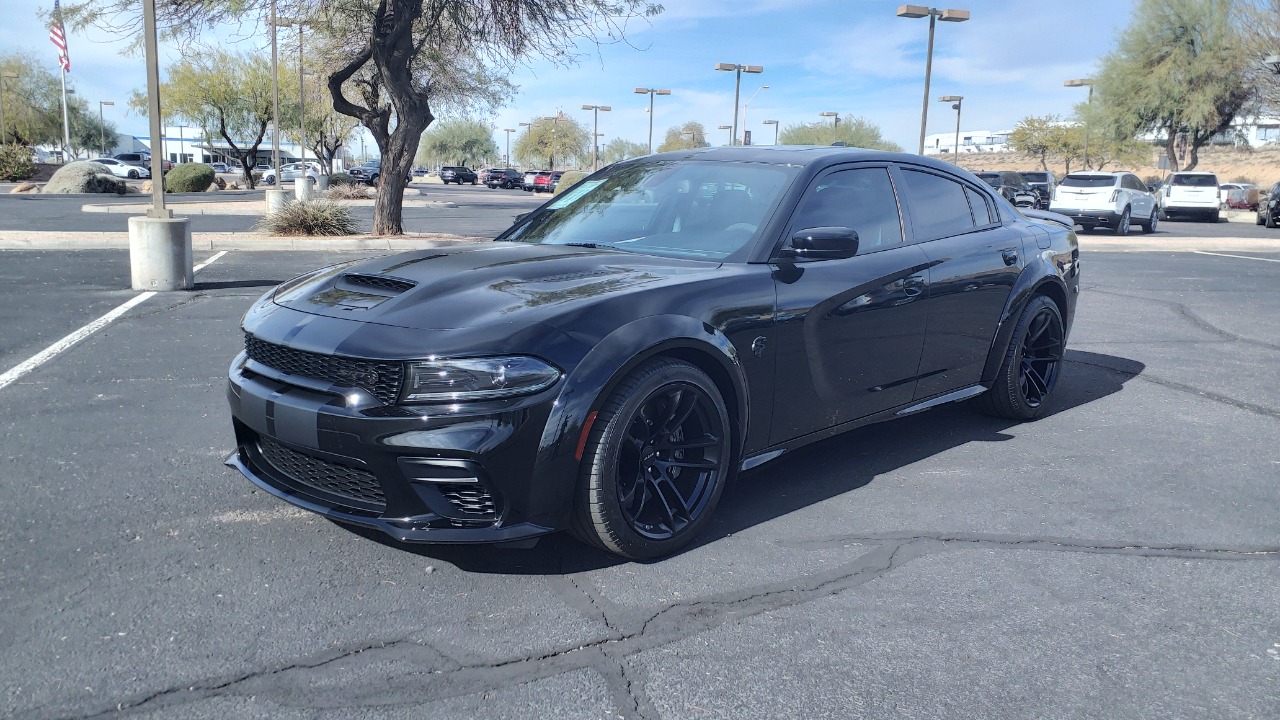
Per Wikipedia’s Dodge Charger entry, the nameplate disappeared after its 1980s hatchback version was discontinued and stayed off the market for twenty years. Dodge reintroduced it for the 2006 model year on a completely different body style: a four-door sedan built on the Chrysler LX platform rather than the compact two-door hatchback that had worn the name before.
Swapping body styles so completely meant the revived Charger shared almost nothing mechanically with its 1980s predecessor beyond the name itself. That gap shows how loosely a nameplate can be reattached after a long absence, with Dodge betting that Charger’s muscle-car reputation from earlier decades would transfer to a full-size sedan built for a very different market.
6. Ford Maverick: A Truck Name’s Second Life
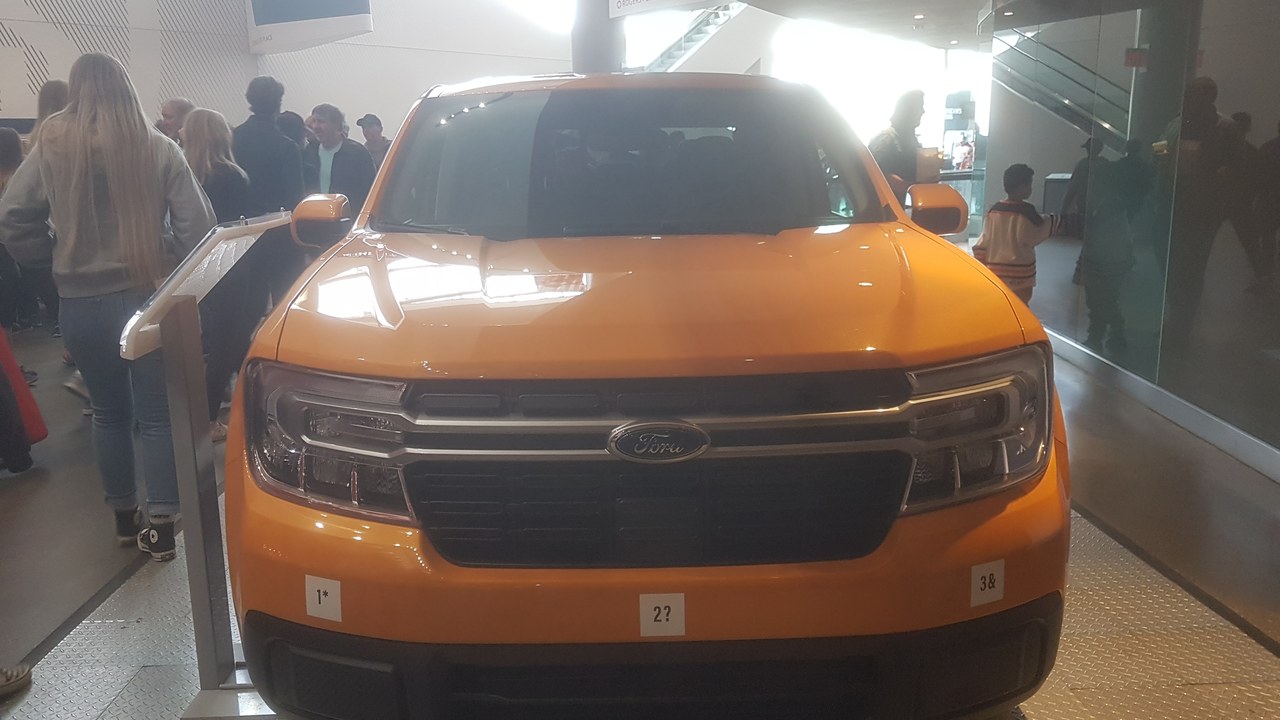
Wikipedia’s Ford Maverick page lists two distinct vehicles under the name: a compact car sold from 1970 to 1977, and a compact pickup truck that arrived in 2022. Ford left the name untouched for 45 years between those two vehicles, one of the longer gaps on this list, before attaching it to a segment the original car never competed in.
Reviving Maverick on a pickup rather than another compact car shows how little continuity a nameplate needs to be reused effectively. Ford treated the name as a recognizable asset separate from any particular body style, betting that buyers would respond to Maverick as a label rather than expecting it to describe the same kind of vehicle it once did.
7. Toyota Supra: Revived With BMW’s Help
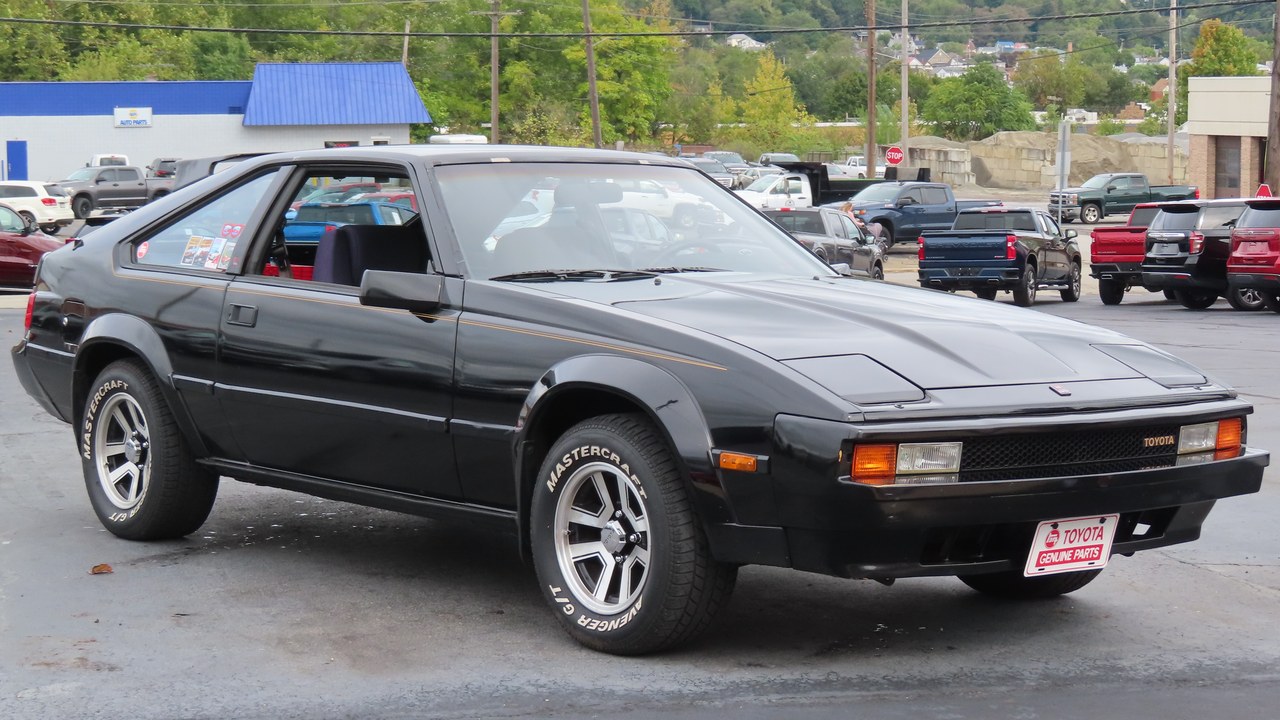
Wikipedia’s Toyota Supra entry states the sports car went out of production in 2002 and stayed off the market for 17 years. Toyota ended that absence by unveiling the fifth-generation Supra in January 2019 at the North American International Auto Show, a revival built through a joint development program with BMW rather than as a solo Toyota project.
Partnering with another automaker to bring the nameplate back marked a departure from how Toyota had developed every earlier Supra generation. That collaboration meant the revived car shared underpinnings with a BMW model, a trade-off Toyota accepted in order to get a new Supra to market after 17 years without one.
8. Volkswagen Scout: An Old Badge, Now Electric
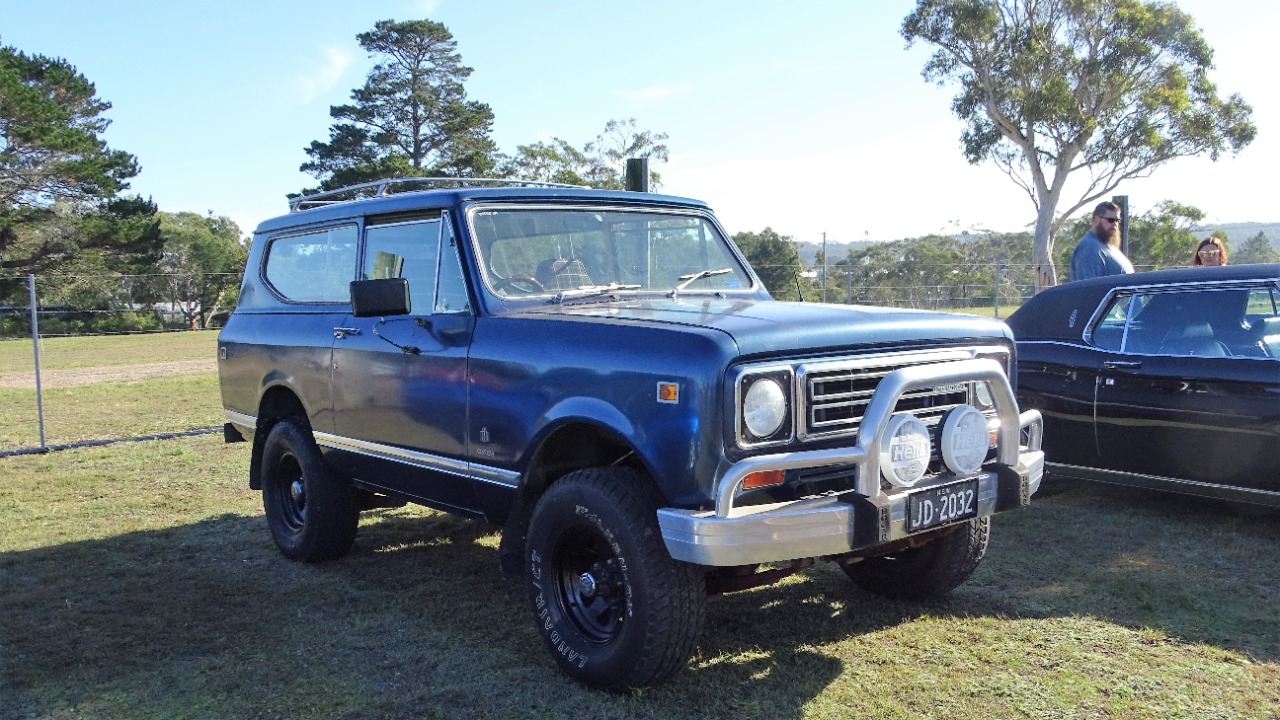
Wikipedia’s International Harvester Scout entry records the last Scout rolling off the line on October 21, 1980, ending a nameplate with no connection to Volkswagen at the time. Volkswagen announced in May 2022 that it intended to produce electric pickups and SUVs under a new Scout Motors brand, reviving a name it did not originally create after 42 years of silence.
Because International Harvester exited the vehicle business entirely, the Scout name spent decades without any automaker actively using or protecting it before Volkswagen acquired the rights. Attaching it to an EV brand rather than a single model shows the revival aims to build an entire lineup around the badge, not just reintroduce one vehicle.
More from Morning Overview
- A recalled pill hid a stimulant dose linked to heart attacks and death
- Four U.S. startups fired up their first small nuclear reactors, aiming to power AI data centers on-site
- Card skimmers hidden on gas pumps and ATMs are draining accounts, and here’s the tell
- Doctors warn a silent liver disease now affects one in three American adults
