
Jaguar spent most of a century building cars that were fast, beautiful and a little dramatic, and the brand’s history shows it. The story runs from postwar roadsters and Le Mans winners to an electric SUV, then to a farewell for gasoline power. Here are twelve of the Jaguars that define that arc, finishing with the model that closed the combustion era.
AI, explained every day: The Deep View is the go-to daily newsletter for 600,000+ founders, knowledge workers and professionals who want to stay up to date with artificial intelligence.
We may earn a commission if you sign up.
1. Jaguar XK120: Fastest in the World
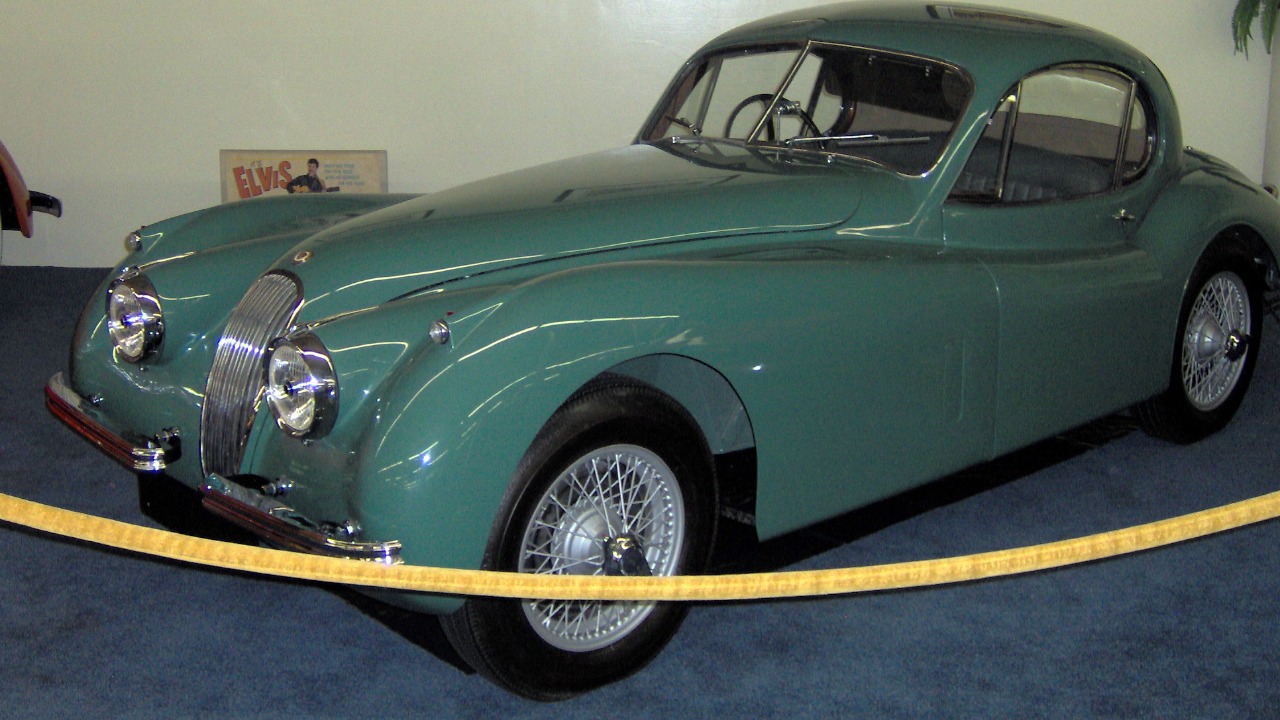
Launched in 1948, the XK120 sports car had a 120-mph top speed that made it the world’s fastest production car at the time, according to Jaguar’s own heritage page. The name itself reflects that figure.
The XK120 gave the company its first great postwar image. Surviving cars are prized by collectors for combining that speed claim with graceful open-top proportions. It also remains a favorite at vintage rallies and concours events around the world.
2. Jaguar E-Type: Beauty Contest Winner
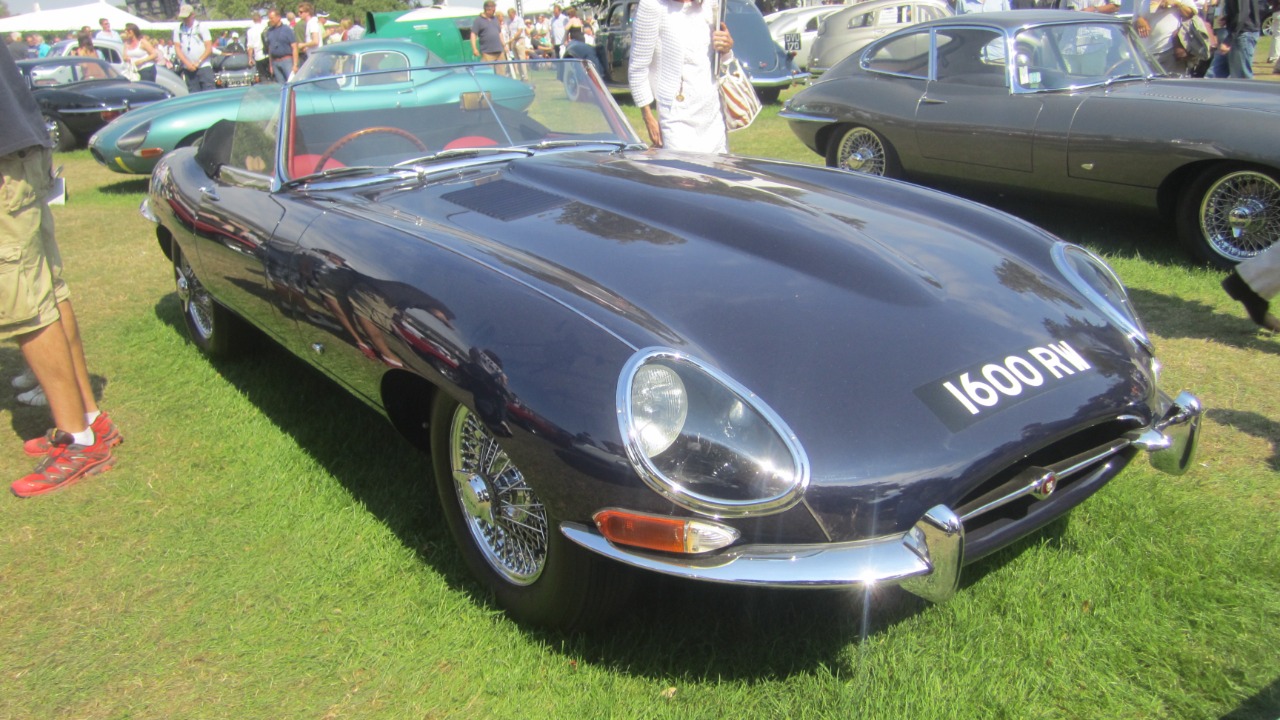
Enzo Ferrari called the 1961 E-Type the most beautiful car in the world, Jaguar’s heritage page recalls. The long-nosed sports car became the brand’s most famous shape.
That praise from a rival founder is often repeated because it fits the car’s reputation. The E-Type remains one of the most recognizable sports cars of the 1960s and a regular at classic shows. Even decades later, the long bonnet and curved tail define what many people picture when they hear the word Jaguar.
3. Jaguar XJ-S: Princess’s Personal Car
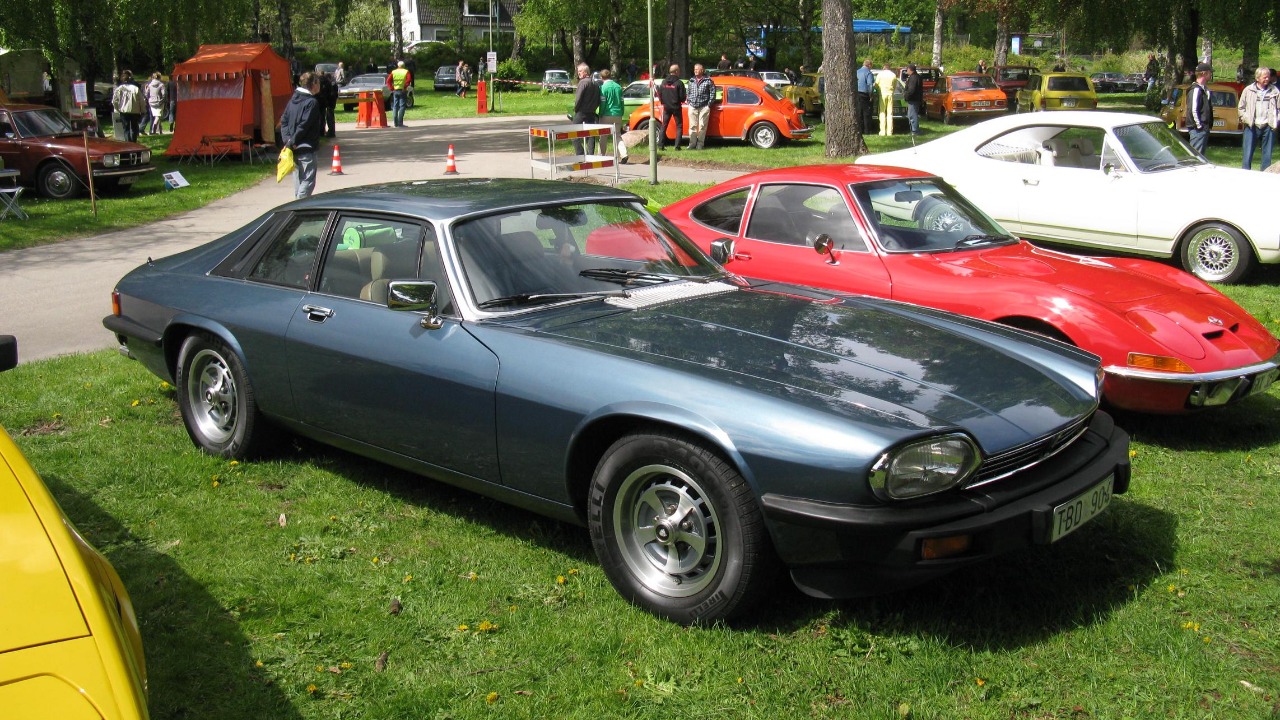
The V12 grand tourer introduced in 1975, the XJ-S, was Diana, Princess of Wales’ personal car, according to Jaguar. It paired long-legged touring comfort with a large twelve-cylinder engine.
The royal connection adds a footnote to a car that took years to win admirers. Buyers today often find it a relatively accessible way into V12 ownership, though running costs deserve a careful look. Owners of ordinary cars from that period will notice how different the XJ-S feels from sedans of the time.
4. Jaguar I-Pace: Electric Turning Point

Jaguar’s first all-electric performance SUV ran 0-60 in 4.5 seconds and was named 2019 World Car of the Year, per the brand’s heritage page. It marked a clear shift toward electrification.
The model showed that the company could build a convincing electric car long before the end of its combustion era. As a used purchase it deserves the usual checks on battery health and software history. Compared with the brand’s older sports cars, it also shows how much the company’s idea of performance had changed.
5. Jaguar C-Type: Le Mans Winner
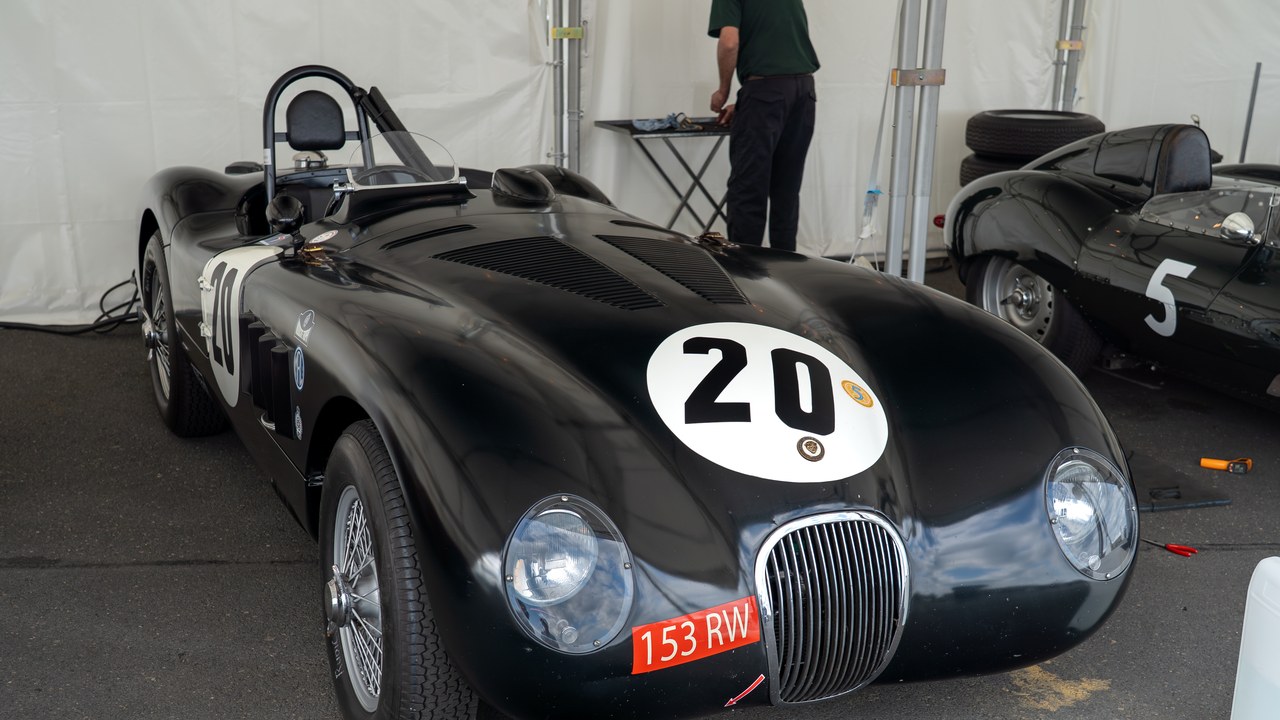
The C-Type racing car won the Le Mans 24 Hours in both 1951 and 1953, according to Classic & Sports Car. It established the marque as a force in endurance racing.
Those victories helped turn a sports car manufacturer into a motorsport name. Original C-Types are exceedingly rare, so most people encounter the shape through museums or historic race meetings. The wins also encouraged the company to develop the successor that followed it.
6. Jaguar D-Type: Five Wins in Seven
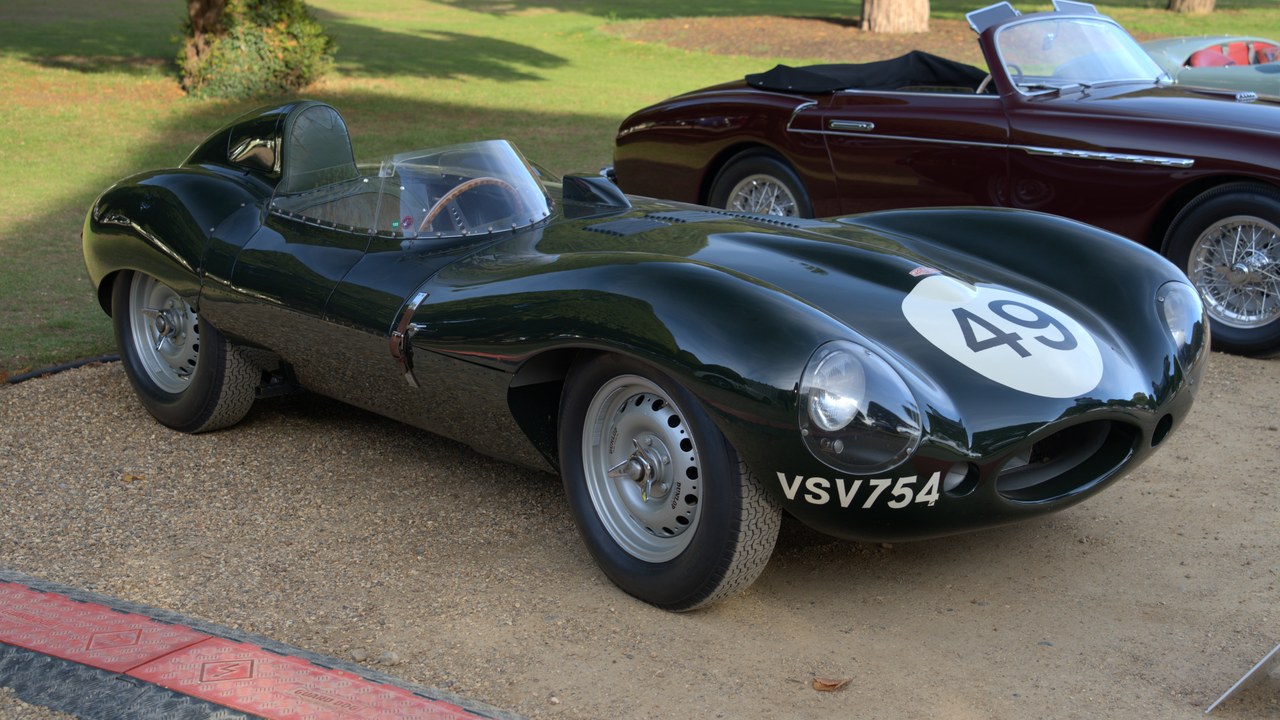
A works D-type won Le Mans in 1955, and Classic & Sports Car notes that, together with the C-type, Jaguar won the race five times in seven years. The D-type’s finned, streamlined body made it instantly recognizable.
The D-type extended a winning formula that began with the C-type. Its road-going descendants carried much of that racing aura into later sports cars from the company. Preserved examples turn up at historic racing events, where they still draw a crowd.
7. Jaguar XJ220: Extraordinary and Scarce
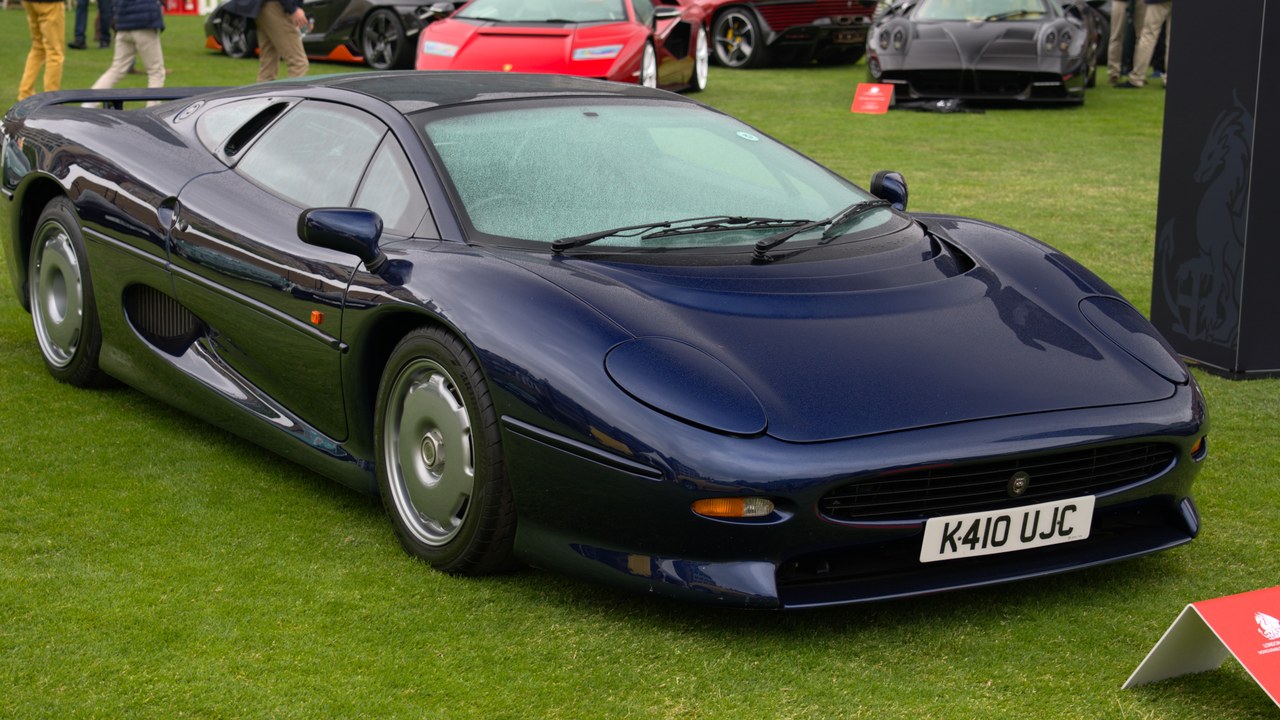
Classic & Sports Car calls the XJ220 supercar the most extraordinary car ever to bear the name Jaguar. It made 543 bhp and sold fewer than 300 examples.
The low sales total makes the XJ220 a rarity and a collector curiosity. Its place on the list owes less to volume than to its willingness to chase supercar territory. That combination of ambition and rarity is why the car is still discussed so often.
8. Jaguar F-Type: The Last F-Types
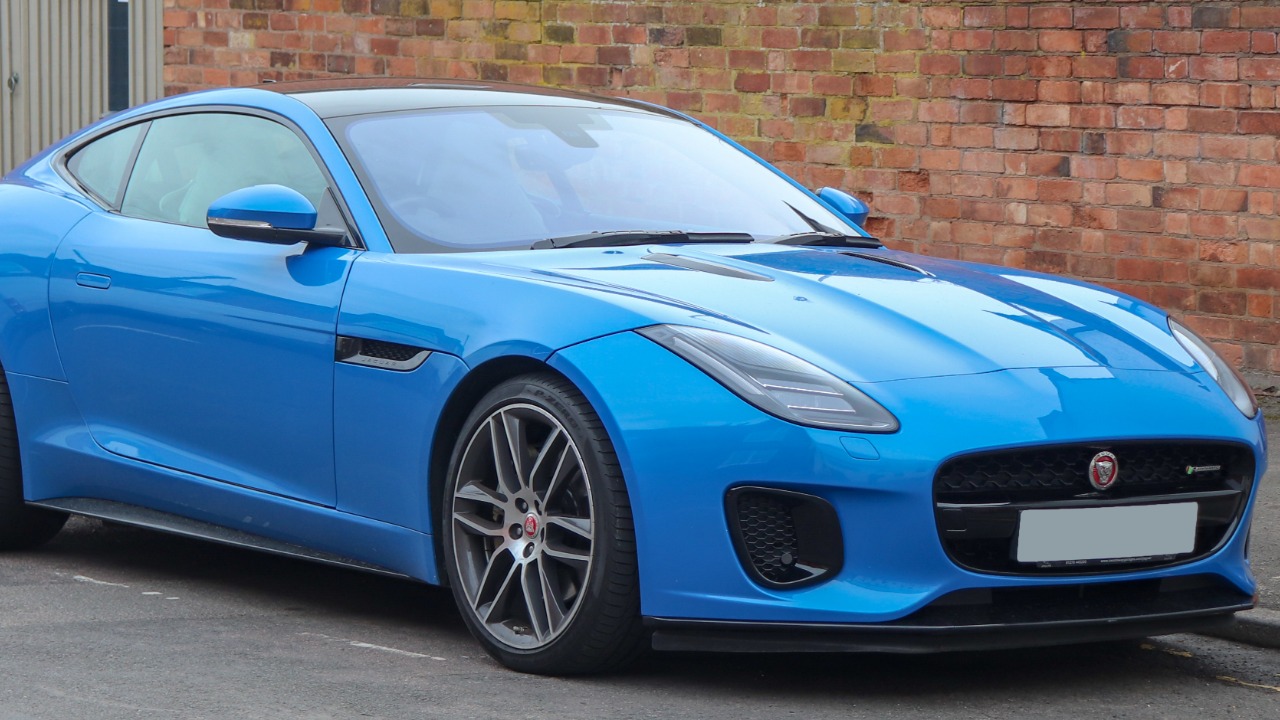
The first new two-seat Jaguar since the E-type, the F-type sports car ended with 150 Type ZP cars announced as the last F-Types ever made, Classic & Sports Car reports. Its run closed an era for the brand’s sports cars.
The F-type kept the two-seat Jaguar tradition alive for years after the E-type. Buyers interested in the final cars should note that limited editions tend to carry premiums. The farewell edition suggests the company expected strong demand from loyal fans.
9. Jaguar Mark 2: Police Favorite
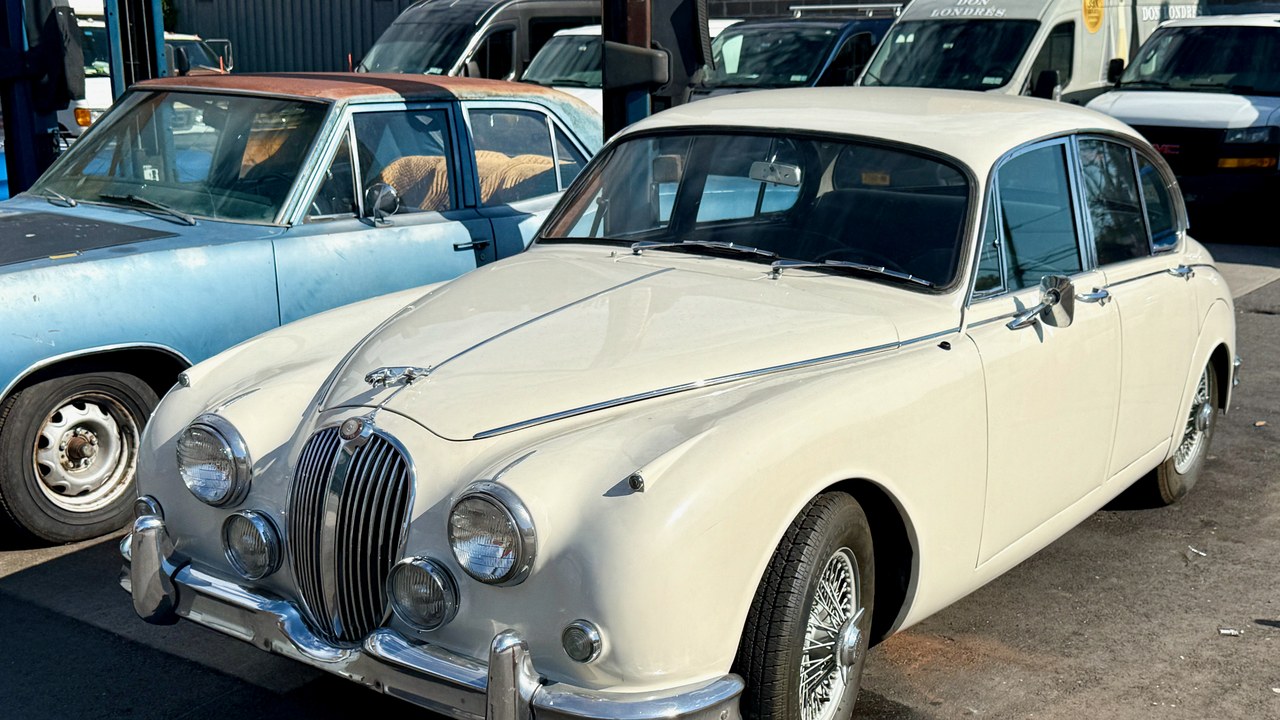
Revised in 1959, the Mark 2 in 3.8 form was popular with British police for its 125-mph performance, according to Wikipedia’s Jaguar Cars article. It combined sedan practicality with sporting pace.
That mix of space and speed gave the Mark 2 a lasting place in British motoring lore. Classic examples remain popular for road use and for period-correct film or television work. It is a rare classic that served police work and family duty with equal ease.
10. Jaguar XJ6: The Saloon That Saved Jaguar
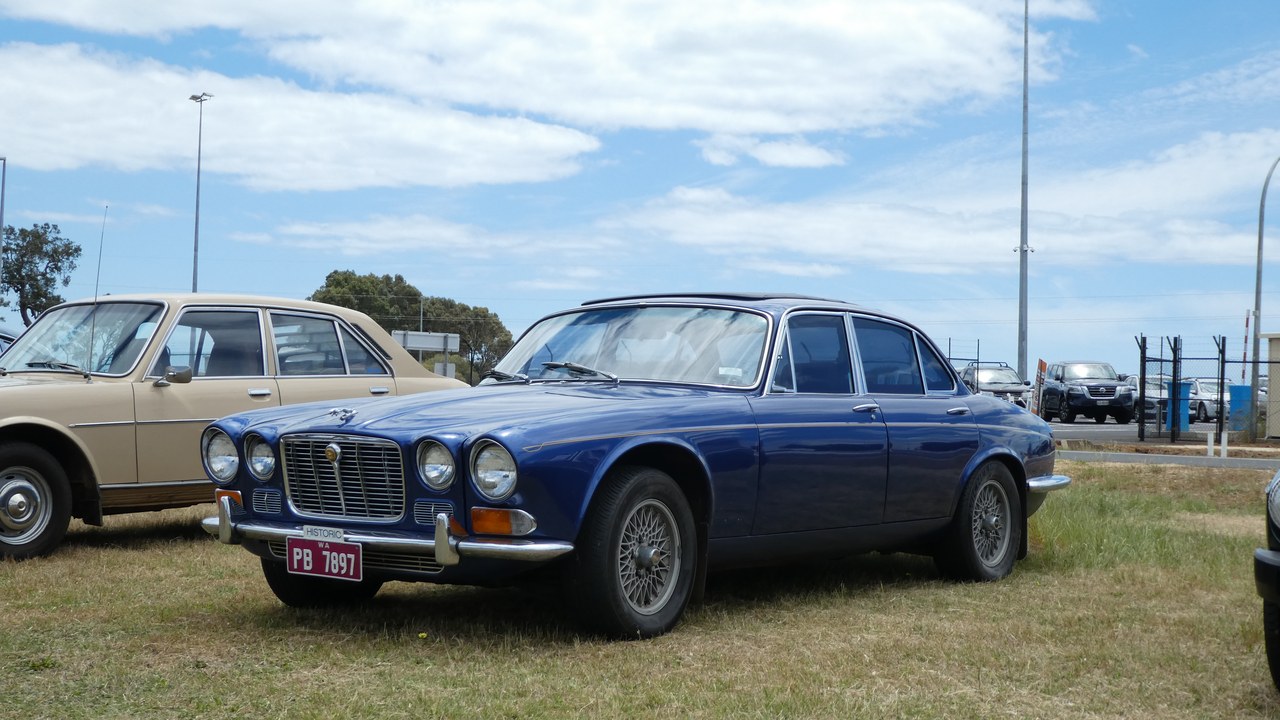
The 1968 XJ6 sedan is credited with saving Jaguar, and the XJ line ran from then on, according to Wikipedia’s Jaguar Cars article. It became the brand’s core luxury saloon.
An XJ name that persisted for decades shows how important the original car was to the company’s survival. Early examples are valued for their ride quality and elegant lines. The name carried through successive generations, which tells a lot about the car’s importance.
11. Jaguar X-Type: Mondeo-Based Compact
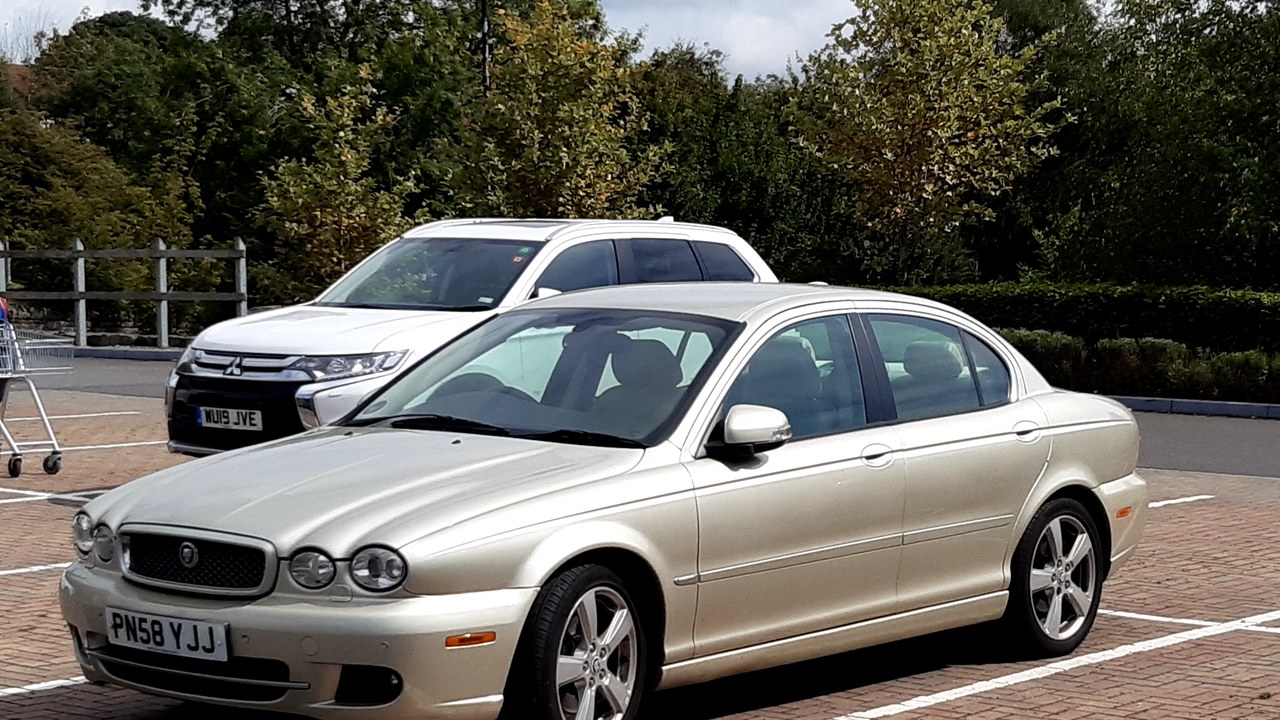
The Ford Mondeo-based X-Type compact executive car ran from 2001 to 2009, per Wikipedia’s Jaguar Cars article. It aimed at buyers who wanted a smaller, more affordable way into the brand.
The X-Type is often discussed as a controversial entry because of its shared underpinnings. Used examples are inexpensive, though condition and service history matter more than the badge. The car is a reminder that mainstream platforms have occasionally shaped the brand’s entry-level models.
12. Jaguar F-Pace: End of the Gas Era
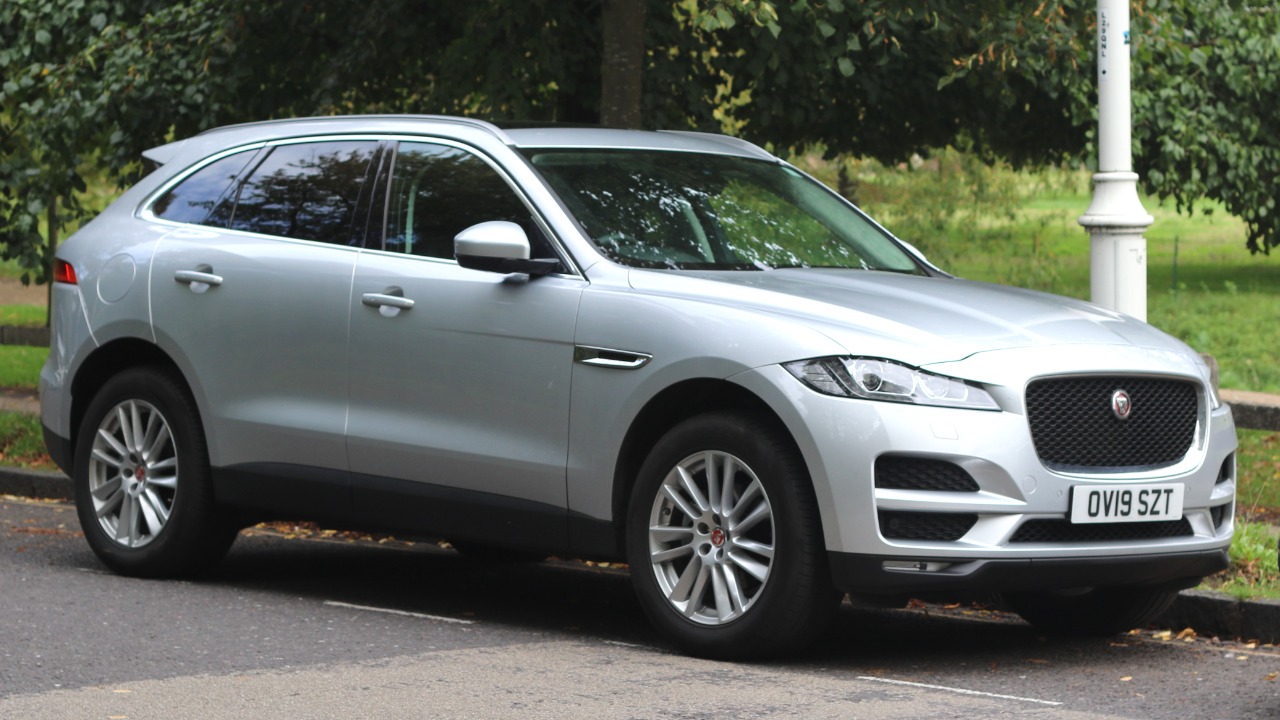
Jaguar’s first SUV, the F-Pace, became the last combustion-engine Jaguar when the final example was built on December 19, 2025, according to Wikipedia’s Jaguar Cars article. Production of combustion-engine cars ended that month.
The final F-Pace marks a clear break between Jaguar’s gasoline history and its electric plans. Owners of existing combustion models will still need parts and service for years to come. Anyone shopping for a late example may find it holds special interest as a final chapter in Jaguar’s history.
AI, explained every day: Get The Deep View →
We may earn a commission if you sign up.
More from Morning Overview
- Doctors warn a silent liver disease now affects one in three American adults
- The FBI told the rest of ShinyHunters to surrender after a 24-year-old was arrested
- Two passengers died at an Ohio toll plaza, and the NTSB now wants the cash lanes shut
- Long use of a common prostate pill is tied to a higher chance of glaucoma
