
Mercedes-Benz has spent decades turning engineering firsts into showroom icons, from sports roadsters to sedans that refused to die. The brand’s milestones include safety debuts, huge production runs and one taxi with an astonishing odometer. Here are twelve of the models that mark the road from the Gullwing to a 2.9-million-mile workhorse.
Tech news in one quick read: Get the most interesting stories in startups, tech and programming, each with a short TLDR, in one daily email from TLDR.
We may earn a commission if you sign up.
1. Mercedes-Benz 300 SL Gullwing: Fastest of Its Day
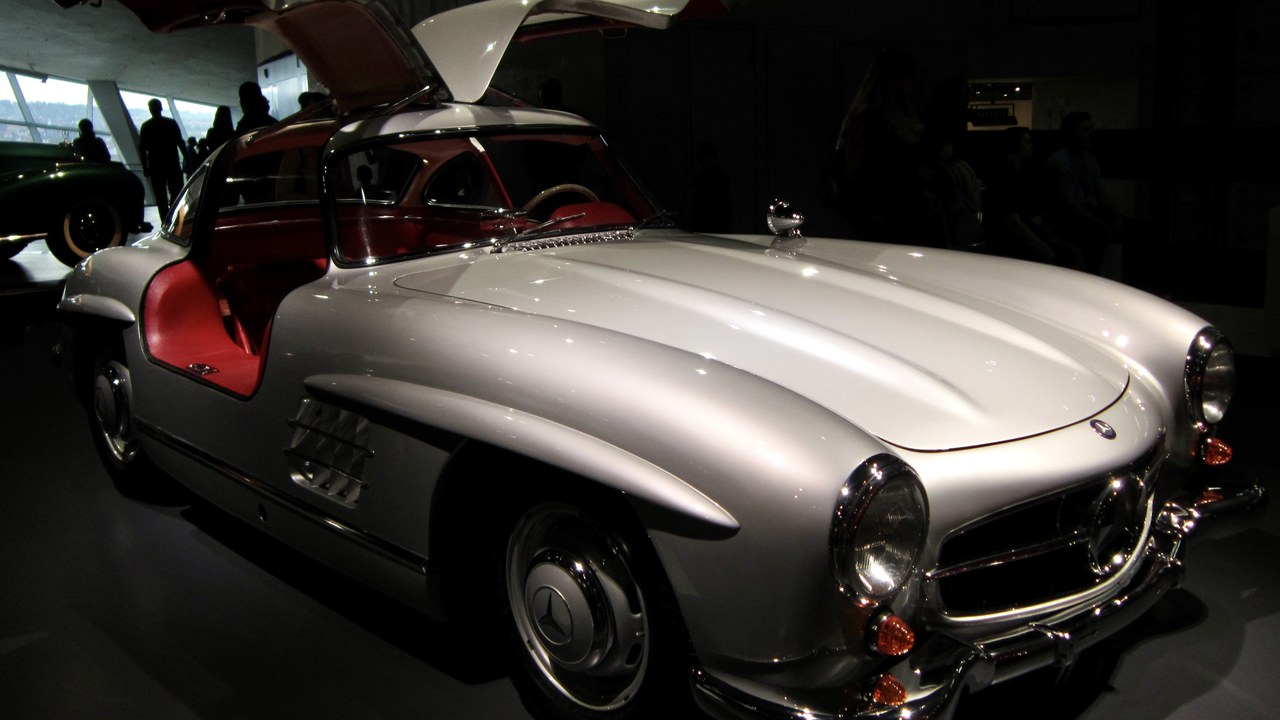
Shown at the 1954 New York motor show, the 300 SL Gullwing carried a 215-bhp straight-six and was the fastest production car of its day, according to Top Gear. It was among the very first road-going SL models.
The Gullwing set the template for every SL that followed, pairing racing-derived speed with a road-legal body. Its doors, hinged at the roof, are the feature most associated with the car, and survivors remain among the most sought-after classics.
2. Mercedes-Benz 190 SL: The Roadster Debut
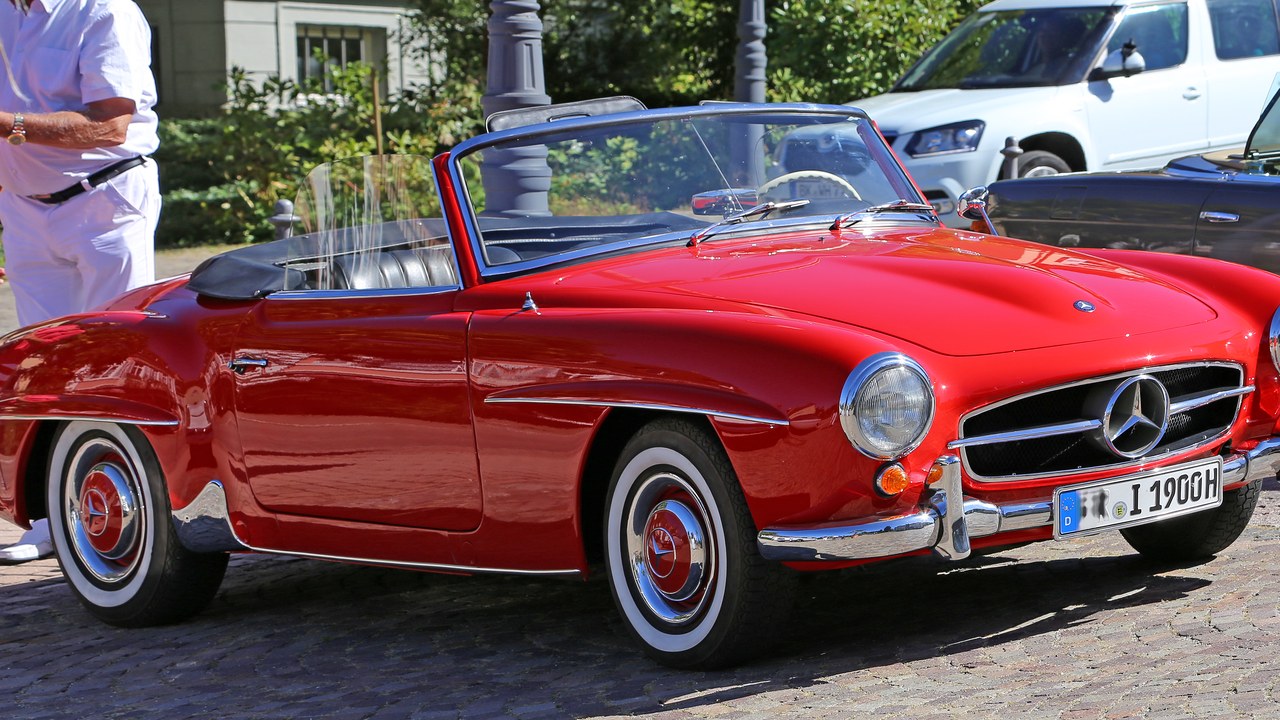
Debuting at the same 1954 New York show, the 190 SL was the first roadster in the SL line. Top Gear lists a 105-bhp 1.9-litre four-cylinder engine, a modest output next to the coupe shown beside it.
The 190 SL offered the look of the sporting flagship with a gentler character. That split between a hardcore coupe and a relaxed open car became a recurring theme as the SL name carried on through later generations.
3. Mercedes-Benz W113 ‘Pagoda’ SL: A Roof Like a Temple
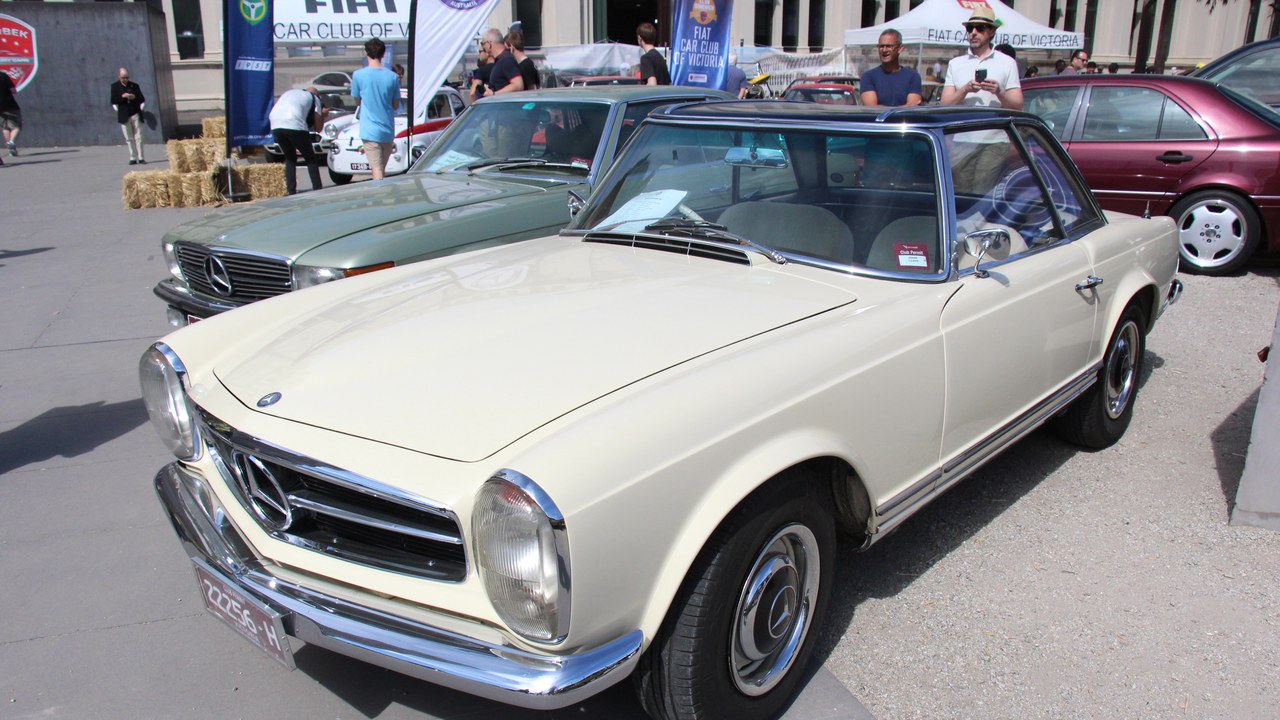
Penned by Paul Bracq, the 1963 W113 SL earned the nickname Pagoda because its roof was shaped like an East Asian temple, Top Gear explains. The distinctive concave hardtop gave the roadster a shape instantly recognizable today.
The Pagoda nickname stuck so thoroughly that it now appears in auction listings and club names. Its tall glass area also made the cabin brighter than that of earlier SL models, a trait owners still praise.
4. Mercedes-Benz R107 SL: Longest-Running SL
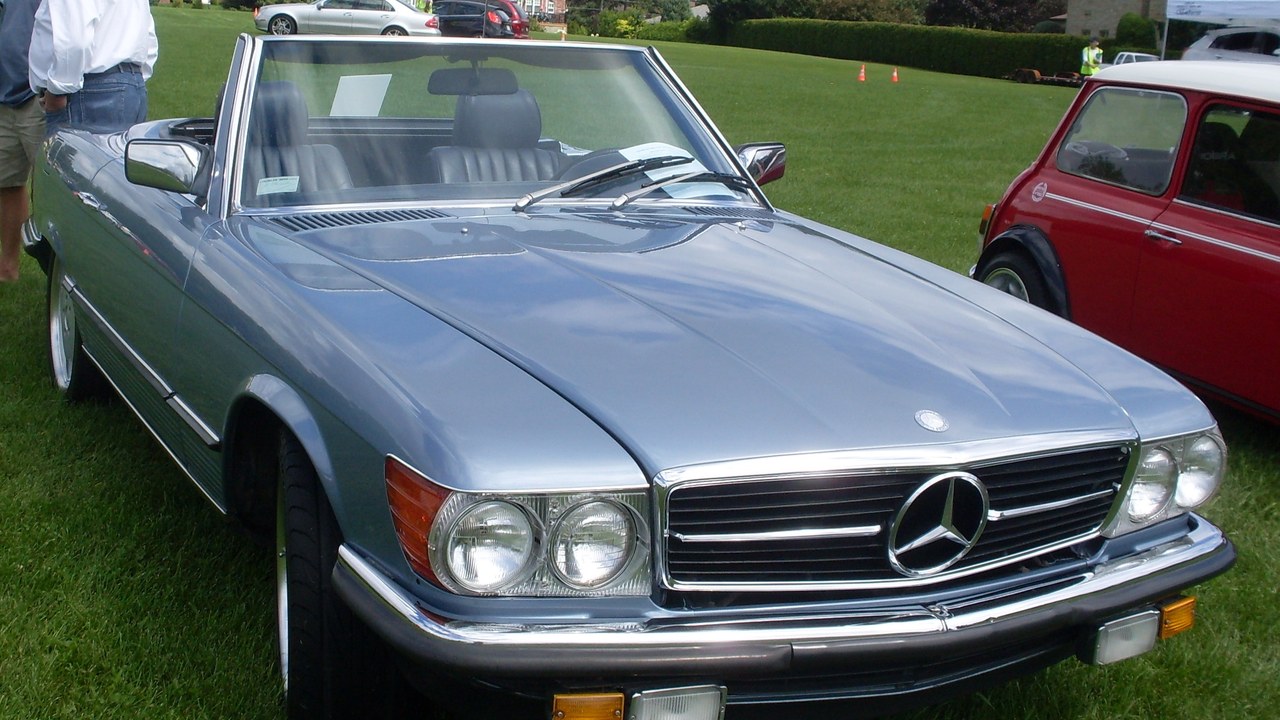
Exactly 231,287 roadsters were built between 1971 and 1989, the highest volume of any SL generation, according to Top Gear’s SL history. The R107 therefore stayed on sale across almost two decades.
That long run, spanning many model updates, means used examples are plentiful and parts support is broad. Buyers still need to inspect for rust and deferred maintenance, since a famous production total does not guarantee the condition of any single car on the market.
5. Mercedes-Benz W116: Birth of the S-Class
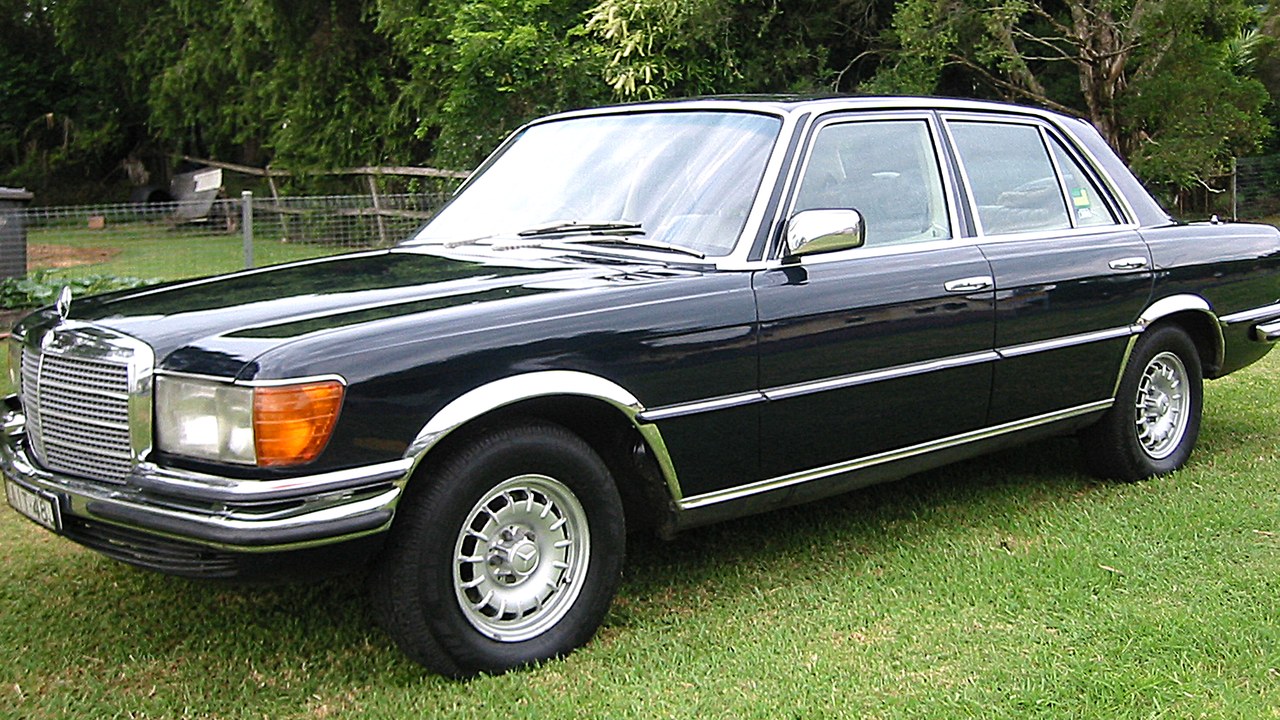
The W116 was the first car officially called the S-Class, arriving in 1972, and it was among the first offered with ABS, as Wikipedia’s S-Class history notes. A total of 473,035 were built.
The model established the naming that continues on Mercedes flagships today. Collectors seeking an early luxury sedan with genuine technical firsts often look to the W116, though age-related electrical and rubber issues are common on cars of this era.
6. Mercedes-Benz W126: Airbag Pioneer
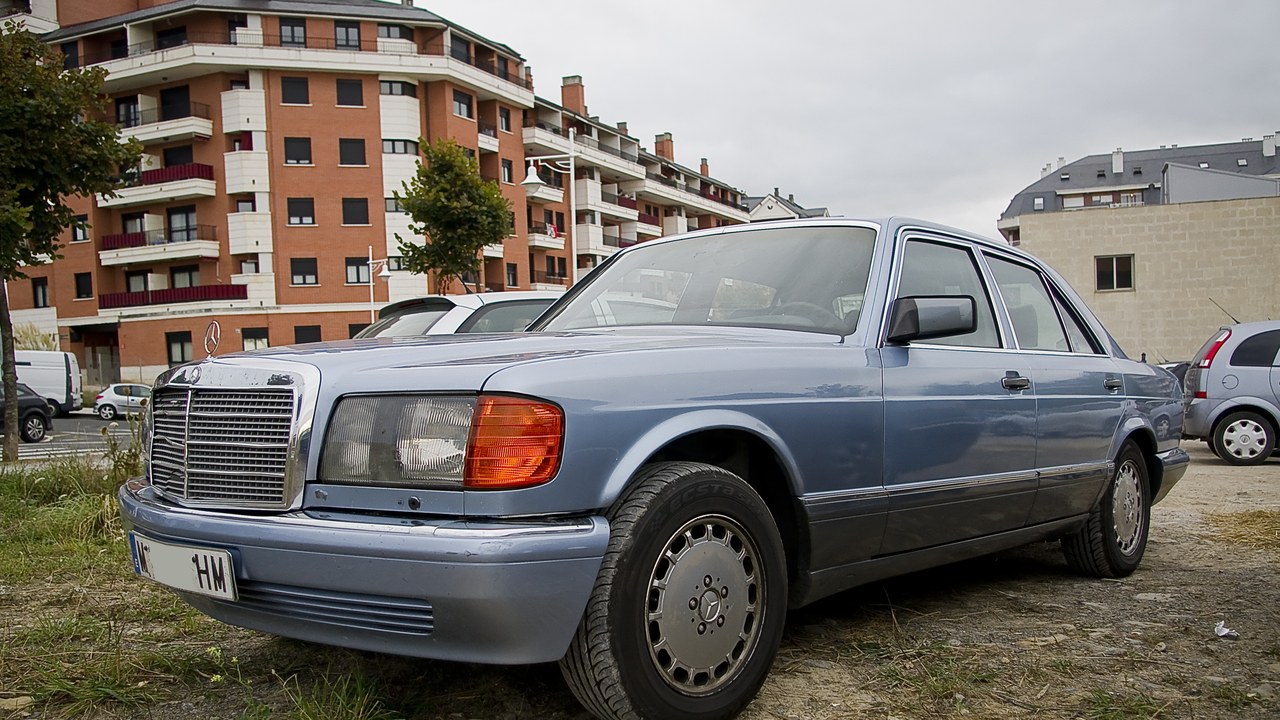
The W126 was the first production car with a standard airbag, and Wikipedia’s S-Class overview reports that 818,036 sedans and 74,060 coupes were sold from 1979 to 1991. The numbers show how widely the design was adopted.
A standard airbag in a luxury sedan helped push safety equipment toward ordinary buyers. The W126 also remains admired for restrained styling, which has aged more gracefully than the work of many contemporaries.
7. Mercedes-Benz W140: V12 Heavyweight
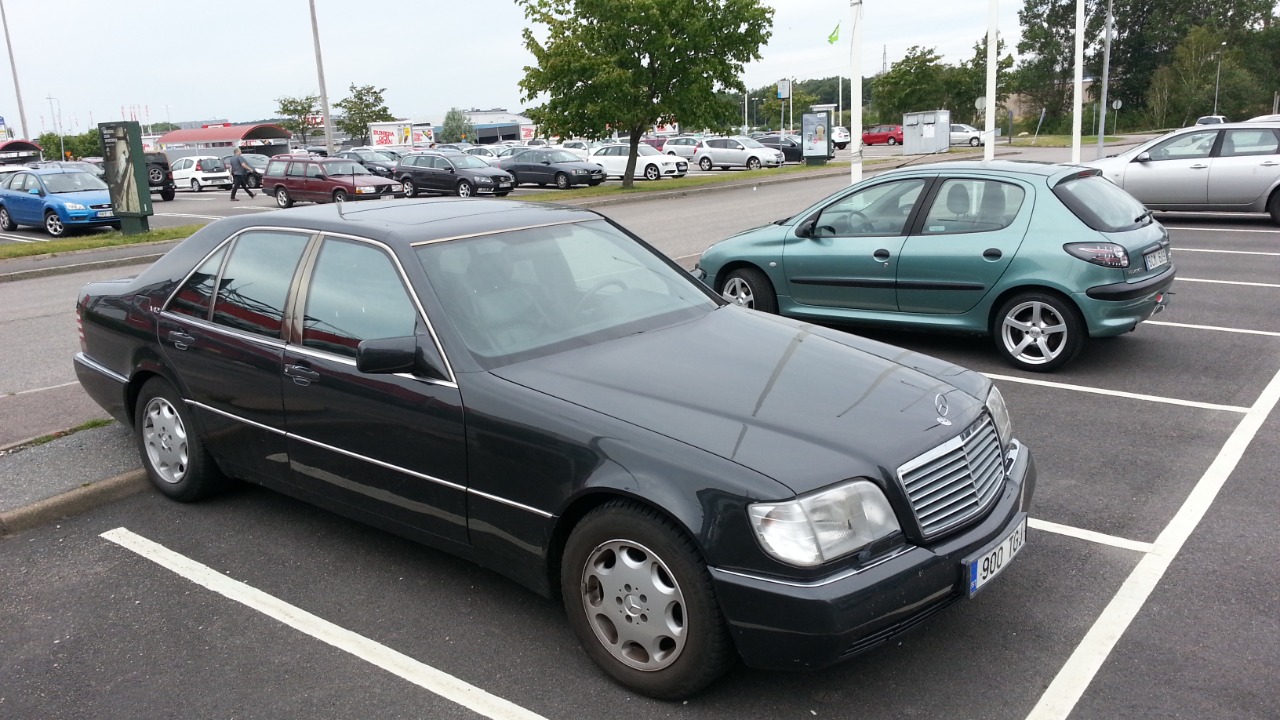
Arriving in 1991, the W140 offered a 402-bhp 6.0-litre V12 and gained Electronic Stability Control after its facelift, per Wikipedia’s S-Class article. It was a very large and technically ambitious flagship for its time, aimed at buyers wanting the most advanced sedan available.
The car’s bulk and complexity are central to its reputation among enthusiasts. Shoppers interested in a used example should budget carefully, because the sophisticated equipment that made the W140 notable can also be expensive to repair.
8. Mercedes-Benz W223 S-Class: Rear-Seat Airbags
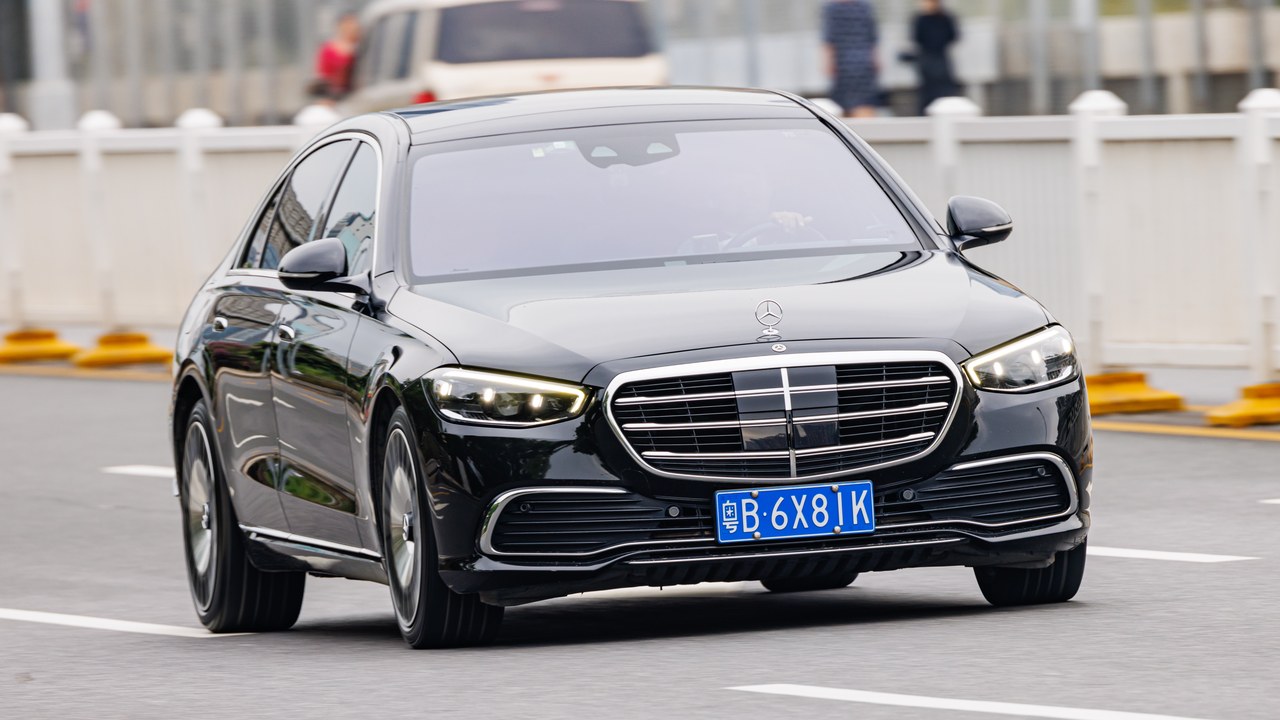
Unveiled in 2020, the W223 S-Class was the first production car with rear-seat airbags, according to Wikipedia’s S-Class history. It carries the nameplate’s long tradition of using the flagship to introduce safety technology.
The W223 shows the S-Class formula still operating in the modern era, with new protection arriving first at the top. Features introduced there often trickle down to cheaper models, which is what makes the flagship worth watching.
9. Mercedes-Benz W123: The Indestructible Sedan

The W123 became a sedan and taxi favorite, with 2,696,915 built, including 449,780 240D diesels, as Wikipedia’s W123 entry records. Its reputation for durability is central to why it appears on milestone lists.
A production total that large means the W123 is still a common sight in many countries. Its diesel variants in particular are remembered for longevity, though condition today depends far more on past care than on reputation.
10. Mercedes-Benz W114: The 2.9-Million-Mile Taxi
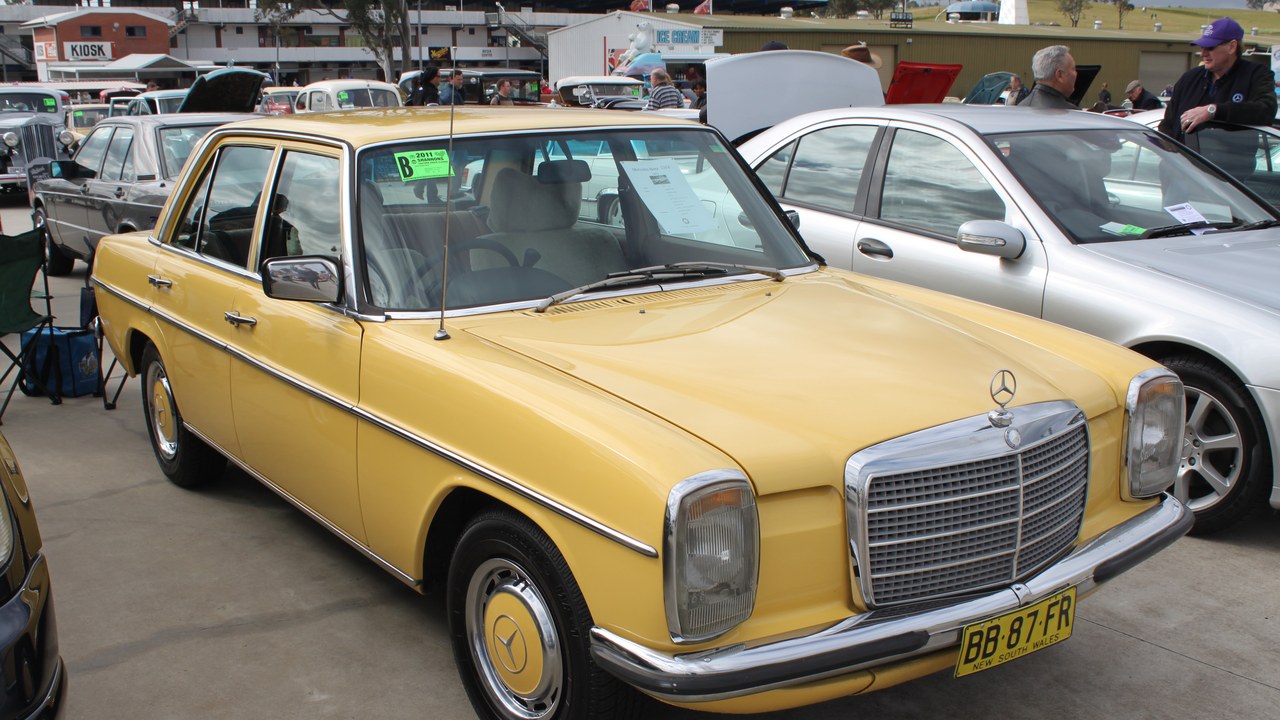
A 240 D taxi from the 1968 to 1976 W114 line logged 4.6 million km, or 2.9 million miles, according to Wikipedia’s W114 article. In total, 1,919,056 of the cars were built, making the line a high-volume mainstay for the brand.
The mileage belongs to a single vehicle and should not be treated as typical of other cars from the same series. It still illustrates why old Mercedes diesels earned a following among drivers who valued a car that simply kept working.
11. Mercedes-Benz G-Class: Still Selling Strong
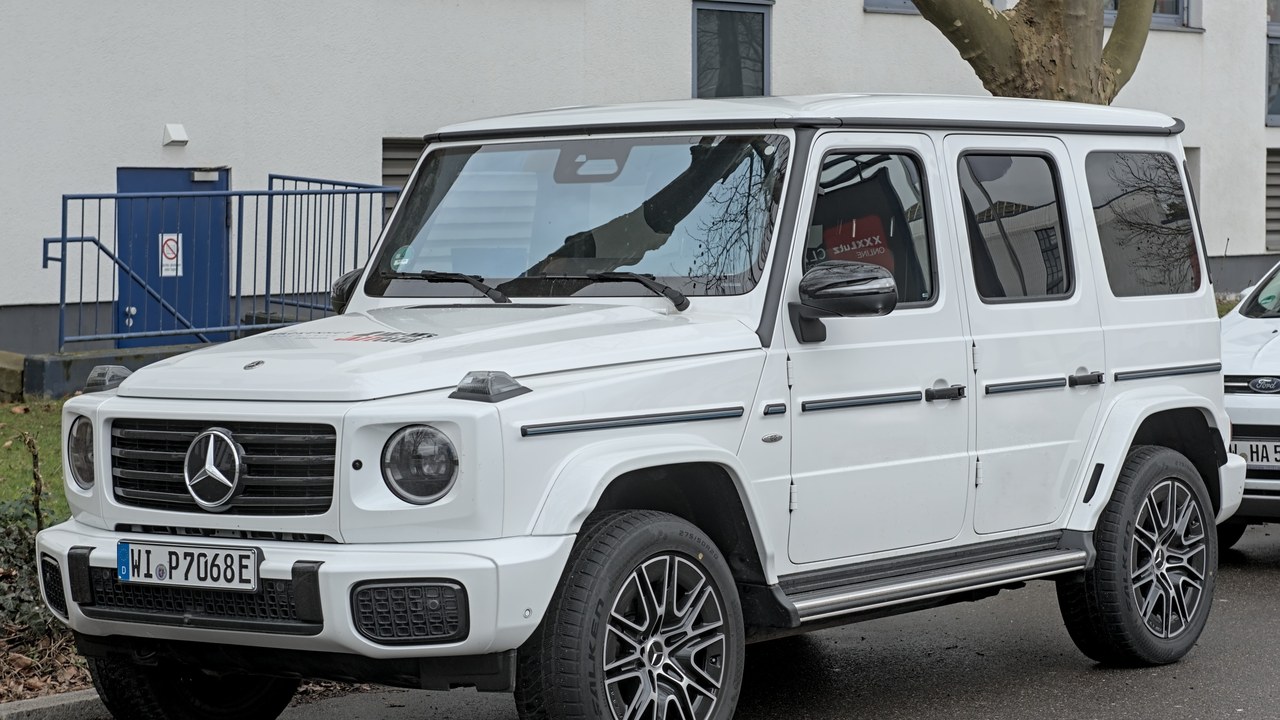
The G-Class remains on sale for 2027, when the AMG G 63 makes 577 hp for about $200,000, based on Kelley Blue Book’s listing. The boxy utility vehicle has long outlasted most designs, which is itself a milestone in the segment.
Its enduring upright shape is a core part of the appeal, and buyers pay accordingly. That price shows that nostalgia and capability can command a premium well beyond what a traditional luxury SUV typically costs.
12. Mercedes-Benz Sprinter: A Van With a Name
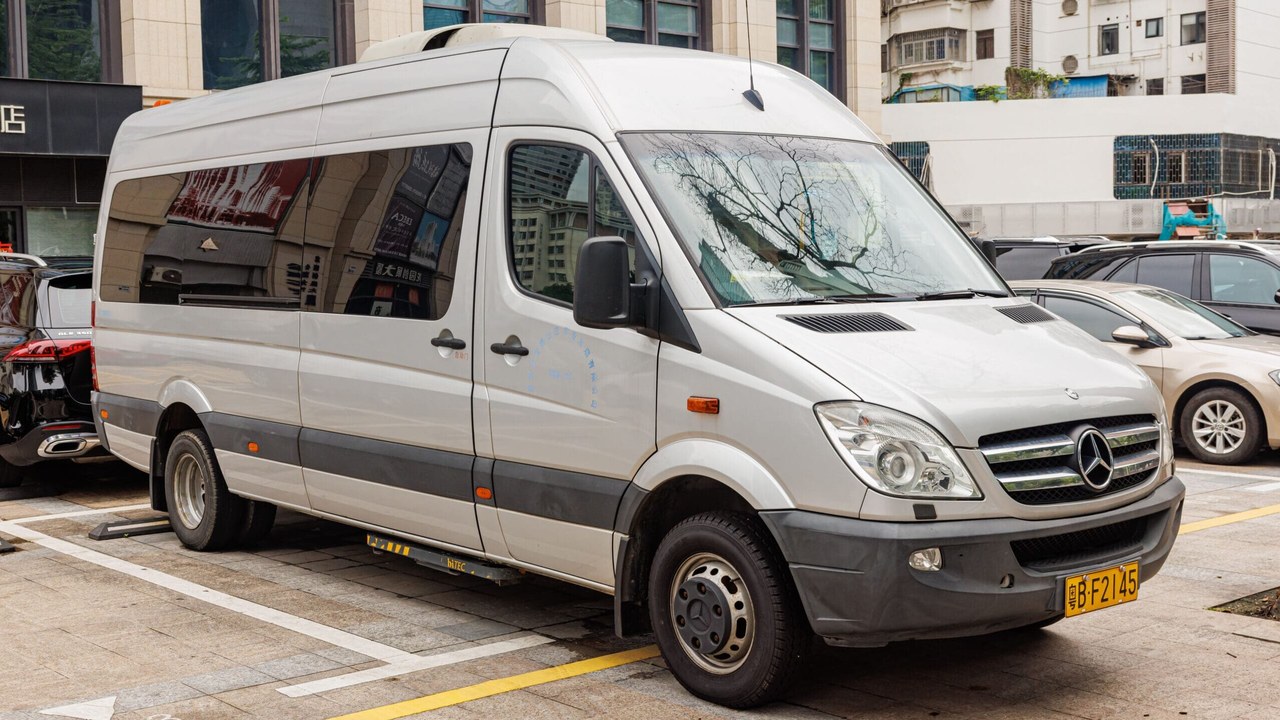
Launched in 1995, the Sprinter was the first Mercedes-Benz product to carry a name, and it reached the United States as a Freightliner and then a Dodge, says Wikipedia’s Sprinter article. It broadened the company beyond cars.
Commercial vans rarely make milestone lists, yet the Sprinter shaped how many businesses and camper builders think about a tall cargo van. Its American branding history is a reminder that the badge on the grille changed over time.
Tech news in one quick read: Subscribe to TLDR →
We may earn a commission if you sign up.
More from Morning Overview
- Common allergy, bladder and sleep pills tied to sharply higher dementia odds
- NOAA now gives this winter a 75% chance of the strongest El Nino since 1950
- Doctors warn a silent liver disease now affects one in three American adults
- The FBI told the rest of ShinyHunters to surrender after a 24-year-old was arrested
