
Fall color varies widely by species, and the brightest displays come from far more than the familiar maples. Extension services and tree groups point to oaks, sumacs, hickories and a host of native trees that light up in reds, oranges and golds. Here are twelve trees with the brightest fall color, including a ginkgo famous for dropping its leaves almost at once.
Help yourself and the planet: The Cool Down makes it easy to help yourself while helping the planet, with smart, simple changes to save more and waste less in your everyday life.
We may earn a commission if you sign up.
1. Sugar maple: Yellow To Orange To Red
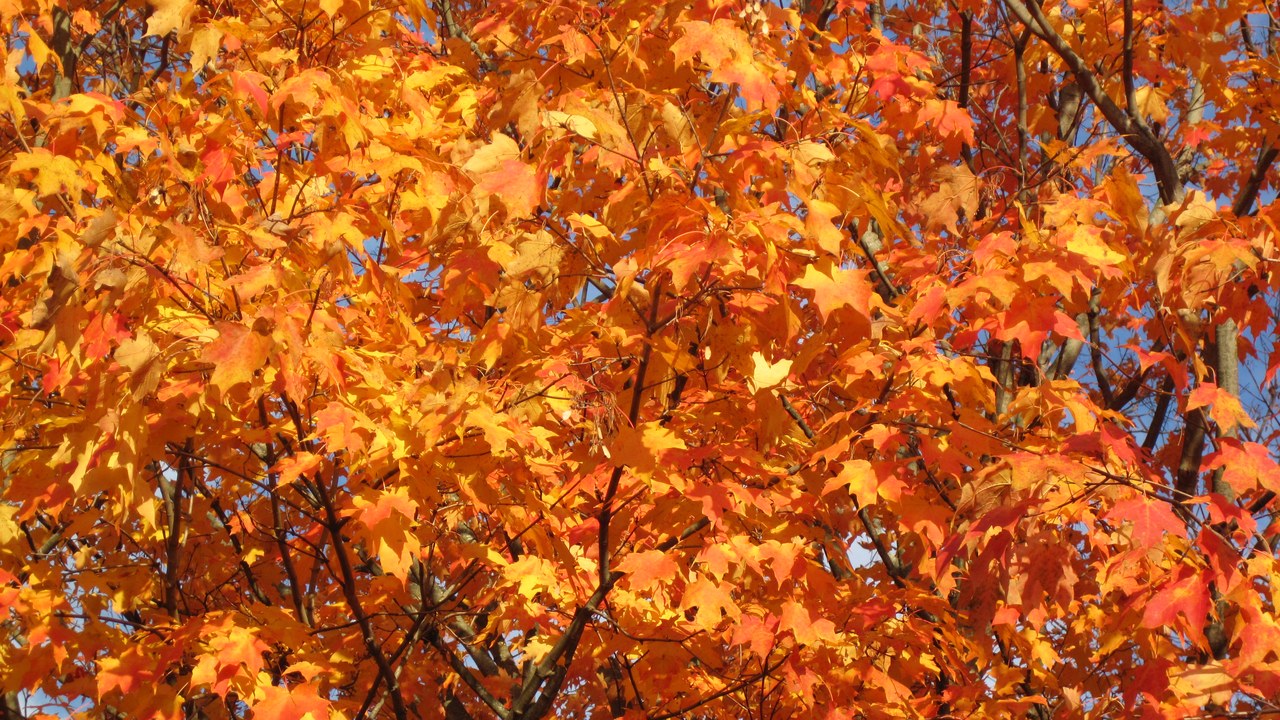
The sugar maple’s leaves run from yellow to orange and finally to red in fall across hardiness zones 3 to 8, according to the Arbor Day Foundation list of great fall color trees.
That full range of color is why the species is the classic symbol of autumn in the northern United States. A broad range of zones also means many yards and woodlands can have the display, depending on local conditions and the weather of the season.
2. Red maple: Red Or Yellow
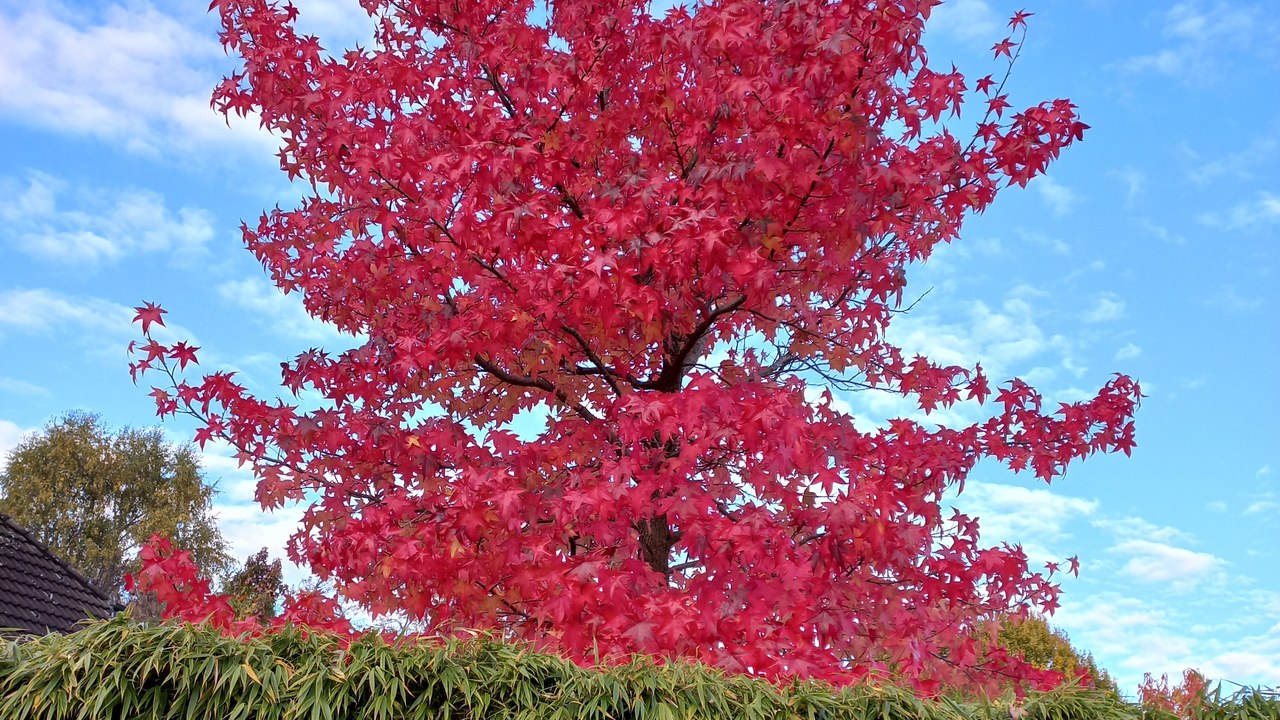
The red maple turns either deep red or yellow in fall and grows up to 60 feet tall, according to the Arbor Day Foundation feature on great fall color trees.
The either-or color means that individual trees can look quite different from each other. For anyone choosing a tree to plant, the height is a useful reminder that this maple needs plenty of room to reach its full size over the years.
3. Quaking aspen: Rocky Mountain Gold
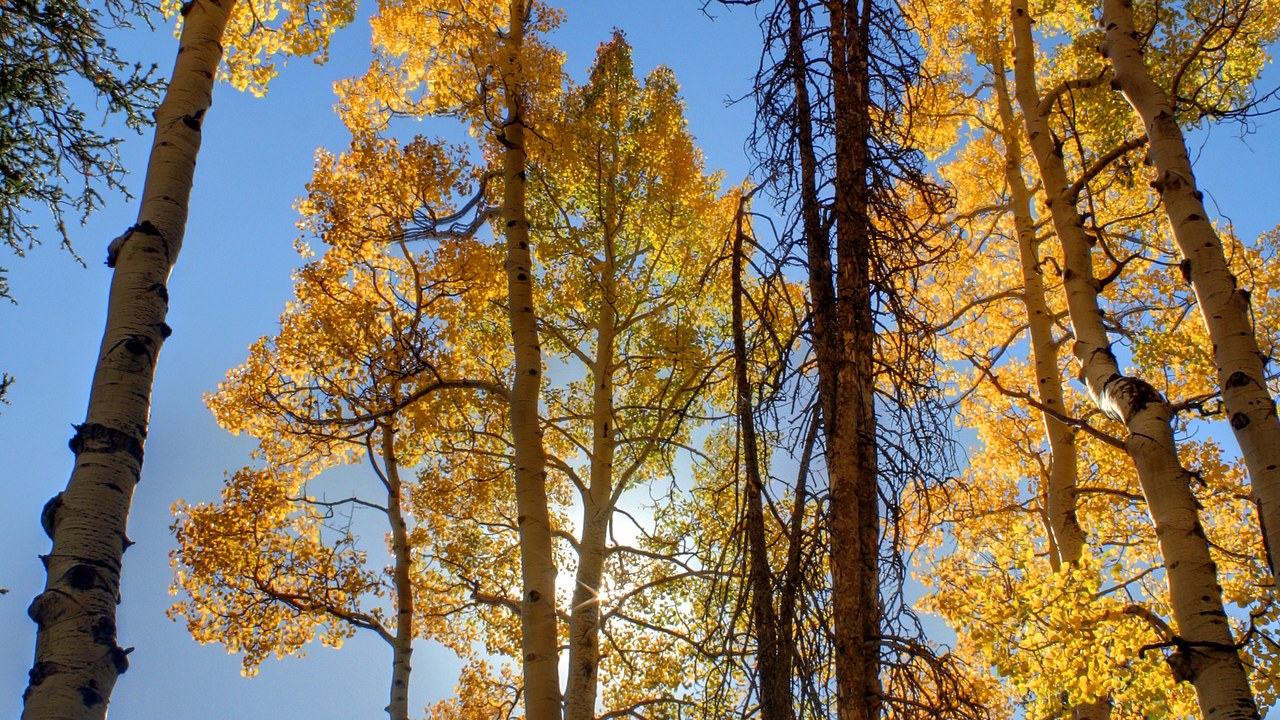
The quaking aspen has spectacular yellow leaves that draw thousands of people to the Rocky Mountains each fall, according to the Arbor Day Foundation list of great trees for fall color.
Its leaves put on a show across mountain slopes, and the yellow display is a major seasonal attraction. The aspen is a case of a single color doing the work, without needing the red tones that make other trees famous.
4. Japanese maple: Dramatic Reddish Purple
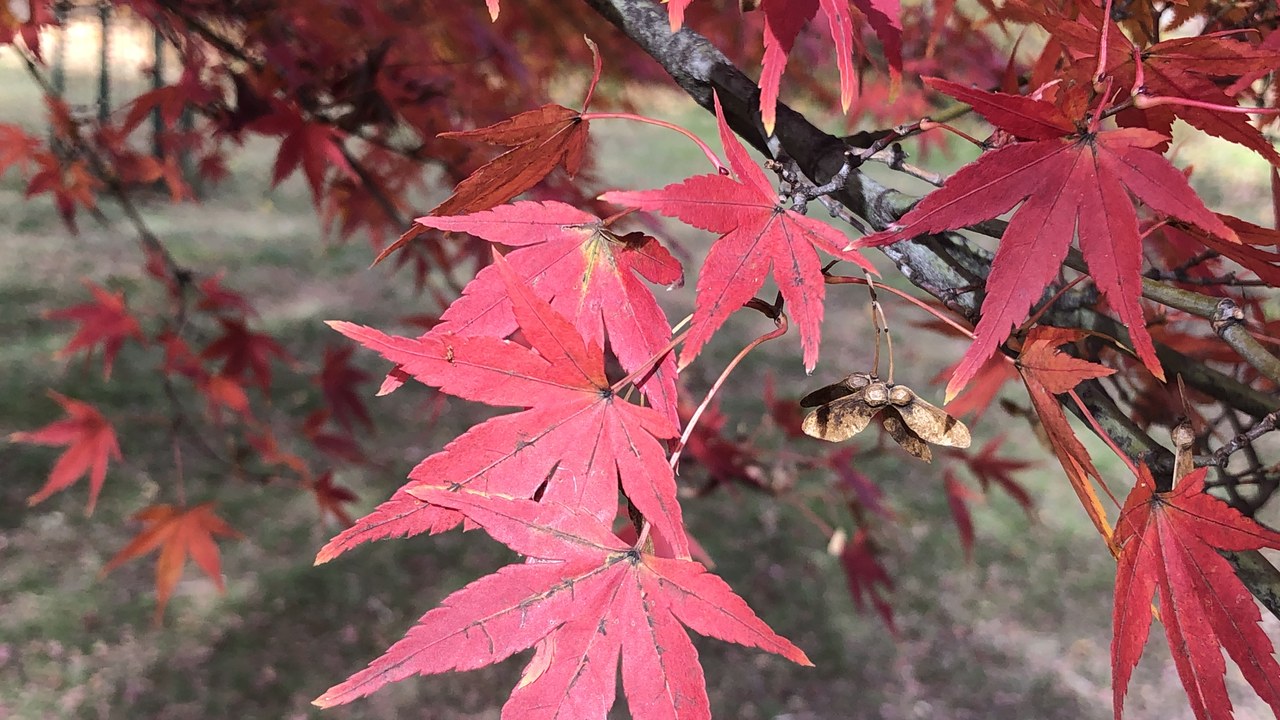
The Japanese maple is a short tree or shrub whose reddish-purple leaves put on a dramatic show as winter approaches, according to the Arbor Day Foundation fall color list.
Its small size makes it a popular choice for gardens and smaller landscapes. The deep tones set it apart from the towering maples of the forest, and it offers fall color at a scale suited to a home yard or a small garden bed.
5. Scarlet oak: Cream Of The Oak Crop
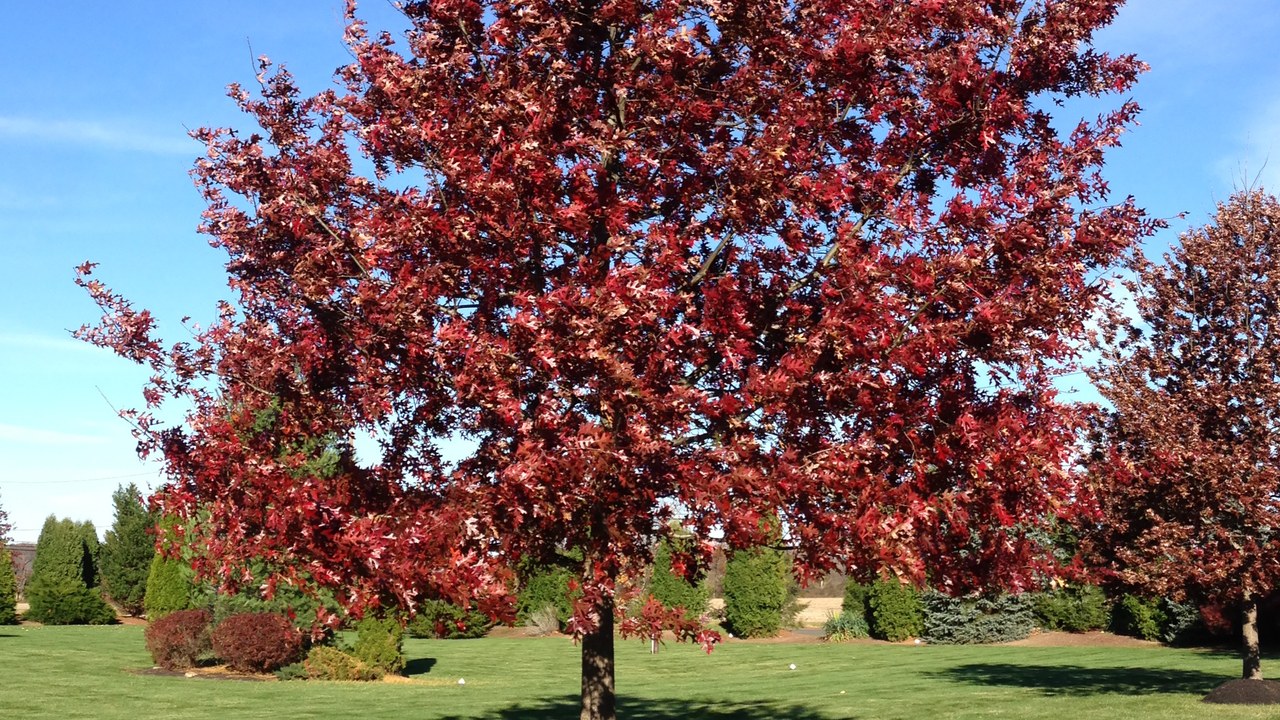
Clemson Extension calls the scarlet oak “probably the cream of the crop for fall color among oaks,” in a Clemson fall color guide.
Oaks are often thought of as plain brown in autumn, so the praise from the extension service stands out. The scarlet oak earns its name from the bright scarlet-red leaves that help it rank near the top of the list for color, a strong endorsement from an extension service.
6. Staghorn sumac: Glory Along The Road
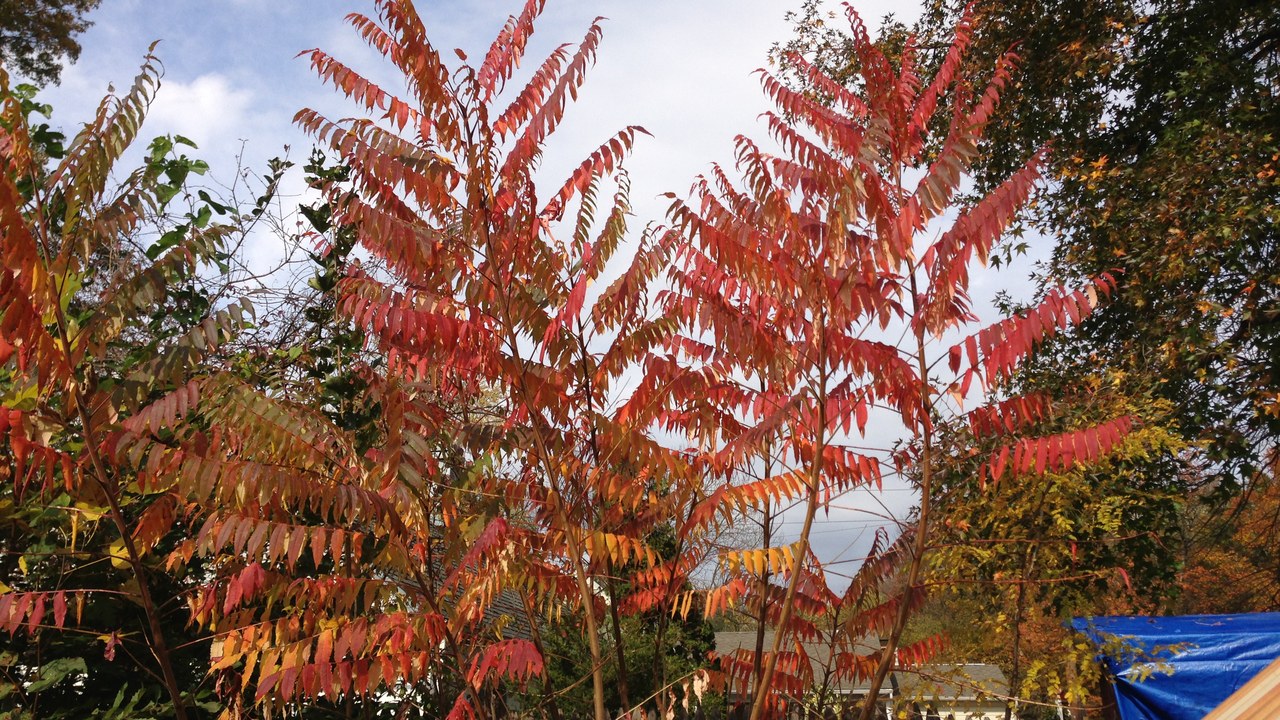
Clemson Extension says sumacs are among the first trees to color and are “a glory to behold in the fall,” often seen along interstate road cuts, in its fall color guide.
Because they color early, staghorn sumacs often give the first hint that the season is changing. Their frequent presence on roadsides means many drivers see the show without ever leaving the highway, which makes sumac one of the most widely seen autumn trees.
7. Hickory: Rich Golden Yellow
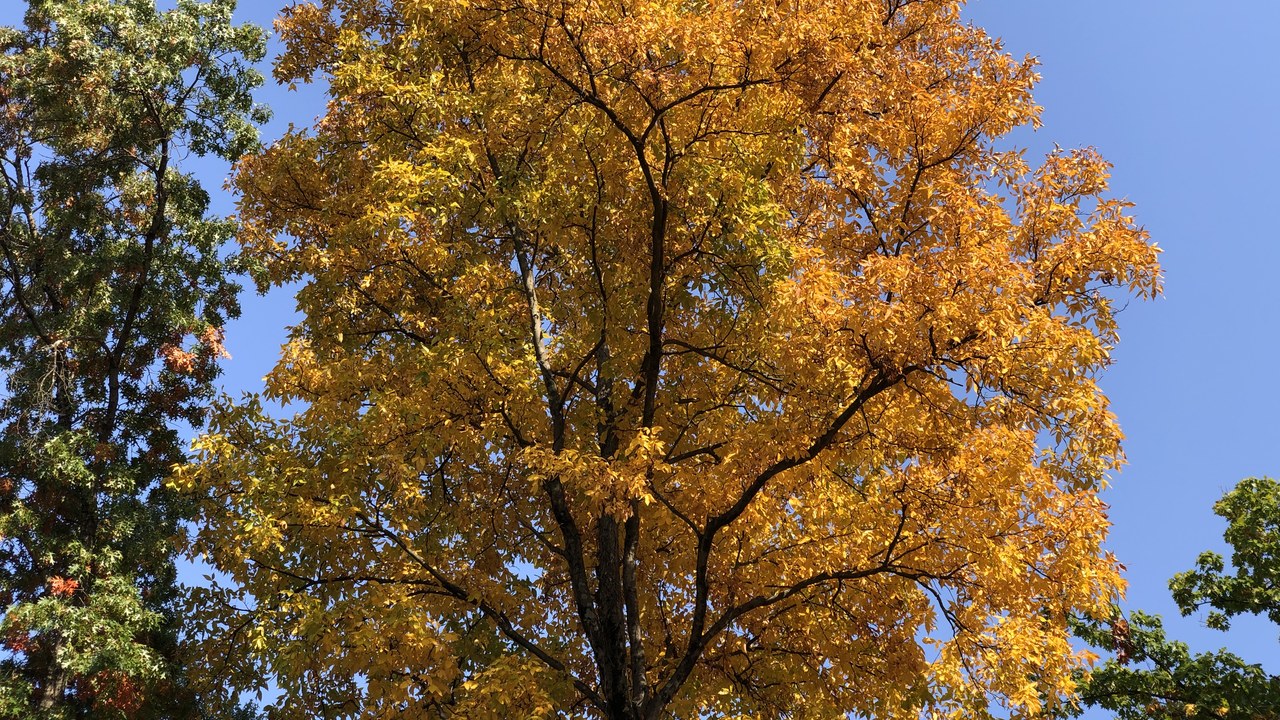
Hickories give a rich golden-yellow fall color, and the genus also includes the pecan, according to a Clemson Extension guide to fall color trees.
The golden tone brings a warm contrast to the reds around it in a mixed woodland. The link to the pecan is a nice reminder that a group of trees valued for nuts also earns a place for its fall leaves as well as its harvest.
8. Sourwood: Peachy Tones
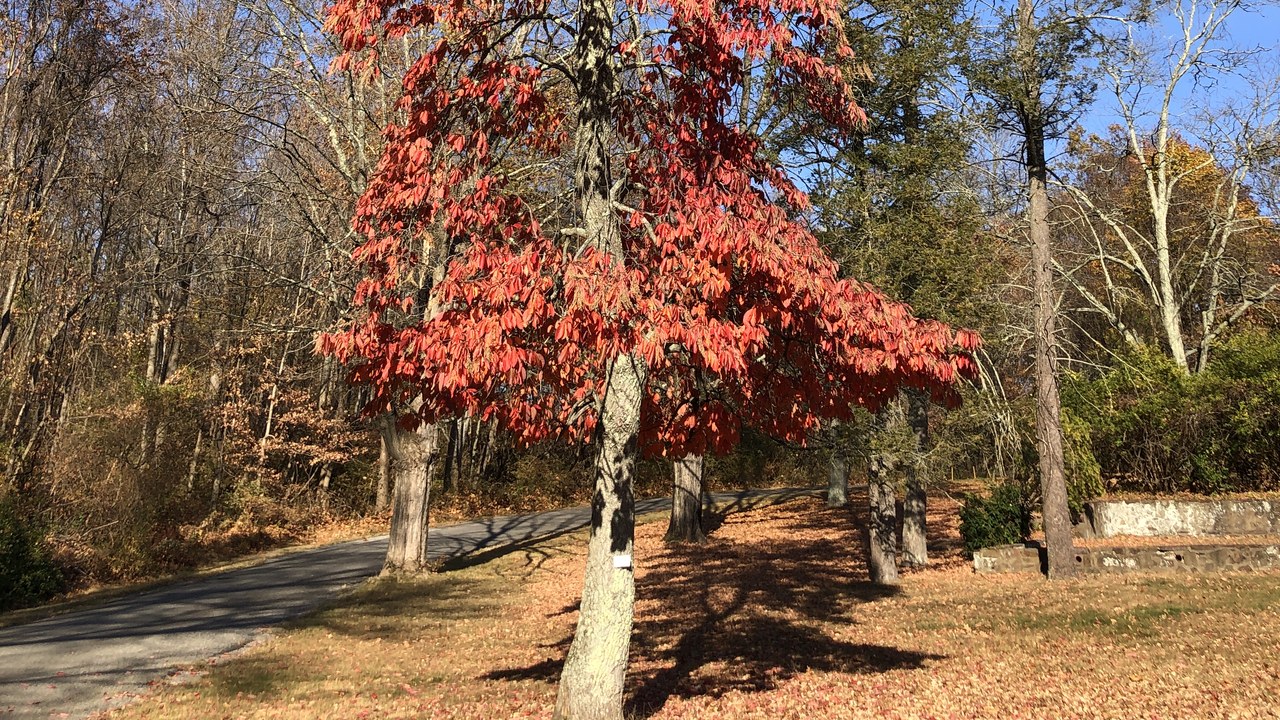
Clemson Extension describes the sourwood’s fall color as “awesome” for fans of “some peachy tones,” and notes that in spring it is a key nectar source for honeybees, in its fall color guide.
That makes the sourwood a tree with two seasons of interest. The softer, peach-colored fall display is a different look from the fiery reds of the maples and gives variety to an autumn landscape that might otherwise be all red and gold.
9. Black tupelo: Dark Fruit And Bright Leaves
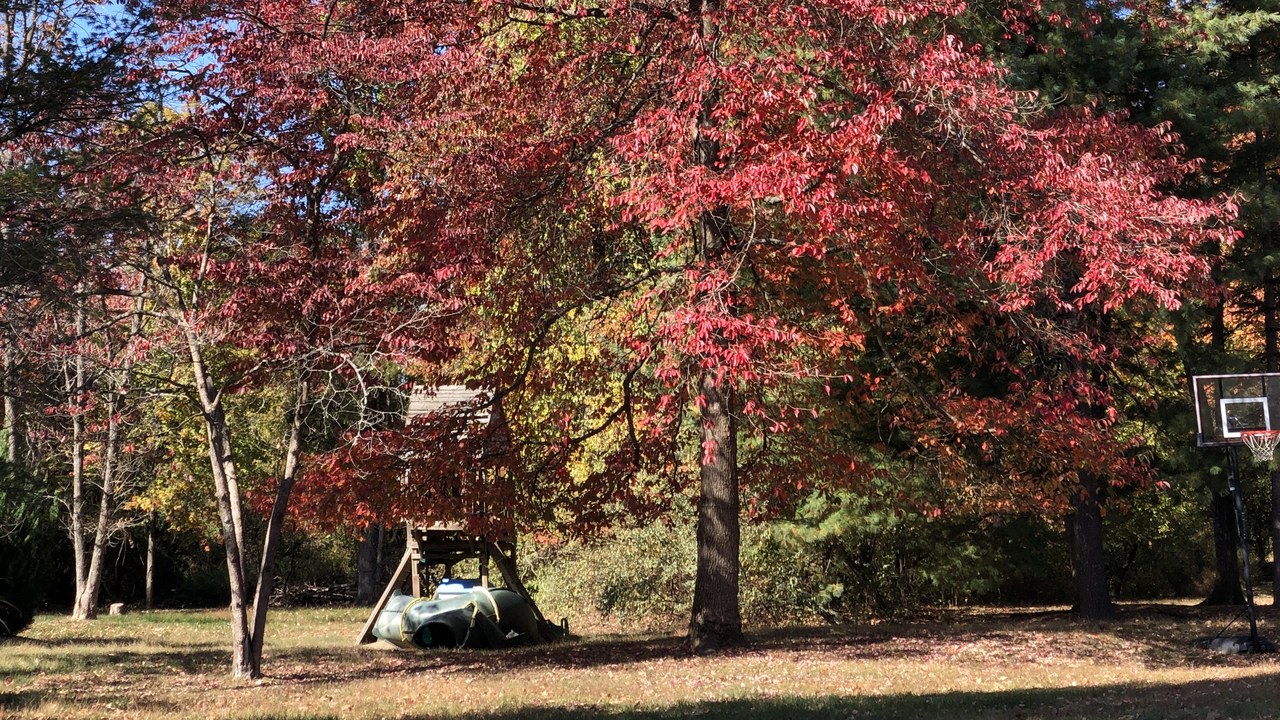
The black tupelo is a 30- to 50-foot native that turns yellow to orange to red, with dark-blue fruit that draws birds, according to University of Illinois Extension advice on trees beyond maples.
Together the fruit and the leaves give the tree wildlife value as well as beauty. It is a good example of a native tree that offers more than one reason to plant it in an autumn-minded yard.
10. Sweetgum: Every Color On One Tree
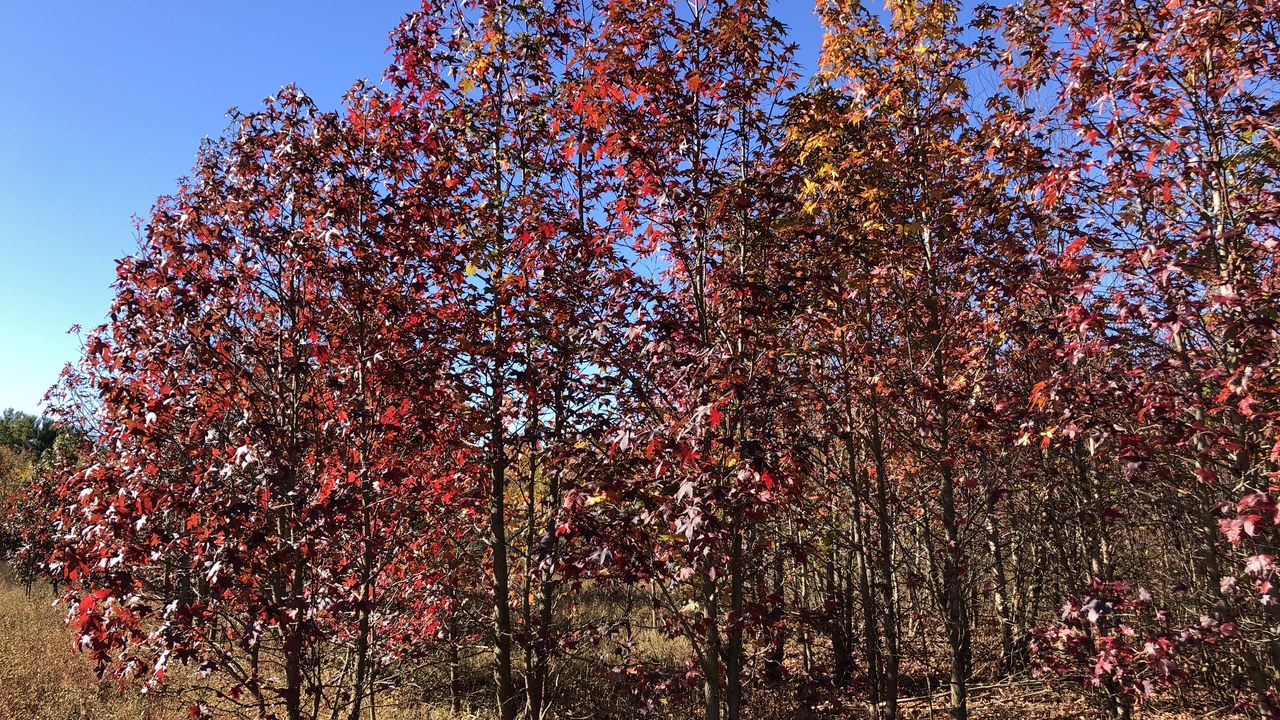
The sweetgum’s star-shaped leaves range from yellow to orange, red and purple, sometimes all on the same 50- to 60-foot tree, according to University of Illinois Extension guidance on fall color.
That mix can turn a single tree into a patchwork of color. The distinctive leaf shape also makes the sweetgum easy to recognize, and it adds to the appeal for anyone who wants a large tree with a lot of variety in its fall show.
11. Sassafras: Three Leaf Shapes
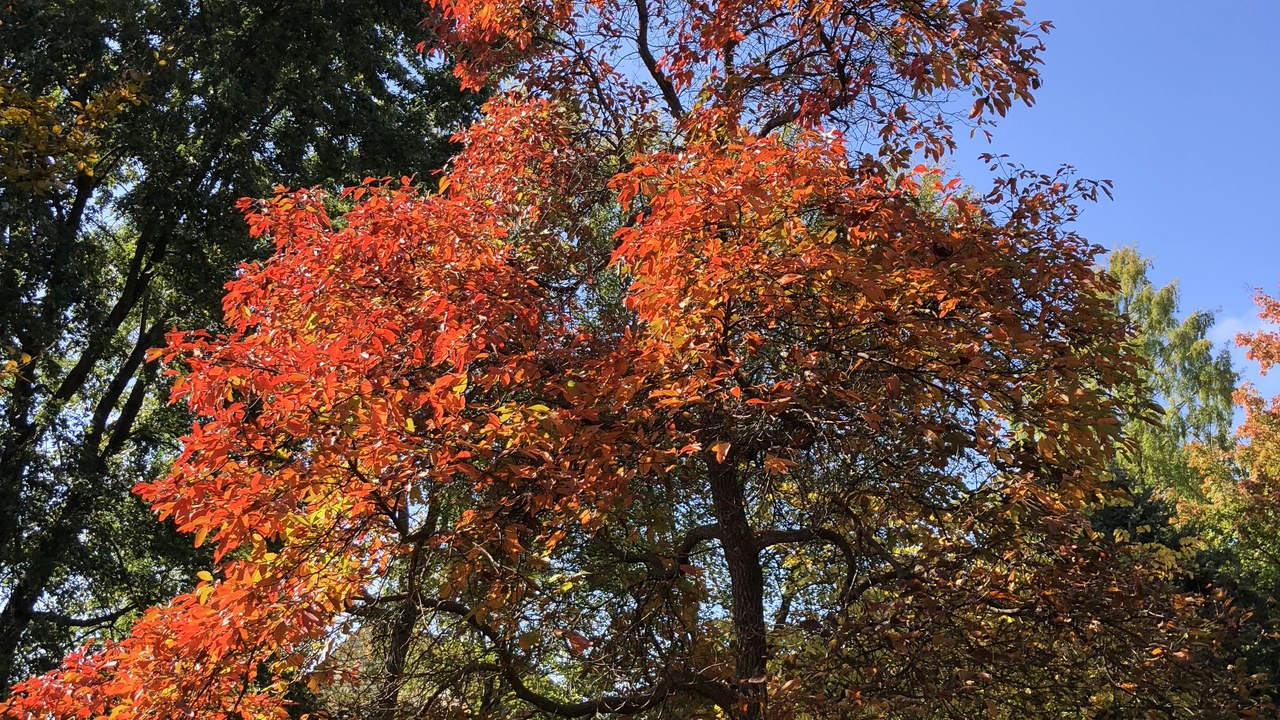
Sassafras grows three different leaf shapes that turn yellow to orange, red and purple, and it smells spicy when bruised, according to University of Illinois Extension advice on trees beyond maples.
The mix of leaf forms makes it easy to pick out among other trees, and the fragrance adds another sense to the experience. Few trees offer such a distinctive combination of shape, color and scent in a single package.
12. Ginkgo: Gold Then Gone
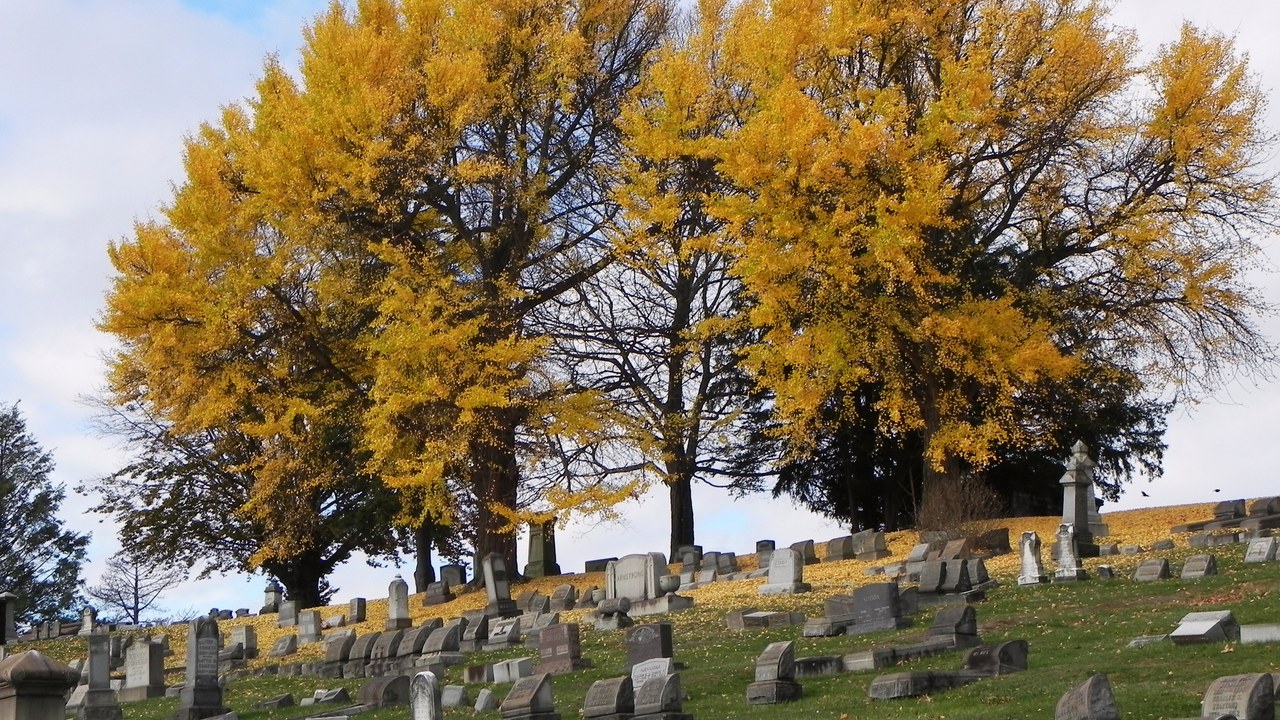
The ginkgo’s leaves turn yellow to gold, then tend to drop within a few days of a hard freeze, according to University of Illinois Extension guidance on fall color trees.
The quick drop means the golden display can end almost overnight, which makes the timing of a hard freeze important. Anyone hoping to enjoy a ginkgo at its peak should watch the forecast and plan a visit before the first hard freeze arrives.
Help yourself and the planet: Get The Cool Down →
We may earn a commission if you sign up.
More from Morning Overview
- Ford is recalling 223,472 F-150 pickups because the fuel tank can leak or detach
- Hybrids have 15% fewer problems than gas cars, while EVs and plug-in hybrids have about 80% more, Consumer Reports finds
- Regulators cleared the first U.S. small modular reactor, 4 months early
- Lake Powell sank to a record 3,517 feet, nearing the level that stops Glen Canyon Dam’s turbines
