
BMW’s reputation was assembled one model at a time, beginning with a bubble-shaped microcar and ending in a South Carolina factory that now builds its biggest SUVs. Along the way came a V8 roadster, touring-car champions and the first M-badged supercar. Here are twelve of the cars that built that legend.
Save more, waste less: The Cool Down’s newsletter sends smart, simple changes that help you and the planet in your everyday life.
We may earn a commission if you sign up.
1. BMW Isetta: The Bubble That Saved BMW

The 1955 BMW-built Isetta microcar helped the company through its most troubled period, according to Autocar’s list of the greatest BMWs. It was powered by a BMW engine and used the tiny front-opening body.
Few would call the Isetta a performance icon, yet its importance is financial and historic. It shows that the marque’s later sporting image rested on a base kept alive by small, inexpensive transportation. Collectors today value it as a charming symbol of postwar European economy cars.
2. BMW 507: Answer to the 300SL
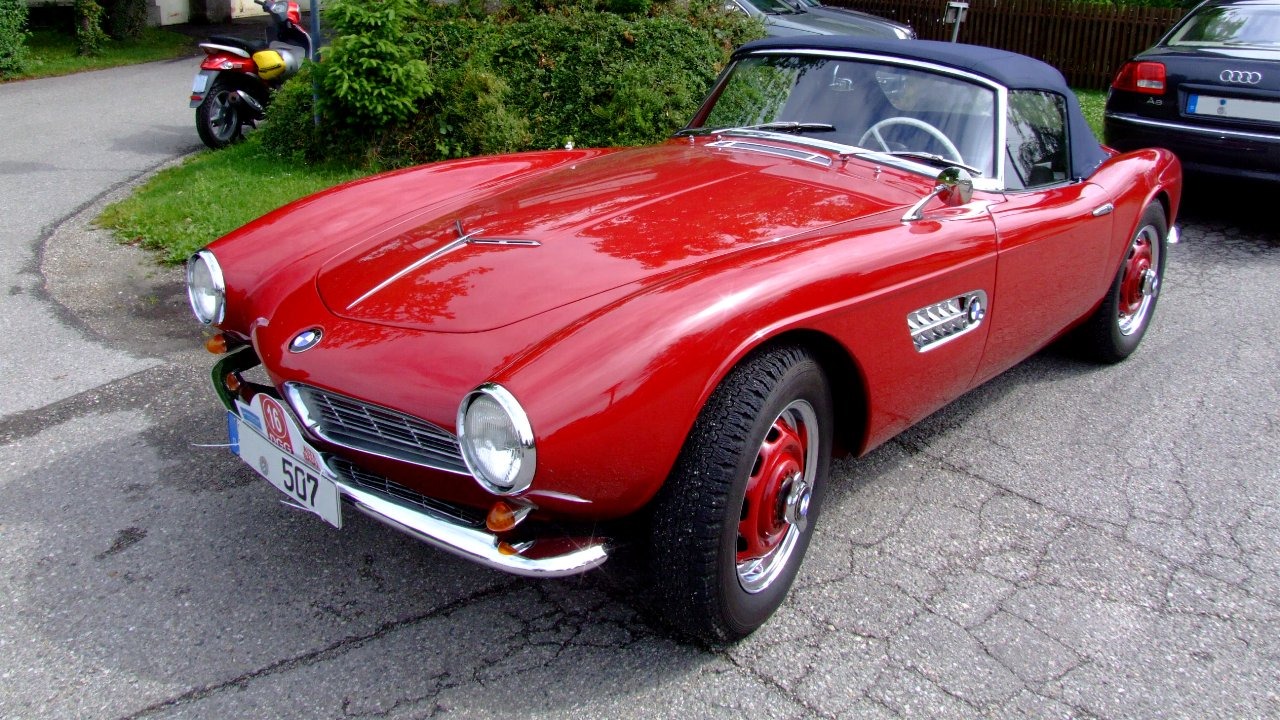
BMW’s 1956 507 roadster used a 3.2-litre V8 and was meant as an answer to the Mercedes 300SL, Autocar says. It sold slowly in its day but is now valuable.
The 507 is a classic case of a car that struggled when new and became a prized collectible later. Its story is a reminder that commercial failure and lasting desirability can coexist. Anyone following classic auctions will recognize it as one of the marque’s most admired shapes.
3. BMW 3.0 CSL ‘Batmobile’: The Winged Coupe
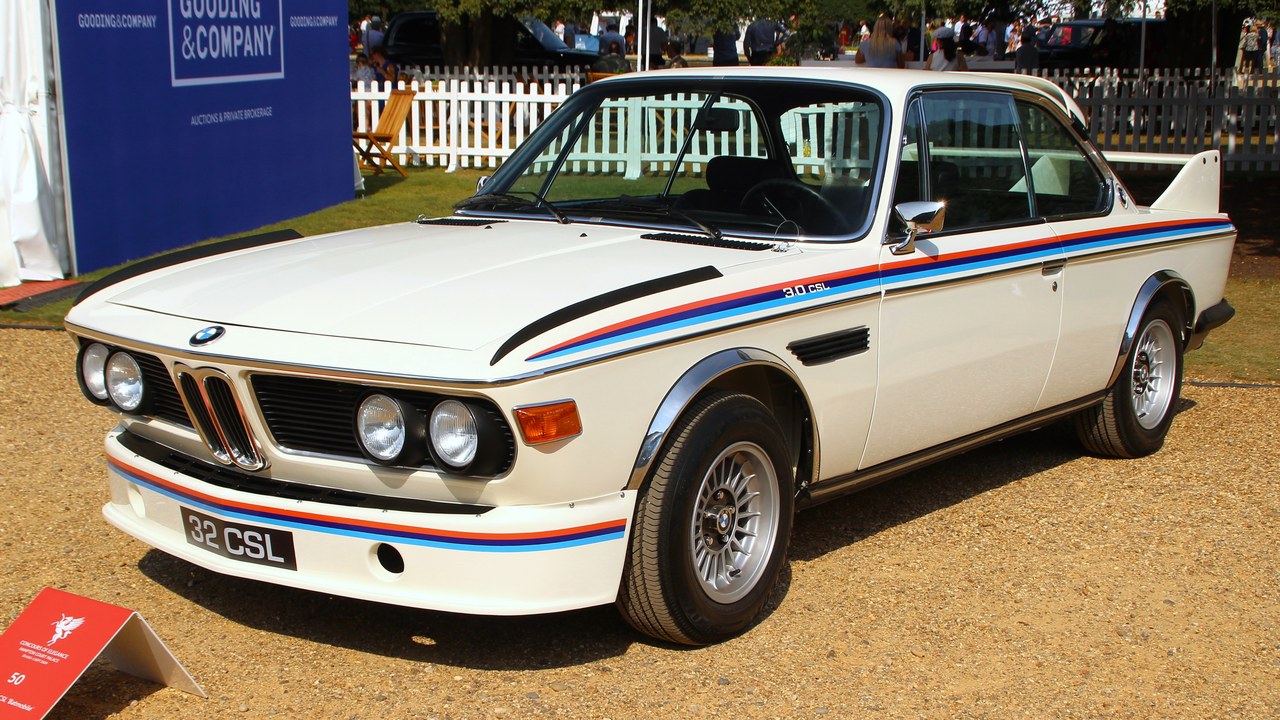
The aluminium-panelled 3.0 CSL homologation coupe won all but one European Touring Car Championship from 1973 to 1979, per Autocar. Its racing success earned it the Batmobile nickname through its aerodynamic add-ons.
The CSL tied BMW’s road cars to a long run of motorsport success. Examples today are rare and expensive, so most enthusiasts encounter the car through museums, shows or historic racing. Its raised wings and spoilers were unusual for a road car at the time, which is part of its enduring appeal.
4. BMW 2002 Turbo: Early Turbo Pioneer
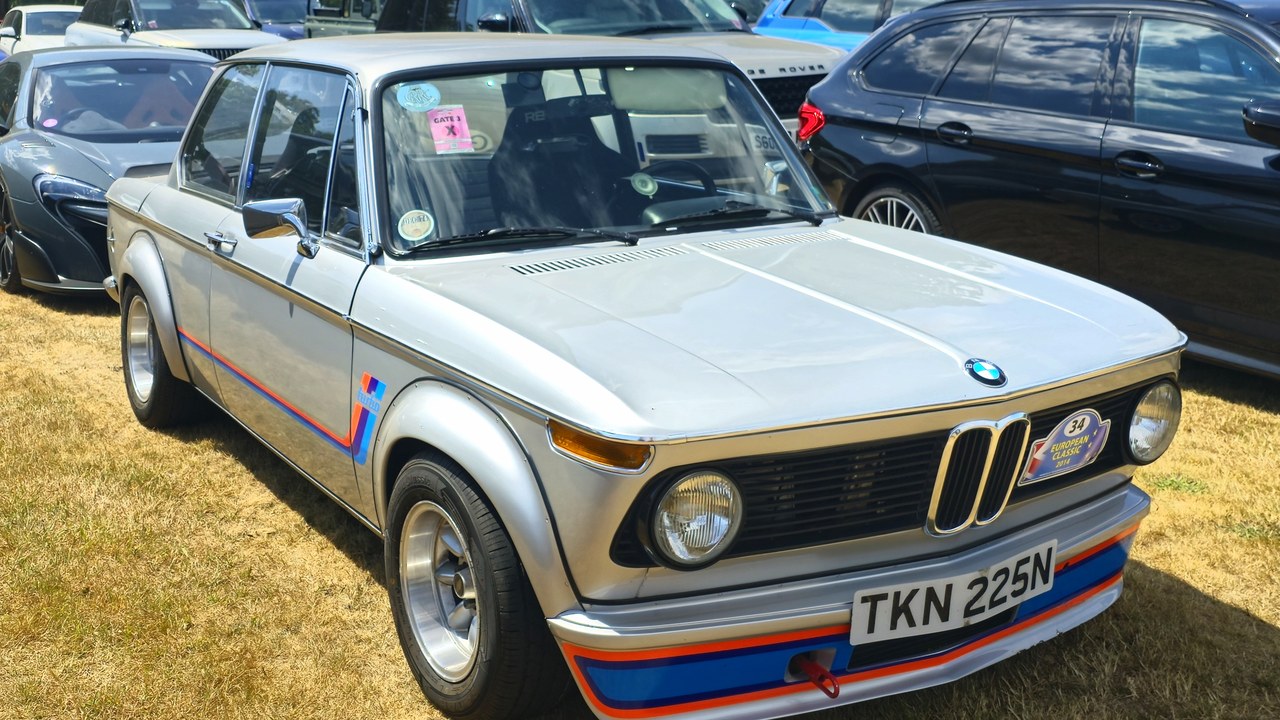
The 1974 2002 Turbo was a pioneering early turbocharged road car, in Autocar’s words laggy but historic. It carried the small 2002 sedan into a much faster era.
Turbo lag was part of the experience, and the car rewarded drivers willing to work with it. Its legacy lies less in lap times than in showing how forced induction would reach everyday performance cars. Owners of surviving cars tend to prize them for the story as much as for outright speed.
5. BMW M1: First M Car
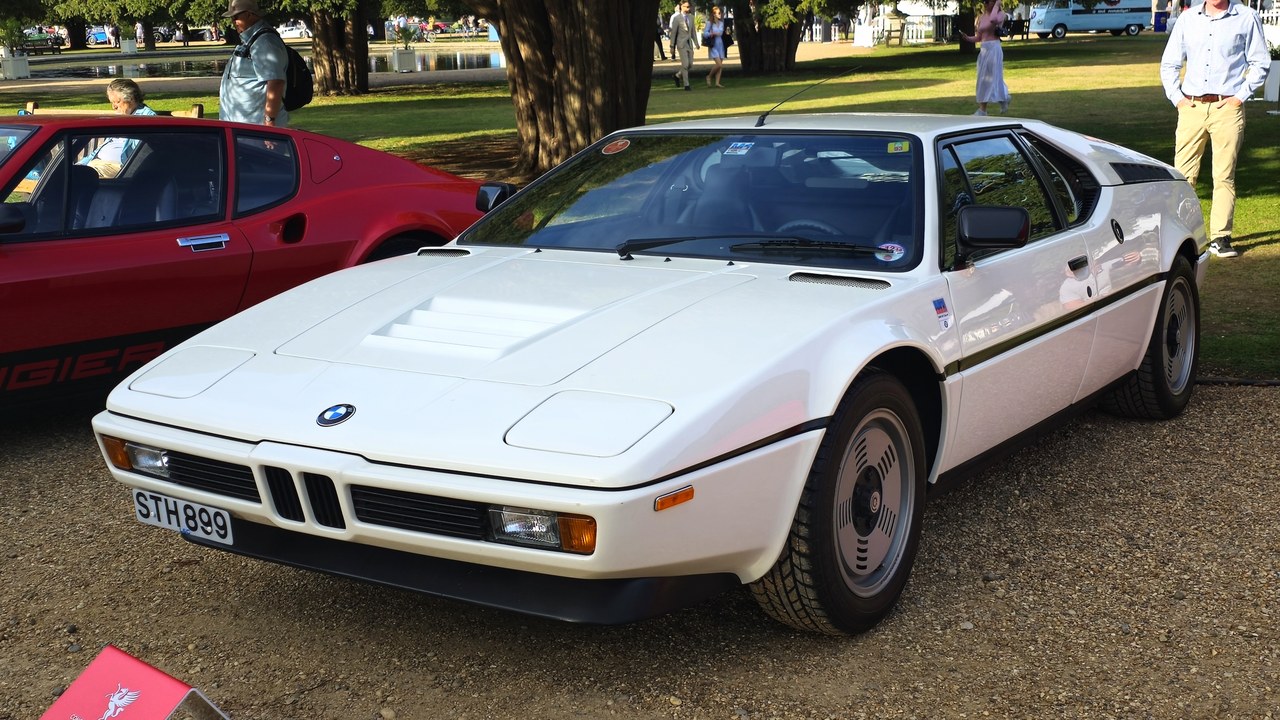
The first car to wear the M badge, the BMW M1 supercar made 277 hp and reached 164.1 mph in a 1979 test, according to Arnold Clark. The mid-engine two-seater remains a rarity.
The M1 sits at the start of a long line of M cars that now spans sedans, coupes and SUVs. Its speed figure came from one test, so it is best treated as a snapshot rather than a guaranteed number.
6. BMW M5 (E28): Supercar Engine, Sedan Body
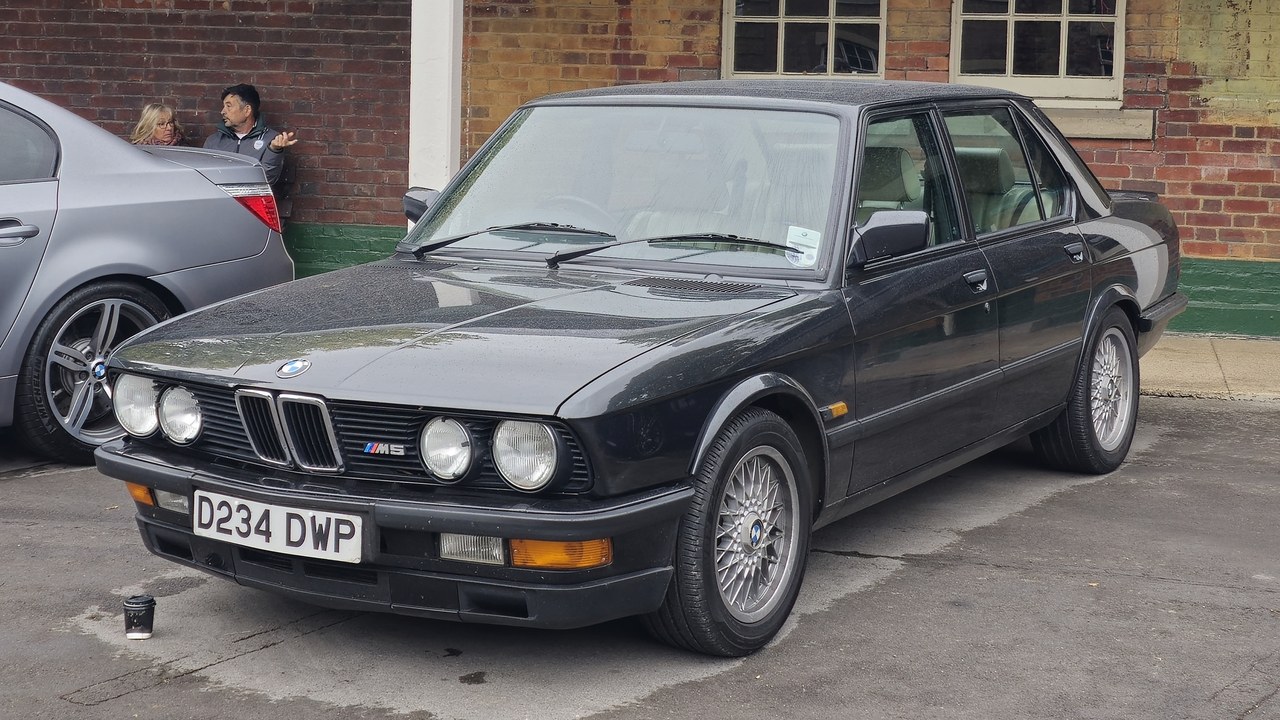
The first production M-badged BMW built in Germany, the E28 M5 sedan used the M1’s straight-six for 286 hp and 152 mph, Arnold Clark reports. It looked much like an ordinary executive saloon.
That sleeper approach defined the M5 idea of a practical four-door with serious performance. Later generations grew larger and faster, but the formula started with this understated shape. Buyers of used examples should expect high prices and look closely at maintenance records before committing to one.
7. BMW M3 (E30): Homologation Hero
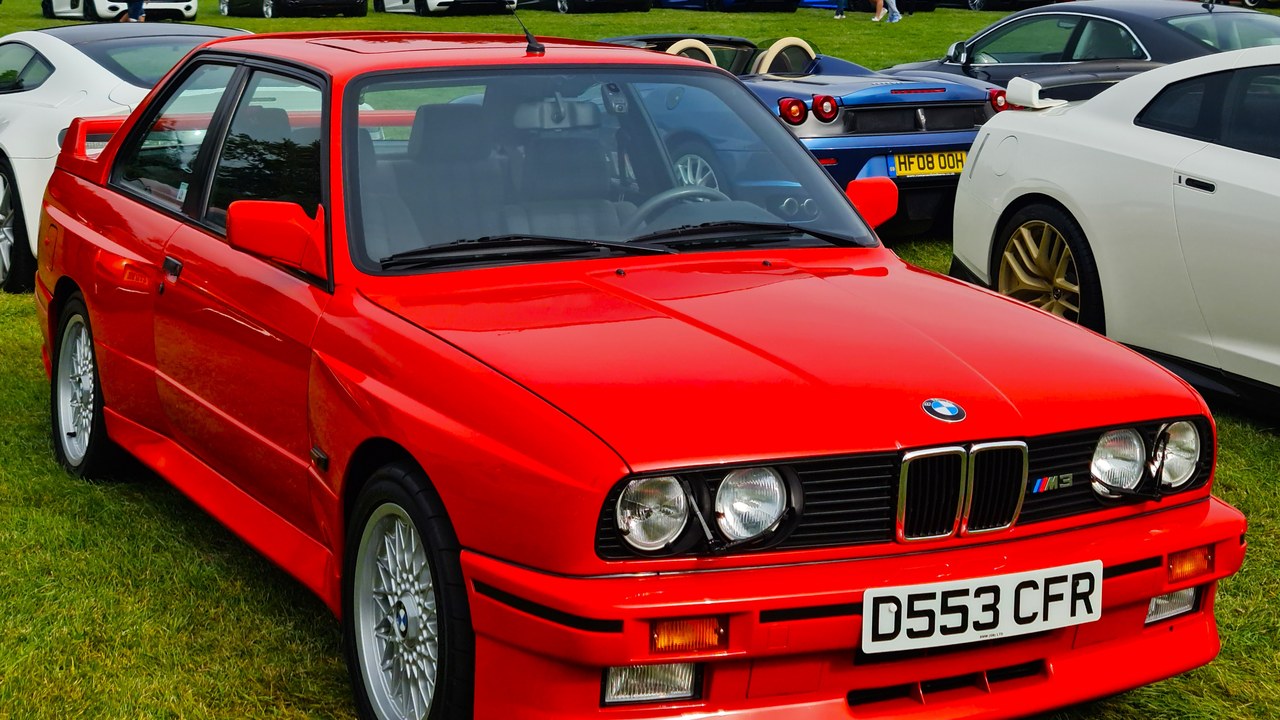
More than 17,970 E30 M3 cars were sold, and its 195-hp four-cylinder won Roberto Ravaglia the 1987 World Touring Car Championship, per Arnold Clark. The boxy coupe became a racing legend.
The E30 M3 is often held up as the benchmark for driver involvement, and prices for clean examples reflect that status. Shoppers should expect rarity, high demand and a need for careful inspection. Its compact size and sharp handling are still the qualities fans mention first.
8. BMW M3 CSL (E46): Sold Out in Months
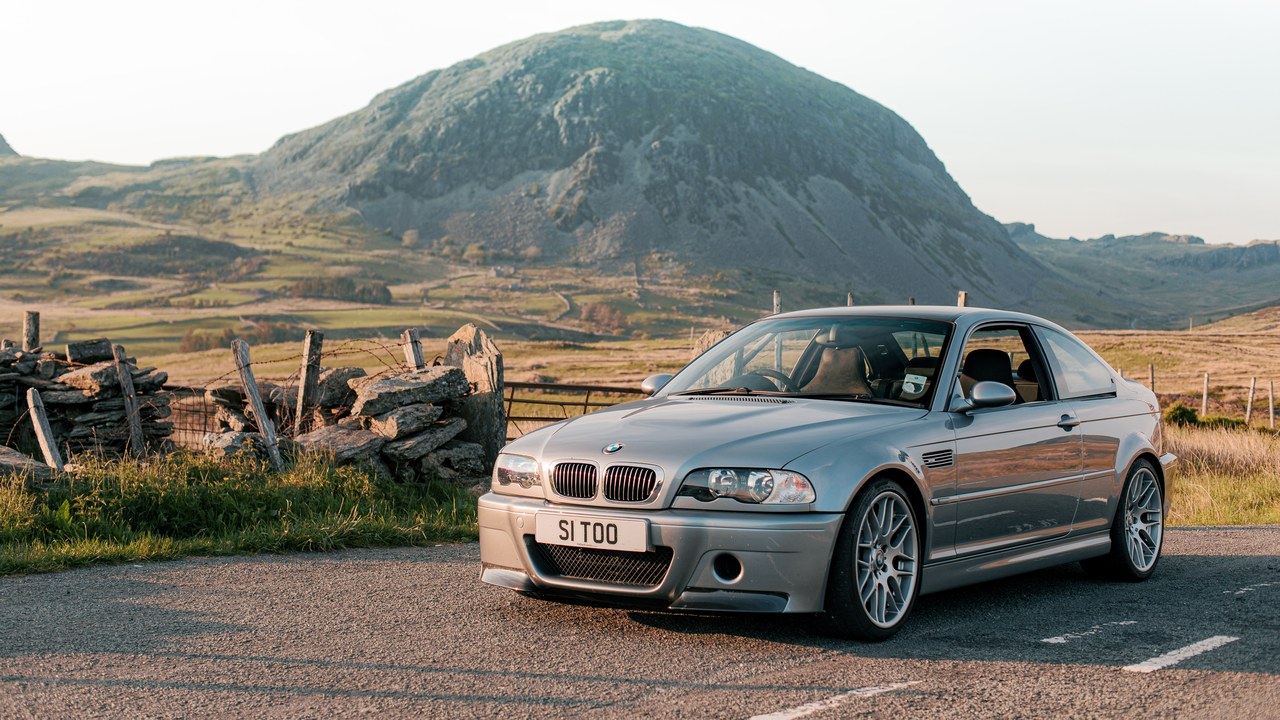
All 1,383 M3 CSL cars were sold within a few months, as Arnold Clark’s M history notes, with 355 bhp and a 7:50 lap of the Nurburgring Nordschleife. The E46 version was a lightweight take on the M3.
A quick sell-out turned the CSL into a modern collectible almost immediately. The small production number means supply stays tight, which supports values for examples that have been kept in good condition.
9. BMW Z3: Roadster From Spartanburg

The first BMW Z3 Roadster rolled off the line at Plant Spartanburg in South Carolina in 1995, according to BMW Group’s production milestones page. It marked the start of American assembly of BMW passenger models.
The Z3 tied a small open-top sports car to a new American production base. That base would later become central to the company’s output of larger SUVs sold around the world. Collectors also notice that it arrived before the brand’s large-scale SUV production followed in the same plant.
10. BMW X5: The First Activity Vehicle
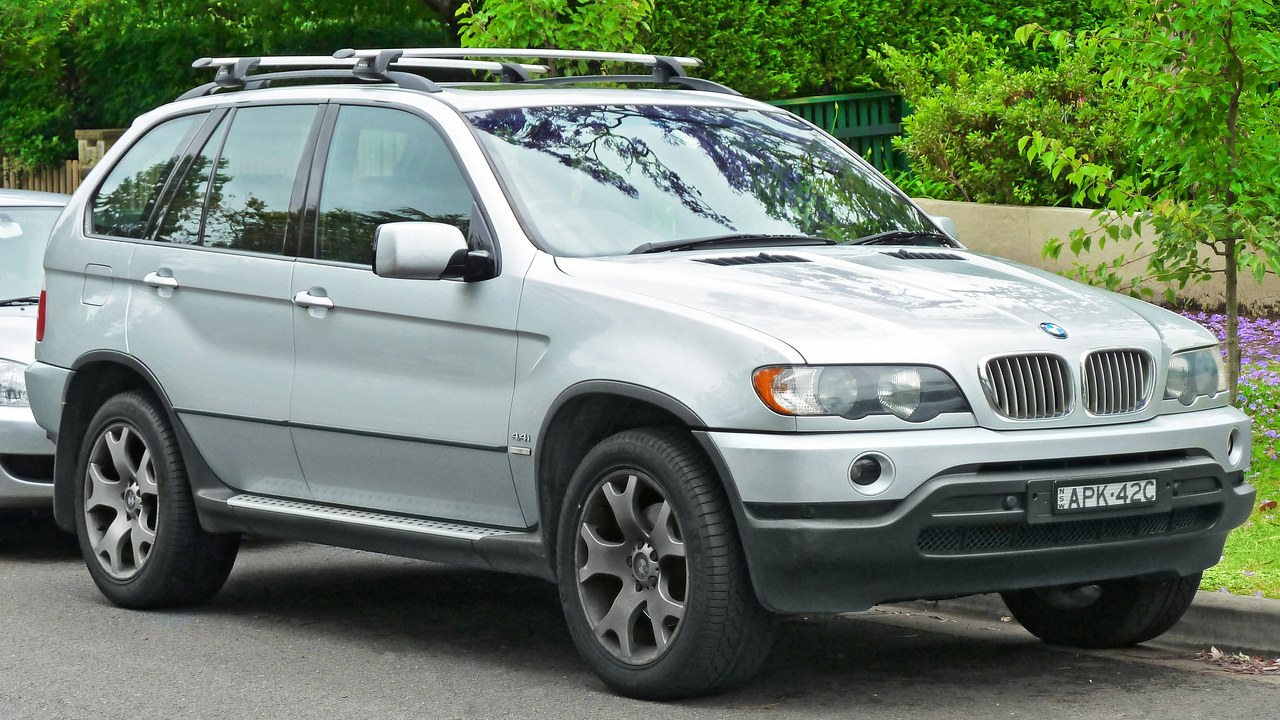
Assembly of the first X5, billed as a Sports Activity Vehicle, began at Spartanburg in 1999, per BMW Group’s plant page. It helped establish the premium crossover idea within the brand.
The X5 shifted BMW from a company known mainly for sedans and coupes toward a broader product range. Its launch at Spartanburg also anchored the plant’s role in building the brand’s utility vehicles. Later generations grew in size, but the original defined the template that rivals chased.
11. BMW X6: A Coupe-Style SUV
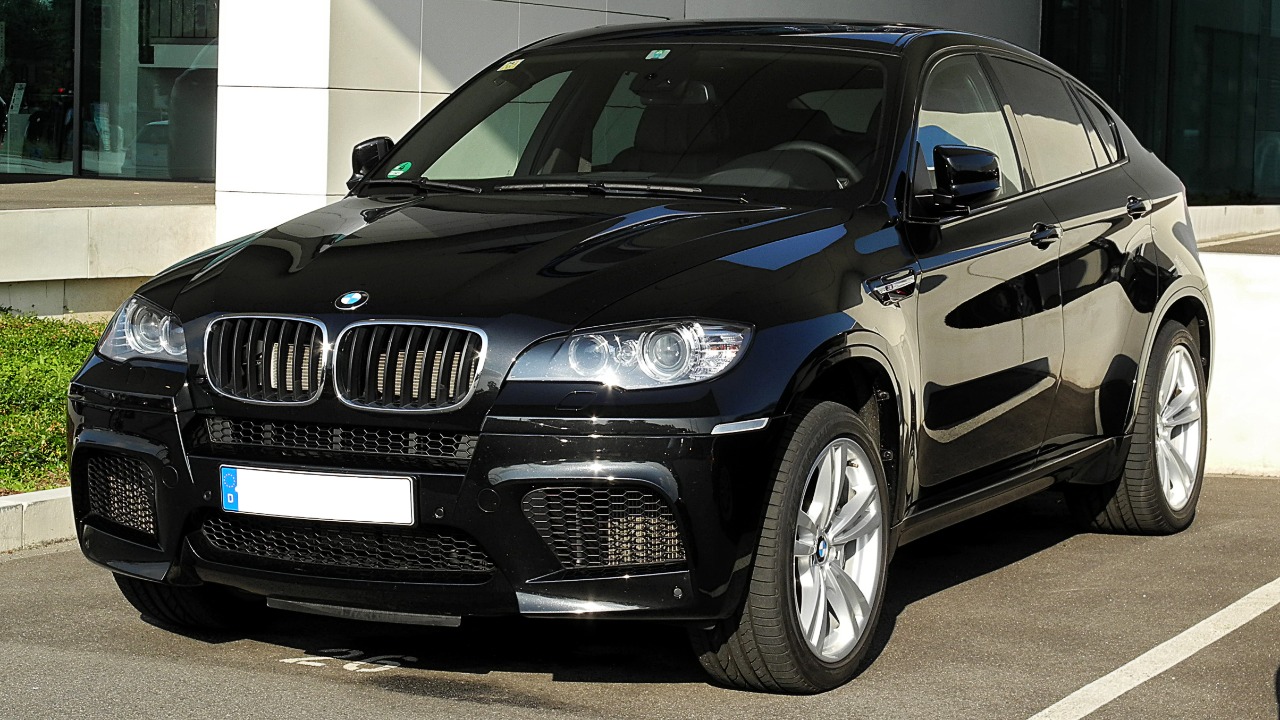
The first X6, called a Sports Activity Coupe, began assembly at Spartanburg in 2008, according to BMW Group’s milestones list. It blended an SUV stance with a sloping roofline.
The X6 popularized a body style that many rival brands later copied. Its sloping roof trades some rear headroom and cargo space for appearance, a compromise buyers should check in person. The shape went on to influence other premium models in the years that followed.
12. BMW X7: The Biggest Yet
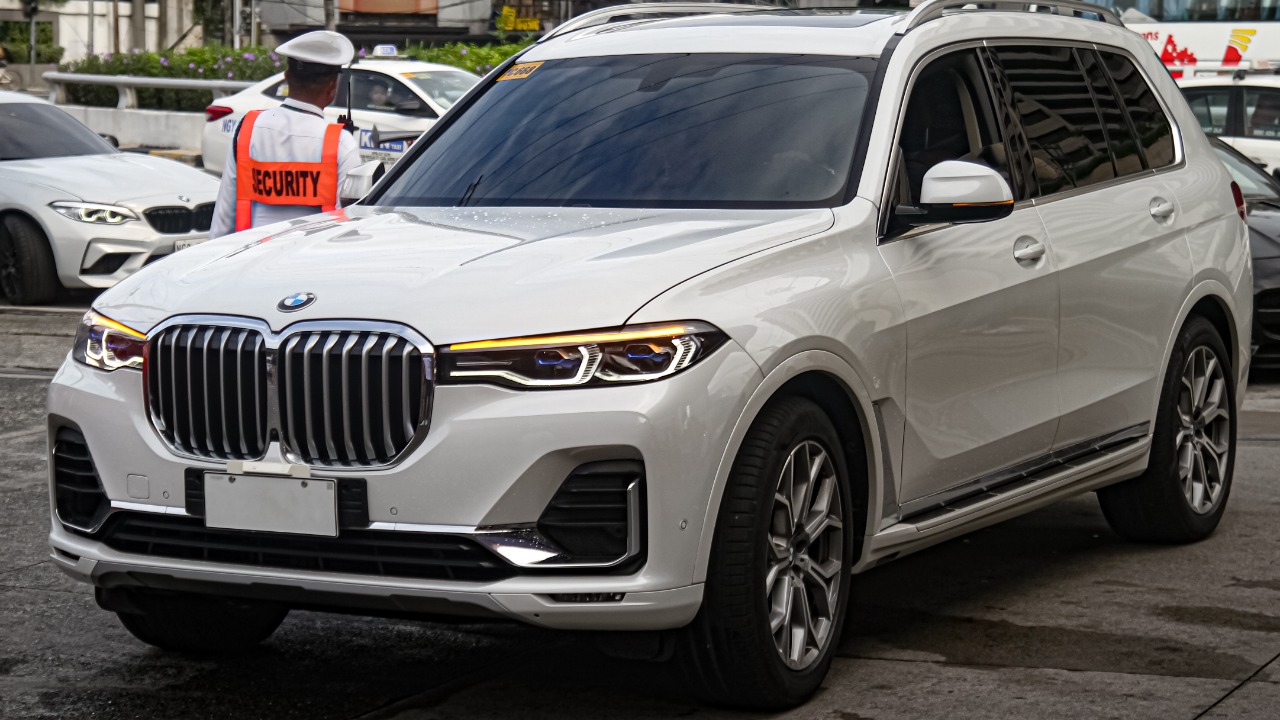
BMW’s biggest SUV, the X7, began assembly at Spartanburg in 2018, BMW Group’s plant record shows. It sits at the top of the brand’s utility lineup with three rows of seating.
The X7 completes a family of American-built SUVs that began with the X5. Families needing space will find it the roomiest BMW, though size and price place it firmly in the luxury tier. It is also a useful reminder of how heavily the brand now relies on utility vehicles built in the United States.
Save more, waste less: Subscribe to The Cool Down →
We may earn a commission if you sign up.
More from Morning Overview
- NOAA now gives this winter a 75% chance of the strongest El Nino since 1950
- Doctors warn a silent liver disease now affects one in three American adults
- The FBI told the rest of ShinyHunters to surrender after a 24-year-old was arrested
- Two passengers died at an Ohio toll plaza, and the NTSB now wants the cash lanes shut
