
Some objects survive for thousands of years only to leave the experts who study them more divided than ever. Gears no one fully understands, scripts no one can read and dates that keep being challenged turn these finds into long-running scientific arguments. Here are eight mystery artifacts scientists still argue about.
Read next on Morning Overview: A handful of car transmissions are so tough that mechanics say they almost never die
1. Antikythera mechanism: An Ancient Computer
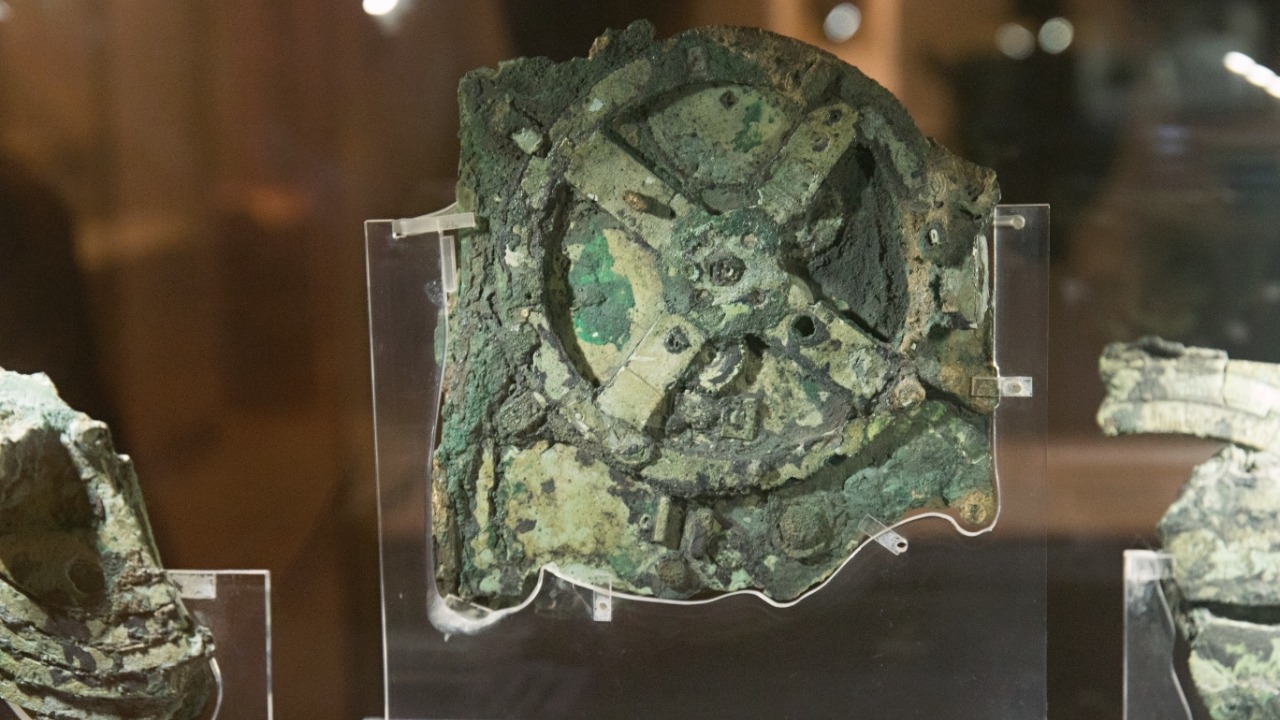
Sponge divers recovered the Antikythera mechanism from a shipwreck off Greece in 1900. Its 30 surviving gears tracked eclipses and the moon’s motion, yet according to Scientific American’s account of the device, one small gear remains a mystery to this day.
Researchers have rebuilt much of the mechanism using X-ray scans and careful study of its inscriptions, revealing a level of engineering not seen again for many centuries. Who built it, and where, is still debated, with candidates ranging from workshops on Rhodes to scholars connected to Archimedes. The original fragments are displayed in Athens.
2. Voynich manuscript: A Book No One Can Read
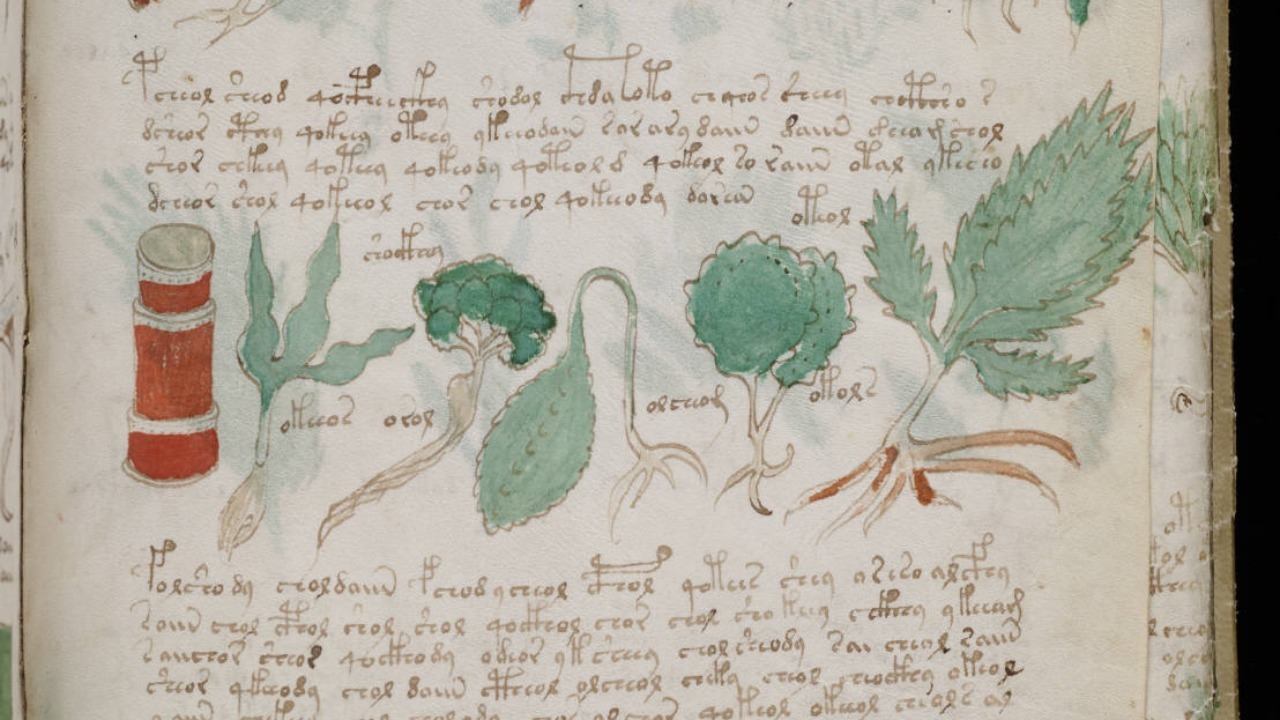
The Voynich manuscript is written in an unidentified script by an unknown author, and Yale’s Beinecke Library, which holds it, notes that cryptographic approaches have failed to decipher it. Its meaning has been debated since 1912, when a rare-book dealer acquired it.
The pages are filled with drawings of unidentified plants, star charts and bathing figures. Theories have ranged from an elaborate hoax to a lost natural language or a medical text in cipher, and none has convinced the wider community of codebreakers and linguists who have tried. The manuscript is now digitized.
3. Nebra sky disc: A Bronze Age Map of the Sky
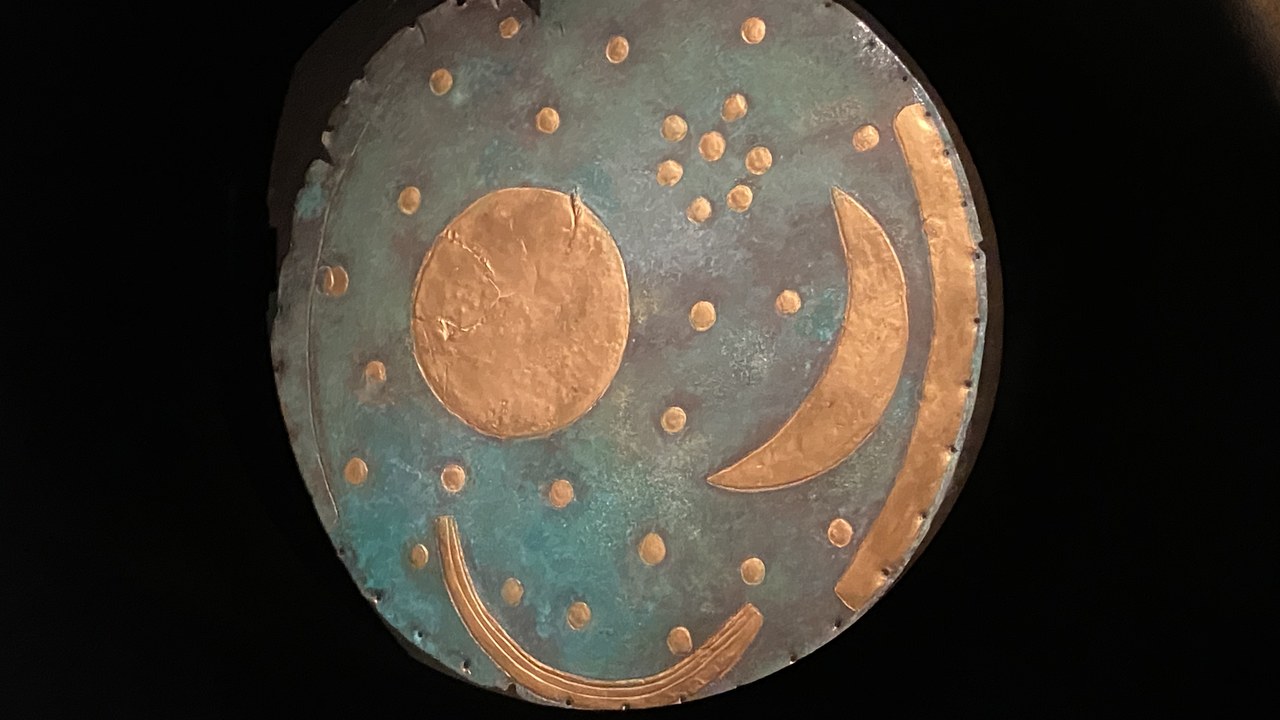
The Nebra sky disc was reported found in Germany in 1999 and has been dated to the Bronze Age, up to about 3,800 years old. But two archaeologists have argued that it belongs to the Iron Age, a claim the state museum in Halle rejects.
The bronze disc carries gold symbols that appear to show the sun or moon, a crescent and a cluster of stars often linked to the Pleiades. If the earlier date holds, it is the oldest known concrete depiction of the cosmos, which is why the dating fight matters so much.
4. Phaistos Disc: Forty-Five Mysterious Signs

Archaeologists found the Phaistos Disc on Crete on July 3, 1908. The clay disc carries 241 characters made from 45 different stamped signs, and according to National Geographic’s report on the disc, its meaning is still unknown.
Researchers argue over what language it records, what it was for and even whether it is authentic. Because no other object with the same script has been found, there is too little text for codebreakers to test their theories against. The disc is displayed at the Heraklion Archaeological Museum on Crete, where it remains one of the most studied objects in the collection.
5. Shroud of Turin: A Radiocarbon Date Under Fire

A 1988 radiocarbon test dated the linen of the Shroud of Turin to between 1260 and 1390 A.D., placing it in the Middle Ages. Yet some researchers still question that dating, pointing to damage from a fire and contamination by microbes as possible sources of error.
The cloth carries the faint image of a man and is revered by many Christians as the burial cloth of Jesus. The Catholic Church has never officially declared it authentic, and the scientific debate continues alongside its religious significance. It is kept in Turin Cathedral.
6. Smithsonian crystal skull: Carved With Modern Tools

The Smithsonian received its crystal skull in 1992. According to Smithsonian magazine, electron-microscope tests at the British Museum in 1996 found marks from modern rotary tools, and the curator believes it was carved in Mexico in the 1950s.
Crystal skulls were once sold as ancient Aztec or Maya relics and inspired legends about lost civilizations. The microscope evidence points the other way, but enthusiasts still dispute the findings, which keeps the skull in museum storage and in public debate. The skull is not on regular public display, and it remains a teaching example of how museums test the age and origin of suspect objects.
7. Mold gold cape: A Golden Puzzle From Wales
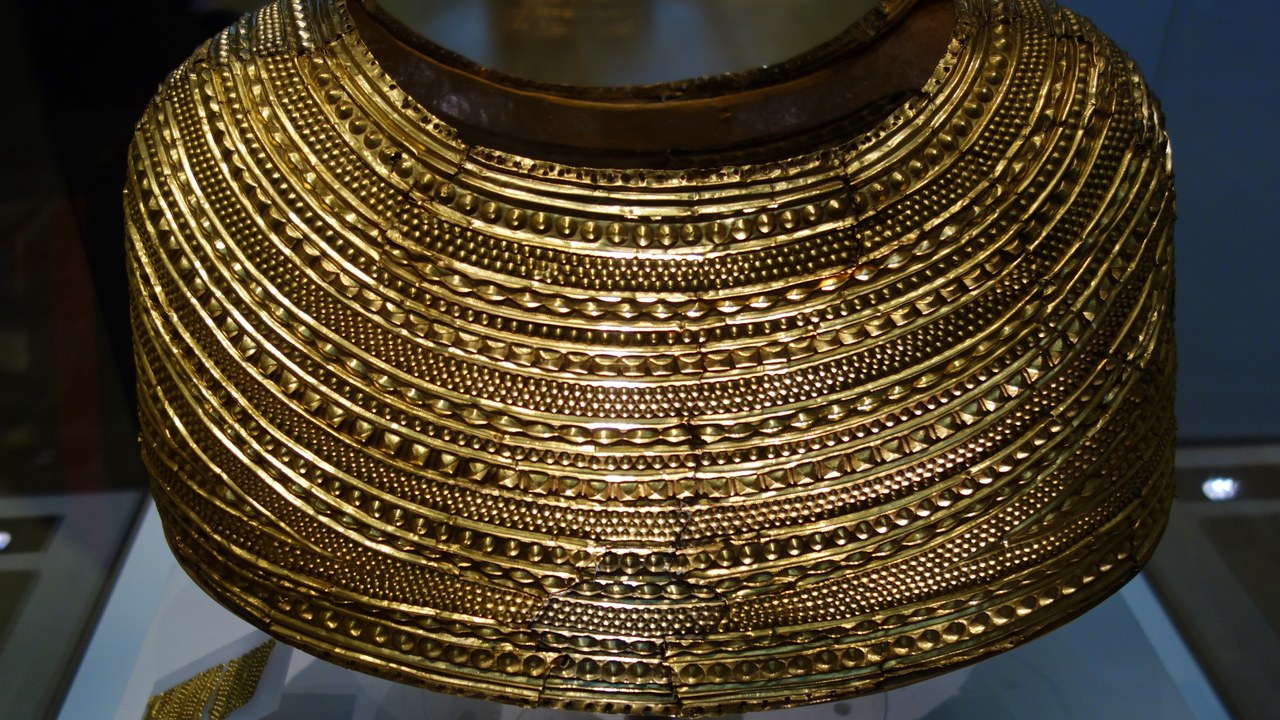
Workers found the Mold gold cape in 1833 in a burial mound near Mold, Wales. It dates to about 1900 to 1600 B.C., and according to Live Science’s report on the cape, experts are still unsure why it was buried or whether its owner was male or female.
The cape was beaten from a single ingot of gold and is considered one of the finest examples of prehistoric goldwork ever found. It is so narrow that it could only have been worn by a slender person, which feeds the debate over who wore it.
8. Rongorongo tablets: An Island Script No One Has Cracked

Only 27 wooden tablets carry Easter Island’s rongorongo script, and no one has deciphered it. A 2024 study reported by Live Science dated wood from one tablet in Rome to between 1493 and 1509.
That date suggests the script may have existed before Europeans reached the island in 1722, which challenges the idea that islanders invented it after seeing European writing. With so few examples, the signs remain one of the world’s most stubborn unsolved writing systems. The surviving tablets are held by museums in Chile, Europe and the United States.
More from Morning Overview
- The Justice Department asked courts to undo approvals for three offshore wind farms, one already making power
- Over 20 trillion gallons of rain fell on the Four Corners states and Nevada in two weeks
- 11 engines built to run well past 200,000 miles
- Two Kentucky residents died when a small plane crashed at Missouri’s Lake of the Ozarks, and the NTSB is investigating
