
Long before Khufu’s pyramid rose at Giza, builders across the Middle East and Europe were already raising settlements and monuments of earth and stone. The dates come from museum, heritage and UNESCO sources and are given as approximations. Here are eight structures, from Göbekli Tepe to Stonehenge, whose origins reach back before the Great Pyramid began around 2560 BCE.
Read next on Morning Overview: Winter weather advisories cover I-80, I-70 and the Bighorns with up to 15 inches of snow
1. Göbekli Tepe: Tenth Millennium Temple
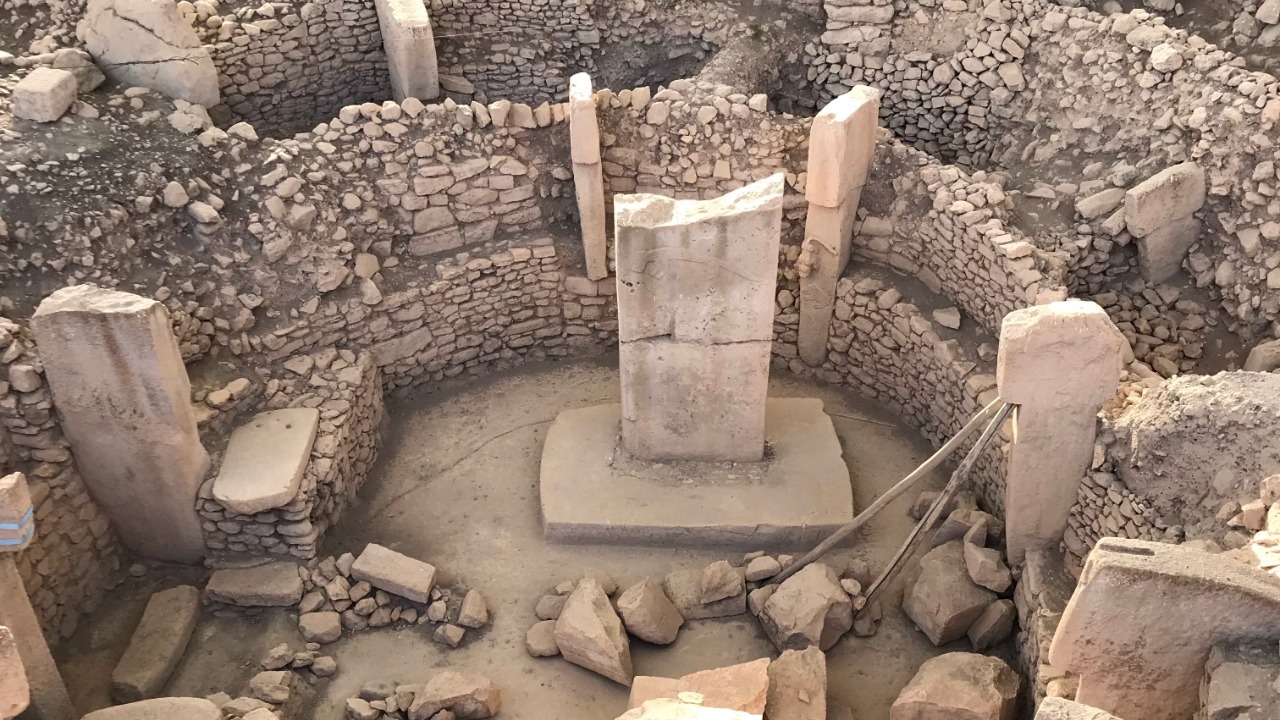
National Geographic’s oldest sites list says Göbekli Tepe in Turkey was built beginning in the tenth millennium B.C. That places its start thousands of years before the Great Pyramid, which began around 2560 BCE.
The date is given as a broad span rather than a single year, so the exact start is approximate. Even so, it is the earliest monument in this gallery by a wide margin. Its builders had no known writing, so the site’s meaning is interpreted from the monument and its carved pillars. The National Geographic list is a popular summary, so figures should be treated as general guidance.
2. Jericho: Settlement of Eleven Millennia
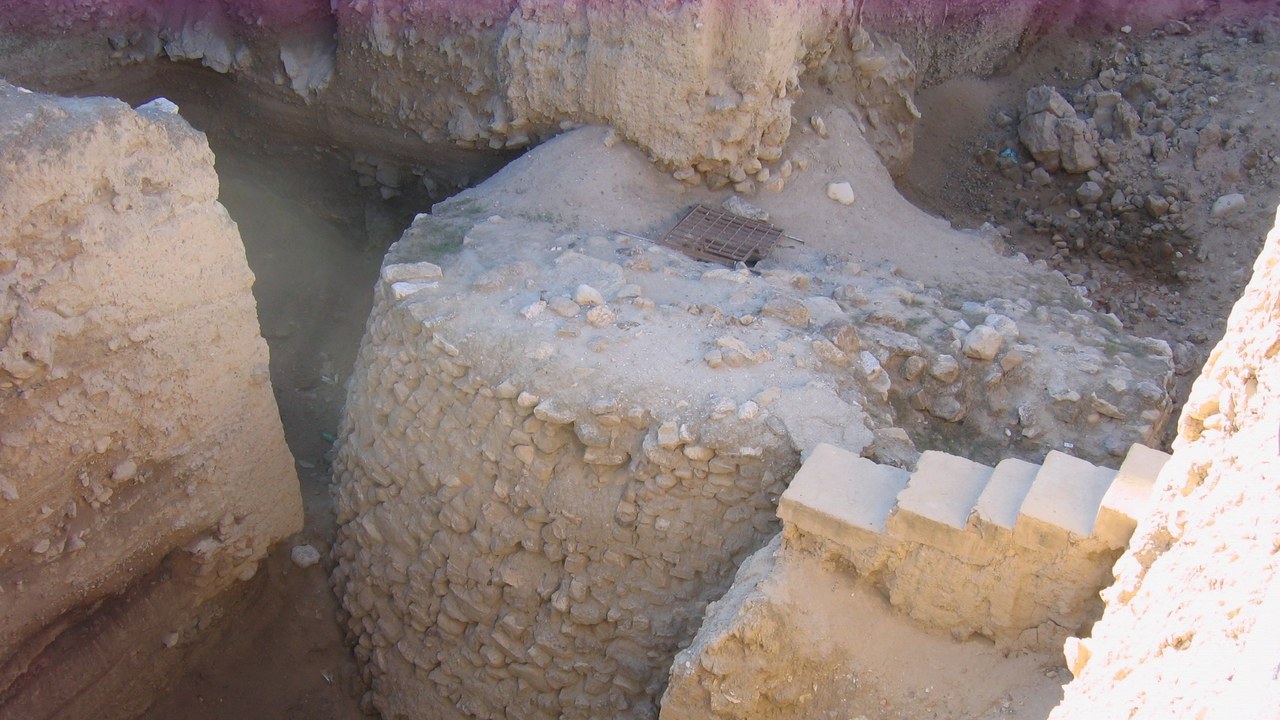
Jericho was established perhaps 11,000 years ago, according to National Geographic’s oldest-sites list. It is the only entry here described as a settlement.
The wording is hedged with a perhaps, so the age is an estimate. Even so, the claim puts the town far earlier than the Great Pyramid’s start around 2560 BCE, which was more than 4,500 years ago. Settlements are harder to date precisely than single monuments, because occupation layers build up over a long time. For readers, the entry is a reminder that human building began long before the pyramids.
3. Ġgantija temples: Maltese Temples
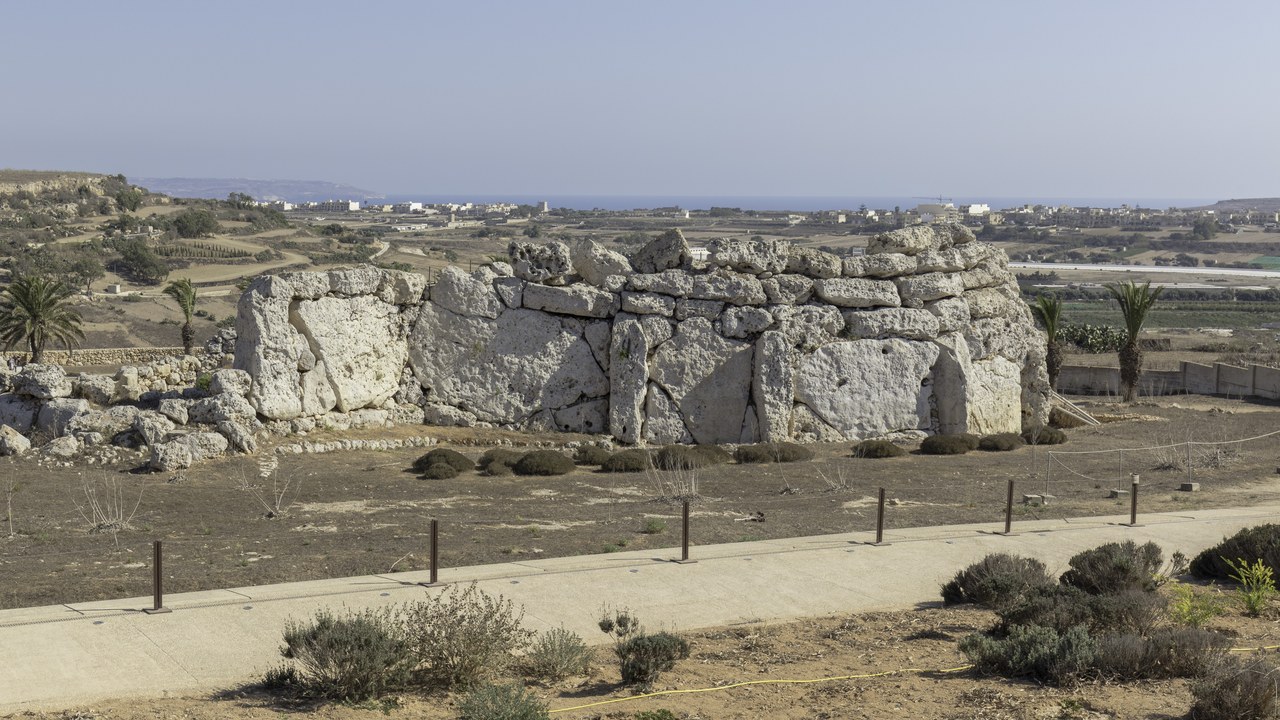
Malta’s Ġgantija temples were built around 3600 B.C., according to National Geographic’s list. The date places them roughly a thousand years before the Great Pyramid began, around 2560 BCE.
As with other prehistoric sites, the date is approximate, since the source says somewhere around 3600 B.C. Even allowing for that margin, the temples sit comfortably ahead of the Giza pyramid. The temples are among the oldest freestanding stone structures in the source’s list. The monuments sit on a small island, and their age is why they are often discussed beside the pyramids of Egypt.
4. Skara Brae: Orkney Farming Village
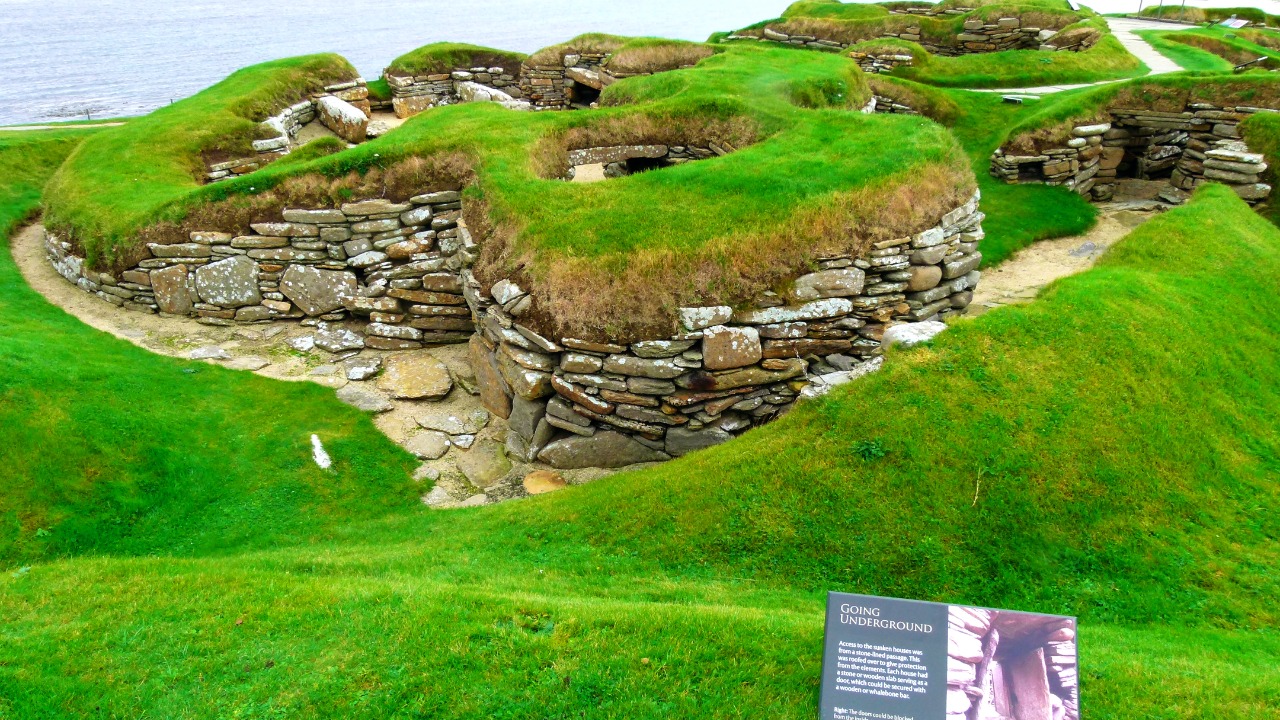
Skara Brae is one of four monuments in UNESCO’s Heart of Neolithic Orkney listing, which describes a farming culture dating to some 5,000 years ago.
UNESCO dates the wider tradition to roughly 3000 BC to 2000 BC, so the village’s own date is not given separately. Part of that span overlaps the Great Pyramid’s start around 2560 BCE, and the listing covers four monuments, not Skara Brae alone. The listing treats the four monuments as a single ensemble, which is why the date applies to the group. The farming culture it describes is the human context behind the stones.
5. Ring of Brodgar: Orkney Stone Circle
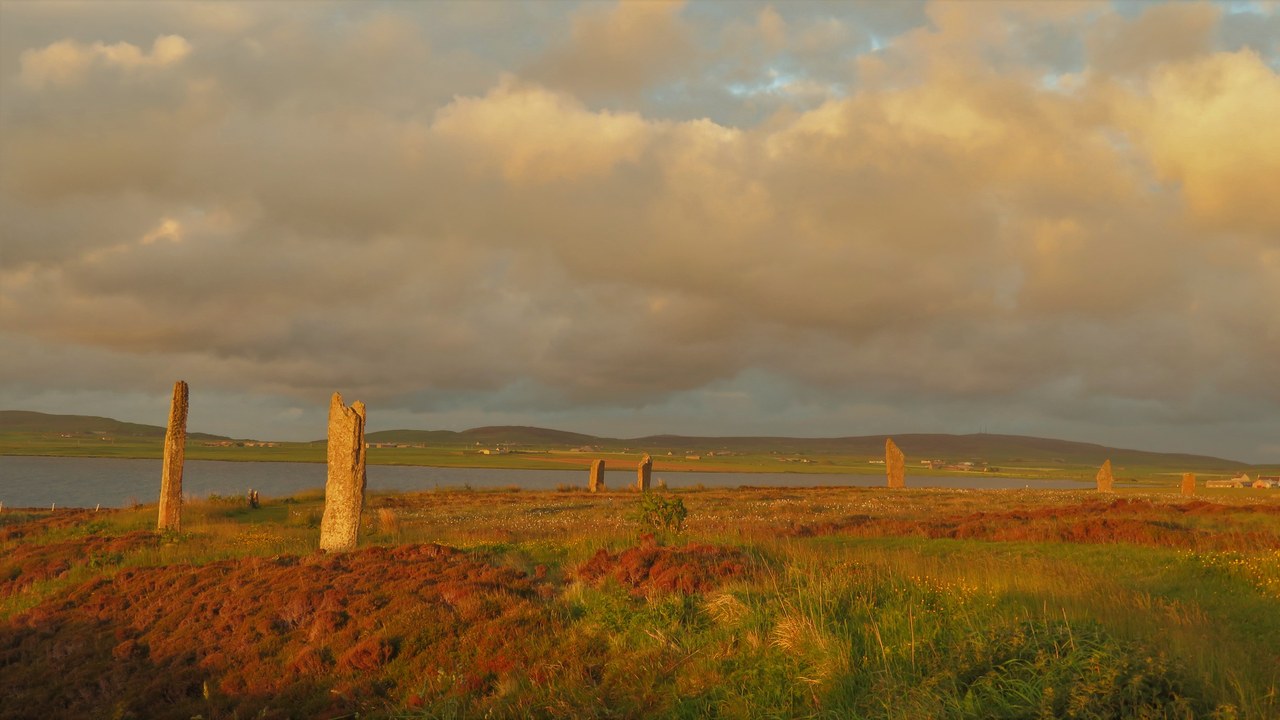
UNESCO says the Heart of Neolithic Orkney, which includes the Ring of Brodgar, flourished between about 3000 BC and 2000 BC, some 5,000 years ago, in its World Heritage listing.
The range is for the whole group of monuments, and it extends past the Great Pyramid’s start around 2560 BCE. The stone circle’s own construction date is not given in the source, so its place here rests on the early part of that span. Stone circles are difficult to date directly, which is one reason the source gives a broad range. The listing is a primary source from UNESCO, which adds weight to the general period even if it does not date each stone.
6. Maeshowe: Orkney Chambered Tomb
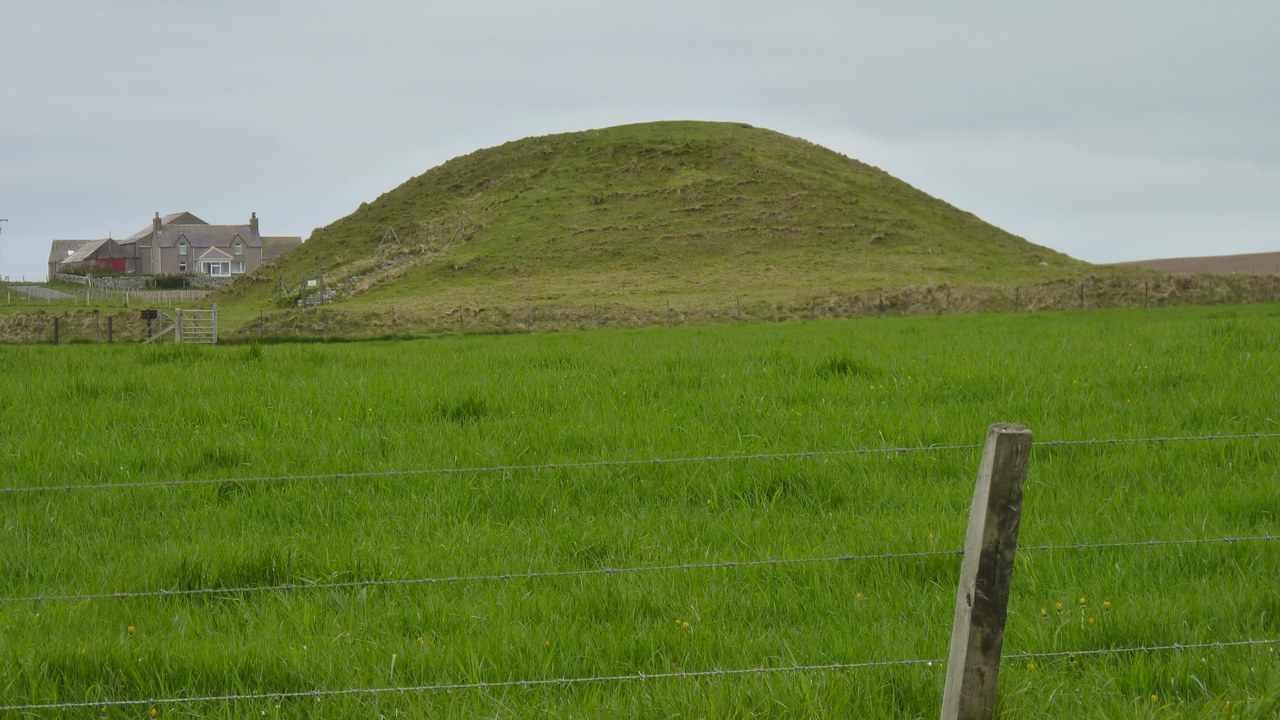
Maeshowe is one of four monuments in UNESCO’s Neolithic Orkney listing, a tradition dating to some 5,000 years ago. The chambered tomb sits alongside Skara Brae and the Ring of Brodgar in the same group.
UNESCO describes the group as a cultural tradition rather than dating each monument, so Maeshowe’s own build date is not supplied here. Its inclusion rests on the early date of the group. The grouping reflects UNESCO’s approach of protecting the monuments as a connected landscape. The tomb is included here because the group tradition it belongs to is old, and not because of a stated individual date.
7. Newgrange: Solstice Passage Tomb
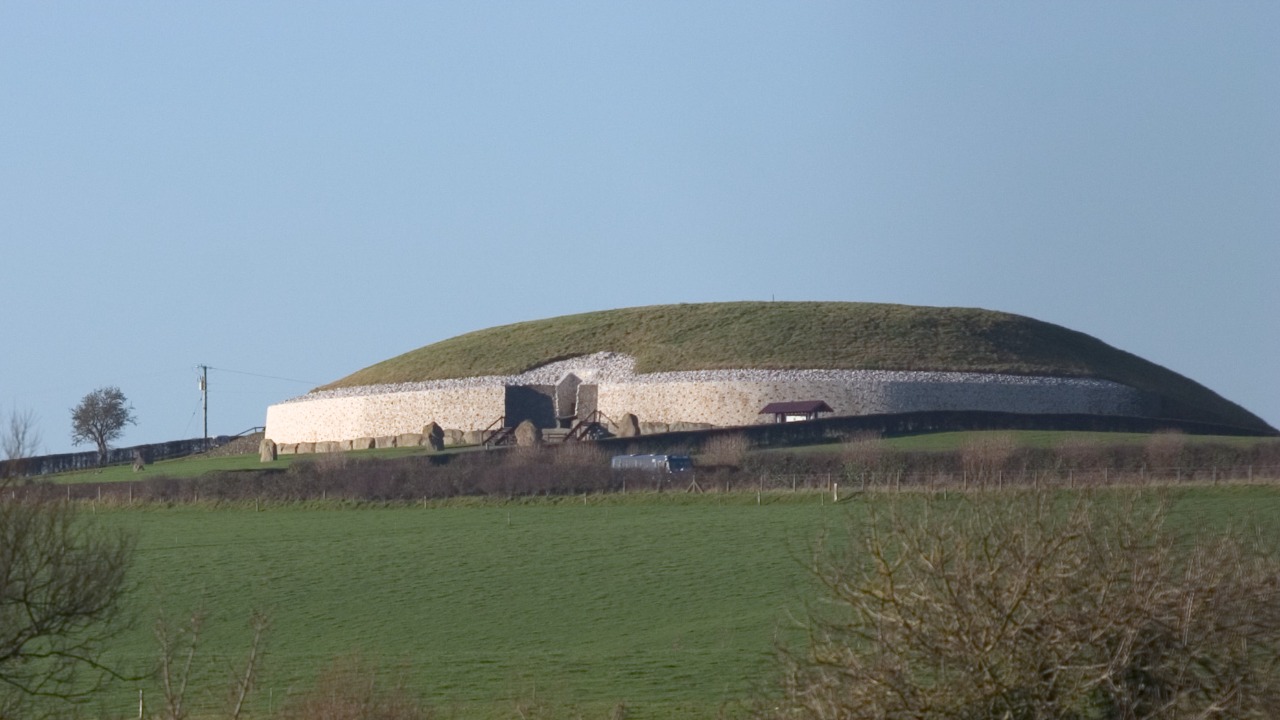
Ireland’s Newgrange passage tomb was built circa 3200 BC, according to Heritage Ireland, and its roof box still lights up at winter solstice sunrise.
A build date of circa 3200 BC puts it several centuries before the Great Pyramid’s start around 2560 BCE. The source groups it with Knowth and Dowth, which share that date. The solstice alignment is the best-known feature of the tomb, and it is described by Heritage Ireland as still working today. That detail suggests careful planning by its builders, though the source gives no further explanation.
8. Stonehenge: Ditch and Bank First
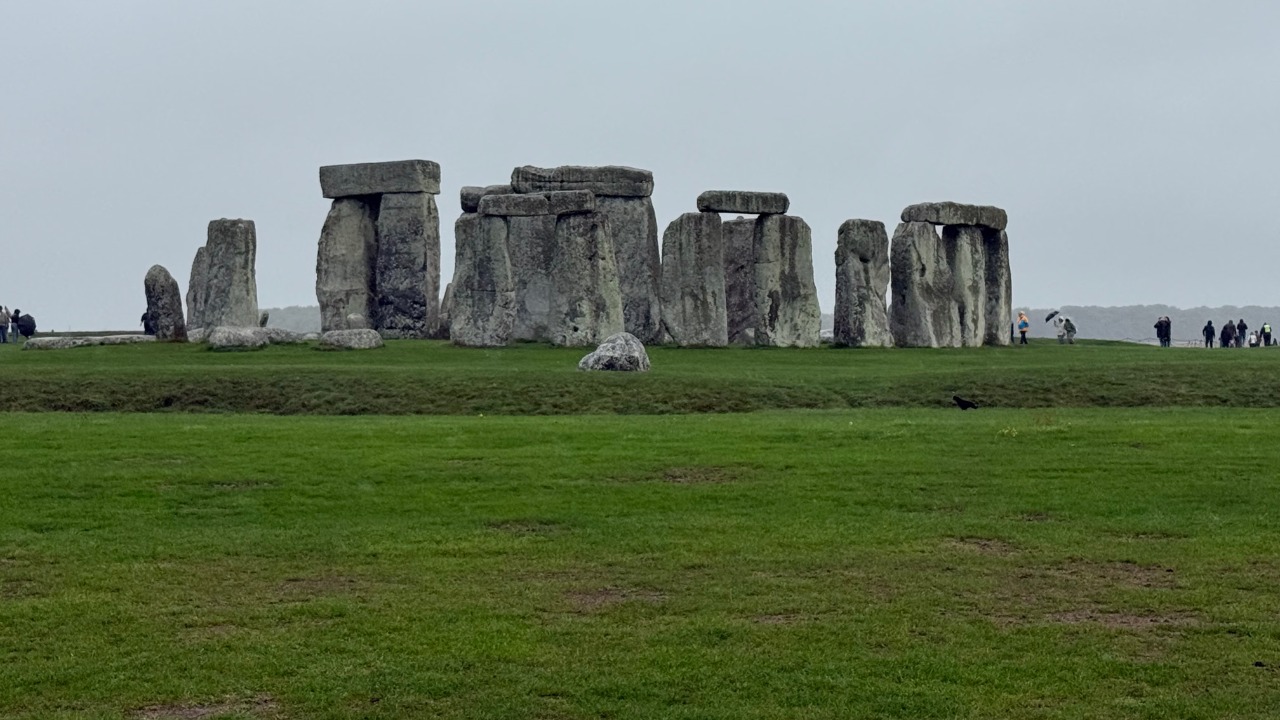
English Heritage dates the earliest phase of Stonehenge, a circular ditch and bank about 100 metres across, to about 3000 BC in its history of Stonehenge.
The ditch and bank came first, and the stones followed about 2500 BC, around the time the Great Pyramid was begun. The earthwork is therefore the part of the monument that clearly predates Giza. English Heritage presents the site as a series of phases, and the phase matters when comparing it with other monuments. Counting only the first phase, Stonehenge is older than the Great Pyramid, though the stone circle is not.
More from Morning Overview
- Two Kentucky residents died when a small plane crashed at Missouri’s Lake of the Ozarks, and the NTSB is investigating
- A handful of car transmissions are so tough that mechanics say they almost never die
- Melting permafrost is setting off a newly identified kind of catastrophic landslide, scientists say
- Cadillac cut the price of its cheapest EV, which goes up to 317 miles on a charge
