
Six-figure odometers are no longer remarkable, but the vehicles that get there tend to share the same traits: proven powertrains, simple engineering and owners who keep up with maintenance. Midsize SUVs face the hardest version of that test, hauling families, gear and trailers for a decade or more. Here are eight midsize SUVs with a real shot at 200,000 miles.
1. Toyota 4Runner: The Body-On-Frame Holdout
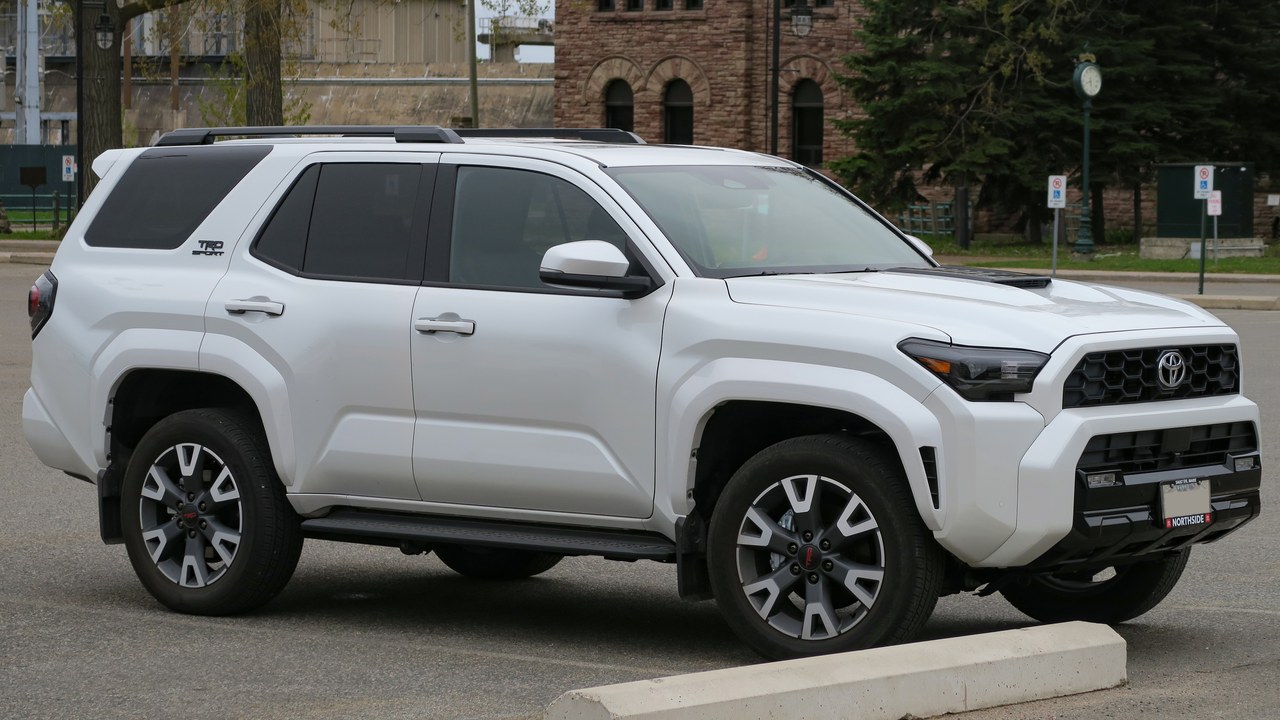
Four decades of stubbornness explain the 4Runner’s reputation. While most rivals moved to car-derived unibody construction, Toyota kept its body-on-frame SUV on a truck platform shared with the Tacoma pickup, and left each generation in production far longer than the industry norm. Hardware that changes slowly gets debugged thoroughly, and mechanics see the same parts for years, which is a large part of why high-odometer examples remain common on used lots.
The trade-off is everything a truck platform implies: heavy steering, modest fuel economy and a ride that never fully settles. Buyers chasing longevity should still inspect older examples for frame rust, particularly in salted climates, where corrosion often arrives long before the drivetrain quits.
2. Toyota Highlander: Camry Bones, Family Duty
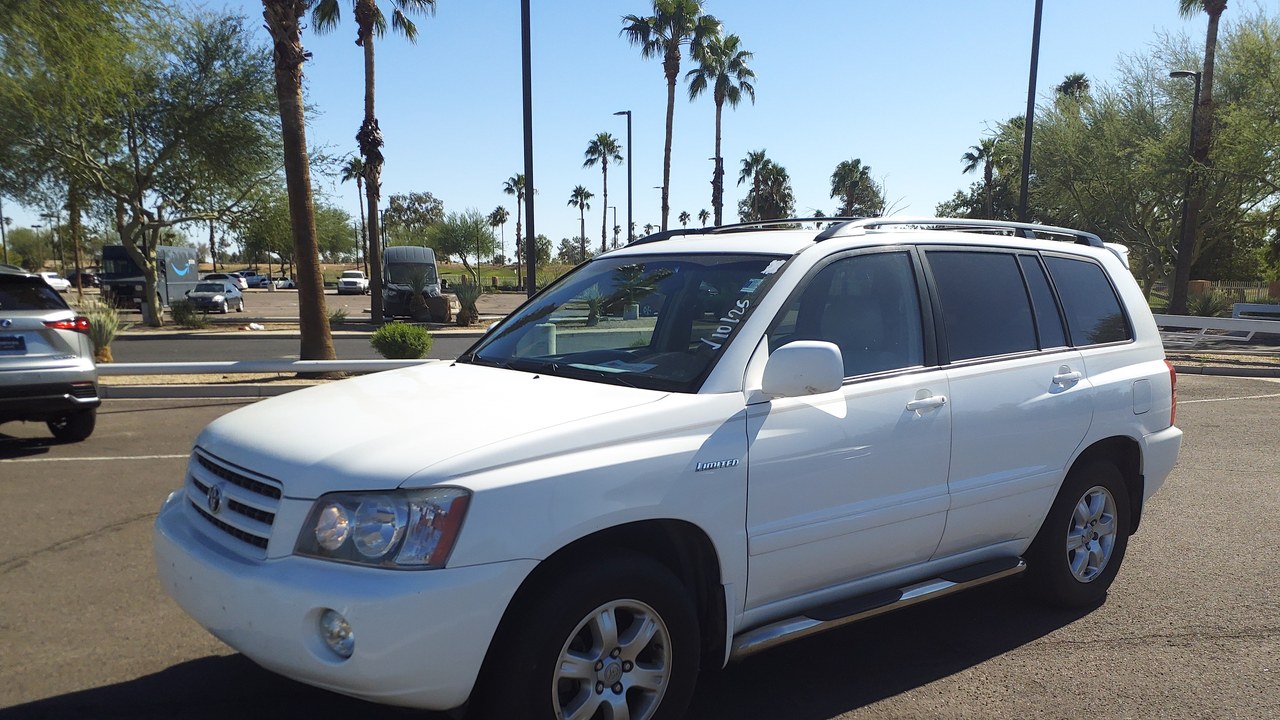
The Highlander took the opposite route and arrived in the same place. Toyota built its three-row crossover on unibody architecture shared with the Camry, using a V6 that had already logged millions of miles in sedans and minivans before it was asked to move a family of seven. Hybrid versions swap the conventional automatic for a planetary eCVT, a design with far fewer wearing parts than a torque-converter gearbox.
None of that makes maintenance optional. Water-pump and timing-chain service, transfer-case fluid on all-wheel-drive cars and brake work on a vehicle this heavy still decide whether a Highlander sees 200,000 miles or 120,000. Interiors also tend to age faster than the mechanicals, so a tired cabin is a poor proxy for a tired drivetrain.
3. Honda Pilot: One Engine, Four Generations
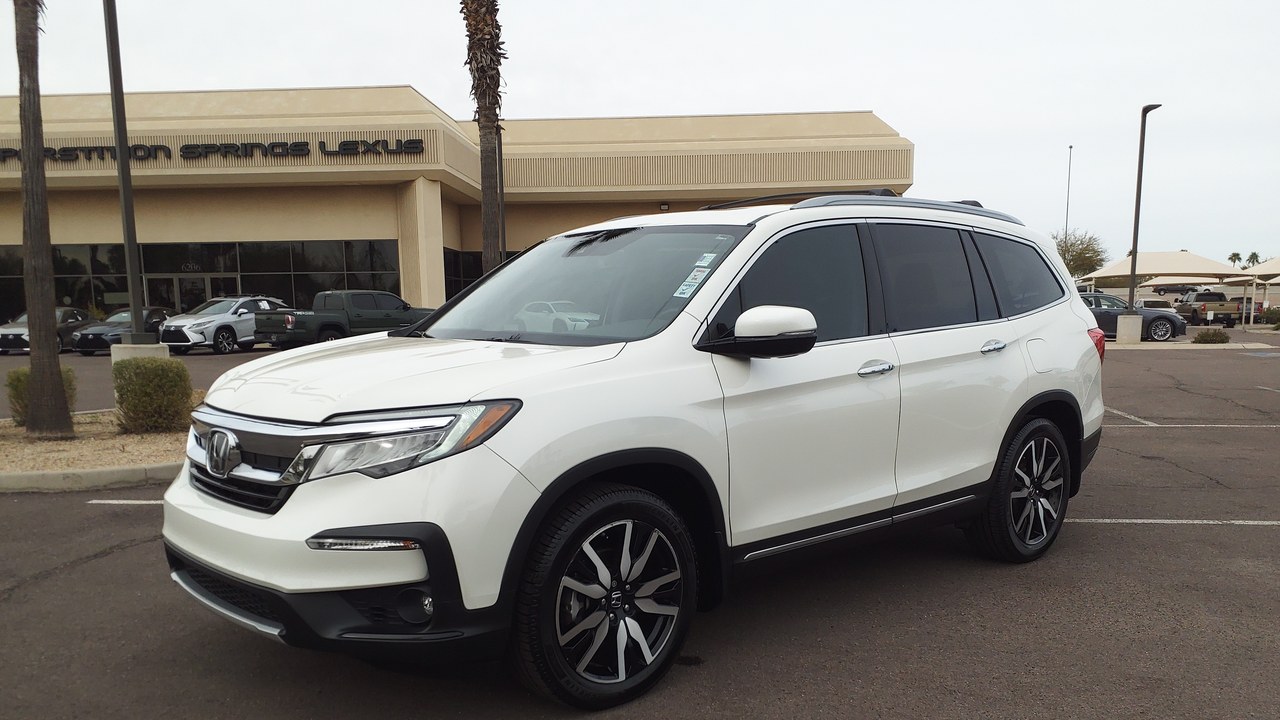
Every Pilot since the model arrived in 2002 has used a version of Honda’s 3.5-liter V6, an unusually long run for a single engine family. That continuity gives the eight-seat crossover a deep parts supply and a service history mechanics know cold, which matters far more at 180,000 miles than any showroom feature. The rest of the package is deliberately conventional: unibody structure and a chassis shared with the Odyssey minivan.
The known weak spot is Honda’s cylinder-deactivation system, which some owners blame for oil consumption and misfires on higher-mileage V6s. Regular oil changes and, where fitted, attention to the timing belt keep that risk manageable, but a neglected Pilot punishes a buyer faster than its reputation suggests.
4. Lexus RX: Luxury That Ages Slowly
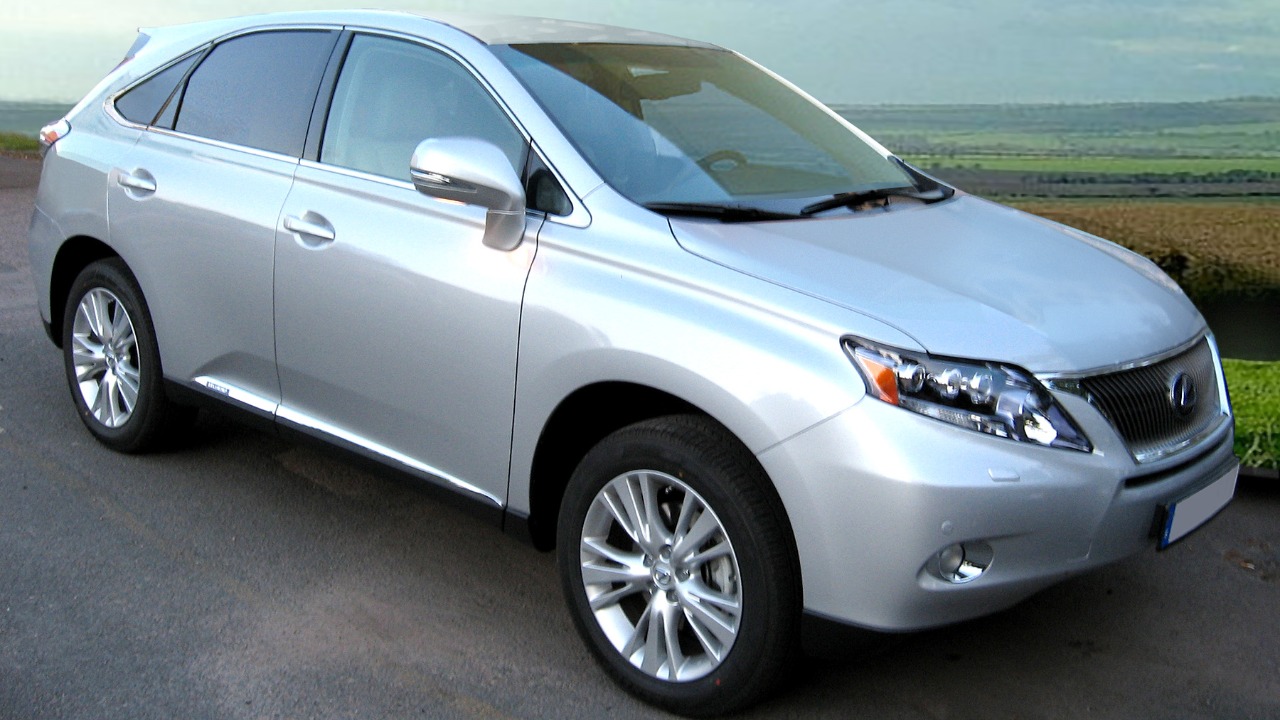
Lexus effectively invented the luxury crossover with the RX in the late 1990s, and the formula has barely moved since: Toyota running gear, soft tuning and no pretense of off-road ability. Because the midsize Lexus crossover shares its platform and much of its hardware with the Highlander, repairs at high mileage rarely demand exotic parts, and hybrid versions have been sold since the mid-2000s, long enough for battery-replacement costs to be well understood.
Age shows up elsewhere. Infotainment hardware, worn leather and tired suspension bushings date an older RX long before its drivetrain complains, and dealer labor rates make deferred maintenance expensive to catch up on. Service history, not badge appeal, is the thing worth checking.
5. Acura MDX: Honda Hardware In A Suit
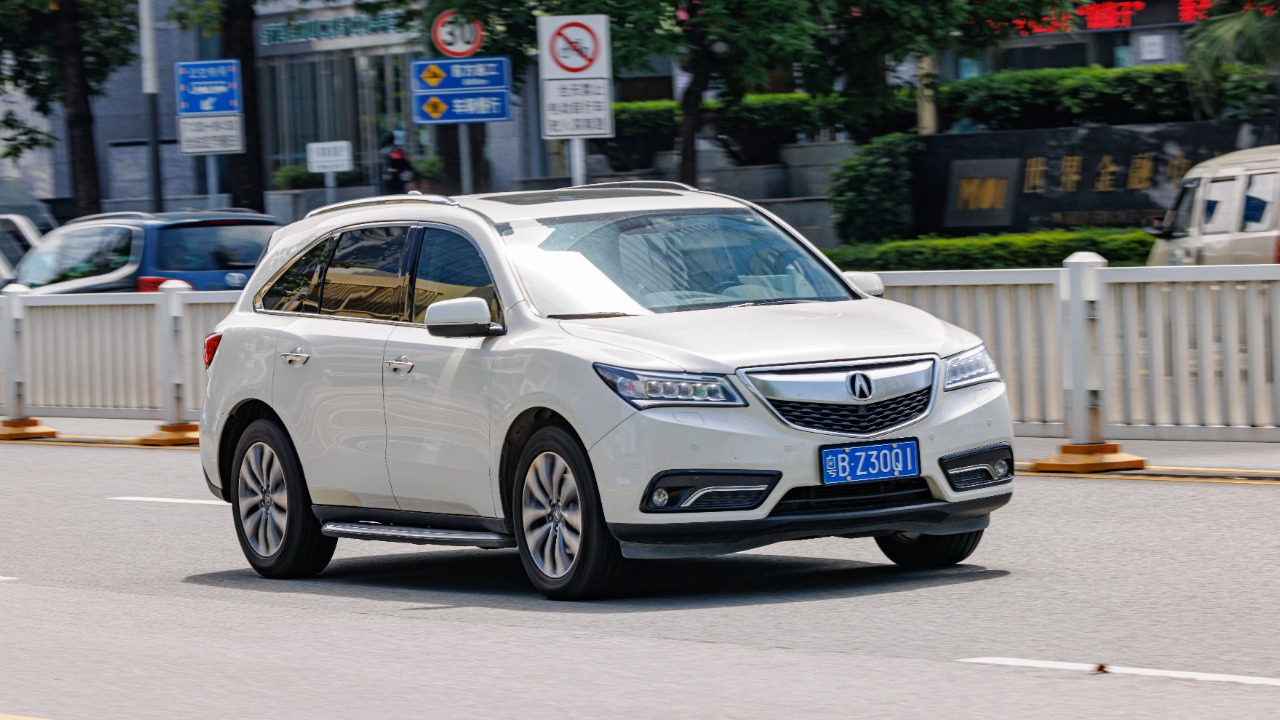
The MDX has always been a Honda underneath, which is precisely the point. It arrived for the 2001 model year sharing its architecture and J-series V6 with the Odyssey and Pilot, so the Acura three-row SUV inherits the same mass-produced components and the same well-mapped maintenance schedule as vehicles sold in far larger numbers. Independent shops that can service a Pilot can service this, and parts pricing reflects the overlap rather than the badge.
Complexity is the counterweight. All-wheel-drive versions add a torque-vectoring rear differential with its own fluid service, and later multi-speed automatics have drawn more owner complaints than the engines ahead of them. A high-mileage MDX rewards documented records far more than a low asking price.
6. Ford Explorer: Fleet Miles Prove The Case
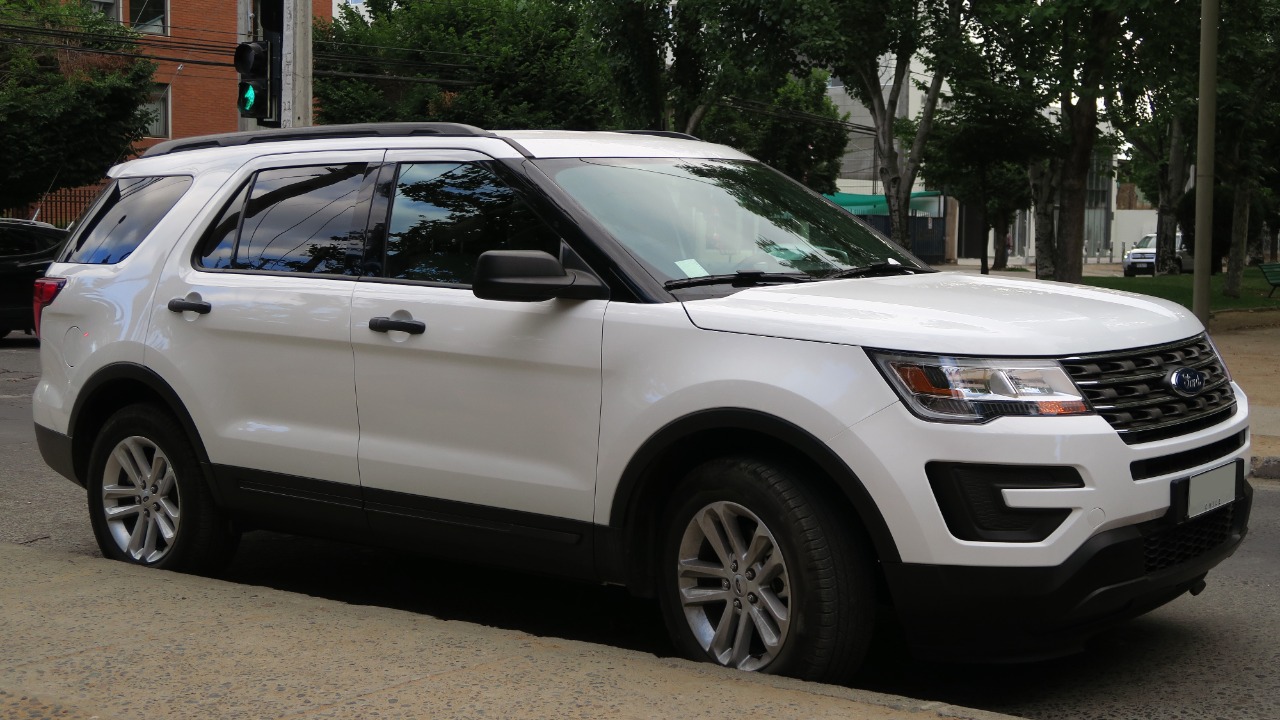
No SUV here logs harder miles than the Explorer. Police departments have run the Police Interceptor Utility version for years in idle-heavy, stop-and-go service, and Ford has sold the civilian model in enormous volume since 1990, which means parts availability and shop familiarity are close to unmatched. Sheer scale is its own kind of durability: a common failure on a vehicle this widespread gets diagnosed, documented and fixed cheaply.
The record is genuinely uneven, though, which is why the 200,000-mile Explorers tend to be the maintained ones. Power-transfer-unit and transmission complaints have followed several generations, and cooling-system neglect ends more of these SUVs than mileage does. Fluid intervals, not luck, separate the survivors.
7. Nissan Murano: Strong Engine, Watch The CVT
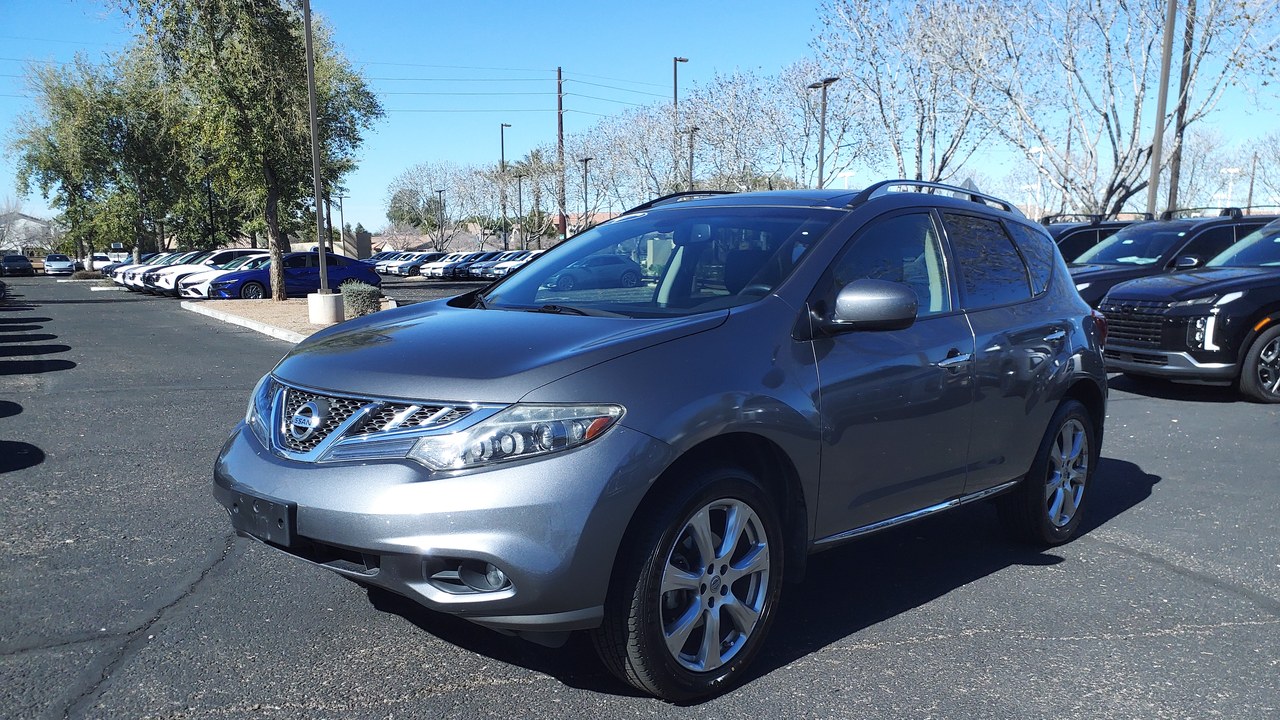
Nissan’s VQ-series V6 is the reason the Murano appears on longevity lists at all: it is one of the most widely produced six-cylinders of the past three decades, used across the Altima, Maxima and 350Z, and it tolerates high mileage when oil changes stay current. The midsize Nissan crossover pairs it with a comfortable, well-insulated unibody body that ages gracefully.
The transmission is the asterisk. Every Murano has used a continuously variable transmission, and Nissan’s CVTs have generated years of owner complaints, with replacement costs high enough to total an older example. Fluid changes at shorter-than-recommended intervals and avoiding sustained towing are what separate the ones that reach 200,000 miles from the ones parked at 130,000.
8. Kia Telluride: The Newcomer With A Short Record
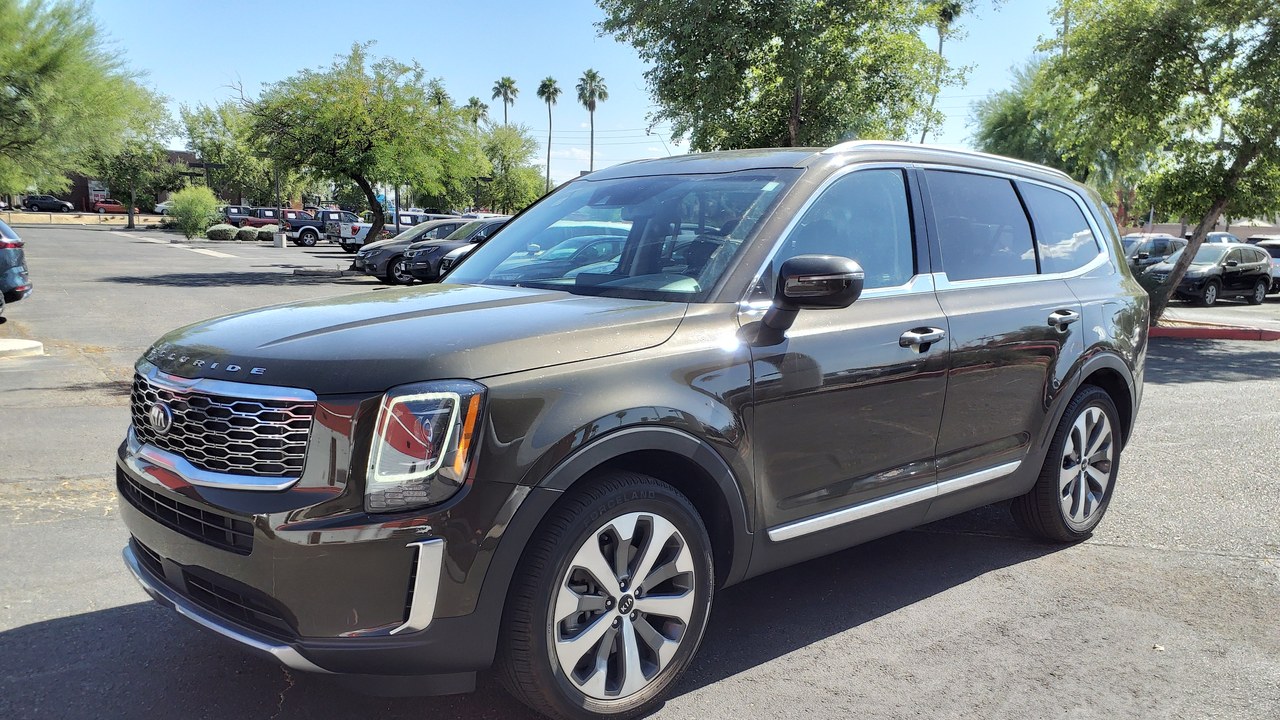
The Telluride is the outlier here, on sale only since 2019 and built in West Point, Georgia. Its case rests on conventional engineering rather than decades of odometer evidence: a naturally aspirated 3.8-liter V6 and a torque-converter automatic instead of a turbocharged engine and a belt-driven CVT, plus a powertrain warranty long enough that Kia is effectively betting on the three-row SUV lasting.
That is a projection, not a track record. The oldest examples are only now reaching the mileage at which transmissions, suspension bushings and electronics start making their case, and early build years have drawn the recalls that typically accompany a brand-new model line. Longevity here is a reasonable bet rather than a settled one.
More from Morning Overview
- The NSA is again telling phone owners to switch off one location setting
- A handful of car transmissions are so tough mechanics say they almost never fail
- A handful of SUVs keep hitting 300,000 miles, and they share one engine trait
- Supplements now rank as the fifth-leading cause of death from liver disease.
