
Vehicle longevity comes down to engineering choices made long before a car reaches a driveway: simple drivetrains, over-built frames, and production runs long enough to prove themselves. Some of these models earned their reputations in taxi fleets, work sites and remote corners of the world. Here are eleven cars that keep running when others reach the scrapyard.
1. Toyota Land Cruiser: Built For Places Without Tow Trucks
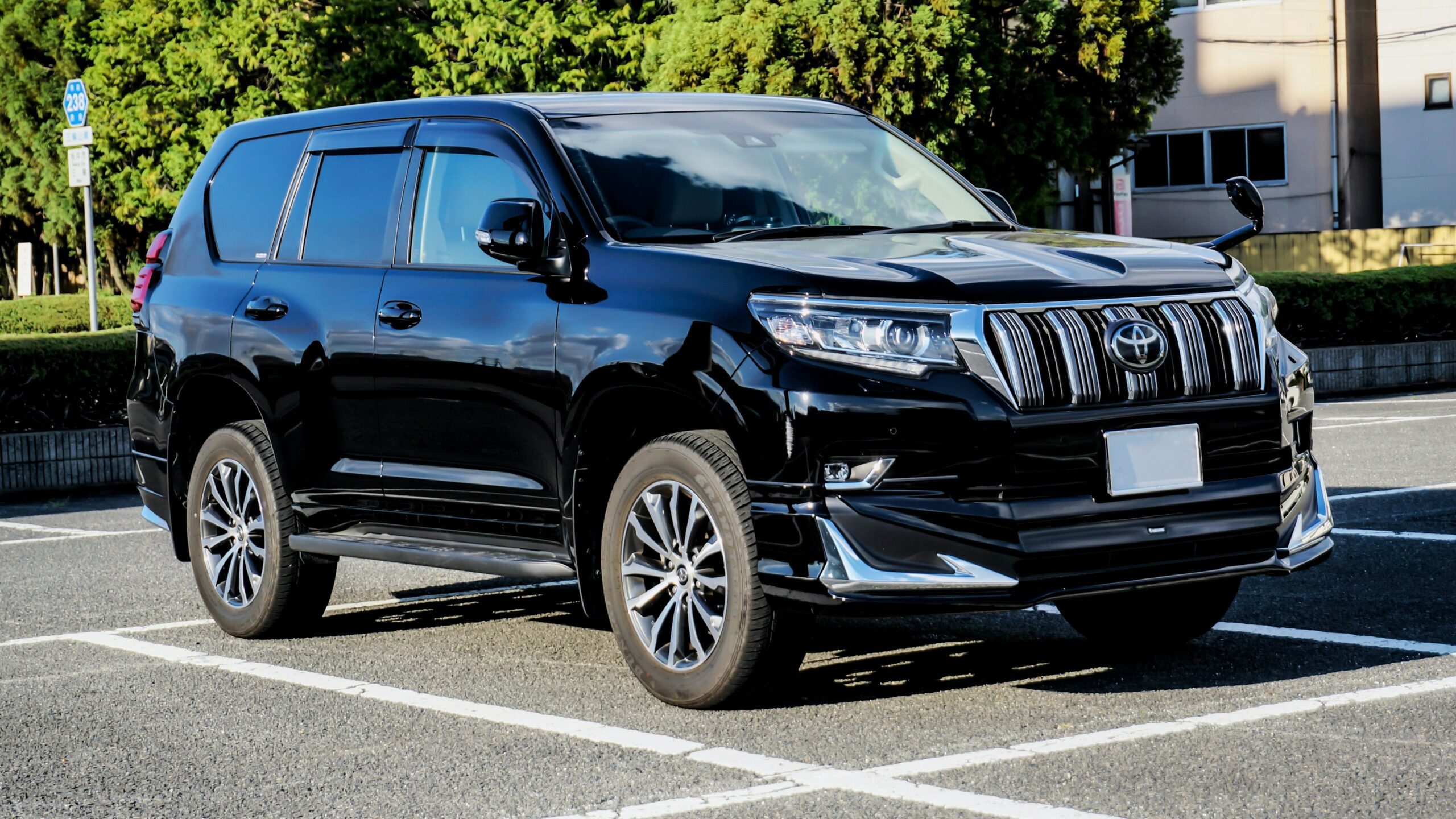
Toyota has produced the Land Cruiser continuously since 1951, and much of that run was spent in mining camps, aid convoys and remote stations where a breakdown had no easy rescue. The engineering reflects that duty: a ladder frame, solid axles through most generations, and understressed engines reused across long production cycles. Toyota’s oldest surviving nameplate was built to be repaired rather than replaced.
For a buyer, the practical payoff is parts availability and a global base of repair knowledge that outlasts any single truck. The tradeoff is weight, fuel consumption and a purchase price now far above its utilitarian origins.
2. Toyota Sequoia: A Pickup Wearing An SUV Body
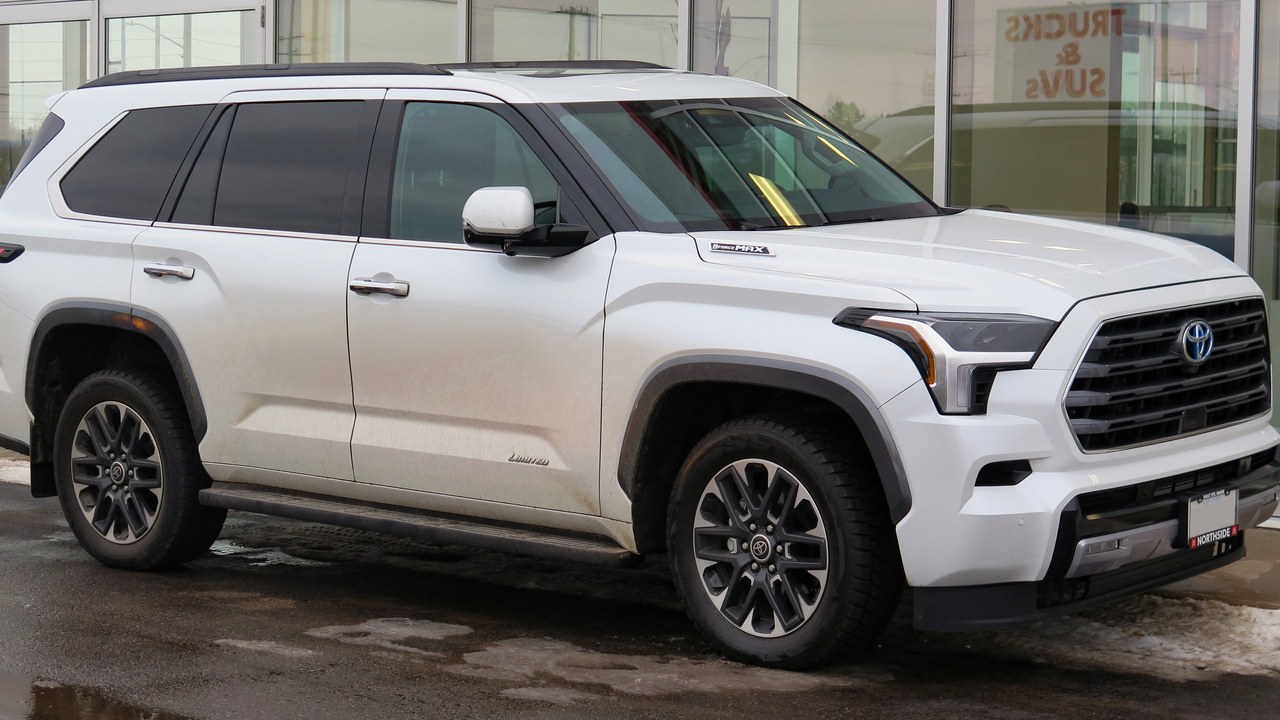
The Sequoia is not a car-based crossover but a full-size SUV built on Toyota’s Tundra pickup architecture, sharing its frame, axles and truck V8 engines. Early examples were assembled in Princeton, Indiana alongside that pickup, and the Tundra-derived platform handed the Sequoia commercial-duty hardware wrapped in a family body.
That deliberate over-specification is why high-mileage examples stay common on the used market. Owners pay for it at the pump, and the oldest generations are now old enough that frame and suspension condition matter more than the odometer.
3. Toyota Tundra: Restraint Instead Of Innovation
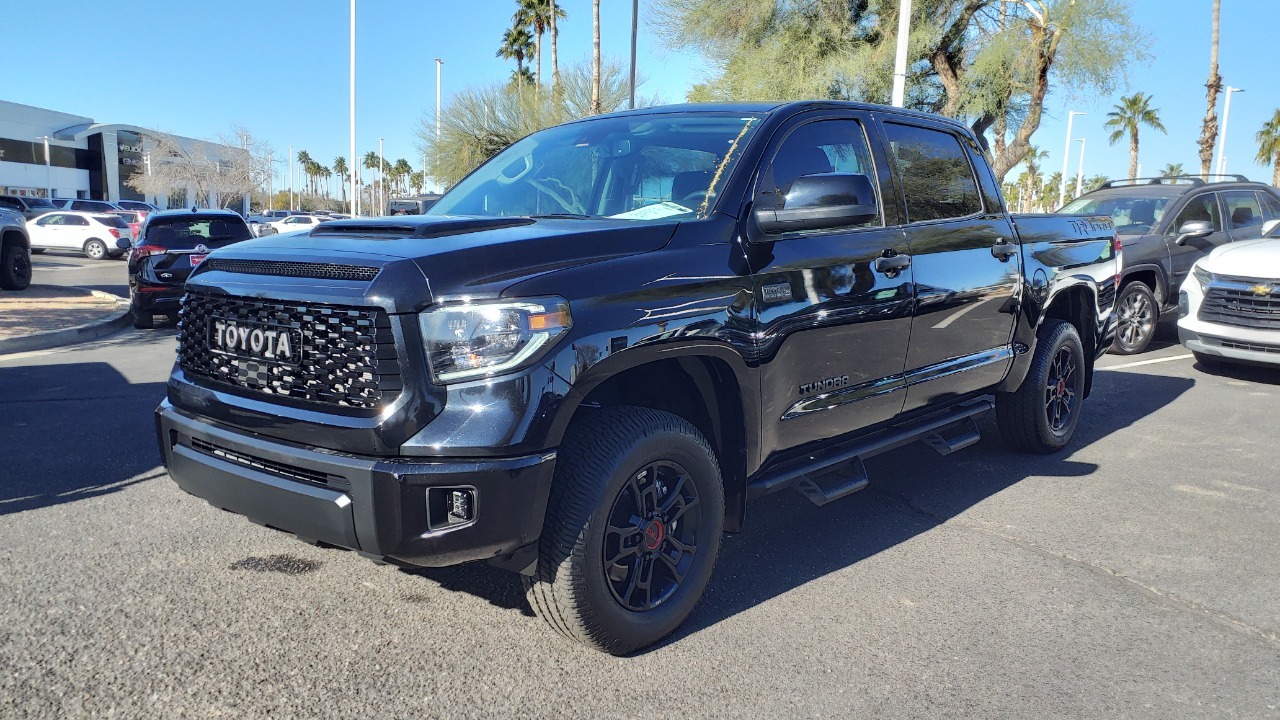
Built to take on domestic full-size pickups, the Tundra leaned on conservative hardware rather than novelty: cast-iron-block V8 engines related to the Land Cruiser family, a ladder frame and a truck-duty automatic transmission. The San Antonio plant has assembled it since 2006 with few architectural departures.
Longevity here is a byproduct of restraint, because fewer new systems leave fewer things to fail. The cost is efficiency, and early trucks demand a careful look at frame and underbody corrosion before money changes hands.
4. Honda Odyssey: The Minivan That Absorbs Mileage
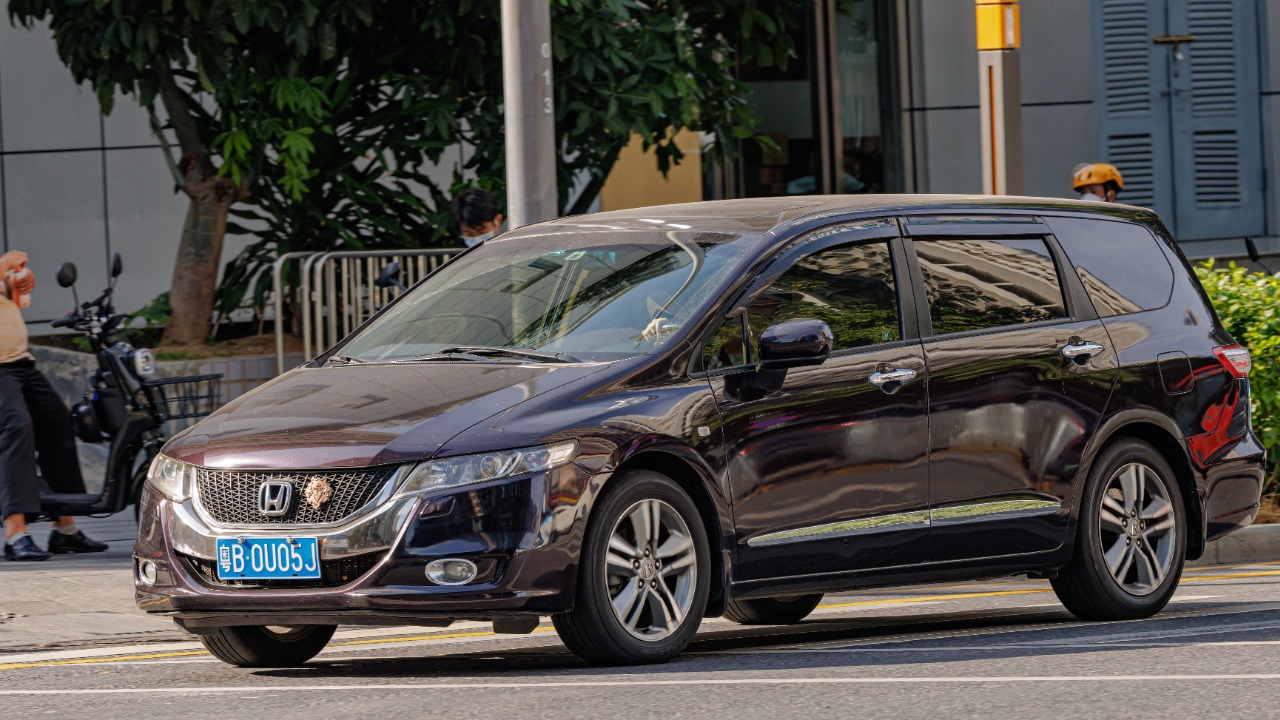
Few vehicles absorb mileage the way a family minivan does, and the Odyssey has taken that punishment since 1994 using Honda’s J-series V6, an engine family shared with the Accord and Pilot and refined over three decades. The Odyssey’s V6 lineage explains why so many reach a second and third owner.
The weak points sit elsewhere: power sliding-door mechanisms, suspension bushings and automatic transmission service history, which on older examples predicts survival far better than the odometer does.
5. Toyota 4Runner: The Last Old-School Midsize SUV
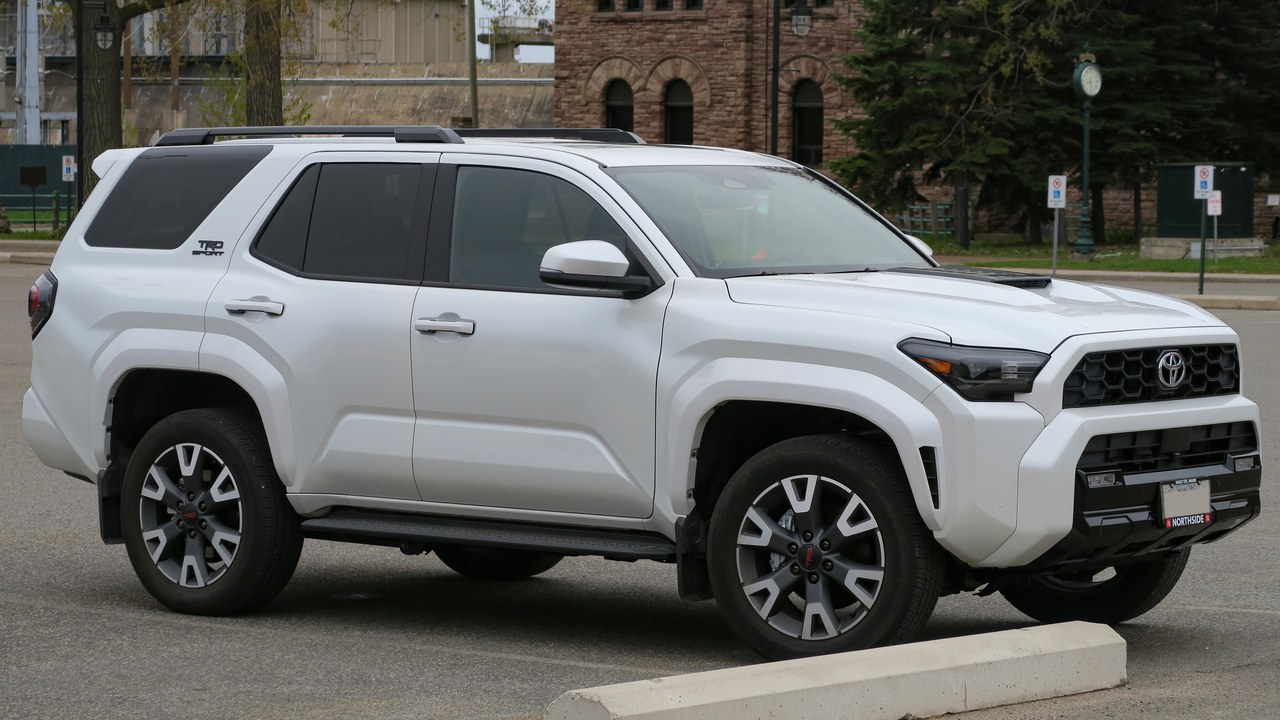
The 4Runner kept body-on-frame construction and a naturally aspirated V6 long after most midsize SUVs moved to unibodies and turbochargers. Its fifth generation ran from 2009 into the 2020s with only detail revisions, so the 4Runner’s underpinnings were debugged across more than a decade of uninterrupted production.
Long production runs help owners twice over, through well-documented failure modes and a deep parts aftermarket. The price of that stability is dated fuel economy and an interior that shows every year of it.
6. Chevrolet Suburban: The Nameplate That Never Stopped
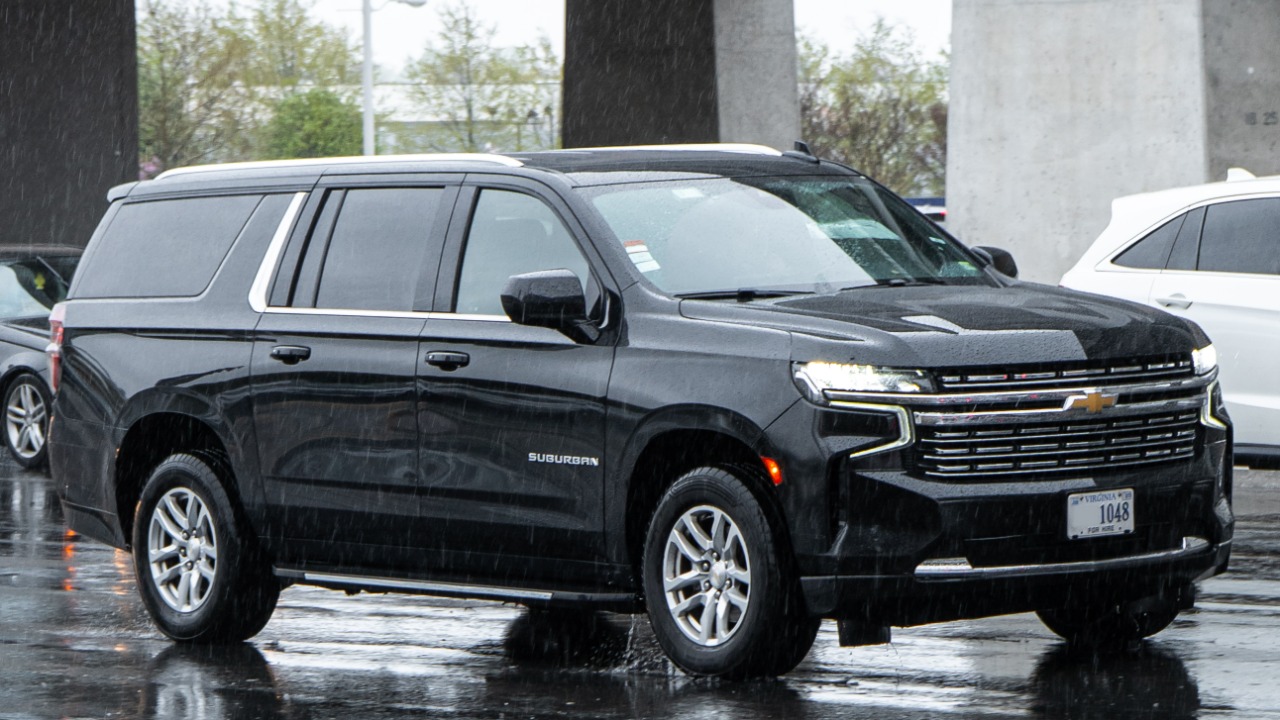
The Suburban has been sold since 1935, the longest-running automobile nameplate still in production, and it has always been a truck underneath. Police departments, livery operators and contractors buy the body-on-frame Suburban precisely because it tolerates constant loading, towing and hours of idling.
Fleet adoption compounds the durability advantage, since parts supply, service knowledge and used-market depth all follow high-volume commercial use. The drawbacks are bulk, fuel consumption and repair bills scaled to the vehicle.
7. Toyota Highlander Hybrid: Fewer Parts Left To Wear Out
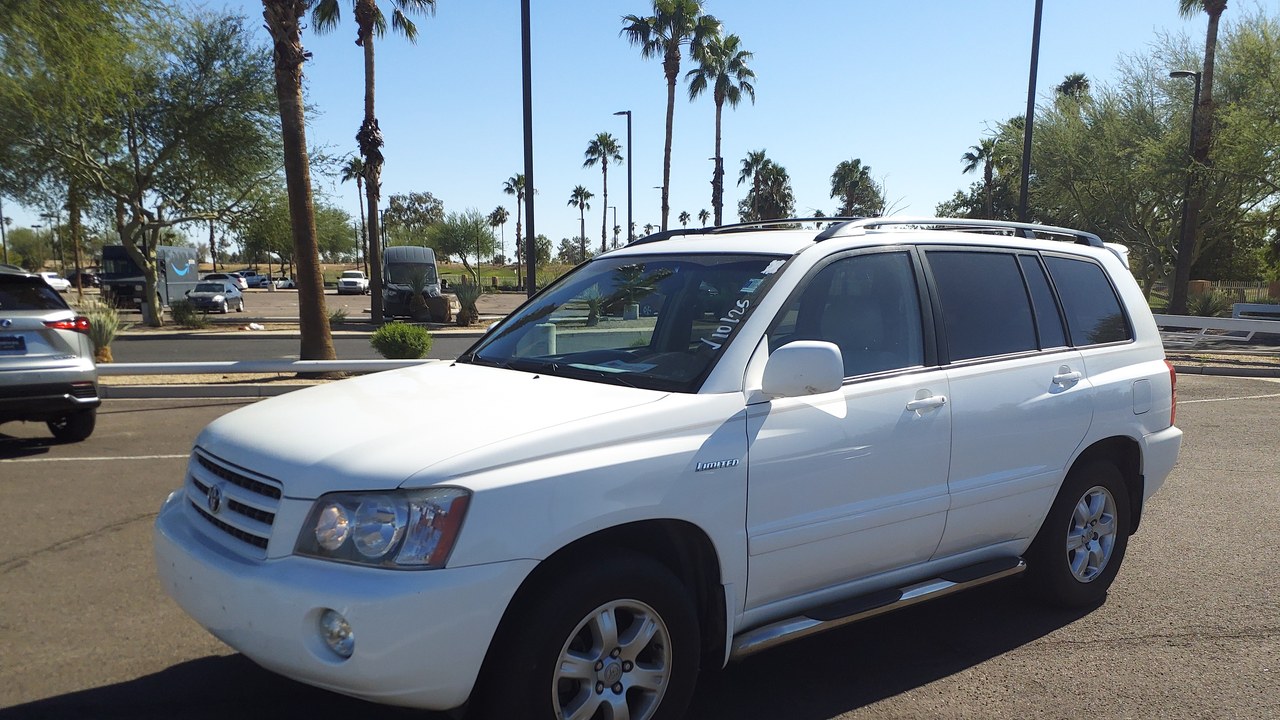
Hybrid drivetrains subtract wear items rather than adding them. Toyota pairs the engine with electric motors through a planetary gearset instead of a conventional stepped automatic, and regenerative braking handles much of the slowing, sparing the friction brakes. The Highlander’s hybrid system descends directly from the powertrain Toyota developed for the Prius.
Battery replacement is the fear owners voice most, yet the gasoline engine runs fewer hours, restarts warm and avoids the load cycles that age a conventional midsize SUV.
8. Honda Ridgeline: The Truck Built Like A Car
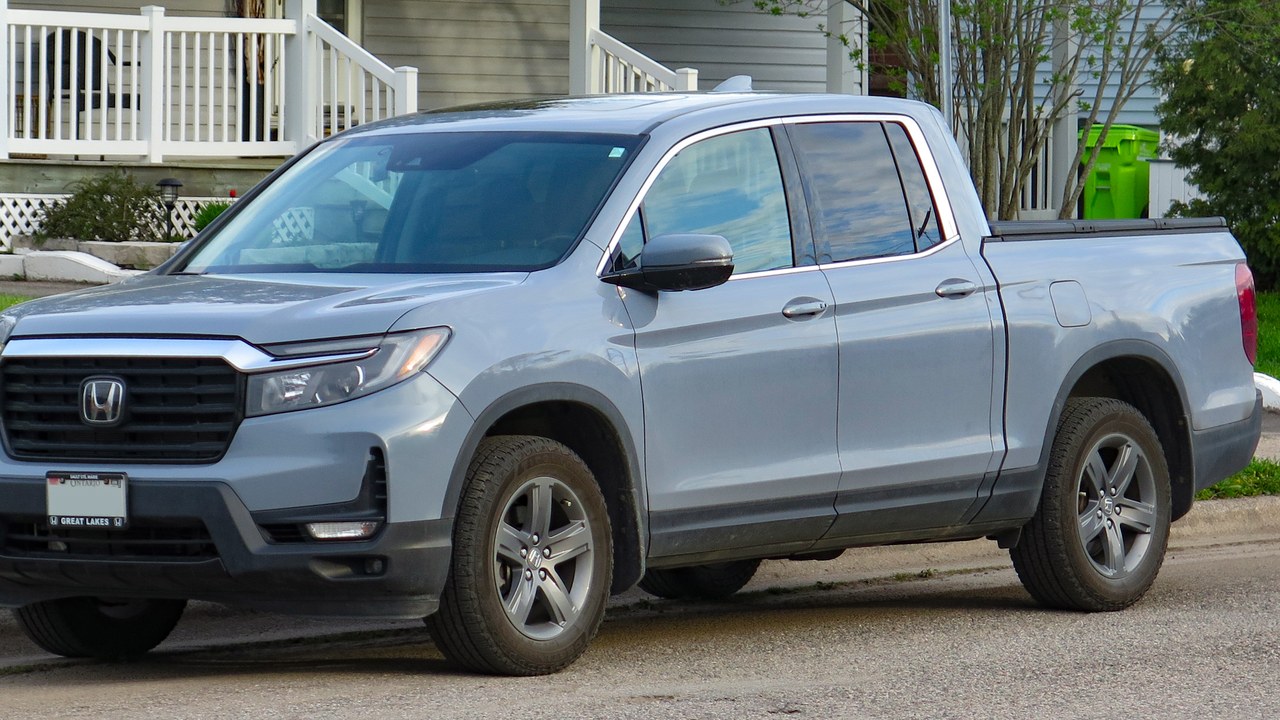
The Ridgeline is a pickup engineered like a car, using unibody construction and Honda’s J35 V6 in place of a separate ladder frame. That decision trades outright towing capacity for a sealed structure with fewer bolted joints, and the unibody pickup layout has stayed fundamentally intact across both generations.
It rewards owners who haul occasionally and commute constantly. Anyone working near the towing limit week after week is better served by a conventional frame truck, where those structural advantages stop mattering.
9. GMC Yukon XL: The Suburban Under Another Badge
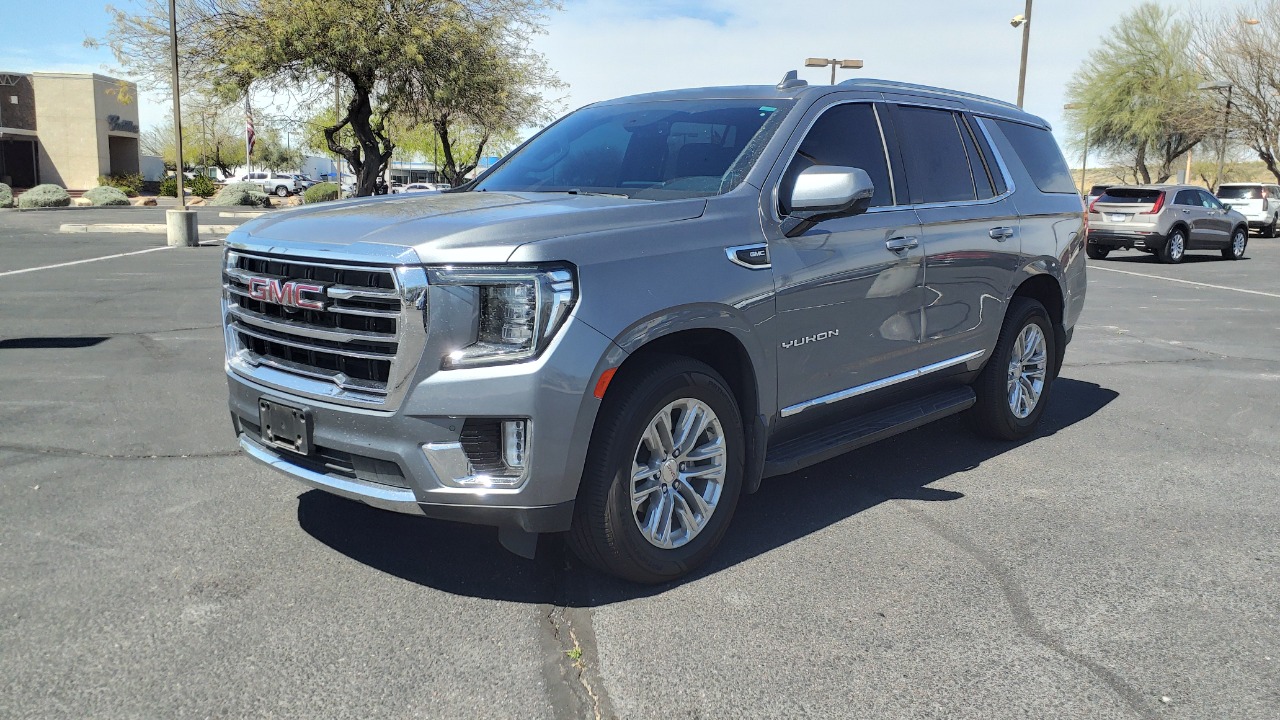
General Motors builds the Yukon XL and the Chevrolet Suburban on the same full-size truck architecture, sharing small-block V8 engines and the long wheelbase almost part for part. Decades of that shared production have made the GM full-size platform one of the best-documented drivetrains on American roads.
Commonality is the whole durability argument: mechanics already know it, parts sit on every shelf, and rebuilt components cost less than they would for a low-volume rival. Trim and badging, not engineering, separate the twins.
10. Toyota Avalon: Understressed And Unbothered
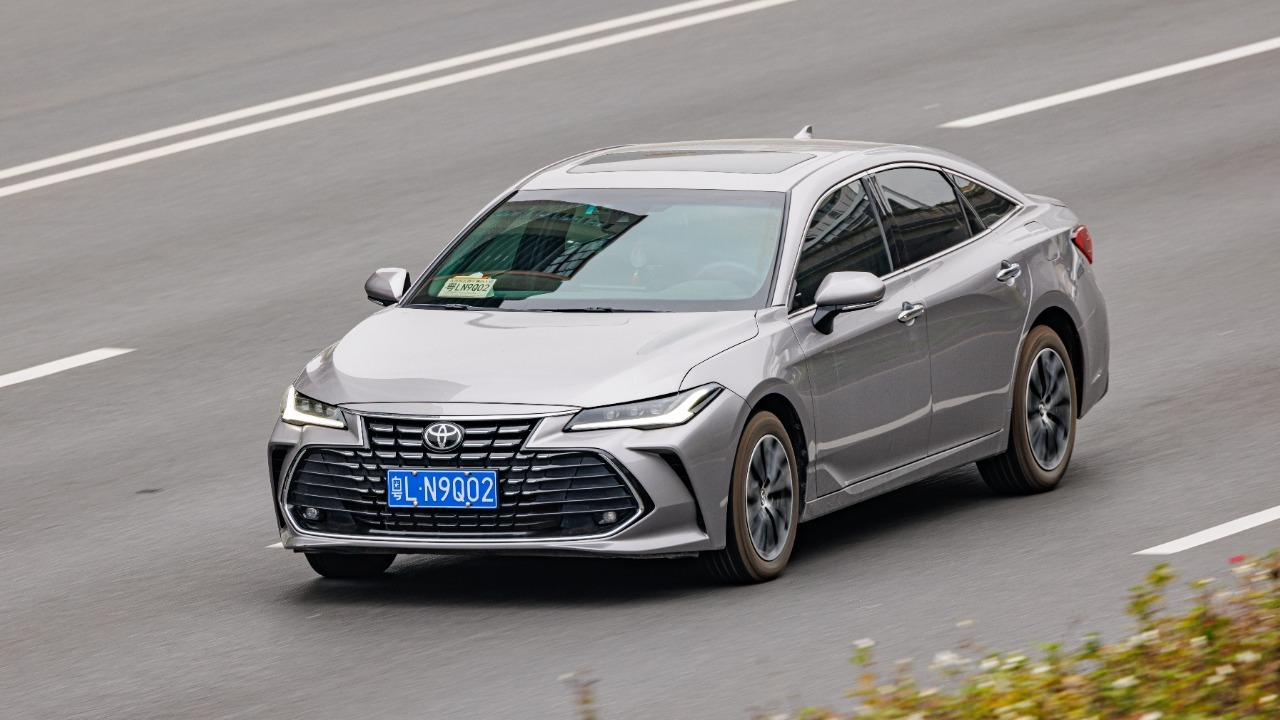
Toyota’s largest sedan spent most of its life on Camry architecture, wearing a longer body and carrying a V6 that rarely worked near its limits. Lightly stressed engines age slowly, and the Avalon’s Camry roots meant its major components were validated across one of the highest-volume car platforms ever built.
The result is a quiet, undemanding car that seldom surprises whoever owns it. Its real liability is availability rather than durability, since Toyota ended North American sales of the model in 2022.
11. Lexus LS: The Flagship Built To Overbuild
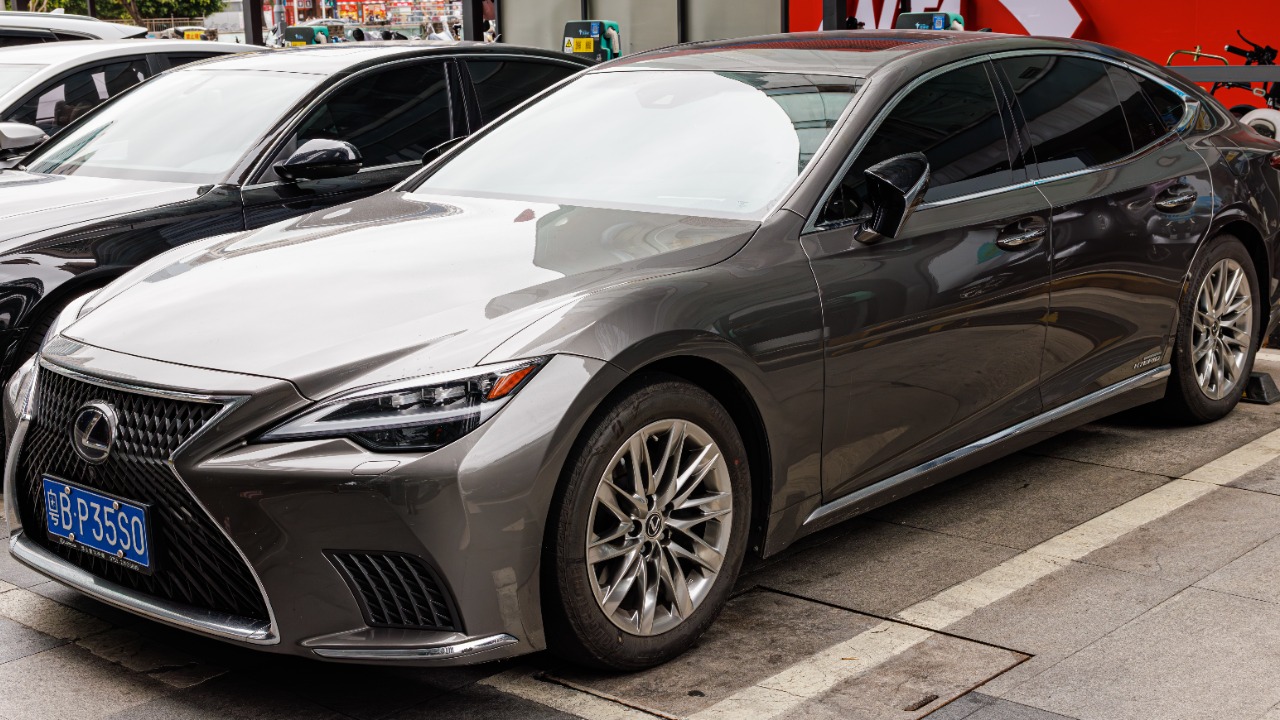
Toyota developed the original LS 400 through a program that ran for years and consumed hundreds of prototypes, targeting German flagships with tighter tolerances than rivals were then holding. Its quad-cam V8 became shorthand for indifference to mileage, and that development program set the standard the nameplate still trades on.
Later generations grew considerably more complex, adding air suspension and electronics that age less gracefully than the drivetrain beneath them. The mechanical longevity survives, but repair costs rise with the technology.
More from Morning Overview
